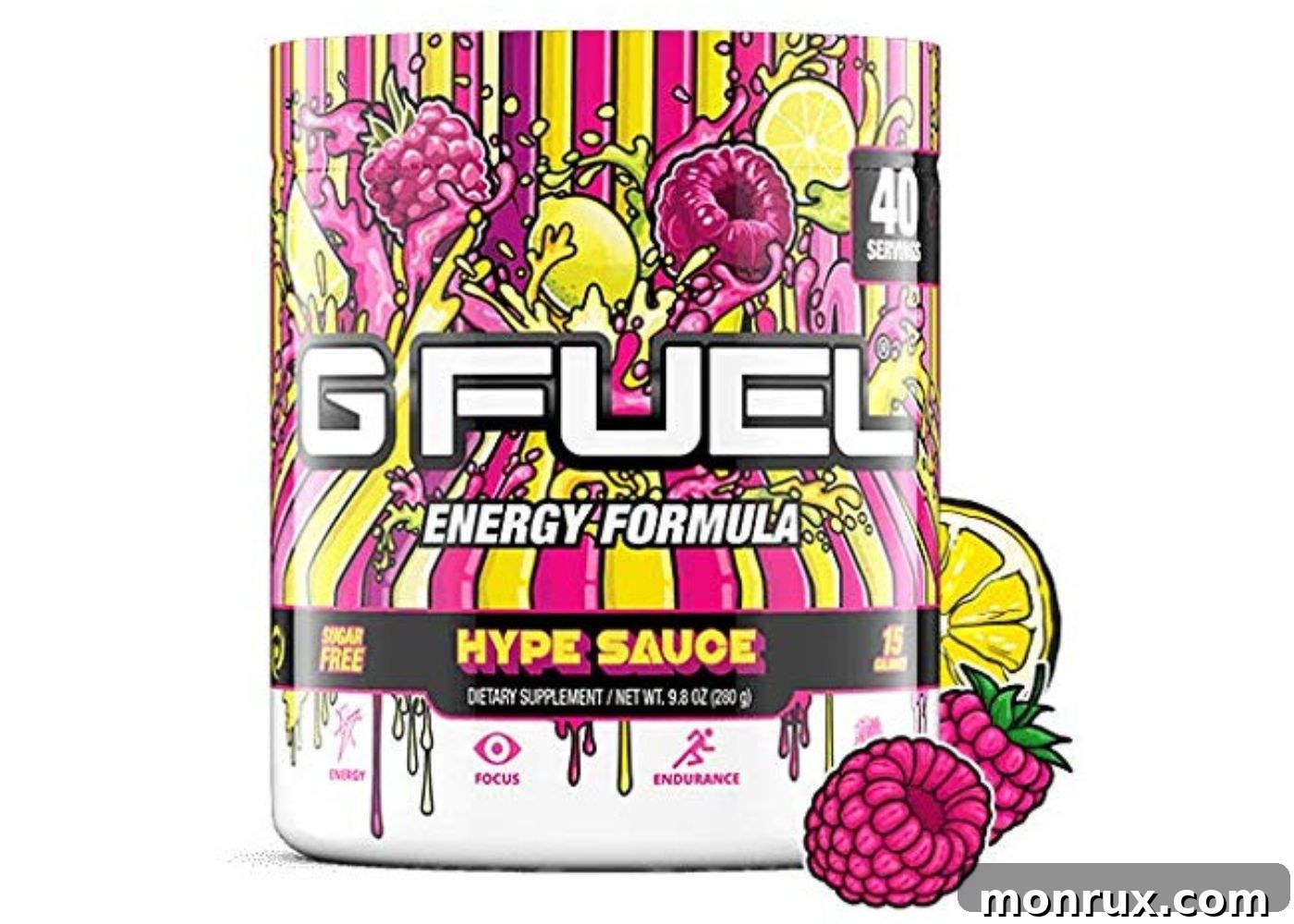
In the bustling world of energy drinks and performance enhancers, G Fuel has carved out a significant niche, particularly among gamers and content creators. Marketed as a “sugar-free energy formula” designed to sharpen focus and boost endurance, it’s become a household name in many circles. But beyond the vibrant flavors and celebrity endorsements, a crucial question remains for health-conscious consumers: Is G Fuel truly good for you? This in-depth article aims to peel back the layers, scrutinizing G Fuel’s ingredients, nutritional profile, potential benefits, and significant drawbacks. For most individuals, the short answer is that G Fuel is generally not considered a healthy choice for regular consumption. Join us as we explore why, and what smarter alternatives exist.
G Fuel: A Closer Look at the Energy Formula
G Fuel, created by Gamma Labs in 2012, was initially conceived as an innovative energy solution specifically tailored for the burgeoning world of online gaming and eSports. Its primary promise was to provide competitive gamers with sustained focus, heightened energy, rapid reaction times, and improved endurance without the sugar crash associated with traditional energy drinks. Starting with just three core flavors — Blue Ice, Fruit Punch, and Lemon Lime — G Fuel quickly gained traction and became a cultural phenomenon within its target community.
Today, G Fuel’s product line has expanded dramatically, boasting over 40 distinct flavors and several different formulations to cater to a wider audience. The company’s mission centers around creating sugar-free energy products that are fortified with a blend of antioxidants and essential vitamins. These products are designed to support cognitive function and physical stamina, making them appealing not just to gamers but also to athletes, students, and anyone seeking an energy boost. However, the exact composition and potential impact of these formulas warrant a detailed examination.
The diverse range of G Fuel products currently available includes:
- G Fuel Energy Formula: The original powdered supplement designed to be mixed with water.
- G Fuel Energy Cans: Ready-to-drink canned versions offering convenience.
- G Fuel Hydration Formula: A caffeine-free powder aimed at hydration and electrolyte replenishment.
- G Fuel Sparkling Hydration Formula: A carbonated, ready-to-drink version of their hydration line.
While the company emphasizes “sugar-free” and “antioxidant-fortified” claims, a closer look at the complete ingredient list reveals a more complex picture, especially concerning artificial additives and stimulant levels. This complexity is what drives the ongoing debate about G Fuel’s overall health implications.
Understanding G Fuel’s Main Ingredients
To assess whether G Fuel is a beneficial addition to your diet, it’s crucial to examine its core ingredients. Each variation of G Fuel offers a slightly different nutritional profile, yet common themes of stimulants, artificial sweeteners, and a blend of vitamins and amino acids run throughout most products. Understanding these components is key to making an informed decision about consumption.
For instance, a single serving of the G Fuel Energy Formula powder typically contains around 140 mg of caffeine. It’s also packed with a mix of antioxidants, various amino acids, and essential vitamins such as C, E, B6, and B12, alongside proprietary “energy and focus-enhancing formulas.” The G Fuel Energy drink cans escalate the caffeine content significantly, providing approximately 300 mg per can, while maintaining zero sugar and zero calories.
In contrast, the G Fuel Hydration Formula powder and Sparkling Hydration bottles stand apart by being caffeine-free and sugar-free. These versions focus on delivering amino acids, vitamins, and electrolytes, making them suitable for rehydration without the stimulant effects.
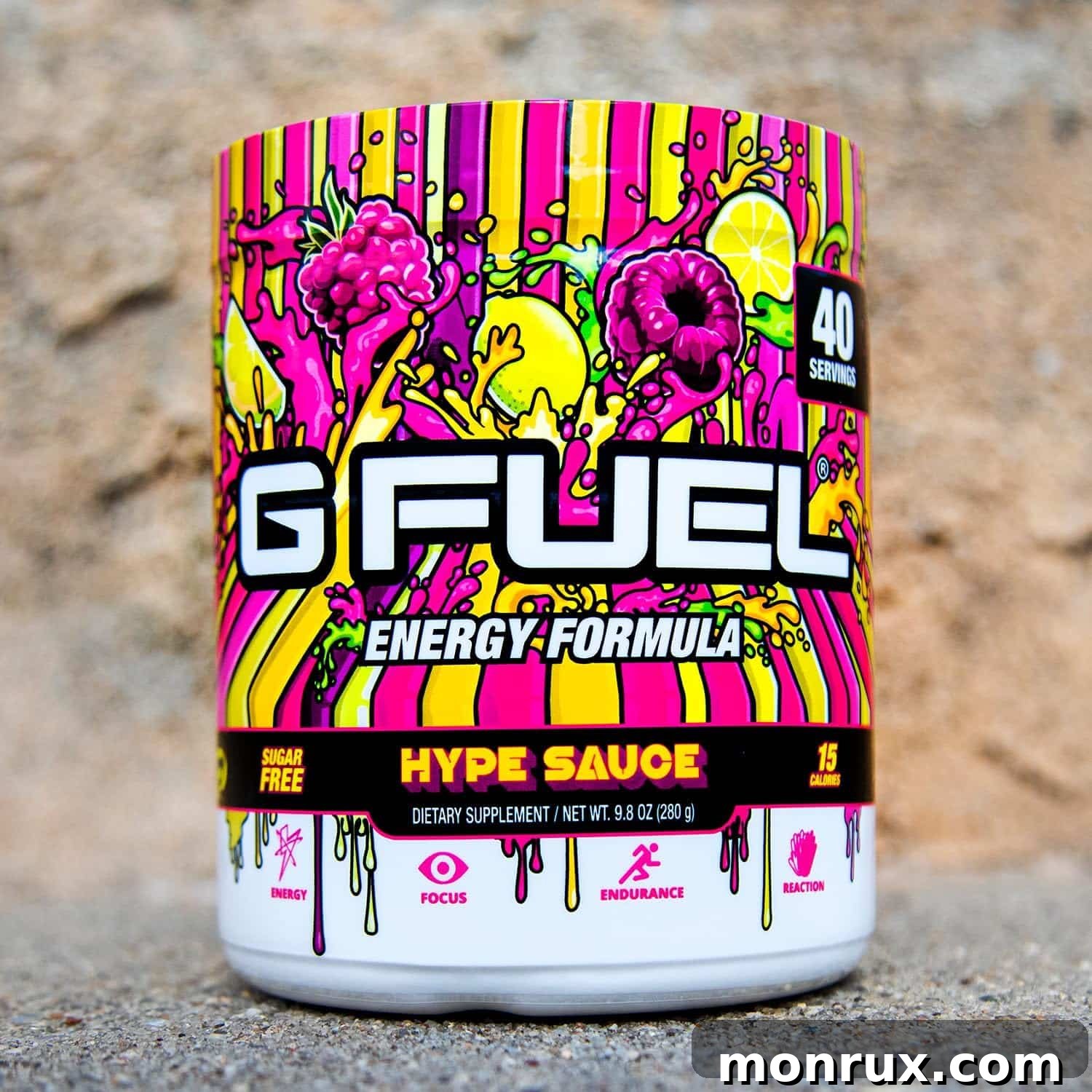
Let’s delve into a detailed ingredient list from a typical G Fuel Energy Formula, specifically the Hype Sauce flavor, to highlight the blend of components:
- Maltodextrin
- Citric Acid
- Silicon Dioxide
- Natural and Artificial Flavors
- Acesulfame Potassium
- Sucralose
- FD&C Red #40
- Taurine
- L-Citrulline Malate
- Caffeine Anhydrous
- Glucuronolactone
- N-Acetyl-L-Carnitine HCl
- L-Tyrosine
- N-Acetyl-L-Tyrosine
- Adenosine-5′-Triphosphate Disodium Salt (ATP)
- Toothed Clubmoss (Huperzia serrata) Aerial Parts Extract (standardized to 1% Huperzine A)
- Pineapple Fruit Powder
- Cabbage Palm Berry Powder
- Apple Fruit Powder
- Orange Fruit Powder
- Blueberry Fruit Powder
- Grape Seed Powder
- Grapefruit Fruit Powder
- Plum Fruit Powder
- Raspberry Fruit Powder
- Strawberry Fruit Powder
- Watermelon Fruit Powder
- Lemon Fruit Powder
- Lime Fruit Powder
- Melon Fruit Powder
- Papaya Fruit Powder
- Peach Fruit Powder
- Pear Fruit Powder
- Acerola Berry Powder
- Pomegranate Fruit Extract
- Vitamin C (Ascorbic Acid)
- Vitamin E (as D-Alpha Tocopheryl Acetate)
- Vitamin B6 (as Pyridoxine HCl)
- Vitamin B12 (as Methylcobalamin)
This extensive list showcases a combination of known active ingredients, artificial components, and a broad spectrum of fruit and berry powders. To truly understand its impact, we must scrutinize the major players.
Caffeine: The Primary Stimulant
Caffeine is arguably the most prominent active ingredient in most G Fuel products, providing the “energy” and “focus” that users seek. Derived naturally from sources like coffee beans, tea leaves, and cacao plants, caffeine is a potent stimulant that affects the central nervous system. Moderate consumption of caffeine has been linked to various potential health benefits, including a reduced risk of liver cancer and improved alertness.
However, it’s critical to approach caffeine consumption with caution. As a stimulant, excessive intake can lead to a range of undesirable side effects. High doses of caffeine can negatively impact heart rate, potentially causing palpitations, increased blood pressure, and even arrhythmias in sensitive individuals. It can also disrupt sleep patterns, lead to anxiety, jitters, and gastrointestinal upset.
The U.S. Food & Drug Administration (FDA) generally advises that most healthy adults can safely consume up to approximately 400 mg of caffeine per day without adverse effects. When considering G Fuel, it’s important to note its high caffeine content: powdered formulas can contain around 140 mg per serving, while canned versions pack a hefty 300 mg. This means that even a single serving of some G Fuel products can bring an individual close to or even exceed recommended daily limits, especially if combined with other caffeinated beverages like coffee or tea. For context, some of the highest caffeine drinks at Starbucks might also present similar concerns.
A particularly important consideration involves children and adolescents. The American Academy of Pediatrics emphatically states that children should avoid caffeine altogether. The developing bodies and nervous systems of young individuals are far more sensitive to the effects of stimulants, making G Fuel’s caffeine content a significant concern for this age group.
Sucralose: The Artificial Sweetener
Sucralose, commonly known by the brand name Splenda, is a synthetic sweetener found in many G Fuel products. It is derived from sucrose (table sugar) but chemically modified by replacing three hydrogen-oxygen groups with chlorine atoms. This modification makes sucralose about 600 times sweeter than sugar and, crucially for G Fuel’s “sugar-free” claim, it is largely indigestible by the human body, meaning it contributes virtually no calories.
While sucralose has been approved by regulatory bodies like the FDA for general use, growing scientific research raises concerns about its long-term impact on human health. Studies suggest that chronic consumption may have a toxic effect and can significantly alter the gut microbiome. This disruption can lead to a reduction in beneficial gut bacteria, potentially affecting digestion, nutrient absorption, and immune function. Furthermore, some research indicates that sucralose consumption may increase inflammation in the body, which is a known risk factor for various metabolic issues, including type 2 diabetes and obesity.
Given these potential health implications, sucralose is widely considered an ingredient that should be consumed cautiously or, ideally, avoided altogether by those aiming for a clean and healthy diet. Its presence is a significant factor in why G Fuel is often deemed unhealthy, a sentiment echoed in discussions about other products containing this additive, such as Powerade Zero.
Silicon Dioxide: A Common Additive
Silicon Dioxide is a widely used food additive, often referred to as silica. It’s composed of silicon and oxygen, two elements that are abundant in nature and found in various plants like leafy greens, bell peppers, brown rice, beets, and oats. In food and supplement manufacturing, its primary role is as an anti-caking agent, preventing powders from clumping together and ensuring a consistent product texture. It also functions as a disintegrant and absorbent.
While some research, such as that from the European Food Safety Authority (EFSA), has not conclusively proven silicon dioxide to be harmful to human health at typical consumption levels, there’s also no evidence of significant health benefits from its consumption as an additive. For those striving for a diet rich in whole, unprocessed foods, the presence of such additives, even if deemed safe, is often a point of concern as they indicate a highly processed product.
Taurine and Other Amino Acids
Taurine is a conditional amino acid that is naturally produced in the human body and also found in various animal products like eggs, meat, and fish. It plays several important roles, including supporting muscle maintenance and function, as well as contributing to heart health. Its inclusion in energy drinks like G Fuel is often aimed at enhancing physical performance and reducing fatigue.
Beyond taurine, G Fuel products often contain other amino acids such as L-Tyrosine, N-Acetyl-L-Tyrosine, and L-Citrulline Malate. These are included for their potential roles in cognitive function, such as improving focus and reducing stress, and for supporting athletic performance through improved blood flow and reduced muscle soreness. While these amino acids are generally recognized as safe, and even beneficial, the effective dosages and the synergistic effects within G Fuel’s proprietary blends are not always fully disclosed or extensively studied in the context of the entire formula.
For individuals whose diets already include sufficient animal products, additional taurine intake through supplements might be redundant. While these amino acids offer certain benefits, their presence in G Fuel does not necessarily outweigh the concerns raised by other artificial and stimulant-heavy ingredients.
The Nutritional Landscape: Pros and Cons
Evaluating G Fuel’s nutritional profile requires a balanced perspective, considering both its advertised advantages and its potential downsides. While it presents some appealing features, the overall health assessment leans towards caution.
G Fuel Nutrition: The Pros
One of the most frequently highlighted benefits of G Fuel, and a key selling point, is that it does not contain any added sugars. This is a significant advantage over many traditional energy drinks, which are often laden with high fructose corn syrup and other caloric sweeteners that contribute to sugar crashes, weight gain, and an increased risk of chronic diseases. For individuals looking to reduce their sugar intake, G Fuel might seem like a preferable option.
Additionally, G Fuel products are generally gluten-free, making them accessible to individuals with celiac disease or gluten sensitivity. The inclusion of various B vitamins (B6, B12), Vitamin C, and Vitamin E provides some micronutrient support, which are essential for overall health, energy metabolism, and antioxidant defense.
The G Fuel Hydration Formula and Sparkling Hydration lines offer specific advantages by being completely caffeine-free and sugar-free. These versions focus on delivering electrolytes and amino acids, making them potentially useful for rehydration during intense physical activity or in warm climates, without the stimulating effects of caffeine or the negative consequences of artificial dyes.
G Fuel Nutrition: The Cons
Despite the “sugar-free” and “vitamin-fortified” claims, the nutritional drawbacks of G Fuel are substantial and warrant serious consideration. Most G Fuel products (excluding the Hydration Formula) contain a significant amount of caffeine, which can lead to adverse effects, especially for sensitive individuals or when consumed in excess. More concerning is the widespread use of artificial food dyes, such as FD&C Yellow #6 and FD&C Red #40. These synthetic colorings have been linked in some studies to hyperactivity in children and are generally avoided by those pursuing a clean eating lifestyle due to their entirely artificial nature.
Perhaps the most significant red flag is the inclusion of artificial flavors and sweeteners like sucralose and acesulfame potassium. As discussed earlier, sucralose, in particular, has several potential health risks associated with long-term consumption, including gut microbiome disruption and increased inflammation. While these sweeteners allow G Fuel to be sugar-free, they introduce a different set of concerns that undermine its health claims.
Adding to these concerns is the California Proposition 65 warning often found on G Fuel products. This warning indicates the presence of trace amounts of lead, a naturally occurring element that can be found in soil and thus absorbed by ingredients grown in it. While Gamma Labs explains that these trace amounts are minimal and that California’s regulations are far more stringent than federal standards, it remains a point of deliberation for consumers. The presence of such a warning, regardless of the quantity, signals that the product is not entirely free from potentially harmful substances.
Ultimately, the bottom line is that G Fuel contains too many artificial and potentially troublesome ingredients to be considered a truly healthy or health-promoting beverage. While it avoids added sugar, it replaces it with other compounds whose long-term effects are either uncertain or potentially detrimental. Healthier alternatives, relying on natural ingredients, like a cup of coffee or tea, or even just water with a squeeze of lemon, offer similar benefits without the chemical cocktail. It’s always a better practice to prioritize real food ingredients for sustained energy and overall well-being, rather than relying on highly processed supplements.
Moreover, it is crucial to avoid sugar-loaded energy drinks as well. If you are experiencing persistent low energy or difficulty focusing, it’s advisable to look into underlying health issues or consider natural supplements with a vitamin B energy complex. Consulting your healthcare provider is always recommended if you have concerns about your energy levels or before adding any new dietary supplement to your regimen.
Is Daily Consumption of G Fuel Safe for the Long Term?
While an occasional serving of G Fuel may not pose an immediate health risk for most healthy adults, daily, long-term consumption is a much more concerning proposition. The cumulative effect of its primary active ingredients and additives can lead to various adverse health outcomes. This concern stems primarily from its high caffeine content, the presence of artificial sweeteners like sucralose, and the inclusion of synthetic food dyes, alongside a mix of other stimulatory and processed compounds.
Consuming G Fuel every day significantly increases the likelihood of several issues:
- Excess Caffeine Intake: Regular daily use can easily push an individual beyond the recommended 400 mg daily caffeine limit, especially if G Fuel is consumed alongside other caffeinated beverages like coffee or pre-workout supplements. This can lead to chronic sleep disturbances, anxiety, increased heart rate, and jitteriness.
- Gut Microbiome Disruption: Artificial sweeteners, particularly sucralose, have been shown to negatively impact the delicate balance of the gut microbiome. Daily exposure can alter the beneficial bacteria in the gut, potentially leading to digestive issues, impaired nutrient absorption, and broader effects on metabolic health and immunity.
- Cardiovascular and Nervous System Strain: Consistent high intake of stimulants can put undue strain on the cardiovascular system, leading to sustained increases in heart rate and blood pressure. For the nervous system, it can exacerbate anxiety, trigger panic attacks in susceptible individuals, and severely disrupt natural sleep cycles, impacting overall cognitive function and well-being.
- Dependency on Stimulants: Regular consumption can foster a psychological and physiological reliance on stimulants for energy and focus. This can make it difficult to function optimally without G Fuel, potentially leading to withdrawal symptoms like headaches, fatigue, and irritability if intake is stopped.
For most individuals, daily reliance on a highly processed energy product like G Fuel is not recommended. The potential long-term risks associated with its artificial ingredients and high stimulant load outweigh any perceived benefits, especially when a multitude of safer, whole-food-based energy sources are readily available.
Is G Fuel Safe for Children and Teens?
Given its ingredient profile, G Fuel is unequivocally not recommended for children or adolescents. This recommendation is primarily due to its substantial caffeine and stimulant content, which can have profound and detrimental effects on their developing bodies and minds.
Leading health authorities, including the American Academy of Pediatrics (AAP), strongly discourage caffeine consumption in kids and teens. The reasons are multifaceted and rooted in extensive research:
- Heart Rate and Blood Pressure: Children and adolescents are more sensitive to caffeine’s effects on the cardiovascular system. Even moderate amounts can lead to increased heart rate, palpitations, and elevated blood pressure, which can be particularly risky for those with underlying heart conditions.
- Sleep Quality: Caffeine significantly interferes with healthy sleep patterns. For young individuals who require more sleep for growth and development, disrupted sleep can impact academic performance, mood, and overall physical health.
- Nervous System Development: The developing nervous system is more vulnerable to stimulants. Chronic caffeine exposure can potentially alter brain development and lead to increased nervousness, anxiety, and difficulty concentrating without the stimulant.
- Anxiety and Mood Regulation: Caffeine can exacerbate feelings of anxiety, irritability, and restlessness in children and teens. It can also contribute to mood swings and make it harder for them to regulate their emotions.
Even the caffeine-free versions of G Fuel, while avoiding the stimulant risk, still contain artificial sweeteners, synthetic dyes, and various additives. These processed ingredients offer no nutritional benefit to a developing body and can introduce other potential health concerns, such as gut microbiome disruption and hyperactivity, making them unsuitable for regular consumption by young people.
Healthier and safer alternatives for children and teens to boost energy and focus include:
- Balanced Meals and Adequate Sleep: The foundational elements of energy and cognitive function. Prioritizing nutritious whole foods and 8-10 hours of quality sleep are paramount.
- Water or Electrolyte Drinks (without stimulants): Proper hydration is crucial for energy and concentration. Natural electrolyte drinks or simply water are far superior choices.
- Whole Fruits for Natural Energy: Fruits provide natural sugars, fiber, vitamins, and antioxidants for a sustained energy release without the jitters or crash.
- Regular Physical Activity: Exercise is a natural mood and energy booster, promoting better sleep and overall well-being.
Are the Ingredients in G Fuel Truly Harmful?
While G Fuel does incorporate some potentially beneficial compounds such as vitamins, antioxidants, and certain amino acids, its overall formulation is predominantly characterized by highly processed and artificial ingredients. This dichotomy is central to the debate about its health implications. The core components that raise significant concern include:
- Artificial Sweeteners: Such as sucralose and acesulfame potassium, which, as discussed, may disrupt gut health and contribute to inflammation with long-term use.
- Synthetic Food Dyes: Like FD&C Red #40 and Yellow #6, which have been linked to behavioral issues in sensitive individuals, particularly children.
- Potent Stimulants and Nootropic-style Additives: Beyond caffeine, G Fuel often includes various proprietary blends that contain ingredients aimed at cognitive enhancement, but whose specific dosages and long-term effects in combination are not always transparent or well-researched.
- Anti-caking and Filler Agents: Like silicon dioxide, which, while generally considered safe, contributes to the product’s highly processed nature.
Individually, many of these ingredients are classified as “generally recognized as safe” (GRAS) by regulatory bodies like the FDA when consumed within certain limits. However, the critical point of contention lies in their combined effects and the impact of frequent, long-term consumption. The synergy of multiple artificial compounds, high stimulant doses, and gut-altering sweeteners in a single product has not been extensively studied for its cumulative impact on human health.
This ingredient profile fundamentally dictates that G Fuel does not align with the principles of a clean, whole-food-based diet. For those prioritizing natural, minimally processed foods and beverages, G Fuel represents a departure from these health-focused dietary guidelines due to its synthetic and potentially problematic components.
Can G Fuel Be Effectively Used as a Pre-Workout?
Given its caffeine and amino acid content, G Fuel is sometimes positioned or perceived as a viable pre-workout alternative, particularly by those in the gaming community who also engage in physical activity. However, it is essential to understand that G Fuel is not specifically formulated or optimized as a true pre-workout supplement for intense physical training.
While it can provide a burst of energy due to caffeine, there are several potential drawbacks to using G Fuel as a dedicated pre-workout:
- Lack of Transparency in Dosing for Performance Ingredients: Many effective pre-workouts clearly disclose the exact dosages of key performance-enhancing ingredients like creatine, beta-alanine, and specific amino acids. G Fuel often relies on proprietary blends, which means the precise amounts of these compounds are not always listed, making it difficult to ascertain their efficacy for athletic performance.
- High Stimulant Load Without Balanced Nutrients: G Fuel provides a significant stimulant kick, but it often lacks the comprehensive blend of nutrients that a good pre-workout offers for muscle support, endurance, and recovery. Ingredients like nitric oxide boosters, electrolyte complexes (beyond basic hydration formulas), and adaptogens that are crucial for intense workouts are often absent or underdosed.
- Increased Risk of Overstimulation: The high caffeine content in some G Fuel products (up to 300 mg per can) can be excessive when combined with the rigors of a workout. This can lead to increased jitters, anxiety, elevated heart rate, and an overall feeling of being “over-amped” rather than focused and energized, potentially detracting from performance or leading to discomfort.
For individuals seeking to optimize their physical performance through a pre-workout, a plain cup of black coffee or a well-formulated pre-workout supplement with clearly disclosed, effective dosages of active ingredients is generally a safer and more effective option. These alternatives are designed specifically for the demands of exercise and provide a more balanced approach to pre-workout nutrition.
G Fuel vs Coffee: Which Is the Better Choice?
When seeking a daily pick-me-up or a boost in alertness, many individuals weigh options between various energy products. A common comparison is between G Fuel and traditional coffee. While both provide caffeine, their overall compositions and health implications differ significantly, generally positioning coffee as the healthier choice for most people.
Compared to a standard cup of black coffee, G Fuel contains:
- More Additives: G Fuel is a highly engineered product, featuring a long list of ingredients including anti-caking agents, various fruit powders, and complex proprietary blends. Coffee, especially black coffee, is a simple beverage derived from a single ingredient: roasted coffee beans.
- Artificial Sweeteners and Dyes: This is perhaps the most significant differentiator. G Fuel relies heavily on artificial sweeteners like sucralose and synthetic food dyes to achieve its desired taste and vibrant appearance. Black coffee, on the other hand, is naturally calorie-free and sugar-free and contains no artificial colors or flavors. If a sweetener is desired, natural options like a small amount of honey or stevia can be added.
- Less Research-Backed Health Benefits: While G Fuel includes some vitamins and amino acids, the overall health benefits of its complex, artificial formulation are not as robustly supported by long-term scientific evidence as those for coffee. Coffee has been extensively studied and is known to be rich in antioxidants, contributing to various health advantages, including reduced risks of certain cancers, type 2 diabetes, and liver disease.
In essence, black coffee or tea provides the desired caffeine boost alongside a wealth of natural antioxidants and far fewer processed ingredients. These natural beverages offer a simpler, more holistic approach to energy and focus, making them demonstrably better daily options for the vast majority of people who are looking for a healthier alternative to highly processed energy supplements like G Fuel.
Healthier Alternatives to G Fuel
For those seeking sustained energy, enhanced focus, and improved performance without the artificial ingredients, high caffeine loads, and potential side effects of G Fuel, numerous healthier alternatives exist. Embracing a holistic approach to energy and well-being often yields far better long-term results.
- Whole Foods and Balanced Nutrition: The foundation of true energy comes from a diet rich in whole, unprocessed foods. Complex carbohydrates (like whole grains, fruits, and vegetables) provide sustained energy, lean proteins support muscle function and satiety, and healthy fats contribute to brain health and hormone balance. A well-balanced diet prevents energy dips and provides all essential nutrients.
- Adequate Sleep: Chronic fatigue is often a direct result of insufficient or poor-quality sleep. Prioritizing 7-9 hours of restful sleep each night for adults (and more for teens and children) is the most powerful and natural energy booster available.
- Hydration with Water or Natural Electrolytes: Dehydration can lead to fatigue and impaired cognitive function. Simply drinking enough plain water throughout the day is crucial. For electrolyte replenishment, consider coconut water, unsweetened fruit juices diluted with water, or homemade electrolyte drinks with a pinch of sea salt and lemon juice, rather than artificially flavored options.
- Coffee and Tea (in Moderation): As discussed, black coffee and unsweetened teas (green, black, oolong) provide natural caffeine along with beneficial antioxidants. They offer an energy boost without the artificial additives found in G Fuel. Consume in moderation to avoid overstimulation.
- Green Tea and Matcha: These are particularly excellent choices as they contain L-Theanine, an amino acid that works synergistically with caffeine to promote a state of calm alertness, reducing the jitters often associated with caffeine alone.
- Physical Activity: Regular exercise, even a brisk walk, significantly boosts energy levels, improves mood, and enhances cognitive function. It also contributes to better sleep.
- Stress Management: Chronic stress drains energy. Practices like meditation, yoga, deep breathing exercises, and spending time in nature can help manage stress and preserve energy reserves.
- B-Vitamin Complex Supplements: If dietary intake is insufficient or absorption is an issue, a high-quality B-vitamin complex can support energy metabolism. Always consult with a healthcare professional before starting any new supplement.
By focusing on these natural and sustainable practices, individuals can achieve genuine, lasting energy and focus that supports overall health, rather than relying on quick fixes that come with a cost.
Quick Fire FAQs About G Fuel
G Fuel is a highly processed product containing numerous artificial ingredients, including synthetic sweeteners and dyes, and a significant amount of caffeine. From a nutritional standpoint, it is generally not considered a healthy product for regular consumption, as it lacks the benefits of whole foods and may pose risks to certain individuals.
As a dietary supplement, G Fuel does not undergo the same stringent approval process as drugs by the FDA. The FDA does not “approve” supplements before they hit the market. However, Gamma Labs states that G Fuel is manufactured in FDA-certified facilities that are inspected and compliant with FDA regulations for good manufacturing practices (GMP).
No, G Fuel is not safe or recommended for everyone. Specifically, children and adolescents should avoid G Fuel due to its caffeine content. Pregnant or nursing women, individuals sensitive to caffeine, or those with certain medical conditions (like heart issues or anxiety disorders) should also steer clear of caffeinated G Fuel products.
G Fuel contains no added sugar, so you won’t experience a traditional sugar crash. However, it relies on artificial sweeteners like sucralose. While avoiding sugar, these sweeteners may have their own adverse effects on gut health and metabolism over time, and some users may still experience a “crash” as the caffeine wears off.
Yes, daily consumption of G Fuel is likely problematic. Regular intake increases exposure to high levels of caffeine, artificial sweeteners, and synthetic additives. This can negatively impact sleep quality, disrupt the gut microbiome, increase anxiety, and put strain on cardiovascular function over the long term.
Most healthy adults should limit their total daily caffeine intake from all sources to below 400 mg. Given that some G Fuel products contain up to 300 mg of caffeine per serving, even just one serving can bring you close to or exceed this upper limit, making multiple servings in a single day highly ill-advised.
More Product Reviews You Might Like
Conclusions: Is G Fuel a Healthy Choice?
After a thorough review of its ingredients and nutritional profile, it becomes clear that G Fuel is a highly processed product with very few genuine nutritional advantages. While it commendably avoids added sugars and is gluten-free, these benefits are largely overshadowed by its reliance on a multitude of potentially unhealthy artificial ingredients.
The primary concerns revolve around the significant caffeine content in most formulations, which can pose risks for children, adolescents, and individuals sensitive to stimulants. Furthermore, the widespread use of artificial sweeteners like sucralose and synthetic food dyes introduces potential long-term health risks, including gut microbiome disruption and behavioral issues. The California Proposition 65 warning, even for trace elements, adds another layer of caution for discerning consumers.
Ultimately, for sustainable energy, improved concentration, and optimal health, the best approach is to prioritize real, whole foods and natural beverages over processed energy products. While G Fuel offers a temporary boost, its artificial composition and potential side effects make it a less-than-ideal choice for regular consumption. Opting for natural sources of energy like coffee, tea, balanced meals, adequate sleep, and proper hydration will consistently yield superior health outcomes.
Don’t forget to join my newsletter list to get exclusive clean eating recipes and tips. The newsletter is 100% free with no spam; unsubscribe anytime.
About the Author: Carrie Forrest has a master’s degree in public health with a specialty in nutrition and is a certified holistic nutritionist. She is a top wellness and food blogger with over 5 million annual visitors to her site. Carrie has an incredible story of recovery from chronic illness and is passionate about helping other women transform their health. Send her a message through her contact form.
Note: this post is for informational purposes only and is not intended as medical advice. Please consult your healthcare provider for recommendations related to your individual situation.