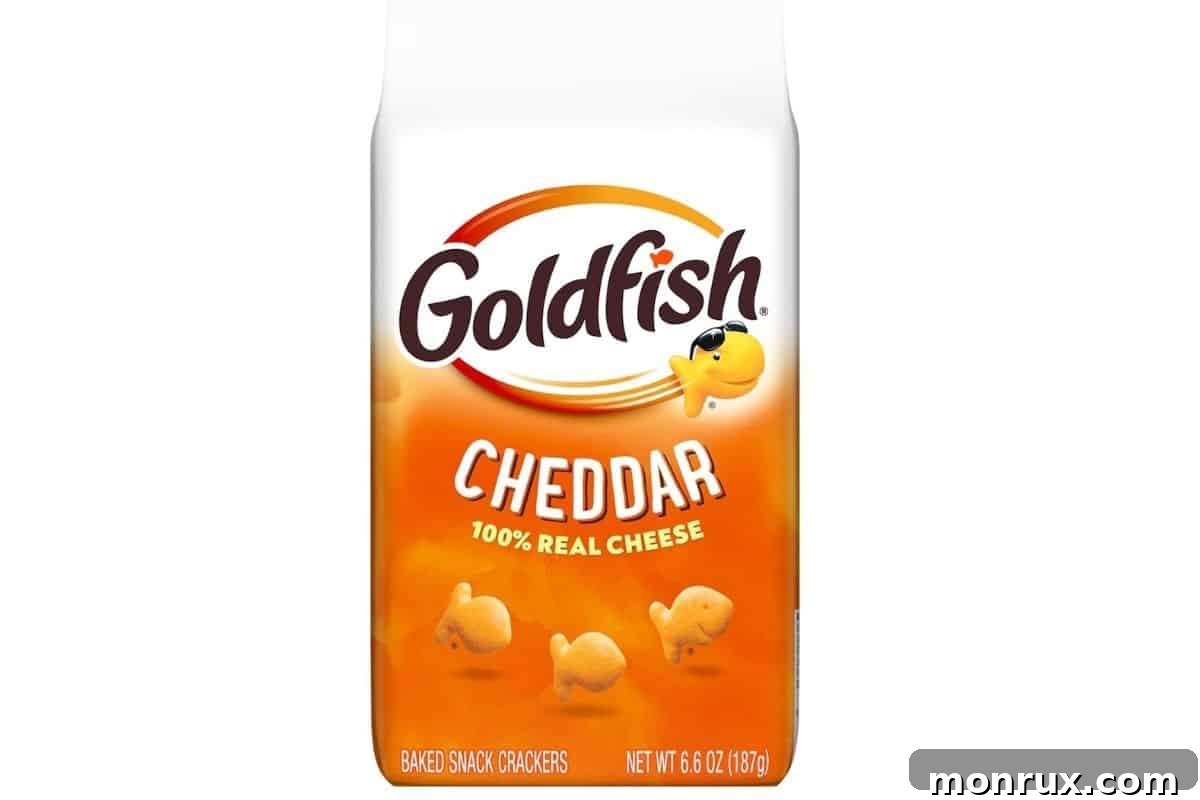
As a nutritionist, I often get asked, “Are Goldfish crackers healthy?” It’s a question that many parents and health-conscious individuals ponder when reaching for this iconic snack. In this comprehensive guide, we’ll dive deep into the nutritional profile of Goldfish crackers, examining their ingredients, assessing their pros and cons from a health perspective, and ultimately helping you make informed decisions about your snack choices. We’ll also explore some healthier alternatives that don’t compromise on taste or convenience.
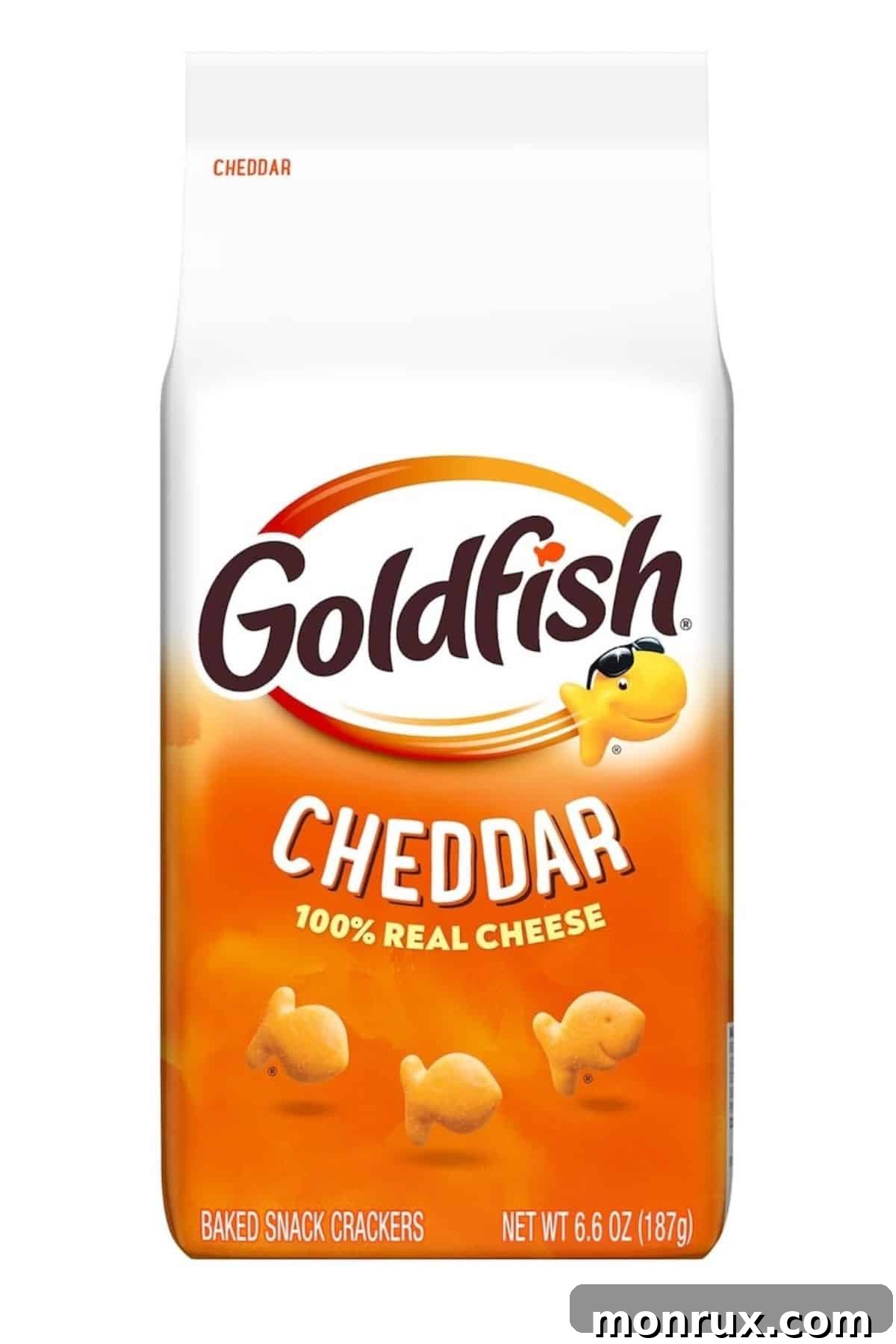
Unpacking Goldfish Crackers: Key Facts & History
Goldfish crackers, with their iconic smiling fish shape, have been a beloved snack for generations. Manufactured by Pepperidge Farm, a subsidiary of the Campbell Soup Company, these bite-sized crackers hold a significant place in American snack culture. First introduced to the United States in 1962, after originating in Switzerland in 1958, they quickly became a household name, largely marketed as a “wholesome” and “fun” snack suitable for both children and adults.
Beyond their classic Cheddar flavor, Goldfish crackers boast an impressive array of variations designed to cater to diverse palates. These include savory options like Pretzel, Parmesan, and Pizza flavors, offering a range of profiles from salty and crunchy to cheesy and zesty. The brand has also ventured into sweeter territory with its Grahams line, featuring tempting choices such as S’Mores and Vanilla Cupcake, which blur the lines between cracker and cookie. Furthermore, Goldfish frequently releases Special & Limited Editions, often collaborating with other brands or introducing seasonal flavors, adding an element of novelty and excitement for consumers.
Understanding the basic nutritional breakdown is crucial for evaluating any snack. A standard serving size of Goldfish crackers, typically around 55 pieces (or approximately 30 grams), provides roughly 140 calories. This serving also contains about 20 grams of carbohydrates, 3 grams of protein, and 5 grams of fat. While these numbers might seem modest at first glance, it’s essential to consider the source of these macronutrients and how they contribute to overall dietary quality. For instance, the type of carbohydrates, fats, and the presence of micronutrients play a much larger role than just the raw numbers.
The ingredient list for many Goldfish varieties prominently features enriched wheat flour, real cheddar cheese, and a blend of vegetable oils. Additionally, they contain various seasonings and food additives. While Pepperidge Farm emphasizes that many of their products are free from artificial flavors or preservatives and use colors sourced from plants, a deeper look into the core ingredients is necessary. The sodium content can range significantly, with some variations containing up to 280 milligrams per serving, while others, particularly the sweeter Graham varieties, can pack as much as 10 grams of added sugars. These details are vital for anyone monitoring their intake of sodium, sugars, or processed ingredients.
A Closer Look at Goldfish Ingredients
To truly assess whether Goldfish crackers align with a healthy lifestyle, we must scrutinize their ingredient list. The primary ingredients in the classic Cheddar flavor, a favorite among many, offer a representative example:
- Enriched wheat flour
- Cheddar cheese ([Cultured Milk, Salt, Enzymes], Annatto Extract for color)
- Vegetable oils (canola, sunflower, and/or soybean)
- Salt
- Yeast
- Sugar
- Autolyzed yeast extract
- Paprika
- Spices (including celery)
- Onion powder
- Monocalcium phosphate
- Baking soda
Let’s delve deeper into some of these key components and their potential implications for your health.
Enriched Wheat Flour: The Base Ingredient
The foundation of many processed snacks, including Goldfish crackers, is enriched wheat flour. This ingredient is essentially highly processed white flour that has undergone significant refinement. During this industrial process, the outer layers of the wheat kernel – the bran and germ – are stripped away. These layers are naturally rich in fiber, B vitamins, iron, and other vital minerals. What remains is primarily the starchy endosperm.
While manufacturers “enrich” the flour by adding back a few synthetic nutrients like niacin, reduced iron, riboflavin, folic acid, and thiamine mononitrate, this doesn’t fully restore the nutritional complexity of whole grains. The crucial dietary fiber, along with many phytonutrients, is largely lost. As a result, foods made with enriched wheat flour are typically digested rapidly, leading to quick absorption of glucose and a subsequent spike in blood sugar levels. This rapid rise and fall in blood sugar can trigger increased hunger and cravings shortly after eating, potentially contributing to overeating and weight gain over time.
Furthermore, for a significant portion of the population, wheat flour presents challenges related to gluten. Individuals with celiac disease must strictly avoid gluten due to severe autoimmune reactions. Those with non-celiac gluten sensitivity may experience a range of digestive issues, including bloating, gas, abdominal pain, and other systemic symptoms, making snacks containing wheat flour unsuitable. Even for those without diagnosed sensitivities, excessive consumption of refined grains can negatively impact digestive health and the gut microbiome due to the lack of beneficial fiber.
Understanding Canola, Soy, and Sunflower Oils
Goldfish crackers often contain a blend of vegetable oils, specifically canola, sunflower, and/or soybean oil. These are industrial seed oils, and their processing methods raise significant health concerns. The extraction process typically involves high heat, harsh chemical solvents (like hexane), and deodorization, which can degrade the oils and create harmful trans fats or oxidized compounds. This aggressive processing can render these oils inflammatory even before consumption.
A major concern with these oils is their high concentration of omega-6 polyunsaturated fatty acids. While omega-6s are essential, the modern Western diet often contains an imbalance, with a far greater intake of omega-6s compared to omega-3s. This skewed ratio is believed to promote chronic inflammation within the body, which is a foundational factor in the development of numerous chronic diseases, including heart disease, autoimmune conditions, and certain cancers. Regular consumption of foods rich in these highly processed oils can exacerbate this inflammatory state.
Beyond inflammation, soy oil, in particular, is a common allergen. For individuals with soy allergies, even small amounts can trigger a range of reactions, from mild itching and hives to severe anaphylaxis. While sunflower oil is less commonly allergenic, individuals with broad seed allergies may still react. The potential presence of these allergens in a widely consumed snack like Goldfish crackers means careful consideration is necessary for those with sensitivities.
The manufacturing process itself also contributes to the concern. The high temperatures involved can lead to the formation of aldehydes and other toxic compounds that may contribute to oxidative stress and long-term health issues. From a nutritionist’s perspective, minimizing intake of these industrially processed seed oils is generally recommended for optimal health.
Salt Content: A Sodium Snapshot
Goldfish crackers, particularly the savory varieties, contain a notable amount of salt. A single serving can range from 230 mg to 280 mg of sodium. While sodium is an essential electrolyte, crucial for nerve function and fluid balance, excessive intake is a widespread concern in modern diets, primarily due to processed foods. The high sodium content in snacks like Goldfish can significantly contribute to an individual’s daily sodium intake, often pushing it beyond recommended limits.
Consistently high sodium consumption is a well-established risk factor for hypertension (high blood pressure), especially in salt-sensitive individuals. Hypertension places undue strain on the cardiovascular system, increasing the risk of heart disease, stroke, and kidney problems. The addictive nature of salty snacks can also lead to overconsumption, making it even harder to manage sodium intake from other dietary sources.
Beyond blood pressure, elevated sodium levels can contribute to fluid retention, leading to uncomfortable bloating and swelling. For individuals already managing conditions such as kidney disease or heart failure, even moderate sodium intake can exacerbate symptoms and complicate disease management. It’s essential for individuals, especially those with existing health concerns or a family history of hypertension, to be mindful of the “hidden” sodium in seemingly innocuous snacks and prioritize fresh, whole foods to keep their intake in check.
Cheddar Cheese and Milk: Dairy Considerations
The signature cheesy flavor of Goldfish crackers comes from cheddar cheese, which is derived from milk. On its own, dairy, in the form of high-quality cheese and milk, can be a beneficial food, providing excellent sources of calcium, protein, and vitamin D, all vital for bone health, muscle maintenance, and overall growth. However, the cheese found in highly processed snack foods like Goldfish crackers is often not in its purest form. It can contain various additives, emulsifiers, and preservatives designed to enhance flavor, texture, and shelf life. The nutritional benefits of such processed dairy may be diminished compared to whole, unprocessed dairy products, and the additives themselves can be a concern for some individuals.
Furthermore, the presence of cheese and milk makes Goldfish crackers unsuitable for individuals with specific dietary restrictions or sensitivities. A significant portion of the global population is lactose intolerant, meaning their bodies lack the enzyme lactase, necessary to digest lactose, the sugar found in milk. Consuming lactose when intolerant can lead to uncomfortable digestive symptoms such as bloating, gas, abdominal cramps, and diarrhea. Similarly, individuals with a diagnosed dairy allergy will experience immune reactions ranging from mild to severe upon consuming milk-derived ingredients. Therefore, for anyone avoiding dairy due to intolerance or allergy, Goldfish crackers should be avoided.
Potential Nutritional Advantages of Goldfish Crackers
Despite the nutritional concerns, it’s important to acknowledge some of the aspects that contribute to Goldfish crackers’ widespread appeal and perceived benefits. From a practical standpoint, Goldfish crackers are undoubtedly a convenient and highly portable snack. Their small size and sturdy nature make them ideal for packing in lunchboxes, taking on road trips, or having on hand for a quick bite. They are also easily portioned, which can help in managing calorie intake, although the addictive quality of salty snacks often makes sticking to a single serving challenging.
Pepperidge Farm has also made efforts to address some consumer health concerns. Many Goldfish varieties are marketed as free from artificial preservatives and artificial flavors. This commitment to avoiding synthetic additives is a positive step, as artificial ingredients have been linked to various health issues in some individuals. The company also states that the vibrant colors in their crackers are derived from natural plant sources, such as annatto for the orange hue of cheddar crackers, which is preferable to artificial food dyes.
Additionally, for those specifically looking to increase fiber intake, Pepperidge Farm offers “Whole Grain” varieties of Goldfish crackers. These options provide a slightly higher amount of dietary fiber compared to the classic enriched flour versions. While this contribution to digestive health is minimal in a typical serving, it is a small improvement that can be part of a broader strategy for increasing whole grain consumption, especially for children who might be resistant to other fiber-rich foods.
Finally, compared to many other popular snack foods that are laden with high-fructose corn syrup and excessive amounts of sugar, the savory varieties of Goldfish crackers contain relatively low amounts of added sugars. This makes them a more favorable choice for individuals and families actively trying to manage or reduce their sugar intake, placing them in a slightly better category than highly sweetened cookies, candies, or pastries. However, it’s crucial to remember that “low sugar” does not automatically equate to “healthy” when other processed ingredients are present.
Key Nutritional Concerns of Goldfish Crackers
While Goldfish crackers offer convenience and certain marketing appeals, their nutritional profile presents several significant concerns from a holistic health perspective. The cumulative impact of these factors warrants careful consideration for regular consumption:
- Highly Processed Ingredients: The primary base of Goldfish crackers is enriched wheat flour, a refined grain stripped of most of its natural fiber and vital nutrients. This leads to rapid digestion and potential blood sugar spikes, which can contribute to energy crashes, increased cravings, and an elevated risk for metabolic issues over time.
- Industrial Seed Oils: Goldfish crackers contain industrial seed oils such as canola, soybean, and/or sunflower oils. These oils are typically highly processed, often using chemical solvents and high heat, which can lead to oxidation and the formation of harmful compounds. Their high omega-6 fatty acid content, when consumed in excess relative to omega-3s, contributes to a pro-inflammatory state in the body, potentially increasing the risk of chronic diseases like heart disease and autoimmune conditions.
- High Sodium Content: Many savory varieties of Goldfish crackers contain significant amounts of sodium per serving (230-280 mg). Regular high sodium intake is a well-known contributor to hypertension (high blood pressure), which is a major risk factor for cardiovascular disease, stroke, and kidney problems. This “hidden sodium” in processed snacks can make it challenging to stay within recommended daily sodium limits.
- Allergen Concerns: The presence of gluten (from wheat flour) and dairy (from cheddar cheese and milk) makes Goldfish crackers unsuitable for individuals with celiac disease, non-celiac gluten sensitivity, or lactose intolerance/dairy allergies. Additionally, the inclusion of soybean oil in some variations makes them a concern for those with soy allergies, potentially triggering a range of adverse reactions.
- Low Nutritional Density: Beyond the added B vitamins in enriched flour, Goldfish crackers offer minimal nutritional value. They are generally low in beneficial fiber, protein, and essential micronutrients. This means they provide mostly “empty calories” that may fill you up temporarily but do not contribute substantially to your body’s nutrient requirements for sustained energy and overall health. A lack of fiber and protein can also lead to poor satiety, causing you to feel hungry again soon after consumption.
- Added Sugars in Some Varieties: While classic savory Goldfish are relatively low in sugar, some variations, particularly the Graham and flavored options, can contain up to 10 grams of added sugars per serving. Consuming high amounts of added sugars regularly is linked to an increased risk of obesity, type 2 diabetes, heart disease, and dental issues.
Considering these points collectively, Goldfish crackers, while a convenient and palatable snack, fall short when evaluated against the criteria for a truly healthy and nutrient-dense food choice. Their frequent consumption can contribute to a diet rich in processed ingredients and lacking in essential nutrients.
The Final Verdict: Are Goldfish Crackers a Healthy Choice?
After a thorough review of Goldfish crackers’ ingredients and nutritional profile, the verdict from a nutritionist’s perspective is clear: while they can be enjoyed as an occasional treat, Goldfish crackers are generally not considered a healthy staple snack. Their highly processed nature, reliance on refined grains, inclusion of industrial seed oils, and often high sodium content present several nutritional concerns that outweigh the convenience and absence of artificial preservatives in some varieties.
The core issue lies in the fact that Goldfish crackers offer minimal nutritional density. They provide calories primarily from refined carbohydrates and inflammatory fats, with a low contribution of fiber, quality protein, and essential micronutrients. This makes them an “empty calorie” food that may temporarily satisfy hunger but doesn’t contribute meaningfully to overall health or sustained satiety. Furthermore, for individuals with sensitivities to gluten, dairy, or soy, they are entirely unsuitable.
While enjoying Goldfish crackers in moderation as an occasional indulgence is unlikely to cause immediate harm, making them a regular part of your or your children’s diet can contribute to a pattern of consuming processed foods that may impact long-term health outcomes. Prioritizing whole, unprocessed foods is always the best approach for optimal wellness.
Smarter Snack Choices: Healthier Alternatives
The good news is that numerous delicious and genuinely healthy alternatives exist that can satisfy snack cravings without compromising your health goals. Making a conscious effort to swap out highly processed snacks for more nutritious options is a powerful step towards a healthier diet.
When looking for cracker alternatives, consider brands that prioritize whole ingredients and minimal processing. For example, Simple Mills crackers are an excellent choice. They are typically made from almond flour or other nut/seed flours, offering a much better nutritional profile with more fiber, healthy fats, and protein. They also tend to have lower sodium levels and avoid industrial seed oils. Similarly, brands like Mary’s Gone Crackers or Triscuit (100% whole grain varieties) can be good options, just be sure to check ingredient labels for added sugars and sodium.
Beyond packaged crackers, the best snack choices often come from nature:
- Fresh Fruits and Vegetables: Apples with peanut butter, carrot sticks with hummus, berries with Greek yogurt, or sliced cucumbers are packed with vitamins, minerals, and fiber. They provide natural sweetness or satisfying crunch without the processed ingredients.
- Nuts and Seeds: A handful of almonds, walnuts, chia seeds, or pumpkin seeds offers healthy fats, protein, and fiber, promoting satiety and providing sustained energy. Opt for unsalted or lightly salted varieties.
- Homemade Whole Grain Crackers: If you enjoy baking and don’t have gluten sensitivities, making your own whole grain crackers allows you to control all ingredients, ensuring freshness and avoiding unwanted additives.
- Hard-Boiled Eggs: An excellent source of high-quality protein, hard-boiled eggs are convenient, satisfying, and easy to prepare in advance.
- Cottage Cheese or Greek Yogurt: These dairy options (for those who tolerate dairy) are packed with protein, making them incredibly filling and beneficial for muscle health. Pair them with fruit or a sprinkle of nuts.
- Avocado Toast on Whole Grain Bread: A satisfying snack or light meal, providing healthy fats, fiber, and complex carbohydrates.
If you’re particularly focused on increasing your protein intake, as many “high-protein princesses” are, exploring dedicated protein snacks can be highly beneficial. My Real Food Protein Snacks Ebook offers a wealth of ideas for delicious and nutritious options. Alternatively, you can find more inspiration for wholesome snack ideas, including many clean eating, gluten-free, and dairy-free snacks, on my website. Making informed choices about snacks is a cornerstone of maintaining a healthy and balanced diet.
Explore More Healthy Snack Reviews!
About the Author: Carrie Forrest holds a master’s degree in public health with a specialization in nutrition and is a certified holistic nutritionist. As a top wellness and food blogger, her site welcomes over 5 million annual visitors. Carrie shares an inspiring story of recovery from chronic illness and is deeply committed to empowering other women to transform their health journeys. Feel free to connect with her through her contact form for further insights and support.