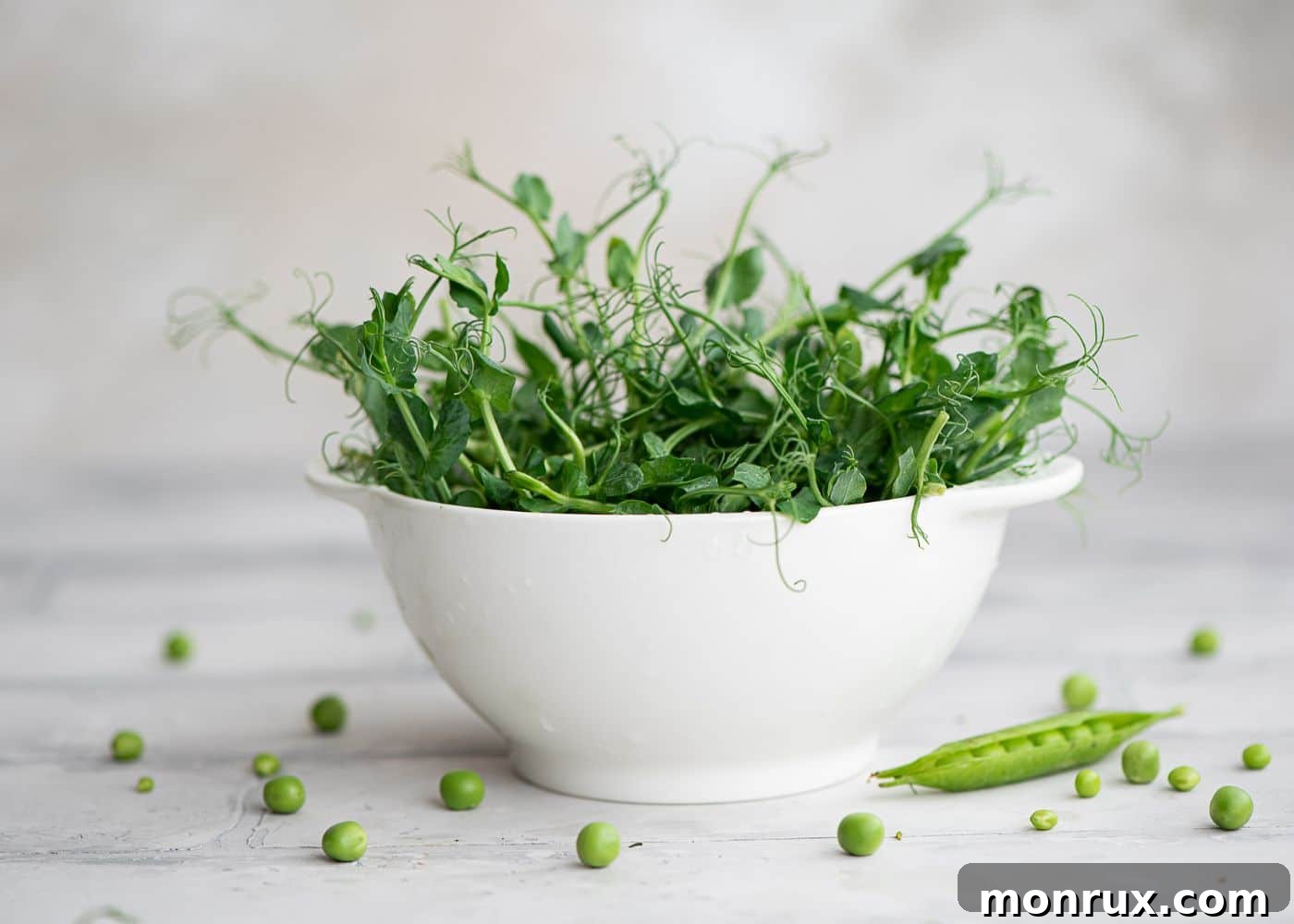
Embark on a delightful journey into the world of indoor gardening with pea microgreens! These vibrant, nutrient-dense greens are a true superfood, offering a concentrated burst of vitamins, minerals, and fresh flavor. Perfect for urban dwellers, health enthusiasts, or anyone eager to add a touch of green to their kitchen, growing pea microgreens is surprisingly simple and incredibly rewarding. This comprehensive guide will walk you through every step, from selecting the best seeds to enjoying your homegrown harvest, ensuring you become a pea microgreen expert in no time.
What Are Pea Microgreens?
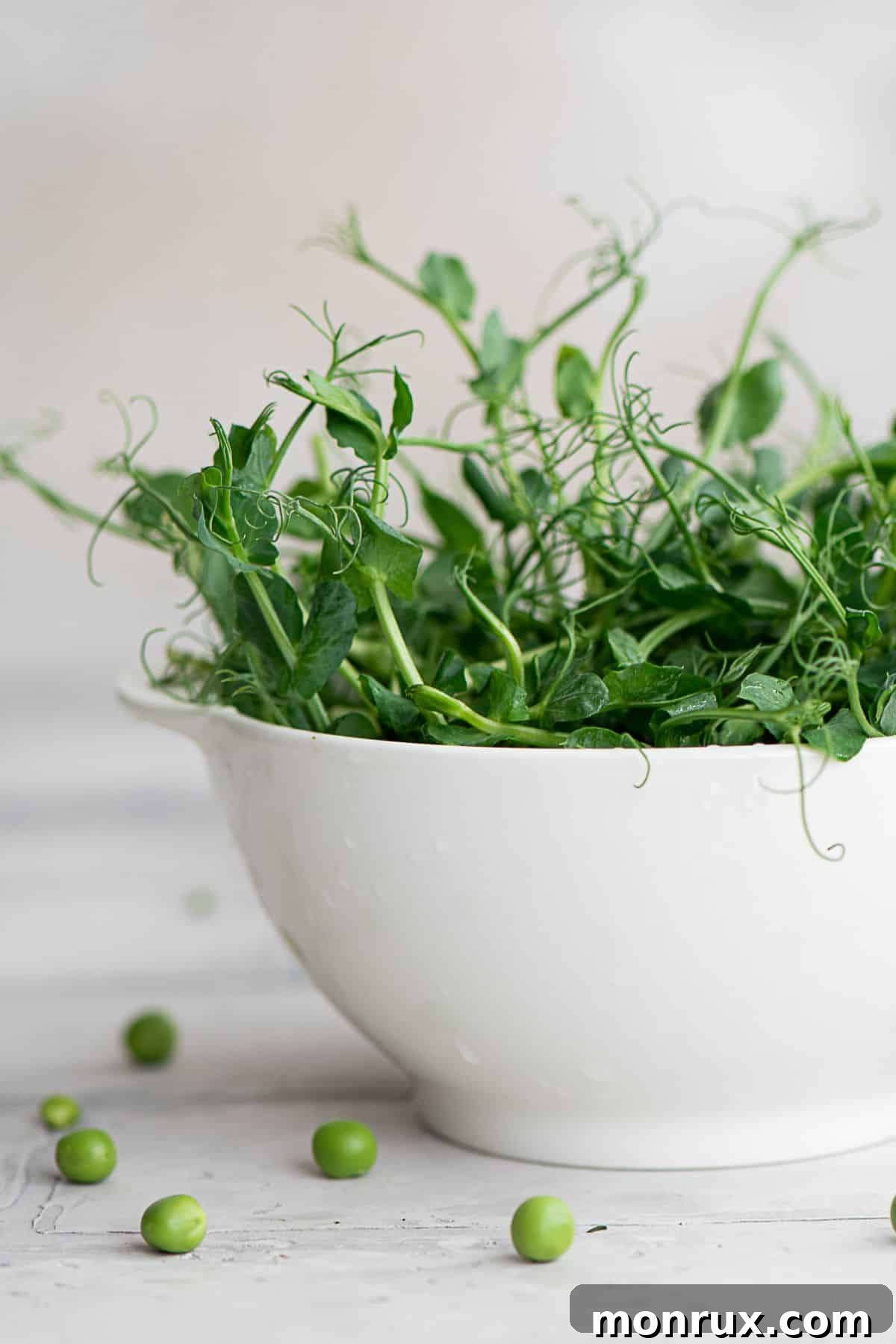
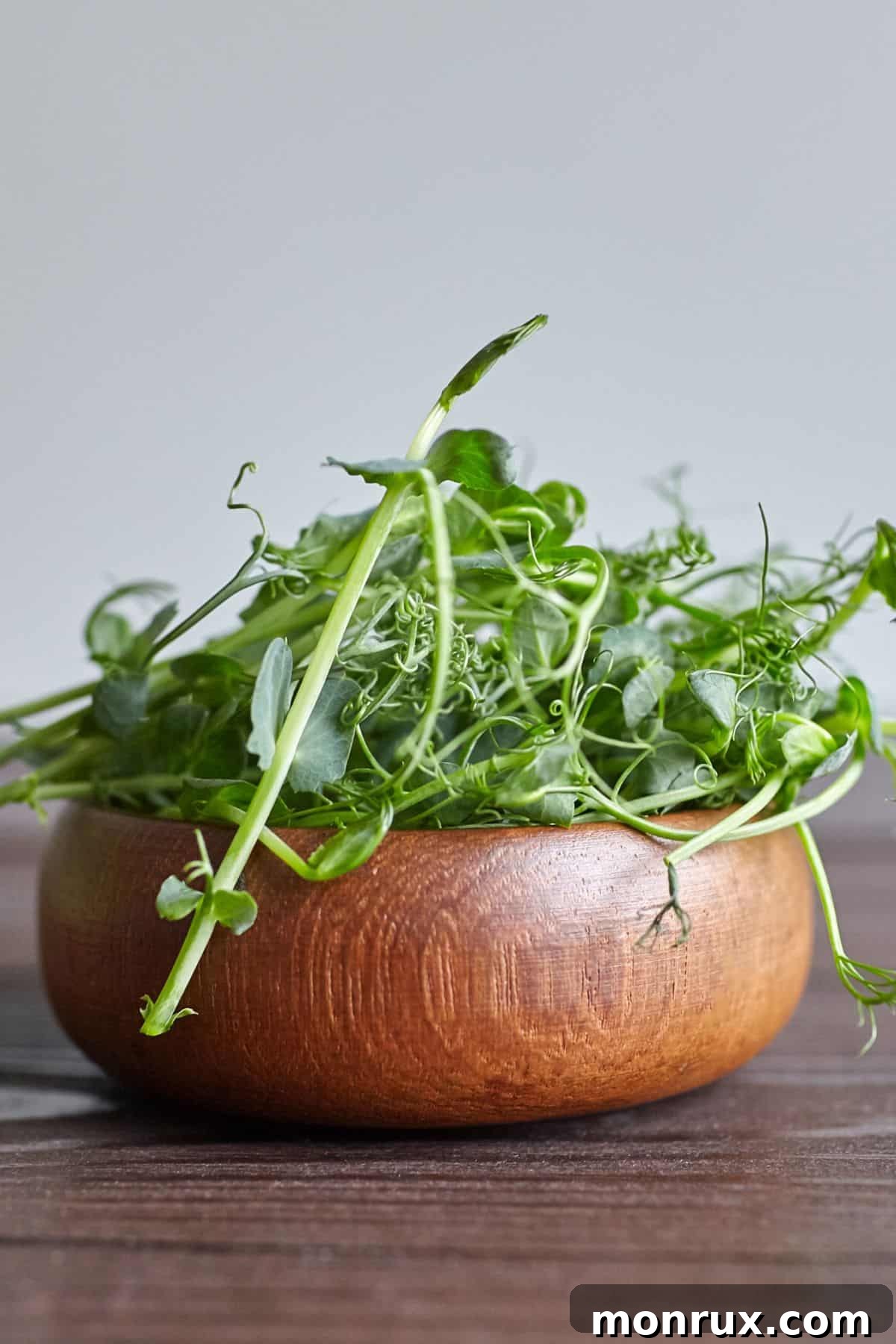
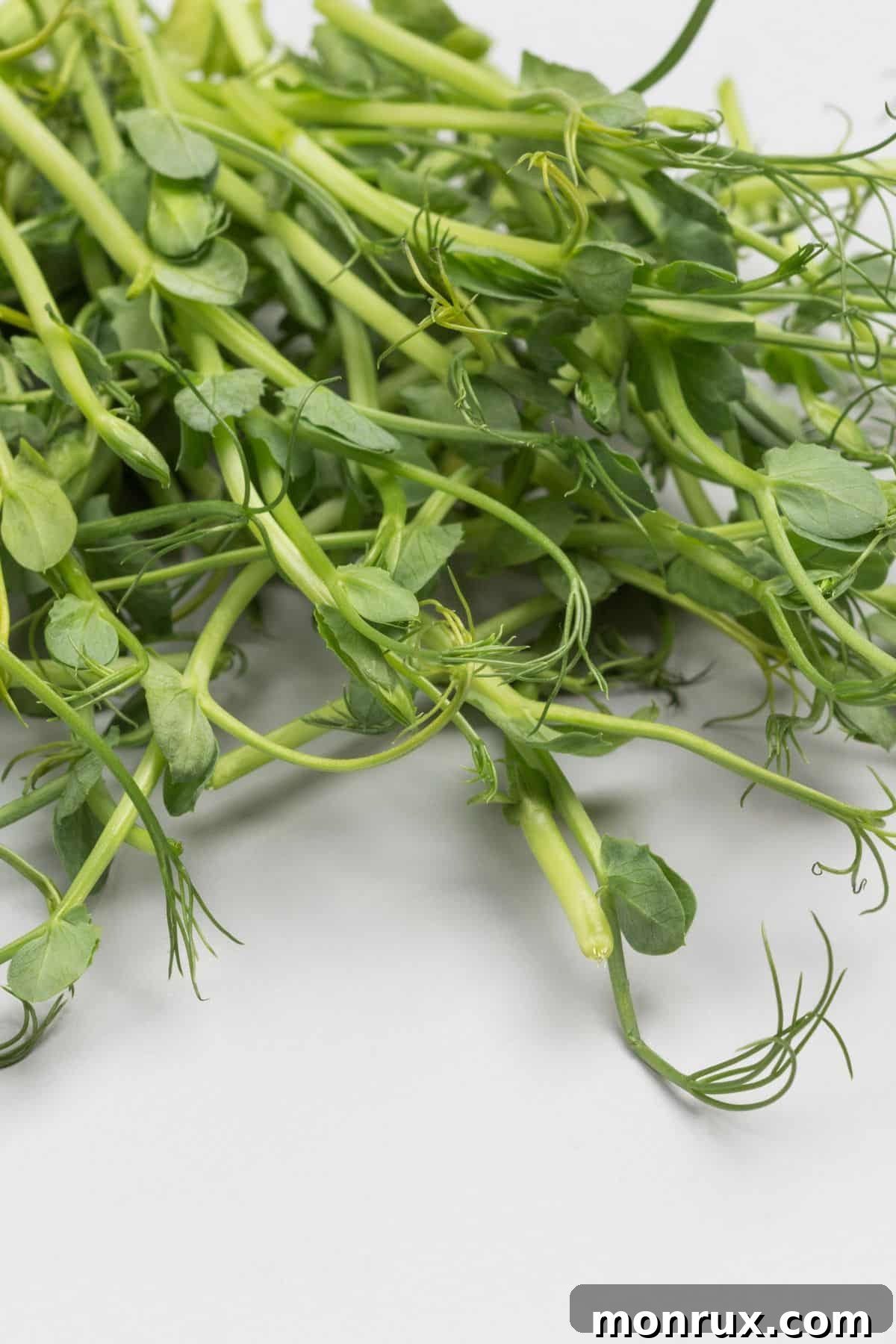
Pea microgreens are simply the young, tender seedlings of various pea plant varieties, harvested at an early stage of growth – typically when they are just a few inches tall and before their true leaves fully develop. Unlike mature pea plants that produce pods, microgreens are grown specifically for their nutrient-rich stems and leaves, which offer a concentrated flavor and nutritional punch. They boast a distinctly sweet, fresh, and slightly earthy flavor, reminiscent of freshly shelled peas, making them a delightful addition to a wide array of dishes.
Understanding Microgreens: More Than Just Sprouts
It’s common for newcomers to indoor gardening to confuse pea microgreens with pea sprouts or pea shoots. While all come from pea seeds, their growth methods, harvesting times, and characteristics differ significantly:
- Pea Sprouts: These are the earliest stage of growth, usually cultivated in water or a moist, dark environment. They are harvested within a few days when only a tiny root and initial shoot emerge from the seed. The entire sprout, including the seed and root, is consumed.
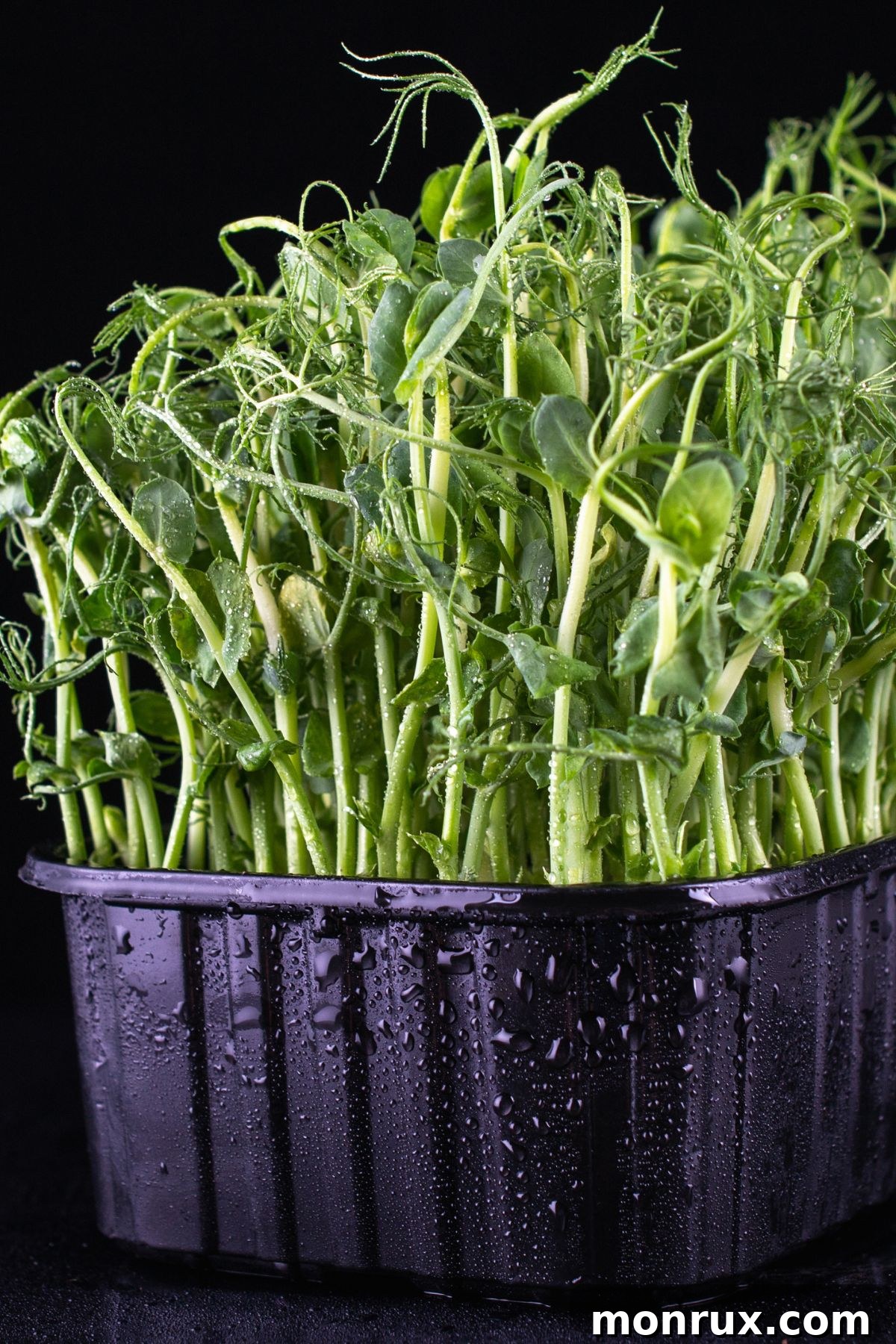
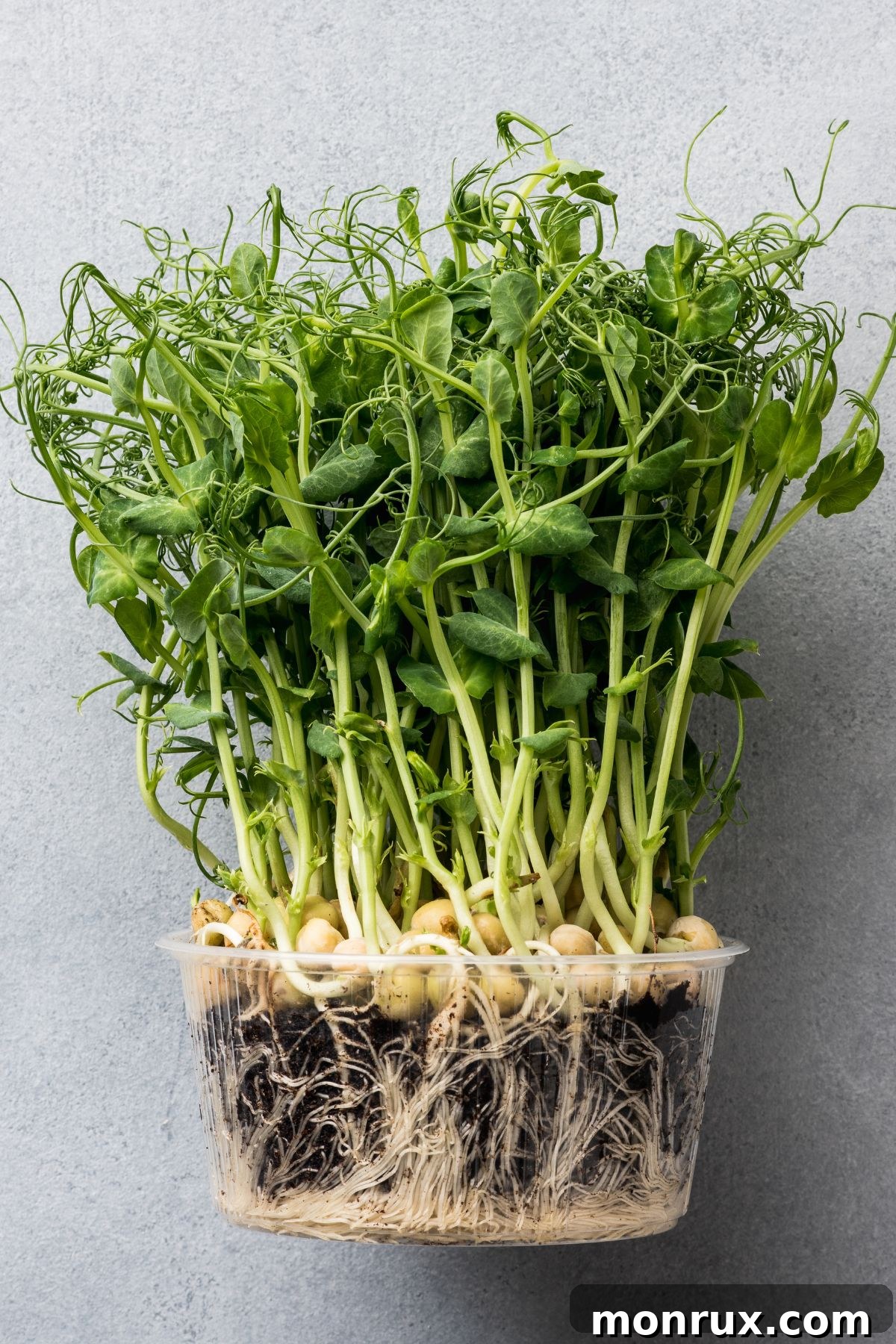
- Pea Microgreens: Grown in soil (or sometimes hydroponically on growing mats), microgreens are allowed to develop past the sprouting stage. They are harvested when they have formed their cotyledons (the first seed leaves) and often a pair of tiny true leaves, typically around 1-3 weeks after planting. Only the stem and leaves are eaten, leaving the roots in the growing medium.
- Pea Shoots: This term is sometimes used interchangeably with pea microgreens, but technically, pea shoots are harvested slightly later than microgreens, once they have grown taller (3-6 inches) and developed distinctive tendrils. They offer an even more robust pea flavor. Many growers harvest pea microgreens at the pea shoot stage to enjoy their fuller size and flavor profile.
Understanding these distinctions helps optimize your growing process and ensures you harvest at your preferred stage for taste and texture.
The Nutritional Powerhouse: Why Pea Microgreens Stand Out
One of the most compelling reasons to cultivate pea microgreens is their exceptional nutritional profile. These tiny greens are not just a garnish; they are a concentrated source of essential vitamins, minerals, and beneficial plant compounds. Studies consistently show that microgreens often contain significantly higher levels of nutrients compared to their mature counterparts. This means that a small serving of pea microgreens can provide a substantial boost to your daily nutrient intake, making them an efficient and delicious way to enhance your diet.
Unlocking the Health Benefits of Pea Microgreens
Beyond their delightful flavor, pea microgreens are celebrated for a myriad of health benefits. Incorporating these green gems into your diet can contribute positively to overall well-being and provide crucial support for various bodily functions.
A Rich Source of Essential Vitamins and Minerals
Pea microgreens are packed with a diverse range of vitamins and minerals vital for human health. A single cup can offer an impressive amount of:
- Vitamin C: A powerful antioxidant known for boosting the immune system, aiding in collagen production, and protecting cells from damage.
- Vitamin A (as Beta-Carotene): Crucial for vision, immune function, and skin health. It’s also a precursor to Vitamin A, meaning your body converts it as needed.
- Vitamin K: Essential for blood clotting and plays a significant role in bone health.
- Folate: Important for cell division and DNA synthesis, particularly crucial during pregnancy.
- Iron: A key component of hemoglobin, which carries oxygen in the blood, essential for energy levels and preventing anemia.
- Calcium: Fundamental for strong bones and teeth, nerve transmission, and muscle function.
Additionally, pea microgreens provide dietary fiber, promoting healthy digestion, aiding in satiety, and supporting a balanced gut microbiome. Their modest protein content further adds to their value, especially for those seeking plant-based protein sources.
Potent Phytonutrients for Optimal Well-being
Beyond the standard vitamins and minerals, pea microgreens are rich in phytonutrients – natural plant compounds with powerful antioxidant and anti-inflammatory properties. Key phytonutrients found in pea microgreens include:
- Beta-Carotene: As mentioned, a precursor to Vitamin A and a potent antioxidant that can help protect cells from oxidative stress.
- Lutein: Known for its benefits to eye health, lutein helps filter harmful high-energy blue light and may reduce the risk of age-related macular degeneration.
Research indicates that the concentration of these beneficial compounds in pea microgreens can be higher than in their mature counterparts, or even other leafy green vegetables. This remarkable nutritional density means you gain more health benefits from a smaller serving. Furthermore, consuming microgreens raw ensures that heat-sensitive nutrients are preserved, providing maximum nutritional impact.
Digestive Health and Sustained Energy
The fiber content in pea microgreens is excellent for promoting a healthy digestive system, aiding in regular bowel movements, and preventing issues like constipation. A well-functioning digestive system is foundational for overall health, impacting everything from nutrient absorption to immune response. The combination of B vitamins, iron, and fiber also contributes to sustained energy levels, helping to prevent the energy dips often associated with less nutritious foods. Regularly adding pea microgreens to your meals can support your immune system and contribute to cardiovascular health, thanks to their antioxidant and anti-inflammatory properties.
Your Comprehensive Guide to Growing Pea Microgreens
Growing your own pea microgreens is not only a fantastic way to access fresh, nutrient-rich produce, but it’s also a deeply satisfying and educational experience. Forget expensive grocery store purchases; with a few simple supplies and this detailed guide, you’ll be harvesting your own superfoods in no time.
Why Grow Your Own Pea Microgreens?
- Unbeatable Freshness: Harvest your microgreens moments before eating them, ensuring peak flavor and nutritional value.
- Cost-Effective: The initial investment in supplies is minimal, and you’ll quickly save money compared to buying pre-packaged microgreens, which can be quite pricey.
- Accessibility: Grow fresh greens year-round, regardless of climate or garden space. All you need is a small indoor area.
- Educational & Fun: It’s a fantastic project for families and a wonderful way to connect with your food source.
- Multiple Harvests: One of the best aspects of growing pea microgreens is their ability to regrow, often yielding two or even three harvests from a single planting.
Essential Supplies for Successful Cultivation
Gathering the right tools is the first step to a thriving pea microgreen patch. Here’s what you’ll need:
Choosing the Right Pea Seeds
The market offers a variety of pea seeds suitable for microgreen production. While many types will work, some are preferred for their flavor and growth habit:
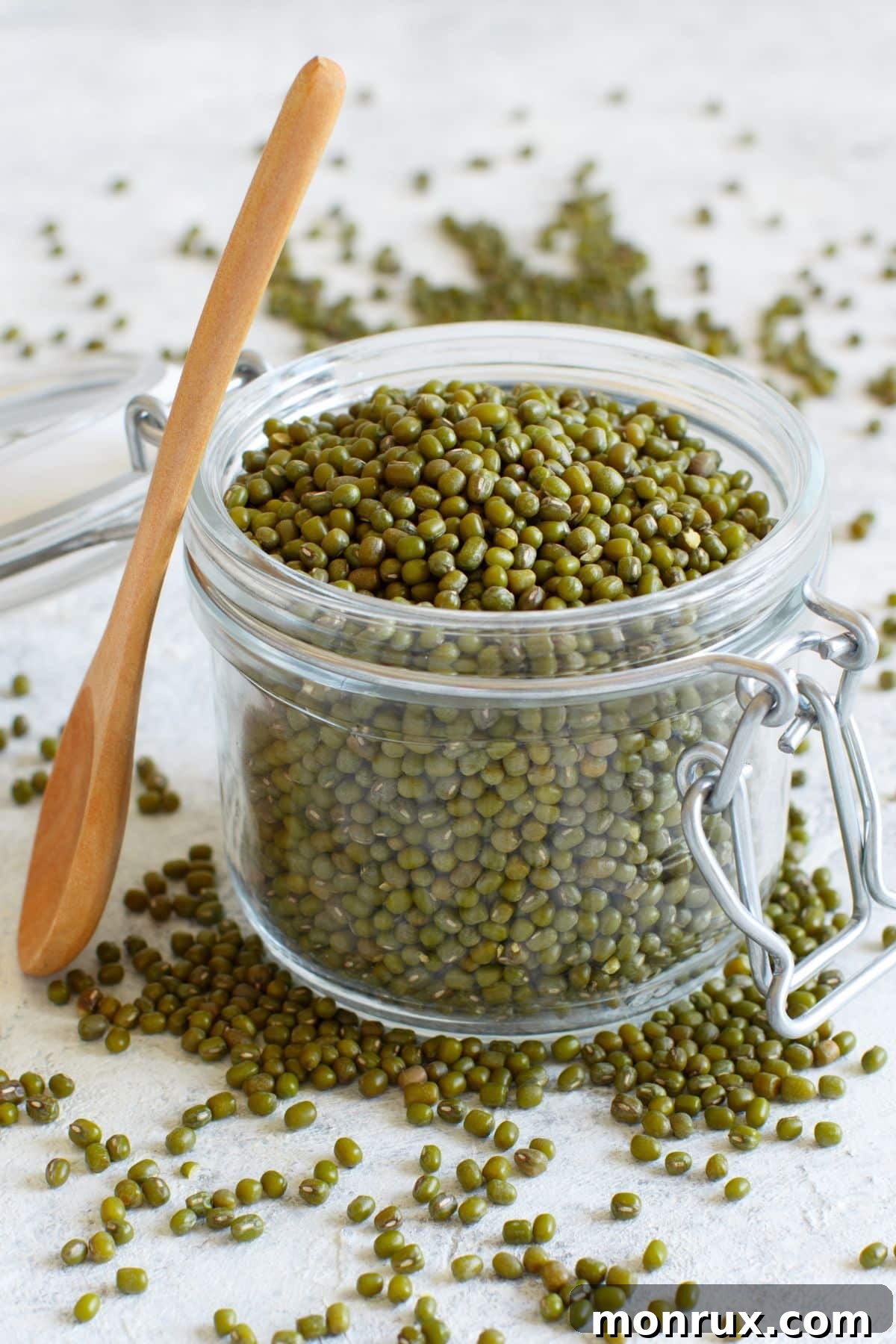
- Popular Varieties: Sugar snap peas and snow peas are often favored for their sweet taste and tender texture as microgreens. Speckled or Dun Peas are also excellent choices, known for their vigorous growth.
- Source: Always opt for organic, untreated, and sprout-specific pea seeds. These ensure your microgreens are free from harmful pesticides and chemicals, making them safe for consumption. Do not use garden seeds treated with fungicides.
- Quantity: Microgreens are sown densely. You’ll need enough seeds to cover your tray’s surface in a thick, single layer.
Selecting Your Growing Medium
While some microgreens can thrive on inert mats, pea microgreens perform best in soil. Soil provides the essential nutrients and structure for their relatively robust root systems.
- Recommended: A fine-grained, lightweight seed starting mix or high-quality potting soil is ideal. These mediums offer good drainage and aeration, which are crucial for root establishment and preventing mold.
- Avoid: Heavy garden soil or soil with large chunks, as these can impede root growth and drainage. While grow mats can work, soil often yields larger, more vigorous pea microgreens.
Ideal Growing Trays and Containers
Shallow trays are perfect for microgreens as their roots don’t penetrate very deep.
- Dimensions: Aim for trays 1 to 2 inches deep. This depth is sufficient for root development and makes harvesting easy.
- Drainage: Your primary growing tray MUST have drainage holes. Proper drainage is essential to prevent waterlogging, which can lead to mold and root rot.
- Bottom Watering Tray: You’ll need a second, slightly larger tray without drainage holes. This tray will sit underneath your growing tray and is used for bottom watering, a technique that keeps the leaves dry and helps prevent fungal issues.
- Eco-friendly options: Repurposed plastic fruit containers or aluminum pie plates can work for small batches, but dedicated growing trays offer better durability and consistent results for regular cultivation.
Watering Tools: Mister and Bottom Tray
- Spray Bottle/Mister: Essential for gently moistening the soil surface immediately after sowing seeds and during the initial germination phase. This prevents disturbing the seeds.
- Watering Can (Optional): Once microgreens are established, a small watering can with a fine spout can be used to add water to the bottom tray.
Providing Adequate Light
Light is critical for developing the vibrant green color and maximizing nutrient content in your microgreens.
- Natural Light: A south-facing windowsill that receives several hours of direct sunlight daily can be sufficient for a small crop. Rotate your trays regularly to ensure even growth.
- Grow Lights: For consistent, uniform growth, especially in areas with limited natural light or during winter months, a simple LED grow light is highly recommended. Position the light a few inches above the trays for 12-16 hours per day. Grow lights ensure all plants receive adequate light, preventing leggy, pale growth.
Step-by-Step Cultivation Process
Preparing Your Pea Seeds: The Soaking Stage
Unlike many smaller microgreen seeds, pea seeds are relatively large and have a hard outer shell. Soaking them is a crucial step to kickstart germination and ensure high success rates.
- Measure: Determine how many seeds you need. A good rule of thumb is enough to cover your tray’s bottom in a single, dense layer. Since pea seeds expand significantly, only soak about half the volume you think you’ll need to cover the tray dry.
- Soak: Place your pea seeds in a large bowl and cover them with plenty of cool water (at least 2-3 times the volume of seeds).
- Duration: Allow them to soak for 6 to 12 hours. You can extend this to a maximum of 24 hours if needed. Over this period, the seeds will absorb water and visibly swell, sometimes doubling in size. If the water level drops significantly, add more.
- Rinse and Drain: After soaking, thoroughly drain the water and rinse the plump seeds well under cool running water. This helps prevent fungal growth.
Sowing Your Seeds for Optimal Growth
Proper sowing creates the foundation for a robust microgreen crop.
- Prepare the Tray: Fill your growing tray (the one with drainage holes) with about ¾ inch to 1 inch of your chosen growing medium. Gently pat the soil down to create a smooth, level surface. Avoid compacting it too much.
- Distribute Seeds: Spread the soaked pea seeds evenly over the entire surface of the soil. Aim for a dense, single layer. The seeds should be touching but not piled on top of each other. Overlapping can lead to poor germination and mold.
- Cover Lightly: This is a key difference for pea microgreens. Gently press the seeds into the soil surface. Then, cover the seeds with a very thin layer of soil (about ⅛ to ¼ inch). This extra layer helps anchor the emerging roots and prevents the large seeds from pushing themselves out of the soil as they germinate.
- Initial Watering: Lightly mist the surface of the soil with your spray bottle until it’s visibly moist. Wait a few minutes for the water to absorb, then mist gently again to ensure the top layer of soil and seeds are adequately hydrated.
The Crucial Germination Period (Blackout Method)
To encourage strong root development and uniform germination, pea microgreens benefit from a “blackout” period.
- Cover and Weight: Place your second, larger tray (without drainage holes) directly on top of the sown seeds, acting as a cover. Then, place a weight of about 5 pounds (e.g., a brick, heavy book, or another tray filled with rocks) on top of the cover. This weight serves two purposes: it ensures good seed-to-soil contact and encourages the roots to grow downwards and spread horizontally, preventing the seedlings from “leggy” growth prematurely.
- Dark, Warm Environment: Place the covered, weighted tray in a warm spot, ideally around 70-75°F (21-24°C), and away from direct light.
- Monitor: Leave the seeds in these conditions for 3 to 4 days. After this time, carefully lift the cover to check their progress. You should see tiny white sprouts emerging from most of the seeds, around an inch long. They will be pale yellow or white as they haven’t been exposed to light yet.
- Extend if Needed: If germination is sparse or the sprouts are too small, mist lightly and replace the cover and weight for another day or two.
Introducing Light and Nurturing Growth
Once germinated, your microgreens are ready for light exposure to develop their vibrant green color and flavor.
- Remove Cover: Take off the top tray and weight, exposing your developing microgreens to light.
- Provide Light: Place the growing tray under a grow light for 12-16 hours daily, or on a sunny windowsill, rotating it daily for even exposure. The light triggers photosynthesis, turning the pale sprouts into deep green microgreens. If your microgreens look yellow or pale, they are not receiving enough light.
- Bottom Watering: From this stage onward, always water from the bottom. Place the growing tray (with drainage holes) into the larger tray (without holes). Pour water into the bottom tray, allowing the soil to absorb it through the drainage holes. This keeps the delicate leaves dry, significantly reducing the risk of mold and fungal diseases.
- Maintain Moisture: Check the soil moisture daily. When the top feels dry to the touch, add more water to the bottom tray. The goal is consistently moist, but not waterlogged, soil. Remove any excess water that isn’t absorbed within 20-30 minutes to prevent oversaturation.
- Environment: Maintain a consistent room temperature of around 70°F (21°C). Good air circulation is also important; ensure the growing area has adequate ventilation to prevent stale air and reduce humidity build-up, which can lead to mold. An oscillating fan on a low setting can be beneficial if your space lacks natural airflow.
When and How to Harvest Your Pea Microgreens
The exciting moment of harvest is typically 8 to 14 days after sowing, depending on your preferred stage of growth.
- Timing: You can harvest pea microgreens when they are 3 to 4 inches tall and have developed their cotyledons. For a slightly more mature flavor and texture, you can wait a few more days until they develop their first true leaves and tendrils (at this point, they are often called pea shoots). Experiment to find your preferred stage!
- Prepare for Harvest: Stop watering your microgreens about 12 hours before harvesting. This allows the greens to dry out slightly, which improves their shelf life after cutting.
- Harvesting Technique: Using a sharp pair of kitchen shears or a very sharp knife, cut the microgreens in bunches, just above the soil line. Aim to leave at least a few tiny leaves or the very base of the stem intact on the soil surface. This is key for encouraging regrowth.
Maximizing Your Harvests: Encouraging Regrowth
One of the joys of pea microgreens is their ability to provide multiple harvests from a single planting. After your first harvest:
- Continue Care: Place the growing tray back under your light source and resume bottom watering as needed.
- Wait: Within a few days, you should notice new growth emerging from the cut stems. These second-growth microgreens may be slightly less vigorous than the first, but they are still delicious and nutritious.
- Subsequent Harvests: You can typically get a second harvest, and sometimes even a third, from the same tray. Harvest these regrowths similarly to the first. Eventually, the growing medium will become depleted, and the plants will cease to produce, at which point you can compost the spent soil and start a fresh batch.
Storing Your Freshly Harvested Pea Microgreens
While best enjoyed immediately, you can store excess pea microgreens to extend their freshness.
- Dry Thoroughly: Ensure your harvested microgreens are completely dry. Gently pat them with a clean paper towel if there’s any residual moisture.
- Wrap: Wrap the dry microgreens loosely in a fresh paper towel. This absorbs any lingering moisture and helps maintain freshness.
- Container: Place the wrapped microgreens in an airtight container or a sealed plastic bag.
- Refrigerate: Store them in the crisper drawer of your refrigerator. Pea microgreens typically have a longer shelf life than many other microgreens, often lasting 7 to 10 days, and sometimes even longer, when stored correctly.
Quick Reference: Pea Microgreen Growing Steps
For a concise overview, here are the essential steps to growing your own pea microgreens:
- Soak Seeds: Submerge organic pea seeds in cold water for 6-24 hours until plump.
- Prepare Medium: Fill a shallow tray with drainage holes with 1 inch of seed starting or potting soil.
- Sow Seeds: Spread soaked seeds densely in a single layer, gently press, and cover with a thin layer of soil.
- Initial Water: Lightly mist the soil surface until moist.
- Germinate (Blackout): Cover the tray with a second tray and place a 5-pound weight on top. Keep in a warm, dark spot for 3-4 days until sprouts emerge.
- Introduce Light & Water: Remove cover, expose to natural or grow light (12-16 hours/day). Begin bottom watering to keep soil consistently moist.
- Harvest: Cut microgreens 8-14 days after sowing, when 3-5 inches tall. Leave some leaves for potential regrowth.
- Store: Dry harvested greens, wrap in paper towel, and refrigerate in an airtight container for up to 7-10 days.
Frequently Asked Questions About Pea Microgreens
How Long Does it Take to Grow Pea Microgreens?
Pea microgreens are remarkably fast growers! From the day you sow your seeds, you can typically expect to harvest them within 8 to 14 days. This timeframe can vary slightly depending on environmental conditions like temperature and light, as well as your personal preference for harvesting at the cotyledon stage or waiting until tendrils and first true leaves appear.
Best Ways to Enjoy Your Pea Microgreens?
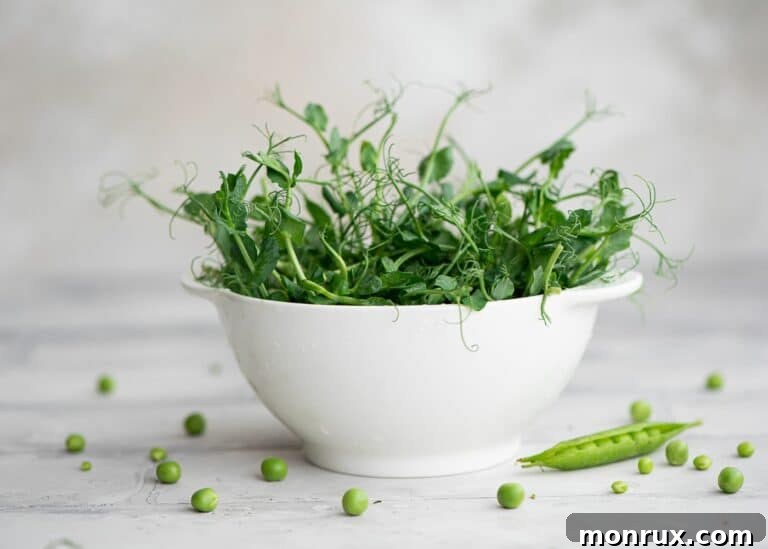
Pea microgreens are prized for their sweet, fresh pea flavor, which is generally milder and less bitter than other microgreen varieties like kale or radish. Their versatility makes them a fantastic addition to almost any meal:
- Salads: The most popular way! Mix them into your favorite green salads for added crunch, flavor, and nutrients.
- Sandwiches & Wraps: Use them as a vibrant, fresh alternative to lettuce in sandwiches, burgers, tacos, and pitas.
- Garnish: Elevate the presentation and flavor of dishes by using them as a garnish for scrambled eggs, omelets, soups, stews, roasted vegetables, or pasta.
- Smoothies & Juices: Blend a handful into your morning smoothie or fresh juice for an invisible nutritional boost.
- Stir-fries & Soups: Add them in the last minute or two of cooking to warm them through without depleting their delicate nutrients.
- Pesto: Experiment by blending them into a unique pea microgreen pesto!
Common Challenges and Troubleshooting
- Mold or Fungi: This is often caused by overwatering, poor air circulation, or overcrowding. Ensure good drainage, bottom water only, maintain proper spacing, and provide airflow.
- Leggy/Pale Growth: Indicates insufficient light. Move trays closer to a grow light or to a brighter windowsill.
- Poor Germination: Can be due to old seeds, insufficient soaking, or improper moisture during the blackout period. Ensure fresh seeds and consistent moisture.
- Slow Growth: Often a sign of too low temperatures or inadequate light. Increase warmth and light exposure.
Expert Tips for Thriving Pea Microgreens
Cultivating successful pea microgreens involves a few key practices that can significantly impact your yield and the quality of your harvest. Keep these tips in mind as you embark on your growing journey:
- Seed Quality Matters: Always begin with high-quality, organic, untreated pea seeds specifically intended for sprouting or microgreens. Varieties like sugar snap or snow peas are excellent for their sweet flavor.
- Optimal Tray Depth: Utilize shallow growing containers (1 to 2 inches deep) for easy harvesting and efficient use of growing medium.
- Master Bottom Watering: After germination, consistently water your microgreens from the bottom. This technique keeps the foliage dry, which is critical for preventing mold and fungal diseases.
- Ample Light is Key: Ensure your pea microgreens receive plenty of light. A sunny windowsill is good, but a dedicated LED grow lamp for 12-16 hours daily provides the most consistent and robust growth.
- Maintain Ideal Conditions: Aim for a consistent room temperature around 70℉ (21℃). Good air circulation (without being drafty) and a moderate humidity level (around 50%) are also vital for healthy development and mold prevention.
- Harvest at Peak: Harvest your microgreens when they are 3 to 5 inches tall. You can choose to cut them when only cotyledon leaves are present for a milder flavor, or wait a few extra days for them to develop tendrils and first true leaves for a more pronounced pea taste.
- Encourage Regrowth: When harvesting, snip the greens just above the lowest leaves or growth nodes. Leaving a small portion of the plant intact will often stimulate a second, and sometimes even a third, flush of growth.
- Proper Storage: To maximize freshness, ensure harvested microgreens are dry before wrapping them in a paper towel and storing them in an airtight container or plastic bag in the refrigerator. They can typically last 7 to 10 days.
More Microgreens Resources to Explore
I hope you make this recipe! If you do, please leave a comment and a starred review below.
And, consider following me on social media so we can stay connected. I’m on Facebook, Pinterest, Instagram, and YouTube!
Print Recipe
How to Grow Pea Microgreens
★★★★★
5 from 1 review
Pea microgreens are a superfood you can easily grow right in your own kitchen. They are packed with health benefits and taste wonderfully fresh. Learn everything you need to know to cultivate your own supply.
- Total Time: ~14 days 30 minutes
- Yield: 4 Servings
Ingredients
- 2 tablespoons organic pea seeds
- seed soil or potting soil
Instructions
- Soak the pea seeds in a large bowl of cool water for 6 to 12 hours (up to 24 hours), until they have significantly plumped up. Drain and rinse well.
- Fill your shallow growing container (with drainage holes) with approximately 1 inch of seed starting or potting soil. Gently pat the soil down to create a smooth, level surface.
- Evenly spread the soaked pea seeds over the entire surface of the soil in a single, dense layer, ensuring seeds are touching but not piled. Gently press them into the soil, then cover with a thin layer (⅛ to ¼ inch) of soil.
- Lightly mist the surface of the soil with water using a spray bottle. Wait a few minutes for absorption, then mist gently again to ensure the top layer is adequately moist.
- Cover the growing tray with a second, larger tray (without drainage holes) and place a 5-pound weight on top. Leave to germinate in a warm, dark spot for 3 to 4 days, or until most seeds have sprouted to about an inch long.
- Remove the cover and expose the sprouted seeds to plenty of natural sunlight (on a sunny windowsill) or place them under a grow lamp for 12-16 hours daily. Begin bottom watering: place the growing tray into the larger tray, add water to the bottom tray, and allow the soil to absorb it from below. Keep the soil consistently moist but never waterlogged.
- Harvest the microgreens when they are a rich green color and at least 3 to 5 inches tall, typically between 8 to 14 days after sowing. Use sharp scissors to snip them just above the soil line, leaving some growth for potential second and third harvests.
Notes
- Always use organic pea seeds; sugar snap or snow peas are recommended for their sweet flavor.
- Ensure your growing container is 1 to 2 inches deep for ease of harvesting.
- After germination, consistently water your seeds from the bottom using a separate tray to prevent mold on leaves.
- Provide abundant light (natural or grow lamp for 12+ hours daily) to ensure vibrant green color and high nutritional value.
- Maintain a room temperature of around 70℉ (21℃) with good ventilation and about 50% humidity for best results.
- Harvest when 3-5 inches tall, either at the cotyledon stage or once true leaves and tendrils develop, based on preference.
- To encourage additional harvests, leave a few leaves or the base of the stems when cutting.
- Store unused, dry microgreens wrapped in a paper towel in an airtight container in the refrigerator for up to 7-10 days.
- Author: Carrie Forrest, MPH in Nutrition
- Prep Time: 30 minutes
- Grow Time: 14 days
- Category: Microgreens
- Method: Gardening
- Cuisine: Healthy
- Diet: Vegetarian
Nutrition
- Serving Size: 1 tablespoon
- Calories: 1
- Carbohydrates: 0.1 g
- Fiber: 0.1 g
- Protein: 0.1 g
Don’t forget to join my newsletter list to get exclusive clean eating recipes and tips. The newsletter is 100% free with no spam; unsubscribe anytime.
About the Author: Carrie Forrest has a master’s degree in public health with a specialty in nutrition and is a certified holistic nutritionist. She is a top wellness and food blogger with over 5 million annual visitors to her site. Carrie has an incredible story of recovery from chronic illness and is passionate about helping other women transform their health. Send her a message through her contact form.
Note: this post is for informational purposes only and is not intended as medical advice. Please consult your healthcare provider for recommendations related to your individual situation.