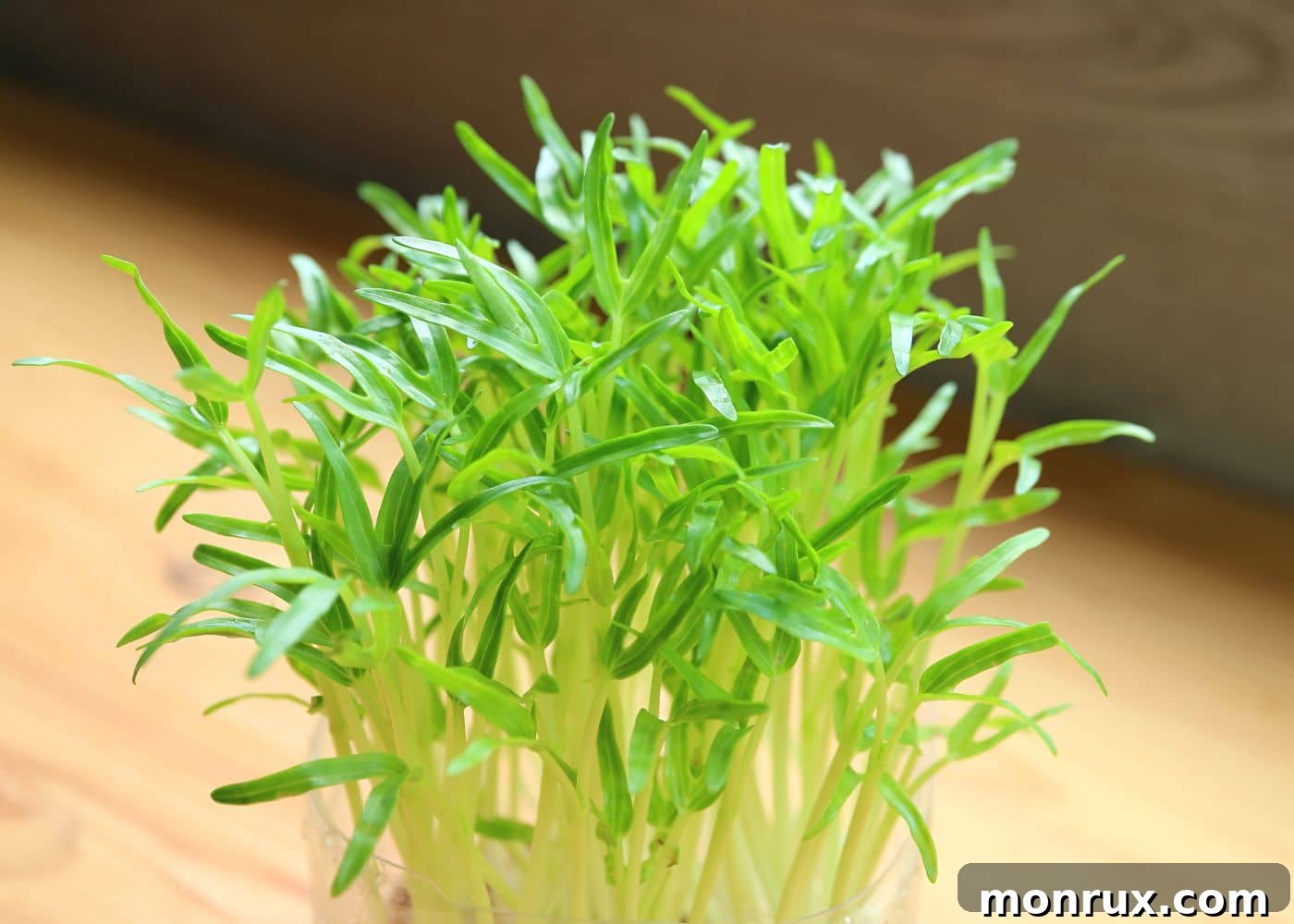
Unlock a world of vibrant nutrition and fresh flavors by growing your own spinach microgreens. These tiny, tender plants are harvested at a very early stage, packing an astonishing nutritional punch far greater than their mature counterparts. Imagine cultivating a superfood right in your kitchen, brimming with health benefits and a delightfully subtle taste. This comprehensive guide will teach you everything you need to know about growing, harvesting, and enjoying fresh spinach microgreens, transforming your culinary experience and boosting your health.
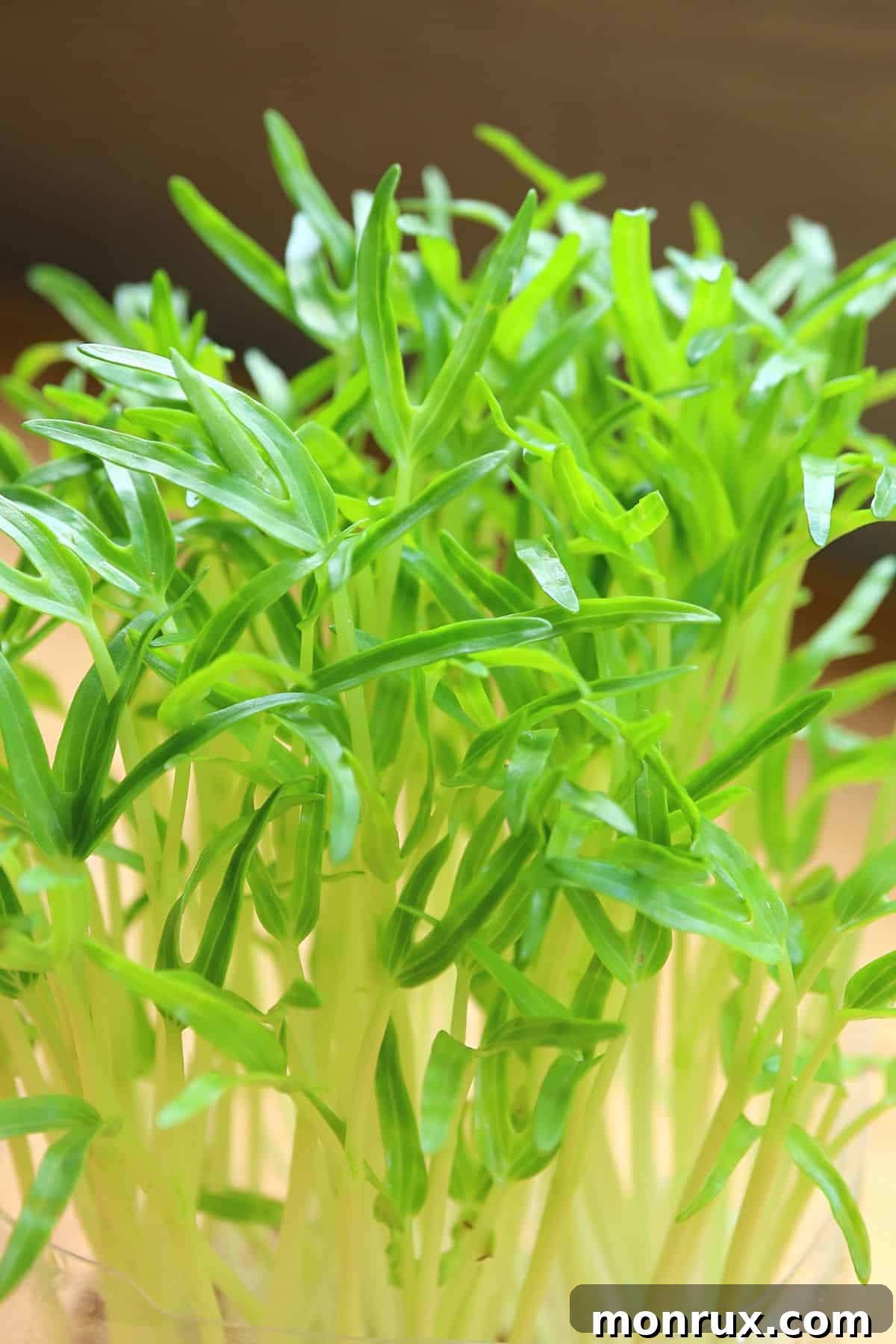
Spinach Microgreens Overview
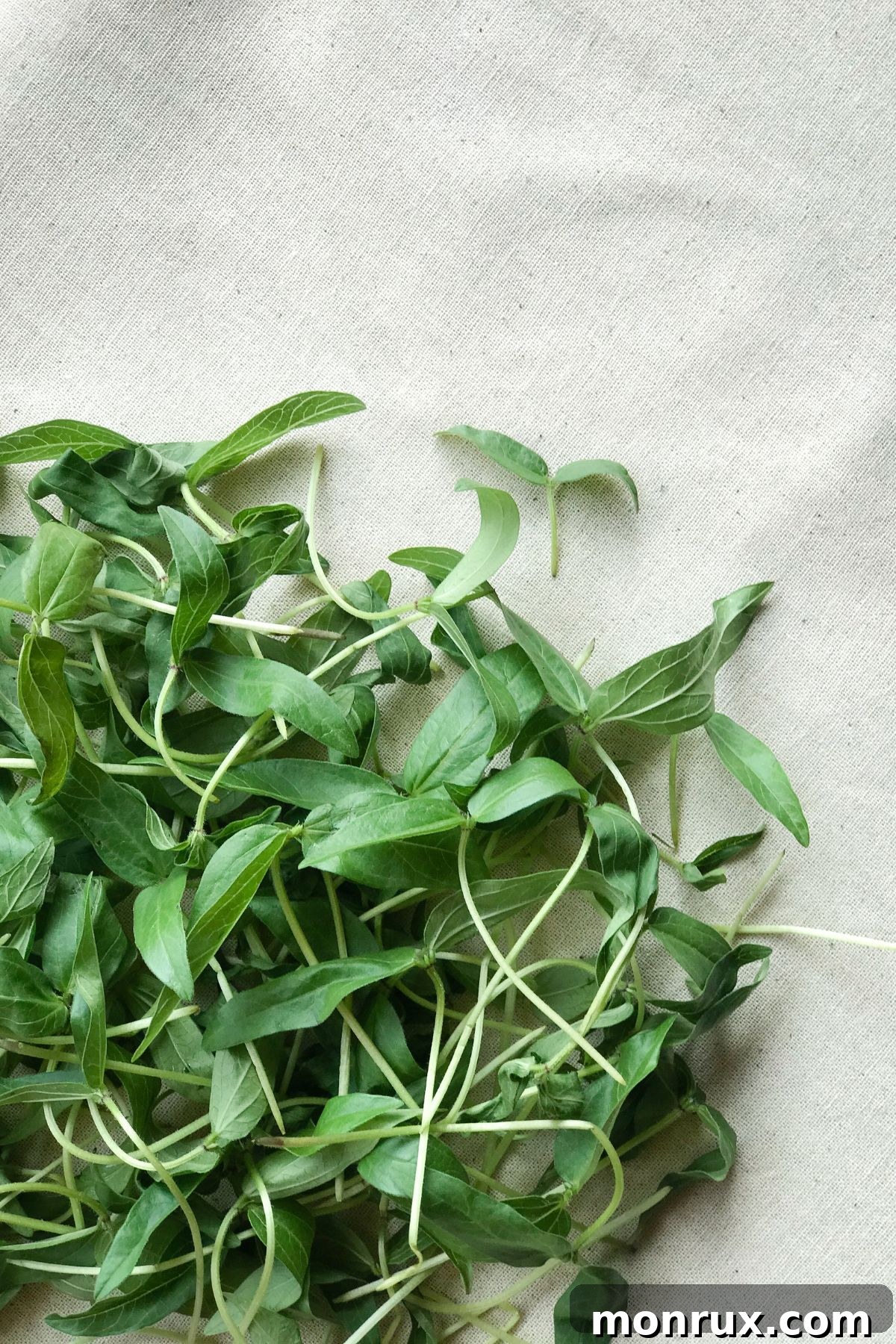
Spinach microgreens are much more than just tiny versions of mature spinach leaves; they represent an early stage of growth where the plant is incredibly potent and flavorful. Harvested within 7 to 14 days of germination, these young plants are packed with concentrated nutrients, offering a superior nutritional profile compared to their fully grown counterparts. Their mild, slightly sweet flavor makes them an excellent addition to a wide array of dishes.
What Exactly Are Spinach Microgreens?
At their core, spinach microgreens are simply very young spinach plants. They are typically harvested once their cotyledon leaves (the first leaves to emerge from a seed) have fully developed, but before the true leaves (the second set of leaves, which resemble mature spinach leaves) begin to emerge. This specific growth stage is crucial as it’s when the plant has stored a high concentration of essential vitamins, minerals, and antioxidants to fuel its initial growth spurt.
Unlike sprouts, which are germinated in water and consumed root, seed, and shoot, microgreens are grown in a growing medium (like soil) and only the stem and leaves are harvested. This distinction is important for both flavor and safety.
Distinguishing Microgreens from Baby Spinach
It’s common to confuse microgreens with baby greens, but they are fundamentally different. Baby spinach leaves are true leaves picked from a maturing spinach plant that is still developing but has already passed the microgreen stage. They are larger, have a more robust flavor, and are closer in characteristics to full-sized spinach. Spinach microgreens, on the other hand, are harvested at an even earlier, more delicate stage. They are typically only 1-3 inches tall and possess a unique tenderness and subtle flavor profile that differs from baby spinach.
Spinach microgreens belong to the Amaranthaceae family, a botanical classification that includes other nutrient-dense powerhouses such as amaranth, beets, quinoa, and Swiss chard. This lineage highlights their inherent nutritional value and connection to other health-promoting foods.
The Concentrated Benefits of Microgreens
The primary allure of microgreens lies in their exceptional nutrient density. Scientific studies suggest that microgreens can contain significantly higher levels of vitamins, minerals, and antioxidants than mature plants. This means you can consume a much smaller quantity of spinach microgreens to reap the same, or even greater, nutritional benefits as a larger serving of mature spinach.
For individuals, particularly children, who may struggle to consume adequate amounts of leafy green vegetables, spinach microgreens offer an effortless and palatable solution. Their mild taste and tender texture make them incredibly versatile, easily incorporated into smoothies, salads, sandwiches, or as a garnish, providing a potent dose of goodness without overwhelming the palate. It’s an efficient and enjoyable way to enhance your daily nutritional intake.
The Remarkable Health Benefits of Spinach Microgreens
Spinach microgreens are not just a trendy food; they are a nutritional powerhouse offering a wide spectrum of health benefits. Their concentrated nutrient profile contributes to overall well-being, supporting various bodily functions and potentially helping to protect against chronic diseases.
Exceptional Nutrient Content
Like their mature counterparts, spinach microgreens are celebrated for their rich nutrient profile, often in more concentrated forms. They are an excellent source of several key vitamins and minerals vital for optimal health:
- Iron: This essential mineral is crucial for supporting a range of metabolic processes throughout the body, including oxygen transport in the blood, energy production, and immune function. A deficiency can lead to fatigue and anemia, making spinach microgreens a valuable dietary addition.
- Insoluble Fiber: High in dietary fiber, spinach microgreens significantly contribute to digestive health. Insoluble fiber aids in maintaining regular bowel movements, preventing constipation, and supporting a healthy gut microbiome, which is increasingly recognized for its impact on overall health.
- Calcium: Beyond bone health, calcium plays a role in nerve transmission, muscle function, and blood clotting.
- Folic Acid (Vitamin B9): Crucial for cell growth and metabolism, folic acid is particularly important during pregnancy to prevent birth defects and supports cardiovascular health.
- Vitamin C: A powerful antioxidant, Vitamin C is essential for immune system function, collagen synthesis for healthy skin, and protecting cells from oxidative damage.
- Vitamin K: Key for blood clotting and bone metabolism, Vitamin K ensures proper bone density and strength.
- Vitamin E: Another potent antioxidant, Vitamin E helps protect cells from damage caused by free radicals, supporting skin health and immune function.
- Beta-Carotene (Precursor to Vitamin A): Spinach microgreens are particularly rich in beta-carotene, a type of carotenoid that your body efficiently converts into Vitamin A. Vitamin A is vital for vision, immune function, and skin health. Beta-carotene also possesses strong antioxidant properties, which may help protect against serious conditions such as heart disease, high blood pressure, and various forms of cancer by neutralizing harmful free radicals.
The bioavailability of these nutrients in microgreens is often superior due to their young, tender state, making them easier for the body to absorb and utilize.
Boosting Eye Health
Beyond general nutrition, spinach microgreens offer specific benefits for eye health. They contain significant amounts of lutein and zeaxanthin, two powerful carotenoids renowned for their role in protecting the eyes. These compounds act as natural sunglasses, filtering out harmful high-energy blue light and protecting the delicate cells of the retina from oxidative stress and damage caused by sunlight exposure. Regular consumption of foods rich in lutein and zeaxanthin has been linked to a reduced risk of age-related macular degeneration (AMD) and cataracts, two leading causes of vision impairment.
The remarkable aspect of spinach microgreens is their superior nutrient density compared to mature spinach leaves. A small handful of these delicate greens, easily eaten by people of all ages, including picky eaters, can deliver the benefits of a much larger portion of mature vegetables. This makes them an incredibly efficient and convenient way to elevate your diet with vital nutrients and protective compounds.
For more insights into the world of miniature greens, explore my related article on the best microgreens to grow.

Step-by-Step Guide: How to Grow Spinach Microgreens at Home
While you might find spinach microgreens in specialty stores, their availability can be limited, and the freshness and cost are often concerns. The most rewarding and sustainable option is to grow your own! Cultivating spinach microgreens at home is a straightforward, quick, and incredibly satisfying process, perfect for beginners and seasoned gardeners alike. It’s also an excellent educational project for kids, demonstrating the magic of growth in just a few days.
Beyond convenience, growing your own microgreens is an eco-conscious choice that reduces your carbon footprint and provides a continuous supply of fresh, organic produce. The initial investment in equipment is minimal, leading to significant cost savings compared to purchasing them from stores.
Essential Supplies for Growing Spinach Microgreens
To embark on your microgreen growing journey, you’ll need a few basic items. Gather these before you start to ensure a smooth and successful cultivation experience.
Spinach Seeds: Microgreen or Regular Varieties
The beauty of spinach microgreens is that they don’t require any specialized seeds. Regular spinach seeds, whether labeled specifically for microgreens or not, will yield excellent results. All spinach seeds are essentially the same for this purpose. However, to guarantee the purest and healthiest harvest, I strongly recommend choosing organic spinach seeds. This ensures your microgreens are free from harmful pesticide residues, fungicides, or other chemical treatments, providing you with a truly clean and safe product for consumption.

Choosing the Right Growing Medium
The growing medium provides the necessary support and nutrients for your microgreens. You have several effective options:
- Soil: This is the most popular choice. Opt for a lightweight, fine-grained potting mix or a specialized seed-starting soil. The fine texture allows the tiny spinach roots to spread easily and establish themselves firmly. Avoid heavy garden soil, which can compact and hinder delicate root development.
- Grow Mats: For a less messy, soil-free alternative, consider using hydroponic grow mats made from hemp, coco coir, or cellulose. These provide a clean, consistent medium for roots to anchor.
- Coco Coir Mats: Derived from coconut husks, coco coir is an excellent sustainable option. It retains moisture well and provides a clean environment, reducing the risk of mold. Be cautious not to over-compact coco coir, as it can become too dense.
- Paper Towels: While not ideal for long-term growth or nutrient supply, paper towels can be used for initial germination experiments, especially for educational purposes with children. However, for a robust, healthy crop, a more substantial medium is preferred.
Containers for Cultivation
To facilitate easy harvesting and proper growth, you’ll need shallow trays, ideally 1 to 2 inches deep. These dimensions are perfect for microgreens, as their root systems don’t require significant depth.
- Eco-friendly Options: For a trial run, consider repurposing clean plastic fruit containers or aluminum pie plates. Just ensure you punch drainage holes in them if they don’t already have them.
- Dedicated Microgreen Trays: As you become more serious, invest in specialized microgreen trays. These often come in sets, one with drainage holes for growing and another solid tray to place underneath.
The growing tray *must* have drainage holes. This is critical to prevent waterlogging, which can quickly lead to fungal growth, mold, and rot, ruining your crop. The second, larger tray without holes will sit beneath the growing tray. This bottom tray is essential for bottom-watering, a technique that keeps the leaves and stems dry, further minimizing the risk of mold and diseases.
Spray Bottle
A simple spray bottle filled with cold, clean water is necessary for initially moistening your growing medium and seeds immediately after sowing. Gentle misting ensures the seeds are not displaced and the top layer of the medium is adequately hydrated.
Optimal Light Source
Light is indispensable for photosynthesis, the process that produces chlorophyll and gives microgreens their vibrant green color and rich nutrient content.
- Natural Sunlight: If you have a bright, sunny windowsill that receives at least 6-8 hours of direct sunlight daily, this can be sufficient. Rotate your trays regularly to ensure even growth.
- Grow Lights: For consistent results, especially in areas with limited natural light or during darker months, consider investing in a fluorescent or LED grow light. Position the light approximately 6-12 inches above your trays. Grow lights offer a uniform and reliable light source, promoting even, healthy growth and preventing leggy, pale microgreens. Using a timer for 12-16 hours of light per day can mimic optimal conditions.
Optional: Soaking Spinach Microgreen Seeds
Many microgreen varieties, such as radishes or broccoli, do not require pre-soaking due to their tiny, permeable seed coats. The purpose of soaking seeds is to soften their hard outer shell, allowing them to absorb water more readily and speed up germination. Spinach seeds are somewhat harder than most microgreen seeds.
While spinach seeds will germinate successfully without soaking, many growers find that a pre-soak of 4-8 hours in cool water can significantly accelerate the germination process, leading to a more uniform emergence of seedlings. This step is entirely optional; if you prefer a simpler approach, you can skip it without compromising your harvest, though it might take a day or two longer for the seeds to sprout.
Sowing Your Spinach Microgreen Seeds
The sowing process is a critical step for a dense and healthy crop.
- Prepare the Tray: Fill your chosen growing container with your selected medium (soil, coco coir, or grow mat) until it reaches just below the rim, leaving about a quarter-inch gap.
- Level the Surface: Gently smooth and level the surface of the medium with your hand or a flat tool. If using soil, pat it down very gently to create a firm, even bed for the seeds. Avoid compacting coco coir too much, as it can become overly dense.
- Pre-moisten: Lightly spray the surface of the medium with water from your spray bottle until it is evenly moist but not waterlogged. Allow the water to absorb, then mist the surface again to ensure good hydration for the seeds.
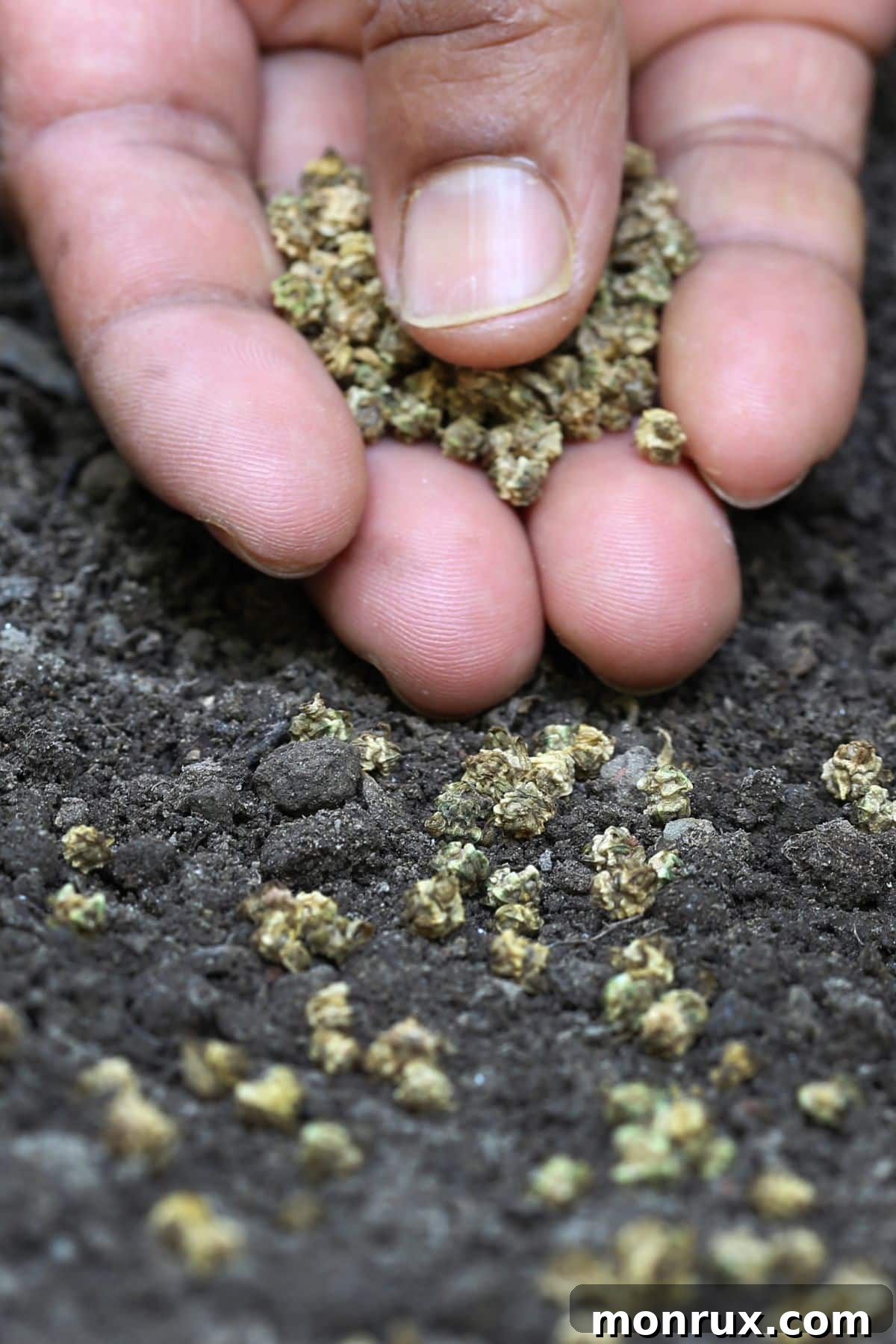
- Sow the Seeds: Evenly spread your spinach seeds over the moistened surface. Aim for a dense, single layer, covering as much of the surface as possible without overlapping too much. Dense sowing promotes vertical growth and maximizes your harvest. Ensure the seeds are not piled on top of each other, as this can restrict airflow and encourage rot.
Encouraging Germination: The Blackout Period
For successful germination, spinach microgreen seeds primarily need two conditions: consistent humidity and complete darkness. This stage is often referred to as the “blackout period.”
- Mist and Cover: After sowing, lightly mist the seeds again with your spray bottle. Then, place your second, larger tray (the one without drainage holes) directly on top of the growing tray, acting as a cover.
- Apply Weight: To ensure good seed-to-medium contact and encourage stronger root development, place a moderate weight (about 2-5 pounds, such as a brick or a few books) on top of the inverted cover tray. This gentle pressure helps push the seeds firmly into the growing medium, prompting their roots to reach deeper and become well-established.
- Provide Warmth and Darkness: Position the covered and weighted trays in a warm spot, ideally around 70-75°F (21-24°C), and ensure they remain in complete darkness.
- Check for Sprouting: After 4 to 5 days, carefully lift the cover to check on your seeds. You should see tiny white sprouts emerging and beginning to lift the cover, even with the weight on top. If only a few have sprouted, mist them lightly, replace the cover and weight, and allow them another day or two to germinate fully. The goal is for nearly all seeds to have visibly sprouted and started developing cotyledons.
Light Exposure and Growth: Watching Your Microgreens Thrive
Once your spinach seeds have successfully germinated, it’s time to introduce them to light and watch them transform into vibrant microgreens.
- Remove Cover and Introduce Light: When the seeds have sufficiently sprouted, remove the cover and expose them to plenty of light. If using natural sunlight, place your growing tray on a bright, sunny windowsill. If opting for a grow lamp, position it approximately one foot above the tray and ensure it provides light for at least 6-12 hours per day. Consistent light is crucial for chlorophyll development, which gives the microgreens their characteristic green color and enhances nutrient content.
- Initial Bottom Watering: Place the growing tray (with drainage holes) into the larger bottom tray. Pour water into the bottom tray, allowing the growing medium to absorb water from below through capillary action. Water thoroughly until the top layer of the medium appears moist. Once moist, remove any excess water from the bottom tray to prevent overwatering, which can lead to root rot.
- Ongoing Bottom Watering: From this point forward, continue to water your microgreens exclusively from the bottom tray. This method keeps the delicate leaves and stems dry, significantly reducing the risk of mold and fungal diseases. Check the moisture level daily; when the top layer of the medium starts to look dry, replenish water in the bottom tray. The goal is to keep the growing medium consistently moist but never soggy.
- Monitor Growth and Color: Within a few days, your sprouts will develop into noticeable microgreens. Initially, they might appear pale or yellowish, especially right after the blackout period. As they receive more light, their color will deepen to a rich green. If your microgreens appear tall and spindly with a persistent yellowish hue, it’s a clear indicator that they are not receiving enough light. Rectify this immediately by increasing light exposure (move to a sunnier spot or adjust your grow light) to ensure they develop proper color and nutrient density. Pale microgreens will be less nutritious and flavorful.
- Environmental Conditions: Maintain an ideal room temperature of around 70-75°F (21-24°C). Good air circulation is also important to prevent stagnant air, which can encourage mold. Aim for a humidity level of around 50%, which is typical for most indoor environments.
Harvesting Your Spinach Microgreens
The moment you’ve been patiently waiting for arrives swiftly!
Approximately 7 to 14 days after sowing, your spinach microgreens will be ready for harvest. At this stage, their cotyledons (seed leaves) will be fully open and vibrant green, and the tiny true leaves might just be starting to emerge between them. This is the optimal time to harvest, as the microgreens are at their peak nutritional value and possess the best flavor and texture.
- Prepare for Harvest: To ensure your harvested microgreens are dry and easier to store, stop watering them approximately 12 hours before you plan to cut them.
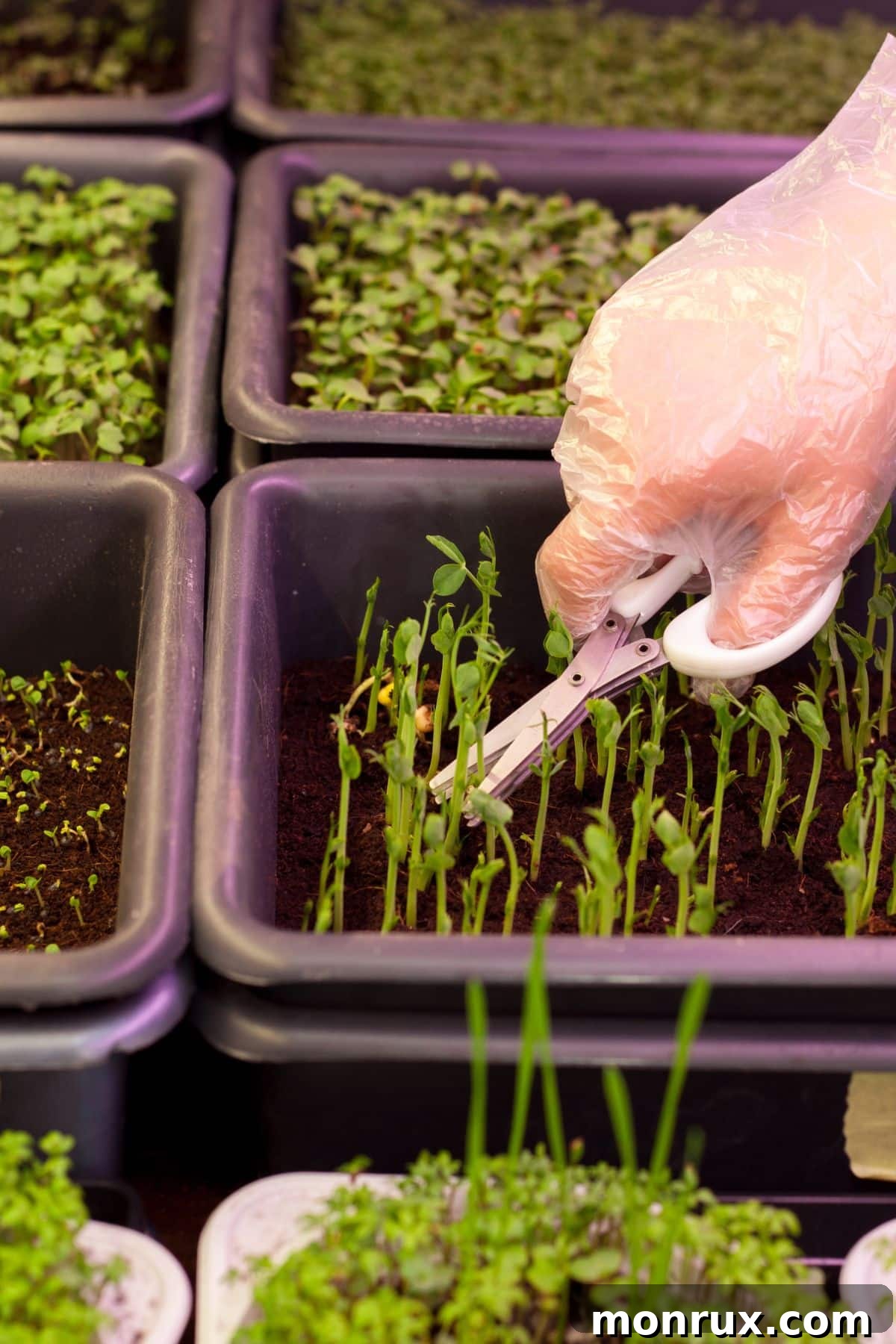
- Harvesting Technique: Using a sharp pair of clean scissors or a very sharp knife, snip off the microgreens in bunches. Cut them just above the surface of the growing medium, leaving the roots and any unsprouted seeds behind.
- Full or Partial Harvest: You have the flexibility to harvest the entire batch at once or cut only what you need for a meal. However, it’s crucial to harvest the entire crop before it becomes too old (usually within 14 days), as their quality and nutrient content will diminish rapidly after this point.
Unfortunately, spinach microgreens will not regrow after harvesting, as you’re cutting them below the point where new growth would typically emerge. To enjoy a continuous supply, simply sow a new batch of seeds every 7-10 days.
Storing Your Freshly Harvested Spinach Microgreens
For the best flavor and nutritional integrity, it’s always ideal to harvest your microgreens just before you plan to use them. However, if you’ve harvested a larger batch, proper storage will help maintain their freshness.
To store, gently wrap the dry microgreens in a paper towel to absorb any residual moisture. Then, place them inside a plastic bag or an airtight container. Store them in the crisper drawer of your refrigerator. When stored correctly, they will retain their vibrant color, delicate texture, nutrients, and fresh flavor for up to a week.
Quick Guide to Growing Spinach Microgreens
This section provides a concise summary of the steps to grow spinach microgreens, ideal for a quick reference.
Step One
Prepare your growing container (1-2 inches deep) by filling it with your chosen medium: seed soil, potting mix, grow mat, or coco coir. Ensure the surface is level.
Step Two
Lightly mist the growing medium with water until evenly moist. Allow it to absorb, then mist again to ensure good surface hydration.
Step Three
Optionally pre-soak your organic spinach seeds for 4-8 hours. Then, sprinkle them densely and evenly in a single layer over the moistened surface of the medium.
Step Four
Gently mist the sown seeds. Cover the tray with another tray and place a light weight (2-5 lbs) on top. Place in a warm, dark spot to germinate for 4-5 days, or until most seeds have sprouted and begun to lift the cover.
Step Five
Remove the cover and expose the sprouted seeds to ample light. Use a sunny windowsill or a grow lamp positioned 6-12 inches above the tray for 6-12 hours daily.
Step Six
Water regularly from the bottom by placing the growing tray into a larger tray containing water. Keep the growing medium consistently moist, but avoid overwatering. Harvest your vibrant microgreens within 7-14 days of planting when their cotyledons are fully open.
Frequently Asked Questions About Spinach Microgreens
One of the most appealing aspects of spinach microgreens is their rapid growth cycle. From the moment you plant the seeds, you can typically expect to harvest and enjoy your fresh microgreens in as little as 7 to 14 days. This quick turnaround makes them an incredibly satisfying and efficient crop to grow, ensuring a constant supply of fresh, nutrient-dense greens with minimal waiting time.
Spinach microgreens boast a very mild, slightly sweet, and delicate flavor profile, making them exceptionally versatile and easy to incorporate into a wide variety of dishes. Their tender texture and vibrant appearance also make them an attractive garnish. Here are some fantastic ways to enjoy your homegrown spinach microgreens:
- Enhance Sandwiches, Wraps, and Tacos: Add a generous handful to sandwiches, burgers, wraps, or tacos for an extra layer of fresh flavor and a delightful, subtle crunch.
- Boost Salads: Incorporate them into any salad for an immediate nutrient upgrade and a pop of green. They can be the primary green or mixed with other lettuces.
- Garnish Dishes: Sprinkle over pasta dishes, scrambled eggs, omelets, avocado toast, soups, or even pizza just before serving to add freshness and a gourmet touch.
- Blend into Smoothies and Juices: For a convenient and potent nutrient boost, blend a handful into your morning smoothie or fresh juice. Their mild flavor won’t overpower other ingredients.
- Stir into Cooked Meals: Add them during the last minute or two of cooking time when preparing warm dishes like stir-fries, stews, or baked vegetables. This preserves their delicate texture and maximum nutrient content. Avoid overcooking them.
Spinach microgreens are typically a nutritional powerhouse, often possessing a significantly higher concentration of beneficial compounds compared to their mature counterparts. Research indicates that microgreens can contain 4 to 40 times more vitamins, minerals, and antioxidants than mature leaves, weight for weight. For instance, they are particularly rich in vitamins A (as beta-carotene), C, and K, as well as essential minerals like iron and potassium. While both microgreens and mature spinach are undeniably nutritious, microgreens offer a more concentrated and potent dose of these vital nutrients, making them an incredibly efficient way to boost your dietary intake.
While growing spinach microgreens is relatively easy, a few common issues can arise. The most frequent problems include:
- Mold: Often caused by overwatering, poor air circulation, or overly dense seeding. Ensure proper drainage, bottom water, and provide good airflow.
- Leggy or Pale Growth: This usually indicates insufficient light. Move trays to a brighter spot or use a grow light more effectively.
- Uneven Germination: Can result from old or poor-quality seeds, inconsistent moisture, or insufficient warmth during germination. Ensure fresh seeds and consistent conditions.
- Rotting Seeds: Often due to excessive moisture and lack of airflow during the blackout phase. Keep the medium moist but not soggy.
It is generally not recommended to reuse the growing medium (especially soil) for successive batches of microgreens. While it might seem eco-friendly, the spent medium will have depleted most of its nutrients, and the remaining root systems can become a breeding ground for bacteria or mold, which can harm your next crop. For best results and to ensure the health and vigor of your microgreens, always start with fresh growing medium for each new batch. The used soil and roots can be composted.
Expert Growing Tips for Spinach Microgreens
Achieving a consistently abundant and healthy harvest of spinach microgreens requires attention to a few key details. These expert tips will help you maximize your success and troubleshoot common challenges:
- Always Opt for Organic Seeds: Prioritize organic spinach seeds to ensure your microgreens are free from chemical pesticides, fungicides, or GMOs. This guarantees a clean and safe product for consumption.
- Shallow Trays are Best: Use growing containers that are no more than 1 to 2 inches deep. This depth is perfectly adequate for the shallow root systems of microgreens and simplifies the harvesting process.
- Explore Diverse Growing Media: While soil is popular, don’t hesitate to experiment with alternatives like hydroponic grow mats, coco coir, or even paper towels (for short-term experiments). Each offers different benefits regarding cleanliness and watering needs.
- Master Bottom Watering: After the initial misting and germination, consistently water your microgreens from the bottom. Place the growing tray into a larger tray of water, allowing the medium to wick up moisture. This method keeps foliage dry, drastically reducing the risk of mold and fungal diseases.
- Provide Ample Light: Once germinated, spinach microgreens are light-hungry. Ensure they receive plenty of bright, indirect natural light (e.g., a south-facing windowsill) or use a dedicated grow lamp. If using a lamp, position it 6-12 inches above the plants for at least 6-12 hours daily to prevent leggy, pale growth.
- Maintain Ideal Environmental Conditions: Aim for a stable room temperature of around 70-75°F (21-24°C). Ensure good air circulation (a small fan on a low setting can help) and maintain moderate humidity (around 50%). These conditions are crucial for robust growth and mold prevention.
- Harvest at Peak Freshness: The optimal harvest time is when your microgreens display two fully opened cotyledon leaves, and true leaves are just beginning to emerge. This is when their nutrient content, flavor, and texture are at their prime. Delaying harvest can lead to tougher texture and reduced nutritional value.
- Proper Storage for Longevity: If you’re not consuming all your microgreens immediately, ensure they are dry before storing. Wrap them gently in a paper towel and place them in an airtight container or plastic bag in the refrigerator’s crisper drawer. They will typically stay fresh and nutritious for up to 7 days.
- Practice Continuous Cropping: To enjoy a steady supply, consider staggering your plantings. Sow a new tray of spinach seeds every 5-7 days, ensuring that as one batch is harvested, another is ready or nearly ready to take its place.
Explore More Microgreen Guides!
Print Recipe
How to Grow Spinach Microgreens at Home
5 from 1 review
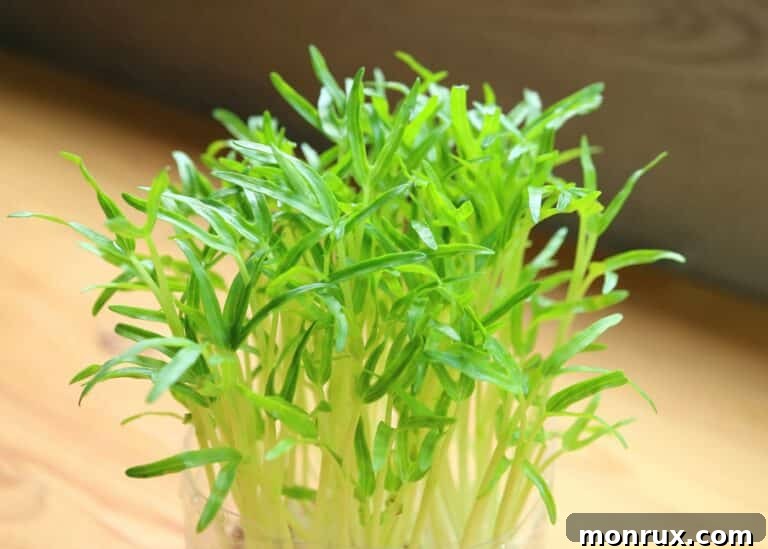
Spinach microgreens are a true superfood you can cultivate right in your kitchen, offering incredible health benefits and a delicious, mild flavor. This recipe guides you through the simple process of growing your own, ensuring a fresh supply of nutrient-dense greens.
- Total Time: 240 hours 30 minutes
- Yield: 4 Servings
Ingredients
- 2 tablespoons organic spinach seeds
- Seed starting soil or fine potting mix
- Shallow growing trays (with drainage holes)
- Bottom watering tray (no drainage holes)
- Spray bottle
- Light source (sunny windowsill or grow light)
- Optional: small weight (2-5 lbs)
Instructions
- Prepare the Container: Fill your shallow growing container with seed starting soil until it reaches just below the rim. Gently pat the soil to level it out and create a smooth surface.
- Moisten the Soil: Lightly spray the soil surface with water until it is evenly moist. Allow a few moments for the water to absorb, then mist again to ensure the top layer is well-hydrated.
- Sow the Seeds: If desired, pre-soak your organic spinach seeds in cool water for 4-8 hours to aid germination. Drain the seeds, then sprinkle them evenly and densely over the moistened soil surface, ensuring they form a single layer without excessive overlapping.
- Initiate Germination (Blackout Period): Gently mist the sown seeds with your spray bottle. Cover the growing tray with your second, larger tray (the one without drainage holes). Place a small weight (around 2-5 lbs) on top of the cover. This creates darkness and good seed-to-soil contact. Leave the trays in a warm, dark spot for approximately 4-5 days, checking periodically until most seeds have sprouted and started to lift the cover.
- Introduce Light: Once sprouted, remove the cover and expose the microgreens to plenty of light. Position them on a sunny windowsill or place them under a grow lamp, ensuring 6-12 hours of light daily. If using a lamp, keep it about 6-12 inches above the plants.
- Bottom Water Regularly: Place the growing tray (with drainage holes) into the larger bottom tray. Pour water into the bottom tray, allowing the soil to absorb moisture from below. Remove any excess water from the bottom tray once the top layer of soil appears moist. Continue to water from the bottom as needed to keep the soil consistently moist but never soggy.
- Harvest Your Microgreens: Your spinach microgreens will be ready to harvest in 7-14 days, when they have developed two fully opened cotyledon leaves and exhibit a rich green color. Stop watering 12 hours before harvest. Using clean, sharp scissors, snip the microgreens just above the soil line. Enjoy immediately or store properly.
Notes
- For the healthiest microgreens, always use high-quality organic spinach seeds, free from chemicals.
- Shallow trays, about 1 to 2 inches deep, are ideal for microgreens as their roots don’t require much space and it makes harvesting easier.
- Experiment with different growing media like soil, coco coir, or hydroponic mats to find what works best for you.
- After the initial planting, consistently water your microgreens from the bottom. This prevents mold and keeps the delicate foliage dry.
- Ensure your growing microgreens receive ample light—either natural sunlight from a bright windowsill or consistent exposure to a grow lamp for 6-12 hours daily.
- Optimal conditions for growth include a room temperature around 70-75℉ (21-24℃), good air circulation, and about 50% humidity.
- Harvest your microgreens when they have fully developed cotyledon leaves and before true leaves fully form for peak nutrition and flavor.
- Store any unconsumed microgreens in the refrigerator for up to 7 days. Wrap them in a paper towel within a plastic bag or airtight container to maintain freshness.
- Author: Carrie Forrest, MPH in Nutrition
- Prep Time: 30 minutes
- Cook Time: 10 days
- Category: Microgreens
- Method: Gardening
- Cuisine: Healthy
- Diet: Vegetarian
Nutrition
- Serving Size: 1 tablespoon
- Calories: 1
- Carbohydrates: 0.1 g
- Fiber: 0.1 g
- Protein: 0.1 g
Don’t forget to join my newsletter list to get exclusive clean eating recipes and tips directly in your inbox. The newsletter is 100% free with no spam; you can unsubscribe at any time.
About the Author: Carrie Forrest holds a master’s degree in public health with a specialization in nutrition and is a certified holistic nutritionist. She is a prominent wellness and food blogger, attracting over 5 million visitors annually to her website. Carrie shares an inspiring story of recovery from chronic illness and is dedicated to empowering other women to transform their health journeys. Feel free to send her a message through her contact form.
Note: This post is provided for informational purposes only and should not be considered medical advice. Always consult with your healthcare provider for personalized recommendations regarding your individual health situation.