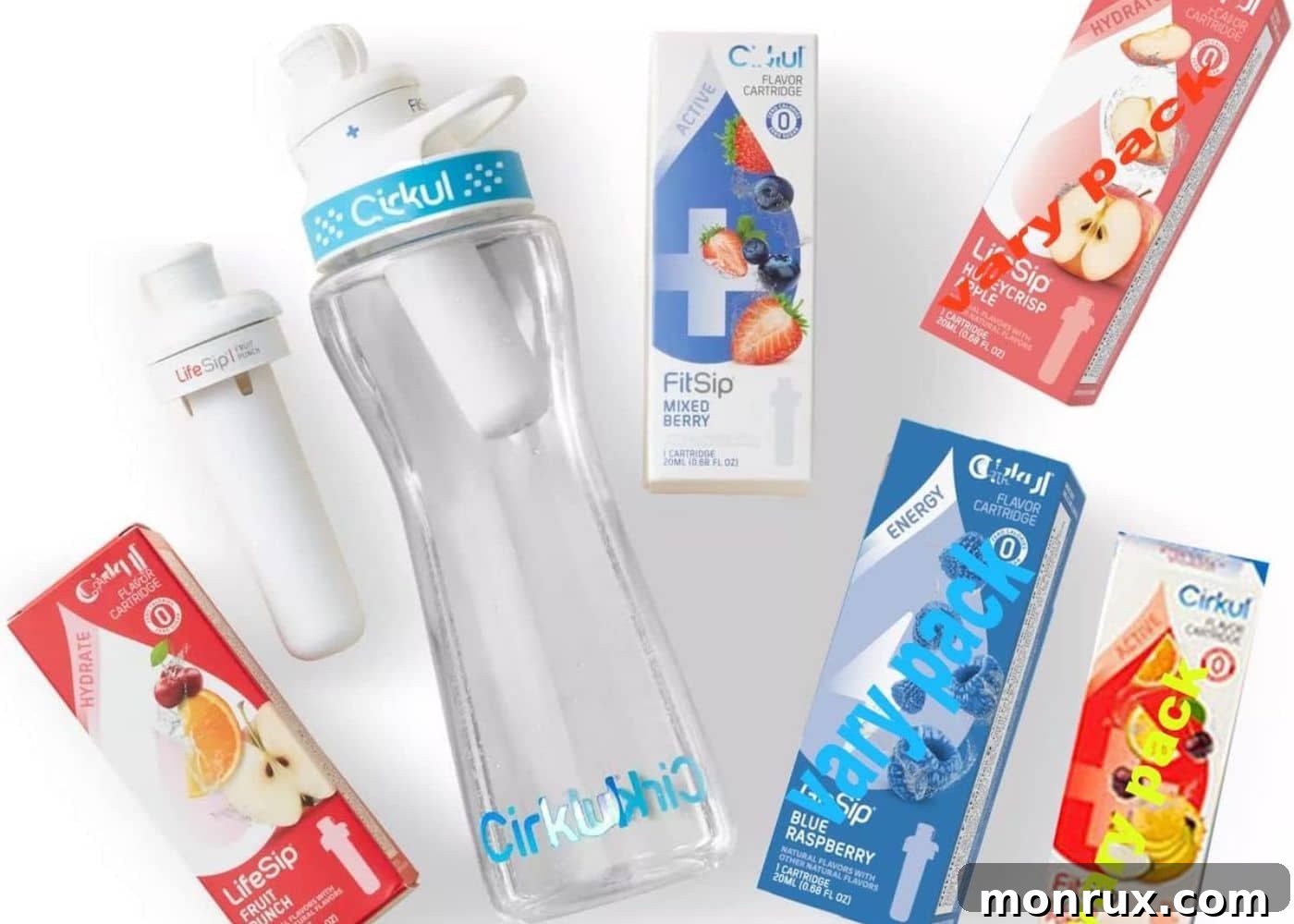
In today’s health-conscious world, staying hydrated is a top priority for many. While plain water remains the gold standard, flavored water options like Cirkul water bottles and their innovative flavor cartridges have surged in popularity, promising to make hydration more enjoyable. But when it comes to your well-being, a crucial question arises: Is Cirkul healthy? This comprehensive article dives deep into the nutritional aspects of Cirkul products, exploring their ingredients, potential benefits, and notable drawbacks. We’ll analyze whether these flavored water systems are a genuinely healthy choice for daily consumption or if opting for plain water or more natural alternatives might be a better path for your long-term health.
Cirkul Water: The Basics
Founded in 2015 by Andy Gay and Garrett Waggoner, Cirkul entered the market with a unique proposition: a reusable water bottle combined with interchangeable flavor cartridges. This system allows users to customize their drinking experience by adjusting the flavor intensity with a simple dial on the lid. Cirkul products are widely available, both online through platforms like Amazon and the company’s website, as well as in various retail stores, making them easily accessible to a broad consumer base.
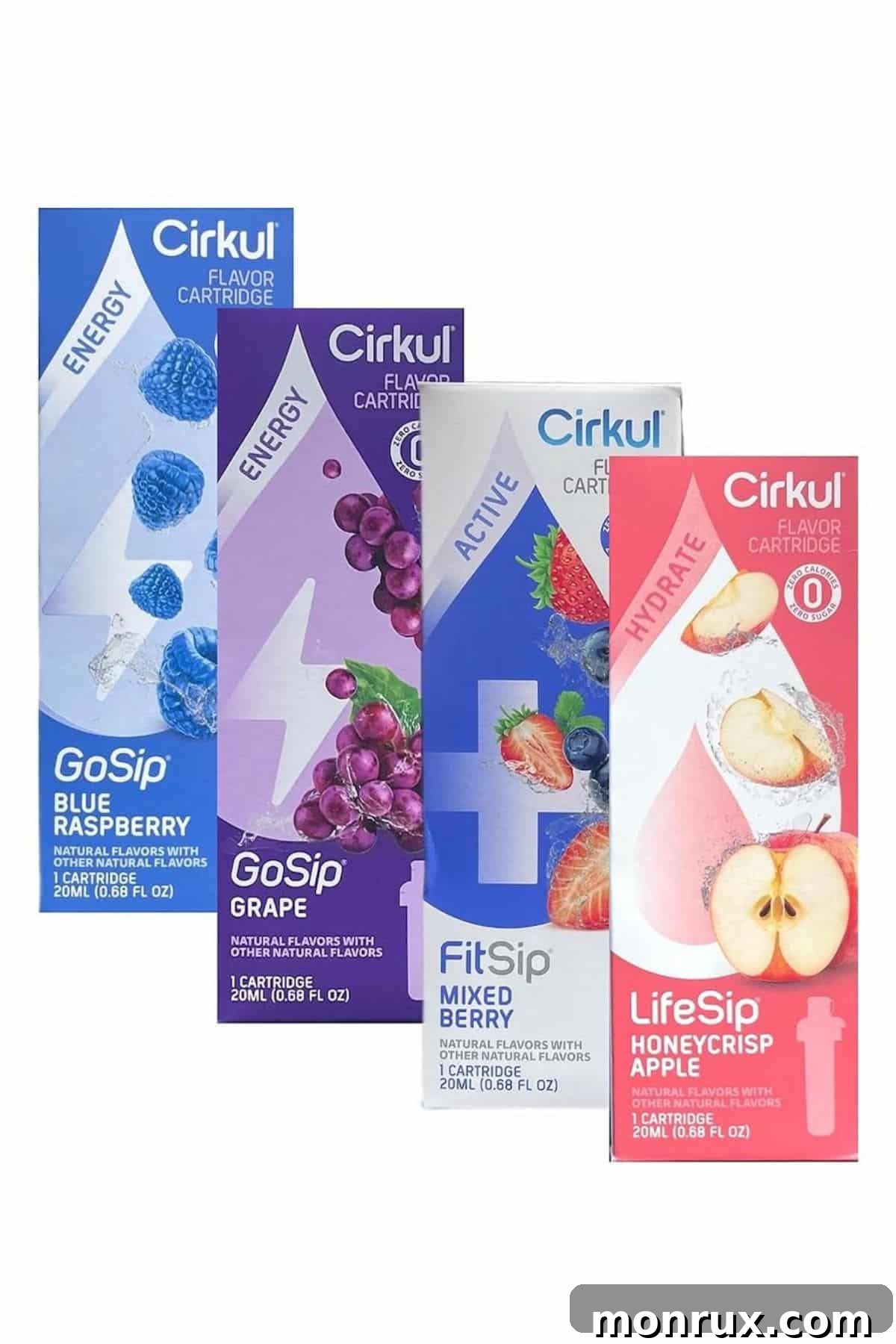
The core of Cirkul’s appeal lies in its diverse range of flavor cartridges, known as “Sips,” which come in numerous categories, each offering a distinct profile and functional benefit. These categories include a wide array of flavors, from classic fruit tastes to more adventurous options like coffee-inspired beverages. The company promotes this extensive selection by emphasizing the concept of “your water, your way,” empowering consumers to personalize their hydration. This innovative approach aims to encourage greater water consumption by making it more appealing than plain water, thus addressing a common challenge for many individuals.
Key Cirkul flavor cartridge categories include:
- LifeSip: Enriched with essential vitamins for everyday wellness.
- FitSip: Formulated as a sports beverage with added electrolytes for active individuals.
- GoSip: Contains caffeine for those seeking an energy boost.
- Gateway Tea: A refreshing line of caffeinated iced tea flavors.
- Wild Splash: Sugar-free options specifically designed with children in mind.
- Frosted: Sweet, caffeinated iced coffee flavors for a delightful pick-me-up.
- Inflow Energy: An energizing blend featuring green tea and ginger root extracts.
- Flyte Electrolyte Fuel: Focused on providing crucial electrolytes for hydration.
- Squeeze Lemonade: A classic range of lemon-flavored beverages.
- Fission Premium Body Fuel: A robust energy drink incorporating BCAAs, adaptogens, and caffeine.
- Stage Hydration: Designed for optimal hydration with a balanced electrolyte profile.
- Verda: Sweetened naturally with stevia for a sugar-free alternative.
- Puressence: Simple, fruit-flavored options for a subtle taste.
Beyond the cartridges, Cirkul also offers bottle accessories and various bundles, allowing new users to get started with a bottle and a sample pack of custom-created flavors. The customization extends to the bottle itself, with options for graphics and colors to further personalize the drinking experience.
Cirkul also highlights its commitment to environmental responsibility, claiming that its products use 85% less plastic compared to traditional bottled beverages. They support this claim by offering a line of durable stainless steel bottles alongside their standard plastic ones. The company extensively markets its flavor formulas as having zero calories, all-natural flavors, and no added colors, positioning them as a healthier choice to help consumers increase their water intake with their favorite flavor profiles. While many flavor cartridges target adults and sports enthusiasts, the specialized Wild Splash line demonstrates Cirkul’s effort to cater to younger consumers, raising further questions about its suitability for children.
You might also be interested in my review of Celsius Energy Drinks.
A Closer Look at Cirkul Water Ingredients
While Cirkul prides itself on offering “natural flavors” with “zero calories” and “no added colors,” a deeper dive into the ingredient lists of its 13 flavor cartridge categories reveals a more complex picture. Each category, containing various distinct flavors, may list up to 15 ingredients. For example, a common ingredient profile across many Sips includes components like sucralose, sodium benzoate, potassium sorbate, caffeine, and taurine. Despite the marketing, some of these ingredients, though approved by regulatory bodies, have raised concerns among health experts and consumers due to their potential health implications.
To illustrate, let’s examine the ingredients found in Cirkul’s GoSip Blue Raspberry Flavor Cartridge:
- Filtered water
- Natural flavors
- Citric acid
- Lactic acid
- Sodium citrate
- Sucralose
- Caffeine
- Phosphoric acid
- Taurine
- Niacinamide (Vitamin B3)
- Sodium benzoate (preservative)
- Potassium sorbate (preservative)
- Pyridoxine hydrochloride (Vitamin B6)
- Cyanocobalamin (Vitamin B12)
Understanding these ingredients is key to determining if Cirkul water aligns with your health goals. Below, we provide further information on some of the main and most controversial ingredients present in Cirkul Water, detailing what their inclusion might mean for your overall health.
Sucralose: An Artificial Sweetener
Sucralose, commonly known by the brand name Splenda, is an artificial, non-nutritive sweetener that is significantly sweeter than sugar. It is a highly processed and chlorinated chemical compound that the human body cannot metabolize for energy. While it offers a sweet taste without the calories of sugar, its long-term consumption has become a subject of ongoing debate and scientific scrutiny.
Several studies have indicated that regular and long-term intake of non-nutritive sweeteners like sucralose may contribute to systemic inflammation within the body. This inflammation, in turn, has been linked to an increased risk of chronic conditions such as cardiovascular disease, type 2 diabetes, and obesity. Furthermore, sucralose has been implicated in negatively impacting digestive health by disrupting the delicate balance of beneficial bacteria in the intestinal microbiome, potentially leading to poorly functioning digestion.
Despite receiving an FDA stamp of approval, sucralose remains a controversial ingredient, particularly among health enthusiasts and those advocating for clean eating. While artificial sweeteners can help reduce the intake of added sugars from sugary beverages, many argue that the trade-off involves consuming chemicals with uncertain long-term effects. For those prioritizing whole, natural ingredients, sucralose can be a significant deterrent.
Sodium Benzoate: A Preservative
Sodium benzoate is a widely used chemical food preservative that effectively inhibits the growth of bacteria, mold, and yeast, thereby extending the shelf life of food and beverage products. The FDA permits its use up to a concentration of 0.1% in food products, generally considering it safe because it does not accumulate in the body and is typically excreted within 24 hours.
However, despite its regulatory approval, some research raises concerns about sodium benzoate. Studies have suggested it could potentially contribute to problems with cognitive functions such as memory and motor skills. More notably, some reports have linked this chemical to an increase in ADHD symptoms in children, especially when combined with artificial food colors. While Cirkul claims “no added colors,” the presence of sodium benzoate still warrants consideration, particularly for sensitive individuals or parents concerned about additives in their children’s drinks.
Citric Acid: Flavor Enhancer
Citric acid is a natural compound found in citrus fruits like lemons and limes, known for its tart, sour taste. It is commonly used by manufacturers as a food additive to enhance flavor, act as a preservative, or adjust acidity levels in various products, including many flavored beverages like Cirkul water. While naturally occurring in fruits, the citric acid used in commercial products is often a manufactured form, produced through the fermentation of sugar by fungi.
While generally recognized as safe (GRAS) by regulatory bodies, excessive and long-term consumption of high concentrations of citric acid, especially in beverages, may pose risks to dental health. Its corrosive nature can lead to the erosion of tooth enamel, potentially causing increased tooth sensitivity, cavities, and other dental problems over time. Individuals who frequently consume acidic drinks, including flavored waters with added citric acid, should be mindful of its potential impact on their oral hygiene.
Natural Flavors: What’s Hiding?
The term “natural flavors” frequently appears on food labels, including those of Cirkul Water, often implying a healthier or more wholesome product. However, there is significant conflict and ambiguity in food labeling regulations regarding this term. Unlike “artificial flavors,” which must be entirely synthetic, “natural flavors” are derived from natural sources such as spices, fruits, vegetables, animal products, or edible yeast. Yet, the final product can still undergo extensive processing and contain a multitude of chemical additives, solvents, and preservatives that are not required to be disclosed on the label.
Cirkul Water does not specify the precise basic makeup of the “natural flavors” used in their extensive line of different Sips. This lack of transparency makes it challenging for consumers to fully understand what they are ingesting and whether the product truly aligns with a “clean” or healthy diet. Some manufacturers employing “natural flavors” utilize synthetic products and processes, such as enzyme-assisted extraction, which may involve high heat and chemical solvents to derive the desired flavor compounds. This ambiguity means that a product claiming “natural flavors” isn’t necessarily free from chemically derived components or intensive processing, leaving consumers in the dark about the true nature of these additives.
Taurine: The Energy Boost
Taurine is a naturally occurring non-proteinogenic amino sulfonic acid vital for various physiological functions in the body. It is found in significant amounts in animal-based foods like meat, fish, and eggs, meaning most individuals following a balanced diet are likely consuming healthy levels of taurine through their regular food intake.
However, when manufacturers add synthetic taurine into energy-boosting products, such as certain Cirkul GoSip or Fission categories, its effects can become a subject of concern. While taurine itself has several health benefits, when consumed in large, supplemental quantities often found in energy drinks, it may interact with other stimulants (like caffeine, also present in some Cirkul Sips) and potentially lead to adverse health outcomes. Research suggests that high intake of taurine, particularly in combination with other ingredients, could affect neurotransmitter levels, potentially leading to lowered dopamine, adrenaline, and serotonin levels, as well as altered neural functioning and behavior. According to studies, these effects pose a genuine risk, especially for adolescents, whose developing nervous systems may be more susceptible to such alterations. This makes it crucial for consumers, especially parents, to consider the presence of taurine in Cirkul products marketed for energy.
Potassium Sorbate: Another Preservative
Potassium sorbate is another common food additive listed on Cirkul Water’s labels, primarily used as a preservative to prevent the growth of mold, yeast, and fungi, thereby maintaining product freshness and extending shelf life. Like sodium benzoate, the FDA considers potassium sorbate “generally safe” for consumption, largely because it does not accumulate in the body and is metabolized and excreted relatively quickly.
Despite its “generally safe” classification, some regulatory bodies and health organizations advise caution. For instance, the European Food Safety Authority has established specific limits for the acceptable daily intake of potassium sorbate, highlighting the importance of moderation. Furthermore, this chemical has been linked to allergic reactions in some individuals, particularly manifesting as skin and scalp irritations. A more concerning potential issue is the possibility of cross-contamination with hazardous substances such as mercury, lead, and arsenic during its manufacturing process, which could introduce unwanted toxins into the final product. While diligent manufacturing practices aim to prevent this, it remains a point of concern for consumers seeking the purest ingredients.
Nutrition Pros of Cirkul Water
Despite the concerns surrounding some of its ingredients, Cirkul Water does offer several potential advantages that appeal to a wide range of consumers. Understanding these benefits is crucial for a balanced perspective on whether Cirkul is healthy for your specific needs.
One of the most significant benefits of Cirkul Water is its formulation with zero calories and zero sugar. This makes it an appealing alternative for individuals actively trying to reduce their sugar intake, especially those looking to cut down on highly sweetened sodas, energy drinks, fruit juices, or other types of sugary beverages. By providing a flavorful alternative without the caloric load or sugar spikes, Cirkul can potentially assist with weight management goals and contribute to better blood sugar control, particularly for those with diabetes or pre-diabetes.
Cirkul also offers a convenient and engaging way to increase daily water intake. Many people struggle to drink enough plain water due to its lack of taste. The ability to customize flavor intensity and choose from a vast array of Sips can make hydration more enjoyable, thus encouraging consistent consumption throughout the day. This enhanced hydration is fundamental for overall health, supporting metabolic functions, nutrient transport, temperature regulation, and joint lubrication.
The company also emphasizes its commitment to reducing plastic waste, claiming that its product and packaging use 85% less plastic compared to traditional single-use bottled beverages. Furthermore, Cirkul offers durable stainless steel bottle options in addition to its standard plastic water bottles, providing a more sustainable choice for environmentally conscious consumers. While the cartridges themselves are plastic, the reusable bottle system aims to minimize the overall plastic footprint compared to buying individual plastic water bottles.
Nutrition Cons of Cirkul Water
While Cirkul Water is marketed with appealing features like zero sugar and zero calories, a critical examination of its ingredients reveals several nutritional drawbacks that might influence your perception of whether Cirkul is healthy for regular consumption.
Perhaps the most significant concern lies in the presence of several controversial chemicals and artificial ingredients, including sucralose, sodium benzoate, and potassium sorbate. Although individually approved by regulatory bodies, the cumulative and long-term effects of consuming these additives regularly are still debated and undergoing continuous research. As discussed, sucralose has been linked to potential issues like inflammation, gut microbiome disruption, and an increased risk of metabolic disorders such as obesity, cardiovascular diseases, and diabetes. Sodium benzoate and potassium sorbate, while effective preservatives, have raised concerns regarding potential links to ADHD symptoms and allergic reactions, respectively.
Furthermore, the broad use of “natural flavoring” by Cirkul, without detailed disclosure of its specific components or extraction methods, creates a transparency gap. As highlighted earlier, “natural flavors” can still involve complex chemical processes and contain undisclosed additives, making it difficult for consumers to fully understand what they are ingesting. This ambiguity undermines the product’s claim of being a purely natural or wholesome option.
The inclusion of caffeine and taurine in specific Cirkul flavor categories (like GoSip, Frosted Iced Coffee, Gateway Tea, Fission, and Inflow Energy) can be a significant drawback for individuals sensitive to stimulants. Children, pregnant women, and those with certain heart conditions or anxiety disorders should exercise extreme caution or avoid these caffeinated options entirely. Even for adults, excessive caffeine intake can lead to jitters, sleep disturbances, increased heart rate, and dependency.
Additionally, while Cirkul claims to use less plastic, the fact remains that they still sell plastic bottles and, more importantly, single-use plastic cartridges. These cartridges, despite potentially being recyclable in some regions, contribute to plastic waste, contradicting the company’s broader environmental claims. For truly eco-conscious consumers, this ongoing reliance on disposable plastic components remains a significant concern. The best choice for both health and environment remains plain tap water in a reusable glass or stainless steel bottle.
Ultimately, for many people, plain water, perhaps infused with natural fruits or vegetables, served in glass or stainless steel, is likely to provide similar or even superior health benefits compared to relying on Cirkul’s flavor cartridges with their array of synthetic ingredients. See my related article, “Is AHA Water Good For You?”
Cirkul Cartridges: Pros and Cons Summary
To provide a quick overview, here’s a summary of the main pros and cons associated with Cirkul bottles and their flavor cartridges. For detailed information on the ingredients, please refer to the sections above.
| Pros | Cons |
|---|---|
| Zero calories and zero sugar: Potentially aids in reducing overall sugar consumption and supports weight management. | Contains controversial chemicals: Ingredients like sucralose raise concerns about long-term health effects. |
| Wide variety of flavor options: Caters to diverse preferences, including specific lines for children (Wild Splash). | Presence of synthetic preservatives: Sodium benzoate and potassium sorbate are used, with potential links to health issues. |
| Promotes increased water intake: Makes drinking water more appealing and convenient for those who dislike plain water. | “Natural flavors” lack transparency: The term is vaguely defined and may involve unhealthy processing or undisclosed additives. |
| Claims reduced plastic use: States 85% less plastic than traditional bottled beverages, offering an alternative to single-use bottles. | Caffeine and stimulants: Certain flavors contain caffeine and taurine, unsuitable for sensitive individuals, children, or those with specific health conditions. |
| Stainless steel bottle options: Provides a more durable and environmentally friendly choice for the bottle itself. | Potential dental health issues: The inclusion of citric acid may contribute to tooth enamel erosion with excessive use. |
| Suitable for various diets: Being zero-calorie and zero-sugar, it may fit keto, paleo, and vegan dietary frameworks. | Continued use of plastic cartridges: Despite claims, the single-use cartridges still generate plastic waste and are not always widely recyclable. |
Frequently Asked Questions About Cirkul
Cirkul Water offers a specific line of flavor cartridges called Wild Splash, which are marketed towards children. However, it is crucial to consult your pediatrician before giving Cirkul Water to children. These products contain ingredients like citric acid, which in excessive amounts, may contribute to dental problems such as enamel erosion. Additionally, some flavors might contain stevia, a sugar alcohol that, while generally safe, can cause gastrointestinal discomfort in some children, leading to symptoms like bloating, abdominal pain, diarrhea, or even vomiting if consumed in large quantities. A doctor can provide personalized advice based on your child’s health and dietary needs.
Cirkul Sips are generally zero-calorie and zero-sugar beverage cartridges and do not contain animal products or significant quantities of carbohydrates. Because of these characteristics, Cirkul products may be suitable for individuals following vegan, keto, or paleo diets. However, Cirkul as a company does not specifically market its product as being compliant with these diets, nor does it guarantee specific health benefits. Given the presence of artificial sweeteners and preservatives, individuals on strict dietary regimens focused on whole, unprocessed foods should carefully review the ingredient list. Always consult with a healthcare provider or a registered dietitian to ensure Cirkul Water meets your particular dietary needs and health goals.
Yes, Cirkul’s flavor blends include artificial sweeteners. The company explicitly states that “Cirkul flavor blends are sweetened with either sucralose, stevia, or no sweetness at all.” Sucralose is a widely used artificial sweetener. While stevia is a natural, plant-derived sweetener, its presence alongside sucralose means that not all Cirkul flavors are free from artificial ingredients.
Yes, Cirkul does offer specific flavor cartridge categories that contain caffeine and other stimulants. These include GoSip, Frosted Iced Coffee, Gateway Tea, Fission, and Inflow Energy. Consumers should always check the specific product’s description or packaging if they wish to avoid caffeine or other stimulants due to health concerns or personal preference.
Ensuring adequate water intake is a fundamental component of a healthy lifestyle and is essential for good health, which can indirectly support weight management. By offering zero-calorie and zero-sugar flavored options, Cirkul may help some individuals reduce their consumption of high-calorie, sugary beverages, which could contribute to weight loss over time. However, there are potential risks associated with consistently drinking manufactured products like Cirkul due to their artificial ingredients. It’s uncertain whether relying on these types of flavored water products provides the same comprehensive health benefits as plain water, or if they are a truly effective or sustainable long-term strategy for weight loss. Sustainable weight loss typically involves a balanced diet of whole foods, regular physical activity, and consistent plain water hydration.
Explore More Product Reviews
Conclusion: Is Cirkul Water Healthy for You?
In summary, Cirkul Water offers a unique and convenient approach to flavored hydration, positioning itself as a healthier alternative to sugary drinks by providing zero-calorie and zero-sugar options. Its extensive range of flavors and customizable intensity can certainly make drinking water more appealing for many, potentially aiding in increased daily fluid intake—a vital aspect of overall health.
However, when asking “is Cirkul healthy?” a closer examination of its ingredient list reveals a more nuanced answer. The presence of artificial sweeteners like sucralose and chemical preservatives such as sodium benzoate and potassium sorbate raises legitimate concerns among health-conscious consumers. These ingredients, while approved by regulatory bodies, have been linked in various studies to potential long-term health implications, including effects on metabolic health, gut microbiome balance, and even cognitive function. Furthermore, the ambiguity surrounding “natural flavors” and the inclusion of stimulants like caffeine and taurine in several product lines necessitate careful consideration, especially for vulnerable populations like children and individuals with sensitivities.
While Cirkul may serve as a transitional tool for those struggling to reduce their intake of highly sweetened beverages, it is important to recognize that it is a processed product. For optimal health, the most beneficial beverage remains plain, filtered water. If you desire flavor, consider embracing genuinely healthy, natural alternatives. Simple and refreshing options include infusing sparkling water with fresh fruit slices (such as lemons, limes, berries, or cucumber), a splash of 100% fruit juice, or fresh herbs like mint. These choices provide natural flavors, essential vitamins, and real electrolytes without the reliance on artificial ingredients, making them a far superior option for sustained well-being.
Don’t forget to join my newsletter list to get exclusive clean eating recipes and tips. The newsletter is 100% free with no spam; unsubscribe anytime.
About the Author: Carrie Forrest has a master’s degree in public health with a specialty in nutrition and is a certified holistic nutritionist. She is a top wellness and food blogger with over 5 million annual visitors to her site. Carrie has an incredible story of recovery from chronic illness and is passionate about helping other women transform their health. Send her a message through her contact form.
Note: this post is for informational purposes only and is not intended as medical advice. Please consult your healthcare provider for recommendations related to your individual situation.