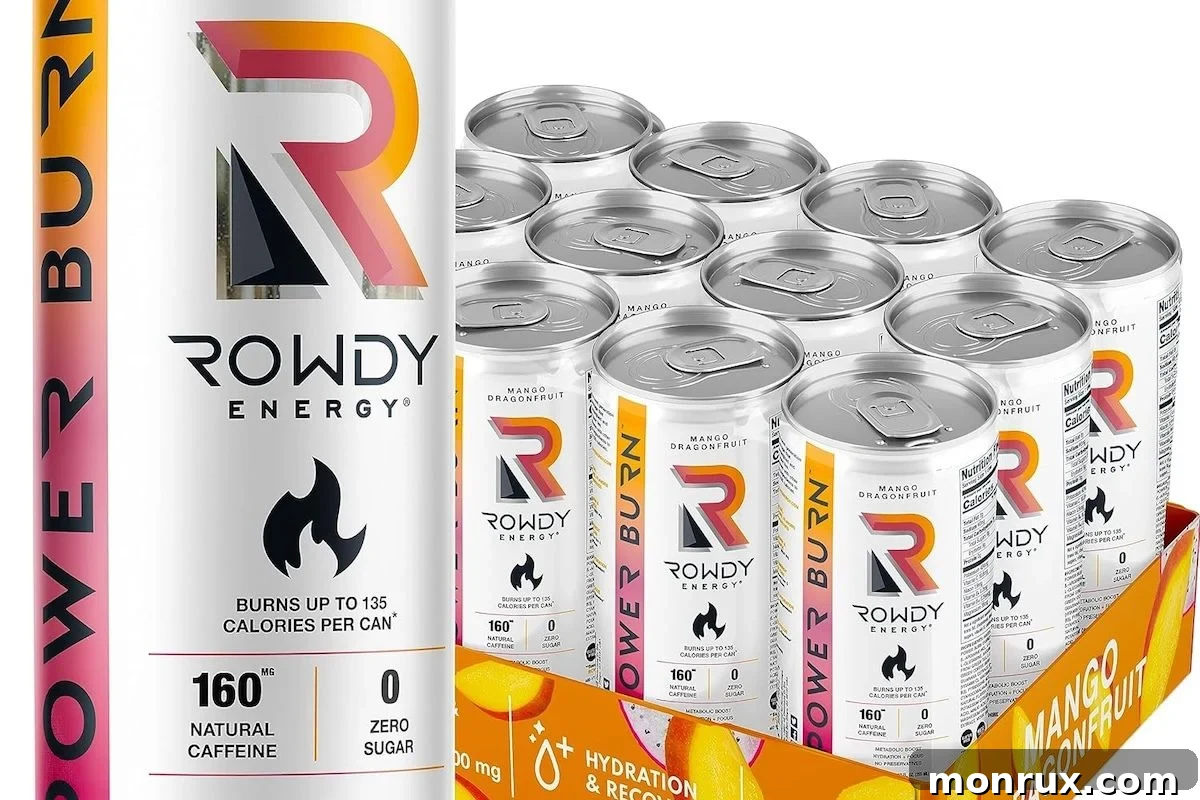
In the quest for sustained energy and enhanced focus, many consumers turn to a myriad of energy drinks available on the market. But with increasing awareness around health and wellness, a critical question emerges: **Is Rowdy Energy Drink truly healthy?** This comprehensive article delves deep into Rowdy Energy’s nutritional profile, examining its ingredients, potential benefits, and notable drawbacks. We’ll explore why, in our expert opinion, Rowdy Energy, despite some favorable marketing claims, remains a highly processed product containing several controversial ingredients that health-conscious individuals might prefer to avoid. Furthermore, we’ll uncover healthier, more sustainable alternatives to fuel your body and mind.
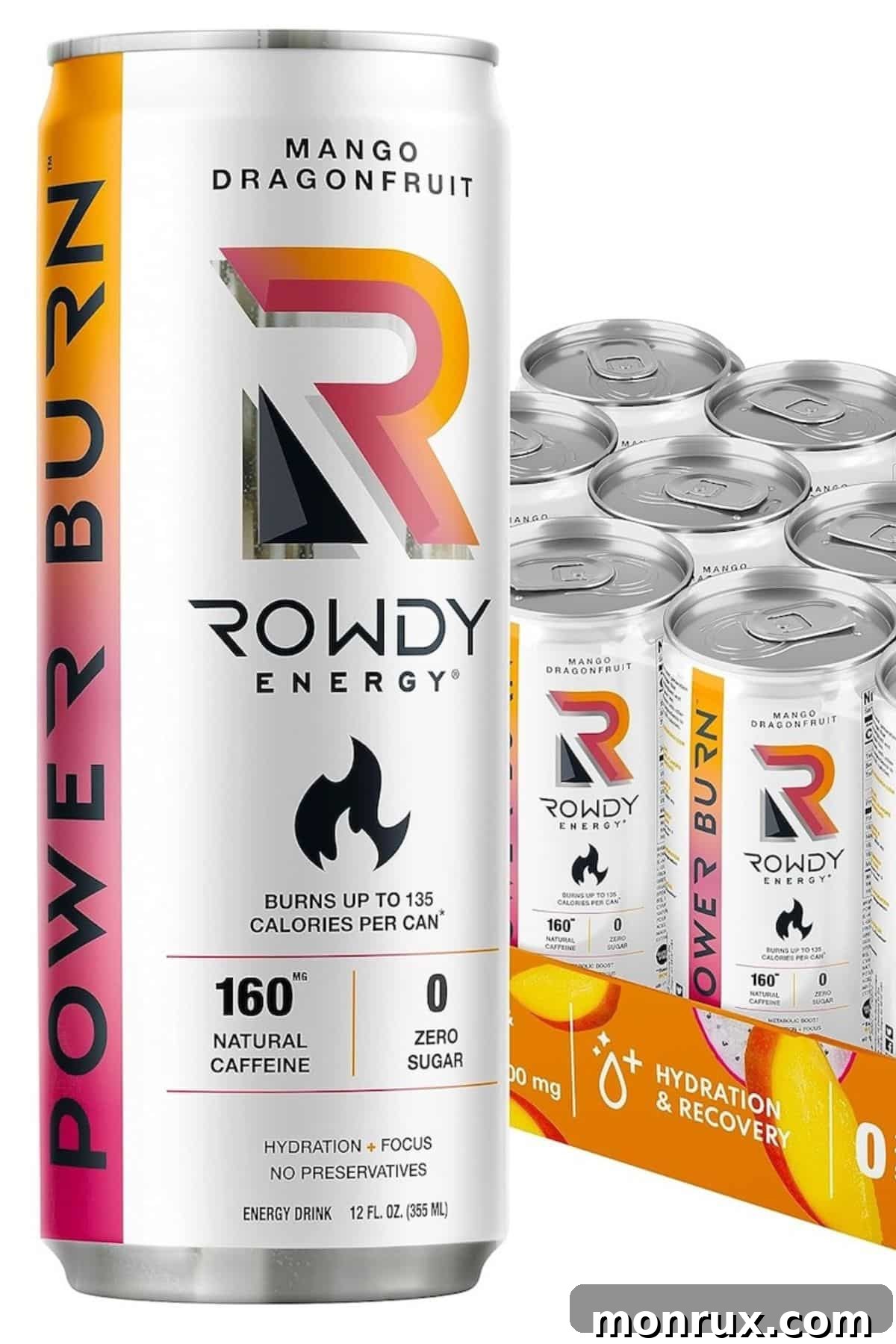
Table of Contents
Rowdy Energy Drink: An Overview
Rowdy Energy Drink is a distinctive beverage crafted to deliver a robust energy boost, positioning itself as a premium choice in the highly competitive energy drink market. It was founded by Kyle Busch, a formidable presence in NASCAR racing, who aimed to create an energy drink that not only delivered performance but also offered a “cleaner” ingredient profile compared to many traditional options.
The primary audience for Rowdy Energy Drink includes athletes, professionals, students, and anyone seeking an efficient way to enhance alertness, combat mental fatigue, and improve physical performance throughout their day. The brand specifically targets consumers who are actively searching for what they perceive as healthier alternatives to conventional energy drinks, which are often criticized for their high sugar content, artificial ingredients, and synthetic preservatives. Rowdy positions itself by emphasizing a commitment to natural flavors, sugar-free formulations, and a unique blend of ingredients intended to provide sustained energy without the typical “crash.”
Rowdy Energy Drinks are celebrated for their diverse and appealing flavor lineup, designed to cater to a broad range of palates. Popular flavors include:
- Peach Mango
- Mango Dragonfruit
- Pink Lemonade
- Watermelon
- Pineapple Passionfruit
- Sour Green Apple
- Strawberry Lemonade
A typical can of Rowdy Energy Drink features a comprehensive list of ingredients, often highlighting its natural energy sources and beneficial additives. Common ingredients you’ll find across their product range include:
- Carbonated water
- Natural flavors
- Allulose
- Erythritol
- Monk fruit extract
- Stevia leaf extract (Reb A)
- Fruit and vegetable juice (for color)
- Caffeine (from a natural caffeine blend including green tea and green coffee bean extracts)
- Citric acid
- Malic acid
- Gluconic acid
- Taurine
- L-Carnitine
- L-Theanine
- B vitamins (B3, B5, B6, B12)
- Amino acids (L-Glutamine, L-Citrulline, L-Arginine)
- Electrolytes (Potassium Citrate, Magnesium Lactate, Sodium Chloride)
- Gum arabic (stabilizer)
One of Rowdy Energy’s core marketing pillars is its commitment to transparency and health-conscious formulations. The nutrition label proudly proclaims that Rowdy Energy Drink products are **preservative-free, and devoid of artificial sweeteners, colors, and flavors.** Furthermore, the brand emphasizes its products are **keto-friendly, gluten-free, plant-based, and vegan**, aiming to appeal to a wide array of dietary preferences and restrictions. However, the presence of certain sugar alcohols and natural stimulants warrants a deeper examination of these claims.
You might also find valuable insights in our ZOA Energy Drink review for another popular energy beverage option.
Unveiling Rowdy Energy Drink Ingredients
While Rowdy Energy Drink products are marketed with a focus on “clean” ingredients, a thorough investigation reveals a complex formulation. The extensive list of components, as shown above, requires careful scrutiny. Despite the nutrition label’s assertions of being free from preservatives and artificial ingredients, certain components within Rowdy Energy drinks are subject to ongoing scientific debate and may not align with everyone’s definition of a truly “healthy” choice. Understanding these key ingredients is crucial for making an informed decision about integrating Rowdy Energy into your diet. Let’s explore some of the major and potentially controversial ingredients to help you determine if this product aligns with your personal health goals.
Electrolytes: For Hydration and Function
The electrolyte blend in Rowdy Energy Drink products primarily consists of potassium, magnesium, and sodium. These essential minerals play fundamental roles in numerous bodily functions, making their inclusion a potential “pro” for hydration and overall physiological balance, particularly for active individuals. **Potassium** is critical for maintaining proper fluid balance, nerve signal transmission, and muscle contractions, including those of the heart. It contributes significantly to cardiovascular health and helps prevent muscle cramps, especially after strenuous activity. Studies highlight that adequate potassium intake is associated with reduced risks of hypertension and cardiovascular disease mortality.
**Magnesium** is an incredibly versatile mineral involved in over 300 biochemical reactions. Its functions range from supporting muscle and nerve function to aiding in blood glucose control, blood pressure regulation, and bone health. Magnesium is also a key player in energy production and protein synthesis. Its presence in the electrolyte mix is beneficial for supporting these vital processes, particularly when the body might be under stress or exertion.
**Sodium**, while often demonized, is an indispensable electrolyte necessary for maintaining fluid balance, nerve impulses, and muscle function. In the context of an energy drink, a balanced amount of sodium can help replenish losses incurred through sweat, thereby aiding in hydration and maintaining performance. However, balance is key; excessive sodium intake is widely linked to increased blood pressure and cardiovascular issues. For most people, the typical American diet already provides more than enough sodium, so adding more through energy drinks should be considered carefully.
While these electrolytes offer clear benefits, it’s important to remember that they are best obtained through a balanced diet rich in fruits, vegetables, and whole foods. Furthermore, excessive consumption or an imbalance of electrolytes from concentrated sources like energy drinks can lead to adverse health effects. This can manifest as hypertension, dehydration, or an actual electrolyte imbalance, which can disrupt heart rhythm and nerve function. Therefore, moderation and a holistic approach to nutrition are crucial when evaluating the contribution of energy drinks to your daily electrolyte intake.
The Innovative Energy Blend
Rowdy Energy Drink’s “Energy Blend” is a meticulously crafted combination of ingredients designed to provide a sustained lift, enhance mental clarity, and promote overall focus without the typical jitters or abrupt crash often associated with high-stimulant beverages. This blend primarily features a synergistic mix of amino acids and natural caffeine sources.
Amino acids like **L-citrulline** and **L-arginine** are precursors to nitric oxide (NO) in the body. Nitric oxide is a potent vasodilator, meaning it helps relax and widen blood vessels, thereby improving blood flow. Enhanced blood flow can lead to better oxygen and nutrient delivery to muscles during physical activity, potentially improving exercise performance and reducing fatigue. **L-glutamine**, another amino acid, plays a vital role in muscle recovery and immune system function. It’s particularly beneficial for individuals undergoing intense physical training, as it can help reduce muscle soreness and support gut health, which is intricately linked to overall well-being.
The stimulating components of the blend are derived from natural sources: **guarana, green tea extract, and green coffee bean extract.** These ingredients naturally contain caffeine, which acts as a central nervous system stimulant, boosting energy levels, sharpening mental alertness, and improving cognitive function. Beyond caffeine, green tea and green coffee bean extracts are rich in antioxidants and other beneficial compounds, like EGCG in green tea, which offer additional health advantages such as metabolic support.
A notable addition to Rowdy’s energy blend is **L-theanine**, an amino acid predominantly found in tea leaves. L-theanine is renowned for its unique ability to promote a state of relaxed alertness. When combined with caffeine, L-theanine can mitigate some of caffeine’s less desirable side effects, such as jitters, anxiety, and the potential for a subsequent energy crash. It fosters a smoother, more focused energy experience, making the stimulating effects of caffeine more palatable and productive.
While caffeine, when consumed in moderation, has been associated with numerous health benefits—including improved cardiovascular health, enhanced cognitive function, and a reduced risk of neurodegenerative diseases like Alzheimer’s and Parkinson’s—it is a powerful natural stimulant that requires careful consideration. Caffeine can also help boost brain health and exhibits wonderful anti-aging properties. However, excessive intake or sensitivity can lead to increased heart rate, restlessness, anxiety, elevated blood pressure, and significant disruptions to sleep patterns. For children, pregnant women, and individuals with certain health conditions, caffeine consumption is generally advised against or should be severely limited. It is crucial to be aware of your personal tolerance and adhere to recommended daily limits.
Erythritol: A Closer Look at This Sweetener
One of the primary sweeteners used in Rowdy Energy Drink products is erythritol, a sugar alcohol that has gained popularity as a low-calorie alternative to sugar. Erythritol stands out because it contains virtually zero calories and does not contribute to dental decay. It occurs naturally in some fruits like grapes and pears, and fermented foods such as beer, wine, and cheese. Industrially, it is produced through the fermentation of glucose, typically derived from corn or wheat starch. Its unique molecular structure means that most of it is absorbed into the bloodstream before reaching the large intestine, where other sugar alcohols are typically fermented, thus minimizing the common digestive issues associated with them.
However, recent scientific findings have cast a shadow of controversy over erythritol. A study published in Nature Medicine in 2023 linked higher blood levels of erythritol to an increased risk of cardiovascular events, such as heart attack and stroke. The research suggested that erythritol might promote blood clot formation, although further extensive research is needed to definitively establish causality and determine the implications for public health. This finding has raised concerns, particularly for individuals already at risk for cardiovascular disease.
Beyond potential cardiovascular implications, some individuals may still experience digestive discomfort from erythritol, especially with high intake. While generally better tolerated than other sugar alcohols, symptoms like bloating, gas, cramping, and a laxative effect can occur, particularly in sensitive individuals or when consumed in large quantities. The impact on the gut microbiome is also an area of ongoing research, as alterations to gut bacteria can have widespread effects on health.
Despite some proponents arguing that erythritol is a superior sugar alcohol due to its favorable absorption profile, the emerging research necessitates a cautious approach. Consumers should weigh the perceived benefits of a sugar-free product against the potential, albeit still debated, health risks associated with erythritol, especially if they have pre-existing health conditions or sensitivities. It highlights the complexity of evaluating “natural” or “sugar-free” claims in processed foods and beverages.
Stevia Leaf Extract: Sweetness with Caution
Stevia leaf extract is another key sweetening agent utilized in Rowdy Energy Drink products, contributing to their sugar-free profile. Derived from the leaves of the Stevia rebaudiana plant, stevia is a non-nutritive sweetener, meaning it provides negligible calories. Its primary appeal lies in its intense sweetness, which can be up to 400 times sweeter than regular sugar, requiring only tiny amounts to achieve the desired flavor. The most common form used in products is Reb A (Rebaudioside A), though newer, purer forms like Reb M are gaining traction for a more sugar-like taste and fewer aftertastes.
Initially hailed as a “natural” and safe alternative to artificial sweeteners and sugar, stevia’s long-term health implications are still under active investigation and debate. While approved by regulatory bodies worldwide, including the FDA, concerns have emerged, particularly regarding its potential impact on gut health. Recent research suggests that even at relatively low doses, stevia leaf extract might disrupt the delicate balance of the gut microbiome. A healthy gut microbiome is crucial for digestion, nutrient absorption, immune function, and even mental health. Alterations to this microbial ecosystem could potentially lead to digestive discomfort, changes in metabolic pathways, and broader health implications over time.
Moreover, similar to other sugar alcohols and intense sweeteners, some individuals report experiencing digestive discomfort from stevia leaf extract, even if they are not specifically sensitive to sugar alcohols like erythritol. Symptoms can include bloating or gas, particularly with higher consumption. The purity and specific composition of the stevia extract (e.g., blend of glycosides) can also influence these effects and the overall taste profile.
For individuals seeking to minimize their intake of processed sweeteners, even “natural” options like stevia warrant careful consideration. While it offers a calorie-free sweetness, the potential for gut microbiome disruption and individual sensitivities mean it’s not without its own set of potential caveats. As with all ingredients, moderation and awareness of personal reactions are advisable, especially for those with existing gastrointestinal sensitivities or chronic health conditions.
Nutrition Pros: What Rowdy Gets Right
Despite the controversies surrounding some of its ingredients, Rowdy Energy Drink products do present several notable advantages that differentiate them from many traditional energy beverages on the market. These positive attributes make them an appealing option for certain health-conscious consumers:
- Sugar-Free Formulation: A significant “pro” is that Rowdy Energy drinks are entirely sugar-free. This is a crucial distinction from conventional energy drinks, which are often loaded with high-fructose corn syrup or refined sugar, contributing to calorie surplus, blood sugar spikes, and an increased risk of obesity, type 2 diabetes, and cardiovascular disease. For individuals managing blood sugar levels or trying to reduce sugar intake, Rowdy offers a welcome alternative.
- Absence of Artificial Sweeteners and Preservatives: Rowdy proudly states that its products are free from sucralose, aspartame, acesulfame potassium, and other common artificial sweeteners, as well as synthetic preservatives. This aligns with the preferences of consumers who seek to avoid chemically derived additives, believing they may have adverse long-term health effects or simply prefer a “cleaner” label.
- Added Electrolytes for Hydration: The inclusion of essential electrolytes like potassium, magnesium, and sodium is a clear benefit, particularly for active individuals. These minerals are vital for maintaining proper hydration, nerve function, and muscle contractions, aiding in recovery and preventing cramps, especially after sweating during exercise or in hot environments.
- B Vitamins for Energy Metabolism: Rowdy Energy drinks are fortified with a range of B vitamins (e.g., B3, B5, B6, B12). These vitamins are indispensable cofactors in the body’s energy production pathways, helping to convert food into usable energy. Adequate B vitamin intake can support overall vitality and reduce feelings of fatigue.
- Amino Acid Blend for Performance and Recovery: The inclusion of amino acids like L-glutamine, L-citrulline, and L-arginine offers additional performance-enhancing and recovery benefits. These amino acids support muscle repair, reduce soreness, and enhance nitric oxide production, which can improve blood flow and nutrient delivery.
- Caffeine from Natural Sources with L-Theanine: Sourcing caffeine from natural extracts like green tea and green coffee beans is generally preferred over synthetic caffeine. The addition of L-theanine is particularly beneficial, as it helps to smooth out the stimulating effects of caffeine, promoting focused energy without the typical jitters or anxious feelings, and potentially mitigating the crash effect.
- Dietary Inclusivity: Rowdy’s claims of being keto-friendly, gluten-free, plant-based, and vegan make it accessible to a broader demographic with specific dietary needs or ethical preferences, setting it apart from many other energy beverages.
These attributes collectively position Rowdy Energy as a potentially superior option compared to highly sugary and artificially formulated energy drinks. For consumers prioritizing sugar reduction and seeking some functional benefits, Rowdy can appear to be an attractive choice.
Nutrition Cons: The Downsides to Consider
While Rowdy Energy Drink aims to offer a “healthier” alternative, it’s essential to critically examine its downsides. Despite being free from artificial sweeteners and added sugar, several factors prevent it from being an unequivocally healthy choice:
- Highly Processed Nature: At its core, Rowdy Energy remains a highly processed beverage. It contains a long list of isolated compounds, extracts, and synthetic acids, rather than whole, minimally processed ingredients. While these ingredients are individually approved, their combined effects in a highly concentrated, non-food matrix are not fully understood. Highly processed foods generally lack the fiber, complex nutrients, and synergistic compounds found in whole foods, potentially diminishing the overall nutritional integrity.
- Controversial Sweeteners (Erythritol and Stevia): As discussed, both erythritol and stevia leaf extract, while natural and calorie-free, are not without controversy. Recent research has raised concerns about erythritol’s potential link to cardiovascular issues, particularly blood clot formation. Similarly, stevia, especially in its refined extract form, has been implicated in potential gut microbiome disruption. For individuals with existing heart conditions, digestive sensitivities, or those prioritizing gut health, these ingredients warrant caution. The long-term effects of daily consumption of these novel sweeteners are still being studied.
- Potential for Digestive Discomfort: Sugar alcohols like erythritol can cause gastrointestinal distress, including bloating, gas, cramping, and a laxative effect, particularly in sensitive individuals or when consumed in larger quantities. While erythritol is often better tolerated than other sugar alcohols, it’s not universally benign. Even stevia can sometimes contribute to digestive issues.
- Caffeine Overload and Sensitivity: Although the caffeine is from natural sources and buffered by L-theanine, Rowdy Energy drinks still contain a significant amount of caffeine. Excessive caffeine intake can lead to adverse effects such as increased heart rate, anxiety, jitters, insomnia, and dependency. Individuals sensitive to caffeine, those with certain heart conditions, or pregnant/nursing women should exercise extreme caution or avoid these drinks entirely. Consuming energy drinks late in the day can severely disrupt sleep patterns, impacting overall health and energy levels.
- Cost-Effectiveness: Rowdy Energy drinks are typically more expensive than many other beverages. When considering the cost, there are far more natural, sustainable, and cost-effective ways to stay hydrated and energized. Relying on expensive packaged drinks for daily energy needs can become a significant financial burden over time.
- Lack of Whole Food Benefits: While Rowdy contains beneficial vitamins and amino acids, it lacks the broader nutritional spectrum found in whole foods. A whole fruit, for instance, provides natural sugars with fiber, antioxidants, vitamins, and minerals in a balanced matrix, offering sustained energy and numerous health benefits that a processed beverage cannot replicate.
For healthier and less expensive sources of energy, consider prioritizing foundational wellness practices. This includes consistent, high-quality sleep, regular physical activity, and consuming a diverse diet rich in real, unprocessed foods. Simple alternatives like plain coffee or various types of tea (green tea, black tea) can provide a caffeine boost without the complex blend of other ingredients. Hydrating with plain water, often overlooked, is a fundamental and free energy booster.
Frequently Asked Questions About Rowdy Energy
Yes, Rowdy Energy Drink products, like most energy beverages, carry potential risks and side effects. Due to their caffeine content, some individuals may experience an elevated heart rate, increased anxiety, restlessness, or difficulty sleeping (insomnia), especially if they are sensitive to stimulants or consume multiple cans. The presence of sugar alcohols like erythritol can also lead to gastrointestinal discomfort in sensitive individuals, manifesting as bloating, gas, or even a laxative effect. Furthermore, recent research has raised concerns about a potential link between erythritol and increased cardiovascular event risk, though more studies are needed to confirm this. It’s crucial to be aware of your personal tolerance and consult a healthcare professional if you have pre-existing health conditions.
Rowdy Energy Drink products might not be suitable for all individuals with diabetes or specific dietary restrictions, despite being sugar-free. While they don’t contain added sugars, they do utilize sugar alcohols like erythritol, which, for some individuals, can potentially impact blood glucose levels or cause gastrointestinal discomfort. Although erythritol typically has a minimal effect on blood sugar compared to traditional sugars, individual responses can vary. Moreover, the caffeine content in Rowdy Energy drinks can also affect blood sugar regulation and may interact with medications commonly used by individuals with diabetes. For those adhering to other dietary restrictions (e.g., specific gut health protocols), the combined effects of sweeteners and other extracts may be a concern. It is highly recommended that people with diabetes or other significant dietary restrictions carefully review the full ingredient list and, more importantly, consult their healthcare provider or a registered dietitian before consuming Rowdy Energy Drink or similar products to ensure they align with their health goals and individual needs.
Rowdy Energy stands out from many traditional energy drinks by being sugar-free, preservative-free, and avoiding artificial sweeteners, colors, and flavors. This aligns it with a growing category of “clean label” energy drinks that prioritize natural ingredients. However, its use of specific sweeteners like erythritol and stevia leaf extract places it in a different category than some other “clean” options that might use alternative sweeteners or focus solely on herbal extracts and lower caffeine doses. Consumers looking for “clean” options should always compare ingredient lists carefully, as “natural” can still encompass a wide range of processed components. Each brand makes different choices, and what constitutes “clean” can be subjective based on individual health philosophies.
Explore More Energy Drink Reviews
Final Thoughts on Rowdy Energy
In conclusion, Rowdy Energy Drink positions itself as a more health-conscious option within the energy beverage category, and it does achieve some commendable objectives. Its sugar-free, preservative-free, and artificial-sweetener-free formulation certainly makes it a better choice than many traditional, sugar-laden energy drinks. The inclusion of electrolytes, B vitamins, and a thoughtful energy blend with L-theanine also offers potential benefits for hydration, metabolism, and focused energy.
However, it is crucial to recognize that Rowdy Energy drinks are still highly processed products. The reliance on controversial ingredients like erythritol and stevia leaf extract, whose long-term effects on cardiovascular health and the gut microbiome are still subjects of scientific debate, warrants a cautious approach. While erythritol may be better tolerated than some other sugar alcohols, it can still cause digestive issues in sensitive individuals. Furthermore, the significant caffeine content, even from natural sources, requires careful consideration, especially for children, pregnant women, and those sensitive to stimulants.
Ultimately, while Rowdy Energy might represent a step up from the most unhealthy energy drink options, it falls short of being a truly “healthy” beverage. Sustainable energy and optimal well-being are best achieved through fundamental lifestyle choices: prioritizing adequate sleep, maintaining a balanced diet rich in whole foods, staying hydrated with plain water, and engaging in regular physical activity. Rather than relying on expensive, processed products, consider these foundational practices as the most effective and cost-efficient strategies to ensure you have consistent, natural energy throughout your day. For occasional use, or as a specific tool for performance, Rowdy Energy may have a place for some individuals, but it should not replace a holistic approach to health and vitality.
Don’t forget to join my newsletter list to get exclusive clean eating recipes and tips. The newsletter is 100% free with no spam; unsubscribe anytime.
About the Author: Carrie Forrest has a master’s degree in public health with a specialty in nutrition and is a certified holistic nutritionist. She is a top wellness and food blogger with over 5 million annual visitors to her site. Carrie has an incredible story of recovery from chronic illness and is passionate about helping other women transform their health. Send her a message through her contact form.
Note: this post is for informational purposes only and is not intended as medical advice. Please consult your healthcare provider for recommendations related to your individual situation.