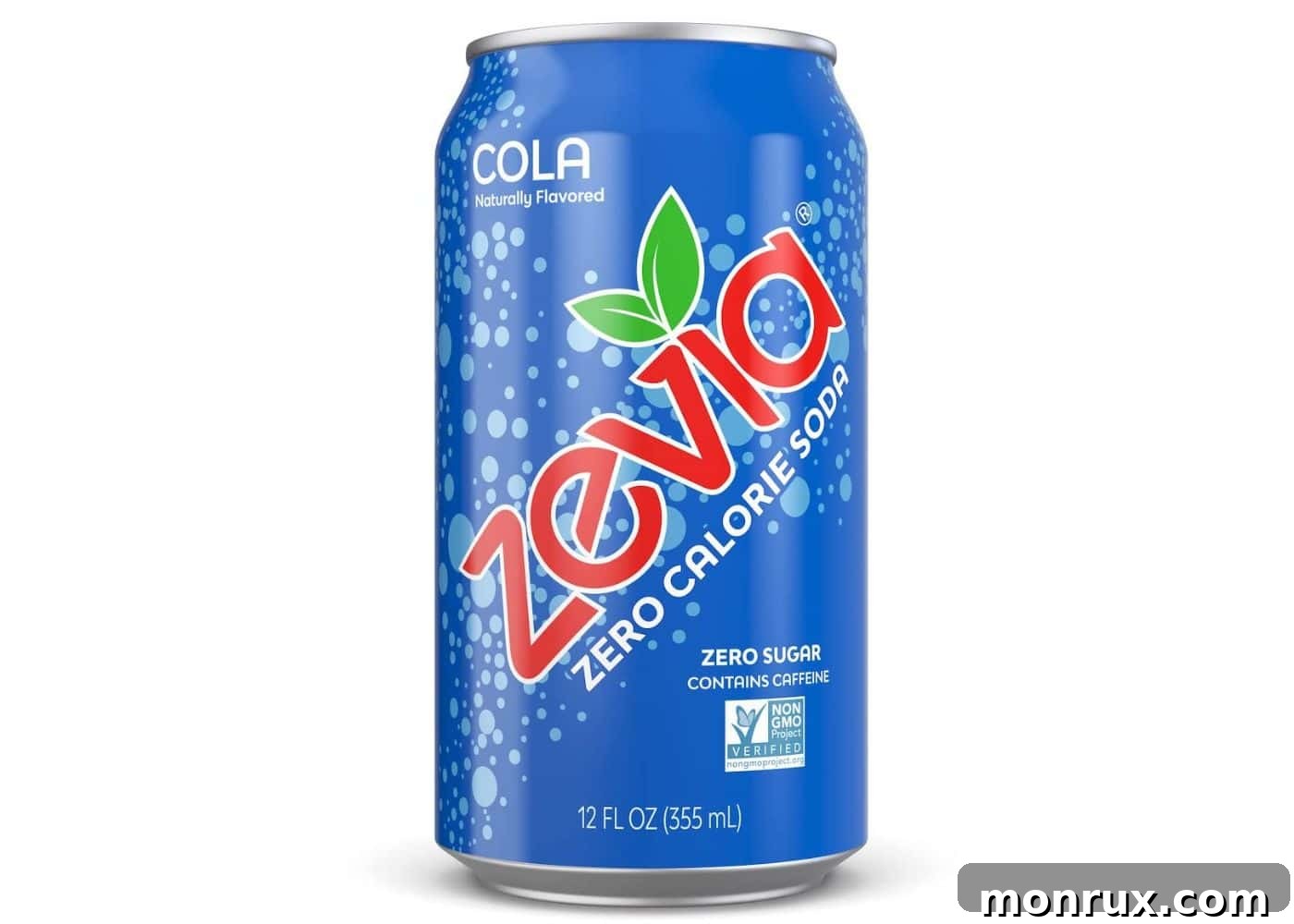
In the vast and often confusing landscape of modern beverages, consumers are constantly searching for healthier alternatives to traditional sugar-sweetened drinks. One such product that has garnered significant attention is Zevia. But the critical question remains: is Zevia truly healthy? This comprehensive article aims to provide an in-depth review of Zevia, examining its nutritional profile, ingredients, and potential health implications. We’ll delve into the pros and cons, explore the science behind its components, and discuss whether it lives up to its health-conscious marketing. For many, drinking Zevia in moderation can be a healthier choice than consuming sugar-laden beverages, provided you are not sensitive to its specific ingredients like stevia, caffeine, or certain natural flavors. Join us as we uncover the facts and help you make an informed decision about integrating Zevia into your lifestyle.
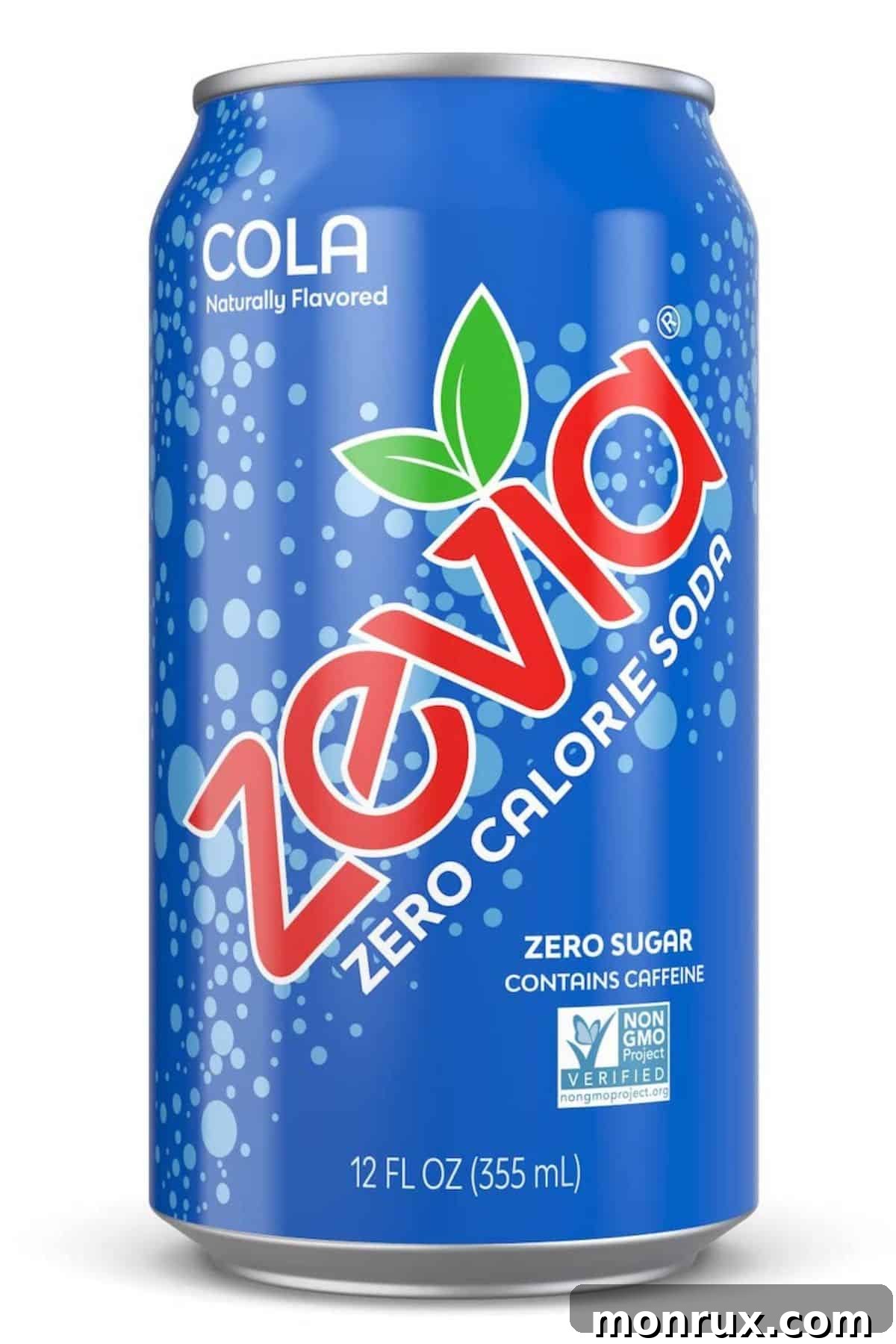
Understanding Zevia: Key Facts
Zevia is a prominent beverage company dedicated to offering a diverse range of drinks, including refreshing sodas, invigorating energy drinks, soothing teas, versatile mixers, and kid-friendly options. The brand positions itself as a revolutionary player in the beverage industry, specifically targeting the global health crisis fueled by excessive sugar consumption.
What truly sets Zevia apart is its commitment to creating naturally sweetened, sugar-free, allergen-free, gluten-free, non-GMO, vegan, and zero-calorie beverages. These attributes make Zevia an appealing choice for individuals with various dietary restrictions and health goals. The company’s core philosophy revolves around providing satisfying flavor without the detrimental effects of added sugars, aiming to make healthier drink choices more accessible and enjoyable for everyone.
The foundational ingredients across most Zevia products include carbonated water, organic stevia leaf extract, natural flavors, and citric acid. This minimalist approach allows Zevia to market itself effectively as a zero-calorie drink, designed to be a direct and superior replacement for traditional, high-sugar sodas and other sweetened beverages. While these core ingredients form the backbone of the brand, Zevia’s extensive product line features subtle variations to cater to different tastes and needs. For instance, the tea range incorporates actual brewed teas such as black, green, or Earl Grey, while many Zevia drinks also contain caffeine for an energizing boost. Some specialized flavors may also include tartaric acid, quinine, or ginger extract, further diversifying the offerings.
According to Zevia, their drinks are crafted for those “who want to live their best,” emphasizing a holistic approach to wellness through mindful beverage consumption. The brand’s expansive product portfolio includes:
Zevia Sodas
- Black Cherry
- Caffeine Free Cola
- Cherry Cola (caffeinated)
- Cola (caffeinated)
- Creamy Root Beer
- Cream Soda
- Dr. Zevia (caffeinated)
- Ginger Ale
- Ginger Root Beer
- Grape
- Grapefruit Citrus
- Lemon Lime Twist
- Mountain Zevia (caffeinated)
- Orange
- Strawberry
These soda varieties offer classic and innovative flavors, all without the sugar content found in conventional sodas, making them a popular choice for those looking to cut down on sugar.
Zevia Energy Drinks
- Raspberry Lime Energy (caffeinated)
- Mango Ginger Energy (caffeinated)
- Grapefruit Energy (caffeinated)
- Kola Energy (caffeinated)
- Pineapple Paradise Energy (caffeinated)
- Strawberry Kiwi Energy (caffeinated)
Designed to provide a clean energy boost, these drinks combine the Zevia promise of no sugar and no artificial ingredients with the stimulating effects of natural caffeine.
Zevia Teas
- Black Tea Raspberry (contains caffeine)
- Black Tea Peach (contains caffeine)
- Caffeine-Free Hibiscus Tea Passionfruit
- Earl Grey Tea Blood Orange (contains caffeine)
- Green Tea (contains caffeine)
- Black Tea (contains caffeine)
- Caffeine Free Black Tea Lemon
- Black Tea Lemon (contains caffeine)
The tea line offers traditional tea flavors with the added benefit of being sugar-free, appealing to tea lovers seeking a healthier option without compromising on taste.
Zevia Mixers
- Ginger Beer Mixer
- Tonic Water Mixer
- Lemon Lime with Bitters Mixer
These mixers provide a sugar-free foundation for cocktails and mocktails, allowing consumers to enjoy their favorite mixed drinks without the extra sugar.
Zevia Kids’ Drinks
- Watermelon
- Cran-Raspberry
- Strawberry Lemonade
- Fruit Punch
- Orange Cream
- Fizzy Apple
Recognizing the importance of healthy choices for younger generations, Zevia offers a range specifically formulated for children, ensuring sugar-free hydration and fun flavors.
Beyond individual cans, the company’s online store frequently features variety packs for each range, enabling consumers to sample different flavors and find their favorites.
Zevia’s Core Ingredients
Understanding the components of Zevia beverages is crucial for evaluating their health impact. While the main ingredients are carbonated water, stevia leaf extract, natural flavors, and citric acid, a closer look at each reveals specific nutritional considerations. The teas incorporate organic brewed tea, and the energy drinks are boosted with organic caffeine. It’s worth noting that the company’s website typically lists “natural flavors” without specifying their exact origin or composition, which is a common practice in the food industry but can raise questions for health-conscious consumers.
For a typical Zevia cola flavor, the ingredient list generally includes:
- Carbonated water
- Natural flavors
- Stevia leaf extract
- Tartaric acid
- Caffeine
- Citric acid
Let’s explore each of these key ingredients in more detail:
Carbonated Water
Carbonated water, also known as sparkling water or soda water, is simply water infused with carbon dioxide gas under pressure, creating the characteristic effervescent bubbles. It’s often chosen for its refreshing fizz, which can make it a more enjoyable alternative to plain water for some. From a health perspective, carbonated water offers several potential benefits. Studies suggest it can aid digestion and may help alleviate symptoms of constipation, especially for individuals experiencing indigestion. Furthermore, research indicates that carbonated water can promote a greater sense of fullness compared to still water. This satiety effect could be beneficial for weight management by potentially reducing overall calorie intake. It’s important to clarify that, contrary to some popular myths, carbonated water does not generally contribute to bone demineralization or negatively impact bone health. When consumed plain, it’s essentially hydrating just like regular water, but with an added sensory experience.
Organic Stevia Leaf Extract
Stevia leaf extract is a natural, high-intensity sweetener derived from the leaves of the Stevia rebaudiana plant. It is renowned for being up to 400 times sweeter than conventional granulated sugar, yet it contains virtually no calories, making it a popular choice for sugar-free products. Historically, stevia has been lauded for potential health benefits. Some early research suggested that stevia might help reduce cholesterol levels and even show promise in fighting certain types of cancer. Its appeal stems from its plant-based origin and minimal impact on blood sugar levels, making it suitable for people with diabetes or those following low-carbohydrate diets.
However, the perception of stevia as an unequivocally “healthy” sweetener has been challenged by more recent scientific findings. A growing body of research, for instance, has revealed that stevia, even in relatively low doses, can adversely affect the delicate balance of the gut microbiome. The gut microbiome plays a crucial role in digestion, immune function, and overall health. Alterations to this microbial community could potentially lead to digestive issues or broader health implications over time. Furthermore, while stevia doesn’t contain carbohydrates, its intense sweetness can still impact taste preferences, potentially increasing a desire for sweet foods and making it harder to appreciate naturally less sweet options. Consumers sensitive to stevia may also experience mild digestive discomfort or a distinct aftertaste.
Natural Flavors
The term “natural flavors” on an ingredient label is often a source of confusion and debate among consumers and health experts alike. Unfortunately, there is no universally strict or standardized official definition, leading to a significant conflict in food labeling practices. This ambiguity means that food manufacturers have considerable leeway in classifying and describing ingredients as “natural flavoring.” For Zevia, as with many other beverage companies, not specifying the exact nature or derivation of these natural flavors makes it challenging for consumers to fully assess their health implications. While the base components of natural flavors must originate from a natural source (like a fruit, vegetable, spice, or herb), the extraction and processing methods can be extensive and may involve synthetic solvents, high heat, and enzyme-assisted extraction techniques. These processes can result in flavor compounds that, while technically derived from natural sources, bear little resemblance to their original form and may include various “incidental additives.” Consumers seeking to avoid highly processed ingredients or with specific sensitivities might find this lack of transparency concerning. Without full disclosure, it’s difficult to determine if these “natural flavors” align with a truly clean eating philosophy.
Citric Acid
Citric acid is a weak organic acid naturally found in abundance in citrus fruits such as lemons, limes, and oranges. It’s a widely used ingredient in the food and beverage industry, prized for its ability to impart a tart, refreshing, and citrusy flavor profile, as well as acting as a natural preservative. In Zevia drinks, citric acid contributes to the overall taste and helps maintain product stability. While generally recognized as safe (GRAS) by regulatory bodies for consumption, its acidic nature does warrant consideration, especially with frequent or excessive intake. The primary concern associated with high or prolonged exposure to citric acid in beverages is its potential to contribute to dental erosion. Acids can soften tooth enamel, making teeth more vulnerable to decay and sensitivity. To mitigate this risk, it is often recommended to consume acidic beverages in moderation, perhaps through a straw, and to avoid prolonged sipping. Rinsing the mouth with water after consumption can also help neutralize the acidity and protect tooth enamel.
Caffeine
Many Zevia beverages, particularly their energy drinks and certain soda flavors like Cola, Cherry Cola, and Mountain Zevia, contain caffeine. The caffeine content in these products is often comparable to their traditional, sugar-sweetened counterparts, such as Mountain Dew or Coca-Cola. Caffeine, a natural stimulant, offers several well-documented health benefits when consumed in moderation. These include improved alertness, enhanced cognitive function, better mood, and increased physical performance. However, individual sensitivity to caffeine varies significantly, and moderation is key to avoiding negative effects.
Excessive caffeine intake can lead to a range of undesirable symptoms, including anxiety, nervousness, jitteriness, restless sleep or insomnia, elevated heart rate, and increased blood pressure. Certain populations should exercise particular caution or avoid caffeinated Zevia drinks entirely. This includes children, pregnant or breastfeeding women, individuals with heart conditions, high blood pressure, anxiety disorders, or those sensitive to stimulants. It’s crucial for consumers to be aware of the caffeine content in their chosen Zevia product and adjust their intake accordingly to prevent adverse reactions and ensure a balanced approach to their health.
Organic Tea
Zevia’s line of tea drinks incorporates organic brewed teas such as black, green, or Earl Grey. These traditional tea types are celebrated globally not just for their taste but also for their rich content of beneficial compounds. Teas are natural sources of polyphenols, particularly catechins (abundant in green tea) and theaflavins (found in black tea), as well as flavonoids and L-theanine. Many of these compounds are powerful antioxidants, which help combat oxidative stress in the body by neutralizing free radicals.
Extensive research has highlighted the myriad health benefits associated with regular tea consumption. It is known to support cardiovascular and heart health, potentially reducing the risk of heart disease and stroke. Tea also possesses anti-inflammatory properties, which can aid in mitigating chronic inflammation throughout the body. Studies suggest that tea consumption may help prevent obesity, protect against certain neurodegenerative diseases, and even contribute to cancer prevention. For these reasons, Zevia’s organic tea offerings present a particularly strong case for being a healthier beverage choice, especially when compared to artificially flavored or sugar-sweetened alternatives.
The Nutritional Advantages of Zevia
One of the most compelling arguments for Zevia as a healthier beverage choice lies in its complete absence of refined sugar. The pervasive consumption of sugar-sweetened beverages is a significant contributor to a multitude of chronic health problems globally. Excessive intake of refined sugar is directly linked to an increased risk of serious health conditions, including Type 2 diabetes, obesity, cardiovascular diseases, and non-alcoholic fatty liver disease. These conditions often stem from the empty calories, rapid blood sugar spikes, and metabolic strain that sugar-rich drinks impose on the body.
By opting for Zevia products, which contain no added sugars, individuals can significantly reduce their intake of these detrimental compounds. This reduction can lead to a cascade of positive health outcomes:
- Reduced Risk of Chronic Diseases: Eliminating sugar-sweetened beverages is a critical step in lowering the risk of developing diabetes, heart disease, and liver problems.
- Improved Weight Management: Sugar-free drinks contribute zero calories from sugar, which can be a valuable tool for those seeking to manage or reduce their weight, as they help avoid the calorie surplus associated with sugary sodas.
- Stabilized Blood Sugar Levels: For individuals with pre-diabetes or diabetes, Zevia offers a safe way to enjoy flavored beverages without causing sharp fluctuations in blood glucose.
- Increased Energy Levels: By avoiding the sugar crashes that often follow the consumption of sugary drinks, consumers may experience more stable and sustained energy throughout the day.
- Decreased Cravings: While artificial sweeteners can sometimes perpetuate sweet cravings, transitioning from refined sugar to stevia can help some individuals reduce their overall desire for excessively sweet foods and drinks over time.
- Reduced Inflammation: High sugar intake is a known promoter of systemic inflammation, which is implicated in numerous chronic illnesses. Choosing sugar-free options can help lessen this inflammatory burden.
In essence, Zevia products serve as an excellent, readily available alternative to sugar-sweetened beverages, making it easier for consumers to make a choice that supports their long-term health goals without completely sacrificing flavor and enjoyment. This makes Zevia a beneficial option for those looking to consciously reduce their sugar consumption.
Potential Nutritional Concerns with Zevia
Despite its marketing as a healthy beverage, the scientific community holds a more nuanced view on sugar-free sodas and their overall health impact. While Zevia’s absence of added sugar is a clear advantage, the role of non-nutritive sweeteners like stevia in promoting long-term health is still under scrutiny, and some research raises potential concerns.
- The “Health Halo” Effect and Weight Management: One significant concern is the “health halo” surrounding sugar-free products. Consumers may perceive them as entirely healthy, leading to compensatory eating or drinking behavior. However, research indicates that merely substituting sugar with artificial sweeteners doesn’t automatically translate to improved weight management or metabolic health. The World Health Organization (WHO) recently issued a conditional recommendation advising against the use of non-sugar sweeteners (NSS) like stevia for weight control. Instead, the WHO emphasizes the importance of reducing the overall sweetness in one’s diet from an early age to cultivate a preference for less sweet, natural foods and beverages, thereby promoting better health outcomes in the long run.
- Impact on Gut Microbiome: As discussed earlier, studies, including research on stevia, have shown that non-nutritive sweeteners can negatively alter the composition and function of the gut microbiome. A healthy gut microbiome is vital for digestion, nutrient absorption, immune function, and even mental health. Any disruption could potentially lead to digestive issues or systemic health problems over time.
- Taste Perception and Cravings: The intense sweetness of stevia can sometimes perpetuate a preference for sweet tastes, making it harder for individuals to enjoy naturally less sweet foods. While sugar-free, these drinks still activate sweet receptors, potentially maintaining a cycle of craving for intensely sweet flavors rather than helping reset taste buds towards healthier, whole foods.
- Animal Studies and Human Relevance: An animal study, for example, suggested that stevia intake might increase belly fat. While such findings in animal models don’t directly translate to humans, they highlight areas for further research and caution against assuming absolute safety and health benefits without comprehensive human trials.
- Environmental Concerns: Zevia products typically come in aluminum cans. While aluminum is largely recyclable and boasts a higher recycling rate than plastic, the production and recycling processes still consume significant energy. The environmental footprint of producing, transporting, and managing the waste from packaged beverages, even recyclable ones, is greater than that of simply drinking tap water.
- Cost-Effectiveness: Compared to plain water, which is often freely accessible, Zevia beverages can be considerably more expensive. This makes water a more sustainable and economically sound choice for daily hydration.
Ultimately, while Zevia offers a sugar-free alternative, it is essential to consider these potential drawbacks. For most individuals, prioritizing plain water remains the healthiest and most cost-effective choice over Zevia or any other packaged beverage.
Frequently Asked Questions About Zevia
Zevia can be a beneficial choice for individuals looking to reduce their sugar intake, especially when compared to sugar-sweetened beverages. Certain Zevia drinks, particularly those made with organic tea, are rich in polyphenols, antioxidants, and other healthy compounds, offering additional advantages. However, it’s crucial to understand that while it’s a better alternative to traditional soda, it’s not a health elixir. Plain carbonated water, or even regular water infused with natural fruit flavors, are generally considered healthier, more natural, and more cost-effective options for daily hydration and overall well-being.
Yes, for the vast majority of people, Zevia is a significantly healthier option than regular sugar-sweetened soda. It contains zero sugar and zero calories, which directly addresses the major health risks associated with excessive sugar consumption (such as obesity, Type 2 diabetes, and heart disease). However, while it’s a step in the right direction away from sugary drinks, even better options exist. These include plain water, sparkling water with a squeeze of fresh lemon or lime juice, or homemade fruit-infused water, which provide hydration without any sweeteners or processed ingredients.
Most people can enjoy Zevia beverages in moderation without issues. The brand even offers a specific range of drinks formulated for kids. However, there are considerations for certain individuals. Those sensitive to caffeine should strictly avoid caffeinated Zevia products, including Zevia energy drinks, tea varieties containing Earl Grey, black, or green tea, as well as Mountain Zevia, Cola, Cherry Cola, and Dr. Zevia. Individuals with specific sensitivities to stevia or certain natural flavors may also experience mild digestive discomfort or other adverse reactions. If you have any underlying health conditions or are unsure, consulting with a healthcare provider is always recommended.
Explore More Packaged Water Reviews
Interested in learning more about the health aspects of other popular packaged beverages? Dive into our detailed reviews:
Final Thoughts: Is Zevia the Right Choice for You?
Zevia beverages offer a compelling option for those seeking to significantly reduce or eliminate added sugars and calories from their diet. With a diverse range of sugar-free and calorie-free drinks, Zevia accommodates various dietary requirements and preferences, making it a popular choice for individuals managing diabetes, watching their weight, or simply striving for healthier eating habits. Its naturally sweetened profile with stevia leaf extract and commitment to being allergen-free and non-GMO add to its appeal as a “cleaner” alternative in the competitive beverage market.
When consumed in moderation and provided you are not sensitive to stevia or caffeine, Zevia can indeed be a relatively healthy choice, particularly as a direct replacement for traditional sugar-sweetened sodas and other high-calorie drinks. It offers the satisfaction of a flavored, fizzy drink without the detrimental effects of excessive sugar intake.
However, it is vital to maintain a balanced perspective. While Zevia is a better option than sugary drinks, it is not a substitute for optimal hydration from plain water. The most advantageous and cost-effective approach to healthy beverage consumption remains embracing unprocessed options. Making refreshing drinks at home by infusing water with fresh fruits like berries, citrus slices, or cucumber, or simply enjoying plain carbonated water, often yields superior health benefits with fewer potential unknowns related to “natural flavors” and the long-term effects of artificial sweeteners. Prioritizing whole, unprocessed foods and beverages should always be the cornerstone of a truly healthy lifestyle.
Don’t forget to join my newsletter list to get exclusive clean eating recipes and tips. The newsletter is 100% free with no spam; unsubscribe anytime.
About the Author: Carrie Forrest has a master’s degree in public health with a specialty in nutrition and is a certified holistic nutritionist. She is a top wellness and food blogger with over 5 million annual visitors to her site. Carrie has an incredible story of recovery from chronic illness and is passionate about helping other women transform their health. Send her a message through her contact form.
Note: this post is for informational purposes only and is not intended as medical advice. Please consult your healthcare provider for recommendations related to your individual situation.