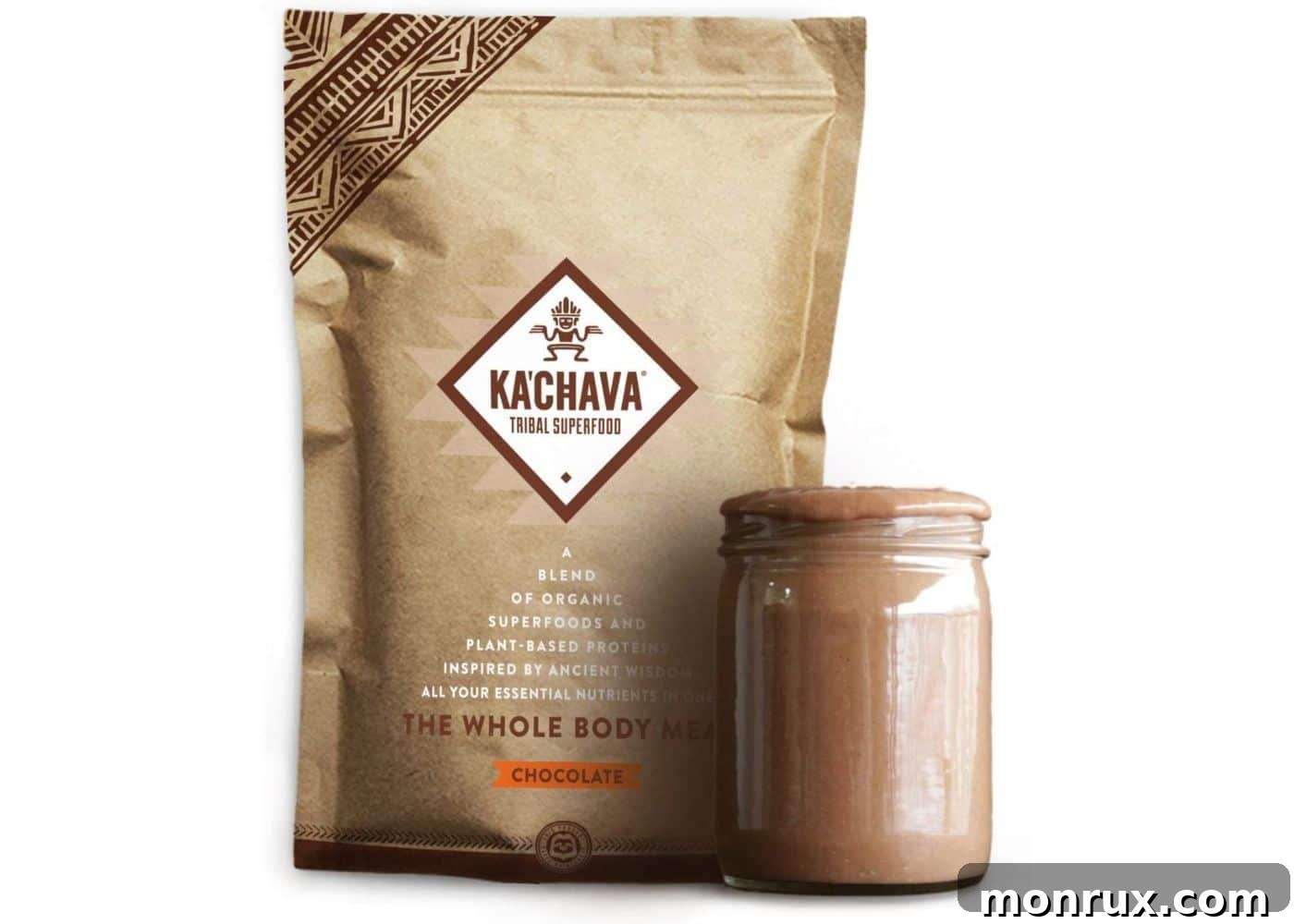
In today’s fast-paced world, finding a convenient yet nutritious meal can be a significant challenge. Many turn to meal replacement powders, hoping to fuel their bodies efficiently without compromising on health. Among the myriad options available, Ka’chava has emerged as a prominent contender, positioning itself as a “whole-body meal” shake packed with superfoods. But the critical question remains: is Ka’chava meal replacement powder genuinely healthy, or are there aspects that potential users should be aware of?
This in-depth review aims to cut through the marketing claims and provide a clear, comprehensive analysis of Ka’chava. We’ll delve into its nutritional profile, meticulously examining its ingredients, highlighting its advantages, and honestly addressing its potential drawbacks. We will also explore common questions, discuss possible side effects, and consider whether this popular plant-based shake truly lives up to its promise as a complete meal replacement. By the end of this article, you’ll have a well-rounded understanding to help you decide if Ka’chava aligns with your health and dietary goals.
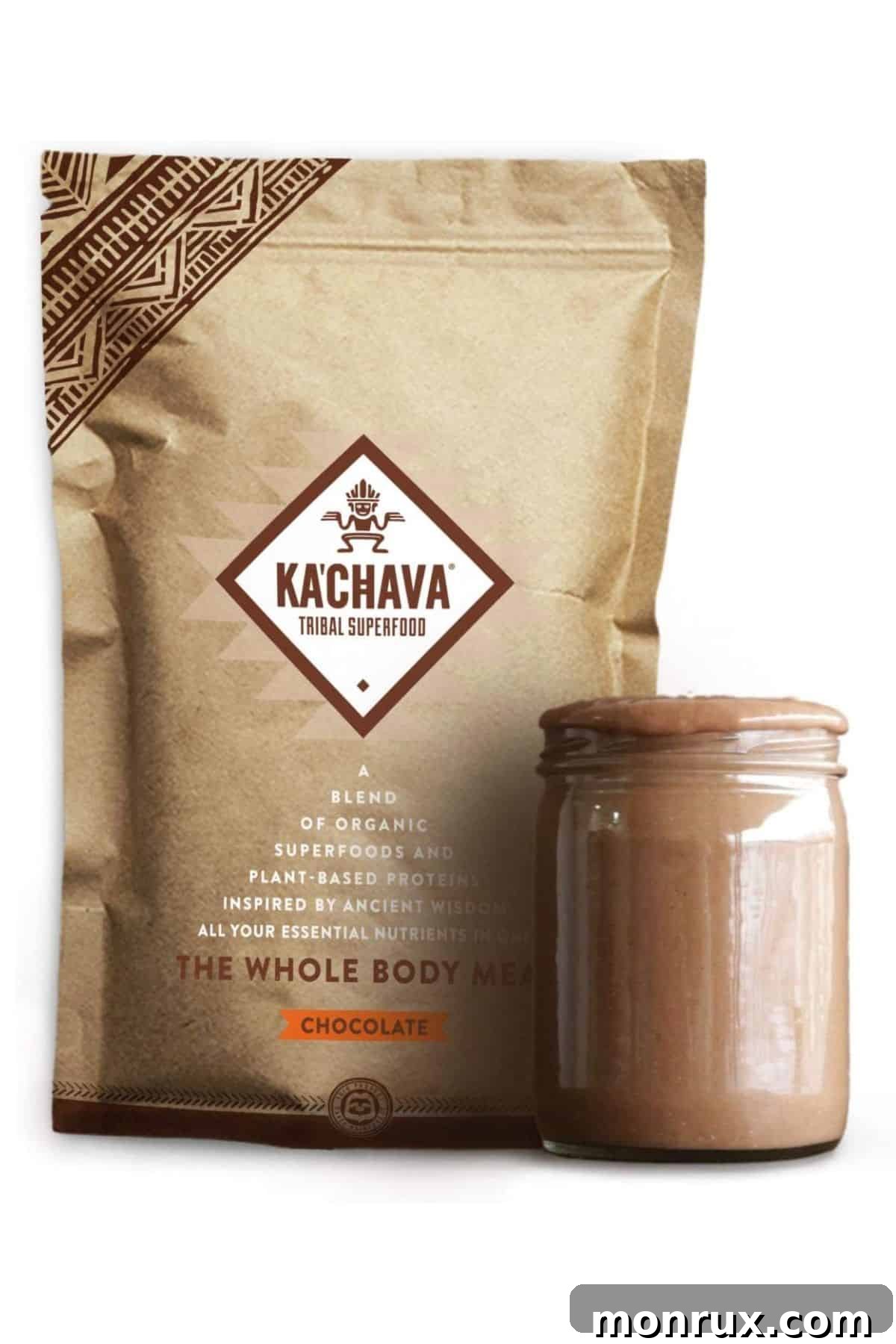
Ka’chava: What You Need to Know
Ka’chava is marketed as a convenient, ready-to-mix meal replacement powder, specifically formulated with a robust blend of plant-based proteins and organic superfoods. The company describes it as a “whole-body meal” protein shake, designed to nourish you from head to toe. This review is independent and not sponsored; all opinions expressed are my own, offering an unbiased perspective on this popular product.
The brand was founded by Simon Malone, driven by a personal mission to create a healthier alternative to the prevalent unhealthy fast-food options. His goal was to support individuals who, due to busy schedules, often struggle to prepare nutritious meals, providing them with a wholesome and convenient solution.
Upon examining the nutrition label, Ka’chava reveals an impressive and extensive list of ingredients, categorized into several specialized blends:
- A Five-Protein Plant-Based Blend: Designed to provide a complete amino acid profile.
- A Four-Ingredient Fiber Blend: Essential for digestive health and satiety.
- Nine Super-Fruits: Packed with antioxidants and vital micronutrients.
- Six Adaptogens: Aimed at helping the body manage stress.
- Seventeen Super-Greens: Offering a wide spectrum of vitamins, minerals, and phytonutrients.
- Three Probiotic/Prebiotic Sources: To support a healthy gut microbiome.
- Five Digestive Enzymes: To aid in the efficient breakdown and absorption of nutrients.
Beyond these powerful superfood blends, Ka’chava meal replacement shakes also incorporate other beneficial components such as coconut milk powder for creaminess, natural flavoring for taste, vegetable fiber, and thickening agents like xanthan gum and guar gum, which contribute to its smooth texture. It’s sweetened naturally with Lo Han fruit extract. The chocolate-flavored Ka’chava shakes, for instance, naturally include cinnamon and cocoa for an enhanced taste experience.
One of Ka’chava’s significant appeals is its commitment to being a clean label product. It is proudly vegan, dairy-free, gluten-free, and soy-free. Furthermore, the formulation deliberately excludes any artificial preservatives, artificial colors, artificial flavors, or artificial sweeteners, making it a more natural choice for health-conscious consumers. While many of its ingredients are organic, it’s important to note that the product is not 100% organic across the board. The only allergen warning explicitly stated on the Ka’chava nutrition label is the presence of tree nuts, specifically coconut, which is a key ingredient for its creamy texture.
Unpacking Ka’chava’s Key Ingredients
Ka’chava stands out due to its remarkably diverse ingredient list, boasting over 85 different superfoods, essential nutrients, vitamins, and plant-based components. This complexity is what drives its claims as a “whole-body meal.” To truly understand its health implications, let’s take a closer look at the key blends and specific ingredients that make up this meal replacement powder.
Plant-Based Protein Blend: Powering Your Day
The core of Ka’chava’s satiety and muscle support comes from its five-component plant-based protein blend, featuring yellow pea protein, brown rice protein, sacha inchi, amaranth, and quinoa. Each of these ingredients contributes to a comprehensive amino acid profile, crucial for those following a plant-based diet to ensure they receive all essential amino acids. This blend helps to promote feelings of fullness, support muscle maintenance, and stabilize blood sugar levels throughout the day.
Sacha inchi, often called the “Inca peanut,” is a large edible seed known for its exceptional nutritional value. It’s not only a potent protein source but also rich in valuable micronutrients such as potassium, phosphorus, magnesium, zinc, and calcium. Furthermore, sacha inchi is notable for its high content of unsaturated fats, particularly omega-3 and omega-6 fatty acids, and beneficial phenolic compounds, which offer antioxidant properties.
Yellow pea protein and brown rice protein are common staples in plant-based protein powders. When combined, they form a complete protein, meaning they provide all nine essential amino acids that the body cannot produce on its own. Amaranth and quinoa, both ancient grains, are also highly valued for their complete protein content, fiber, and various minerals, contributing to the blend’s overall nutritional superiority.
Omega Fatty Acid & Fiber Blend: For Gut Health and Satiety
Ka’chava’s Omega Fatty Acid/Fiber Blend is crucial for digestive health and maintaining satiety. This blend consists of whole-grain oat, acacia gum, chia seeds, and flax seeds, all of which are excellent sources of soluble dietary fiber. Soluble fiber plays a vital role in slowing digestion, attracting water to form a gel-like substance in the digestive tract. This process helps to lower the risk of chronic diseases, regulate blood sugar levels, and significantly contribute to feelings of fullness, which can be beneficial for appetite control and weight management.
Acacia gum, derived from the sap of African acacia trees, is a highly beneficial soluble fiber. Beyond its fiber content, acacia gum acts as a powerful prebiotic, meaning it feeds the beneficial bacteria in your gut. Research suggests that acacia gum offers numerous health benefits, including supporting gut health, improving digestion, and even aiding in wound healing. Its ability to create a gel in the stomach further contributes to prolonged satiety, effectively curbing hunger between meals.
Chia seeds and flax seeds are celebrated for their rich content of omega-3 fatty acids, particularly alpha-linolenic acid (ALA), and their high fiber levels. These ingredients contribute to heart health, inflammation reduction, and provide sustained energy, further enhancing the meal replacement’s nutritional value.
Antioxidant & Super-Fruit Blend: Immune Support and Vitality
The nine ingredients within Ka’chava’s Antioxidant/Super-Fruit Blend are carefully selected for their potent antioxidant properties and rich array of essential nutrients. This blend is designed to combat oxidative stress, support immune function, and contribute to overall vitality.
Among these, Camu Camu berry stands out as an incredible source of vitamin C, often surpassing oranges in concentration. Studies indicate that Camu Camu offers significant health benefits, including strong anti-inflammatory and powerful antioxidant capabilities, making it a key player in immune system support.
Maqui berry is another super-fruit powerhouse in this blend, prized for its high concentration of anthocyanins – potent plant pigments responsible for its vibrant color and exceptional antioxidant activity. Research highlights maqui berry’s high bioavailability and its effectiveness as a natural anti-inflammatory agent, making it excellent for bolstering the immune system and protecting cells from damage.
Other fruits in this blend likely contribute a diverse spectrum of vitamins, minerals, and phytonutrients, collectively working to enhance the body’s natural defense mechanisms and support cellular health.
Adaptogen Blend: Managing Stress Naturally
Ka’chava’s Adaptogen Blend incorporates ingredients like maca, ginger, and various nutrition-rich mushroom mycelia. Adaptogens are a unique class of herbs and fungi that help the body adapt to stress, promote homeostasis, and exert a normalizing effect on bodily processes. According to scientific research, adaptogens can significantly enhance the body’s resistance to multiple stress factors—be it physical, chemical, or biological—playing a crucial role in maintaining overall human health and resilience.
Maca root is an ancient Peruvian superfood known for its potential to boost energy, improve mood, and balance hormones, contributing to overall vitality. Ginger, a well-known spice, adds anti-inflammatory properties and aids digestion.
The inclusion of Maitake and Shiitake mushroom mycelia is particularly noteworthy. These medicinal mushrooms are renowned for their powerful immune-enhancing effects, attributed to compounds like beta-glucans. Beyond immune support, this combination is also highly beneficial for promoting gut health and overall digestive well-being, reinforcing the concept of a “whole-body meal.”
Probiotic & Prebiotic Blend: Cultivating a Healthy Gut
A healthy gut microbiome is fundamental to overall health, and Ka’chava addresses this with its specialized Probiotic/Prebiotic Blend. This blend includes the well-researched probiotics Lactobacillus Rhamnosus and Lactobacillus Acidophilus. These beneficial bacteria are crucial for maintaining and improving the balance of good bacteria in the gut, supporting digestive function, and potentially enhancing immune responses.
Complementing these probiotics is inulin, a potent prebiotic fiber. Inulin plays a critical role in nurturing the gut microbiome by serving as food for the beneficial gut bacteria. This symbiotic relationship ensures that the probiotics can thrive and effectively balance the gut bacteria, promoting a healthy digestive system. Learning about the best gut-healing foods can further enhance your understanding, especially if you’re considering a leaky gut diet.
Digestive Enzyme Blend: Enhancing Nutrient Absorption
The comprehensive digestive enzyme blend in Ka’chava is designed to ensure that your body can efficiently break down and absorb the wealth of nutrients it provides. This blend includes amylase, protease, cellulase, lactase, and lipase. Each enzyme targets specific macronutrients:
- Amylase: Breaks down complex carbohydrates into simpler sugars.
- Protease: Helps in the digestion of proteins into amino acids.
- Cellulase: Aids in breaking down plant fibers, which can be challenging for the human body to digest otherwise.
- Lactase: Crucial for digesting lactose, the sugar found in dairy products, making the shake more digestible for individuals with lactose sensitivities, even though the product is dairy-free itself.
- Lipase: Facilitates the breakdown of fats into fatty acids and glycerol.
By including this diverse range of enzymes, Ka’chava aims to improve nutrient absorption from all the rich ingredients, minimize digestive discomfort, and ensure that your body gets the maximum benefit from every serving.
Ka’chava Nutrition: The Pros – Why It Shines
Ka’chava presents a compelling case for its nutritional value, offering several significant advantages that make it an attractive option for many health-conscious individuals. Here’s a closer look at its key benefits:
- Unmatched Nutrient Density: Ka’chava is truly packed with nutrition, boasting over 85 distinct and highly nutritious ingredients. This includes an extensive range of vitamins, minerals, antioxidants, phytonutrients, and functional compounds derived from its superfood, adaptogen, and green blends. This comprehensive nutrient profile is designed to support overall health, energy levels, and bodily functions, making it a powerful supplement to a balanced diet.
- Dietary Inclusivity and Allergen-Friendly: A major strength of Ka’chava is its broad appeal to various dietary needs. It is entirely free from animal products, making it suitable for vegans. Furthermore, it is gluten-free, soy-free, and dairy-free, addressing common allergens and sensitivities that many people face. This thoughtful formulation ensures that a wide demographic, including those with specific dietary restrictions, can enjoy its benefits. With only one explicit allergen warning (tree nuts, specifically coconut), it’s generally considered safe for most users.
- High Plant-Based Protein Content: Each serving of Ka’chava delivers a substantial 25 grams of protein, all derived from plant sources. This is an excellent amount for promoting satiety, supporting muscle repair and growth, and helping to manage blood sugar levels. For individuals on a plant-based diet, this blend of five different plant proteins ensures a complete amino acid profile, a crucial aspect of adequate protein intake.
- Free from Artificial Additives: Ka’chava prides itself on being free from artificial colors, flavors, sweeteners, and preservatives. This commitment to natural ingredients is a significant plus for consumers seeking clean eating options and wishing to avoid synthetic compounds in their diet. The use of natural flavoring and Lo Han fruit extract aligns with a holistic approach to nutrition.
- Convenience for Busy Lifestyles: For those with demanding schedules, Ka’chava offers an incredibly convenient solution. It’s a ready-to-mix powder that can be prepared quickly, providing a nutrient-dense option when time is scarce. This convenience makes it a healthier alternative to grabbing unhealthy fast food or skipping meals altogether.
- Support for Comprehensive Health: The diverse blends in Ka’chava are designed to support multiple aspects of health. The fiber and probiotic/prebiotic blends promote excellent gut health, which is foundational for immunity and mood. The adaptogen blend helps the body cope with stress, while the antioxidant-rich super-fruit blend boosts the immune system and fights cellular damage. The digestive enzymes further ensure optimal nutrient utilization.
In essence, Ka’chava offers a highly concentrated source of beneficial ingredients in a convenient format, making it a strong contender for those looking to enhance their nutritional intake and support overall well-being.
Ka’chava Nutrition: The Cons – What to Consider
While Ka’chava boasts an impressive nutritional profile, it’s essential to approach its claims with a balanced perspective. Like any supplement, it comes with potential drawbacks and considerations that consumers should be aware of:
- Inadequate Calorie Count for a Full Meal Replacement: This is arguably the most significant drawback. With only 240 calories per serving, Ka’chava is often insufficient to truly replace a substantial meal for most adults. A typical healthy meal provides significantly more calories (e.g., 400-600+ calories, depending on individual needs and activity levels) to sustain energy and satiety. Relying on Ka’chava alone for a meal could lead to under-eating, feelings of hunger shortly after consumption, and potentially unintended weight loss if not supplemented with other foods. While it’s an excellent nutrient booster or snack, calling it a “whole-body meal” might be misleading for those with average caloric requirements, unless they are intentionally on a very strict weight-loss plan. For those needing more calories, like my 1,000 calorie smoothie, additional ingredients would be necessary.
- High Cost: Ka’chava is an expensive product. A single bag typically contains only 15 servings, meaning the cost per serving is considerably higher than many other protein powders or the ingredients for a homemade meal. For continuous daily use, the expense can quickly add up, making it a significant financial commitment. Consumers could arguably create a superfood-rich meal replacement at home with fewer, simpler, and more cost-effective ingredients, achieving similar nutritional benefits without the premium price tag. For inspiration, consult my unprocessed food list.
- Potential for Digestive Distress and Sensitivities: Despite being free from common allergens like dairy and soy, Ka’chava contains a highly concentrated blend of many ingredients. Some individuals may be sensitive to specific components. For example, flax seeds, while generally healthy, can cause digestive issues such as bloating, gas, stomach pain, and nausea in sensitive individuals. Similarly, the pea protein in Ka’chava, a legume derivative, might trigger reactions in people with legume allergies. Pea protein also contains purines, which can sometimes cause inflammation in susceptible individuals. Therefore, some users might experience side effects like digestive discomfort or inflammation after consumption.
- Not 100% Organic: While Ka’chava prides itself on clean ingredients and lists many organic components, it’s not entirely certified organic. For consumers who prioritize strictly organic products to avoid pesticides and other synthetic chemicals, this might be a point of concern.
- Bioavailability of Plant Protein: While Ka’chava provides a substantial 25 grams of plant protein, some nutritionists argue that plant proteins, in general, are not as bioavailable or efficiently utilized by the body as animal proteins. While the blend aims to create a complete amino acid profile, this remains a consideration for those focused on maximal protein absorption and utilization.
- Taste Preference: With such a complex blend of superfoods, adaptogens, and greens, the unique flavor profile of Ka’chava may not appeal to everyone. While natural flavorings are used, the inherent taste of certain concentrated ingredients can be noticeable and might require blending with other fruits or liquids to make it more palatable for some individuals.
Considering these points allows for a more informed decision on whether Ka’chava is the right choice for your individual health and lifestyle needs.
Frequently Asked Questions About Ka’chava
Ka’chava can be considered a very healthy supplement for many people, especially those with busy lifestyles seeking a convenient nutrient boost. It is undeniably a healthier alternative to unhealthy snacking or fast food. Given its impressive array of superfoods, adaptogens, and essential nutrients, Ka’chava can certainly play a beneficial role as part of an overall healthy, balanced diet. However, it’s important to view it more as a super-nutrient dense snack or supplement rather than a complete meal replacement due to its relatively low-calorie count. Crafting your own meal replacement shake at home can be equally nutritious and significantly more cost-effective, using simpler and fewer ingredients (explore my full list of dairy-free smoothies or try my Weight Loss Smoothie recipe for ideas).
Ka’chava exclusively uses a blend of five plant-based proteins. These include yellow pea protein, brown rice protein, sacha inchi, amaranth, and quinoa. This combination is specifically chosen to provide a comprehensive amino acid profile, ensuring that each serving delivers approximately 25 grams of complete plant protein suitable for vegans and those avoiding animal products.
While generally well-tolerated, some individuals may experience side effects from Ka’chava, particularly if they are sensitive or allergic to any of its many ingredients. Common potential side effects can include digestive distress such as bloating, gas, stomach pain, or nausea, especially due to ingredients like flax or the concentrated nature of the superfood blends. The pea protein, for example, might be an issue for those with legume allergies or purine sensitivities. On the positive side, ingredients like quinoa, whole-grain oats, and acacia gum are known to promote satiety, which means you might feel fuller for longer, which can be a desired effect for some but unexpected for others.
Ka’chava is formulated to be highly inclusive, being vegan, dairy-free, gluten-free, and soy-free. The only allergen explicitly mentioned on its nutrition label is tree nuts (specifically coconut). If you have a severe tree nut allergy, it is best to avoid Ka’chava. Additionally, if you have a known allergy to legumes (due to pea protein), or if you have sensitivities to flax or any of the numerous other ingredients in the blend, it would be prudent to consult with a healthcare professional or avoid the product to prevent adverse reactions. Always review the full ingredient list carefully if you have specific dietary concerns.
Due to its relatively low-calorie count (240 calories per serving) and high protein/fiber content which promotes satiety, Ka’chava *can* be incorporated into a weight loss plan as a calorie-controlled snack or a component of a larger, calorie-managed meal. However, it’s crucial to remember that 240 calories is typically not enough for a full meal, and relying on it solely could lead to insufficient energy intake. For effective and healthy weight loss, Ka’chava should be part of a well-balanced, calorie-controlled diet that includes whole foods and is supervised by a healthcare professional or nutritionist.
Explore More Protein Powder Insights & Recipes
Our Verdict: Is Ka’chava Healthy? A Comprehensive Conclusion
After a thorough examination of its ingredients, nutritional profile, and intended use, our comprehensive verdict on Ka’chava is that it is indeed a nutritionally rich and generally healthy product. It stands out for its impressive blend of plant-based proteins, diverse fiber sources, potent super-fruits, immune-boosting super-greens, stress-supporting adaptogens, and crucial probiotic/prebiotic and digestive enzyme blends. This extensive ingredient list positions Ka’chava as a powerful tool for enhancing overall dietary intake and supporting various bodily functions, making it a far superior choice to most processed snacks or fast-food alternatives.
Ka’chava’s commitment to being vegan, dairy-free, gluten-free, soy-free, and free from artificial additives further elevates its health credentials, making it accessible and beneficial for a wide range of individuals with specific dietary needs or preferences. Its convenience is undeniable, offering a quick and easy way to consume a spectrum of vital nutrients when time is a luxury.
However, it is crucial to temper expectations regarding its role as a complete meal replacement. With only 240 calories per serving, Ka’chava falls short of providing sufficient energy for a typical adult meal. While it excels as a nutrient-dense snack, a breakfast booster, or a post-workout recovery shake, relying on it solely for regular meals without adding additional calorie-rich components could lead to inadequate energy intake and persistent hunger for many. For those seeking a truly satiating and calorically sufficient meal, supplementing Ka’chava with extra fruits, nuts, seeds, or healthy fats would be necessary, which somewhat diminishes its “ready-to-go” convenience.
Furthermore, while many ingredients are organic, the product is not 100% organic, which might be a consideration for some consumers. The premium price point also means that homemade smoothies or whole-food meals can offer similar, if not greater, nutritional value for less expense. For example, creating a customized smoothie at home allows for control over ingredients, calorie density, and cost, often yielding a more personalized and economical solution.
In conclusion, Ka’chava is a highly beneficial dietary supplement for boosting nutrient intake, supporting overall wellness, and providing a convenient, clean option for busy individuals. It is an excellent source of protein, fiber, and a myriad of micronutrients. However, it is best utilized as a healthful supplement or a light, nutrient-packed snack rather than a direct, calorie-equivalent meal replacement for most people. For optimal health, consider integrating Ka’chava as part of a varied diet rich in whole, unprocessed foods, and always be mindful of your individual caloric and nutritional needs.
Discover Other Protein Product Reviews
Don’t forget to join my newsletter list to get exclusive clean eating recipes and tips directly to your inbox. The newsletter is 100% free with no spam; you can unsubscribe anytime.
About the Author: Carrie Forrest holds a master’s degree in public health with a specialization in nutrition and is a certified holistic nutritionist. As a top wellness and food blogger, her site attracts over 5 million annual visitors. Carrie shares an inspiring story of recovery from chronic illness and is deeply passionate about empowering other women to transform their health journeys. Feel free to send her a message through her contact form.
Note: This post is intended for informational purposes only and should not be considered medical advice. Always consult your healthcare provider for personalized recommendations regarding your individual health situation and dietary needs.