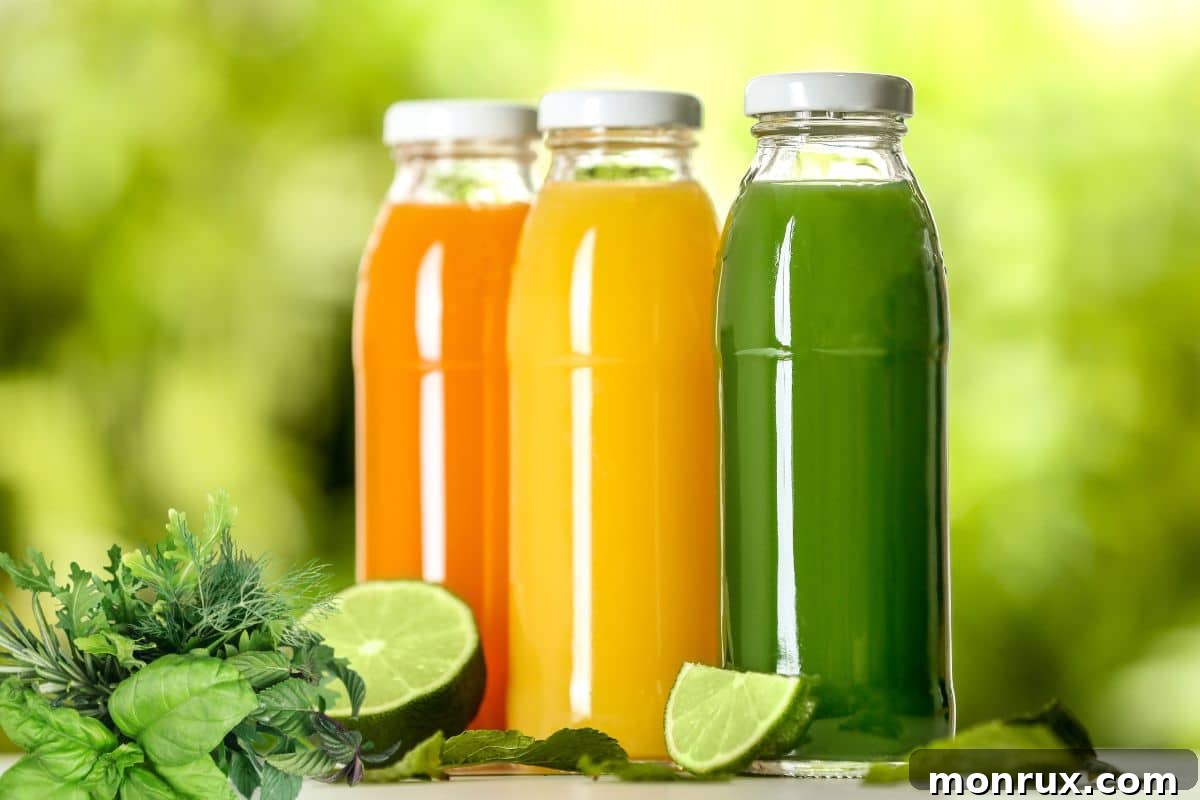
Juicing is a fantastic way to flood your body with essential vitamins, minerals, and enzymes. While fruits and vegetables form the backbone of any great juice, a simple addition can elevate your drinks from nutritious to truly transformative: fresh herbs. Incorporating herbs into your juicing routine not only supercharges the health benefits but also introduces incredibly diverse and complex flavors you might not expect. From earthy notes to bright citrusy undertones, herbs offer a world of taste and wellness waiting to be explored.
As a nutritionist with over a decade of experience in crafting wholesome juices, I’ve seen firsthand how versatile and beneficial herbs can be. They are not just garnishes; they are concentrated powerhouses of antioxidants and other health-promoting compounds, making them an excellent and often overlooked addition to any juicing recipe. Many culinary herbs are also incredibly easy and inexpensive to grow at home, allowing you to enjoy fresh, organic goodness right from your garden.
This comprehensive guide will introduce you to a variety of herbs perfect for juicing, delving into their unique flavors, impressive health benefits, and important considerations. You’ll also discover inspiring juicing combinations to help you create delicious, nutrient-dense beverages that support your overall well-being. Get ready to revitalize your juicing game and savor the incredible taste of nature’s finest herbs!
Herbs for Juicing: A Quick Overview
Ready to dive into the world of herbal juicing? Here’s a summary of the fantastic herbs we’ll explore in detail. Each offers unique flavors and health benefits to enhance your daily juices. Click on any link below to jump directly to its full description and recommended combinations.
- Basil
- Cilantro (Coriander)
- Dandelion Greens
- Lavender
- Lemon Balm
- Lemongrass
- Mint
- Oregano
- Parsley
- Peppermint
- Rosemary
- Sage
- Thyme
Detailed Herb Profiles & Juicing Recipes
1. Basil
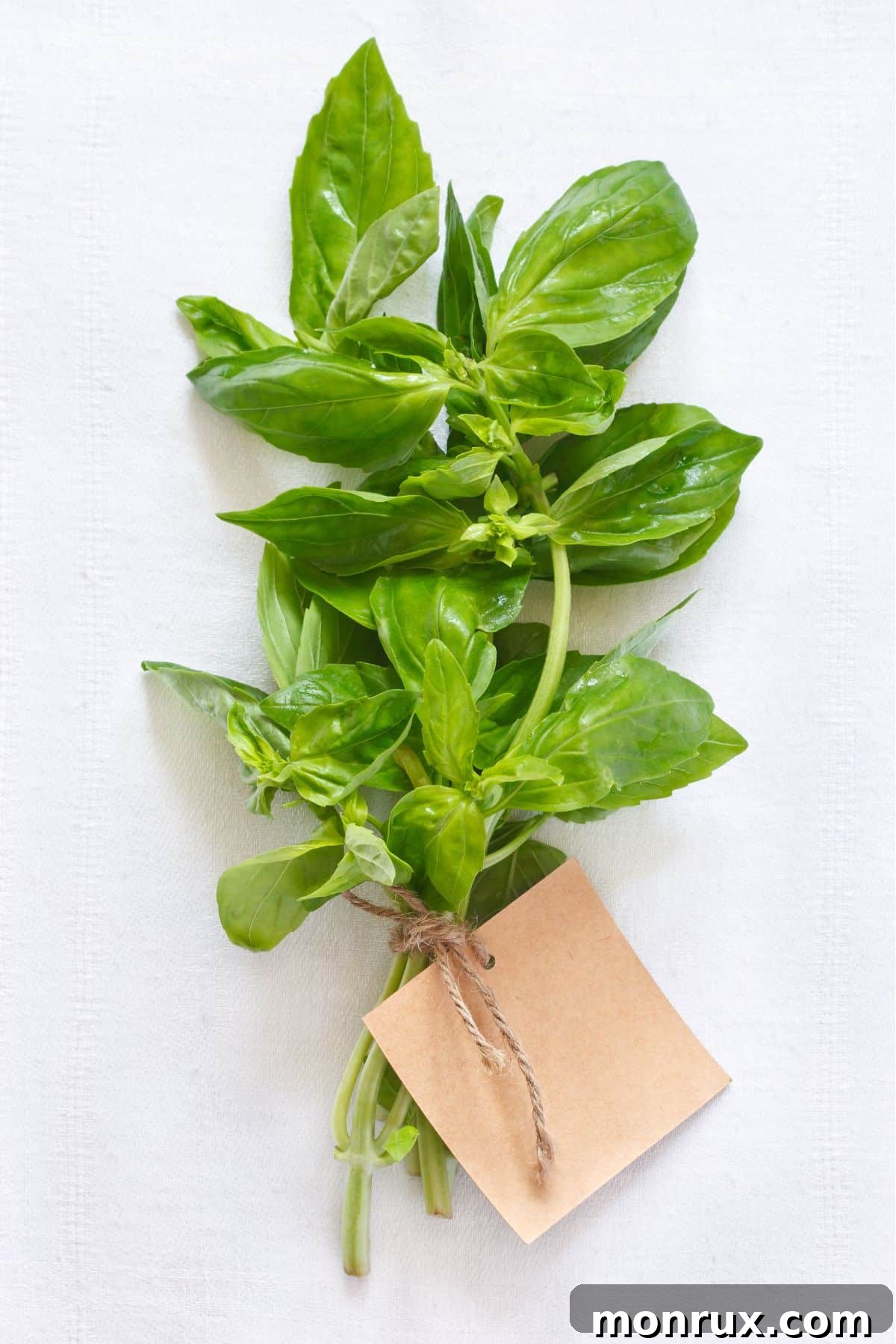
Basil, with its sweet and slightly peppery flavor, boasts subtle notes of mint and anise, making it a surprisingly versatile addition to juices. Widely celebrated in Italian cuisine, this leafy green herb is an excellent source of natural antioxidants that combat oxidative stress. It’s readily available in most grocery stores and thrives in home gardens, whether in pots or planted directly. Beyond its flavor, basil is packed with beneficial compounds, though it’s important to note its high Vitamin K content. If you’re taking blood-thinning medications like warfarin, consult your doctor, as large amounts of basil could potentially interfere with your medication’s effectiveness.
Recommended Juicing Combinations
- Strawberry-Lime Basil Bliss: Combine fresh basil with ripe strawberries and a splash of lime juice for a vibrant, sweet, and tangy drink with a refreshing herbal kick.
- Watermelon-Lemon Basil Cooler: Pair basil with hydrating watermelon and a squeeze of fresh lemon for a light, summery juice that’s both sweet and subtly spicy.
- Savory Tomato Basil Blend: For a more robust and nutritious option, juice fresh basil with ripe tomatoes and a hint of garlic. This combination creates a deeply savory and antioxidant-rich beverage, similar to my homemade tomato juice recipe.
2. Cilantro (Coriander)
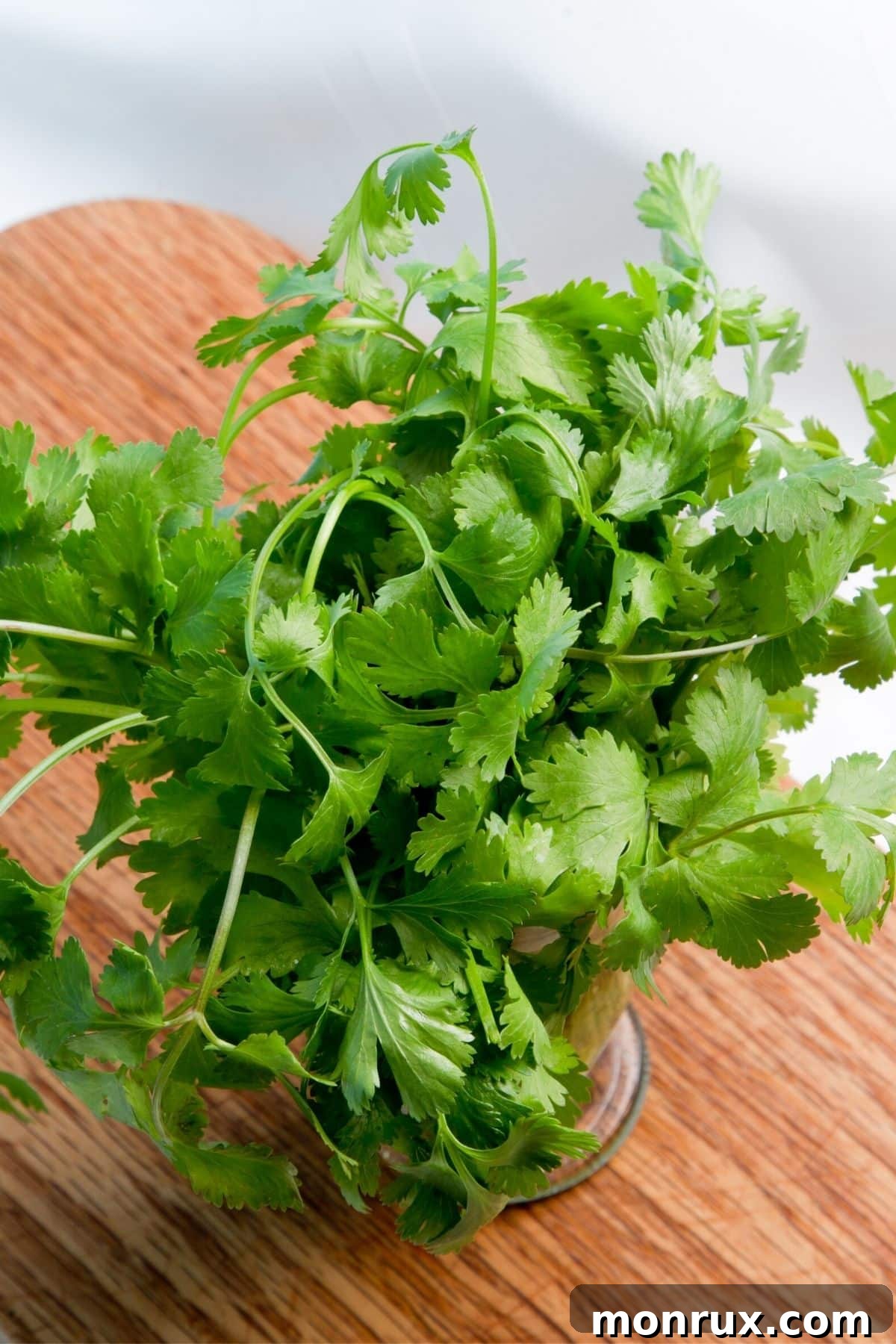
Cilantro, known as coriander in many parts of the world, offers a distinctive pungent, citrusy, and peppery flavor that divides opinions – some adore it, while others find it soapy. Regardless, this herb is a nutritional powerhouse, rich in antioxidants and renowned for its antibacterial properties, making it a staple in Mexican, Indian, and Middle Eastern cuisines. It’s generally safe for regular consumption. However, if you have allergies to fennel or dill, exercise caution as these plants belong to the same family. Cilantro is easily found in grocery stores and is also simple to grow at home, ensuring a fresh supply for your juices.
Recommended Juicing Combinations
- Tropical Cilantro Digestive Aid: Blend cilantro with fresh pineapple and a dash of lime for a sweet, tangy, and delicious juice that supports healthy digestion.
- Zesty Mango Cilantro Refreshment: Combine cilantro with succulent mango and lime to create a vibrant, tropical-flavored drink that is both zesty and invigorating.
- Sweet & Earthy Cilantro Juice: For a slightly earthy yet sweet blend, juice cilantro with carrots, apple, and a squeeze of lemon juice. This combination is particularly good for those new to green juices.
3. Dandelion Greens
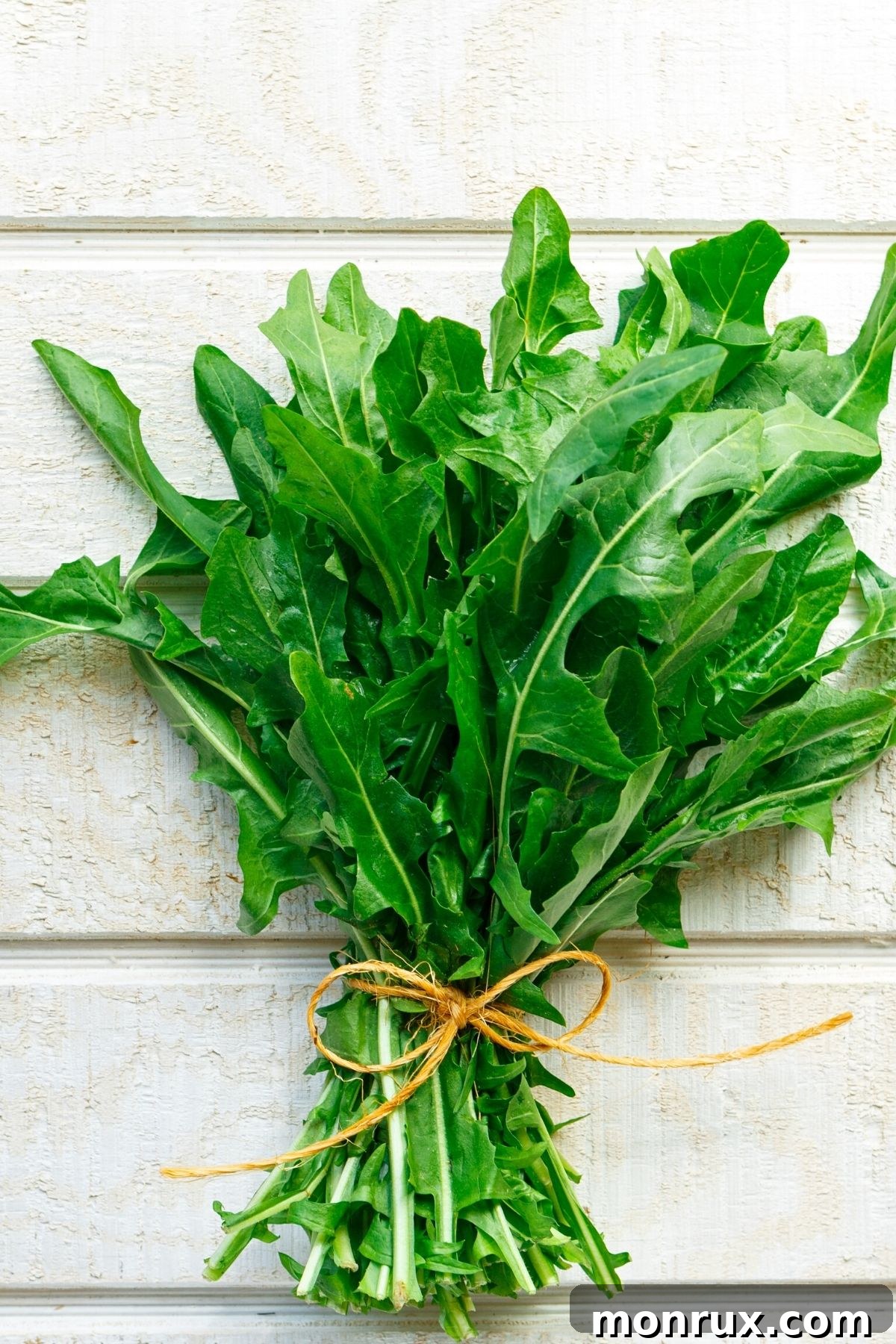
Often dismissed as common weeds, dandelion greens are, in fact, incredibly nutrient-dense, making them a potent addition to your juices. These dark leafy greens are exceptionally rich in vitamins A, C, and K, along with a powerful array of minerals including iron, calcium, magnesium, and potassium. Their flavor is distinctly bitter, similar to arugula, which can add a sharp, invigorating note to your juice recipes. Dandelion greens are known for their benefits to digestion and immune support. While generally safe, individuals with kidney disease, gallbladder problems, blood pressure issues, or gallstones should consult a healthcare provider before consumption. You can typically find them at farmer’s markets, health food stores, and some grocery stores, or even forage them cautiously from pesticide-free areas.
Recommended Juicing Combinations
- Apple-Lemon Dandelion Detox: Blend dandelion greens with crisp apple and a dash of lemon for a refreshing, antioxidant-rich juice that balances the bitterness with natural sweetness.
- Cucumber-Ginger Dandelion Digest: For a powerful digestive boost, combine dandelion greens with mild-tasting cucumber and a spicy kick of ginger.
- Sweet Carrot-Orange Dandelion Blend: Mix dandelion greens with sweet, nutritious carrots and orange juice. The natural sweetness of the carrots and orange will beautifully mask the bitter notes, creating a palatable and highly beneficial green juice.
4. Lavender

Lavender might seem like an unconventional choice for juicing, but this fragrant herb, a member of the mint family, offers a unique sweet and floral flavor with notes of mint and rosemary. It’s a delightful way to introduce a sophisticated aroma and taste to your beverages. Rich in antioxidants, lavender has been traditionally used in herbal medicine and may help ease digestive issues such as nausea and gas. You can grow it in your garden for a fresh supply or find it at local farmer’s markets during its growing season. While small quantities are generally safe for most, its effects during pregnancy and breastfeeding are not extensively studied, so it’s wise to consult your healthcare provider if you are pregnant or nursing.
Recommended Juicing Combinations
- Blueberry Lavender Serenity: Blend a small amount of fresh lavender with blueberries for an antioxidant-rich, calming, and deliciously floral treat.
- Pear-Mint Lavender Delight: Combine lavender with sweet pear and refreshing mint for a harmonious and aromatic juice that’s both sweet and uplifting.
- Apple-Lemon Lavender Zest: Create a sweet drink with a citrusy tang by pairing lavender with crisp apple and a touch of lemon juice. This combination is surprisingly balanced and invigorating.
5. Lemon Balm
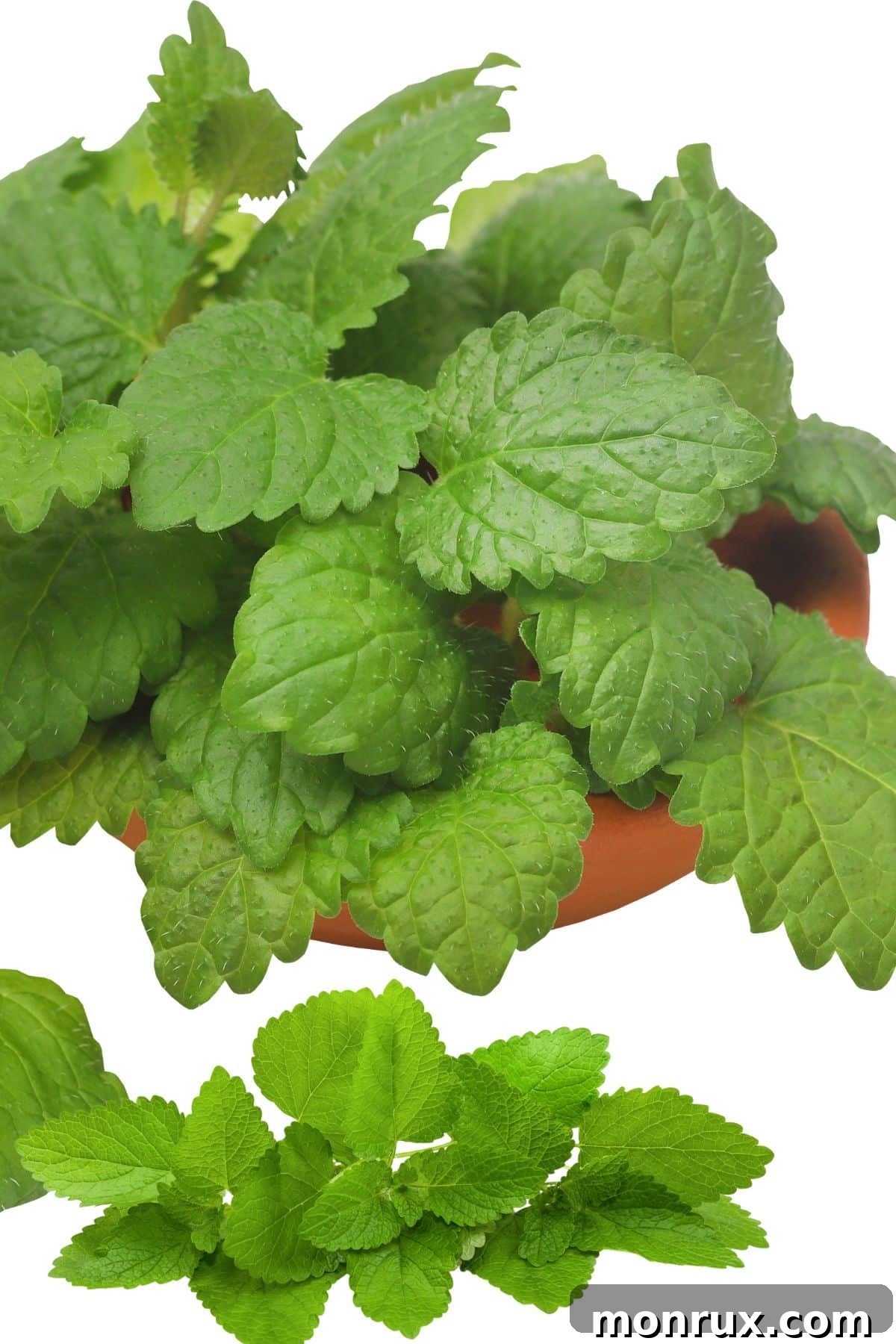
Lemon balm, another delightful member of the mint family, releases a wonderful lemony scent from its heart-shaped leaves. Its flavor profile is a perfect marriage of mint and sweet lemon, offering a bright and refreshing taste to any juice. It’s one of my favorite fresh mint alternatives! You can often find it fresh in some grocery stores, or easily grow it from plants purchased at a garden center, ensuring a constant supply. Lemon balm is well-regarded as a natural stress reliever and is generally safe for most people. It may also aid in relieving indigestion and easing menstrual cramps. However, some sources advise against its use during pregnancy or breastfeeding, so always check with your healthcare provider.
Recommended Juicing Combinations
- Strawberry-Lemon Balm Summer Sip: Blend lemon balm with fresh, ripe strawberries for a sweet, incredibly refreshing, and uplifting summer drink.
- Apple-Ginger Lemon Balm Zinger: If you appreciate a touch of spice, combine lemon balm with crisp apple and a kick of ginger for an invigorating and digestive-friendly juice.
- Cucumber-Lime Lemon Balm Hydrator: For a truly hydrating and fresh juice, mix lemon balm with mild cucumber and a hint of lime. This combination beautifully elevates regular cucumber juice.
6. Lemongrass
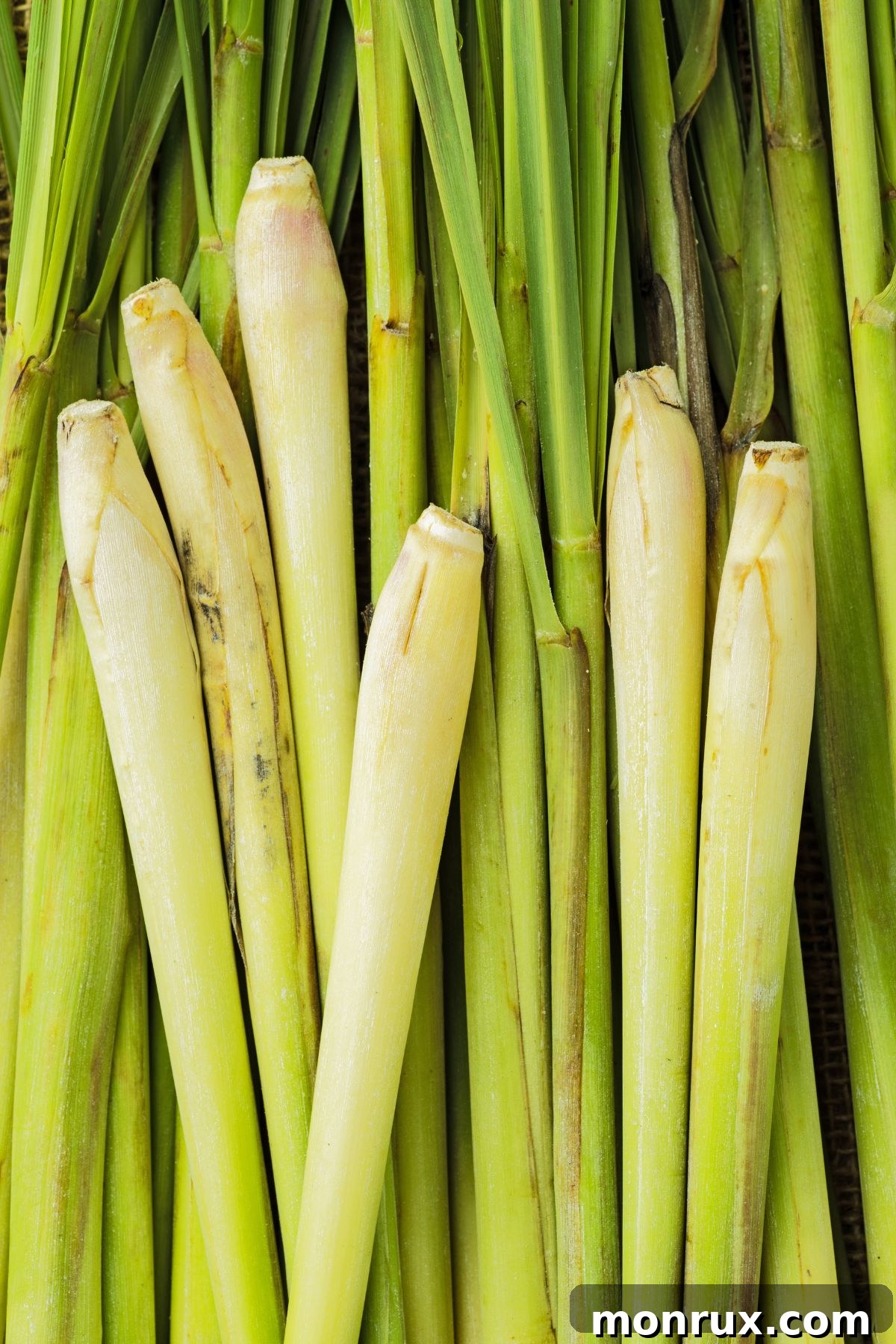
A culinary staple in Asian cuisine, lemongrass brings a distinctively tangy flavor to juices, beautifully blending lemon with subtle hints of ginger and mint. It’s widely available fresh in most grocery stores and offers a impressive array of health benefits, including antimicrobial and anti-inflammatory properties. Lemongrass is also known to support digestion and may even contribute to lowering cholesterol levels. While generally considered safe for most individuals, it is not recommended for consumption during pregnancy or breastfeeding. Despite being a low-yield herb in terms of juice volume, even 1-2 stalks impart a significant flavor boost, so start sparingly.
Recommended Juicing Combinations
- Pineapple Lemongrass Tropical Refresher: For a refreshing, digestion-friendly tropical drink, blend lemongrass with sweet pineapple.
- Coconut Water Lemongrass Elixir: Mix lemongrass with coconut water and lime juice for another delightful tropical treat that’s exceptionally hydrating.
- Carrot-Lemon Lemongrass Twist: Lemongrass pairs exceptionally well with sweet, earthy carrots and a splash of lemon, creating a uniquely balanced and flavorful juice. I also enjoy it in a warm mug of Lemongrass Tea during cooler months.
7. Mint
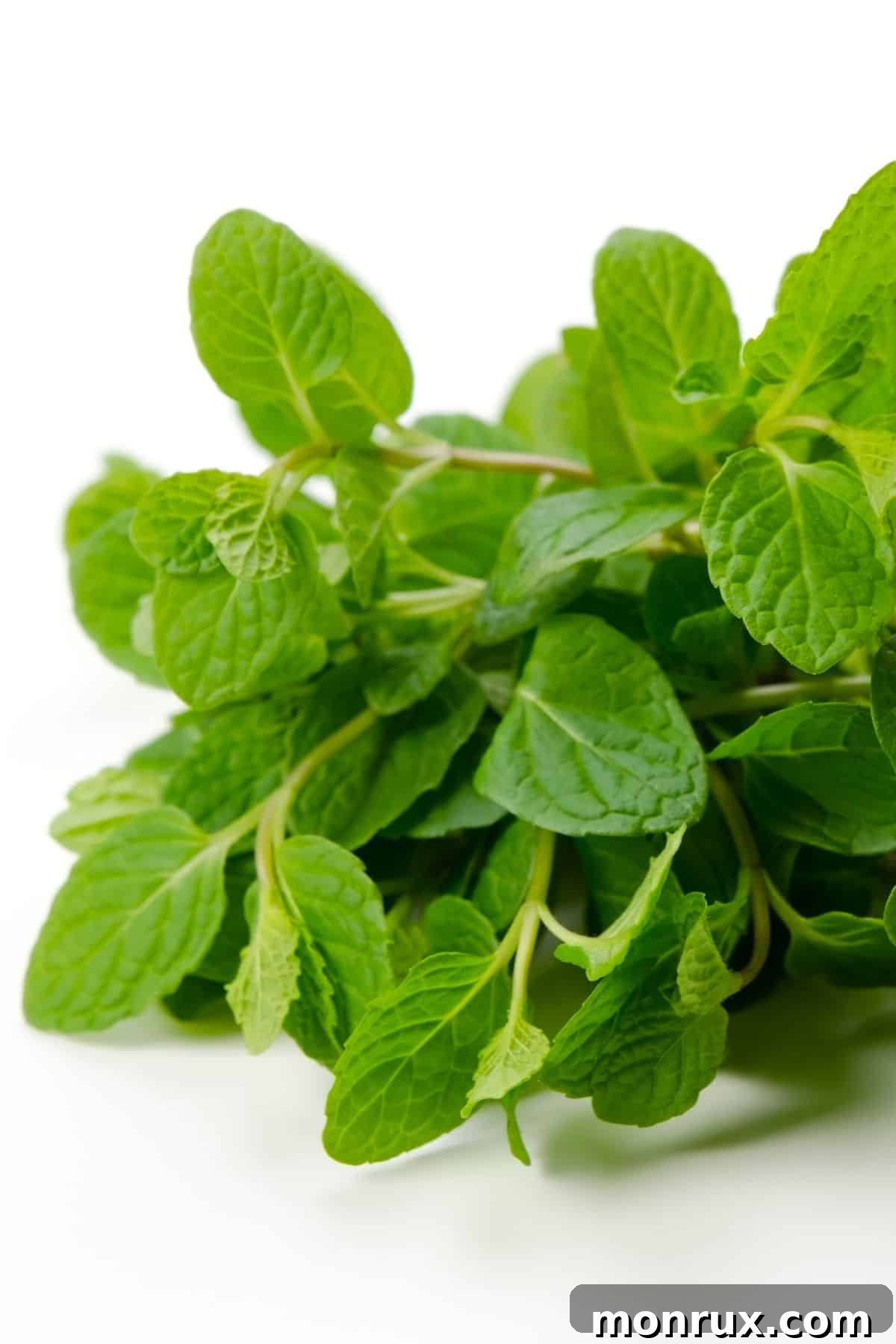
Cooling, aromatic, and incredibly refreshing, mint is a popular herb that you can easily find in most grocery stores or cultivate in your own garden. There are various mint varieties, including spearmint and peppermint (which we’ll discuss separately), each offering slightly different nuances. Mint is a good source of antioxidants and vitamin A, contributing to overall well-being. It’s generally considered safe for most individuals. However, consuming it in very large quantities might aggravate symptoms of gastroesophageal reflux disease (GERD) in some sensitive individuals. Its invigorating flavor makes it a versatile and welcome addition to countless juice recipes.
Recommended Juicing Combinations
- Cucumber-Apple Mint Cooler: Blend crisp cucumber and sweet apple with fresh mint for a mild, incredibly fresh, and perfectly hydrating juice—ideal for a warm day.
- Beetroot-Blackberry Mint Antioxidant Boost: For a powerful surge of antioxidants, combine earthy beetroot and tart blackberries with mint, creating a rich and beneficial drink.
- Spinach-Kiwifruit Mint Green Power: Create an unbeatable green juice by blending mint with nutrient-dense spinach and tangy kiwifruit for an energizing and immune-supporting beverage.
8. Oregano
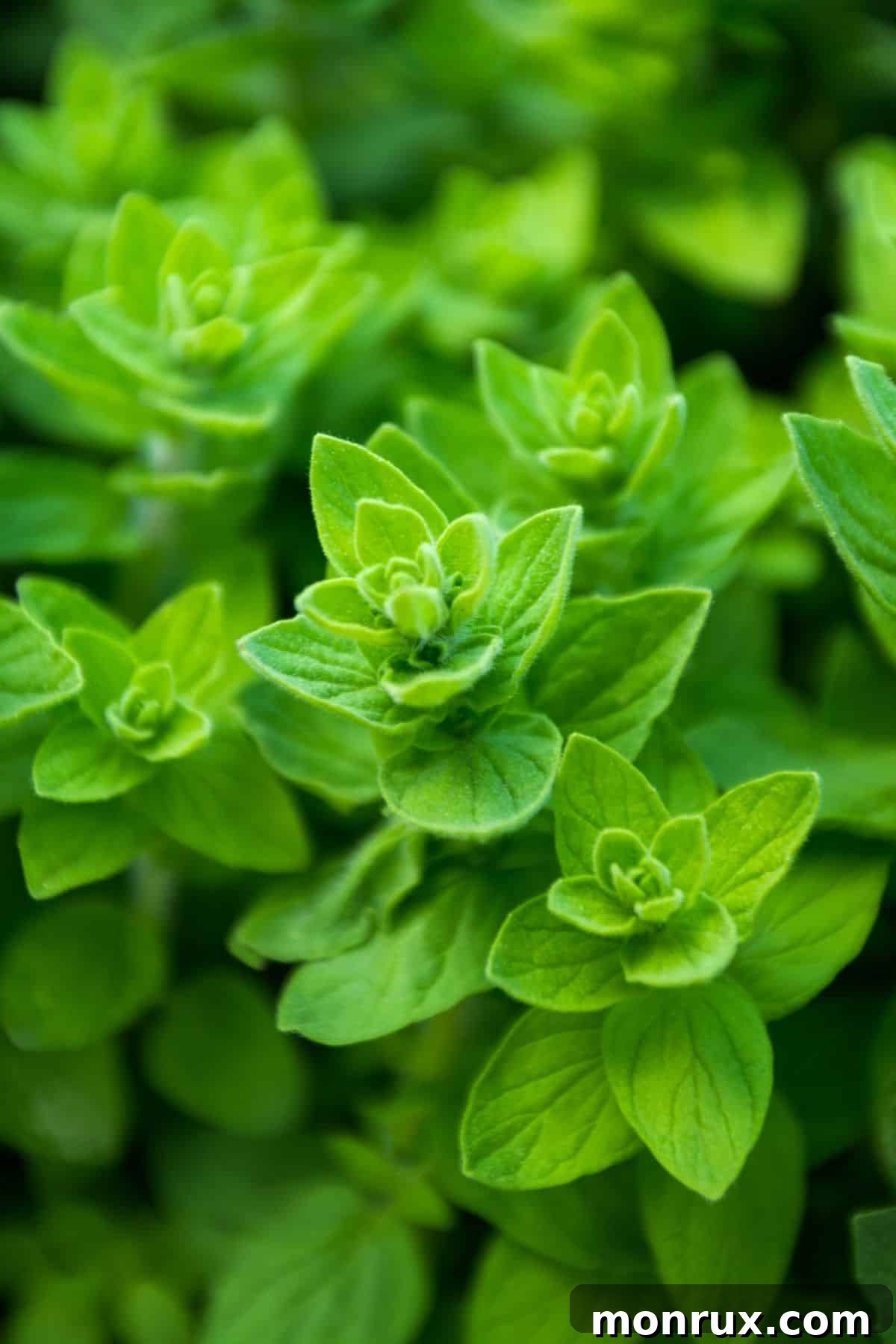
Oregano, known for its robust, peppery, and slightly bitter flavor, adds an intriguing depth to juice recipes. If you’re accustomed to the intense taste of dried oregano, you’ll find fresh oregano to be much less concentrated, offering a more nuanced profile that integrates beautifully with other ingredients. It’s readily available in most grocery stores. Beyond its culinary appeal, oregano offers significant health benefits, including potent anti-inflammatory properties and a rich supply of vitamin K, crucial for bone health. Fresh oregano leaves are considered safe for most people when consumed in typical culinary amounts, but as with all potent herbs, starting with a small quantity and adjusting to taste is recommended.
Recommended Juicing Combinations
- Tomato-Celery Oregano Medley: Create a classic and perfectly balanced combination by juicing fresh oregano with ripe tomatoes and adding celery for its fresh, subtly salty flavor.
- Apple-Carrot Oregano Zest: Blend oregano with sweet apples and carrots for a delightful mixture that offers a sharp, herbal bite against a sweet background.
- Cucumber-Lemon Oregano Quench: For a hydrating drink with a refreshing pop of citrus, combine oregano with cool cucumber and a squeeze of lemon juice.
9. Parsley
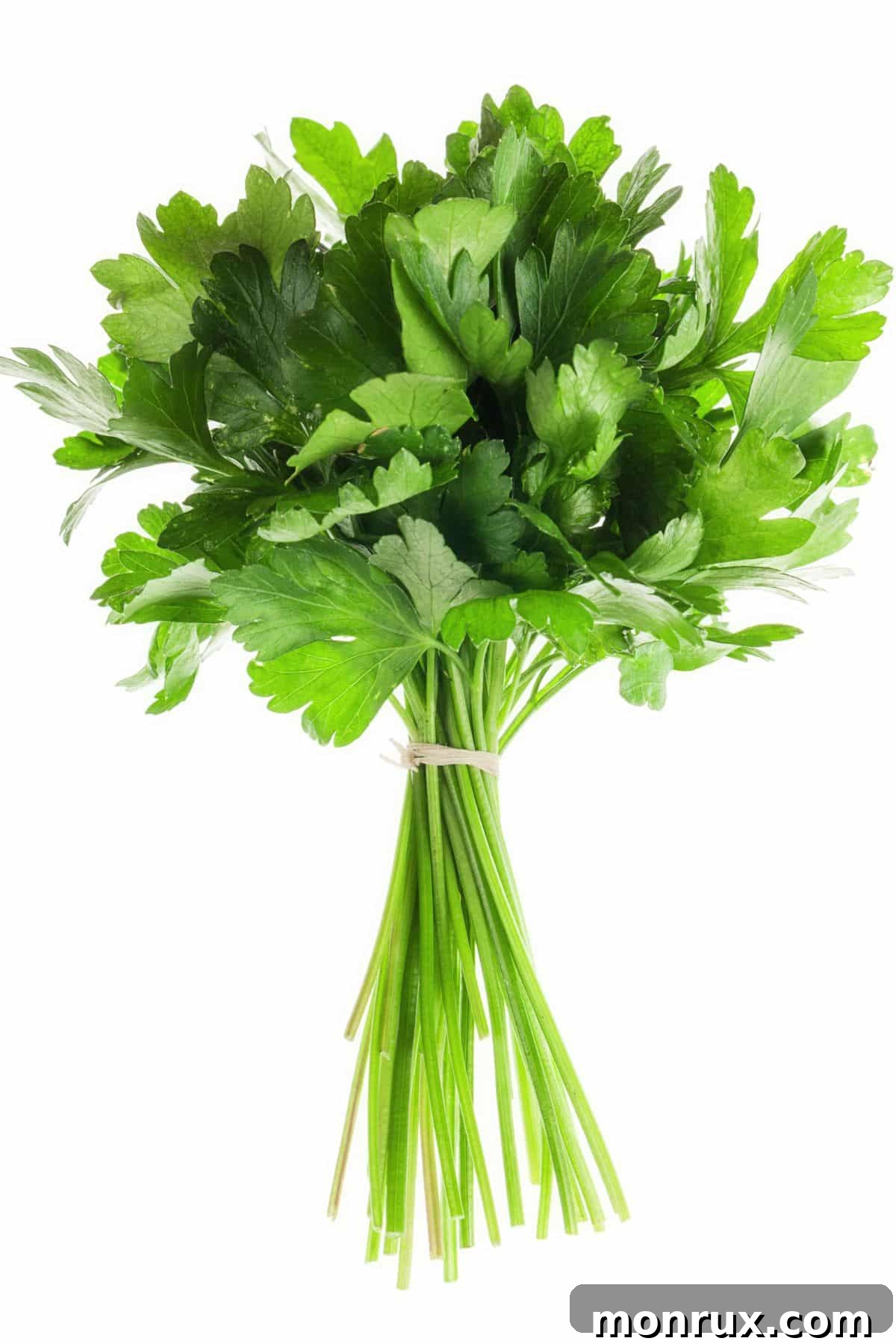
Parsley, a popular herb often used as a garnish in American and European cuisine, possesses a distinctive slightly bitter, peppery, and fresh flavor that brightens any juice. It’s available year-round in grocery stores, making it an accessible addition to your juicing routine. Parsley is a nutritional powerhouse, packed with vitamins A, C, and K, along with a healthy dose of iron. It’s particularly noted for supporting kidney health and potentially helping to prevent kidney stones. Furthermore, it boasts antibacterial properties and can help reduce inflammation throughout the body. While safe in small, culinary amounts, pregnant individuals should avoid large quantities of parsley as it may trigger uterine contractions.
Recommended Juicing Combinations
- Carrot-Ginger Parsley Vitality: For a nutrient-rich drink with a hint of invigorating spice, try blending parsley with sweet carrots and a fresh piece of ginger.
- Watermelon-Mint Parsley Refresh: If you prefer something sweeter and deeply refreshing, combine parsley with hydrating watermelon and cooling fresh mint.
- Pineapple-Coconut Water Parsley Blend: For a tropical twist, juice parsley with sweet pineapple and coconut water, creating a surprisingly balanced and delicious drink. Or, for the ultimate herbal juice experience, try my dedicated Parsley Juice recipe with carrot and celery.
10. Peppermint
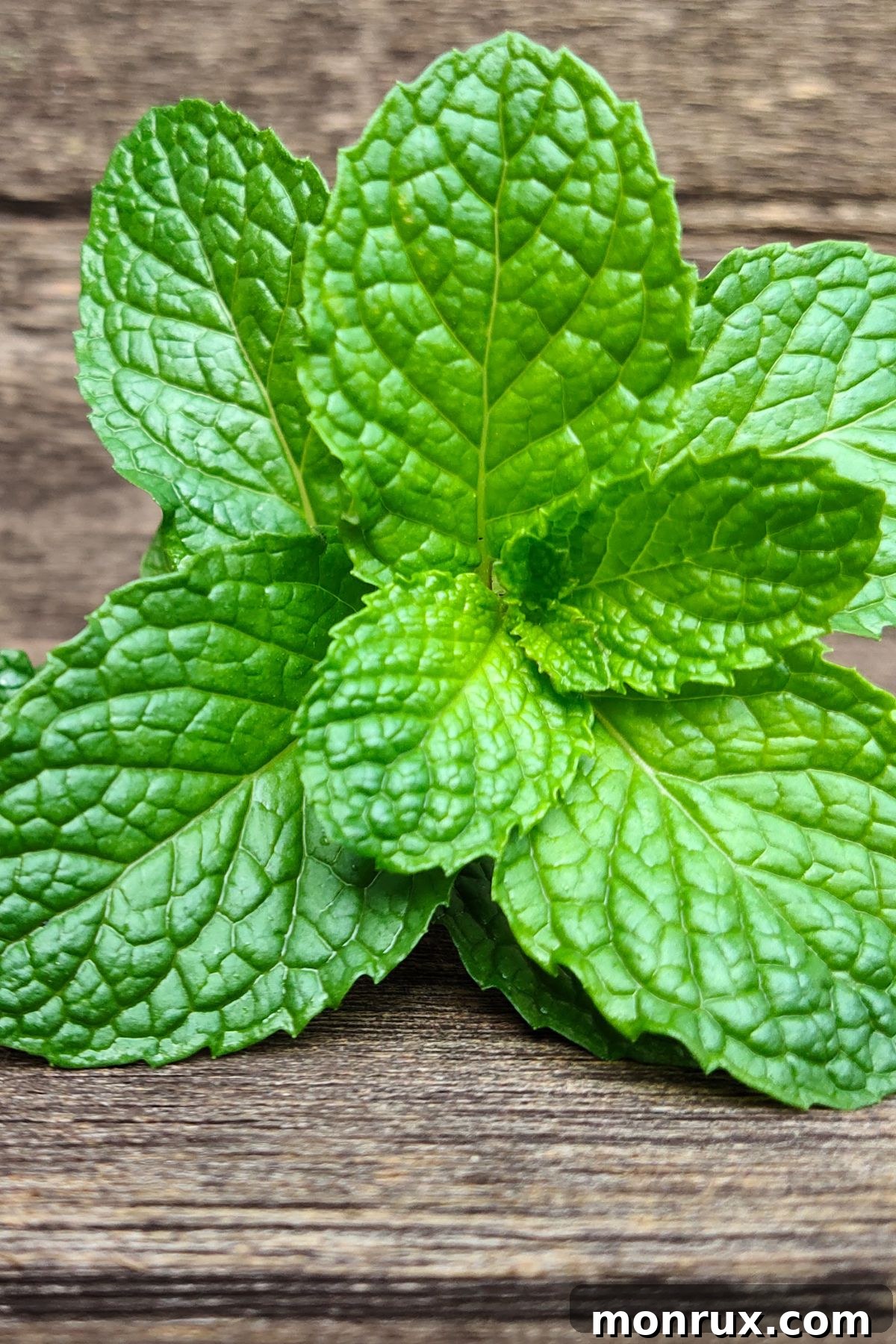
Peppermint, a hybrid of watermint and spearmint, stands apart from typical garden mint varieties due to its higher menthol content. This gives it a more intense, distinctly minty flavor and a pronounced cooling effect, making it incredibly invigorating in juices. You can easily cultivate fresh peppermint in your vegetable garden, where it tends to spread enthusiastically, or find it in select grocery stores. The primary benefit of peppermint lies in its menthol, which helps relax the muscles in your digestive system, effectively easing discomfort and promoting better digestion. While peppermint oil is not recommended for pregnant or breastfeeding women, the fresh leaves are generally considered safe for most people in culinary amounts.
Recommended Juicing Combinations
- Green Apple Peppermint Digestif: Blend fresh peppermint leaves with crisp green apples for a tart yet sweet drink that’s excellent for aiding digestion.
- Cucumber-Lime Peppermint Quencher: For a truly cooling and hydrating juice on a hot day, combine peppermint with fresh cucumber and a dash of lime.
- Blueberry-Beet Peppermint Antioxidant Boost: To significantly boost your antioxidant intake, blend peppermint with nutrient-dense blueberries and sweet, earthy beets.
11. Rosemary
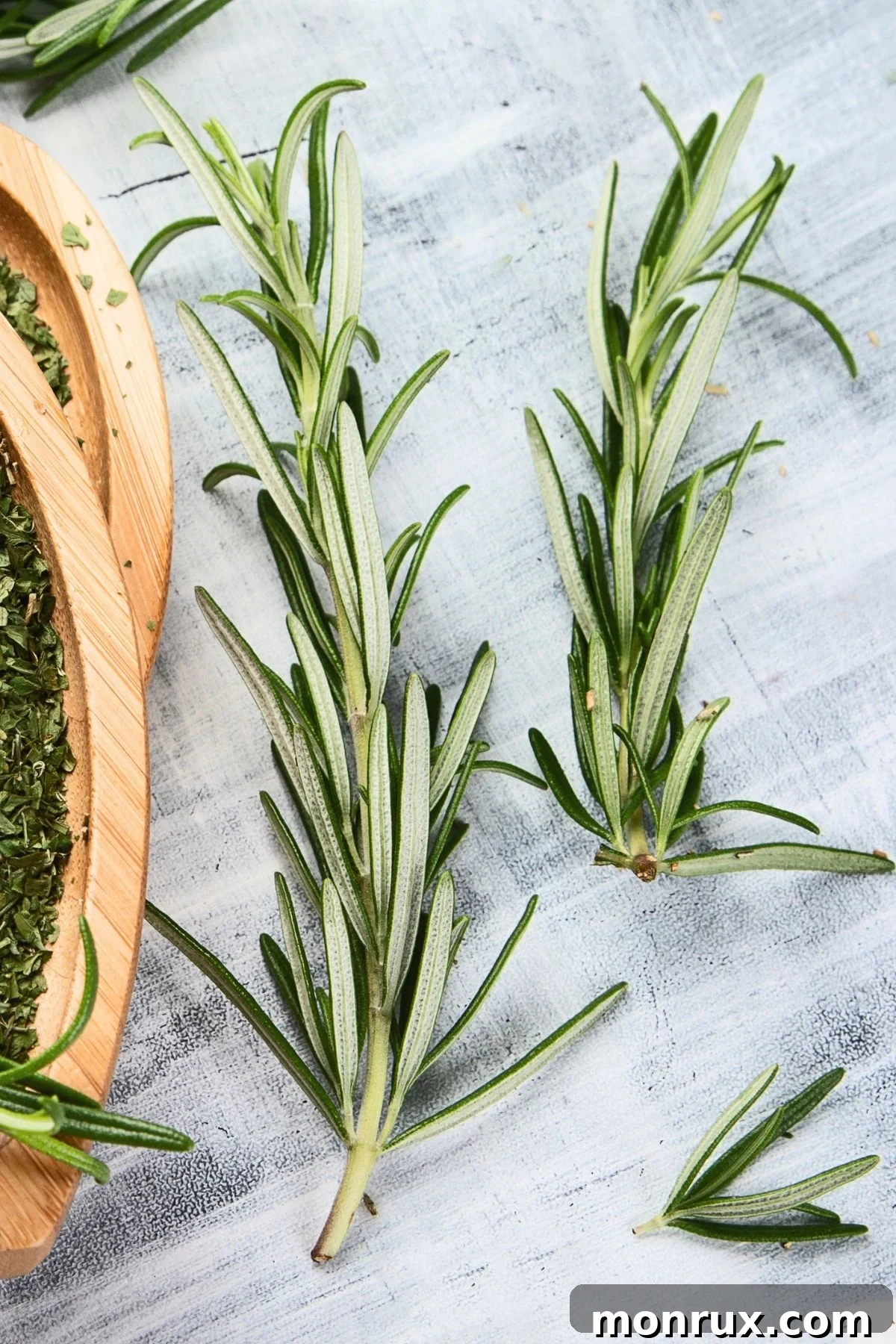
Rosemary, an evergreen herb with woody stems and needle-like leaves, is easily found in most grocery stores and boasts a very distinctive, aromatic flavor with hints of pine and lemon. Its pungency means a little goes a long way, so use it sparingly to avoid overpowering your juice, but it’s a fantastic addition for unique herbal notes. Beyond its powerful flavor, rosemary is a recognized nutritional powerhouse, known to relieve pain, potentially boost memory, and possess significant anti-inflammatory properties. I even love it in my Rosemary Coffee recipe! It is safe in the small quantities typically used in food preparation. However, pregnant individuals should avoid consuming excessive amounts, as it may stimulate uterine contractions.
Recommended Juicing Combinations
- Grapefruit Rosemary Revitalizer: Rosemary pairs perfectly with the tangy, somewhat bitter flavor of grapefruit, creating a sophisticated and invigorating juice.
- Apple-Celery Rosemary Balance: The intense flavor of rosemary beautifully balances the sweetness of apple and the crisp freshness of celery, resulting in a complex and satisfying drink.
- Carrot-Lemon Rosemary Earthiness: Alternatively, blend rosemary with naturally sweet fresh carrots and add a squeeze of lemon juice to brighten the earthy notes.
12. Sage
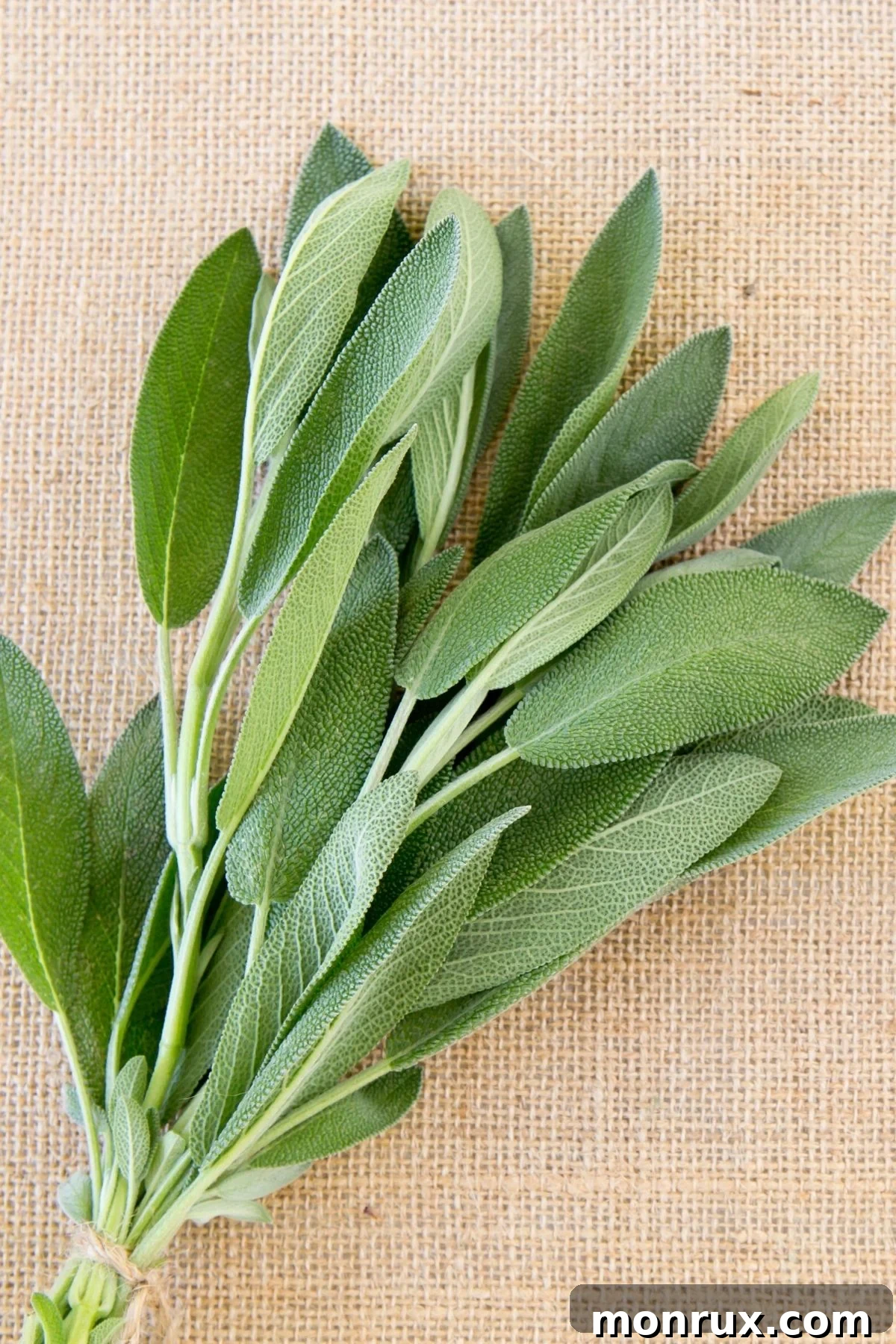
Sage, a member of the mint family, features fuzzy green leaves and a strong, earthy flavor profile with intriguing notes of pepper and mint. It’s widely available in grocery stores and also grows easily in pots, allowing you to have fresh sage readily accessible at home. This herb is a rich source of antioxidants and high in vitamin K, supporting overall health. Studies suggest it may improve insulin sensitivity and potentially help lower cholesterol levels. While generally safe for most individuals, like rosemary, it should be avoided in large amounts during pregnancy. Additionally, some varieties of sage contain thujone, a compound that may be toxic to the brain in very large quantities, but this is typically not a concern with culinary use.
Recommended Juicing Combinations
- Apple-Cucumber Sage Mellow: Sage’s robust flavor mellows beautifully when blended with the sweetness of apple and the refreshing neutrality of cucumber.
- Carrot-Orange Sage Warmth: It also tastes great when combined with naturally sweet carrots and vibrant orange juice, creating a warming drink with subtle, inviting flavors.
- Pear-Ginger Sage Fusion: Alternatively, mix sage with sweet pear and a kick of ginger for a comforting and subtly spicy drink that offers a unique taste experience.
13. Thyme
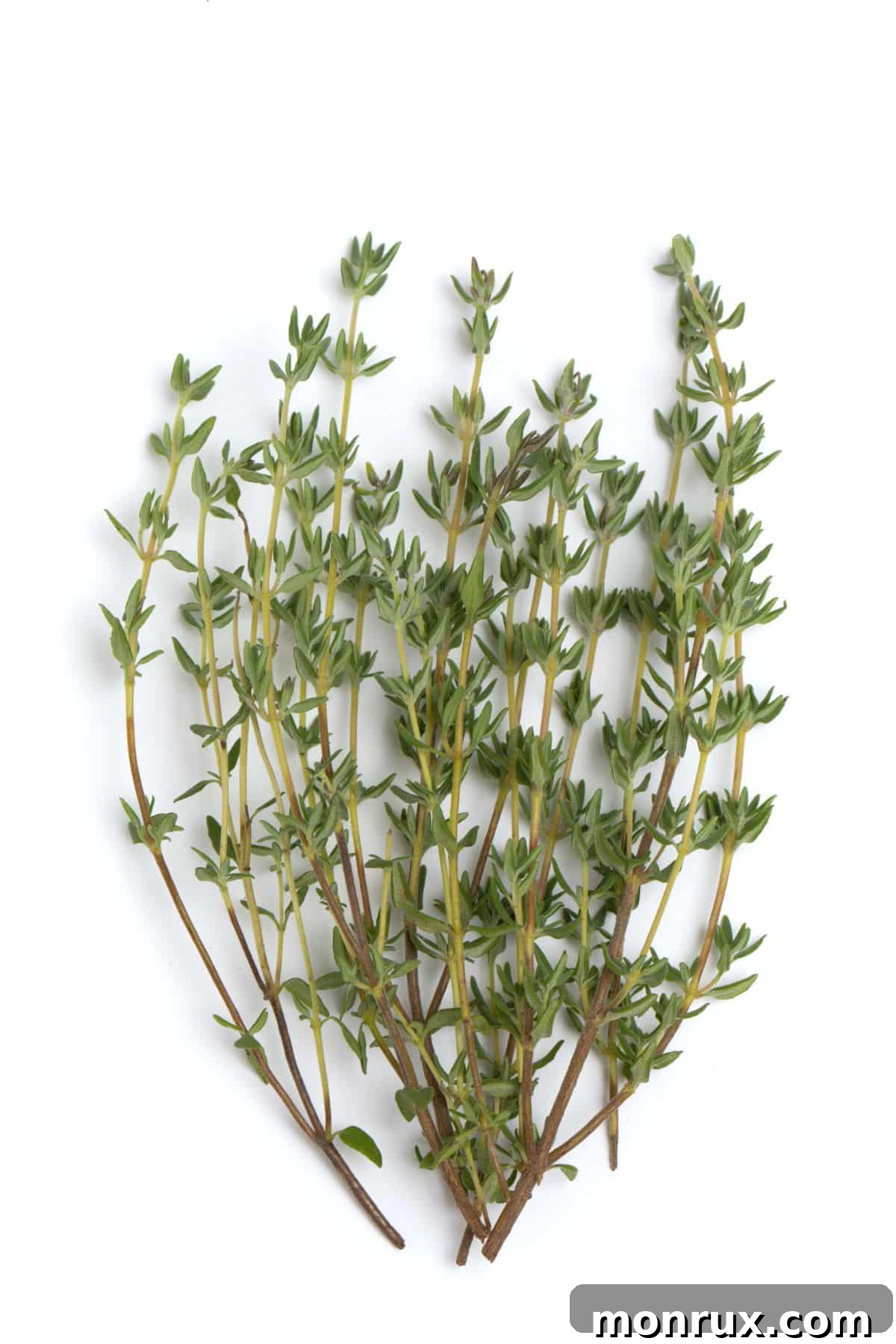
Thyme, a readily available perennial shrub and another cherished member of the mint family, offers an earthy flavor with subtle hints of mint and lemon. It is generally more nuanced than stronger herbs like rosemary, meaning it won’t dominate the flavors of other ingredients in your juice, but rather complement them. Thyme has a long history in traditional medicine and is truly packed with beneficial nutrients, including vitamins A and C, copper, fiber, iron, and manganese. These components contribute to its widespread health-promoting properties. When used in small, culinary amounts, thyme is considered safe for most people, making it an excellent and healthy addition to your juicing repertoire.
Recommended Juicing Combinations
- Watermelon-Mint Thyme Refresh: Thyme’s versatility shines when blended with hydrating watermelon and cooling mint, creating a sweet and incredibly refreshing combination perfect for any time of day.
- Carrot-Apple Thyme Earthiness: It’s equally delightful when paired with sweet carrots and crisp apples, adding a sophisticated earthy undertone to a classic juice blend.
- Lemon-Honey Thyme Cold Buster: If you’re seeking a boost during cold season, try blending thyme with lemon juice, water, and a touch of honey for a soothing and immune-supportive drink.
Bonus Herb Suggestions
If the extensive list above hasn’t satisfied your adventurous juicing spirit, there are even more powerful herbs to consider. Explore options like milk thistle, purslane, nettles, borage, holy basil, and sorrel. These herbs often boast more specific medicinal properties. For guidance on their benefits and proper usage in your juicing routine, it is highly recommended to consult with a qualified herbalist or your healthcare provider to ensure they are appropriate for your individual needs.
FAQs About Juicing Herbs
Yes, absolutely. Herbs are potent natural compounds that can interact with certain medications, exacerbate existing health conditions, or trigger allergic reactions in sensitive individuals. For example, some herbs are high in Vitamin K, which can affect blood thinners, while others might be contraindicated during pregnancy. It is always recommended to consult with a healthcare provider or a qualified herbalist before adding new herbs to your diet, especially if you have underlying health issues or are on medication.
Indeed, there are several herbs with known toxicities that should never be juiced or consumed without expert guidance. These include, but are not limited to, wormwood, comfrey, ephedra, pennyroyal, and chaparral. These herbs can cause serious adverse effects. Always err on the side of caution and consult an herbalist or healthcare provider to identify herbs that should be avoided or used with extreme care.
Fresh herb juice can be efficiently made using either a dedicated juicer or a high-speed blender. For a juicer, simply feed a small handful of herbs along with high-water content fruits or vegetables. If using a blender, combine a small handful of herbs with water or a hydrating fruit/vegetable base, blend until smooth, then strain the mixture through a fine-mesh sieve or nut milk bag for a pulp-free juice. This ensures a smooth texture and potent flavor.
No, dried herbs are generally not suitable for juicing. They lack the natural water content necessary for effective juicing and will not yield any liquid. Moreover, their concentrated flavor can be overwhelming, and their texture will result in a gritty or unpalatable drink. Fresh herbs are always the best choice for juicing because they blend or juice smoothly, offering a lighter, cleaner flavor and optimal nutrient extraction.
Because herbs are highly concentrated in flavor and beneficial compounds, a small handful (roughly 1/4 to 1/2 cup, depending on the herb’s intensity) is usually sufficient for one batch of juice. It’s always best to start with a smaller amount and gradually increase it to your desired taste and tolerance. This approach helps maintain flavor balance and prevents any unwanted side effects from over-consumption.
Some people do juice wild herbs, but this practice requires extreme caution and expertise. It is absolutely crucial to only use herbs that you can confidently and accurately identify. Many wild plants resemble edible herbs but are highly toxic. Furthermore, ensure that any wild herbs you forage come from areas free of pesticides, herbicides, pollutants, and animal contamination. If in doubt, it’s always safest to stick to commercially available and clearly identified culinary herbs.
Explore More Juicing Resources!
Conclusion: Embrace Herbal Juicing
Incorporating fresh herbs into your juicing routine is a simple yet profound way to unlock a broad spectrum of nutrients and an exciting world of flavors. Each herb, with its unique profile and health benefits, offers an opportunity to transform your daily juice into a potent elixir for well-being. From boosting digestion and fighting inflammation to simply adding a refreshing zing, the advantages are undeniable.
Don’t hesitate to experiment with these tasty juice combinations, and feel empowered to create your own unique blends. The beauty of herbal juicing lies in its versatility and the good news is that most fresh culinary herbs contribute positively to overall health and taste wonderfully too. So, grab your juicer, gather your favorite herbs, and embark on a flavorful journey towards enhanced vitality!
Don’t forget to join my newsletter list to get exclusive clean eating recipes and tips. The newsletter is 100% free with no spam; unsubscribe anytime.
About the Author: Carrie Forrest has a master’s degree in public health with a specialty in nutrition and is a certified holistic nutritionist. She is a top wellness and food blogger with over 5 million annual visitors to her site. Carrie has an incredible story of recovery from chronic illness and is passionate about helping other women transform their health. Send her a message through her contact form.
Note: this post is for informational purposes only and is not intended as medical advice. Please consult your healthcare provider for recommendations related to your individual situation.