If you find yourself in the middle of a recipe requiring Chinese five-spice powder only to realize your pantry is bare, don’t fret! This unique and aromatic spice blend is a cornerstone of Chinese cuisine, but several fantastic substitutes can deliver a similar, delicious flavor profile to your dishes. This comprehensive guide will explore the best alternatives, including popular spice blends like garam masala, baharat, and ras el hanout, as well as single spices like allspice and pumpkin pie spice, ensuring your culinary creations never miss a beat.
Unveiling Chinese Five-Spice Powder: A Culinary Foundation
For anyone who appreciates the rich and complex flavors of Chinese cuisine, the wonderfully warm and intricate aroma of five-spice powder is unmistakable. Also known as Chinese spice blend, this iconic mixture is a staple in many traditional dishes, offering a harmonious balance that delights the palate.
The Core Components: Five Distinct Spices
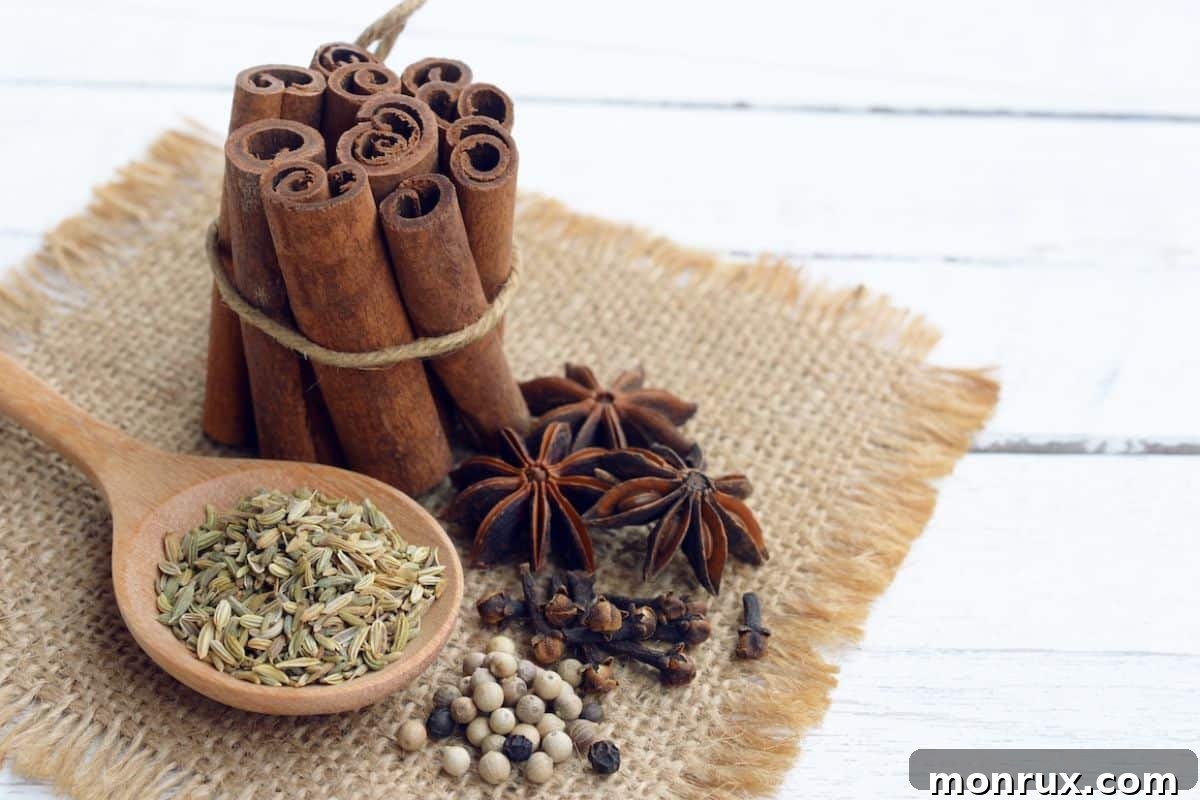
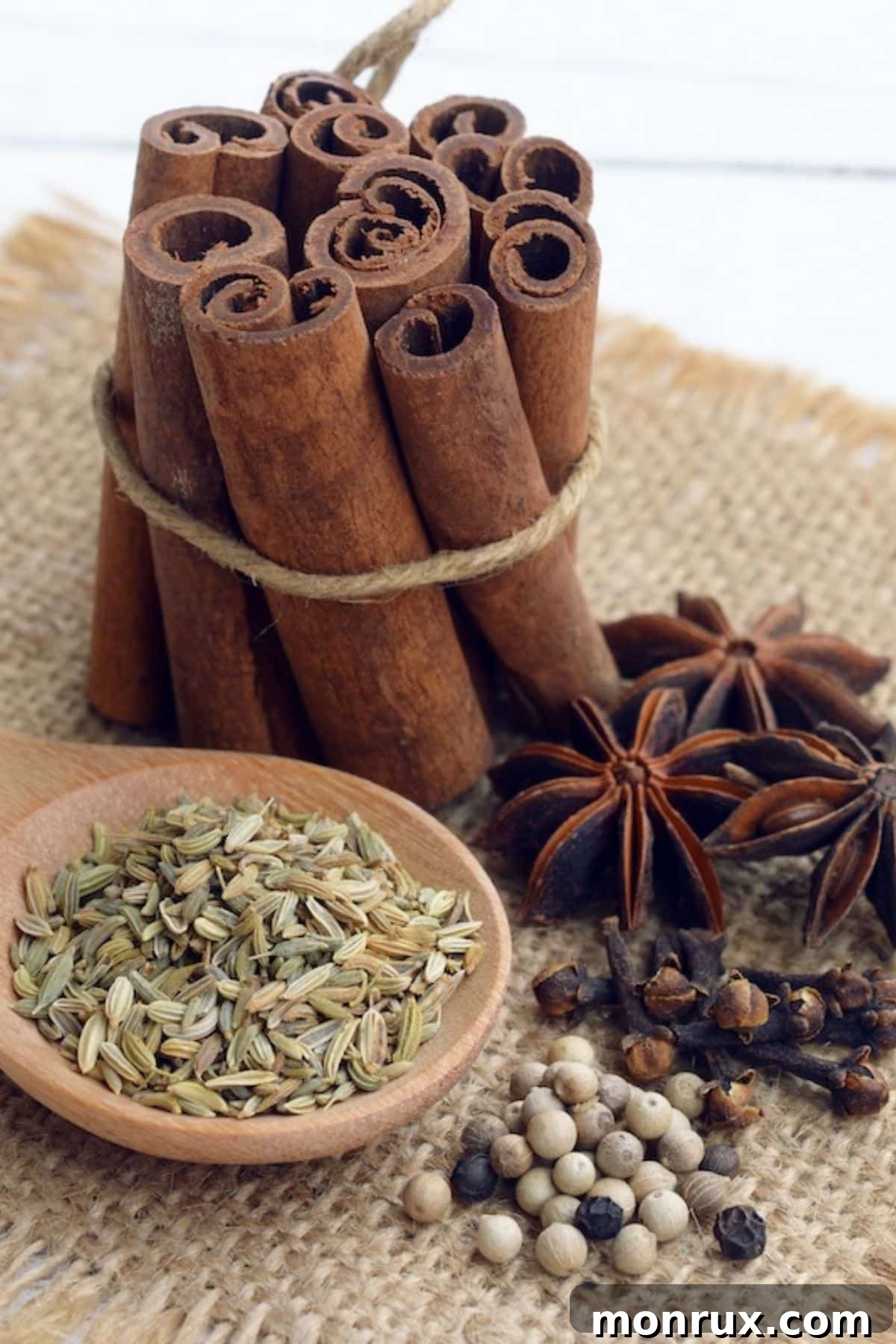
Traditionally, Chinese five-spice powder is crafted from a precise blend of five key spices, each contributing a unique note to the overall symphony of flavor:
- Star Anise: This beautiful, star-shaped spice delivers a pronounced licorice-like sweetness, often described as warm and slightly peppery. It is a fundamental component, providing a distinct aromatic anchor.
- Fennel Seeds: With a milder anise flavor than star anise, fennel seeds add a subtle sweetness and a fresh, aromatic quality that complements the other spices beautifully.
- Cloves: Known for their intense, pungent, and sweet aroma, cloves contribute a rich, warm, and spicy depth to the blend, essential for its characteristic complexity.
- Cinnamon: Typically Chinese cinnamon (Cassia), this spice introduces a sweet, woody, and slightly peppery warmth. It’s often more robust and less delicate than Ceylon cinnamon, providing a strong backbone to the blend.
- Sichuan Peppercorns: Also known as Szechuan peppercorns or black peppercorns (though distinctly different from common black pepper), these unique berries offer a mild, citrusy, and slightly woody flavor followed by a characteristic “mala” sensation – a tingling, numbing feeling on the tongue that is highly prized in Chinese cooking.
A Balance of Flavors and Cultural Significance
This carefully selected blend is designed to embody the five fundamental elements of flavor prevalent in Chinese food philosophy: sweet, sour, salty, bitter, and umami. The interplay of these flavors creates a balanced and satisfying taste experience that is both deep and invigorating.
Beyond its culinary appeal, Chinese five-spice powder carries profound cultural symbolism. In Chinese tradition, this perfect combination of ingredients represents harmony and is believed to align with the five elements of the cosmos: wood, fire, earth, metal, and water. This deep connection extends to Chinese medicine, where the ideal balance of these spices is thought to promote overall well-being. Furthermore, it is often considered a bringer of good fortune when shared as a gift or incorporated into cherished family recipes.
Potential Health Benefits of Five-Spice Ingredients
The individual spices that make up Chinese five-spice powder are not only delicious but also recognized for their significant potential health benefits, backed by various scientific studies:
- Cinnamon: A powerhouse of health, cinnamon is well-documented for its potent anti-inflammatory properties. It also helps reduce oxidative stress, effectively shielding the body from the damaging effects of harmful substances known as “free radicals.”
- Sichuan Peppercorns: These distinctive peppercorns offer more than just a unique sensation. Research indicates they possess anti-inflammatory, antioxidative, antibacterial, and even anti-obesity properties, making them a valuable addition to your diet.
- Star Anise: Sharing several properties with its counterparts, star anise is particularly noted for its hypolipidemic effects. This means it can help lower blood levels of cholesterol and triglycerides, playing a crucial role in supporting heart health and reducing the risk of cardiovascular disease.
- Fennel Seeds: Often used for their digestive benefits, fennel seeds are also being studied for their potential anti-cancer properties, highlighting their multifaceted health advantages.
- Cloves: These intensely aromatic buds are exceptional sources of antioxidants, which combat oxidative stress and contribute to overall cellular health.
To maximize these potential health benefits and achieve the most vibrant and complex flavor profile, it is highly recommended to use fresh, whole spices whenever possible. Toasting whole spices lightly in a dry pan before grinding can further unlock their aromatic oils and deepen their flavor. A coffee grinder or a dedicated spice grinder can then be used to create a fine powder, allowing you to craft your own superior spice blends at home.
Substitutes for Chinese Five-Spice Powder
When a recipe calls for Chinese five-spice powder and you find yourself without it, a variety of excellent alternatives can step in to save your dish. Let’s explore each option, comparing their flavor profiles and how they perform in various Chinese and international recipes.
1. Garam Masala
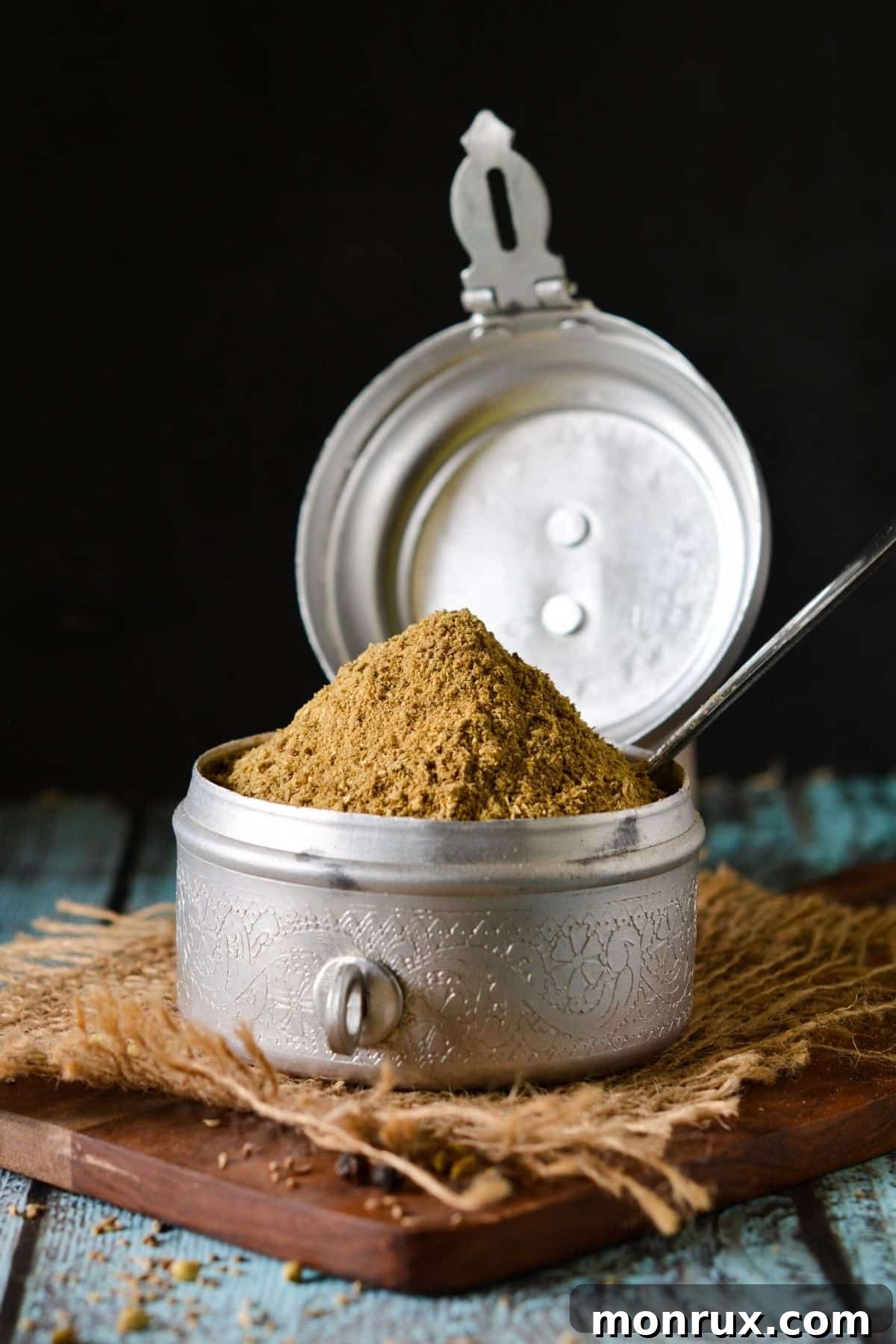
Garam masala, a beloved spice blend from Indian cuisine, is not a single spice but a fragrant mixture of ground spices. Much like Chinese five-spice powder, it is often believed to bring balance to the body and may aid digestion, regulate blood pressure, increase nutrient absorption, and even boost metabolism.
This warm and incredibly flavorful combination is a fantastic addition to many meat dishes, soups, and stews. While the exact ingredients can vary by region and household, garam masala typically features a blend of warming spices such as cloves, cinnamon, black pepper, coriander, cumin, cardamom, and nutmeg. The resulting blend is generally less sweet than five-spice powder. If you prefer a sweeter profile closer to traditional five-spice, you can easily mitigate this difference by adding a little extra cinnamon or a pinch of sugar to your dish.
A notable difference is that garam masala typically lacks the distinctive licorice notes of star anise and fennel seeds found in Chinese five-spice powder. If these flavors are crucial to your recipe, consider adding a pinch of ground star anise or fennel seeds to your garam masala. Alternatively, seek out a garam masala blend that already includes fennel. Overall, garam masala is a highly versatile and very good substitute, especially for savory applications, offering a rich, aromatic warmth that complements many Chinese dishes beautifully.
For those interested in making their own, you can find a reliable garam masala recipe here.
Substitution Ratio: To replace one teaspoon of Chinese five-spice powder, use one teaspoon of garam masala. Adjust for sweetness or anise flavor as desired.
2. Allspice
Despite its name, allspice is not a blend of multiple spices but a single Caribbean spice derived from the dried, unripe berries of the Pimenta dioica tree. Its name comes from the fact that its flavor profile remarkably combines notes of cloves, nutmeg, and cinnamon, with hints of black pepper – essentially, “all the spices.”
This makes allspice one of the most effective and straightforward substitutes for Chinese five-spice powder, particularly when you’re looking for that warm, complex spice signature without the distinctive licorice or “mala” notes. Allspice is comparable in terms of its nutritional value, being rich in antioxidants. It excels when used to season various meats like pork and chicken, and adds wonderful depth to soups and stews.
Its naturally sweet and pungent notes also make allspice a fantastic ingredient for baked goods and desserts, ranging from classic apple pie to rich chocolate mousse. Its versatility across both sweet and savory applications makes it a powerful single-ingredient stand-in.
Substitution Ratio: To replace one teaspoon of Chinese five-spice powder, use one teaspoon of allspice.
3. Pumpkin Pie Spice
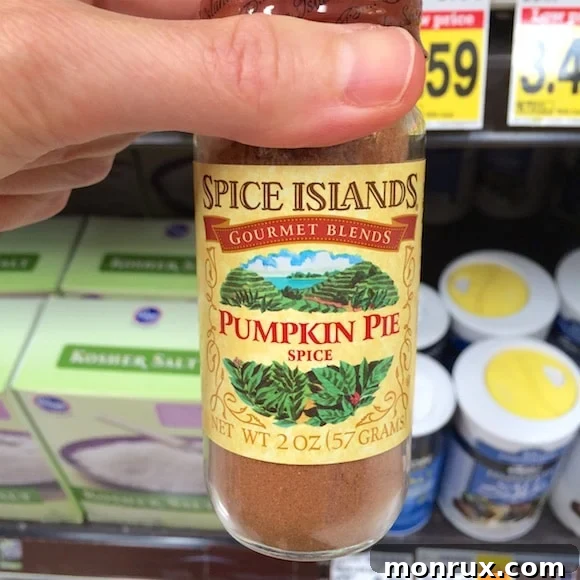
While pumpkin pie spice may not perfectly replicate the intricate taste of Chinese five-spice powder, it is a widely available and convenient substitute when you’re in a pinch. Its common availability makes it an easy go-to for many home cooks.
Most versions of pumpkin pie spice contain a comforting mixture of cinnamon, nutmeg, ginger, cloves, and occasionally allspice. The resulting flavor is sweet, warm, and inviting, making it a natural fit for autumnal and sweet dishes. However, it distinctly lacks the prominent licorice notes of star anise and fennel, as well as the unique citrusy bite and tingling sensation of Sichuan peppercorns, which are hallmarks of authentic five-spice powder.
Given its profile, pumpkin pie spice is best suited for sweet dishes such as baked goods, seasonal desserts, and breakfast items. Nevertheless, if you enjoy the intriguing interplay of sweet and savory flavors, it can add an unexpected and delightful twist to certain savory recipes, particularly those involving pork or root vegetables. Just be mindful of its lack of complexity compared to five-spice powder and consider supplementing with a tiny bit of ground black pepper if a more savory depth is desired.
Substitution Ratio: To replace one teaspoon of Chinese five-spice powder, use one teaspoon of pumpkin spice.
4. Chinese Cinnamon (Cassia) with Cloves
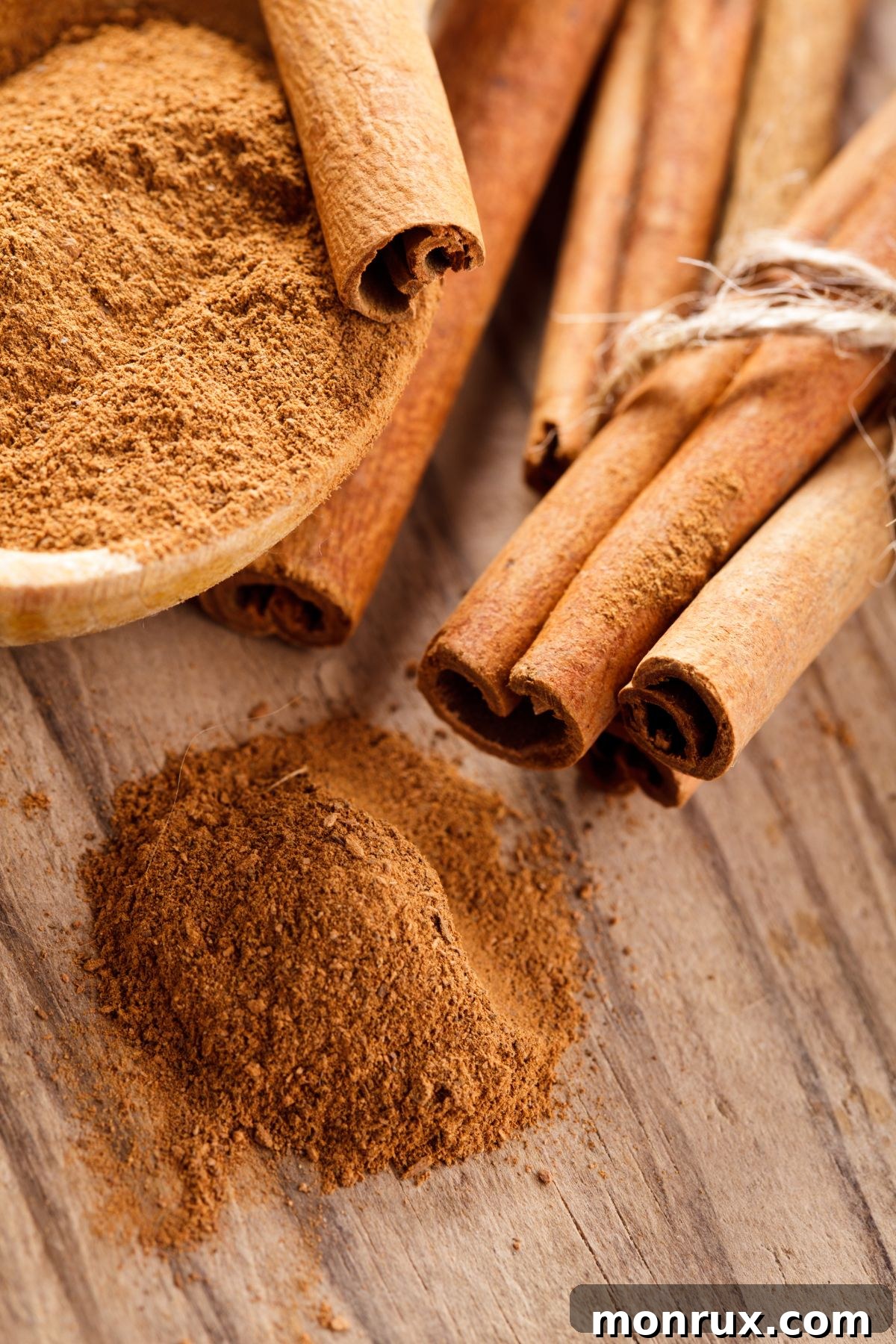
If your recipe particularly benefits from the warm, aromatic cinnamon notes that are a significant part of five-spice powder’s flavor profile, a simple blend of Chinese cinnamon and cloves can serve as an effective substitute. This combination captures a core essence of the traditional blend.
Chinese cinnamon, also widely known as cassia, is the variety commonly found in five-spice powder and is the type you’ll most frequently encounter in grocery stores. It is characterized by its intense, slightly coarser, and often more pungent flavor compared to other varieties. This robust taste provides the deep, woody, and slightly bitter notes necessary for this substitution to be successful. It stands in contrast to Ceylon ground cinnamon, which is generally more expensive and boasts a much more delicate, sweeter, and nuanced flavor that would be less suitable here.
By pairing the strong character of cassia with the rich, spicy punch of ground cloves, you can create a simplified yet impactful alternative. While this blend will miss the licorice notes of star anise and fennel, and the unique “mala” of Sichuan peppercorns, it will deliver a powerful and comforting warmth that is perfect for dishes where cinnamon is meant to shine.
Substitution Ratio: To replace one teaspoon of Chinese five-spice powder, use ¾ teaspoon of ground Chinese cinnamon (cassia) with ¼ teaspoon of ground cloves.
5. Baharat
Baharat is a versatile and aromatic Middle-Eastern spice mixture, whose name simply means “spices” in Arabic. While it originates from a different culinary tradition, its complex and slightly sweet profile makes it a surprisingly good alternative to Chinese five-spice powder, especially for savory dishes.
Typical baharat blends often include black pepper, coriander, paprika, cardamom, nutmeg, cumin, cloves, and sometimes cinnamon or mint. This combination creates a deeply warm, earthy, and savory flavor with a subtle sweetness that adds incredible depth to food. Although baharat does not contain the distinct anise or licorice notes of five-spice powder, its rich complexity provides a wonderfully aromatic warmth that can enhance a wide array of dishes.
I find baharat to be incredibly versatile, working exceptionally well in meat dishes, stews, soups, and roasted vegetables. Its robust flavor profile makes it an excellent choice for adding an exotic and aromatic dimension to your Chinese-inspired recipes, even without a direct flavor match to every component of five-spice powder. It’s a great way to introduce new layers of flavor when aiming for a warm, savory spice blend.
Substitution Ratio: To replace one teaspoon of Chinese five-spice powder, use one teaspoon of Baharat.
6. Ras el Hanout
Ras el Hanout is a renowned Moroccan spice blend, celebrated for its incredible aromatic complexity and versatility. Its name, which translates to “Head of the Shop,” implies that it represents a blend of the finest spices a seller has to offer, showcasing their expertise and the quality of their ingredients. This often means there is no single definitive recipe, and some artisanal versions can contain an astonishing array of up to 80 different spices!
Despite this wide variation, most ras el hanout mixes share a common, flavorful base that includes nutmeg, cardamom, various peppers, mace, cloves, turmeric, ginger, and often a touch of anise or star anise, along with exotic additions like rosebuds or lavender. This intricate composition brings it remarkably close to the complex and multi-layered flavors found in Chinese five-spice powder, offering both warmth and a delicate perfume.
Ras el hanout is perfectly suited for meat and vegetable dishes, especially tagines, couscous, and roasted poultry. It is an exceptional way to infuse your cooking with depth, warmth, and a subtle spicy kick. Its aromatic richness can elevate simple ingredients into something truly extraordinary, making it a compelling substitute when you desire a sophisticated and fragrant spice profile.
Substitution Ratio: To replace one teaspoon of Chinese five-spice powder, use one teaspoon of Ras el Hanout.
7. Za’atar
Last but certainly not least on our list of alternatives to five-spice powder is the Middle-Eastern herb and spice mix, za’atar. While it stands as quite different from five-spice powder, its unique flavor profile offers a compelling and delicious twist that can surprise and delight in your dishes.
Za’atar is primarily composed of key ingredients such as earthy thyme, aromatic oregano, tart sumac, toasted sesame seeds, and a touch of salt. This blend delivers a distinctively tangy, nutty, herbaceous, and slightly woody flavor. It lacks the sweetness, licorice notes, and tingling sensation of five-spice powder, but its bright, citrussy undertones and savory depth can provide a wonderfully fresh and vibrant character to your cooking.
Try incorporating za’atar into your meat, vegetable, or chicken dishes, or add a little to soups, dips, and even flatbreads. It shines as a dry rub or mixed with olive oil as a marinade. Due to its potent and distinct flavor, it’s advisable to start with a smaller amount than you would with five-spice powder and adjust to your taste. Its uniqueness makes it a fantastic option for those looking to experiment and introduce a new dimension to their favorite savory recipes.
Substitution Ratio: To replace one teaspoon of Chinese five-spice powder, use 1/3 teaspoon of za’atar. Adjust cautiously to taste.
Cooking With Chinese Five-Spice: Beyond Substitutes
The warm, aromatic, and complex flavor of authentic Chinese five-spice powder makes it an incredibly versatile ingredient in a multitude of culinary applications. It’s not just for Chinese cuisine; its unique blend can elevate a wide range of dishes, adding an exotic and appealing depth.
Traditionally, five-spice powder is often utilized as a robust marinade for roasted meats such as succulent pork belly, crispy Peking duck, or tender chicken. Its powerful flavor penetrates the meat, infusing it with layers of sweetness, warmth, and a subtle kick. Beyond marinades, it’s a stellar addition to slow-cooked dishes like braised short ribs, hearty stews, and flavorful soups, enriching their broth and providing a comforting aroma.
But the versatility doesn’t stop there. Five-spice powder can add an exciting dimension to vegetable dishes, vegetarian stir-fries, and tofu, transforming simple ingredients into a gourmet experience. For the adventurous cook, it can even supply a unique and unexpected twist of flavor to spiced cookies, cakes, and other baked goods, offering an intriguing alternative to traditional dessert spices.
During the holiday season, Chinese five-spice powder is a cherished ingredient, bringing its rich, spicy notes to festive beverages like mulled wine, adding an extra layer of warmth and complexity. No matter how you use it, proper storage is key to maintaining its potency. Always keep your five-spice powder in an airtight container in a cool, dark place, away from direct sunlight and heat, to preserve its vibrant flavor and aroma for as long as possible.
More Articles on Substituting Ingredients
Conclusions
Navigating your kitchen without a specific ingredient like Chinese five-spice powder doesn’t have to be a culinary roadblock. With a little creativity and the right substitutes, you can still achieve fantastic flavors in your dishes. This guide has provided you with a variety of excellent alternatives, each offering a unique spin on the beloved spice blend. We encourage you to experiment and discover your perfect five-spice powder substitute that best suits your palate and recipe.
For the closest flavor match, particularly for savory dishes, we highly recommend trying garam masala (perhaps with a dash of extra cinnamon for added sweetness) or allspice due to their complex, warming profiles. However, if you’re feeling adventurous and wish to introduce new dimensions to your savory recipes, exploring baharat, ras el hanout, or even za’atar can lead to surprisingly delightful and innovative results. These blends, while distinct, bring their own intricate warmth, earthiness, or brightness that can transform your dishes in exciting ways. Happy cooking!
Don’t forget to join my newsletter list to get exclusive clean eating recipes and tips. The newsletter is 100% free with no spam; unsubscribe anytime.
About the Author: Carrie Forrest has a master’s degree in public health with a specialty in nutrition and is a certified holistic nutritionist. She is a top wellness and food blogger with over 5 million annual visitors to her site. Carrie has an incredible story of recovery from chronic illness and is passionate about helping other women transform their health. Send her a message through her contact form.