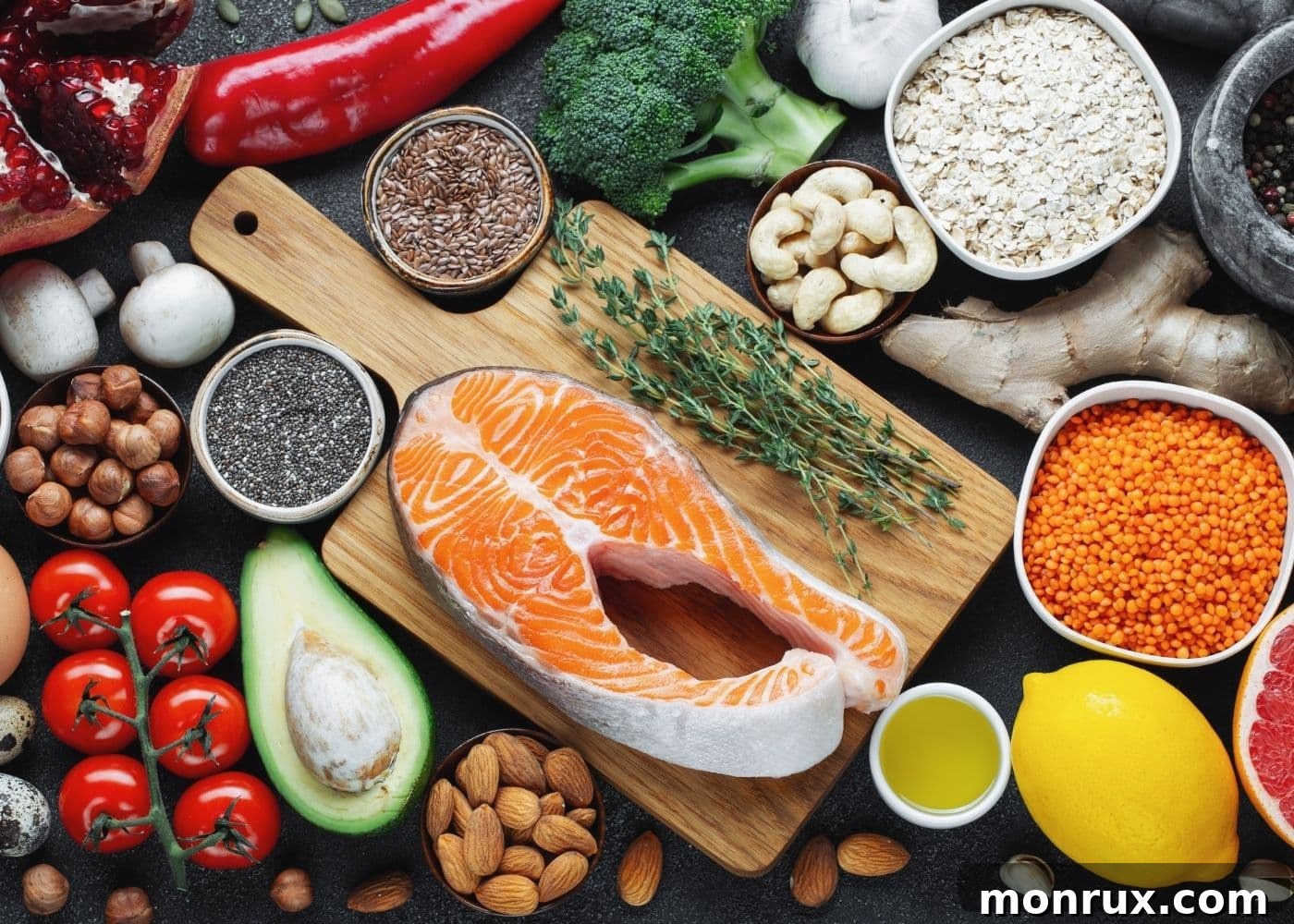
Navigating the vast ocean of dietary advice and health recommendations can often feel overwhelming. With countless diet trends emerging and fading, distinguishing fact from fad becomes a genuine challenge. This comprehensive guide aims to cut through the confusion, offering a clear and actionable path towards optimal health through a “real food” approach. We will explore the fundamental principles of healthy eating, delve into the essential categories of nutrients your body needs, and provide practical strategies for building balanced meals. Crucially, this article highlights ten of the healthiest foods you should consider eating every day to nourish your body and support long-term well-being. By focusing on whole, unprocessed ingredients, you can empower yourself to make informed choices that genuinely benefit your health.
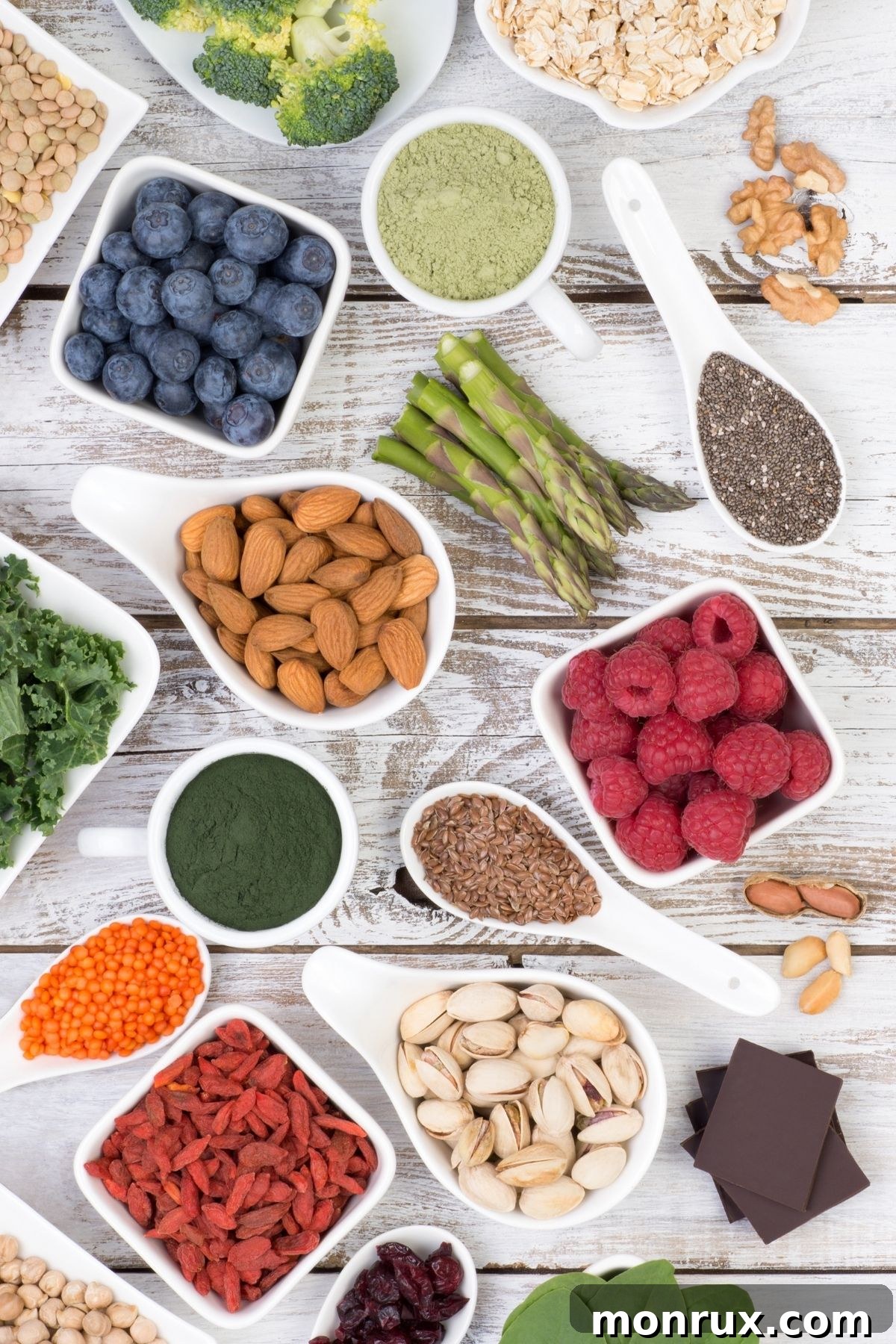
What Defines Daily Healthy Eating?
In an age where dietary trends shift with alarming frequency, one constant remains a cornerstone of nutritional science: the profound benefits of consuming more real, whole foods and significantly reducing our intake of processed and ultra-processed items. “Real foods” are fundamentally those that remain in their natural, unadulterated state, or are minimally processed without added sugars, unhealthy fats, or artificial ingredients. Conversely, ultra-processed foods often come in boxes, bags, or other convenient packaging, containing an array of additives designed for flavor enhancement and extended shelf life, rather than nutritional value.
A balanced daily intake of these whole foods forms the foundation of robust health. On average, a healthy adult woman typically requires around 2,000 calories per day to maintain her weight and energy levels. This figure, however, is not one-size-fits-all. It can fluctuate considerably based on factors like activity level, age, metabolic rate, and specific life stages such as pregnancy or breastfeeding. Men, generally having a higher muscle mass, tend to need closer to 2,500 calories daily. For women, even the menstrual cycle can influence daily caloric needs, making it vital to tune into your body’s unique signals. Understanding these individual variations is key to sustainable healthy eating.
Prioritizing whole foods means consciously choosing ingredients that offer maximum nutritional density. Think fresh fruits, a wide variety of vegetables, lean proteins, healthy fats, and complex carbohydrates. These choices provide your body with the essential vitamins, minerals, and energy it needs to thrive, supporting everything from immune function to cognitive health. By moving away from packaged goods laden with artificial flavors and preservatives, you reduce your exposure to substances that can negatively impact gut health, blood sugar regulation, and long-term vitality. Adopting this philosophy simplifies healthy eating, making it less about restrictive diets and more about nourishing your body intelligently.
For those looking to optimize their diet further, understanding specific nutritional needs during different phases of life can be incredibly beneficial. For instance, tailored dietary approaches can support specific health goals, whether it’s for digestive health or recovery. You might find valuable insights in articles discussing what to eat after a colonoscopy or exploring the best soft foods after oral surgery, which emphasize nutrient-rich, easily digestible options.
Understanding Macronutrients: The Building Blocks of Your Diet
To truly master healthy eating, it’s essential to understand macronutrients – the three primary types of nutrients that your body needs in larger quantities for energy, growth, and repair. These are protein, fat, and carbohydrates. While individual needs vary, a basic guideline for macronutrient distribution within a 2,000-calorie daily intake often looks like this:
- Protein: Aim for 15-30% of your total daily calories, which translates to approximately 0.8-2 grams per kilogram of body weight. Protein is crucial for muscle repair and growth, hormone production, and enzyme function.
- Carbohydrates: This can range from 20-45% of your daily calories, depending significantly on your activity level and metabolic needs. Prioritize complex carbohydrates from a mix of green and starchy vegetables, whole grains, and fruits, which provide sustained energy and fiber.
- Fat: Consume healthy fats to satiety, typically making up 25-40% of your daily caloric intake. Fats are vital for hormone production, nutrient absorption (especially fat-soluble vitamins A, D, E, K), and brain health.
It’s important to remember that these are general recommendations. Men, children, and women in different life stages (e.g., pregnancy, lactation, menopause) will have distinct macronutrient needs. For instance, growing children require sufficient protein and healthy fats for development, while athletes may need higher carbohydrate intake to fuel intense training.
Each food item contributes to your macronutrient intake in varying proportions. For example, a piece of chicken provides both protein and some fat, while a serving of broccoli is primarily carbohydrates (specifically, fiber). A truly balanced diet integrates all three macronutrients from high-quality sources. Instead of rigidly counting grams, focus on incorporating a variety of whole foods that naturally offer a good balance. If you’re seeking a more precise, personalized plan, consulting with a registered dietitian or nutritionist can help you determine the exact macronutrient balance that best suits your unique health goals and lifestyle.
The Art of Plate Composition: Balancing Your Meals
For many, the idea of counting calories or meticulously tracking macronutrients can be daunting and unsustainable. A more intuitive and practical approach to daily healthy eating involves simply structuring your plate effectively at each meal, assuming you consume around three main meals a day. This visual “formula” helps most individuals achieve an appropriate macronutrient ratio and meet their caloric minimums without the stress of constant measurement.
Here’s a simple guideline to help you compose a balanced and satisfying plate:
- Protein: Allocate approximately ¼ of your plate to lean protein sources. This portion size can be visually estimated as roughly the size of your palm or an entire hand. Excellent choices include grilled chicken, fish, lean beef, tofu, tempeh, or legumes. Protein helps with satiety and provides essential amino acids.
- Starchy Carbohydrates: Dedicate another ¼ of your plate to starchy carbohydrates. This typically equates to about half a cup to one cup, depending on your energy needs. Examples include sweet potatoes, quinoa, brown rice, corn, or peas. These provide sustained energy and important fiber.
- Non-Starchy Carbohydrates (Vegetables): Make vegetables the star of your plate by filling ½ of it with non-starchy options. This generous portion, roughly one to three cups, ensures a high intake of vitamins, minerals, and fiber. Think leafy greens, broccoli, bell peppers, zucchini, or green beans.
- Healthy Fat: Incorporate about one to two tablespoons of added healthy fat into your meal or cooking. This could be olive oil for dressing, avocado slices, a sprinkle of nuts or seeds, or a small serving of full-fat dairy like Greek yogurt. Healthy fats are crucial for nutrient absorption and overall hormonal balance.
By consciously applying this plate composition strategy, you naturally create meals that are rich in nutrients, fiber, and protein, leading to increased satiety and stable blood sugar levels. This method encourages diversity in your diet and reduces reliance on processed foods, making healthy eating a more enjoyable and sustainable habit rather than a rigid set of rules.
Micronutrients: The Essential Invisible Helpers
Beyond the macronutrients that provide energy, our bodies rely heavily on micronutrients—the vitamins, minerals, and phytonutrients that are present in varying amounts in almost every whole food we consume. Though needed in smaller quantities, their roles are absolutely critical for countless bodily functions, from immune support and bone health to nerve function and energy production.
Every whole food offers a unique profile of micronutrients. Some foods are particularly dense in these vital compounds, often earning them the title of “superfoods.” Examples include nutrient powerhouses like cacao, which is rich in antioxidants, berries known for their vitamin C and anthocyanins, and liver, which is an exceptional source of vitamins A, B12, and iron. However, you don’t need exotic foods to get your micronutrients; common, colorful fruits and vegetables are also outstanding sources of antioxidants, a type of phytonutrient that helps protect your cells from damage.
The stark difference between real foods and processed foods becomes most apparent when examining their micronutrient content. Real, whole foods are typically brimming with naturally occurring vitamins, minerals, and beneficial plant compounds. In contrast, processed and ultra-processed foods often contain minimal naturally occurring micronutrients. While some may be “fortified” with synthetic vitamins, these often lack the complete spectrum and bioavailability found in whole food sources.
Our bodies generally cannot manufacture their own micronutrients, necessitating their intake through diet. Organizations like the US government provide daily recommended intakes for each micronutrient to ensure optimal health. Deficiencies, even subtle ones, can lead to a wide range of health issues, from fatigue and weakened immunity to more severe chronic conditions. Therefore, prioritizing a diverse diet rich in colorful fruits, vegetables, and other whole foods is the most effective strategy to ensure a robust intake of these essential “invisible helpers” for overall vitality.
Top 10 Healthiest Foods to Incorporate into Your Daily Diet
Transitioning to a whole food or real food diet can seem like a significant undertaking, but it doesn’t have to be. A great starting point is to intentionally add some of the most nutrient-dense foods to your daily routine. The following list highlights ten exceptionally healthy foods that are packed with essential nutrients and contribute significantly to a balanced and healthy diet. While this list is not exhaustive and is not presented in any particular order of importance—as nature provides an incredible abundance of wholesome options—these selections offer a fantastic foundation for enhancing your nutritional intake. Incorporating even a few of these regularly can make a substantial difference in your overall health and well-being.
1. Nutrient-Packed Berries

Berries—including blueberries, raspberries, strawberries, and blackberries—are nutritional powerhouses. They are abundantly rich in antioxidants, particularly anthocyanins, which give them their vibrant colors and offer significant protective effects against cellular damage. Beyond antioxidants, berries are an excellent source of dietary fiber, promoting digestive health and aiding in satiety. Their low glycemic impact means they provide natural sweetness without causing rapid spikes in blood sugar, making them an ideal fruit choice for nearly everyone.
The health benefits of berries are extensively documented, ranging from improved heart health and reduced inflammation to enhanced cognitive function. Making them a daily dietary staple is surprisingly easy. Enjoy fresh berries plain as a quick, refreshing snack, or sprinkle them over yogurt, oatmeal, or whole-grain pancakes for a nutritious breakfast. When fresh berries are out of season or less accessible, frozen varieties are an equally nutritious and convenient option. Blend them into smoothies, such as a refreshing Blueberry Strawberry Smoothie or a vibrant Berry Kale Smoothie. Aim for at least half a cup of berries daily to reap their impressive health advantages; they primarily contribute to your carbohydrate intake.
2. Dark Leafy Greens: The Powerhouses
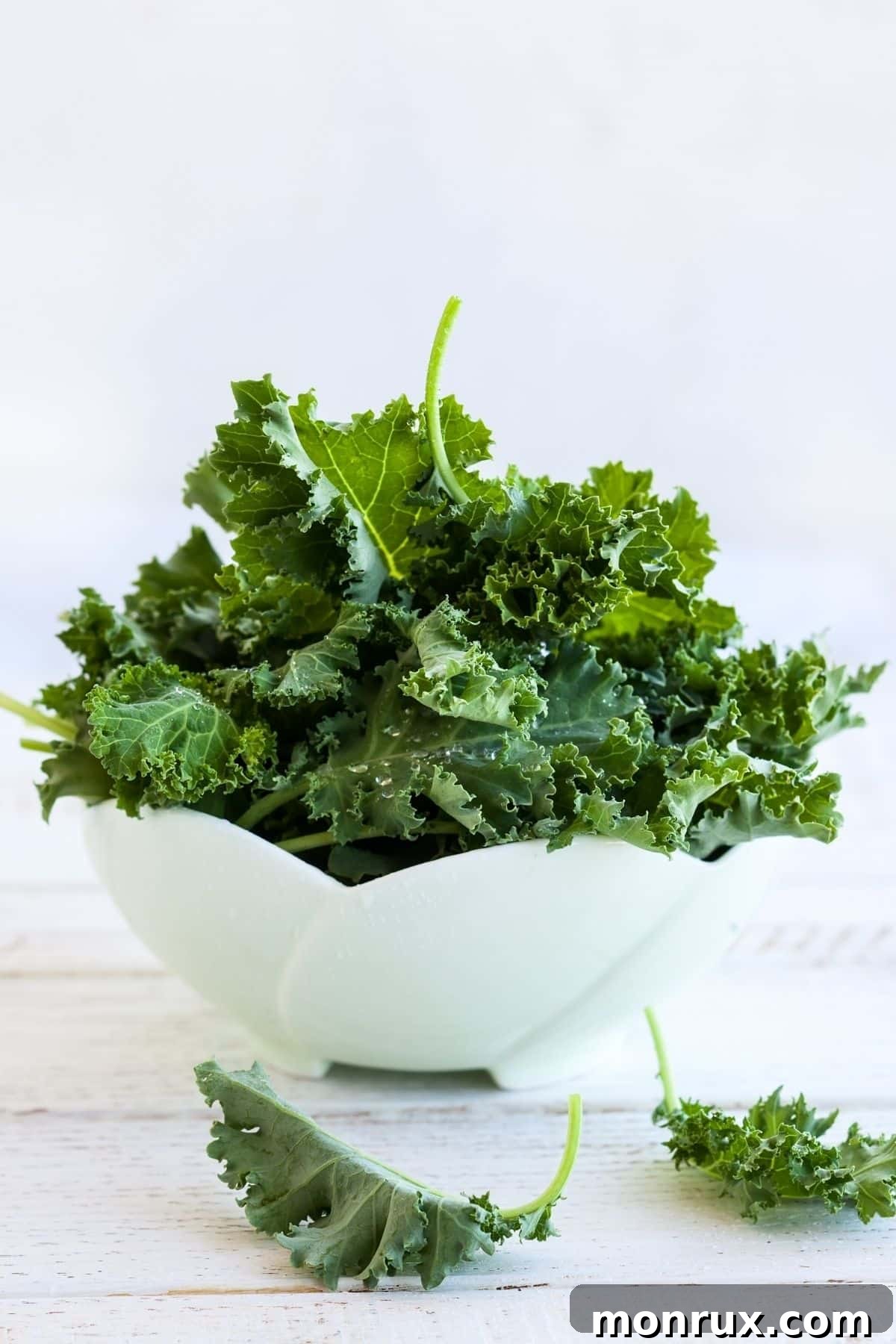
Dark leafy greens are truly among nature’s most concentrated sources of nutrition. Varieties like spinach, kale, collard greens, Swiss chard, and romaine lettuce are bursting with antioxidants, dietary fiber, and a wide array of essential vitamins and minerals. They are particularly notable for their high content of Vitamin K, vital for blood clotting and bone health, as well as magnesium, a mineral crucial for over 300 enzymatic reactions in the body, and folate, which supports cell division and DNA synthesis. Furthermore, leafy greens can be an excellent non-dairy source of calcium, important for bone density.
While the thought of a kale salad might not appeal to everyone, there are countless delicious and creative ways to incorporate these green powerhouses into your daily diet. A popular method is blending them into fruit smoothies, where their flavor can be masked by sweeter ingredients. Beyond smoothies, greens can be seamlessly integrated into a variety of dishes: stir them into soups and stews, sauté them with garlic as a side dish, add them to omelets, or even sneak them into baked goods like muffins or waffles for an extra nutrient boost. For more inspiration, explore articles on how to eat more green vegetables or discover options suitable for picky eaters. Aim to consume at least one generous serving of leafy green vegetables every day to benefit from their fiber, complex carbohydrates, and critical micronutrients. Their rich folate content is especially beneficial for women of child-bearing age, supporting reproductive health and playing a key role in preventing birth defects. For those interested in fertility-specific diets, check out posts on the best fertility recipes.
3. Wild-Caught Cold-Water Fish: Omega-3 Rich
Wild-caught cold-water fish, such as salmon, mackerel, sardines, and trout, stands out as one of the most exceptional sources of essential omega-3 fatty acids, specifically EPA and DHA. These polyunsaturated fats are crucial for brain health, reducing inflammation throughout the body, and supporting cardiovascular function. In addition to these vital fats, fish provides high-quality, lean protein, making it an incredibly nutrient-dense food that should be a regular part of a healthy diet.
Both omega-3 fatty acids and protein are “essential,” meaning our bodies cannot produce them and must obtain them from our diet. The U.S. Food and Drug Administration (FDA) recommends consuming at least 8 ounces of fish per week for most adults, with children needing smaller amounts tailored to their age and weight. When selecting fish, prioritizing wild-caught options over farmed varieties is often recommended due to potentially higher omega-3 content and fewer contaminants. However, if wild-caught isn’t available, farmed fish can still offer significant nutritional benefits.
Incorporating fatty fish into your diet is simpler than you might think. For easy and delicious recipes, consider making Instant Pot Salmon and Potatoes for a quick weeknight meal, or try the effortless Air Fryer Baked Salmon. Canned salmon or sardines also offer a convenient and affordable way to boost your omega-3 intake, perhaps in a Keto Canned Salmon Salad. Making fish a regular component of your weekly meals ensures you’re providing your body with essential nutrients vital for long-term health and vitality.
4. Versatile Eggs
Often hailed as “nature’s multivitamin,” eggs are an exceptionally nutrient-rich food, particularly pasture-raised varieties. They boast an ideal ratio of healthy fats and high-quality protein, providing all nine essential amino acids. Beyond their macronutrient profile, eggs are a rich source of vital micronutrients including choline, essential for brain and nerve function, and vitamin D, crucial for bone health and immune support. The yolks, in particular, contain valuable antioxidants like lutein and zeaxanthin, which are beneficial for eye health.
While daily consumption is often debated, most healthy individuals can safely consume up to 7 eggs per week without adverse effects on cholesterol levels. However, it’s always wise to consult with your healthcare provider for personalized dietary recommendations, especially if you have specific health concerns. The choice of pasture-raised eggs is often preferred as these chickens typically have access to outdoor foraging, resulting in eggs with potentially higher levels of omega-3s and vitamins compared to conventionally raised eggs.
Eggs are incredibly versatile and can be incorporated into any meal of the day. For individuals managing blood sugar issues, eggs make an excellent breakfast choice, providing sustained energy without the spikes often associated with sugary or refined carbohydrate options. They are also a fantastic addition to healthy breakfast ideas for kids. Explore delicious egg-based recipes like a savory Dairy-Free Frittata, convenient Air Fryer Soft Boiled Eggs, or crowd-pleasing Keto Deviled Eggs. Furthermore, hard-boiled eggs serve as a perfect portable and protein-packed snack, making them a staple in any list of clean eating snacks.
5. Lean Proteins and the Superfood Liver
Ensuring an adequate daily intake of quality lean proteins is fundamental for overall health. Protein is the essential building block for every cell in your body, crucial for muscle repair and growth, enzyme and hormone production, and maintaining a healthy immune system. Lean protein sources include a wide variety of foods such as poultry (chicken, turkey), fish, lean cuts of red meat (beef, lamb, pork), and plant-based options. For those following a plant-based diet, protein can be sourced from soy products like tofu and tempeh, a diverse range of beans and lentils, quinoa, and other plant-based whole foods.
For the adventurous eater, grass-fed liver, particularly beef liver, is often referred to as nature’s most potent multivitamin. It offers an unparalleled concentration of nutrients that are difficult to find in such abundance elsewhere. Liver is exceptionally rich in Vitamin A (retinol), B vitamins (especially B12, folate, and riboflavin), iron, copper, and choline. These nutrients play critical roles in energy metabolism, vision, detoxification, and red blood cell formation. While its unique taste might be an acquired one, the nutritional benefits are immense. If consuming liver isn’t appealing, high-quality desiccated liver supplements are available as a convenient alternative, offering similar nutritional advantages without the distinct flavor.
Regardless of whether you choose to incorporate liver, prioritizing lean protein sources should be a cornerstone of your daily diet. Protein contributes significantly to satiety, helping to manage appetite and support healthy weight management. Aim to include a protein source at every meal to help stabilize blood sugar and provide your body with the necessary amino acids for optimal function. From grilled chicken breasts and baked fish to hearty lentil soups and tofu stir-fries, there are endless delicious ways to meet your daily protein needs and support your overall nutrition.
6. Allium Family: Onions and Garlic
The humble onion, a member of the Allium genus which also includes garlic, shallots, and chives, has been valued for centuries not just for its culinary versatility but also for its medicinal properties. These pungent vegetables are much more than mere flavor enhancers; they are packed with a unique array of nutrients and plant-based compounds, such as organosulfur compounds and flavonoids like quercetin, which are responsible for their strong aroma and numerous health benefits.
Extensive research has linked the consumption of onions and garlic to significant health advantages, including a reduced risk of certain cancers, improved heart health through lowering blood pressure and cholesterol, and better blood sugar management. Their anti-inflammatory and antioxidant properties contribute to overall cellular protection and can bolster the immune system.
While there isn’t a strict prescribed amount of onion or garlic to consume daily, integrating them frequently into your cooking is highly recommended. Chop them into stir-fries, sauté them as a base for soups and sauces, roast them alongside other vegetables, or add them raw to salads for a pungent kick. Even if you have sensitivities like FODMAP issues that make fresh onions and garlic problematic, you can often still benefit from their properties by using garlic powder or onion powder, which are typically better tolerated. Recipes like a comforting Vegan Potato Leek Soup or a hearty Cabbage Vegetable Soup naturally incorporate these flavorful and health-boosting ingredients.
7. Starchy Root Vegetables for Sustained Energy
Orange sweet potatoes, yams, and purple sweet potatoes are exemplary starchy root vegetables that offer far more than just carbohydrates. They are nutritional powerhouses, particularly rich in antioxidants like beta-carotene (which converts to Vitamin A in the body, vital for vision and immune function), and abundant in B vitamins and dietary fiber. These nutrients contribute to sustained energy release, improved digestive health, and robust antioxidant defense.
Unlike simple carbohydrates found in refined grains and sugary treats, starchy root vegetables provide complex carbohydrates that are digested slowly, preventing rapid blood sugar spikes and crashes. Unless you’re on a medically advised low-carb diet, it’s crucial to include quality sources of carbohydrates daily to fuel your body and brain. Focus on whole food carbohydrate sources such as sweet potatoes, butternut squash, carrots, parsnips, and other starchy vegetables rather than nutrient-poor options like white bread or sugary snacks.
Incorporating these versatile vegetables into your diet is easy and delicious. If you’re short on time, preparing a batch of Instant Pot Sweet Potatoes can provide a ready-to-eat base for multiple meals. For breakfast, try a flavorful Sweet Potato Breakfast Hash, or for a comforting dinner, a Sweet Potato Shepherd’s Pie offers a nutritious twist on a classic. Roasting, steaming, or mashing these vegetables enhances their natural sweetness and makes them a delightful addition to any meal, providing essential energy and a wealth of micronutrients.
8. Powerful Cruciferous Vegetables
This remarkable class of vegetables includes well-known favorites like broccoli, cauliflower, cabbage, Brussels sprouts, bok choy, and kale. Cruciferous vegetables are celebrated for their exceptional nutritional profile, being high in phytonutrients, a wide array of vitamins (including C, K, and folate), and essential minerals. What truly sets them apart, however, is the presence of powerful compounds such as sulforaphane, an anti-cancer agent released when these vegetables are chopped or chewed. Sulforaphane has been extensively studied for its ability to detoxify harmful substances and reduce inflammation, contributing to their impressive health benefits.
To fully leverage their protective qualities, aim to eat a total of 2 1/2 cups of vegetables a day, with a significant portion (at least half) coming from cruciferous varieties. This can be achieved through various cooking methods: roasting brings out their sweetness, steaming retains nutrients, and enjoying them raw in salads offers a crisp texture.
Incorporating them into your daily diet is easier than you think. Try adding frozen broccoli florets to an Anti-Cancer Smoothie Recipe, or blend cauliflower into a surprisingly creamy Cauliflower Smoothie recipe that mimics a peanut butter milkshake. For simple side dishes, consider Air Fryer Broccoli or integrate them into heartier meals like a Chicken Broccoli Rice Casserole. Beyond their general health benefits, cruciferous vegetables are also renowned for their ability to support the body’s natural detoxification pathways, earning them a spot on lists of foods that cleanse the liver.
9. Nuts and Seeds: Tiny But Mighty
Despite their small size, nuts and seeds are unequivocally true nutrient powerhouses. These tiny treasures are exceptional sources of healthy fats, particularly polyunsaturated and monounsaturated fats, which are crucial for heart health and reducing bad cholesterol. Beyond fats, they deliver a concentrated dose of phytonutrients, antioxidants, dietary fiber, protein, and a rich array of vitamins and minerals, including Vitamin E, magnesium, zinc, and selenium.
Each type of nut and seed offers unique benefits: walnuts are high in omega-3s, almonds provide abundant Vitamin E, and chia seeds are packed with fiber and plant-based protein. Regular consumption of nuts and seeds has been linked to numerous health advantages, including improved cardiovascular health, better blood sugar control, and reduced risk of chronic diseases. To harness these benefits, try to include a one-ounce serving of nuts or seeds most days of the week. A one-ounce serving is roughly a small handful.
Incorporating them into your diet is delightfully simple. Sprinkle them over salads, oatmeal, or yogurt. Use them as a crunchy topping for stir-fries or soups. Nut butters (like almond or peanut butter, ensure no added sugar) are excellent on fruit or whole-grain toast. For a convenient and satisfying snack, prepare a batch of homemade Keto Trail Mix to keep on hand, ensuring you always have a healthy option readily available to curb hunger and boost your nutrient intake throughout the day.
10. Healthy Fats: Avocados and Olives
Avocados and olives are two prime examples of nutrient-rich foods that are abundant in monounsaturated fats—a type of healthy fat known for its cardiovascular benefits. These fats can help lower bad cholesterol levels while raising good cholesterol, contributing to a healthier heart. Beyond their beneficial fat profile, both avocados and olives offer a wealth of vitamins and minerals.
Avocados are particularly high in potassium, a mineral crucial for blood pressure regulation, and a wide range of B vitamins, which play vital roles in energy metabolism and brain function. They also contain fiber and various phytonutrients. Olives, on the other hand, are an excellent source of Vitamin E, a powerful antioxidant that protects cells from oxidative damage, along with iron and calcium.
It’s crucial to remember that fat is not the enemy; it is an essential macronutrient that plays numerous critical roles in the body. Healthy fats facilitate the absorption of fat-soluble vitamins (A, D, E, K), are vital for hormone production, insulate organs, and contribute to cell membrane structure. Most adults should aim to get between 20-35% of their total daily calories from quality fat sources.
Incorporating avocados and olives into your daily meals is simple and delicious. Add sliced avocado to salads, sandwiches, or make a fresh guacamole. Enjoy olives as a snack, add them to Mediterranean-inspired dishes, or use olive oil as your primary cooking oil and for salad dressings. For a surprisingly healthy and indulgent treat, try an Avocado Chocolate Ice Cream recipe, which leverages the creamy texture and healthy fats of avocado. You might also find practical tips in articles like how to freeze ripe avocados to reduce food waste and ensure you always have this healthy fat on hand.
Frequently Asked Questions About Healthy Eating
Sustainable healthy eating begins with a foundational shift towards whole, unprocessed foods. Focus on obtaining the majority of your calories from fruits, vegetables, lean proteins, healthy fats, and complex carbohydrates, while actively minimizing processed and ultra-processed items. This means steering clear of products like fake meat alternatives, sugary beverages, packaged baked goods, and many boxed convenience meals that often contain artificial ingredients and excessive sugars.
To ensure a broad spectrum of micronutrients, prioritize eating a diverse range of colorful fruits and vegetables. Each color often signifies different beneficial compounds. Practical strategies include consistently having healthy food readily available by stocking your pantry and fridge with wholesome ingredients, dedicating time to meal prepping your food in advance, and regularly rotating your favorite healthy recipes to prevent boredom and ensure variety. Critically, minimize sugar intake, especially added sugars, which contribute empty calories and can negatively impact health. Learning how to go sugar-free can be a transformative step. For a comprehensive guide, explore tips on how to eat clean.
While a whole foods diet is the cornerstone of good health, dietary supplements can still play a role for many individuals. Modern agricultural practices have sometimes led to soil depletion, resulting in foods with lower mineral content compared to past generations. Additionally, the stresses and demands of our contemporary lifestyles can increase nutrient requirements or lead to deficiencies that even a robust diet might struggle to fully address.
Supplements are intended to *supplement* a healthy diet, not replace it. Common needs might include Vitamin D, magnesium, or omega-3 fatty acids, but individual requirements vary greatly. It is crucial to consult with your doctor or a qualified healthcare provider before starting any supplement regimen. They can assess your specific health status, dietary habits, and potential deficiencies through blood tests if necessary, providing personalized recommendations that are safe and effective for you. For those interested in specific recommendations, consider reading articles like Vitamins for Women Over 30 and Vitamins for Women Over 50.
Further Reading on Healthy Diet Articles
Ready to embark on your clean eating journey but seeking expert guidance and support? Discover my Clean Eating Mini-Course, specifically designed for those new to adopting a real food diet. This comprehensive course provides you with an indispensable healthy shopping guide, an array of delicious recipes, and exclusive access to a private online support community. Join now to transform your eating habits and embrace a healthier lifestyle!
Conclusion: Embracing a Real Food Lifestyle
In a world inundated with fleeting fad diets and often contradictory nutrition headlines, returning to the foundational principles of healthy eating is the most reliable path to lasting wellness. By consciously choosing real, whole foods that are predominantly unprocessed and unpackaged, you can effortlessly cultivate a balanced and sustainable dietary approach that aligns with your individual needs and goals. This philosophy shifts the focus from restriction to nourishment, making healthy eating an enjoyable and empowering part of your daily life.
The list of ten healthiest foods highlighted in this article is by no means exhaustive; it merely scratches the surface of the incredible variety of wholesome foods nature provides. From vibrant berries and nutrient-dense leafy greens to lean proteins, healthy fats, and complex carbohydrates, there is an abundance of delicious and health-promoting options awaiting your discovery. Remember, every individual is unique, and what constitutes an optimal diet can vary. Experiment, listen to your body, and enjoy the process of exploring diverse, nutrient-rich foods that contribute to your vitality and well-being. Embrace the journey of a real food lifestyle, and you’ll lay a solid foundation for a healthier, happier you.
Don’t miss out on exclusive clean eating recipes and invaluable tips! Join my newsletter list today. It’s 100% free, spam-free, and you can unsubscribe anytime.
About the Author: Carrie Forrest holds a master’s degree in public health with a specialization in nutrition and is a certified holistic nutritionist. As a prominent wellness and food blogger, her site welcomes over 5 million visitors annually. Carrie shares an inspiring story of recovery from chronic illness and is passionately dedicated to empowering other women to transform their health. Feel free to reach out to her through her contact form.
Note: This post is provided for informational purposes only and should not be considered medical advice. Always consult with your healthcare provider for personalized recommendations pertinent to your individual health situation.