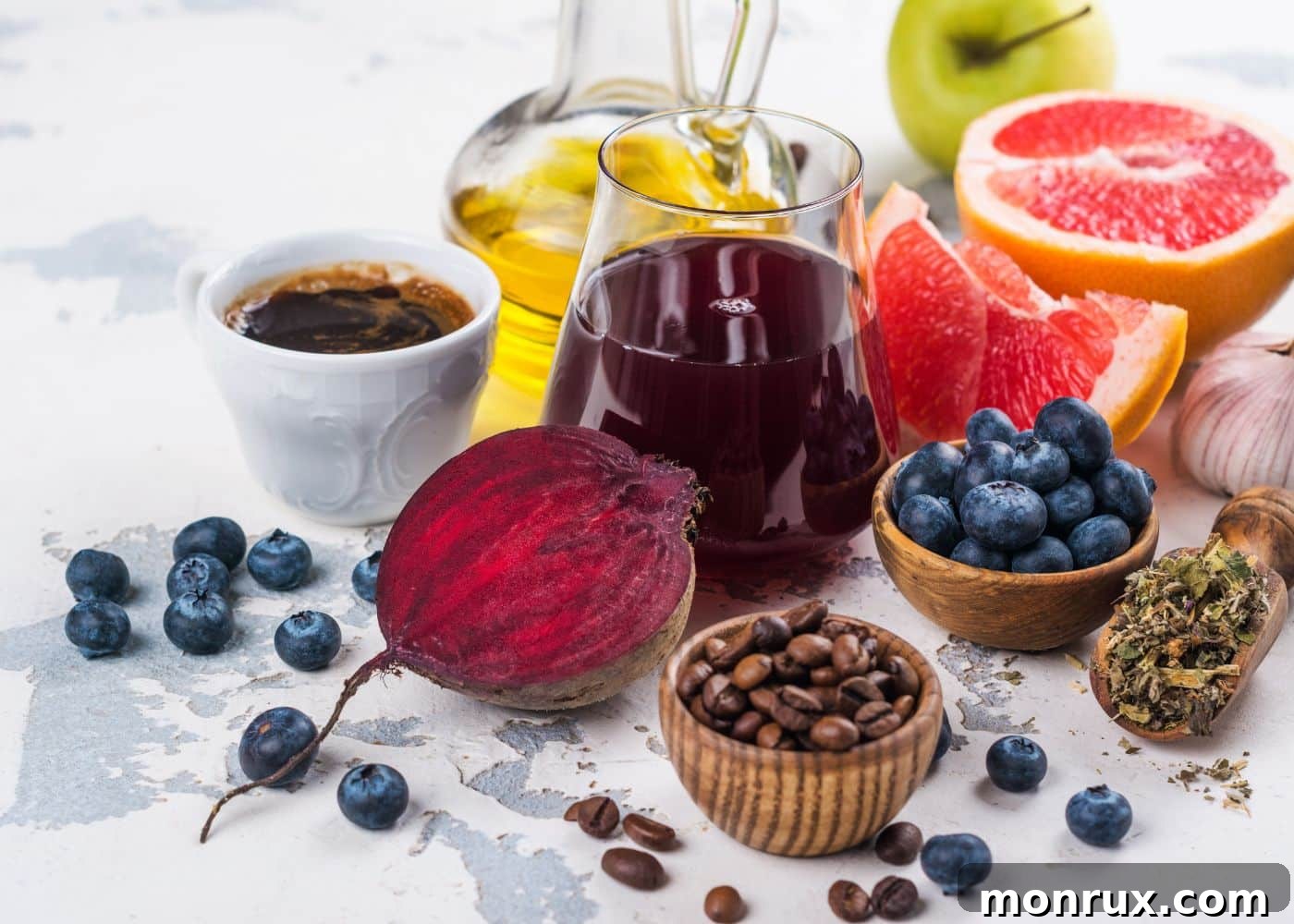
Supporting your liver and its remarkable natural detoxification abilities is fundamental for overall health and vitality. This comprehensive guide will explore a list of wholesome foods renowned for their capacity to nurture your liver. These nutrient-dense choices are not only naturally cleansing but also play a pivotal role in maintaining your optimal well-being and enhancing your body’s intrinsic cleansing processes.
Foods to Support the Liver
The good news for anyone looking to boost their liver health is that nature provides an abundance of wholesome foods known to be highly beneficial. These natural foods and vegetables are scientifically shown to aid your liver in its many functions, ensuring it operates with peak efficiency. By integrating these powerhouses into your daily diet, you can actively contribute to your liver’s vitality and support its critical role in maintaining your health.
For maximum benefit, prioritize choosing organic options whenever feasible. This simple choice can significantly reduce your exposure to harmful pesticides, thereby minimizing the accumulation of toxic substances in your body and easing the burden on your liver’s detoxification pathways. Cleaner food means a cleaner system, allowing your liver to focus on its essential tasks without unnecessary interference.
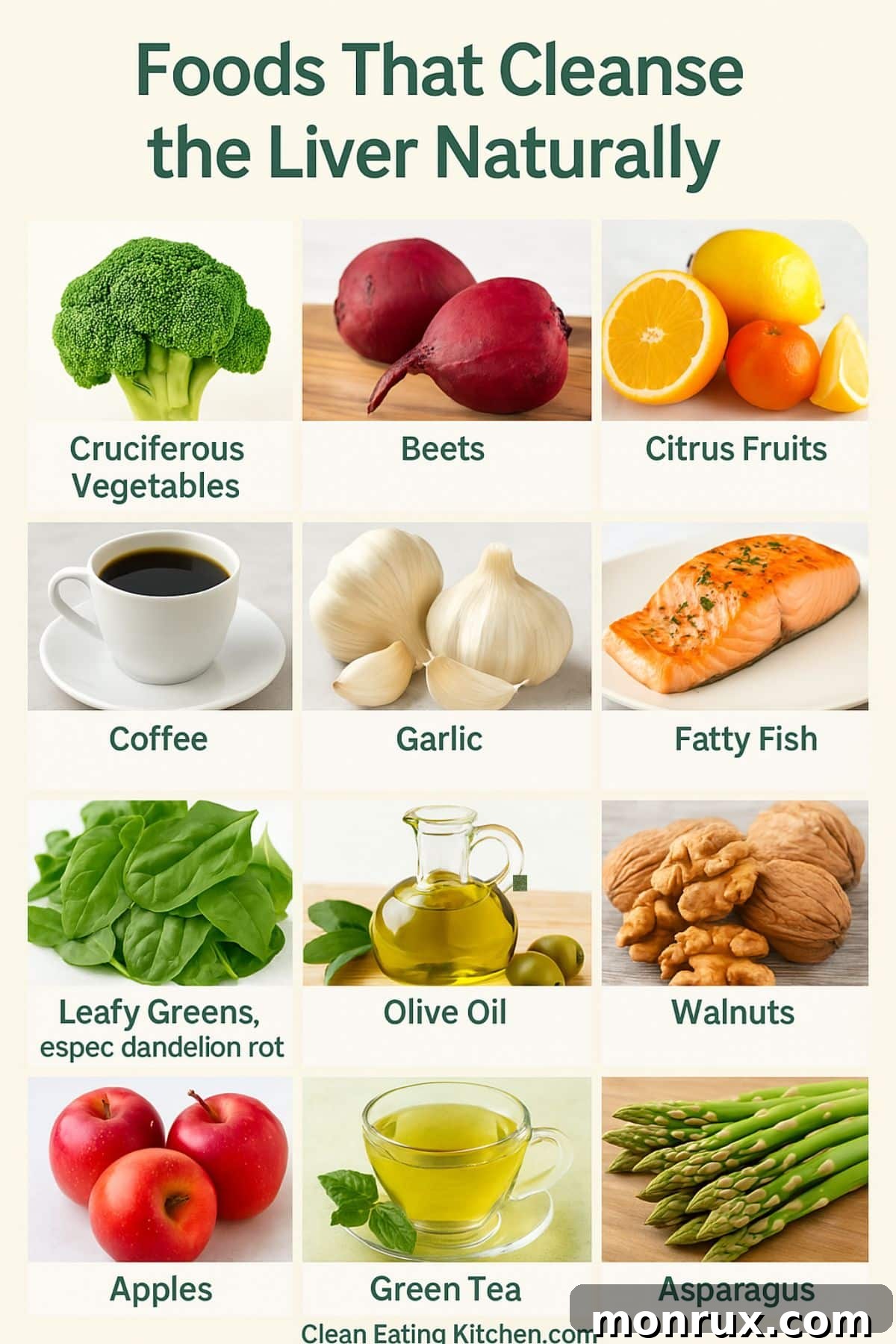
1. Cruciferous Vegetables
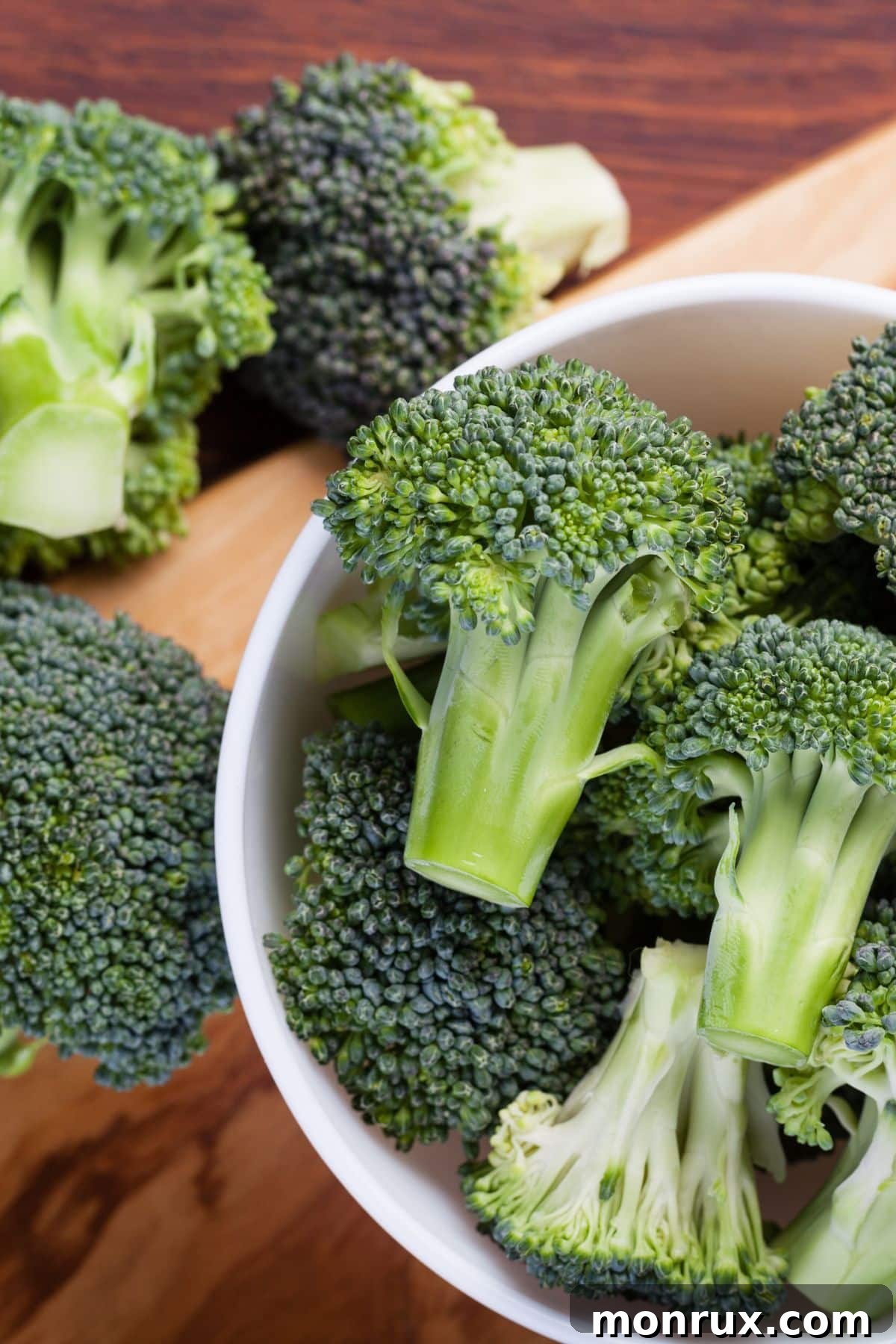
Cruciferous vegetables, including popular choices like broccoli, Brussels sprouts, cabbage, and cauliflower, are celebrated for their exceptional nutritional profile. They are not only rich in dietary fiber, which aids digestion and promotes gut health, but also brimming with unique plant compounds known as glucosinolates.
These glucosinolates are particularly significant because they convert into bioactive compounds like sulforaphane and indole-3-carbinol during digestion. These compounds have been shown to significantly boost the activity of detoxification enzymes in the liver, such as cytochrome P450 enzymes and glutathione S-transferases. This enhancement supports both Phase I and Phase II detoxification pathways, allowing the liver to more efficiently neutralize and eliminate harmful toxins from the body. Animal studies have further highlighted the protective effects of cruciferous vegetables, suggesting they may help prevent the development of fatty liver disease and even liver tumors, underscoring their profound role in liver health.
Incorporating these versatile vegetables into your diet is easy. They can be enjoyed in myriad ways: steamed to retain their nutrients, sautéed with healthy fats for flavor, roasted to bring out their sweetness, or even air-fried for a crispy texture. Some, like watercress and arugula, are delicious raw in salads, offering a peppery bite. Experiment with different cooking methods to find your favorites!
If you find that cruciferous vegetables cause bloating or gas, a common concern due to their fiber content, there are strategies to improve digestion. Consider taking probiotic supplements to support a healthy gut microbiome, or increase your intake of probiotic-rich foods such as yogurt, kimchi, or sauerkraut. For specific guidance, explore my list of foods with natural probiotics.
Additionally, lightly steaming or sautéing your cruciferous veggies with a small amount of healthy fat (like olive oil) can break down some of their tough fibers, making them easier for your digestive system to handle. This gentle cooking method can reduce discomfort while still providing robust liver support.
For inspiring recipes, don’t miss my Broccoli Crunch Salad, a guide on How to Grow Broccoli Sprouts, and instructions for How to Grow Broccoli Microgreens, all excellent ways to enjoy these liver-friendly vegetables.
2. Beets
Beets are a nutritional powerhouse, offering a wide array of health benefits, with their vibrant color hinting at their potent properties. They are particularly rich in natural pigments known as betalains. These powerful antioxidants are responsible for the deep red and purple hues of beets and play a crucial role in supporting liver health. Betalains help to regulate the body’s inflammatory response, mitigating cellular damage and fostering the repair of liver cells. This anti-inflammatory action is vital for preventing and managing various liver conditions.
Beyond their antioxidant capacity, studies on animal models have demonstrated that beet juice can significantly enhance the ability of liver cells to remove toxins from the body more effectively. This is attributed to beets’ capacity to stimulate bile flow and increase the activity of certain detoxifying enzymes. You can easily prepare your own fresh beet juice using raw beets, and if you find its earthy flavor too intense, try blending it with complementary ingredients like crisp apple, zesty ginger, or a squeeze of lemon to create a delicious and refreshing beverage.
Beets are incredibly versatile in the kitchen. Other delightful ways to enjoy them include steaming them until tender, boiling them for a classic preparation, or roasting them to caramelize their natural sugars and deepen their flavor. Don’t discard the beet greens! These leafy tops are packed with nutrients and can be sautéed with a little olive oil and garlic for a delicious and healthy side dish. Eating the entire beet ensures you reap all the incredible benefits this healthy vegetable has to offer for comprehensive liver support.
For more beet-inspired wellness, explore my recipes for invigorating Beet Juice, delve into the extensive Benefits of Beet Juice, or learn How to Make Beet Juice Powder for a convenient nutritional boost.
3. Citrus Fruits
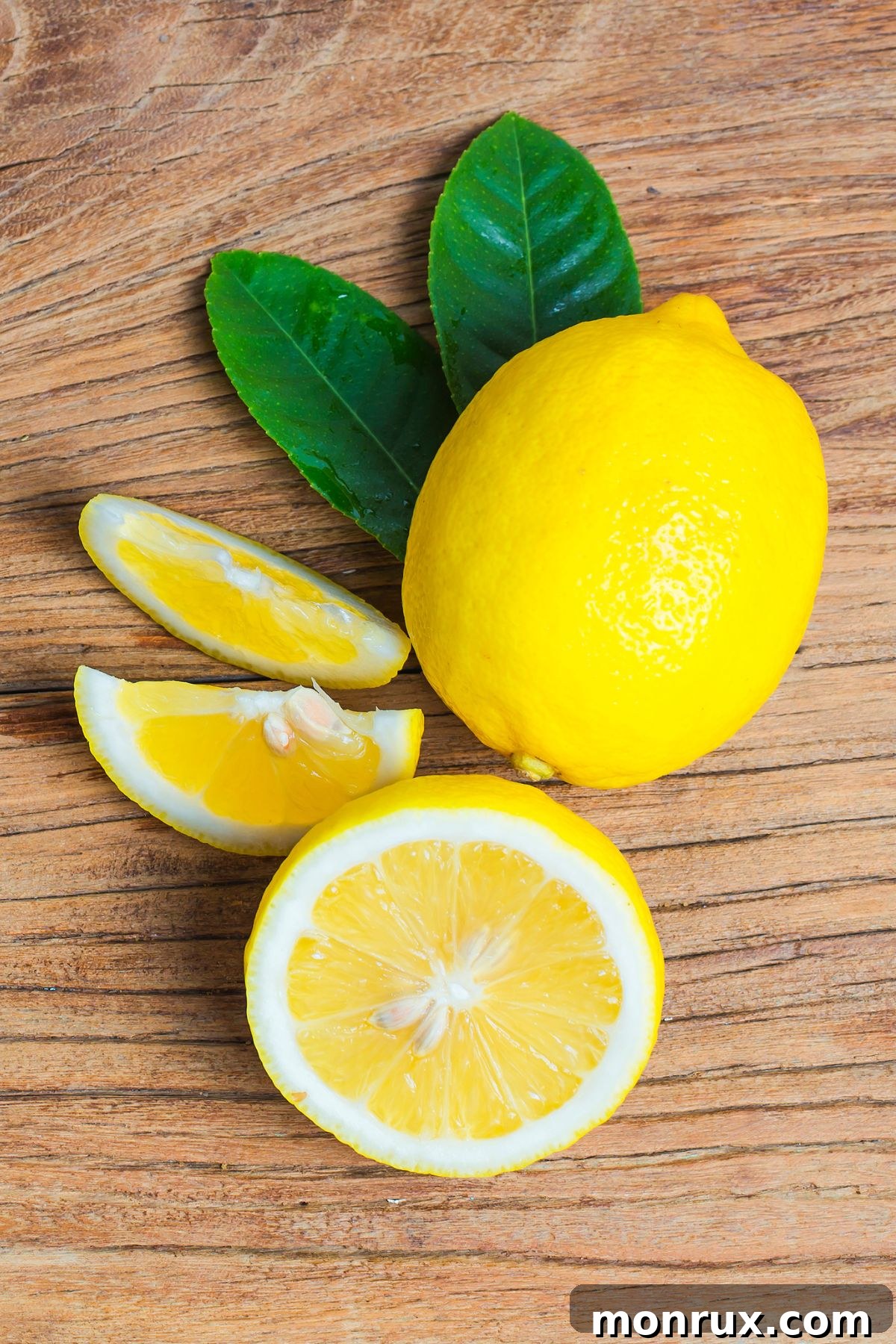
Citrus fruits, including familiar favorites such as oranges, lemons, mandarins, limes, and grapefruits, are a treasure trove of beneficial compounds for liver health. Their peels, in particular, contain a notable chemical compound called D-limonene. This powerful monoterpene has been extensively studied for its medicinal properties, and research suggests that D-limonene may help reverse some of the damage to the liver, especially that caused by nonalcoholic fatty liver disease (NAFLD).
To maximize your intake of D-limonene, consider incorporating the zest from citrus fruits into your culinary creations. Grated lemon or orange zest can elevate the flavor of baked goods, marinades, and dressings while providing a concentrated source of this liver-supportive compound. Additionally, drinking pulpy fruit juices, which contain some of the fibrous pulp and essential oils from the fruit, can also increase your D-limonene consumption.
Beyond D-limonene, citrus fruits are rich in other helpful and powerful antioxidants like naringenin and naringin. These flavonoids contribute significantly to the liver’s protection. Naringenin and naringin are known to possess strong anti-inflammatory properties and can shield liver cells from oxidative damage, a common precursor to various liver ailments. Furthermore, citrus fruits are famously high in Vitamin C, a vital antioxidant that supports the immune system and plays a role in numerous bodily functions, including detoxification.
Grapefruit stands out as an exceptional source of these liver-protective nutrients. Regular consumption of grapefruit, whether as fresh juice or by adding slices to your salads, can provide a potent dose of naringenin and naringin, helping to reduce inflammation and protect delicate liver cells. Just be mindful of potential interactions between grapefruit and certain medications, and consult your doctor if you have concerns.
4. Coffee
Surprisingly to some, one of the most widely consumed beverages, coffee, offers significant benefits for liver health. Incorporating at least a cup of coffee into your daily routine can be a remarkably effective way to support this vital organ. The positive effects of coffee on the liver are well-documented and continue to be a subject of considerable scientific interest.
Extensive research indicates that coffee consumption may offer protection against a form of liver cancer, hepatocellular carcinoma, which is one of the most common types of liver malignancy. Furthermore, studies have shown that coffee can reduce the risk of cirrhosis in individuals with chronic liver disease. Cirrhosis, a severe scarring of the liver, can lead to liver failure, and coffee’s ability to mitigate this risk is a substantial benefit.
Experts theorize that these protective effects stem from coffee’s unique blend of compounds, including caffeine, cafestol, kahweol, and various antioxidants. These substances appear to help prevent the accumulation of fat and collagen in the liver, both of which are hallmarks of liver damage and disease progression. By interfering with these processes, coffee helps maintain the structural integrity and functional capacity of the liver.
The scientific community is so impressed by coffee’s role in liver support that researchers have enthusiastically referred to it as “the magical bean for liver diseases.” This enthusiastic description highlights the growing recognition of coffee as a valuable dietary component for liver protection.
For those interested in optimizing their coffee intake for health, consider exploring my articles on the Best Low Acid Coffee and the Healthiest Organic Coffee to make informed choices. If you’re looking to add a nutritional twist, try my recipe for Protein Coffee. However, if caffeine causes adverse effects, rest assured that decaffeinated coffee also offers some liver benefits. In that case, consult my list of the Best Organic Decaf Coffee Brands to continue enjoying coffee’s protective qualities without the stimulating effects of caffeine.
5. Garlic
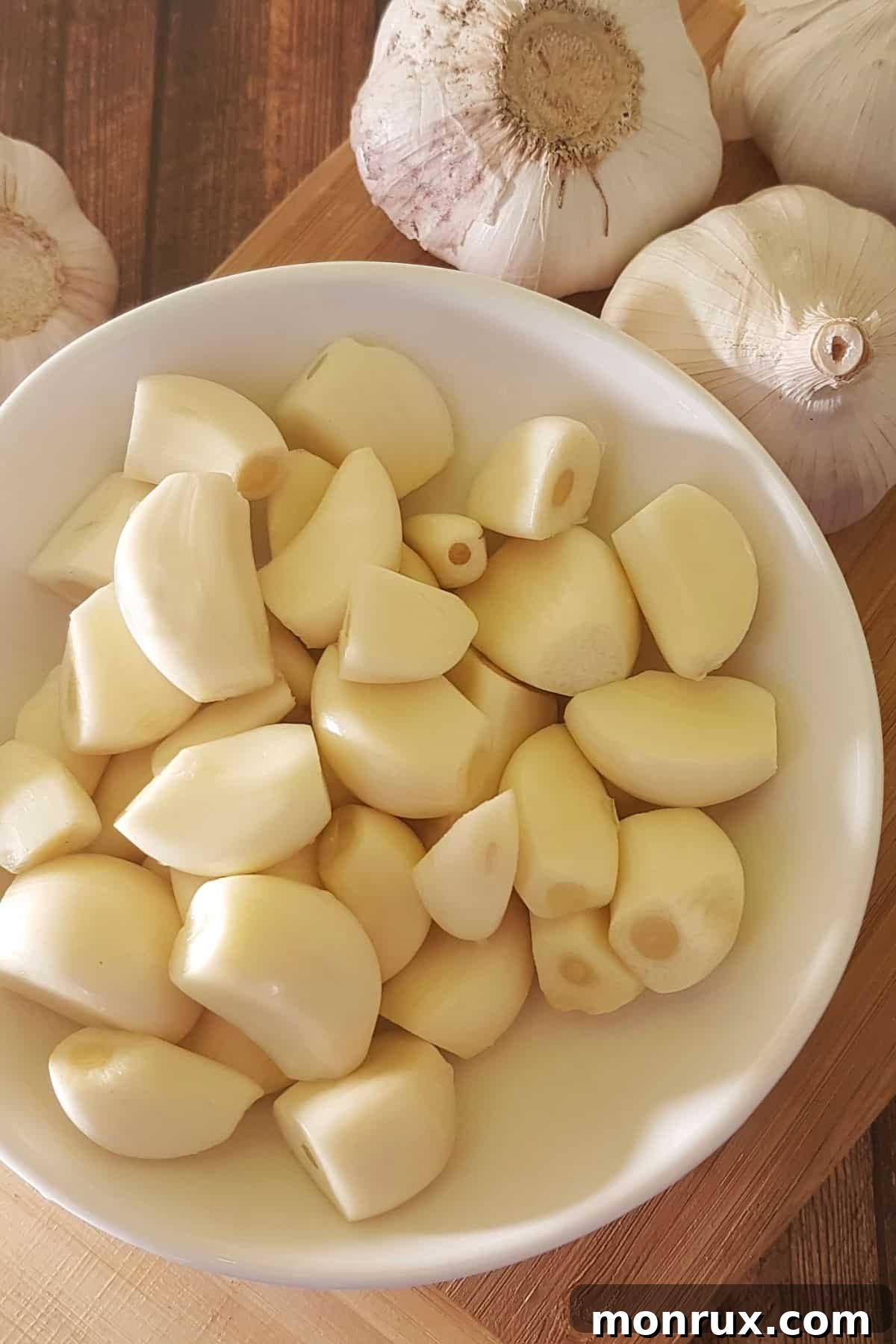
Garlic, revered for its distinct flavor and medicinal properties for centuries, is a powerful ally for liver health. It stands out as an exceptionally rich source of antioxidants, including allicin, alliin, and ajoene, which are responsible for many of its health benefits. These compounds have been shown to protect the liver from damage associated with alcoholic liver disease by combating oxidative stress and reducing inflammation. The powerful antioxidants in garlic effectively neutralize harmful free radicals, preventing cellular damage and supporting the liver’s ability to regenerate.
Further research has highlighted garlic’s potential in preventing non-alcoholic fatty liver disease (NAFLD). One study indicated that consuming raw garlic as often as seven times per week could significantly cut the risk of developing fatty liver disease. Interestingly, this particular benefit was observed predominantly in men, suggesting potential gender-specific responses that warrant further investigation.
Beyond NAFLD, regular consumption of raw garlic may also offer significant protection against liver cancer. Eating raw garlic at least twice a week has been linked to a reduced risk of this serious condition, underscoring its chemopreventive properties.
Integrating raw garlic into your diet is simple and can add a burst of flavor to many dishes. Try mincing a fresh clove and tossing it into your favorite salad for a pungent kick. It’s also an excellent addition to homemade guacamole, enhancing its flavor profile. For a comforting treat, combine minced raw garlic with softened butter and spread it generously on whole-grain toast. While the potent aroma of raw garlic can be persistent, chewing natural breath fresheners like fresh parsley or mint leaves can help to mitigate its effects, allowing you to enjoy its health benefits with confidence.
6. Fatty Fish
Fatty fish, such as succulent salmon, nutrient-rich sardines, and flavorful mackerel, are celebrated for being exceptional sources of omega-3 fatty acids. These essential polyunsaturated fats, particularly EPA (eicosapentaenoic acid) and DHA (docosahexaenoic acid), are crucial for numerous bodily functions, including maintaining optimal liver health.
Researchers have discovered that consistent consumption of these fatty fish helps to maintain a healthy balance of fats in the liver. This positive effect translates into several beneficial outcomes, including higher levels of “good” high-density lipoprotein (HDL) cholesterol and, crucially, lower levels of liver fat. Reducing liver fat is a key strategy for preventing and managing non-alcoholic fatty liver disease (NAFLD), a condition that can progress to more severe liver damage.
For those who prefer plant-based diets or wish to diversify their omega-3 sources, valuable fatty acids can also be derived from flaxseeds, chia seeds, and walnuts. These plant-based options provide alpha-linolenic acid (ALA), a precursor that the body can convert into EPA and DHA, albeit less efficiently than direct intake from fish.
While increasing your intake of beneficial omega-3 fats, it is equally important to consider your consumption of omega-6 fats. Many Western diets, particularly in countries like the United States, often feature an imbalanced omega-6 to omega-3 ratio, with excessive omega-6 intake. Experts suggest that most Americans significantly exceed the recommended intake for omega-6 fats, and this imbalance is increasingly linked to the development and progression of liver disease and increased inflammation.
Common sources of high omega-6 fats include processed seed and vegetable oils such as sunflower, soybean, corn, and cottonseed oils. To promote liver health, it is advisable to not only minimize the use of these oils in cooking but also to actively cut down on processed foods that frequently contain them. By consciously balancing your omega-3 and omega-6 intake, you can provide comprehensive support for your liver’s long-term health and function.
7. Leafy Greens, especially Dandelion Root
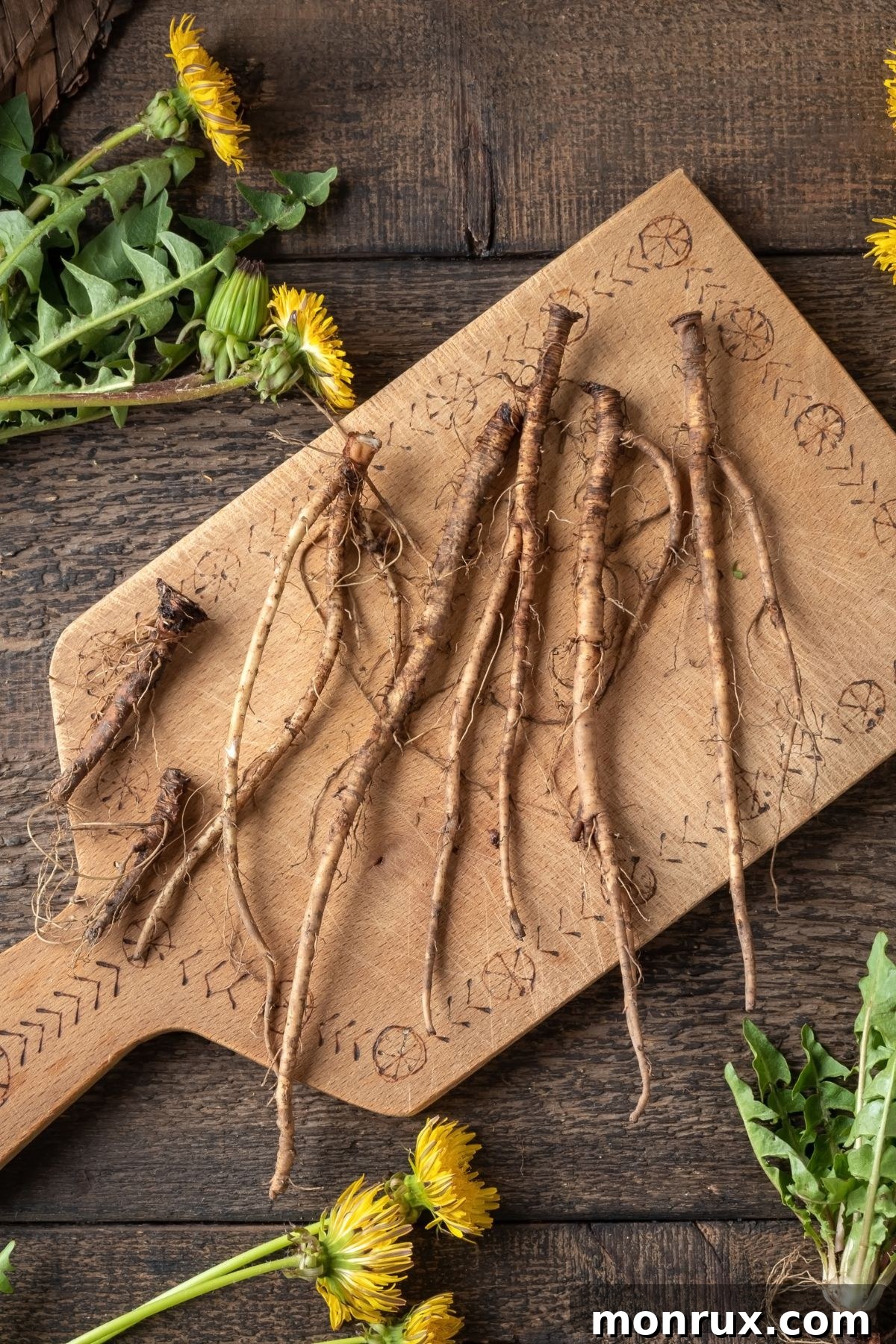
Leafy greens are foundational to a healthy diet and particularly beneficial for liver support. Varieties such as vibrant arugula, nutrient-dense spinach, and robust kale are all exceptionally rich in plant chlorophylls. Chlorophyll, the pigment that gives plants their green color, is well-known for its unique ability to bind to certain toxins and heavy metals in the digestive tract, preventing their absorption into the bloodstream. By actively consuming these greens, you can help reduce your body’s overall toxic burden, thereby easing the workload on your liver and enabling it to function more efficiently in its detoxification processes.
Among the array of leafy greens, dandelion root and leaves deserve special mention for their remarkable properties in ridding the body of accumulated toxins. Dandelion has been traditionally used as a diuretic and a liver tonic, stimulating bile production and supporting gallbladder function. This increased bile flow helps to transport waste products and toxins out of the liver and into the intestines for elimination. To harness its benefits, why not try a soothing cup of dandelion root tea? It’s a gentle yet effective way to incorporate this powerful botanical into your daily routine. You can also add fresh dandelion leaves to salads or lightly sauté them as you would other greens.
8. Olive Oil
Extra virgin olive oil has long been lauded for its significant benefits to heart health, largely due to its high content of monounsaturated fatty acids and antioxidants. However, growing research now definitively shows that it can also be profoundly beneficial for the liver, extending its health prowess beyond cardiovascular support.
For individuals dealing with non-alcoholic fatty liver disease (NAFLD), olive oil may offer considerable therapeutic advantages. Studies indicate that regular consumption can lead to healthier levels of liver enzymes, which are crucial indicators of liver function, and a noticeable reduction in the accumulation of liver fat. This anti-steatotic effect is vital for preventing the progression of NAFLD and preserving liver architecture. Separate research further highlights olive oil’s anti-inflammatory properties, demonstrating that its consumption can effectively reduce liver inflammation, a key factor in many chronic liver conditions.
Incorporating olive oil into your diet is simple and delicious. Use it generously as a finishing oil to drizzle over fresh salads, roasted vegetables, or grilled fish, imparting a rich flavor and healthy fats. It’s also the perfect base for creating your own homemade dressings; try my flavorful Honey Mustard Dressing. Beyond savory applications, olive oil can serve as a healthier substitute for butter in many baked recipes, contributing to a moist texture and adding beneficial fats without compromising taste. Opt for high-quality extra virgin olive oil to ensure you’re getting the maximum health benefits.
9. Turmeric Root
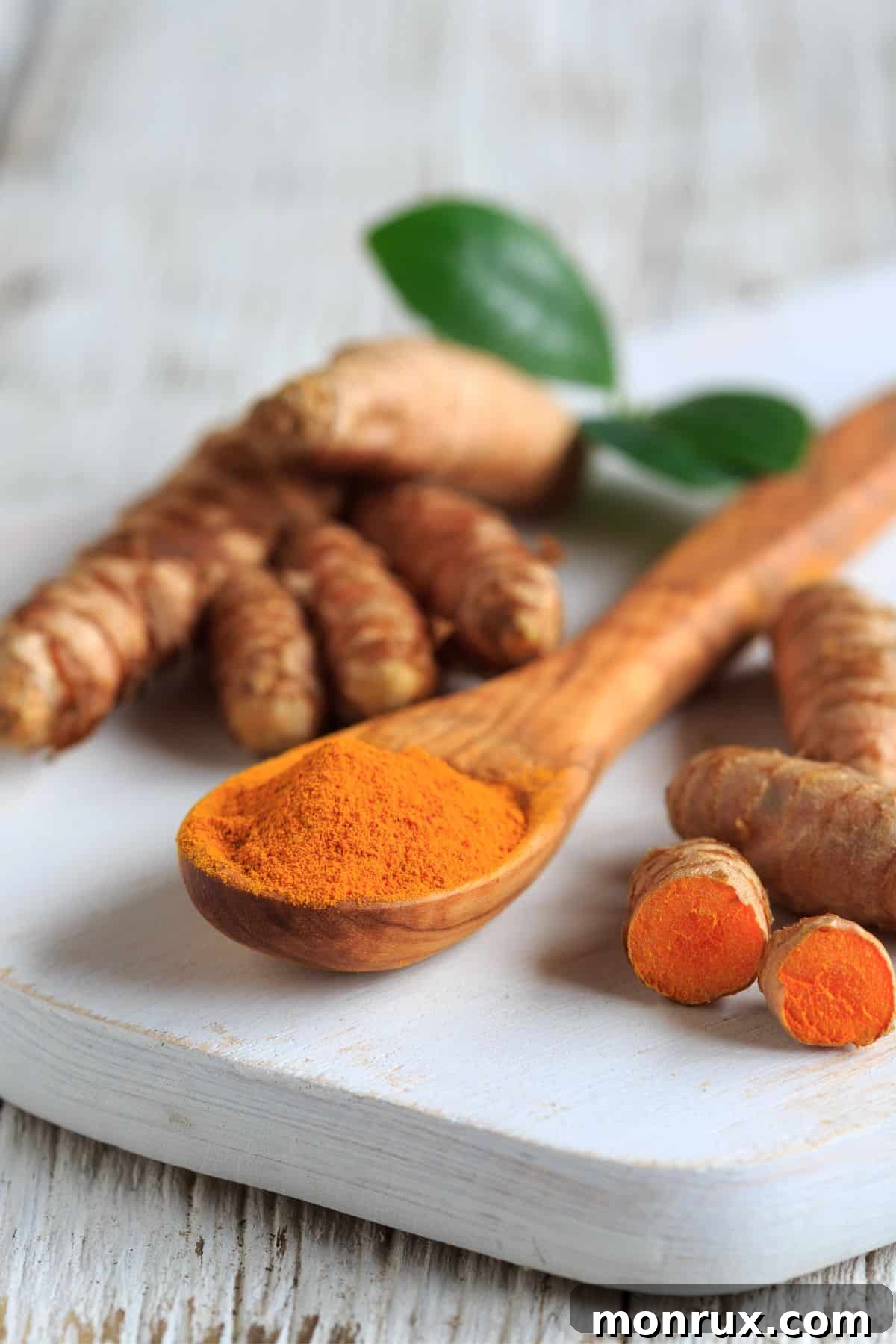
Turmeric, a golden-hued spice widely used in Ayurvedic medicine for centuries, has gained immense popularity in Western health practices due to its potent therapeutic properties. Modern scientific studies have increasingly confirmed its wide array of benefits, with a significant focus on its ability to help prevent and manage various liver diseases.
The primary active compound in turmeric, curcumin, is responsible for most of its acclaimed health effects. However, the bioavailability of turmeric when consumed as a spice is relatively low, meaning our bodies don’t absorb a large amount of curcumin from simply eating it. For this reason, curcumin supplements, often formulated with piperine (from black pepper) to enhance absorption, are frequently recommended, with dosages varying based on the specific brand and concentration.
Clinical studies have shown that supplementation with turmeric extracts can be particularly beneficial for individuals suffering from nonalcoholic fatty liver disease (NAFLD), demonstrating improvements in liver function markers and a reduction in liver fat. The curcumin in turmeric is also a powerful anti-inflammatory agent, helping to control inflammation. This anti-inflammatory action is crucial, as chronic (long-term) inflammation is a major contributor to liver injury and fibrosis.
Beyond its anti-inflammatory and protective roles, separate research indicates that turmeric can stimulate the production of bile in the liver. Bile is essential for the digestion of fats and the elimination of waste products and toxins, further aiding the liver’s natural detoxification processes.
While supplements offer a concentrated dose, you can still enjoy the fresh root in your cooking. Try my invigorating recipe for a Turmeric Shot, which can be made using either fresh or powdered turmeric, providing a potent and flavorful way to incorporate this super spice into your wellness routine.
10. Apples
An apple a day might indeed keep the doctor away, especially when it comes to liver health. These widely available and beloved fruits offer significant benefits, primarily due to their rich content of polyphenols and fiber.
Animal studies have provided compelling evidence suggesting that the polyphenols (powerful antioxidants) found in apples can play a crucial role in reducing the amount of fat deposited in liver tissues. This reduction in hepatic fat accumulation is incredibly important, as excessive fat in the liver is a hallmark of non-alcoholic fatty liver disease (NAFLD), a condition that can progress to more serious liver complications. By helping to mitigate fat build-up, apples can actively guard against the onset and progression of liver disease, supporting the liver’s metabolic functions.
Beyond their antioxidant power, apples are also a good source of soluble fiber, particularly pectin. Pectin helps bind to toxins and cholesterol in the digestive tract, facilitating their elimination from the body and thereby reducing the burden on the liver. While direct medical evidence is still emerging, many proponents of natural health also value apples for their malic acid content. Malic acid is believed by some to assist in opening ducts in the liver and gallbladder, potentially allowing for more efficient “flushing” of bile and toxins. Although this particular mechanism requires more scientific validation, the overall nutritional profile of apples undoubtedly makes them a valuable addition to a liver-supportive diet.
11. Green Tea
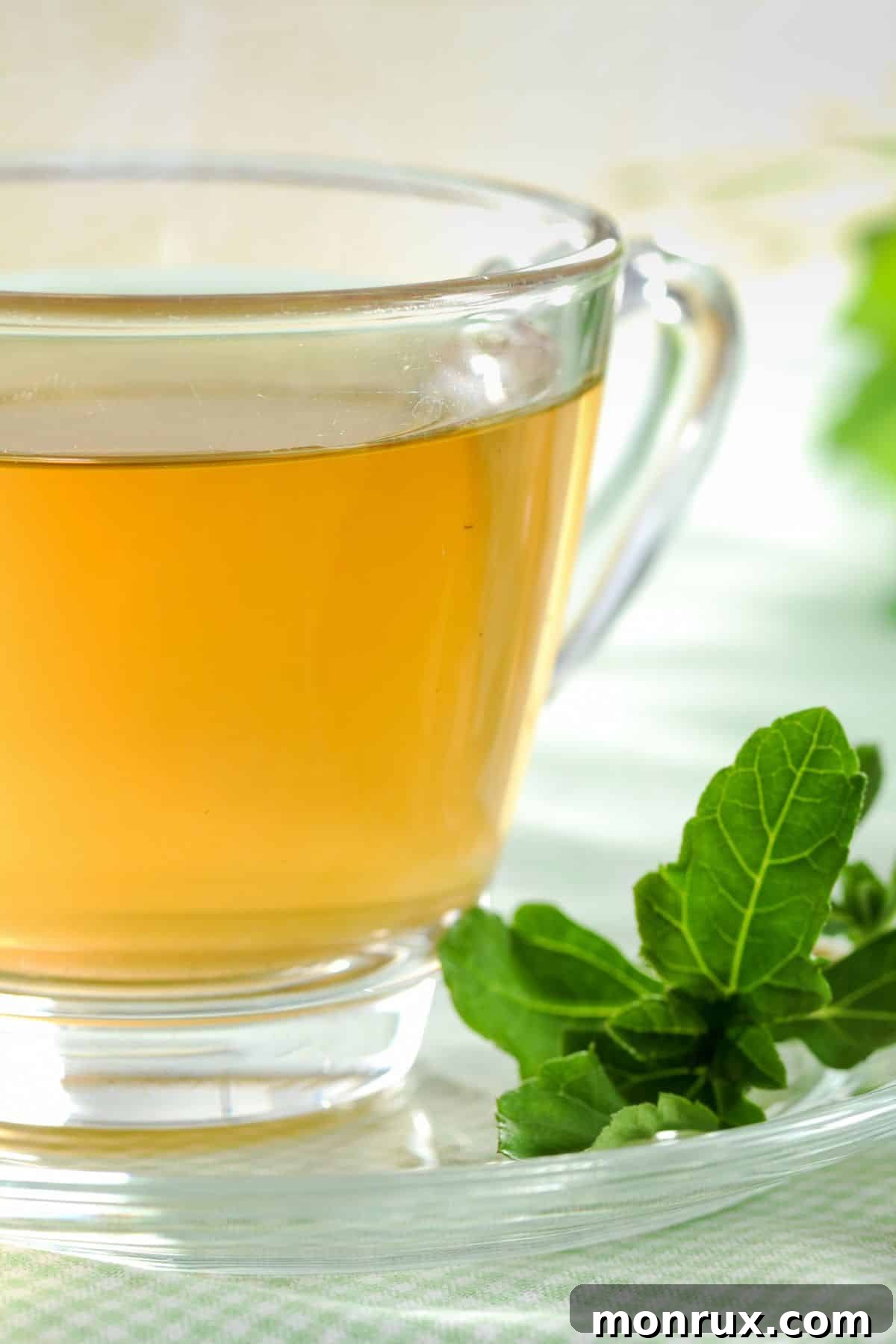
Green tea, a beverage enjoyed worldwide for centuries, is justly celebrated for its impressive concentration of antioxidants, particularly catechins like epigallocatechin gallate (EGCG). These powerful compounds are believed to confer a wide range of health benefits, and happily, regular consumption of green tea is also a fantastic way to support our liver.
At least one significant study has demonstrated that green tea can play a role in preventing liver disease. While the most pronounced results in this particular study were observed in individuals consuming more than 10 cups a day, even moderate consumption is thought to contribute positively to liver health due to its antioxidant and anti-inflammatory properties.
Furthermore, there is growing evidence suggesting that green tea can help protect against liver cancer, thanks to the chemopreventive actions of its catechins. It has also been shown to reduce the amount of fat deposited in liver cells, making it a valuable dietary addition for those looking to prevent or manage non-alcoholic fatty liver disease (NAFLD).
For some, the distinct, sometimes bitter, taste of green tea can be an acquired preference. However, there are several delightful ways to make it more palatable if you’re not an immediate fan. Try adding a squeeze of fresh lemon juice, which not only brightens the flavor but also aids in antioxidant absorption. Natural sweeteners like a drizzle of honey or a few drops of stevia can balance the bitterness. You can also experiment with your favorite warming spices – ginger, cardamom, and cinnamon all blend beautifully with green tea, adding depth and additional health benefits.
Alternatively, consider exploring matcha, a finely ground powdered green tea that offers a more concentrated dose of green tea’s benefits. Its unique preparation and vibrant flavor make it a popular choice. I highly recommend trying my soothing Coconut Matcha Latte for a delicious and liver-friendly treat.
12. Walnuts
Walnuts are much more than just a crunchy snack; they are a nutritional powerhouse, offering a unique combination of healthy fats, antioxidants, and other beneficial compounds that are particularly supportive of liver health. They are an excellent plant-based source of alpha-linolenic acid (ALA), an omega-3 fatty acid, which, as discussed earlier with fatty fish, is crucial for maintaining a healthy lipid profile and reducing inflammation.
In addition to their beneficial fatty acid content, walnuts are rich in various antioxidants, including polyphenols and vitamin E, which combat oxidative stress and protect liver cells from damage. These combined properties have proven to be especially helpful for individuals with non-alcoholic fatty liver disease (NAFLD). Studies indicate that incorporating walnuts into the diet may actively reduce the amount of fat deposited in the tissues of the liver. This reduction in hepatic steatosis is a significant step towards managing and reversing NAFLD, making walnuts a valuable dietary intervention.
Enjoying a handful of walnuts as a healthy snack is a simple yet effective way to integrate them into your daily diet. Their satisfying crunch and rich flavor make them an ideal choice to curb hunger between meals while providing a wealth of nutrients. Walnuts are a foundational component of my personal diet and feature prominently in my articles, such as the Best No-Sugar Foods for Your Pantry and my comprehensive Clean Eating Shopping List, underscoring their importance for a holistic and liver-friendly eating plan.
13. Asparagus
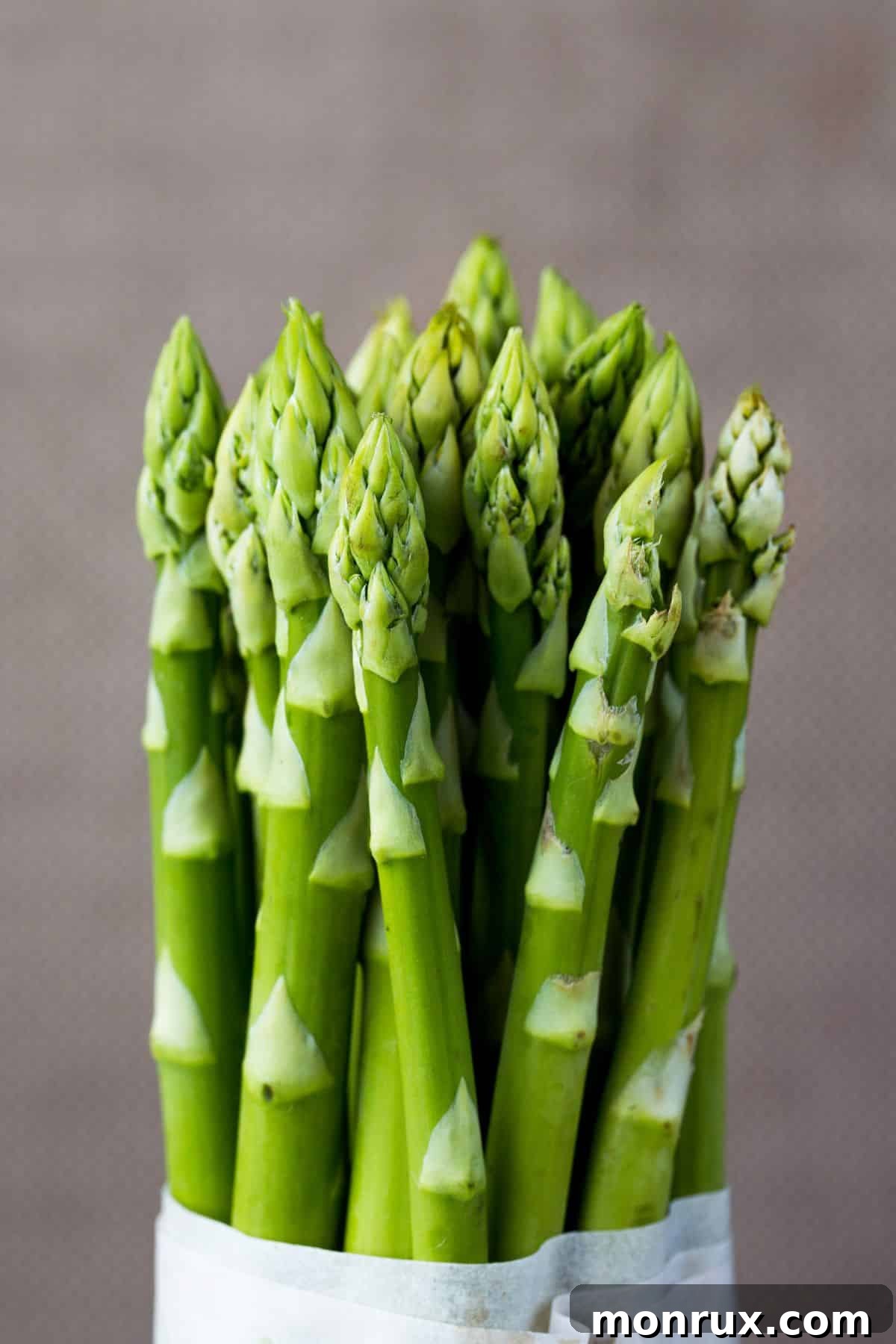
Asparagus, with its delicate flavor and crisp texture, is not only a culinary delight but also a powerful ally for liver health. Among all fruits and vegetables, asparagus stands out as one of the very best natural sources of the potent antioxidant glutathione. This crucial compound is often referred to as the body’s “master antioxidant” due to its central role in detoxifying harmful substances and protecting cells from oxidative damage.
Research underscores the importance of glutathione, showing it to be highly beneficial in the treatment of chronic fatty liver diseases. While the most significant therapeutic effects are often achieved through high-dose intravenous administration of glutathione, the dietary intake from foods like asparagus still contributes to the body’s overall antioxidant defenses, supporting the liver’s natural detoxification processes.
Despite the differences in absorption compared to intravenous methods, asparagus remains an excellent and highly recommended choice for providing dietary support to the liver. Its natural ability to assist in the breakdown and elimination of toxins has also made it a popular traditional hangover remedy, further highlighting its role in cleansing and recovery.
Asparagus is also incredibly easy to prepare and cooks quickly, making it a convenient addition to any meal. Try simply sautéing it with a little olive oil, a pinch of salt, and freshly ground black pepper for a delicious, liver-friendly side dish that’s ready in just minutes. Its versatility means it can also be roasted, grilled, or blanched, ensuring you can enjoy its health benefits in many appealing ways.
What Does The Liver Do?
The liver, strategically positioned under the ribs on the right-hand side of your upper abdomen, holds the title of your body’s largest solid organ. Akin to the heart, its importance to life and health cannot be overstated. It acts as the body’s primary filtration system and metabolic hub, performing over 500 vital functions.
Every drop of blood leaving your stomach and intestines, laden with absorbed nutrients and potential toxins, must first pass through your liver via the portal vein. Indeed, your liver continually holds approximately a pint (about half a liter) of your blood supply at any given time. Within this intricate organ, specialized cells known as hepatocytes meticulously work to remove harmful substances, drugs, and metabolic waste products from your blood. This essential process is known as detoxification. Once neutralized, these waste products are then channeled away from the liver within a greenish-yellow fluid called bile, eventually to be safely excreted from your body through the digestive system.
Beyond detoxification, the liver orchestrates a multitude of other indispensable roles:
It plays a central role in metabolism, breaking down food and converting it into accessible energy for your body. Carbohydrates, for instance, are metabolized into glucose, which is then stored in the liver and muscles as glycogen. When your body requires a rapid burst of energy, your liver efficiently converts this stored glycogen back into glucose, releasing it into the bloodstream to fuel your activities.
Your liver also serves as a crucial component of your immune system, actively protecting you from infections by deploying its unique macrophage system. This specialized defense mechanism, primarily comprised of Kupffer cells, efficiently destroys bacteria, viruses, and other pathogens it encounters in the blood. Remarkably, nearly half of your body’s entire supply of macrophages resides within your liver, particularly in the form of Kupffer cells, underscoring its significant immunological role.
Other critical functions performed by this extraordinary organ include:
- Regulating blood clotting by producing essential clotting factors.
- Producing vital cholesterol and specialized proteins that transport fats through the bloodstream.
- Processing hemoglobin, the protein in your red blood cells responsible for oxygen transport, and efficiently storing iron for future use.
- Clearing bilirubin, a yellowish pigment resulting from the breakdown of red blood cells. An accumulation of bilirubin can lead to jaundice, characterized by the yellowing of the skin and eyes, signaling impaired liver function.
Maintaining a healthy liver is, therefore, paramount to sustaining your overall health and ensuring your body’s complex systems operate in harmony.
Does the Liver Need Cleansing?
This is a common question, and the scientific answer is clear: The liver is a self-cleansing organ, expertly designed by nature to detoxify itself. It does not require external “cleanses,” detox supplements, or restrictive diets marketed as liver purification solutions. The very essence of its function is to continuously process and eliminate toxins from your body.
Sometimes, genuine damage to the liver, caused by factors like chronic disease, excessive alcohol consumption, or certain medications, can impair its ability to perform its natural cleansing functions. However, this is not a problem that can be remedied by commercial “cleansing” products. Liver damage necessitates professional medical diagnosis and treatment, often involving targeted medications and significant lifestyle modifications under a doctor’s guidance.
The concept of “liver cleansing” or “detox diets” is largely a marketing strategy, often promoted by companies eager to sell products that promise to effortlessly undo the effects of unhealthy habits. The allure of a quick fix to counteract indulgence in too much unhealthy food or alcohol is strong. Yet, it’s critical to understand that there is no robust scientific evidence to support the efficacy or even safety of these commercial liver cleanses. In fact, some can be harmful, interfering with natural bodily processes or containing unregulated ingredients.
What is truly important is to consistently care for your liver so that it can perform its vital job properly, day in and day out. Instead of seeking a temporary “cleanse,” focus on a sustainable lifestyle that inherently supports liver function. This means prioritizing regular physical activity, mindful consumption and limitation of alcohol, and, crucially, embracing a healthy, balanced diet rich in whole, unprocessed foods.
By focusing on nutritious whole foods (preferably organic to minimize pesticide exposure) and ensuring adequate hydration by drinking plenty of water, you can significantly reduce the number of toxins your liver has to contend with. Simultaneously, you provide it with the essential nutrients and building blocks it needs to function effectively, regenerate cells, and maintain its complex metabolic and detoxification pathways. The healthier you are overall, the more resilient and efficient your liver and immune system will be, naturally protecting you from within.
Signs of a Sluggish Liver
When the liver, the body’s primary detoxification organ, is not functioning at its optimal level – often referred to as a “sluggish liver” – it can lead to a backlog of toxins within the system. This impaired detoxification process can significantly impact overall metabolism and manifest in a range of often subtle yet persistent symptoms. These symptoms arise because toxins accumulate, disrupting various bodily systems that the liver normally regulates, from digestion to hormone balance and energy production.
Individuals experiencing sluggish liver function may notice several common signs, which can include:
- Bloating and gas: Often due to impaired bile production or digestion of fats.
- Acid reflux or heartburn: Can be a sign of digestive issues linked to liver function.
- Difficulty in losing weight: The liver plays a critical role in fat metabolism, and its inefficiency can hinder weight management.
- Mood swings: Toxin buildup can affect neurological function and hormone balance.
- Chronic fatigue: The liver is key in energy production, and its impairment can lead to persistent tiredness.
- Craving sugar: A sluggish liver can impact blood sugar regulation.
- Irregular bowel movements: Including constipation or diarrhea, as bile flow is essential for gut health.
- Poor appetite: A general feeling of malaise or nausea.
- Easy bruising: Due to impaired production of clotting factors.
- Itchy or blotchy skin: Toxins exiting through the skin, or imbalances in bilirubin.
- Feelings of stress or anxiety: The liver influences hormone regulation and neurological health.
- Persistent bad breath (halitosis): Indicating metabolic waste products accumulating.
It is imperative to emphasize that these symptoms can also be indicative of other health conditions. Therefore, if you are concerned that your symptoms may be related to your liver, it is crucial to consult with a medical professional. They can conduct appropriate diagnostic tests, such as blood tests to check liver enzyme levels and other blood markers of liver health, to accurately assess your situation and provide personalized recommendations or treatment plans. Self-diagnosing or relying solely on “detox” products is not advisable when dealing with potential liver health issues.
Liver Supportive Recipes You Might Like
- Salmon Stir Fry
- Instant Pot Beets
- Instant Pot Asparagus
- Roasted Brussels Sprouts and Sweet Potatoes
- Turmeric Shot
- Liver Cleanse Juice
- Liver Detox Green Smoothie
Don’t Miss These Health Articles
Conclusions
Your liver is an incredibly vital and multifaceted organ, performing an astonishing array of essential functions that are indispensable for your survival and well-being. It relentlessly works to remove harmful toxins from your bloodstream, meticulously cleanses your blood, and efficiently converts the foods you consume into usable energy. By integrating the nutrient-dense foods listed throughout this article into your daily diet, you actively provide your liver with the foundational support it needs to execute all these critical functions with optimal efficiency. This proactive approach helps to maintain liver health, keeping you feeling vibrant, healthy, and energized throughout your day, and bolstering your body’s natural defenses against illness.
Don’t forget to join my newsletter list to receive exclusive clean eating recipes, expert tips, and holistic wellness insights directly to your inbox. The newsletter is 100% free with no spam, and you can easily unsubscribe anytime.
About the Author: Carrie Forrest holds a master’s degree in public health with a specialization in nutrition and is a certified holistic nutritionist. She is a highly regarded wellness and food blogger, attracting over 5 million visitors to her site annually. Carrie shares an inspiring story of recovery from chronic illness and is deeply passionate about empowering other women to transform their health journeys. You can connect with her through her contact form.
Note: this post is intended for informational purposes only and should not be considered as medical advice. Please consult your healthcare provider for personalized recommendations pertinent to your individual health situation and needs.