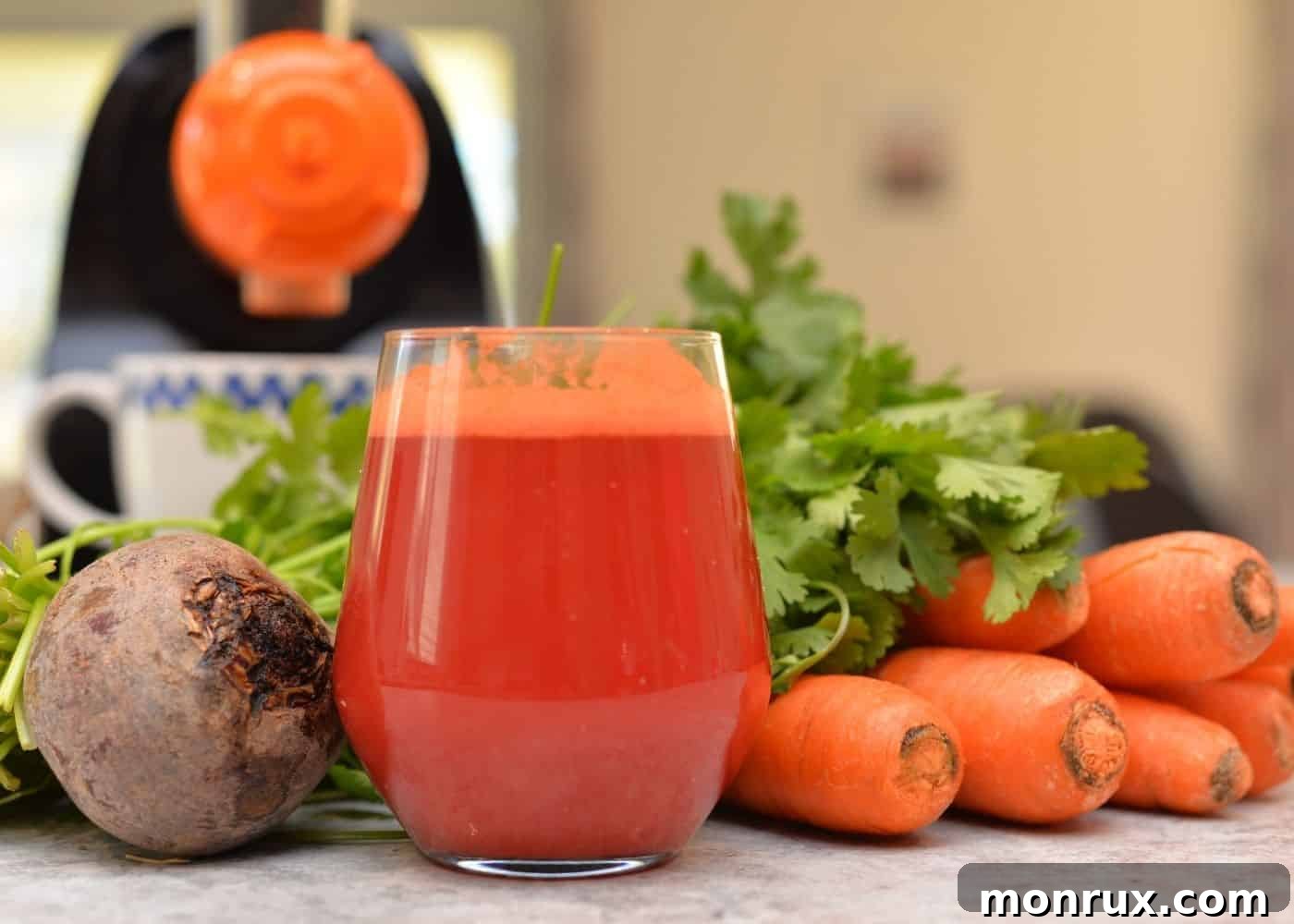
Welcome to the ultimate guide for creating a truly revitalizing and delicious Beet Carrot Juice recipe right in your own kitchen! This vibrant, nutrient-packed beverage is not only incredibly nourishing but also surprisingly easy to prepare, whether you own a juicer or a high-speed blender. With just three simple, wholesome ingredients, you can whip up a glass of pure wellness that tastes as good as it feels. Say goodbye to store-bought juices filled with additives and embrace the freshness of homemade goodness.
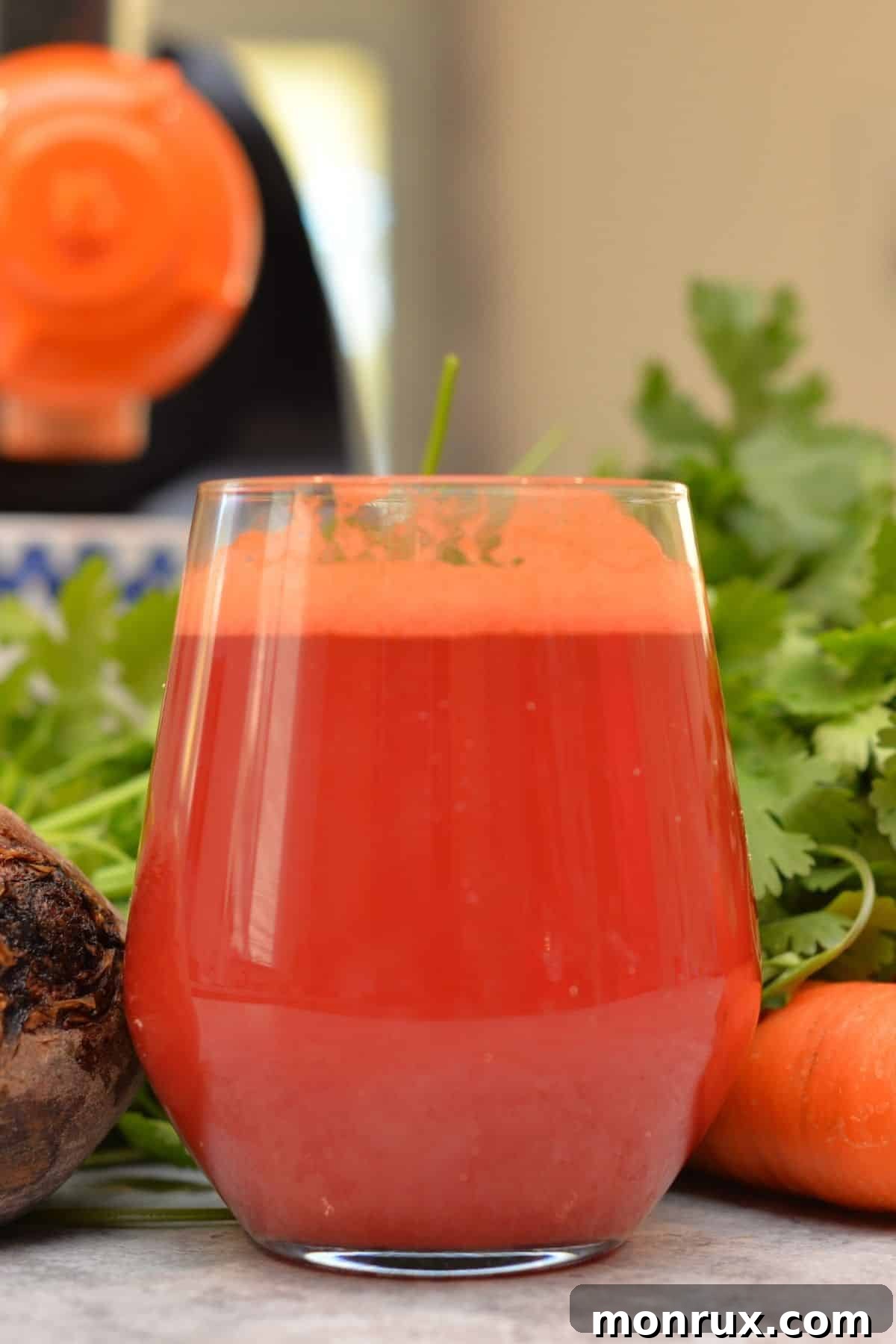
One of the simplest yet most effective ways to significantly boost your health and energy levels is by incorporating fresh vegetable juices into your daily routine. It offers a concentrated dose of vitamins, minerals, and antioxidants, often in quantities that would be challenging to consume through whole eating alone. This approach ensures your body absorbs these vital nutrients more efficiently, paving the way for improved well-being.
This particular Beet Carrot Juice recipe is a powerhouse of essential compounds specifically chosen to support various bodily functions. It’s renowned for its ability to help boost your immune system, serving as a protective shield against common illnesses. Furthermore, its potent ingredients are known to fight inflammation throughout the body, a key factor in preventing chronic diseases and promoting overall cellular health. Beyond these immediate benefits, regular consumption of this juice can contribute to enhanced vitality and a greater sense of overall wellness. Its natural sweetness and earthy undertones make it a palatable option for anyone looking to nourish their body from the inside out.
The remarkable advantages of drinking beet juice have been widely reported by individuals seeking to optimize their health. Many attest to its positive impact on athletic performance, attributing improved stamina and recovery to its natural nitrate content. It’s also frequently praised for its contribution to healthy immune function, helping the body to ward off infections. Crucially, studies and personal anecdotes suggest a role in maintaining healthy blood pressure levels, making it a valuable addition to a heart-healthy diet. And there’s even more to discover! Start enjoying the myriad benefits of this refreshing beet carrot juice today and experience the difference fresh, whole ingredients can make.
Unlocking Flavor and Nutrition: The Key Ingredients
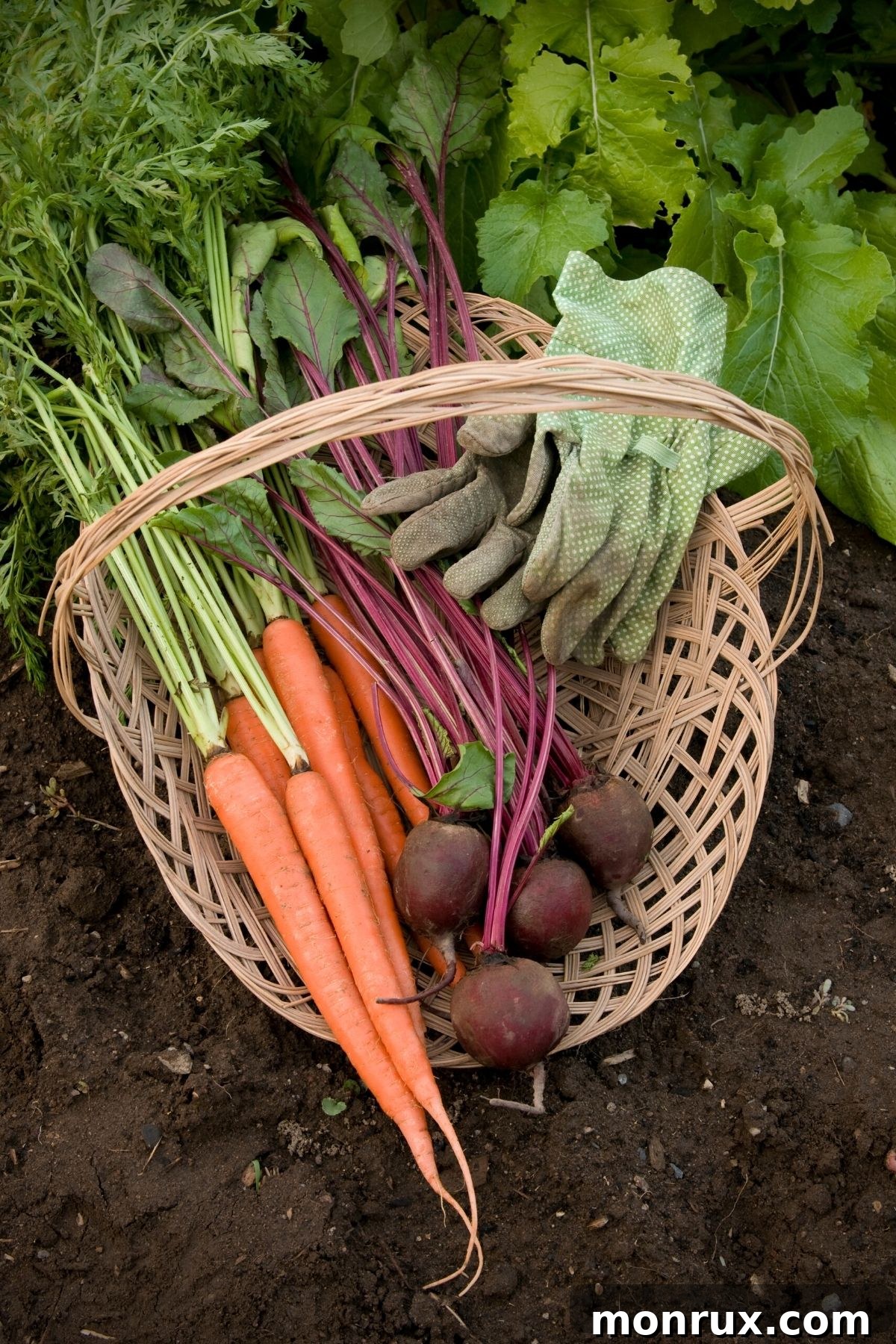
- Beets: The Earthy Powerhouse
Beets form the vibrant, nutrient-dense base of this recipe. For optimal results and maximum enzymatic activity, it’s crucial to use raw, uncooked beets for juicing. There’s no need for elaborate cooking; simply give them a good scrub under running water to remove any dirt, then trim off the greens, and the top and bottom ends. The greens can often be juiced along with the roots for an extra nutrient boost! Beets are rich in nitrates, which the body converts to nitric oxide, supporting blood flow and athletic endurance. They also contain betalains, powerful antioxidants responsible for their deep red color, known for their anti-inflammatory and detoxifying properties. I also frequently use beets as a foundational ingredient in recipes like my popular Liver Cleanse Juice. Explore my other favorite beet juice recipes for juicers to discover more ways to enjoy this incredible root vegetable. - Carrots: The Sweet & Mellow Balance
Carrots play a vital role in this juice, expertly balancing the sometimes intense, earthy flavor of the beets while adding a delightful natural sweetness. Beyond their taste contribution, carrots are a nutritional powerhouse, famed for their beta-carotene content, a precursor to Vitamin A. This is crucial for vision health, skin radiance, and immune support. They also provide a good source of Vitamin K1, potassium, and antioxidants. Both beets and carrots are consistently featured on my list of the best vegetables to juice due to their exceptional nutrient density and flavor profiles. Choose firm, bright orange carrots for the best taste and nutrient levels. - Apple: The Natural Sweetener & Flavor Enhancer
An apple is the perfect addition to this juice, introducing a refreshing burst of natural sweetness that harmonizes beautifully with the root vegetables. It helps to mellow out the earthiness of the beets and brightens the overall flavor. You have flexibility with your apple choice; a tart Granny Smith green apple can add a crisp tang, while any variety of red apple will contribute a sweeter, milder note. Many affectionately refer to this combination as “ABC juice” – Apple, Beets, and Carrots – making the simple yet powerful formula incredibly easy to remember! If you’re looking for a more tropical twist, be sure to check out my delightful Mango Carrot Juice for another refreshing option.
For the precise quantities and detailed instructions to make this amazing juice, please refer to the comprehensive recipe card conveniently located at the end of this post.
Crafting Your Homemade Beet Carrot Juice: Step-by-Step Guide
Creating this nourishing beet carrot juice is a straightforward process, adaptable to your preferred kitchen appliance. I personally rely on my Omega cold-press juicer for all my juice concoctions, as it extracts maximum nutrients and flavor with minimal oxidation. However, if a juicer isn’t part of your kitchen arsenal, a powerful high-speed blender will achieve excellent results too! For a deeper dive into choosing the right equipment, explore my guide to the best juicer blenders available.
Step One: Prepare Your Produce with Precision
The foundation of any great juice begins with meticulous preparation. Begin by thoroughly washing and prepping your beets, carrots, and apple. For beets, scrub them vigorously with a vegetable brush under cold running water to remove any soil; you don’t need to peel them as much of the nutrition is in or just under the skin. Trim off the leafy tops and the small root end. For carrots, a good scrub is usually sufficient, though you can lightly peel them if desired. Wash your apple thoroughly. The size you cut your produce will depend on your equipment:
- For a Juicer: Cut beets, carrots, and apple into pieces small enough to fit comfortably through your juicer’s feeding chute. Larger, denser pieces are generally fine for most juicers.
- For a Blender: Chop all ingredients into smaller, manageable chunks (about 1-inch pieces) to ensure a smoother blend and prevent strain on your blender motor.
Refer to the comprehensive recipe card at the end of this post for the exact measurements of each ingredient to ensure a perfectly balanced juice.
Step Two: Juicing or Blending Your Way to Freshness
Now, let’s turn your prepared ingredients into a vibrant, delicious juice:
- Using a Juicer: Gradually feed the prepped beets, carrots, and apple pieces through the feeding tube of your juicer. Allow the juicer to work its magic, extracting the liquid gold into your collection pitcher. You’ll observe a clear separation of juice and pulp, which will be expelled into a separate container.
- Using a Blender: For a blender-made beet carrot juice, place all the chopped ingredients (beets, carrots, and apple) into the pitcher of your high-speed blender. Add approximately 1/4 cup of filtered water to aid in the blending process. This initial liquid helps create a vortex, ensuring all ingredients are evenly processed into a smooth consistency.
If you’re using a blender, blend the ingredients on high speed until the mixture is completely smooth and appears consistent in texture. This usually takes about 30-60 seconds, depending on your blender’s power.
If using a blender, blend the ingredients until smooth.
Step Three: Strain for a Silky Smooth Finish (Blender Method)
This step is primarily for those using a blender, as juicers naturally separate pulp. To achieve that smooth, pulp-free consistency akin to a juiced beverage, you’ll need to strain the blended mixture. Carefully pour the blended liquid through a fine-mesh sieve lined with cheesecloth, or, even better, use a specialized nut milk bag. Gather the edges of the cloth or bag and gently squeeze, allowing the fresh juice to drip into a clean bowl or pitcher below. This process removes the majority of the fibrous pulp, leaving you with a light, clear, and easy-to-drink juice. Don’t discard that precious pulp! It’s a goldmine of fiber and nutrients that can be repurposed. For instance, you can use it to make delightful and healthy Carrot Crackers or add it to muffins and smoothies.
Step Four: Serve and Savor Immediately
The optimal way to enjoy your homemade beetroot and carrot juice is to serve it immediately after preparation. Freshly made vegetable juices retain the highest concentration of their delicate vitamins, enzymes, and antioxidants, which can begin to degrade over time through exposure to air and light. Pour your vibrant juice into a glass, perhaps over a few ice cubes if you prefer it chilled, and savor every sip of its natural goodness. The taste is incredibly fresh, slightly earthy, and perfectly balanced with the sweetness of the apple and carrots.
An Important Health Note: While beet and carrot juice offers numerous health benefits, it’s always wise to exercise caution and consult with your healthcare provider if you are managing specific health conditions. This is especially important if you are trying to lower blood pressure, regulate blood sugar levels, or if you have pre-existing heart disease or digestive issues. Carrot beetroot juice can naturally have a higher nitrate content, which while beneficial for many, might require careful consideration depending on your individual health profile. Always ensure this healthy addition aligns with your personal dietary needs and medical advice.
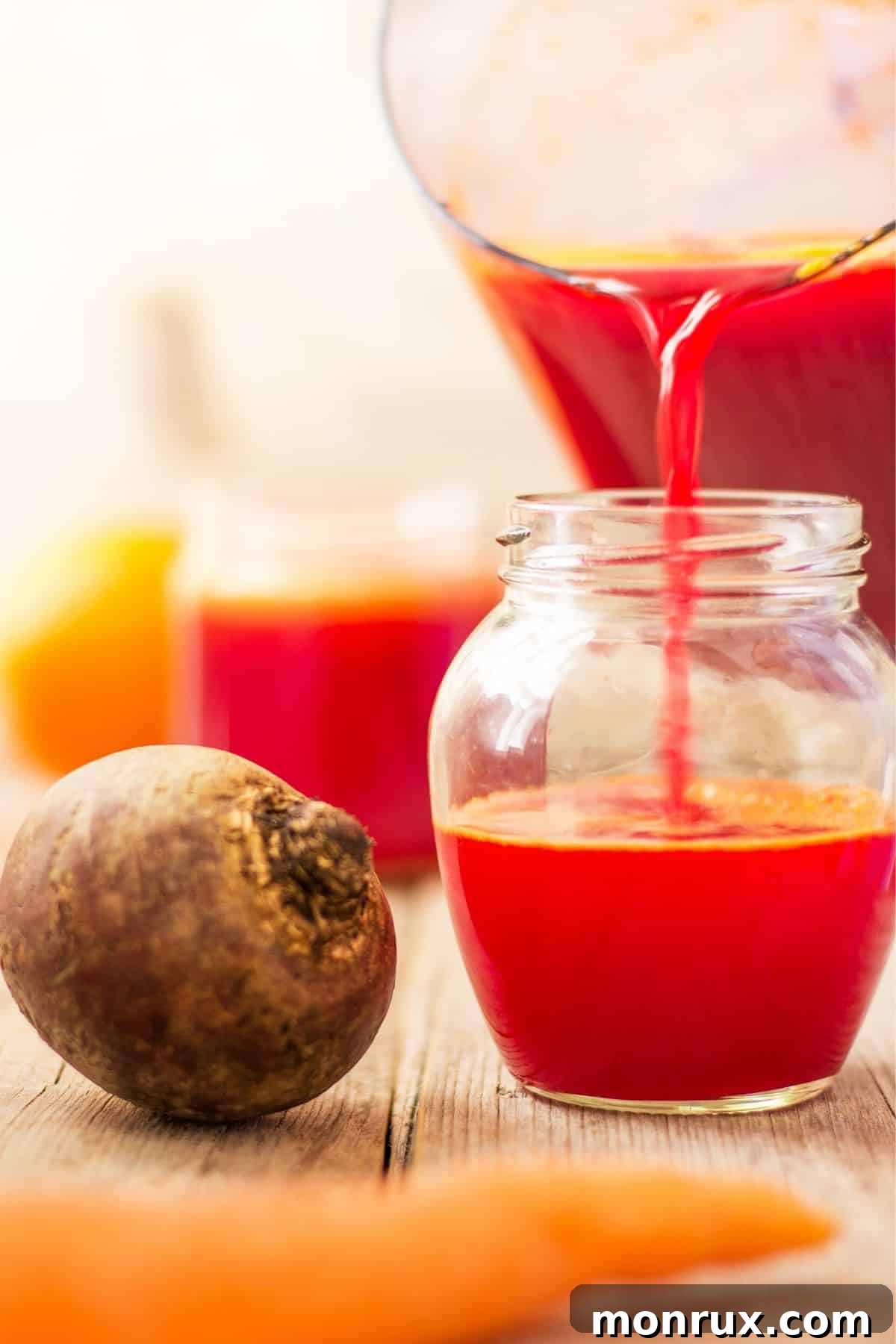
The Incredible Health Benefits of Beet Carrot Juice
- Accessible and Affordable Nutrition: Beets, apples, and fresh carrots are widely available throughout the year in most grocery stores and farmers’ markets. They are generally not expensive, making this a highly accessible and budget-friendly option for boosting your daily nutrient intake. Their ease of finding and preparing means you can consistently incorporate this healthy habit into your lifestyle without hassle. Moreover, this juice is bursting with a plethora of health benefits that make it an invaluable addition to any diet.
- Naturally Sweetened Perfection: The inclusion of an apple is a game-changer for flavor. It effortlessly balances the earthy notes of the beets and introduces a delightful touch of natural sweetness without the need for any added sugars or artificial sweeteners. This makes the juice incredibly palatable, even for those new to vegetable juicing, ensuring you enjoy a delicious drink that is truly good for you.
- Effortless Preparation for Busy Lifestyles: Whether you prefer the efficiency of a juicer or the versatility of a high-speed blender, this recipe is incredibly adaptable. The entire process, from preparation to serving, typically takes around 15 minutes or less. This makes it a perfect solution for busy mornings, a quick midday pick-me-up, or an invigorating post-workout refuel. Its simplicity means healthy eating never has to feel like a chore.
- Immune System Support: Carrots are packed with beta-carotene, a powerful antioxidant and precursor to Vitamin A, essential for a robust immune system. Beets contribute Vitamin C, another vital nutrient for immune defense, while apples add a touch more Vitamin C and various phytochemicals that bolster overall health.
- Anti-Inflammatory Powerhouse: Beets contain betalains, unique plant pigments with potent anti-inflammatory properties, which can help reduce inflammation throughout the body. Carrots and apples also bring their own array of antioxidants and phytonutrients that work synergistically to combat oxidative stress and inflammation.
- Detoxification and Liver Health: Beets are celebrated for their ability to support liver function and natural detoxification pathways. They contain compounds that aid in cleansing the blood and promoting healthy bile flow, while carrots and apples add a boost of fiber (especially if consuming blended juice with pulp) and antioxidants to further assist the body’s cleansing processes.
- Heart Health and Blood Pressure Regulation: The high concentration of nitrates in beets is converted into nitric oxide in the body, which helps to relax and widen blood vessels, leading to improved blood flow and potentially lower blood pressure. The potassium in carrots and apples further contributes to heart health by helping to balance fluid levels.
- Enhanced Athletic Performance: Due to the nitrates, beet juice has become a popular choice among athletes. It can enhance oxygen delivery to muscles, improving endurance and potentially reducing exercise-induced fatigue. This makes beet carrot juice an excellent natural pre-workout or post-workout drink.
- Skin Health and Radiance: The abundance of beta-carotene in carrots is fantastic for skin health, promoting a healthy glow and protecting against sun damage. The antioxidants from beets and apples further contribute to cellular regeneration, potentially reducing signs of aging and promoting clearer skin.
- Digestive Wellness: While juicing removes most fiber, the soluble fiber present in the juice (and more so if you consume a blended, unstrained version) can support healthy digestion. Beets also contain compounds that are beneficial for gut health.
Frequently Asked Questions About Beet Carrot Juice
Adding an apple serves multiple purposes. Primarily, it significantly enhances the flavor profile by contributing a natural sweetness that beautifully balances the earthy notes of the beets. This makes the juice more palatable and enjoyable, especially for those who might find the taste of pure beet juice too intense. Additionally, the apple introduces its own array of vitamins and antioxidants, boosting the nutritional value of the drink.
Please don’t throw away the nutritious pulp leftover from juicing! It’s a treasure trove of fiber and can be repurposed in many creative ways. You can use it as a base for savory juice pulp crackers, add it to vegetable broth for extra flavor and nutrients, mix it into homemade veggie burgers, or even incorporate it into baked goods like muffins or breads for an added fiber boost. It’s an excellent way to reduce food waste and maximize the value of your ingredients.
While technically possible, for optimal taste and nutritional benefits, this juice is ideally made with raw, uncooked beets. Cooking beets can diminish some of their heat-sensitive vitamins and enzymes, and it can also alter their flavor, making them less vibrant for juicing. Raw beets provide the freshest, most potent concentration of nutrients for your juice.
Freshly made juice is always best consumed immediately to capture its peak nutrient content and flavor. However, if you have leftovers or wish to prepare it in advance, you can store this beet carrot juice in an airtight container (like a glass jar with a tight lid) in the refrigerator for up to 48-72 hours. To minimize oxidation, fill the container to the very top, leaving as little air as possible. Some people even add a squeeze of lemon or lime juice as a natural preservative.
While not strictly necessary, choosing organic beets, carrots, and apples is highly recommended, especially when juicing. Juicing concentrates the produce, meaning any pesticides or chemicals present in conventional produce would also become concentrated. Organic produce ensures you’re getting the purest, most nutrient-dense juice without unwanted residues. If organic isn’t an option, be sure to wash conventional produce very thoroughly.
Absolutely! This beet carrot apple juice recipe is a fantastic base for customization. Feel free to experiment with other healthy additions to enhance flavor and boost nutrition. Popular choices include a small piece (about 1 inch) of fresh ginger for a spicy kick and digestive benefits, a squeeze of lemon or lime juice for brightness and a Vitamin C boost, or even a handful of spinach or kale for added greens. Listen to your taste buds and nutritional needs!
I truly hope you give this vibrant and healthy Beet Carrot Juice recipe a try! If you do, please leave a comment below and a starred review to share your experience. Your feedback is invaluable and helps others discover delicious, nourishing recipes.
Additionally, I invite you to connect with me on social media to stay updated with new clean eating recipes, wellness tips, and behind-the-scenes content. You can find me on Facebook, Pinterest, Instagram, and YouTube! Let’s build a community focused on healthy, delicious living.
Print
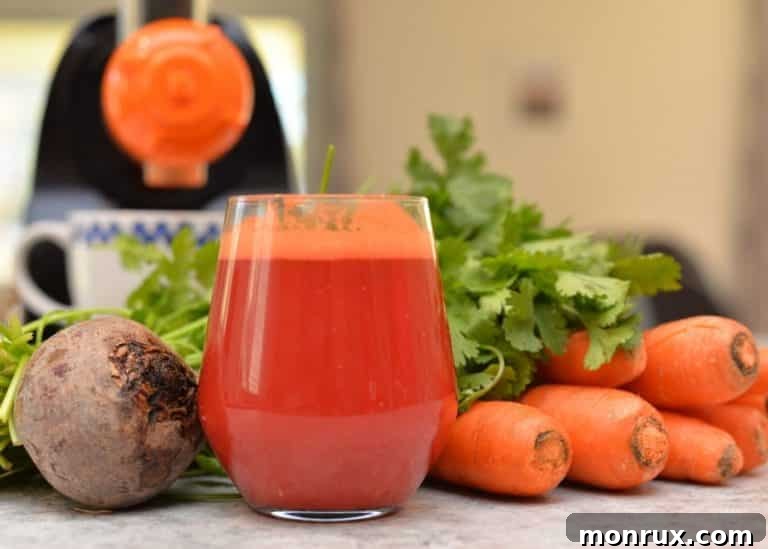
Beet Carrot Juice Recipe
5 Stars 5 Stars 5 Stars 5 Stars 5 Stars
5 from 1 review
This Homemade Beet Carrot Juice is a simple, vibrant, and incredibly nourishing drink that you can easily create at home. Bursting with essential vitamins, minerals, and powerful antioxidants, this juice is designed to enhance your overall well-being. It’s not only straightforward to prepare using either a juicer or a blender but also delivers a deliciously balanced flavor profile. Discover how to unlock a wealth of health benefits with every sip!
Total Time: 15 minutes
Yield: 2 servings
Ingredients
Scale
- 2 medium beets, thoroughly scrubbed and rinsed well (greens, tops, and bottoms removed)
- 3 large carrots, scrubbed and rinsed well (tops removed)
- 1 medium apple (any variety, such as Granny Smith or Gala), washed and cored
Instructions
- Prepare the Produce: Wash your beets, carrots, and apple thoroughly. For beets and carrots, scrubbing is generally sufficient; peeling is optional, as many nutrients reside close to the skin. Remove beet greens and ends. Core the apple. Cut all produce into pieces appropriate for your chosen equipment: smaller chunks (about 1-inch) for a blender, or larger pieces that fit your juicer’s chute.
- For Juicer Users: Begin feeding the prepared beet, carrot, and apple pieces through the feeding tube of your juicer. Collect the freshly extracted juice in a clean pitcher or glass. Stir gently and serve immediately for the freshest taste and maximum nutrient retention.
- For Blender Users: Add the chopped beets, carrots, and apple to the base of your high-speed blender. Pour in ¼ to ½ cup of water (start with ¼ cup and add more if needed) to help facilitate the blending process. Secure the lid and blend on high speed for 30-60 seconds, or until the mixture achieves a smooth, consistent purée.
- Strain the Blended Juice (Blender Method Only): To achieve a smooth, pulp-free juice, place a fine-mesh colander or a nut milk bag over a large bowl or pitcher. Pour the blended mixture into the colander or bag. Using a spatula or your hands (if using a nut milk bag), gently press and squeeze the mixture to extract all the liquid. Discard the remaining fibrous pulp, or save it for other culinary uses like crackers or adding to baked goods.
- Serve Immediately: Pour your freshly made beet carrot juice into glasses. For an extra refreshing experience, serve over ice. Enjoy the vibrant flavors and invigorating nutrients right away to ensure you receive all the amazing benefits at their peak.
Notes
- Batch Preparation: This recipe is easily scalable. You can effortlessly double or triple the ingredients if you wish to make more servings for your family or to enjoy over a couple of days.
- Storage Tips: While fresh juice is always best served right after it’s made, any leftover juice can be stored. Transfer it to a sealed, airtight container (a glass jar works well) and refrigerate for up to 2-3 days. Filling the container to the brim helps reduce oxidation.
- Apple Varieties: Feel free to experiment with different types of apples! A crisp Granny Smith will add a tart counterpoint, while a sweeter red apple like Gala or Fuji will yield a milder, sweeter juice.
- Flavor Enhancements: Don’t hesitate to customize your juice! Add a small piece (up to 1-inch) of fresh ginger for a zesty, digestive boost. A squeeze of fresh lemon or lime juice can brighten the flavors and add extra Vitamin C.
- Author: Carrie Forrest, MPH in Nutrition
- Prep Time: 10 minutes
- Cook Time: 5 minutes
- Category: Beverage
- Method: Juicer or Blender
- Cuisine: Juicing
- Diet: Vegan
Nutrition
- Serving Size: 1/2 of recipe
- Calories: 35
- Sugar: 3.5 g
- Sodium: 58.4 mg
- Fat: 0.1 g
- Saturated Fat: 0 g
- Carbohydrates: 8.2 g
- Fiber: 0.7 g
- Protein: 0.8 g
- Cholesterol: 0 mg
More Nourishing Vegetable Juice Recipes You Might Like
If you’ve enjoyed the vibrant taste and health benefits of this beet carrot juice, you’re in for a treat! The world of fresh vegetable juices is vast and full of delicious possibilities to explore. Here are some other fantastic recipes from my collection that you might find equally invigorating:
- Cabbage Juice for Gut Health
- Invigorating Carrot Juice with Orange & Ginger
- Simple & Hydrating Celery Juice
- Detoxifying Parsley Juice with Carrot & Celery
- Zesty Beetroot Ginger Juice
Alternatively, dive deeper into the world of juicing with my comprehensive round-up of the best juicer recipes for beginners, designed to help you confidently start your juicing journey.
Looking to elevate your juicing game? Discover my hand-picked favorite juicers, accessories, and essential tools that make juicing simple and enjoyable! Check out my Vegetable Juicing Essentials list conveniently curated on my Amazon storefront!
Don’t Miss These Essential Juicing Resources!
About the Author: Carrie Forrest holds a master’s degree in public health with a specialized focus on nutrition and is a certified holistic nutritionist. She is a highly respected wellness and food blogger, attracting over 5 million visitors annually to her acclaimed website. Carrie shares a truly inspiring story of recovery from chronic illness and is deeply passionate about empowering other women to transform their health and well-being. Feel free to send her a message through her convenient contact form for any inquiries or to share your own health journey.
Don’t miss out on exclusive clean eating recipes, valuable health tips, and wellness insights! Make sure to join my newsletter list today. It’s 100% free, free from spam, and you can easily unsubscribe at any time if you wish.
Important Disclaimer: Please note that the content provided in this post is intended solely for informational purposes and should not be considered as medical advice. It is always recommended to consult with your qualified healthcare provider for personalized recommendations and guidance concerning your individual health situation, especially when dealing with conditions such as high blood pressure, fluctuating blood sugar levels, heart disease, or digestive issues.