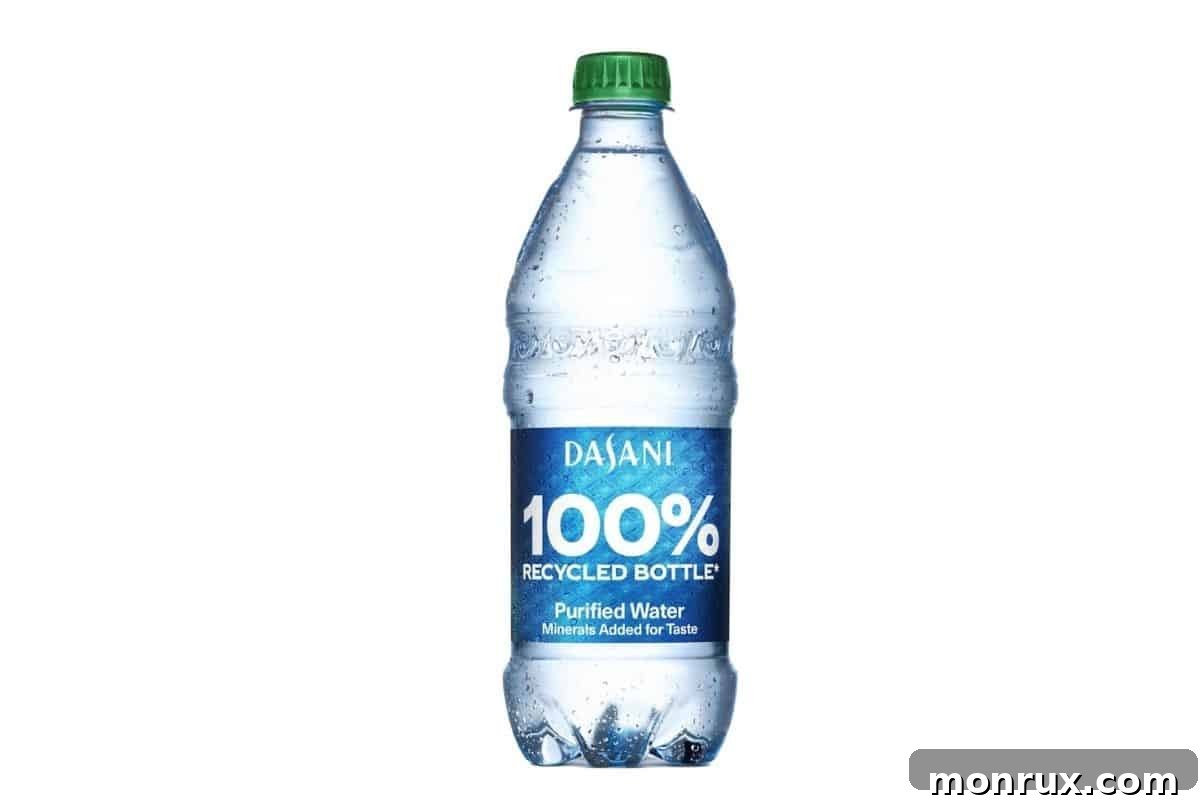
In the vast and competitive world of bottled water, Dasani Water stands out as a prominent brand, recognized by millions across the globe. But with growing awareness about health and environmental impacts, many consumers are asking: Is Dasani Water bad for you? This comprehensive article dives deep into Dasani’s composition, purification process, and the potential pros and cons of its consumption. We’ll explore its ingredients, debunk common myths, and compare it with other hydration options to help you make an informed choice for your personal health and the planet.
Dasani Water: An Overview
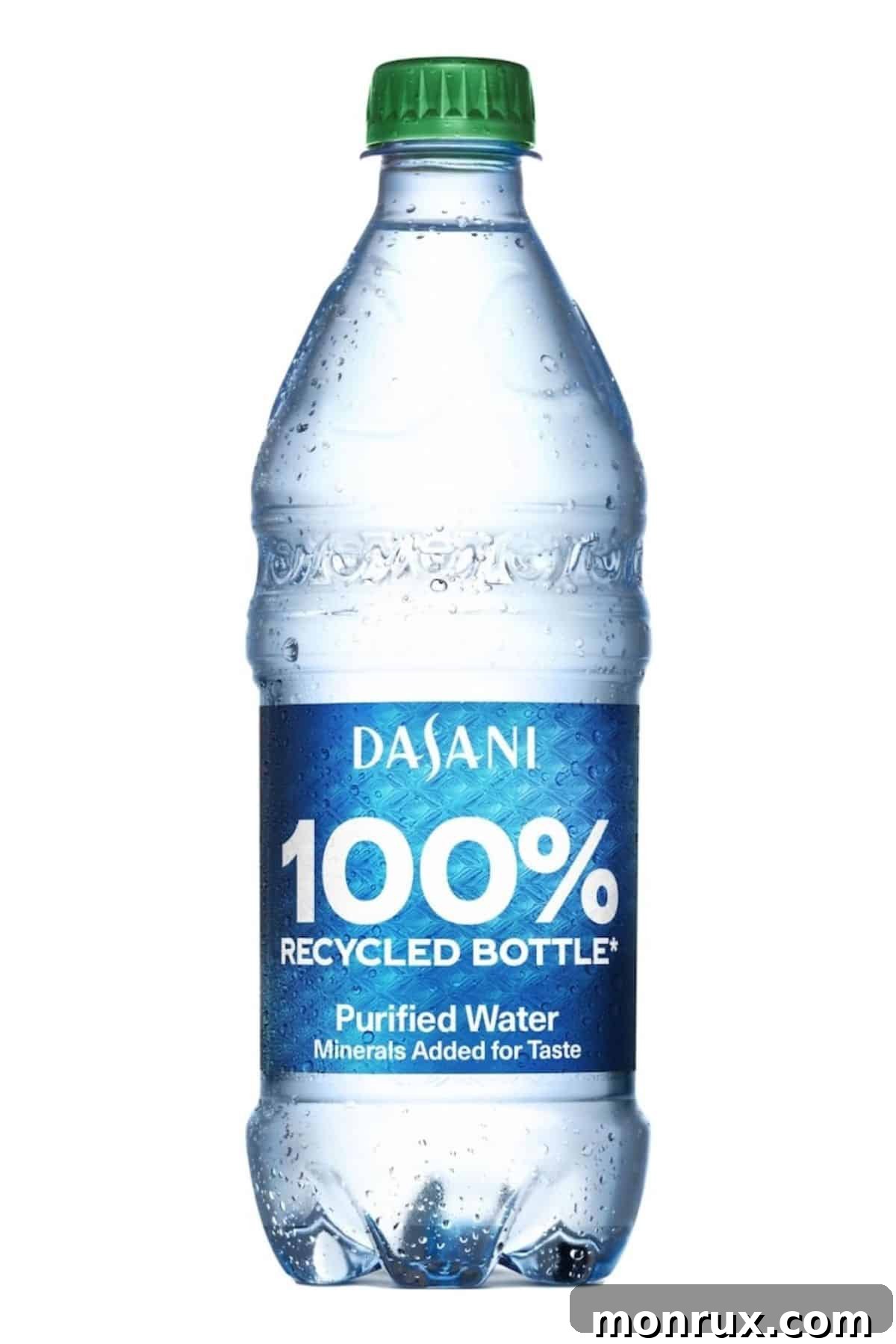
Launched in 1999 by The Coca-Cola Company, Dasani quickly established itself as a major player in the competitive bottled water market. Unlike natural spring water, Dasani is categorized as “purified water,” meaning its source water—often municipal tap water or protected groundwater—undergoes a rigorous multi-step filtration and enhancement process. This approach allows Coca-Cola to maintain a consistent product quality and taste profile across different bottling locations.
The brand’s identity is built around providing a clean, refreshing taste, fortified with a unique blend of minerals. This process ensures the removal of impurities and contaminants while adding back specific elements for a distinctive flavor. Dasani is widely available in various convenient sizes, from 10.1 fl oz to 1.5 liters, catering to diverse hydration needs and lifestyles. The company also emphasizes its commitment to sustainability, utilizing 100% recyclable bottles, with many now made from recycled plastic.
The Dasani Purification and Enhancement Process
Dasani’s purification process is designed to deliver consistent purity and taste. It begins with sourcing water from either municipal systems or carefully managed groundwater. This raw water then undergoes several crucial stages:
- Activated Carbon Filtration: This initial step removes volatile organic compounds (VOCs), chlorine, and other substances that can affect taste and odor. Carbon filtration acts like a sponge, trapping unwanted particles.
- Reverse Osmosis (RO): This advanced filtration method forces water through a semi-permeable membrane, effectively removing dissolved solids, salts, minerals, and microscopic impurities. RO is a highly effective way to purify water to a very high standard.
- Ultraviolet (UV) Light Disinfection: After RO, the water is exposed to UV light, which destroys any remaining microorganisms, including bacteria and viruses, ensuring microbiological safety without the use of chemical disinfectants.
- Mineral Enhancement: To achieve Dasani’s signature “fresh and clean taste,” trace amounts of specific minerals are added back. These include potassium chloride, magnesium sulfate, and salt (sodium chloride). This step is critical for developing the brand’s unique taste profile, as highly purified water can sometimes taste flat.
- Ozonation: As a final safeguard, ozone gas is pumped through the water. Ozone is a powerful disinfectant that kills any lingering bacteria and helps preserve the water’s freshness and purity until it reaches the consumer.
This meticulous purification and enhancement process ensures that Dasani water is free from harmful contaminants and offers a consistent, palatable taste experience, making it a popular choice for daily hydration.
Dasani Water Ingredients: A Deep Dive
Dasani Water’s ingredient list is notably short: purified water, magnesium sulfate, potassium chloride, and salt. While these added minerals are present in very small quantities and are generally recognized as safe (GRAS) by regulatory bodies like the U.S. Food and Drug Administration (FDA), understanding their roles and potential implications is key to evaluating Dasani’s health profile.
Purified Water
The foundation of Dasani is purified water, which has undergone extensive filtration to remove impurities and contaminants. This means it is free from pesticides, heavy metals, chlorine, and most naturally occurring minerals found in tap or spring water. For the vast majority of people, consuming purified water from a reputable manufacturer like Coca-Cola poses no significant health risks. The company asserts that its processing methods consistently meet or exceed bottled water standards, minimizing concerns about bacterial or chemical contamination during bottling.
The benefit of purified water lies in its consistency and freedom from common waterborne irritants. For those sensitive to the taste of tap water or seeking a guaranteed level of purity, purified bottled water offers a reliable option.
Potassium Chloride
Potassium chloride is added to Dasani water in trace amounts primarily for taste enhancement and to contribute to a balanced electrolyte profile. Potassium is an essential mineral vital for nerve function, muscle contraction, and maintaining proper fluid balance. While the amount in Dasani is minuscule, it’s worth noting the general health implications of potassium chloride.
When consumed in excessively high quantities, typically far beyond what you’d find in bottled water, potassium chloride can lead to hyperkalemia (high potassium levels). Symptoms can range from mild muscle weakness and fatigue to more severe issues like irregular heartbeats and, in extreme cases, cardiac arrest. However, the trace amounts in Dasani water are well within safe consumption limits for healthy individuals and are not a cause for concern. It primarily serves to provide a crisp, clean taste. Other enhanced waters, like Core Hydration Water, also use added minerals for similar purposes.
Magnesium Sulfate
Magnesium sulfate is another mineral included in Dasani’s proprietary blend. Magnesium is a crucial mineral involved in over 300 enzymatic reactions in the body, supporting muscle and nerve function, blood glucose control, and blood pressure regulation. In water, it contributes to the mineral balance and taste.
Similar to potassium chloride, concerns about magnesium sulfate typically arise from very high doses, such as those found in laxatives or certain medical treatments. Overdosing on magnesium sulfate can cause gastrointestinal issues like nausea, vomiting, diarrhea, and abdominal cramps. More severe toxicity can lead to dangerously low blood pressure, respiratory depression, and even cardiac arrest. Individuals with pre-existing conditions, particularly kidney problems, should be cautious with high magnesium intake. However, the quantities of magnesium sulfate in Dasani Water are extremely low and considered perfectly safe for daily consumption for most people, contributing solely to the desired taste profile without posing health risks.
Salt (Sodium Chloride)
Salt, or sodium chloride, is added in minute quantities to Dasani water to enhance taste and provide a subtle electrolyte balance. Sodium is an essential electrolyte that helps regulate fluid balance and nerve impulses. For those concerned about sodium intake, Dasani water contains 0mg of sodium, meaning the added salt is below the threshold for nutritional labeling, making it virtually sodium-free in terms of dietary impact.
While excessive salt intake is a known risk factor for conditions like high blood pressure, dehydration, and an increased risk of cardiovascular disease, the trace amounts present in Dasani water are negligible and will not contribute to these health concerns. It’s a common practice in bottled water manufacturing to add minimal salt for taste, ensuring a pleasant and refreshing drinking experience without significant dietary sodium contribution.
Nutrition Benefits of Dasani Water
While Dasani Water doesn’t boast a long list of vitamins or macronutrients, it offers several significant benefits that make it a popular choice for staying hydrated:
- Optimal Hydration: At its core, Dasani provides pure water, which is fundamental for human health. Proper hydration is essential for maintaining body temperature, lubricating joints, delivering nutrients to cells, and ensuring organs function correctly. Access to clean, safe drinking water is a primary health benefit, and Dasani fulfills this role effectively.
- Zero Calories and Sugar-Free: In an era of increasing concerns about sugar intake and calorie consumption, Dasani offers a healthy alternative to sugary beverages like sodas and juices. It contains no calories, no sugar, and no artificial sweeteners, making it an excellent choice for weight management and maintaining overall metabolic health.
- Consistent Purity and Taste: Thanks to its multi-stage purification process, Dasani delivers a consistently pure product. Consumers can trust that they are receiving water free from chlorine, lead, pesticides, and other common tap water contaminants. The added mineral blend ensures a reliable and refreshing taste experience, regardless of where the bottle is purchased.
- Convenience and Accessibility: Dasani is widely available in various sizes at supermarkets, convenience stores, vending machines, and restaurants. This ubiquitous presence makes it an incredibly convenient option for hydration on the go, during travel, or when access to filtered tap water is limited. Its portability supports healthy habits throughout the day.
- Electrolyte Balance (Trace Amounts): While not a sports drink, the trace amounts of potassium chloride and magnesium sulfate contribute minimally to electrolyte balance. For general hydration, these minute additions enhance the water’s taste profile and may offer a very slight benefit in replenishing electrolytes lost through daily activities.
For most individuals, Dasani Water is a perfectly acceptable and beneficial choice for daily hydration, contributing positively to overall well-being by providing pure, refreshing water without unwanted additives or calories.
Potential Concerns with Dasani Water
Despite its benefits, Dasani Water, like all bottled water products, comes with certain considerations and potential drawbacks:
- Environmental Impact of Plastic Bottles: While Dasani has made significant strides by using 100% recyclable bottles and incorporating recycled plastic since 2022, the environmental footprint of single-use plastic remains a concern. The production, transportation, and disposal of plastic bottles contribute to greenhouse gas emissions, landfill waste, and plastic pollution in oceans and ecosystems. Even with recycling efforts, a substantial amount of plastic still ends up in the environment. Consumers conscious of their ecological impact might prefer reusable bottles or filtered tap water.
- Lack of Naturally Occurring Minerals: Because Dasani undergoes a thorough purification process, it strips away not only contaminants but also beneficial naturally occurring minerals found in spring water or well water. While some minerals are added back for taste, it doesn’t replicate the complex mineral profile of natural sources, which can include calcium, bicarbonates, and other trace elements. For individuals seeking these natural mineral benefits, Dasani might not be the ideal choice.
- Cost: Bottled water, including Dasani, is significantly more expensive than tap water. Over time, the cost of regularly purchasing bottled water can add up, making it a less economical option compared to using a reusable bottle filled with filtered tap water.
- Source Perception: The fact that Dasani often originates from municipal tap water, even after extensive purification, can be a point of contention for some consumers who expect bottled water to come from pristine, natural springs. While the purification process ensures safety and taste, this perception can influence consumer preference.
- Microplastics: A general concern with bottled water is the potential presence of microplastics. Studies have shown that microplastic particles can leach into bottled water from the plastic containers, particularly when exposed to heat or over time. While the health implications of microplastic consumption are still under research, it’s a growing concern for many consumers.
For individuals with specific health concerns regarding mineral intake (though trace amounts in Dasani are generally safe), or those prioritizing environmental sustainability and cost-effectiveness, exploring alternatives to bottled water might be a more suitable option.
Debunking Common Myths About Dasani
Dasani Water has been the subject of several rumors and controversies over the years. Let’s address some of the most common ones:
- Myth: Dasani is Just “Fancy Tap Water.” While Dasani’s source water can indeed come from municipal tap water systems, calling it “just tap water” is misleading. As detailed earlier, Dasani undergoes a rigorous multi-step purification process, including activated carbon filtration, reverse osmosis, UV light disinfection, and ozonation. This extensive treatment significantly enhances the water’s purity and safety beyond what typical tap water offers. The addition of a unique mineral blend further distinguishes its taste profile.
- Myth: Dasani’s pH Level is Unhealthy. Rumors have circulated claiming Dasani water has an unhealthy pH level. However, Dasani water typically falls within a slightly acidic to neutral pH range, generally between 5.6 and 7.5. According to research and health authorities, this range is perfectly safe for drinking water. The human body is remarkably efficient at maintaining its internal pH balance, so the pH of the water consumed has a minimal impact on overall systemic pH. Some people may prefer alkaline water for personal reasons or to manage acid reflux, but there’s no scientific consensus that slightly acidic drinking water is harmful.
- Myth: The Added Minerals are Harmful. As discussed in the ingredients section, the minerals (potassium chloride, magnesium sulfate, and salt) are added in trace amounts. These quantities are far below any level that would pose a health risk to average consumers and are primarily for taste. Regulatory bodies approve these additives for use in food and beverages.
It’s important for consumers to rely on credible sources and scientific information rather than unsubstantiated rumors when evaluating bottled water brands.
Dasani Water vs. Other Hydration Options
When considering Dasani, it’s helpful to compare it with other popular choices:
- Tap Water: For many, filtered tap water is the most sustainable and cost-effective option. Modern municipal water systems are generally safe and regulated. Using a home filter (pitcher, faucet, or whole-house system) can further improve taste and remove residual chlorine or certain contaminants. Tap water typically retains natural minerals, which can be beneficial.
- Natural Spring Water: Brands like Evian, Fiji, or Poland Spring offer water sourced directly from natural springs, containing naturally occurring minerals and electrolytes. These minerals contribute to their unique taste profiles and may offer additional health benefits. Spring water often appeals to those who prefer an unadulterated, naturally mineral-rich product.
- Alkaline Water: Brands like Essentia or Smartwater (some varieties) market water with a higher pH, often achieved through ionization or added alkaline minerals. While some proponents claim health benefits like improved hydration or acid neutralization, scientific evidence is still emerging.
- Mineral Water: Similar to spring water, mineral water is sourced from underground reservoirs and contains a consistent amount of dissolved minerals. The key difference is that mineral water cannot have minerals added or removed, ensuring its natural composition.
Dasani occupies a unique niche as a purified and enhanced water. It offers consistency and purity without the variability of natural sources, and at a generally lower price point than many premium spring or alkaline waters. Ultimately, the “best” choice depends on individual priorities: cost, environmental concerns, desired mineral content, and taste preference. For most people, safe drinking water, whether purified, spring, or filtered tap, is the most important factor.
Frequently Asked Questions About Dasani Water
Dasani water undergoes a robust, multi-step filtration process that includes activated carbon filtration, reverse osmosis, and ultraviolet (UV) light disinfection, followed by ozonation and mineral enhancement. This comprehensive approach is designed to effectively remove impurities, contaminants, and microorganisms to a very high standard. Compared to many other bottled waters, particularly those that are simply filtered spring water, Dasani’s method is rigorous and ensures a consistent level of purity. Some brands might use fewer steps, while others, particularly mineral waters, focus on preserving natural mineral content rather than extensive purification.
There is no direct link between Dasani water consumption and health issues like hypertension specifically due to its added sodium content. Dasani water contains a negligible amount of added salt (sodium chloride) for taste enhancement, which is so low that it is labeled as 0mg sodium per serving. This amount is well below the threshold that would significantly contribute to daily sodium intake or pose a risk for hypertension in healthy individuals. While excessive dietary sodium is a known risk factor for high blood pressure, the trace amounts in Dasani are not a concern. Individuals on strict low-sodium diets should always review ingredient labels, but for most, Dasani’s sodium content is inconsequential.
Dasani water typically has a slightly acidic to neutral pH level, generally ranging from 5.6 to 7.5. This pH range is considered perfectly safe for drinking water by health organizations. The human body possesses highly effective mechanisms for maintaining a stable internal pH (homeostasis), meaning the pH of the water you drink has a negligible effect on your overall body pH. While some individuals might prefer water with a higher (alkaline) pH for personal reasons, such as managing acid reflux, there is no strong scientific evidence to suggest that Dasani’s pH level is detrimental to general health. As long as drinking water falls within acceptable regulatory standards, its specific pH is unlikely to substantially impact the average consumer’s health.
In terms of basic hydration, drinking Dasani Water is functionally comparable to consuming tap water or most other bottled waters. Its primary role is to provide fluid to the body, which it does effectively. The purification processes ensure it meets safety standards, and the trace added minerals contribute to its taste. However, subtle differences in mineral content or taste profile between Dasani, tap water, or natural spring water might influence individual preference and, consequently, how much water someone is inclined to drink. For example, some individuals may find tap water’s taste less appealing due to chlorine, while others might prefer the unique mineral profile of a spring water. Ultimately, consistent intake of any safe, clean water source, including Dasani, is key to maintaining adequate hydration. Personal preference, accessibility, and environmental considerations are usually the main factors differentiating choices.
Explore More Bottled Water Reviews!
Final Verdict on Dasani Water
After a thorough examination, it’s clear that for most individuals, Dasani Water is a generally safe and convenient option for hydration. Its multi-stage purification process ensures a clean, consistent product free from common contaminants, and its zero-calorie, sugar-free nature makes it a healthier choice than many sugary beverages.
The added minerals—potassium chloride, magnesium sulfate, and a negligible amount of salt—are present in such trace quantities that they do not pose health risks for the average consumer and primarily serve to enhance taste. Concerns regarding pH levels and “tap water” origins have largely been debunked by scientific consensus and the brand’s stringent purification methods.
However, consumers should be mindful of the environmental impact of single-use plastic bottles, even those made from recycled materials. While Dasani is taking steps towards sustainability, the most eco-friendly choice remains using reusable bottles filled with filtered tap water or considering naturally sourced spring water for its inherent mineral content.
Ultimately, the decision to drink Dasani Water comes down to personal priorities, including taste preference, convenience, cost, and environmental consciousness. When choosing any bottled water, consider its source, purification methods, and packaging. For reliable and accessible hydration, Dasani fits the bill, but exploring sustainable and cost-effective alternatives is always a commendable practice.
Don’t forget to join my newsletter list to get exclusive clean eating recipes and tips. The newsletter is 100% free with no spam; unsubscribe anytime.
About the Author: Carrie Forrest has a master’s degree in public health with a specialty in nutrition and is a certified holistic nutritionist. She is a top wellness and food blogger with over 5 million annual visitors to her site. Carrie has an incredible story of recovery from chronic illness and is passionate about helping other women transform their health. Send her a message through her contact form.
Note: this post is for informational purposes only and is not intended as medical advice. Please consult your healthcare provider for recommendations related to your individual situation.