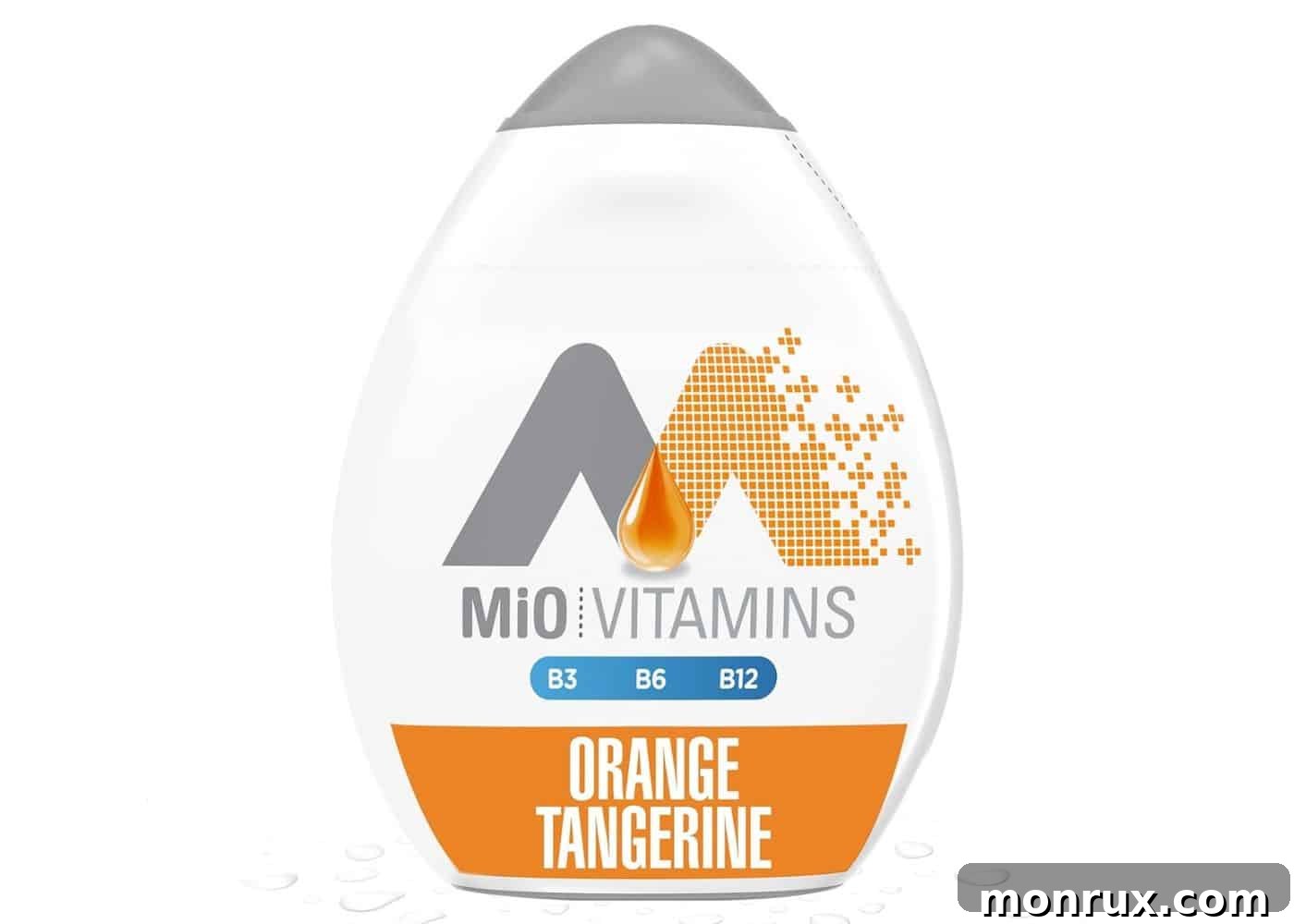
In today’s health-conscious world, many consumers are seeking convenient ways to enhance their hydration without resorting to sugary beverages. One popular solution that has emerged is MiO Liquid Water Enhancer. But a critical question remains for those striving for optimal wellness: Is MiO Liquid Water Enhancer genuinely healthy, or does it pose potential risks? This comprehensive guide delves into the nutritional profile of MiO, examining its pros and cons, dissecting its ingredient list, and ultimately helping you make an informed decision about incorporating it into your diet. While MiO offers a calorie-free and sugar-free way to flavor water, it’s essential to understand that it is a highly processed product, and for many, it may not align with a truly healthy lifestyle.
What is MiO Water Enhancer: Facts and Appeal
MiO is a revolutionary liquid concentrate designed to transform plain water into a flavorful beverage without adding calories, carbohydrates, or sugar. Produced by the American food giant Kraft Heinz Company, MiO aims to address a common challenge: encouraging people to drink more water for optimal hydration, especially those who find the taste of plain water unappealing.
The product’s primary allure lies in its convenience and its promise of a “healthier” alternative to sugary sodas, fruit juices, and other caloric drinks. It targets individuals who are actively managing their sugar intake, those with dietary restrictions like diabetes, or simply anyone looking to add variety to their daily water consumption.
MiO has expanded into various product lines, each tailored to specific consumer needs:
- MiO Original: Focuses purely on flavor enhancement.
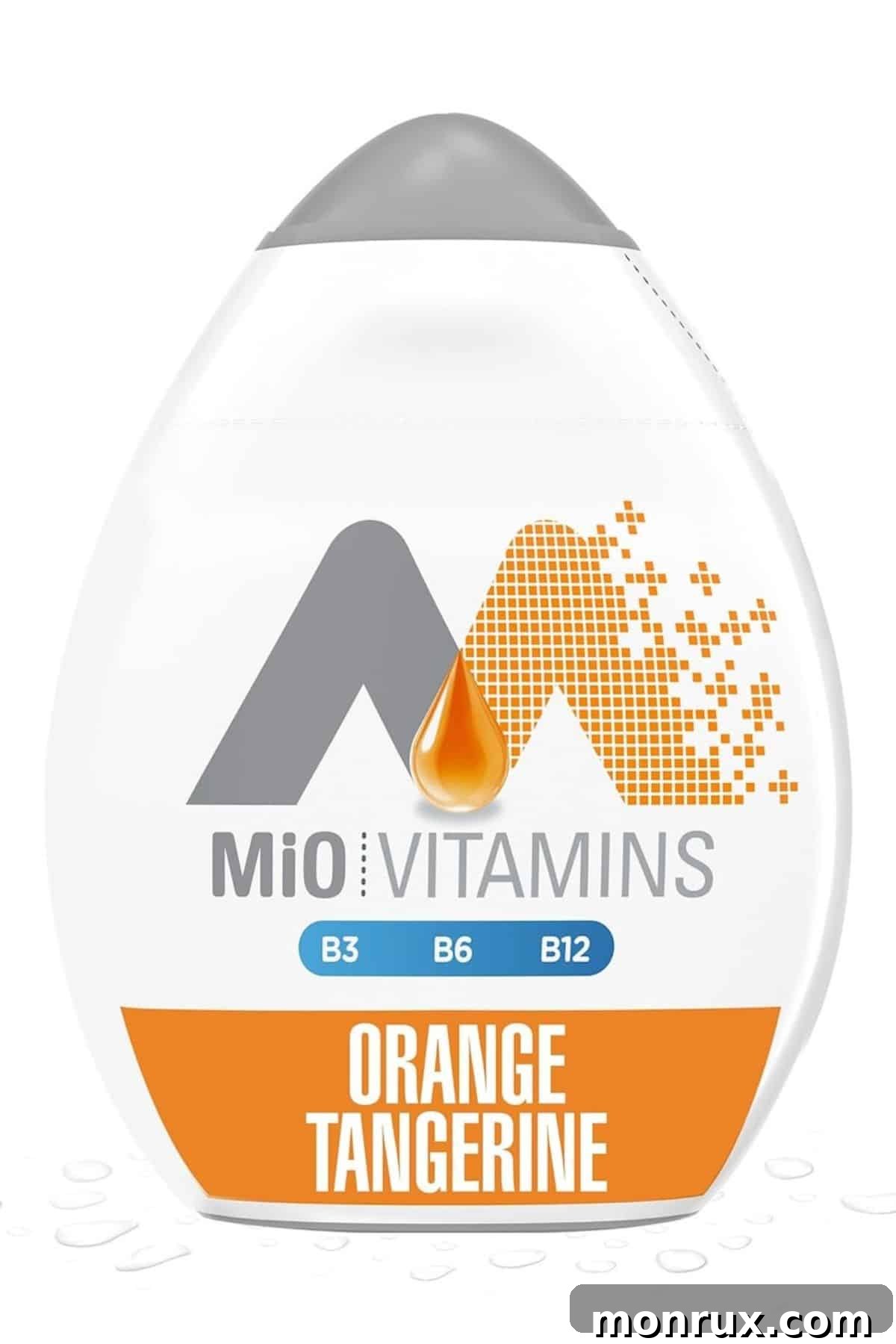
- MiO Vitamins: Fortified with B vitamins to support energy metabolism.
- MiO Electrolytes: Contains electrolytes like sodium and potassium, marketed for post-workout hydration.
- MiO Energy: Includes stimulants such as caffeine, guarana, and ginseng for an energy boost.
While the specific ingredients vary across these lines and flavors, a general overview reveals a common base: water, natural and artificial colors and flavors, non-nutritive sweeteners, and preservatives. Some formulations may also include ingredients like citric acid, malic acid, potassium citrate, and stabilizers to ensure consistency and taste. The “energy” variants incorporate additional functional ingredients like taurine to deliver their promised effects. The widespread availability and marketing of MiO have made it a staple in many households, prompting a deeper look into its true health implications.
A Deep Dive into MiO Ingredients
At the heart of MiO’s health assessment lies its ingredient list. Despite being calorie and sugar-free, MiO is fundamentally an artificially sweetened, highly processed product. It contains a cocktail of chemical ingredients, many of which are synthesized in laboratories rather than derived whole from nature. Understanding these major components is crucial for determining if MiO aligns with your personal health goals and whether the perceived benefits outweigh the potential negative effects.
Let’s carefully examine some of the most significant ingredients frequently found on MiO nutrition labels:
Sodium Benzoate: The Preservative Under Scrutiny
Sodium benzoate is a commonly used chemical preservative in many processed foods and beverages. Its primary function is to inhibit the growth of bacteria, mold, and yeast, thereby extending product shelf life and preventing spoilage. The U.S. Food and Drug Administration (FDA) generally recognizes it as safe (GRAS) at concentrations up to 0.1% in manufactured foods, based on the understanding that it does not accumulate in the body and is typically excreted within 24 hours.
However, scientific research has raised questions about the long-term consumption and potential interactions of sodium benzoate. Studies have indicated that it may impair motor function and memory in certain contexts. Perhaps more concerning is its association with hyperactivity in children, with studies linking sodium benzoate consumption to increased ADHD symptoms. Furthermore, when sodium benzoate is present with ascorbic acid (Vitamin C), it can form benzene, a known carcinogen, although this usually requires specific conditions like heat or light exposure.
Potassium Sorbate: Another Common Preservative
Potassium sorbate is another chemical preservative widely used in the food industry to prevent the growth of mold, yeast, and fungi. Like sodium benzoate, it is labeled as “generally safe” by the FDA because it does not accumulate in the body. However, regulatory bodies such as the European Food Safety Authority (EFSA) have established acceptable daily intake limits for this chemical, suggesting a need for caution.
Two main health concerns are frequently cited regarding potassium sorbate. Firstly, its manufacturing process can carry a risk of cross-contamination with heavy metals and hazardous substances, including arsenic, lead, and mercury, which are highly toxic. Secondly, potassium sorbate has been linked to allergic reactions, particularly skin allergies such as eczema and contact dermatitis, in sensitive individuals. While generally considered safe in small amounts, consistent exposure from multiple sources could contribute to adverse effects over time.
Citric Acid: Flavor Enhancer with a Catch
Citric acid is a common ingredient used to impart a tart, citrusy flavor to foods and beverages, and also acts as a preservative and pH regulator. While naturally found in citrus fruits like lemons and limes, the citric acid used in most processed foods, including MiO, is typically a commercially produced version. This industrial citric acid is often derived from the fermentation of fungi, such as Aspergillus niger, which raises concerns for some individuals with mold sensitivities.
A significant drawback of citric acid, particularly in concentrated forms and with frequent consumption, is its corrosive nature. Over time, excessive exposure can contribute to dental erosion, weakening tooth enamel and increasing the risk of cavities and tooth sensitivity. Furthermore, because commercially produced citric acid is not directly regulated as a whole food, there’s less transparency regarding its extraction and purification methods, leaving some consumers uncertain about potential residual contaminants or processing aids.
Non-Nutritive Sweeteners: Sucralose and Acesulfame Potassium
MiO’s signature sweet taste without sugar or calories comes from non-nutritive sweeteners, specifically sucralose and acesulfame potassium (Ace-K). These are synthetic chemical compounds designed to provide sweetness without contributing caloric value or raising blood sugar levels, making them appealing to those on diets or managing diabetes.
However, research has increasingly highlighted potential health concerns associated with these highly processed sweeteners. Both sucralose and acesulfame potassium have been linked to an increased risk of certain cancers in animal studies, though human data remains inconclusive and debated. More broadly, extensive research suggests that these ingredients can disrupt the delicate balance of your gut microbiome, leading to changes in gut bacteria composition and function. This dysbiosis can manifest as digestive problems, and potentially contribute to chronic inflammation throughout the body.
Contrary to their intended use for weight management, some studies indicate that non-nutritive sweeteners might paradoxically influence metabolic health, potentially contributing to glucose intolerance, insulin resistance, and an increased risk of chronic diseases like type 2 diabetes and obesity. This is thought to occur through mechanisms involving altered gut hormones, taste perception, and metabolic responses. The long-term effects of daily consumption of these synthetic sweeteners are still being actively researched, but the accumulating evidence suggests caution is warranted.
Artificial Flavors: The Mystery in Your Drink
Artificial flavors are chemical compounds created in laboratories to mimic natural flavors or create unique taste profiles. Unlike “natural flavors,” which must be derived from a natural source, artificial flavors are entirely synthetic. This lack of natural origin is a primary concern for many health-conscious consumers. The term “artificial flavors” on an ingredient list is often a catch-all for a complex mixture of chemicals, the exact composition of which is proprietary to the manufacturer and not disclosed to the public.
These highly processed ingredients have been implicated in various health issues. They can cause adverse reactions in sensitive individuals, ranging from headaches and migraines to allergic responses like skin rashes or digestive upset. The manufacturing process for artificial flavors can sometimes involve solvents or other potentially hazardous substances, and without robust regulatory oversight, consumers have no way of knowing the safety or purity of these compounds. For those committed to a clean eating lifestyle, artificial flavors represent a significant departure from whole, unprocessed foods.
Taurine: Amino Acid or Unnecessary Additive?
Taurine is an amino acid naturally found in protein-rich foods such as meat, fish, and eggs. It plays several vital roles in the human body, including supporting muscle function, cardiovascular health, and central nervous system development. For individuals consuming a balanced diet, adequate levels of taurine are typically obtained through natural food sources.
However, when taurine is artificially added to processed foods and beverages like certain MiO Energy formulations, its health implications warrant closer examination. While generally considered safe in moderate amounts, artificially added taurine, particularly in combination with other stimulants like caffeine, can have unpredictable effects. High doses have been associated with altered neural functioning and potential interference with the efficacy of certain medications. Individuals with pre-existing heart conditions, neurological disorders, or those taking prescription drugs should exercise caution and consult a healthcare provider before consuming products with added taurine.
Artificial Colors: Red 40 and Yellow 5 – The Vibrant but Risky Hues
To achieve their appealing colors, many MiO flavors contain artificial food dyes, most notably Red 40 and Yellow 5 (also known as Tartrazine). These synthetic colors are derived from petroleum and are among the most controversial ingredients in processed foods due to a growing body of evidence linking them to significant health risks.
One of the most widely discussed concerns is the association between artificial food dyes and behavioral issues in children, particularly ADHD and hyperactivity. Numerous studies, including a landmark meta-analysis, have suggested that these dyes can exacerbate ADHD symptoms in susceptible children. Beyond behavioral effects, artificial colors are also known triggers for allergic reactions, including asthma, hives, and skin rashes, in sensitive individuals.
Focusing on specific dyes, Red 40 has been particularly scrutinized. Studies suggest it can chemically alter the brain, contribute to inflammation, and potentially deplete essential minerals like zinc and iron. Disturbingly, it also contains benzidine, a known human and animal carcinogen. Research has even linked red food dye with inflammatory bowel disease.
Similarly, Yellow 5 also contains benzidine and has been shown to cause DNA damage in blood cells in laboratory settings. These findings are particularly alarming given the widespread use of these dyes in children’s foods and beverages. While regulatory bodies like the FDA deem them safe at current consumption levels, many European countries have either banned or require warning labels for products containing these artificial colors, reflecting a more cautious approach to public health. Given the potential risks, opting for foods and drinks free from artificial colors is a prudent choice for overall health.
The Perceived Advantages of MiO: Nutrition Pros
Despite the concerns regarding its ingredients, MiO does offer a few perceived benefits that contribute to its popularity, primarily centered around convenience and dietary restriction management:
- Enhanced Hydration: For individuals who genuinely dislike the taste of plain water, MiO provides a flavorful option that can make meeting daily hydration goals easier. Adequate hydration is crucial for overall health, regulating body temperature, lubricating joints, preventing infections, and delivering nutrients to cells. If MiO helps someone drink more water than they otherwise would, it serves a primary health function in that regard.
- Zero Calories and Carbohydrates: MiO is formulated to be calorie-free and carbohydrate-free, making it an attractive option for those on calorie-restricted diets, ketogenic diets, or managing blood sugar levels due to diabetes. It allows for flavor without contributing to caloric intake, distinguishing it from sugary sodas, fruit juices, and other high-calorie beverages.
- Sugar-Free Alternative: It offers a direct alternative to sugary drinks or energy drinks that are notorious for their high sugar content and associated health risks like obesity, type 2 diabetes, and dental cavities. For someone attempting to reduce their sugar intake, MiO can serve as a transitional product to break reliance on overly sweet beverages.
- Electrolyte and Vitamin Options: Specific MiO product lines (MiO Electrolytes, MiO Vitamins) offer added electrolytes or B vitamins. While these are in small quantities and not a primary source of these nutrients, they can provide a slight boost for those looking for them in a convenient form.
It’s important to frame these “pros” within the context of the product’s overall composition. While MiO can be a useful tool for some in specific circumstances (e.g., as a stepping stone away from soda), these advantages must be weighed against the potential drawbacks of its highly processed nature and synthetic ingredients.
The Significant Disadvantages of MiO: Nutrition Cons
While MiO presents itself as a convenient hydration solution, a closer look reveals several significant drawbacks that underscore why it cannot be considered a truly healthy product for most people:
- Highly Processed and Lacking Nutritional Value: MiO is a classic example of a ultra-processed food product. It provides virtually no beneficial nutrients, such as vitamins (beyond small added amounts in specific lines), minerals, fiber, or antioxidants, which are abundant in whole foods. Its composition is primarily water, artificial sweeteners, artificial colors, artificial flavors, and preservatives.
- Potential Harm from Chemical Ingredients: As thoroughly discussed, ingredients like sodium benzoate, potassium sorbate, sucralose, acesulfame potassium, artificial flavors, and artificial colors (Red 40, Yellow 5) have all been linked to potential health concerns. These range from gastrointestinal distress and allergic reactions to more serious issues like gut microbiome disruption, chronic inflammation, metabolic dysfunction, and even possible links to behavioral problems (ADHD) and carcinogenicity.
- Artificial Sweetener Concerns: The reliance on non-nutritive sweeteners is a major area of concern. While they provide sweetness without calories, growing research suggests they may negatively impact gut health, alter taste perception, and potentially contribute to metabolic issues rather than alleviate them. Their long-term effects on appetite regulation and weight management are also debated, with some studies indicating they may not lead to sustained weight loss.
- Risk of Allergic Reactions and Sensitivities: Artificial colors, flavors, and preservatives are known triggers for food sensitivities and allergic reactions in a significant portion of the population. Symptoms can be diverse and range from mild discomfort to more severe responses.
- Misleading “Healthy” Perception: The marketing of MiO as a “healthy” alternative can be misleading. While it’s certainly better than a sugar-laden soda in terms of immediate sugar intake, it replaces natural ingredients with a host of synthetic chemicals, which is not a pathway to true wellness. It fosters a reliance on artificial tastes rather than cultivating an appreciation for natural flavors.
- Long-Term Effects Unclear: The cumulative and long-term effects of consuming multiple artificial ingredients daily over many years are not fully understood. While individual ingredients might be deemed “safe” at certain levels, the synergistic effects of these chemicals together in the body are an area of ongoing scientific inquiry and concern for holistic health practitioners.
In summary, while MiO Water Enhancer offers a convenient way to flavor water without adding calories or sugar, individuals with specific dietary restrictions or sensitivities should carefully review the ingredients list. More importantly, those prioritizing holistic health and minimizing exposure to highly processed substances should consider the long-term implications of consistent consumption. Moderation is key for any flavored water enhancer or highly processed product like MiO, but ideally, seeking out truly natural alternatives is the best approach for optimal health.
Frequently Asked Questions About MiO
Yes, there are potential side effects and risks. Many of MiO’s ingredients are highly processed chemicals. These can cause health problems, particularly with long-term consumption. Non-nutritive sweeteners can disrupt gut health and potentially affect metabolism. Artificial colors (like Red 40 and Yellow 5) are linked to hyperactivity in children and contain potential carcinogens. Preservatives like sodium benzoate and potassium sorbate may also pose risks, including allergic reactions and neurological effects. While individual sensitivities vary, the cumulative impact of these synthetic compounds is a concern for overall health.
Yes, most MiO Water Enhancer product lines contain both preservatives and artificial colors. Common preservatives include sodium benzoate and potassium sorbate, which are used to extend shelf life. For artificial colors, highly controversial dyes such as Red 40 and Yellow 5 are frequently used to give the products vibrant hues. These additives have been associated with various adverse health implications, as discussed in detail above.
MiO can help improve hydration levels for people who struggle to drink enough plain water due to its lack of taste. By adding flavor, it makes water consumption more appealing. However, plain filtered water remains the superior and healthiest choice because it contains no unhealthy ingredients like artificial sweeteners, colors, flavors, or preservatives. While MiO helps with water intake, it introduces synthetic compounds that plain water avoids.
From the perspective of sugar and calorie reduction, MiO is a better alternative than sugary sodas and juices. It contains zero sugar and calories, which can help reduce overall sugar intake and prevent associated health problems. However, it’s crucial to understand that “better” doesn’t necessarily mean “healthy.” MiO replaces natural sugars with artificial ingredients, which come with their own set of potential health concerns. A truly healthy alternative would be plain water infused with natural fruits or herbs.
Individuals who are health-conscious, prioritize whole foods, or have specific health conditions should consider avoiding MiO. This includes children (due to artificial colors and potential behavioral effects), pregnant or breastfeeding women (due to limited research on additives), people with allergies or sensitivities to food dyes and preservatives, those with gut health issues, or anyone trying to minimize their intake of highly processed foods and artificial chemicals. For most people seeking optimal health, natural alternatives are preferable.
Healthier Alternatives to MiO Water Enhancer
For those who find plain water unexciting but are keen to avoid the synthetic ingredients in MiO, numerous truly healthy and delicious alternatives exist. These options allow you to enhance your hydration with natural flavors and often provide additional nutritional benefits:
- Infused Water: This is arguably the simplest and healthiest alternative. Add slices of fresh fruit (lemon, lime, orange, berries, cucumber), herbs (mint, basil, rosemary), or ginger to a pitcher of water and let it infuse for a few hours in the refrigerator. The natural flavors will subtly transform your water without any added sugars or artificial ingredients.
- Herbal Teas (Hot or Iced): Brew a variety of herbal teas like peppermint, chamomile, hibiscus, or ginger tea. These are naturally caffeine-free (unless specified), offer diverse flavor profiles, and often come with additional health benefits from the herbs themselves. They can be enjoyed warm or chilled for a refreshing beverage.
- Sparkling Water with Natural Flavoring: Opt for plain sparkling water and add a splash of 100% fruit juice (in moderation), fresh fruit slices, or a few drops of pure essential oils (food-grade lemon or lime oil). This gives you the fizz and flavor without the artificial additives.
- Homemade Sports Drinks: For post-workout hydration, instead of relying on MiO Electrolytes, make your own. Combine water, a pinch of sea salt, a squeeze of fresh citrus juice (lemon, orange), and a touch of natural sweetener like a small amount of maple syrup or honey for energy.
- Coconut Water: A natural source of electrolytes, coconut water can be a great hydrator, especially after exercise. Just be sure to choose unsweetened varieties and check the ingredient list for any added sugars or artificial flavors.
- Fruit and Vegetable Smoothies: While not a direct water replacement, a smoothie made with whole fruits, vegetables, and water or unsweetened plant milk is a nutrient-dense way to hydrate and get vital vitamins, minerals, and fiber.
Choosing these natural alternatives allows you to enjoy flavorful hydration without exposing your body to artificial chemicals. They support a clean eating philosophy and contribute positively to your overall well-being, proving that healthy choices can also be incredibly satisfying.
Explore More Beverage Reviews
Final Thoughts on MiO: Is It Healthy?
In conclusion, while MiO Liquid Water Enhancer offers a convenient and calorie-free way to make water more palatable for some, its overall health assessment leans heavily towards caution. The potential health risks associated with its array of highly processed and artificial ingredients—including non-nutritive sweeteners, artificial colors, artificial flavors, and chemical preservatives—likely outweigh the perceived benefit of flavor improvement. For those committed to a truly healthy lifestyle, a product laden with synthetic chemicals simply does not align with the principles of clean eating and holistic wellness.
Instead of relying on MiO to boost your hydration, embrace the power of nature. Plain water, ideally filtered, remains the gold standard for hydration. If you crave flavor, turn to natural enhancements: infuse your water with slices of fresh fruit like lemon, lime, berries, or cucumber, along with invigorating herbs such as mint or basil. Explore the vast and delicious world of herbal teas, which offer both flavor and potential health benefits without the dubious additives. Making these simple, natural shifts can transform your hydration habits and contribute significantly to your long-term health and well-being, proving that the best choices are often the simplest ones.
Don’t forget to join my newsletter list to get exclusive clean eating recipes and tips. The newsletter is 100% free with no spam; unsubscribe anytime.
About the Author: Carrie Forrest has a master’s degree in public health with a specialty in nutrition and is a certified holistic nutritionist. She is a top wellness and food blogger with over 5 million annual visitors to her site. Carrie has an incredible story of recovery from chronic illness and is passionate about helping other women transform their health. Send her a message through her contact form.
Note: this post is for informational purposes only and is not intended as medical advice. Please consult your healthcare provider for recommendations related to your individual situation.