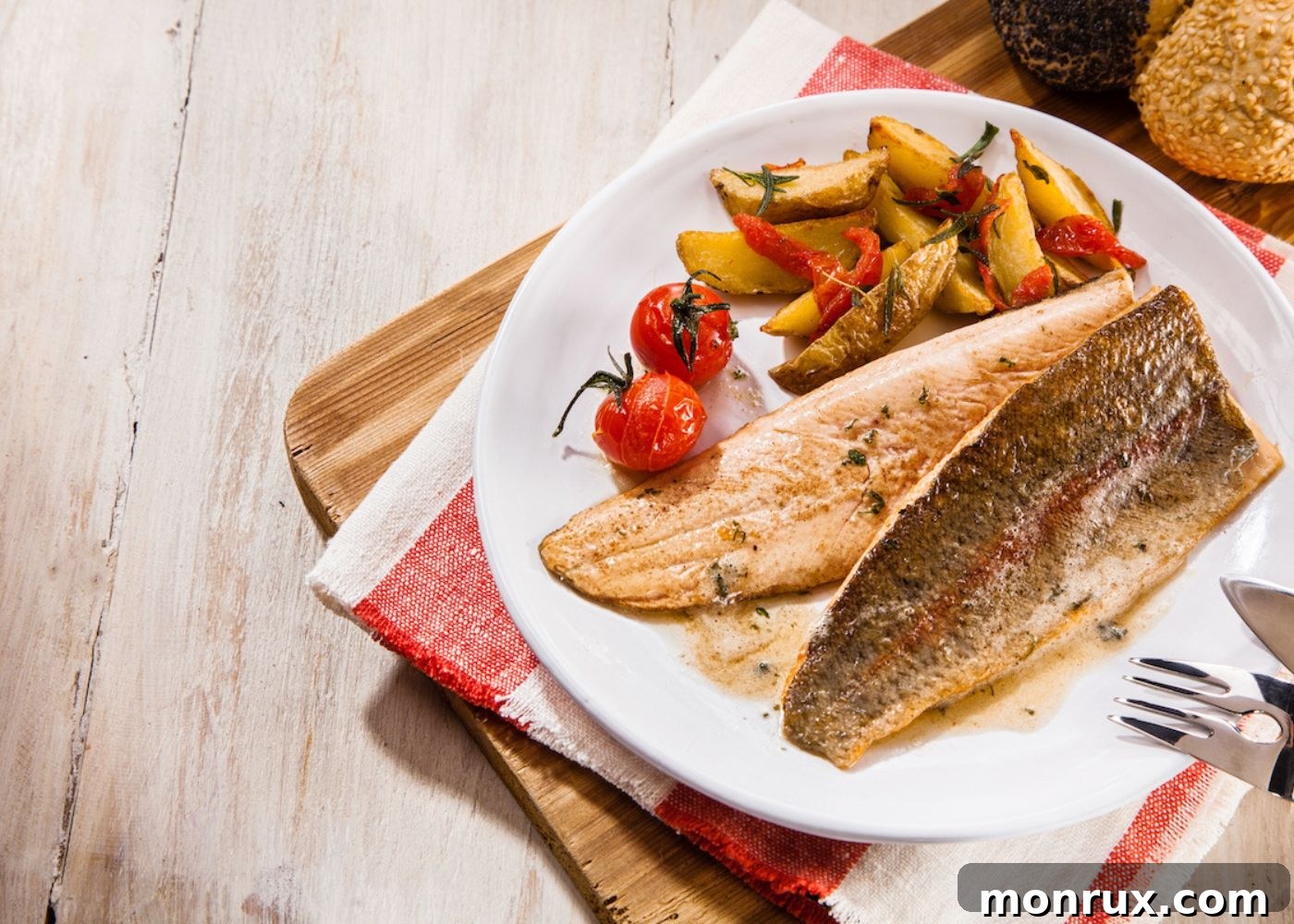
Delving into the world of healthy eating, one question often arises: Is trout a healthy choice for your diet? This comprehensive article aims to answer that question by exploring the impressive nutritional profile of this popular white fish, detailing its myriad benefits, addressing any potential concerns, and offering practical advice on how to prepare it to maximize its flavors and health advantages. For most individuals, trout stands out as an exceptionally beneficial addition to any well-rounded meal plan.

Table of Contents
Trout: An Overview
Trout, a highly versatile and delicious fish, is predominantly found in the clear, cold waters of lakes and rivers. While many species thrive in freshwater environments, some, like steelhead trout, are anadromous, meaning they spend part of their lives in the ocean before returning to freshwater to spawn. This fascinating adaptability contributes to the diversity of trout available. Beyond its natural habitats, trout is also extensively farmed, making it a widely accessible and often sustainable seafood choice.
Closely related to salmon, trout boasts a wonderfully mild flavor and delicate texture, making it a favorite among seafood lovers and an excellent entry point for those new to fish. Nutritionally, it shines as an impressive source of lean protein and essential omega-3 fatty acids. The American Heart Association strongly advocates for the consumption of two servings of fish per week for most adults, recognizing its profound benefits for cardiovascular health. (However, individuals who are pregnant or breastfeeding should consult their healthcare provider for personalized dietary advice regarding fish intake.)
Incorporating fish like trout into your regular diet can bring about a cascade of health improvements. Research suggests that consistent fish consumption can significantly reduce the risk of heart attacks and generally lower the incidence of heart disease. Furthermore, the nutrients in fish contribute to healthy weight management, aid in reducing high blood pressure, and are integral components of a holistic healthy diet. There are several popular species of trout, each offering unique characteristics and flavors, including the widely recognized rainbow trout, lake trout, brown trout, and the migratory steelhead trout, alongside various wild trout populations.
Nutritional Advantages of Trout
When sourced responsibly and sustainably, trout is an exceptionally healthy food. It delivers a powerful combination of significant protein levels, beneficial healthy fats, and a rich array of essential vitamins and minerals. Unlike certain other types of fish and seafood that may harbor higher levels of contaminants, trout generally presents with relatively low levels of mercury, making it a safer option for regular consumption.
Let’s delve deeper into the primary nutritional benefits that position trout as one of the healthiest and most valuable fish to include in your diet.
1. A Rich Source of Lean Protein
Protein is an indispensable macronutrient, often referred to as the “building blocks” of the human body due to its critical role in nearly every bodily function. A modest 3-ounce serving of cooked rainbow trout provides approximately 19 grams of high-quality protein, making it an excellent and efficient source. This makes trout an incredibly valuable food for supporting overall health and well-being.
Protein is vital for the development, repair, and maintenance of your muscles, hair, skin, nails, cartilage, and blood cells. Beyond these structural roles, protein contributes significantly to satiety, helping you feel fuller for longer and potentially aiding in weight management by reducing overall calorie intake. It also provides a sustained source of energy, supports robust immune function, and is crucial for the repair and growth of muscles and bones, especially important for active individuals and during periods of recovery.
2. Abundant in Omega-3 Fatty Acids
Omega-3 fatty acids, specifically EPA (eicosapentaenoic acid) and DHA (docosahexaenoic acid), are essential polyunsaturated fats that are absolutely vital for human health. The remarkable aspect of these fatty acids is that your body cannot produce them on its own, meaning they must be obtained through your diet. Trout, particularly rainbow trout, is exceptionally rich in these critical omega-3s, offering a convenient and delicious way to meet your daily requirements.
Just one cooked serving of rainbow trout can provide almost double the recommended daily intake of omega-3 fatty acids, making it a standout performer in supporting various bodily systems. These essential fats are celebrated for their profound impact on healthy aging, brain health, cognitive function, and mood regulation. They are powerful anti-inflammatory agents, which can help reduce chronic inflammation throughout the body, thereby mitigating the risk of numerous chronic diseases. Furthermore, omega-3s are crucial for maintaining optimal heart health, improving vision, and supporting nervous system function.
3. A Potassium Powerhouse
Potassium is an essential mineral and electrolyte that plays a fundamental role in maintaining fluid balance within the body, regulating blood pressure, and ensuring proper nerve and muscle function. It is particularly important for cardiovascular health, as it helps to counteract the effects of sodium, which can elevate blood pressure.
Certain types of fish, including trout, are considered a high potassium food. Regular consumption of potassium-rich foods like trout can contribute to healthier blood pressure levels, reduce the risk of stroke, and support overall cellular function, making it a crucial nutrient for a well-functioning body.
4. Essential Phosphorus Content
Phosphorus is the second most abundant mineral in the human body, working in close synergy with calcium to build and maintain strong bones and teeth. However, its importance extends far beyond skeletal health. Phosphorus is integral to almost every physiological process.
It plays a critical role in energy metabolism, helping the body convert food into energy. It is also essential for cell growth and repair, kidney function, and maintaining proper pH balance. A single serving of trout provides a significant 39% of the Recommended Dietary Allowance (RDA) of phosphorus, highlighting its contribution to your daily mineral needs.
5. Packed with B-Vitamins
The B-vitamin complex comprises a group of eight water-soluble vitamins that are indispensable for a wide range of metabolic processes. These include thiamin (B1), riboflavin (B2), niacin (B3), pantothenic acid (B5), pyridoxine (B6), biotin (B7), folate (B9), and cobalamin (B12). Each of these vitamins contributes uniquely but collectively to cellular metabolism, energy production, and the proper functioning of the nervous system.
Trout is particularly rich in vitamins B6 and B12. Vitamin B6 is vital for brain development and function, while Vitamin B12 is crucial for nerve tissue health, brain function, and the production of red blood cells and DNA synthesis. Including trout in your diet helps ensure you receive these critical nutrients, supporting energy levels, cognitive health, and overall vitality.
6. Selenium Superstar
Selenium is a trace mineral that, despite being required in small amounts, plays an immensely important role in numerous bodily functions. Many people may not be fully aware of its significance, but selenium is a powerful antioxidant that helps protect cells from damage caused by free radicals, supporting a robust immune system. It’s also critical for thyroid gland function, which regulates metabolism, and plays a role in fertility.
Rainbow trout is an excellent source of selenium, offering a significant portion of the daily recommended intake. Regular consumption helps maintain a healthy immune response, supports cognitive function, and contributes to reproductive health, underscoring trout’s broad nutritional appeal.
7. Other Vital Nutrients in Trout
In addition to the impressive nutritional benefits detailed above, trout offers a host of other characteristics that solidify its position as one of the best fish choices for consumption. Beyond its rich content of B vitamins and omega-3 fats (including DHA and EPA), trout also provides significant amounts of vitamin D and vitamin E.
Vitamin D is crucial for bone health, immune system regulation, and mood. Vitamin E acts as another potent antioxidant, protecting cell membranes and supporting skin health. Furthermore, trout contains other beneficial trace minerals such as iodine, important for thyroid function, and magnesium, which supports muscle and nerve function, blood glucose control, and blood pressure regulation. Its comparatively low saturated fat content further enhances its health profile, especially when considered as an alternative to red meats.
Potential Nutritional Considerations
While trout offers a wealth of health benefits, it’s prudent to consider potential concerns, primarily related to environmental contaminants. Due to industrial activity and widespread pollution, nearly all fish and shellfish worldwide contain traces of toxic mercury. Some seafood may also contain other contaminants, such as PCBs (polychlorinated biphenyls) or dioxins, though these are generally less of a concern with trout than with some other species.
Consuming mercury in large amounts can have significant negative effects on the central nervous system, potentially leading to neurological issues, developmental problems in children, and adverse impacts on the liver and kidneys. It can also cause problems with the immune system.
However, it’s crucial to put mercury levels in trout into perspective. The FDA states that an average trout contains around 0.141 micrograms (mcg) of mercury per serving. To reach a level that poses a significant risk for an adult weighing approximately 160 pounds, one would theoretically need to consume an extremely large quantity—around 50 medium-sized trout—on a regular basis. This highlights just how low the mercury content is.
Compared to fish species known for their high mercury levels, such as bluefin tuna, swordfish, and King mackerel, trout contains significantly less mercury. This makes trout a much safer choice for frequent consumption. When eaten in moderation, particularly from reputable sources, the substantial health benefits provided by trout – including its omega-3 fatty acids, protein, and vitamins – are widely considered to outweigh the minimal risk of consuming trace amounts of mercury. Ultimately, the decision to include any food containing even trace amounts of metals rests with the individual, especially those with specific health conditions or sensitivities. Pregnant women, young children, and individuals with compromised immune systems should consult healthcare professionals for tailored advice on fish consumption.
Culinary Excellence: Preparing Trout
Incorporating trout into your diet not only provides a healthy and delicious protein but also offers incredible ease of preparation. Whether you start with fresh or frozen fillets, trout cooks quickly and adapts beautifully to a variety of cooking methods. Before you begin, a simple seasoning of salt and freshly ground black pepper, or your favorite blend of herbs and spices, will enhance its natural delicate flavor. Here are some popular and straightforward cooking options:
Oven-Roasted Trout
Oven-roasting is a fantastic hands-off method that yields perfectly cooked, flaky trout with minimal effort. It’s ideal for busy weeknights and ensures even cooking.
- Preheat your oven to 375°F (190°C) to 400°F (200°C).
- Arrange your seasoned trout fillets in a single layer on a baking tray lined with parchment paper for easy cleanup.
- Lightly brush the fillets with olive oil, melted grass-fed butter, or a flavorful marinade.
- Roast for 15 to 20 minutes, or until the fish is opaque throughout and flakes easily with a fork. You can add lemon slices or fresh herbs like dill or parsley on top for extra flavor.
Broiled Trout
Broiling offers a quick way to achieve a beautifully golden-brown crust while keeping the inside moist and tender. It’s perfect when you’re short on time.
- Position an oven rack about four to six inches from the broiler element and preheat your broiler to high.
- Lay the seasoned trout fillets, skin-side down (if applicable), in a baking tray.
- Broil for approximately three to five minutes, keeping a close eye on the fish to prevent burning. The exact time will depend on the thickness of the fillet and your broiler’s intensity. Cook until the fish is flaky and lightly browned on top.
Poached Trout
Poaching is a gentle cooking method that keeps trout exceptionally moist and tender, infusing it with subtle flavors from the cooking liquid. This is an excellent choice for a lighter meal.
- Place the seasoned trout fillets in a saucepan or deep skillet.
- Cover the fillets with a flavorful liquid such as vegetable stock, white wine, or water infused with aromatics like lemon slices, bay leaves, and peppercorns.
- Gently simmer on low heat for six to eight minutes, or until the trout is cooked through and flakes easily. Avoid boiling, as this can toughen the fish.
Grilled Trout
Grilling imparts a wonderful smoky flavor and attractive char marks to trout, making it a perfect option for outdoor cooking or a grill pan. Trout fillets are delicate, so handling them carefully is key.
- Lightly oil the grates of your grill or grill pan to prevent sticking.
- Preheat your grill to medium heat.
- Carefully place the seasoned trout fillets on the hot grates and cook for approximately three minutes per side. Use a wide, thin spatula to gently flip the fish, as it can be prone to falling apart.
- Cook until the internal temperature reaches 145°F (63°C) and the flesh is opaque.
Sautéed Trout
Sautéing is one of the fastest ways to cook trout, resulting in a beautifully seared exterior and a tender, moist interior. It’s ideal for smaller fillets.
- Heat a lightly oiled pan (using olive oil, butter, or a combination) over medium heat.
- Once hot, carefully place the seasoned trout fillets flesh-side down (if skin-on) or either side down.
- Sauté for two to three minutes on each side, or until the fish is golden brown and cooked through. The thinness of trout allows for very quick cooking.
Regardless of your chosen cooking method – whether you roast, broil, poach, grill, or sauté – transforming this delicate and delicious fish into a tasty and nutritious meal can be achieved in minutes. You can further customize your trout with a variety of seasonings, from simple lemon and dill to more complex spice rubs. It also pairs wonderfully with creamy sauces, herbaceous butter, or a squeeze of fresh citrus to brighten its flavor.
Frequently Asked Questions (FAQs)
Both farm-raised and wild-caught rainbow trout are highly nutritious, with only minor differences in their nutritional profiles. Wild-caught trout may contain slightly more iron and calcium due to their natural diet and active lifestyle. Conversely, farm-raised trout often shows higher levels of selenium and vitamin A, which can be attributed to controlled diets formulated to optimize nutrient content. The differences are generally not significant enough to make one definitively “healthier” than the other for the average consumer. Both provide excellent sources of protein and omega-3s.
Navigating sustainable seafood choices can indeed be complex. However, farmed trout, particularly rainbow trout, is generally considered one of the more sustainable seafood options compared to some wild-caught varieties. Most farmed trout in the United States is raised using non-consumptive aquaculture processes, meaning they are often cultivated in closed systems or well-managed ponds that minimize environmental impact. This approach helps reduce stress on wild fish populations, allowing them to replenish and thrive. Look for certifications from organizations like the Monterey Bay Aquarium Seafood Watch program (which often rates U.S. farmed trout as a “Best Choice”) to make responsible choices. These certifications indicate that the trout has been farmed or caught using methods that are environmentally sound and socially responsible.
Yes, trout can be an excellent addition to a weight loss diet. It is a lean source of high-quality protein, which is known to increase satiety and help reduce overall calorie intake. The healthy omega-3 fatty acids in trout can also support metabolism and reduce inflammation, both of which are beneficial for weight management. When prepared with minimal added fats and paired with plenty of vegetables, trout can be a satisfying and nutritious component of a calorie-controlled eating plan.
Given its low mercury content and rich nutritional profile, trout can be safely enjoyed regularly. Following the American Heart Association’s recommendation of two servings of fish per week is a great guideline for most adults. Trout is a fantastic option to fulfill one or both of those servings. Because it’s a lower-mercury fish, it’s also a suitable choice for more frequent consumption than higher-mercury species, provided it’s part of a balanced and varied diet.
Trout is widely available fresh or frozen, and both are excellent choices. When buying fresh trout, look for clear, bright eyes, firm flesh that springs back when touched, and a fresh, mild smell (not overly “fishy”). If buying whole fish, the gills should be red. Frozen trout is often flash-frozen shortly after being caught, locking in freshness and nutrients. Ensure frozen fillets are free from freezer burn and come in intact packaging. Sustainable options, especially farm-raised trout, are often readily available and clearly labeled at most grocery stores and fish markets.
Final Thoughts
In conclusion, when sourced from quality providers and consumed as part of a balanced diet, trout stands out as an incredibly healthy and beneficial food for most individuals. Its nutritional powerhouse status is undeniable, being exceptionally rich in lean protein, vital omega-3 fatty acids, and a diverse array of essential vitamins and minerals, including B vitamins, vitamin D, vitamin E, potassium, phosphorus, and selenium.
Crucially, trout distinguishes itself by containing significantly fewer environmental toxins, such as mercury, compared to many other popular types of fish and seafood. This makes it a safer and more reassuring choice for regular inclusion in your diet. Its mild flavor, delicate texture, and ease of preparation further add to its appeal, making it a versatile ingredient for a variety of culinary applications. Considering its impressive health benefits and relative safety, we highly recommend adding trout to your list of go-to healthy foods to consume for enhanced well-being.
Explore More Food Reviews!
About the Author: Carrie Forrest holds a master’s degree in public health with a specialization in nutrition and is a certified holistic nutritionist. She is a prominent wellness and food blogger, attracting over 5 million annual visitors to her popular site. Carrie shares an inspiring story of recovery from chronic illness and is deeply passionate about empowering other women to transform their health journeys. Feel free to reach out to her through her contact form.
Don’t miss out! Join my newsletter list to receive exclusive clean eating recipes and valuable health tips directly in your inbox. The newsletter is completely free, spam-free, and you can unsubscribe at any time.
Disclaimer: Please note that this post is intended for informational purposes only and should not be considered as medical advice. Always consult your healthcare provider for personalized recommendations pertinent to your individual health situation.