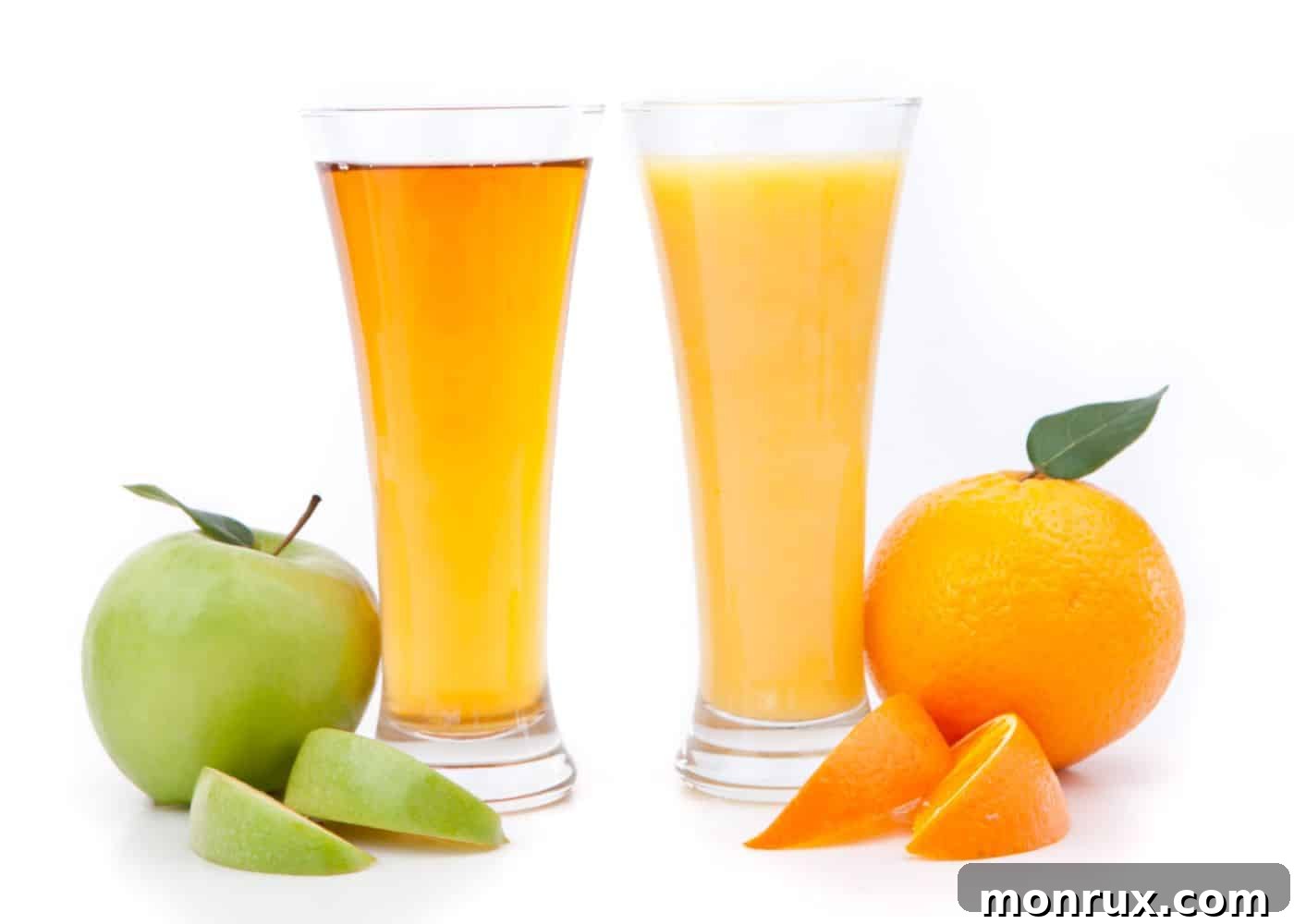
In the vast world of beverages, fruit juices hold a special place for their refreshing taste and perceived health benefits. Among the most popular choices are orange juice and apple juice, two staples found in refrigerators worldwide. While both offer a delightful way to quench your thirst and contribute to your daily nutrient intake, they possess distinct profiles in terms of flavor, nutritional content, and potential health impact. This comprehensive guide delves into a detailed comparison of orange juice versus apple juice, exploring their unique attributes to help you make an informed decision about which fruit juice is best suited for your preferences and health goals.
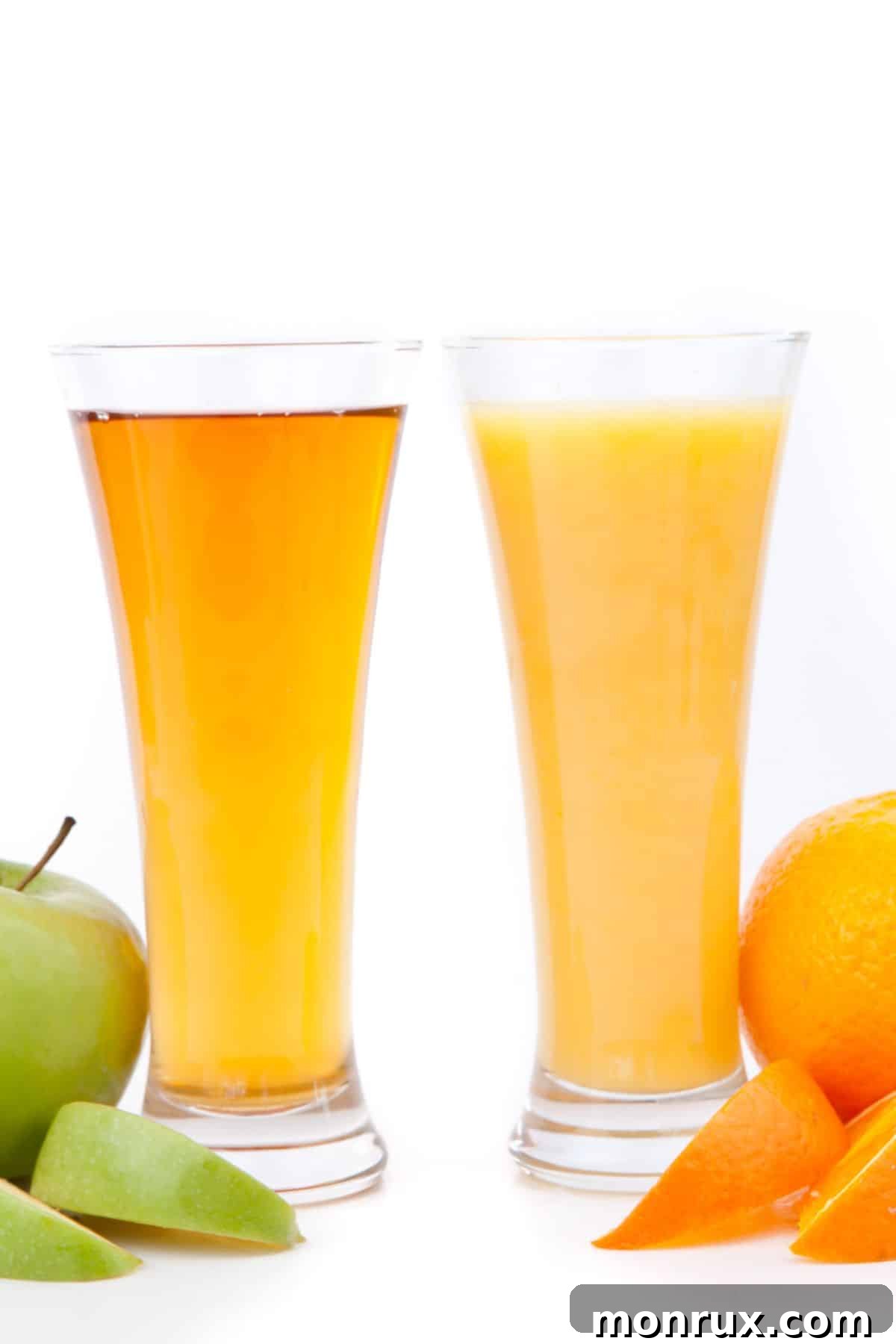
Orange Juice Highlights
Orange juice, often heralded as a classic breakfast beverage, is celebrated for its invigorating zest and naturally sweet, yet tangy, flavor. Originating from the versatile citrus fruit, oranges, this juice boasts a vibrant color and a refreshing aroma that can awaken the senses.
The process of making orange juice typically involves pressing the whole oranges to extract the liquid, followed by a filtering stage to remove pulp, depending on the desired consistency. While oranges inherently contain natural sugars, they are also packed with a powerhouse of beneficial nutrients. A single cup of pure orange juice generally contains approximately 111 calories, negligible fat (around 0g), and about 21g of natural sugars, alongside an impressive 124mg of Vitamin C.
Beyond its well-known Vitamin C content, orange juice offers a spectrum of other important nutrients. It’s a good source of potassium, crucial for maintaining healthy blood pressure and nerve function. It also provides folate, which is vital for cell growth and development, and various antioxidants, including flavonoids, which combat oxidative stress and inflammation within the body. These components collectively contribute to several health benefits, such as bolstering the immune system, supporting heart health, and potentially reducing the risk of certain chronic diseases.
Orange juice’s versatility extends far beyond the breakfast table. It serves as an excellent ingredient in culinary applications, from brightening up salad dressings and marinades to adding a citrusy kick to smoothies and even acting as a base for refreshing cocktails. Whether enjoyed on its own or as part of a recipe, orange juice remains a popular choice for its flavor and nutritional contributions.
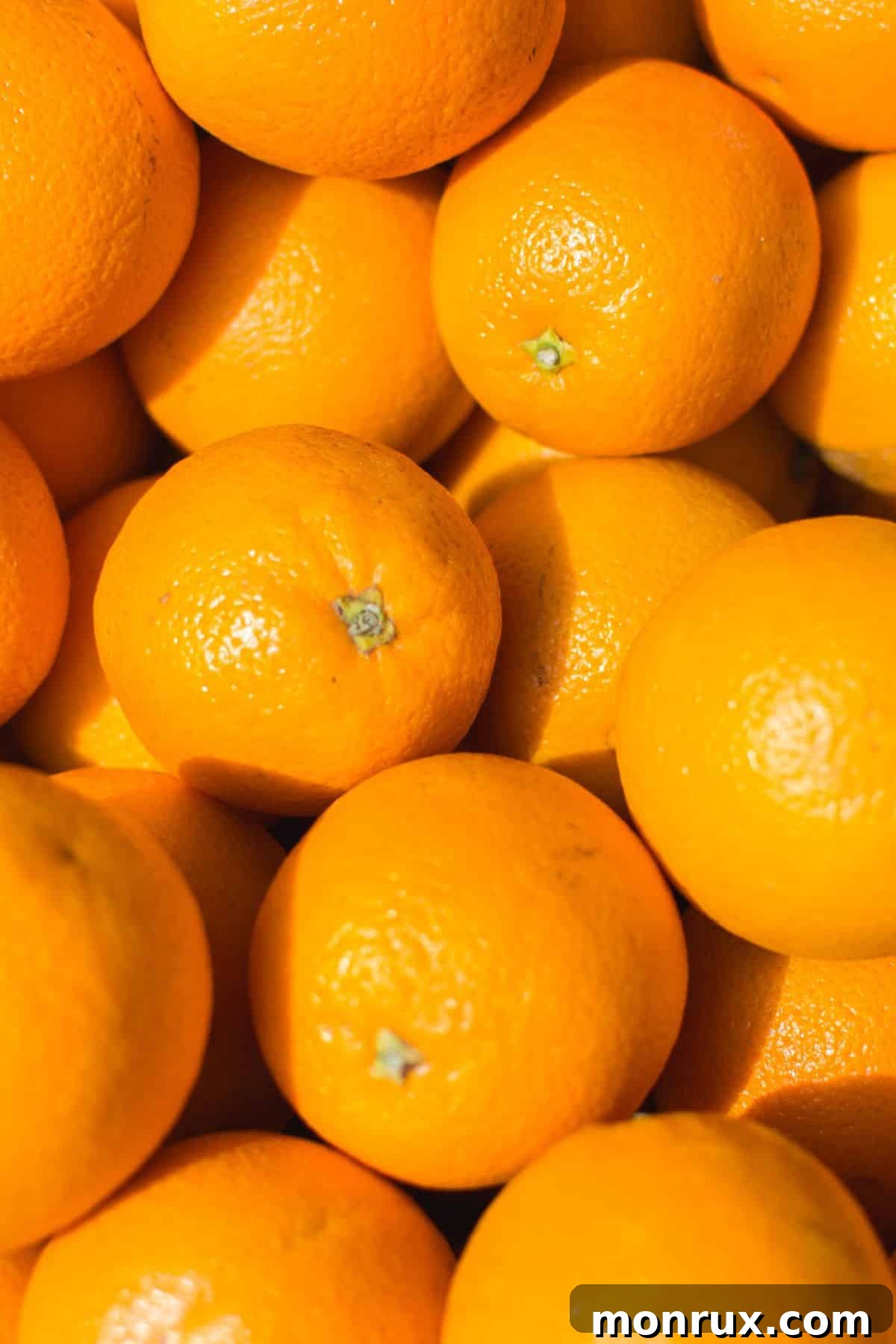
Apple Juice Highlights
Apple juice stands as another beloved fruit beverage, cherished by both children and adults for its consistently sweet and comforting flavor. Across the United States and globally, it’s a go-to choice for a refreshing drink or a light snack.
The production of apple juice is a multi-step process that begins with harvesting and washing whole apples. These are then milled and crushed to efficiently extract their juice. After extraction, the juice undergoes further processing, which can include filtration for clarity, pasteurization for safety and extended shelf life, and sometimes concentration or freezing for ease of storage and distribution. The type of apples used—ranging from sweet varieties like Fuji and Gala to tart ones like Granny Smith—significantly influences the final taste profile of the juice.
In terms of nutrition, a standard cup of pure apple juice typically contains around 114 calories, less than a gram of fat, and approximately 24 grams of natural sugar. It also provides about 95mg of Vitamin C, contributing significantly to your daily needs. While its Vitamin C content is slightly lower than that of orange juice, apple juice is not without its own set of nutritional advantages. It offers various B vitamins, such as riboflavin and thiamine, and small amounts of minerals like potassium and magnesium. Furthermore, apple juice is a source of beneficial plant compounds, including polyphenols, which act as antioxidants and may contribute to heart health and cellular protection.
Apple juice is particularly praised for its hydrating properties and its generally mild, palatable taste, making it a favorite for many, especially those who prefer a less acidic drink. It’s a versatile beverage that can be enjoyed chilled on its own, used as a base for smoothies, or incorporated into various culinary creations from marinades to desserts.
Orange Juice Vs. Apple Juice: A Taste Comparison
While both orange juice and apple juice are globally popular beverages, they offer distinctly different flavor experiences, catering to varied palates. Understanding these differences can help you decide which juice best suits your taste preferences for different occasions.
Orange juice is renowned for its bright, complex flavor profile. It typically presents a tart and tangy acidity upfront, followed by a refreshing sweetness, culminating in a distinctive citrusy finish. This unique acidic undertone is a hallmark of orange juice, giving it a lively and sometimes bold character that distinguishes it from other fruit juices. The level of tartness and sweetness can vary depending on the orange variety and ripeness, with some offering a sharper tang and others a more balanced sweet-tart blend.
In contrast, apple juice generally boasts a much milder and more uniformly sweet flavor. Its sweetness is often described as smooth and mellow, lacking the sharp tanginess found in orange juice. Many people detect a subtle earthy or floral undertone in apple juice, reflecting the natural essence of the fruit. The flavor can also be influenced by the apple varieties used in its production; a blend of apples might offer a more balanced sweet-tart profile, while single-variety juices can highlight specific characteristics.
Ultimately, the choice between orange juice’s vibrant zest and apple juice’s gentle sweetness comes down to personal preference. There is no definitive answer as to which one tastes “better,” as both are cherished for their unique qualities. Some might prefer the invigorating kick of orange juice to start their day, while others may opt for the soothing, familiar sweetness of apple juice at any time. Trying both, or even incorporating them into different parts of your diet, is the best way to determine your favorite.
For those who love the tang of fresh orange juice, be sure to try my Mimosa Mocktail recipe, a delightful way to enjoy its vibrant flavor!
Nutritional Deep Dive: Calories, Sugar, and More
When evaluating orange juice and apple juice, a closer look at their nutritional composition is essential for making health-conscious choices. While both provide hydration and some vital nutrients, their specific profiles vary, making each suitable for different dietary considerations.
Calorie Comparison
Looking at the caloric content, apple juice has a slightly higher calorie count than orange juice. A typical 8-ounce (approximately 240 ml) serving of apple juice contains around 114 calories, whereas the same amount of orange juice averages about 111 calories. This difference is minimal and unlikely to significantly impact overall caloric intake in a balanced diet.
However, it’s crucial to consider that these figures apply to pure, unsweetened juices. The calorie count can vary significantly if the juice contains added sugars or artificial sweeteners. Always check the nutrition label to ensure you’re opting for a 100% fruit juice variety without unnecessary caloric additions to reap the maximum health benefits.
Sugar Content and Glycemic Impact
One of the most common concerns regarding fruit juices is their sugar content. Both orange juice and apple juice are naturally sweet, containing sugars like fructose, glucose, and sucrose derived directly from the fruit. In an 8-ounce serving, apple juice typically contains about 24 grams of sugar, while orange juice has slightly less, around 21 grams.
While these are natural sugars, they are still rapidly absorbed by the body because the fiber found in whole fruit has been removed. This can lead to a quicker rise in blood sugar levels compared to eating the whole fruit. For individuals monitoring their blood sugar, such as those with diabetes or pre-diabetes, it’s important to be mindful of juice consumption. Consulting with a healthcare provider or a registered dietitian can help determine appropriate portion sizes or if whole fruit is a better alternative for managing glycemic response.
Vitamin C Comparison
Vitamin C is a potent antioxidant known for its critical role in immune function, skin health through collagen production, and aiding in iron absorption. When comparing the two, orange juice consistently contains a higher concentration of Vitamin C than apple juice. An 8-ounce serving of orange juice typically provides around 124mg of Vitamin C, often exceeding the daily recommended intake for adults, while the same serving of apple juice offers about 95mg.
It’s worth noting that the Vitamin C content can also vary based on the specific fruit variety, ripeness, and processing methods. For example, orange juice made from concentrate might sometimes have a higher Vitamin C content due to fortification. Many brands also fortify their juices with additional Vitamin C to enhance their nutritional profile, making them an even more robust source of this vital nutrient. If boosting your Vitamin C intake is a primary goal, orange juice generally offers a more significant contribution per serving.
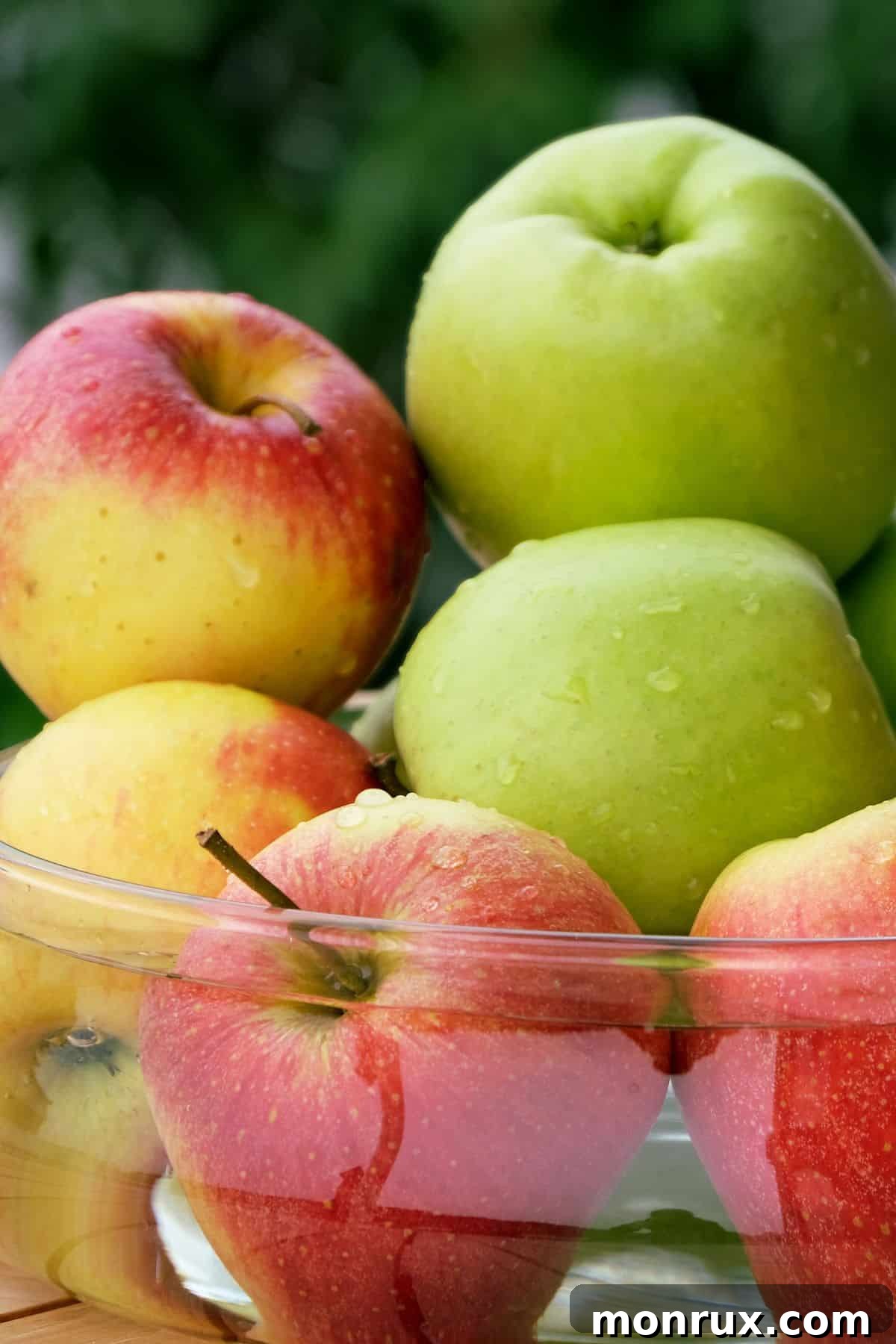
Fiber Content and Whole Fruit Benefits
Fiber is an essential dietary component for digestive health, blood sugar regulation, and satiety. Unfortunately, when fruits are juiced, most of their beneficial fiber is removed. Both orange juice and apple juice contain very minimal amounts of dietary fiber, typically around 0.2 grams per serving. This negligible amount means neither juice is a significant source of fiber.
If your goal is to increase your fiber intake, consuming whole oranges or apples is a far superior choice. A whole medium orange provides about 3 grams of fiber, while a medium apple offers around 4 grams. The fiber in whole fruits helps slow down sugar absorption, promoting a more stable blood sugar response and contributing to a feeling of fullness. Opting for whole fruits from your local grocery store or farmers’ market is always recommended when fiber is a priority.
Other Key Nutrients
Beyond the major components, both juices offer other valuable nutrients:
- Potassium: Orange juice is generally a better source of potassium, an electrolyte vital for fluid balance, muscle contractions, and maintaining normal blood pressure.
- Folate: Orange juice is a notable source of folate (Vitamin B9), which is crucial for DNA synthesis and repair, especially important during periods of rapid cell growth like pregnancy.
- Antioxidants: While Vitamin C is a major antioxidant in both, orange juice contains a variety of flavonoids (e.g., hesperidin) that offer anti-inflammatory benefits. Apple juice, on the other hand, is rich in polyphenols (e.g., quercetin, catechin), which are also powerful antioxidants linked to heart health and brain function.
In summary, while both juices contribute to hydration and offer some vitamins, orange juice tends to outshine apple juice in Vitamin C and folate, whereas apple juice might provide different sets of antioxidants. The key takeaway remains to prioritize 100% pure juices and consider whole fruits for their superior fiber content.
Processing Methods and Their Impact on Your Choice
The way orange and apple juices are processed significantly affects their nutritional content, flavor, and shelf life. Understanding these methods can help you make a more informed choice at the grocery store.
Not From Concentrate (NFC) vs. From Concentrate (FC):
“Not From Concentrate” (NFC) juice is made by simply squeezing the fruit and then pasteurizing it. This method aims to retain as much of the fruit’s natural flavor and nutrient profile as possible. It often has a fresher taste and slightly higher nutrient content, though it also tends to be more expensive and has a shorter shelf life.
“From Concentrate” (FC) juice involves extracting water from the fresh juice to create a concentrated syrup. This syrup is then frozen and shipped. At the bottling plant, water is added back to reconstitute the juice. While this method is more economical for transport and storage, the process of concentrating and reconstituting can lead to some loss of volatile aromatic compounds, potentially altering the flavor and, in some cases, slightly reducing nutrient levels, although most brands fortify with Vitamin C.
Pasteurization:
Most commercially available juices, whether NFC or FC, undergo pasteurization. This heat treatment process is essential for killing harmful bacteria and enzymes, thereby ensuring food safety and extending shelf life. While pasteurization is crucial for public health, the heat can cause a minor reduction in some heat-sensitive nutrients, like certain vitamins. However, the overall nutritional impact is often minimal, and the benefits of food safety outweigh the slight nutrient loss.
Added Sugars and Preservatives:
It’s vital to read juice labels carefully. Many fruit drinks or juice cocktails are not 100% fruit juice and contain significant amounts of added sugars, high-fructose corn syrup, or artificial sweeteners. These additions increase calorie count without providing additional nutritional benefits and should be limited for optimal health. Pure 100% fruit juice should have “100% juice” on its label and list only fruit juice as an ingredient. Some brands may also add preservatives like ascorbic acid (Vitamin C) or citric acid, which are generally safe and help maintain the juice’s quality and extend its shelf life without compromising health.
For the healthiest option, look for 100% pure fruit juices with no added sugars or artificial ingredients. Organic options may also be preferred if you wish to avoid pesticides, though the nutritional differences between organic and conventional juices are often minor.
FAQs
When comparing an 8-ounce glass, apple juice typically contains slightly more sugar, averaging around 24 grams, compared to orange juice’s 21 grams. Both contain natural fruit sugars, which can still cause a rapid rise in blood glucose levels due to the absence of fiber found in whole fruit. If you’re managing blood sugar or trying to reduce sugar intake, fresh-pressed orange juice might be a marginally better option due to its slightly lower sugar content. However, for significant health concerns related to blood sugar levels or glycemic index, it’s often recommended to opt for the whole fruit instead of juice. Always consult your healthcare provider for personalized dietary advice.
Comparing the overall nutritional value, orange juice often has a slight edge due to its higher content of Vitamin C and potassium, along with folate and a richer array of flavonoids. However, both juices provide good hydration and contribute essential vitamins and antioxidants to your diet. Apple juice, while having slightly less Vitamin C, offers different beneficial polyphenols. The “healthier” choice can depend on individual dietary needs and preferences. For an extra boost in Vitamin C and potassium, orange juice is often preferred. For a milder taste and different antioxidant profile, apple juice is a great option. For individuals with blood sugar concerns, consulting a healthcare provider is advised for both types of juice.
Ascorbic acid, commonly known as Vitamin C, is frequently added to packaged fruit juices as a beneficial additive. Its primary roles include acting as a natural preservative, which helps to extend the juice’s shelf life by inhibiting spoilage. It also functions as an antioxidant, preventing oxidation that can lead to discoloration and off-flavors. Additionally, ascorbic acid helps maintain the vibrant color of the juice and enhances its nutritional value, compensating for any Vitamin C losses that might occur during processing and storage, ensuring the product remains fresh and nutritious for longer.
Citric acid, a weak organic acid naturally found in citrus fruits, is a common additive in many packaged fruit juices. It serves multiple purposes: primarily as a preservative, its acidic nature helps to inhibit the growth of bacteria and molds, thereby extending the product’s shelf life. It also acts as a flavor enhancer, imparting a pleasant tart or sour taste that can balance sweetness and improve the overall flavor profile of the juice. Furthermore, citric acid can function as an acidulant, helping to adjust the pH level, and as an antioxidant, preventing unwanted discoloration and oxidation.
Apple juice can appear cloudy if it is unfiltered. This means the juice retains fine particles of apple pulp, pectin, and other plant compounds that give it a hazy appearance. Cloudy apple juice is not inherently bad; in fact, some prefer it for its more “natural” or rustic feel. Products like traditional apple cider, especially those with “the mother” (a beneficial yeast and bacteria culture similar to that found in kombucha or apple cider vinegar), are intentionally cloudy and often celebrated for their robust flavor and probiotic potential.
More Juice Recipes and Resources You Might Like
Choosing Your Juice: The Bottom Line
In the perennial debate of orange juice versus apple juice, it’s clear that both beverages offer unique contributions to your diet and palate. Orange juice shines with its higher Vitamin C and folate content, along with a distinct tangy-sweet flavor profile, making it a powerful immune booster and a refreshing start to the day. Apple juice, on the other hand, provides a milder sweetness, a different array of antioxidants, and equally effective hydration, appealing to those who prefer a less acidic taste.
Ultimately, the “better” choice is subjective and depends on your individual nutritional needs, taste preferences, and health goals. For a significant boost of Vitamin C and an invigorating zing, orange juice might be your go-to. If you seek a gentler, consistently sweet beverage with different antioxidant benefits, apple juice could be more suitable. Regardless of your preference, the most important factor is to choose 100% pure fruit juice with no added sugars or artificial ingredients. Moderation is also key, as even natural fruit juices are concentrated sources of sugar. For a complete nutritional profile, remember that consuming the whole fruit remains the best way to benefit from all the fiber and nutrients nature intended.
Both orange juice and apple juice serve as healthy and delicious alternatives to sugary sodas and artificial drinks. By understanding their differences, you can make an informed choice that best supports your well-being.
Don’t forget to join my newsletter list to get exclusive clean eating recipes and tips. The newsletter is 100% free with no spam; unsubscribe anytime.
About the Author: Carrie Forrest has a master’s degree in public health with a specialty in nutrition and is a certified holistic nutritionist. She is a top wellness and food blogger with over 5 million annual visitors to her site. Carrie has an incredible story of recovery from chronic illness and is passionate about helping other women transform their health. Send her a message through her contact form.
Note: this post is for informational purposes only and is not intended as medical advice. Please consult your healthcare provider for recommendations related to your individual situation.