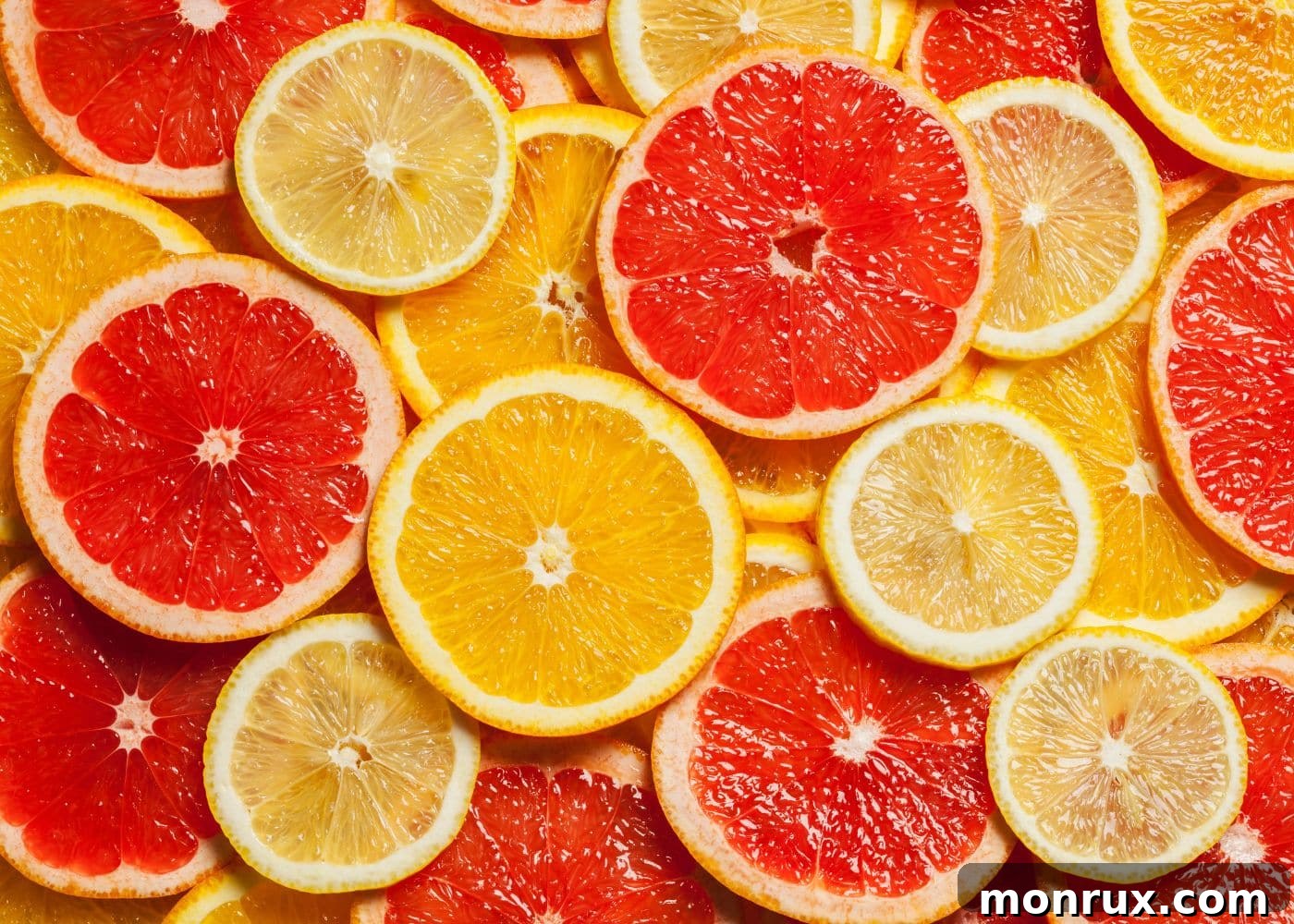
Embark on a vibrant journey through the world of orange fruits with this comprehensive guide. Here, you’ll discover an extensive list of orange-hued fruits, delve into their potential health benefits, and learn innovative ways to incorporate these nutritional powerhouses into your diet. From familiar favorites to exotic varieties you might not have encountered before, prepare to explore the diverse and delicious spectrum of orange fruits.
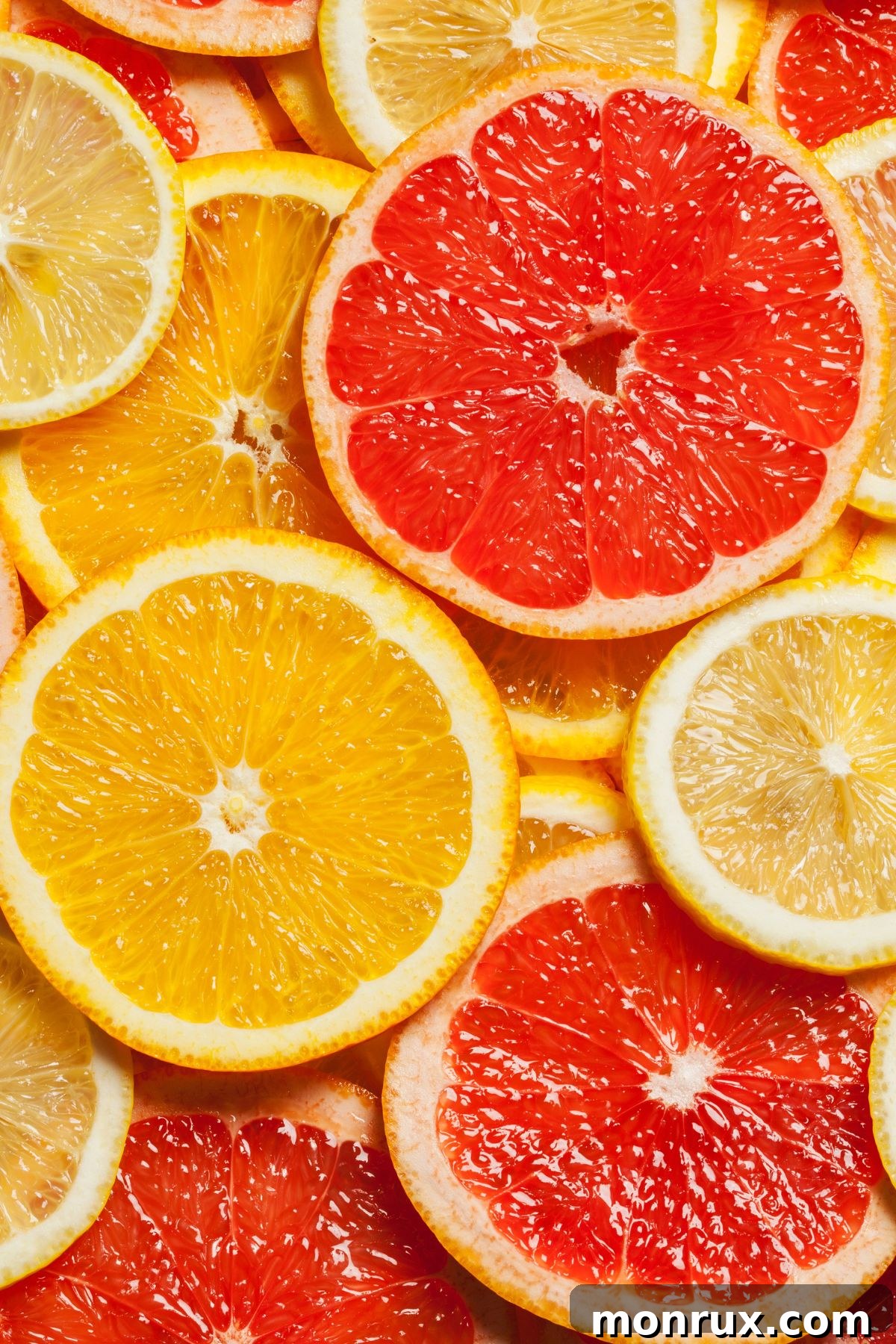
Orange Fruits List
Orange-colored fruits are not just a treat for the eyes; they are nutritional powerhouses packed with essential vitamins, minerals, and potent plant compounds. These vibrant foods are particularly rich in antioxidants and carotenoids, such as beta-carotene, which is responsible for their distinctive hue. Consuming orange fruits regularly can offer a myriad of health benefits, including enhanced eye health, reduced risk of certain cancers, support for weight management, improved blood pressure regulation, protection against macular degeneration, and overall boosts to your immune system and well-being. Aim to incorporate several servings of these bright and beneficial fruits into your weekly diet.
Below is a comprehensive list of orange fruits. Feel free to scroll through to discover each one, or click on the names in the list for a quick jump to their detailed descriptions and fascinating facts.
- Apricots
- Blood Oranges
- Butternut Squash
- Calamansis
- Cantaloupe
- Golden Berries
- Grapefruit
- Kinnows
- Kumquats
- Mandarins
- Mangos
- Marian Plums
- Nectarines
- Navel Oranges
- Orange Bell Peppers
- Orange Cherry Tomatoes
- Orange Kabocha Squashes
- Papayas
- Peaches
- Persimmons
- Physalis
- Pumpkins
- Red Kuri Squashes
- Seville Oranges
- Tangerines
- Valencia Oranges
1. Apricots
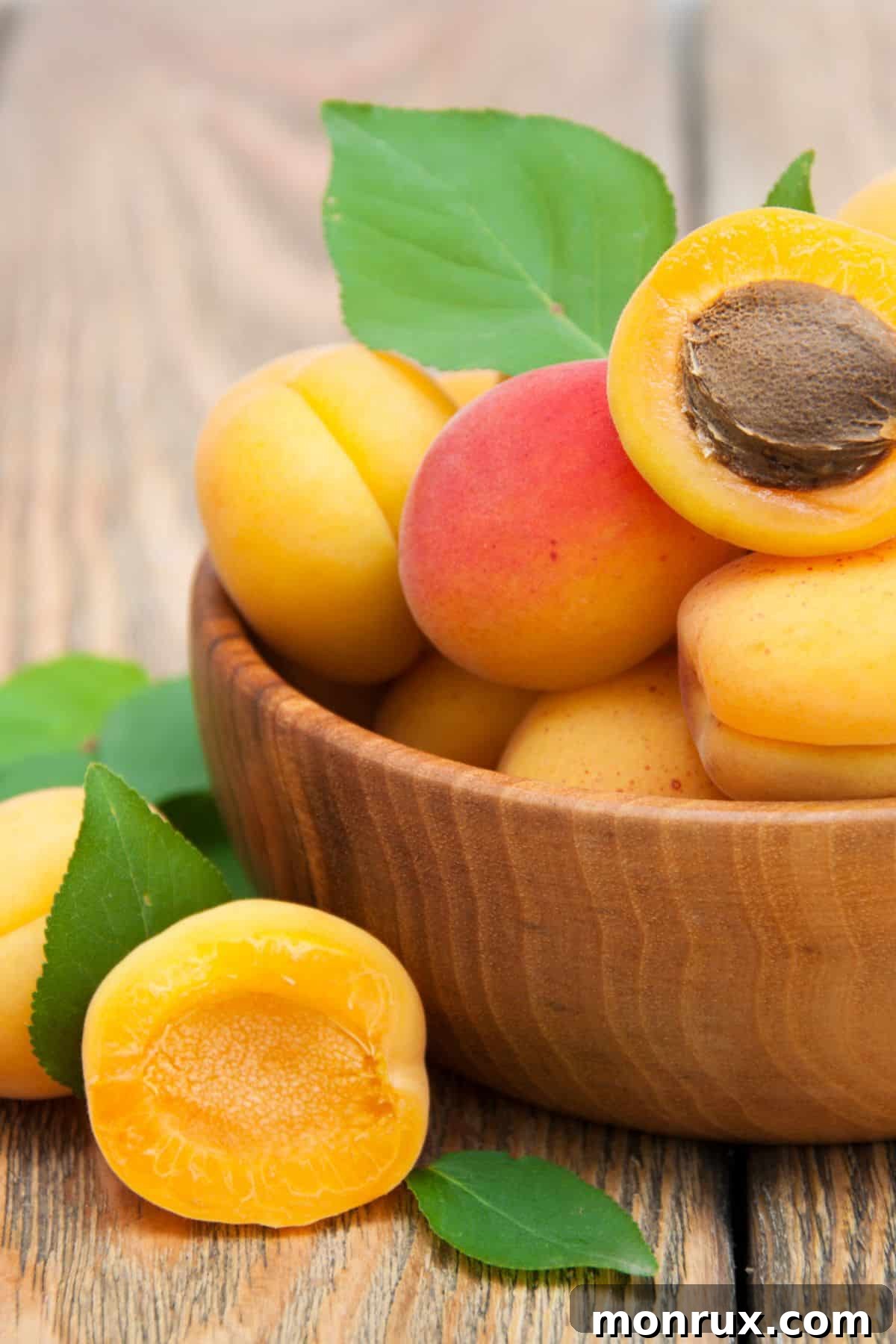
Originating from Central Asia, apricots are small, round, stone fruits renowned for their velvety, golden-orange skin and delicately sweet, tangy flesh. These charming fruits are not only delicious but also a fantastic source of Vitamin A, crucial for vision and skin health, and a good amount of Vitamin C and dietary fiber. They offer a delightful blend of sweetness with a subtle sour undertone, making them incredibly versatile.
When selecting apricots, look for ones with a smooth skin and a deep yellow or orange hue. They should feel plump and slightly soft to the touch, indicating ripeness. Enjoy apricots fresh as a healthy snack, dried for a chewy treat, or incorporate them into various dishes. They shine in jams, pies, crumbles, and even savory tagines, adding a unique fruity note. Their peak season typically runs from late spring to mid-summer, making them a refreshing seasonal delight.
2. Blood Oranges
Blood oranges are a captivating variety of citrus fruit, celebrated for their dramatic, crimson-hued flesh that ranges from deep ruby to vibrant pink. This distinctive color comes from anthocyanins, the same powerful antioxidants found in blueberries and red wine, offering additional health benefits beyond typical oranges. They typically present like regular oranges on the outside, but their striking interior sets them apart.
These sweet oranges boast a unique flavor profile that is often described as slightly sweeter and more floral than common orange varieties, with hints of berry-like notes. Popular varieties include Tarocco, Sanguinello, and Moro, each offering subtle differences in color intensity and taste. Harvested primarily in the fall and winter months in North America, blood oranges are a seasonal favorite. They are excellent when eaten fresh, squeezed into juices, or used in vibrant salads, desserts, and cocktails. Try incorporating them into a blended orange juice recipe for a delicious beverage packed with Vitamin C and unique flavor.
3. Butternut Squash
Though often treated as a vegetable in culinary contexts, butternut squash is botanically classified as a fruit, belonging to the winter squash family. Native to the Americas, it’s characterized by its distinctive elongated, bell-like shape and a light tan to orange-brown skin. Its dense, sweet, and nutty orange or yellow flesh is a treasure trove of nutrients, especially rich in beta-carotene, a precursor to Vitamin A, which is vital for maintaining excellent eye health and combating free radicals in the body.
Butternut squash is a quintessential autumn and winter favorite, known for its versatility in the kitchen. Its natural sweetness and creamy texture make it ideal for a wide array of dishes. It can be roasted to perfection, creating a caramelized exterior and tender interior, blended into comforting soups like a 3-Ingredient Butternut Squash Soup, mashed as a side dish, or even incorporated into baked goods. This hearty fruit stores well for extended periods, making it a convenient and nutritious staple during colder months.
4. Calamansis
Calamansi is a petite yet potent citrus fruit, native to Southeast Asia, particularly revered in the Philippines. These small, round or oval fruits typically range in color from deep green to yellow, ripening to a vibrant orange. Despite their small stature, calamansis pack a powerful punch of flavor, characterized by a unique blend of lime, lemon, and mandarin orange notes, often described as intensely sour with a subtle underlying sweetness.
The thin, acidic skin and juicy, tangy flesh make calamansis incredibly versatile in culinary applications. They are a staple in Filipino cuisine, frequently used to flavor beverages, marinades for meats and seafood, dipping sauces, and as a key ingredient in desserts. Its high acidity makes it an excellent tenderizer and flavor enhancer. Calamansi juice is a popular refreshment, often sweetened to balance its tartness, and is lauded for its Vitamin C content, making it a refreshing and immune-boosting choice.
5. Cantaloupe

Cantaloupe, a beloved member of the melon family, thrives in warm climates across the globe. This popular fruit is easily identifiable by its characteristic oval or oblong shape, netted, ribbed, or scaly exterior, and a sweet, fragrant aroma. The succulent flesh of a cantaloupe typically displays a beautiful orange or salmon color, offering a delightful combination of sweetness and freshness. It is indeed one of the most refreshing fresh fruits you can enjoy.
Beyond its delicious taste, cantaloupe is a nutritional champion. It’s an excellent source of Vitamins A and C, crucial for immune function, skin health, and vision, as well as being rich in potassium and a significant source of hydration due to its high water content. When choosing a cantaloupe, look for one that feels heavy for its size and emits a sweet fragrance from its stem end. It’s perfect when eaten fresh, added to fruit salads, blended into smoothies, or paired with savory ingredients like prosciutto for a classic appetizer.
6. Golden Berries
Golden berries, also known as Inca berries, Cape gooseberries, or physalis, are small, vibrant yellow-orange fruits encapsulated in a delicate, papery husk. Native to the Andean regions of Peru, these charming berries boast a unique flavor profile that is both sweet and tart, with a slight tanginess reminiscent of pineapple or tomato, making them a wonderfully complex taste experience. The papery husk, which is not edible, naturally protects the berry, ensuring its freshness.
Nutritionally, golden berries are impressive, offering a good source of Vitamins C and A, as well as fiber and various antioxidants. They are often enjoyed fresh as a healthy snack, added to breakfast bowls, fruit salads, or used as a striking garnish. Their distinct flavor also makes them excellent candidates for jams, jellies, sauces, and pies, providing a burst of flavor that elevates any dish. The cultivation of these berries has spread to other warm regions, but their South American roots remain prominent in their identity.
7. Grapefruit
Grapefruit, a large citrus fruit, is believed to be a hybrid originating in the Caribbean, though it’s now widely cultivated in many parts of the world, including Florida, California, and Texas. While some varieties can be pink or red, many grapefruits exhibit a distinct yellow-orange skin, with flesh that can range from pale yellow to a vibrant ruby red. This fruit is well-known for its juicy and often sour or bitter taste, though sweeter varieties exist.
Despite its sometimes-tart flavor, grapefruit is a nutritional powerhouse, packed with Vitamin C, antioxidants like lycopene (especially in red and pink varieties), and dietary fiber. It’s often enjoyed halved for breakfast, juiced, or segmented into salads. Its distinct flavor also makes it a popular ingredient in cocktails and desserts. It’s important to note that grapefruit can interact with certain medications, so it’s always wise to consult a healthcare professional if you have concerns.
8. Kinnows
Kinnow is a high-yield citrus fruit, primarily a hybrid of two mandarin varieties, King and Willow Leaf. This small, round fruit is predominantly grown in South Asia, particularly in India and Pakistan, where it is a significant cash crop. Kinnows are easily recognized by their bright orange-yellow color and glossy skin. While not as commonly found in North America as other citrus fruits, they are a delightful addition to the orange fruit family.
The flavor of kinnows is distinctly juicy, with a sour-tart taste that is slightly more acidic than a typical mandarin but still very refreshing. They are exceptionally juicy, making them a popular choice for fresh juice production. Kinnows are relatively easy to peel, though sometimes a bit more challenging than clementines, and their segments separate cleanly. Rich in Vitamin C, they offer a quick and flavorful way to boost immunity and enjoy a unique citrus experience.
9. Kumquats
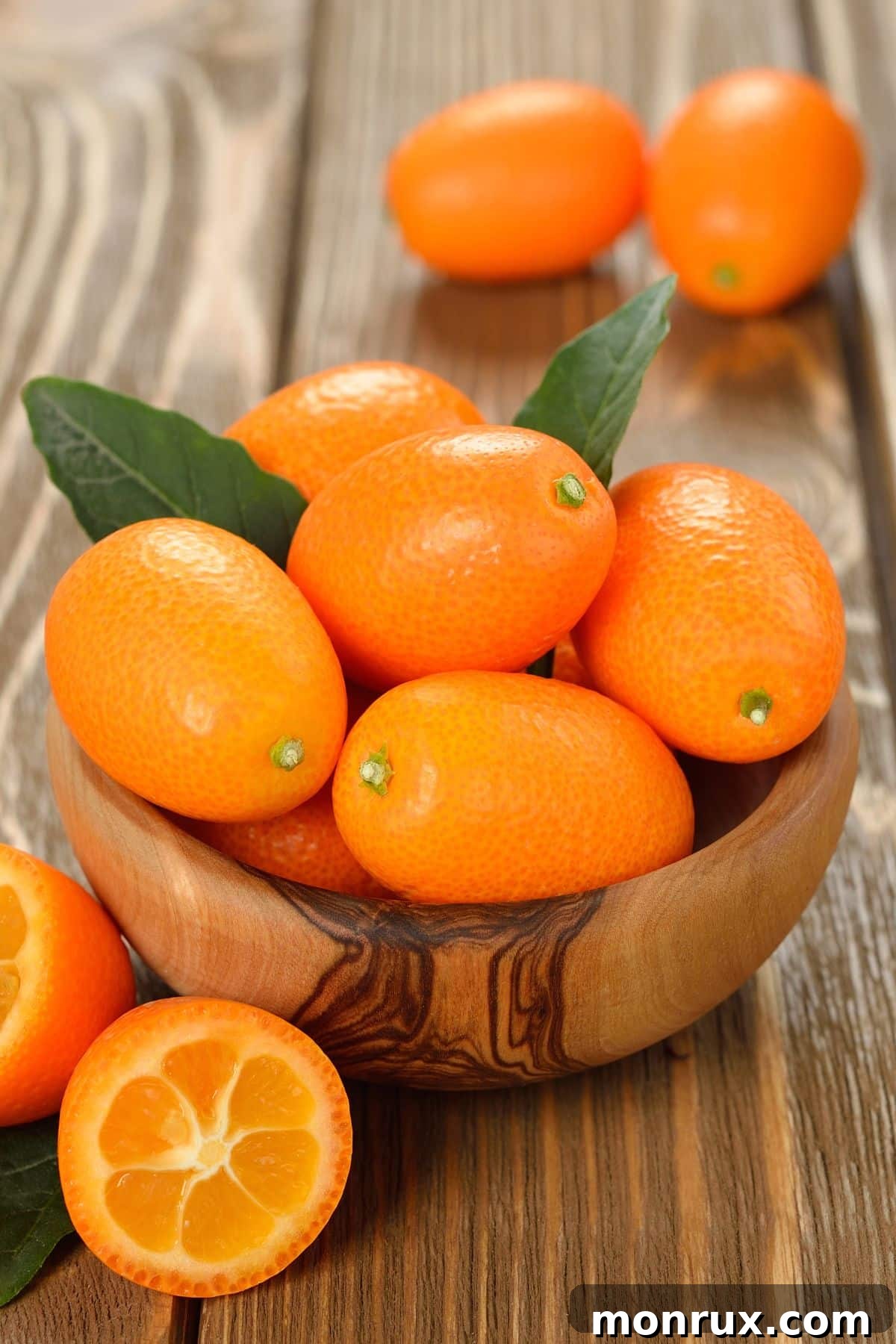
Kumquats are tiny, jewel-like citrus fruits, resembling miniature oranges but offering a vastly different eating experience. Native to Asia, specifically China, Japan, and Korea, these intriguing fruits are unique because their peel is sweet and edible, while the pulp is surprisingly tart. This contrast creates a delightful explosion of flavor when eaten whole.
Measuring about the size of a large olive, kumquats are rich in Vitamin C, fiber, and various antioxidants. They can be enjoyed fresh, either whole or sliced, providing a burst of sweet and sour notes. Beyond snacking, kumquats are wonderfully versatile in the kitchen. They can be candied, used to make flavorful marmalades and jellies, added to salads for a citrusy zing, or even incorporated into cocktails. Their vibrant appearance and distinctive taste make them a fantastic garnish or a unique ingredient to experiment with in both sweet and savory dishes.
10. Mandarins
Mandarins encompass a diverse group of small, easy-to-peel citrus fruits that are part of the orange family, but distinct from larger common oranges. Originally from warm climates in Southeast Asia, such as China and Japan, mandarins have now spread globally. Varieties include tangerines, clementines, and satsumas, each offering slightly different characteristics in terms of sweetness, tartness, and ease of peeling. They are celebrated for their thin, pliable skin that effortlessly separates from the sweet and juicy flesh.
The flesh of a mandarin orange is typically less acidic and sweeter than that of a naval orange, making them a popular choice for snacking, especially among children. Mandarins are an excellent source of Vitamin C, promoting immune health, and also contain dietary fiber. Their convenient size and delightful flavor make them a versatile fruit, perfect for eating fresh, adding to fruit salads, or using in desserts and savory dishes where a touch of sweet citrus is desired.
11. Mangos
Often hailed as the “King of Fruits,” mangos are tropical stone fruits revered globally for their luscious sweetness and vibrant flavor. Native to South Asia, mangos are now cultivated in various tropical climates worldwide. They come in numerous varieties, with shapes ranging from oval to round, and their smooth, fleshy exterior can be yellow, orange, red, or even green, often displaying a blend of these colors as they ripen. The juicy, fragrant flesh is typically golden-orange and surrounds a large, flat seed.
Mangos are a nutritional powerhouse, abundant in Vitamin C, Vitamin A (from beta-carotene), and dietary fiber, along with other essential vitamins and minerals. These nutrients contribute to improved digestion, enhanced skin health, and a robust immune system. Their versatility in the kitchen is unmatched; mangos can be enjoyed fresh, blended into refreshing smoothies like a Mango Peach Smoothie, transformed into Mango Ice Cream, juiced into Mango Juice, or used in savory dishes like salsas and curries. Their sweet and sometimes tangy notes make them a delightful addition to countless recipes.
12. Marian Plums
The Marian plum, scientifically known as Bouea macrophylla, is a fascinating fruit-bearing tree native to Southeast Asia, particularly prevalent in countries like Thailand, Indonesia, and Malaysia. These small, round to oval fruits are quite distinctive, featuring smooth skin that ripens from green to a vivid yellow or orange, sometimes with reddish undertones. The flesh is yellow, juicy, and offers a delightful balance of sweet and tangy flavors, often with a hint of sourness, making them a unique taste experience.
Marian plums are typically enjoyed fresh when in season, usually from late spring to early summer. They can be quite addictive due to their refreshing taste and succulent texture. Beyond fresh consumption, they are also used in various culinary applications, including preserves, chutneys, and savory dishes, where their sweet-sour profile can add complexity. While perhaps not as widely known as common plums in Western markets, Marian plums are a cherished tropical delicacy in their native regions, celebrated for their distinct flavor and refreshing qualities.
13. Nectarines
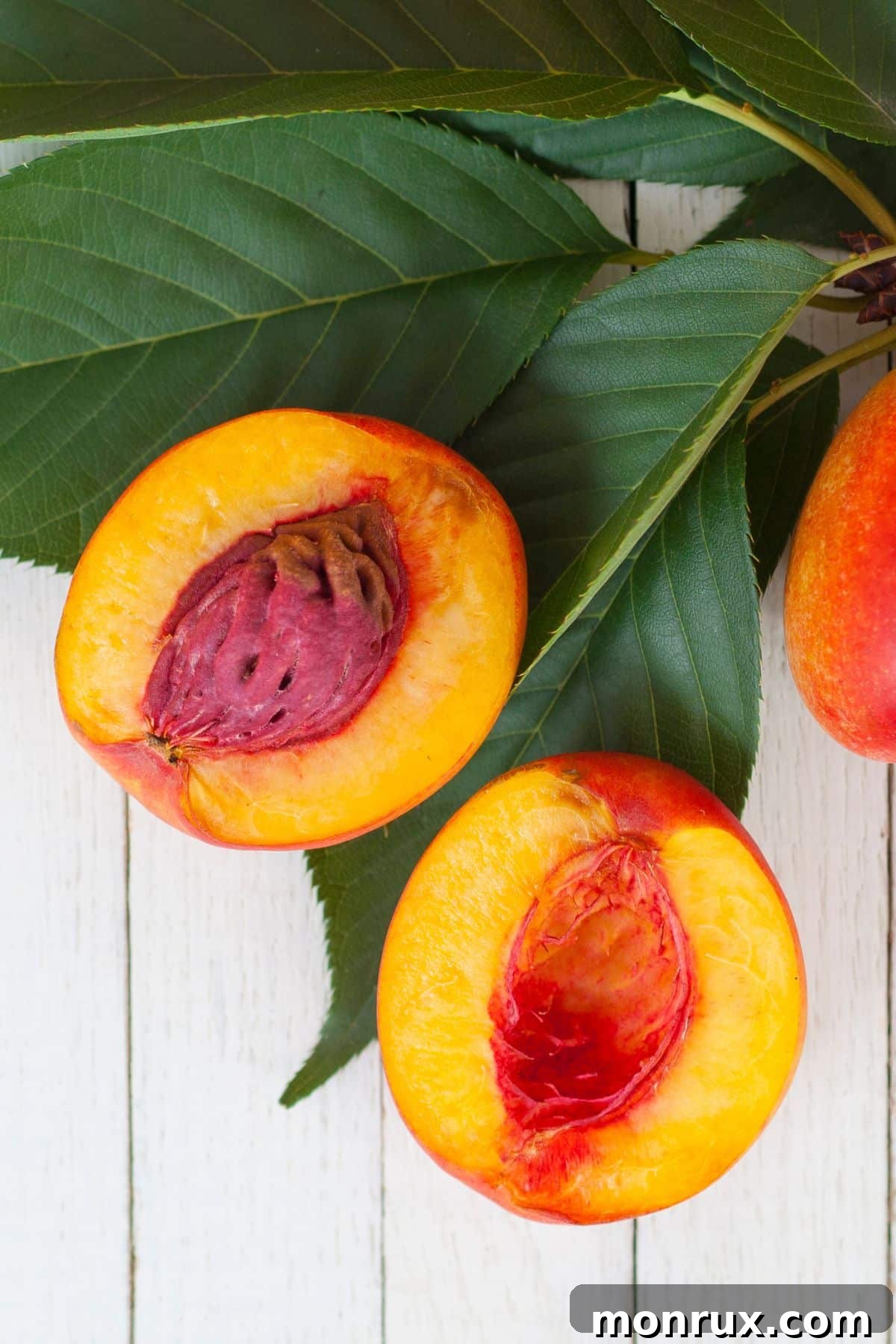
Nectarines are a captivating variety of stone fruit, closely related to peaches but distinguished by their smooth, fuzz-free skin. These succulent fruits are grown in warm climates across the globe, with major producers including California, Chile, Italy, and Australia. Nectarines typically showcase a beautiful blend of red, orange, and yellow hues on their skin, encasing sweet, juicy flesh with a slightly tart undertone that is often sweeter and more aromatic than peaches.
As a rich source of Vitamin C, Vitamin A, and dietary fiber, nectarines contribute to a healthy immune system, good vision, and digestive wellness. They are particularly refreshing when enjoyed fresh and ripe, offering a burst of summery flavor. Beyond snacking, nectarines are incredibly versatile; they can be grilled to enhance their sweetness, baked into pies, crumbles, or tarts, or added to fruit salads and smoothies. Their smooth texture and delightful flavor make them a personal favorite for many, especially during their peak summer season.
14. Navel Oranges
Navel oranges are one of the most popular and widely recognized types of citrus fruits, primarily cultivated in warm climates on orange trees, such as California and Florida. They are easily identified by the characteristic “navel” indentation at one end, which is actually a rudimentary second fruit growing within the main fruit. These oranges boast a deep, vibrant orange color and are highly prized for their seedless nature and exceptionally sweet taste, making them ideal for fresh consumption.
Rich in Vitamin C, navel oranges are a fantastic way to boost your immune system and enjoy a refreshing snack. They also provide dietary fiber and other essential nutrients. Their thick, easy-to-peel skin makes them convenient for on-the-go enjoyment. While excellent for eating out of hand, navel oranges are also used in salads, desserts, and even beverages like an Adrenal Cocktail when combined with coconut water. These accessible and affordable citrus fruits are a staple in many households and are among the most common orange foods available.
15. Orange Bell Peppers
While commonly categorized and cooked as vegetables, orange bell peppers are botanically considered fruits, as they develop from the flower’s ovary and contain seeds. These sweet peppers are named for their distinctive bell-like shape and their vivid orange coloration. Cultivated globally, including in the United States, Mexico, and South America, they are a versatile and visually appealing ingredient in many cuisines.
Orange bell peppers offer a mild, sweet flavor that is less bitter than green bell peppers and often sweeter than red varieties, making them highly palatable when eaten raw or cooked. They are an excellent source of Vitamin C, even more so than an orange by weight, and also provide Vitamin A and dietary fiber. Their crisp texture and vibrant color make them a popular addition to salads, stir-fries, fajitas, and as a colorful crudité alongside dips. They add both nutritional value and aesthetic appeal to any dish.
16. Orange Cherry Tomatoes
Just like their bell pepper counterparts, tomatoes are botanically fruits, and orange cherry tomatoes are a particularly delightful variety. These small, round, bite-sized tomatoes are characterized by their brilliant orange hue and are celebrated for their exceptionally sweet flavor profile, often surpassing the sweetness of their red counterparts. They are primarily grown in warm climates, flourishing under ample sunshine.
Typically ranging from about 1 to 2 inches in diameter and weighing less than an ounce, orange cherry tomatoes are perfect for snacking, adding a burst of flavor and color to salads, or roasting to intensify their sweetness. They are a good source of Vitamin C, Vitamin A, and antioxidants, contributing to overall health and well-being. Their vibrant appearance and delicious taste make them a popular choice for home gardens and gourmet dishes alike, adding a touch of sunshine to any meal.
17. Orange Kabocha Squashes
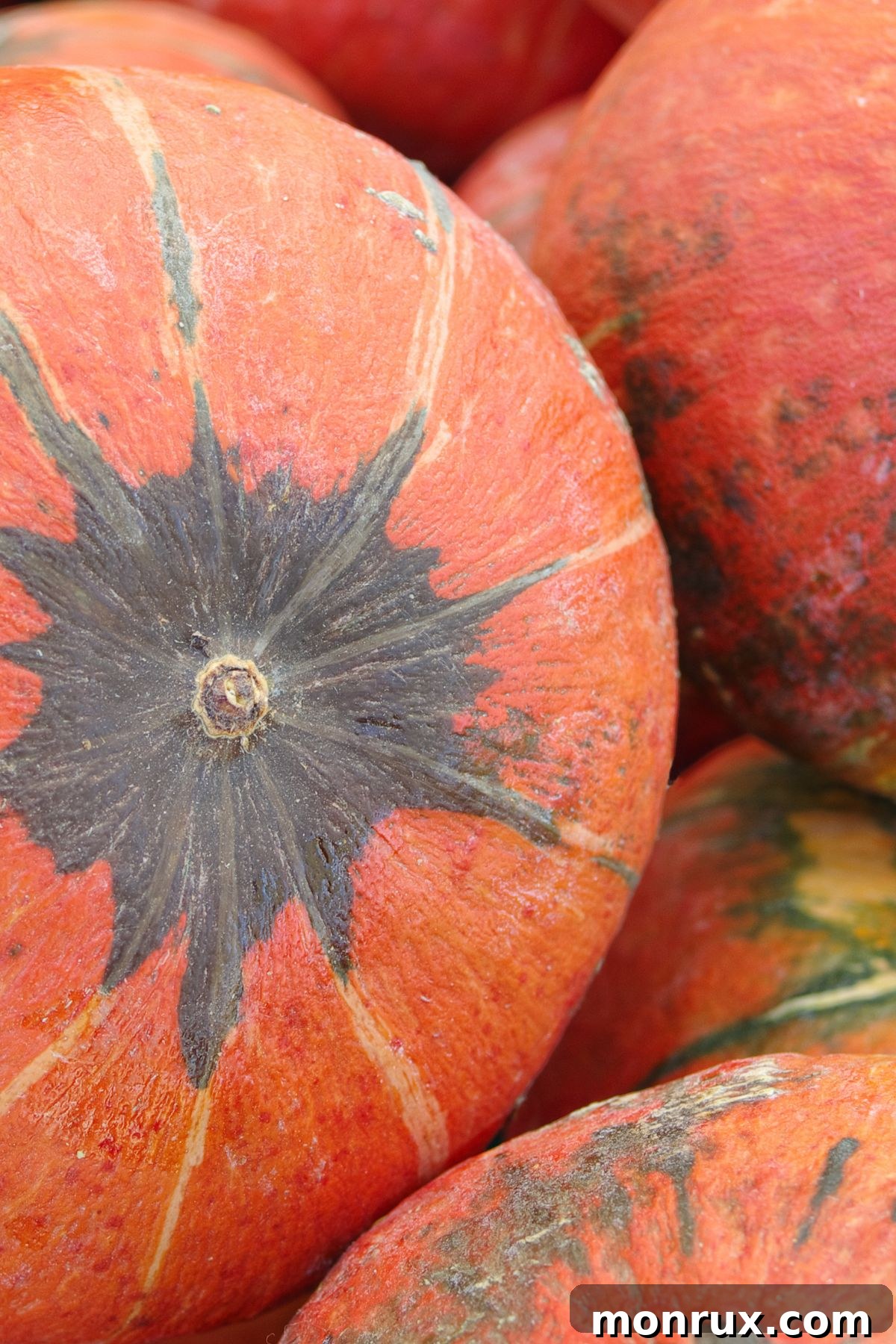
Kabocha squash, often referred to as “Japanese pumpkin,” is a type of winter squash that originates from East Asia. While many varieties feature a dark green rind, there are also striking orange Kabocha squashes with vibrant orange skin and dense, golden-orange flesh. Its flavor is famously described as a blend of sweet potato and pumpkin, with a distinct nutty sweetness and a creamy, fluffy texture when cooked.
Like other orange-fleshed fruits, Kabocha squash is an excellent source of beta-carotene, which the body converts into Vitamin A, essential for vision, immune function, and skin health. It also provides Vitamin C, iron, and fiber. This versatile squash is a staple in Japanese cuisine, frequently used in dishes such as tempura, soups, and stews. It’s also delicious simply roasted, steamed, or pureed into a comforting soup. For an easy preparation, try an Instant Pot Kabocha Squash recipe to savor its rich flavor.
18. Papayas
Papayas are magnificent tropical fruits, native to the tropics of the Americas, and are now widely cultivated in numerous tropical countries around the world. These large, often pear-shaped fruits typically have a thin skin that ripens from green to yellow-orange. The most captivating feature of a ripe papaya is its soft, buttery orange or reddish-orange flesh, which surrounds a cavity filled with numerous small, edible black seeds that have a peppery taste.
Papayas are celebrated not only for their uniquely sweet, musky flavor but also for their impressive nutritional profile. They are exceptionally rich in Vitamin C, providing more than a daily recommended intake in a single serving, along with significant amounts of Vitamin A (from beta-carotene), folate, and dietary fiber. Papaya also contains papain, an enzyme known for its digestive benefits. Enjoyed fresh, blended into smoothies, or added to tropical fruit salads, papaya offers a wealth of health benefits and a taste of the tropics.
19. Peaches
Peaches, with their characteristic fuzzy skin and aromatic, juicy flesh, are among the most beloved stone fruits globally. Originating from Northwest China, peaches have been cultivated for millennia and are now enjoyed across the world, thriving in warm climates. The skin can range in color from yellow to reddish-orange, often blushing with vibrant hues, while the flesh is typically golden-orange or white, surrounding a single large pit.
Known for their irresistibly sweet taste, peaches are a delightful source of Vitamin C, Vitamin A, and dietary fiber. These nutrients contribute to skin health, immune function, and digestive wellness. Peaches are incredibly versatile in the kitchen; they are superb when eaten fresh, baked into classic pies, crumbles, and cobblers, or grilled to enhance their natural sweetness. Explore delicious recipes for Peach Juice, a refreshing Mango Peach Smoothie, or easy Air Fryer Peaches for diverse ways to enjoy this flavorful fruit.
20. Persimmons
Persimmons are unique and often underappreciated fruits that grow on trees in warm climates, particularly in East Asia, though they are now cultivated worldwide. These beautiful fruits are typically oval or round, boasting a smooth, sometimes slightly leathery skin that ripens to a stunning orange or deep reddish-orange color. The flesh can be sweet and succulent, ranging from pale orange to dark red, and often has a jelly-like texture when fully ripe.
There are two main types of persimmons: astringent varieties (like Hachiya), which must be fully ripe and soft to be edible due to their high tannin content, and non-astringent varieties (like Fuyu), which can be eaten firm like an apple. Persimmons are rich in Vitamins A and C, fiber, and various antioxidants. They are delicious eaten fresh, especially the Fuyu variety. Astringent persimmons are excellent for baking into breads, cookies, and puddings, or used in jams and other desserts, where their unique sweetness and texture shine. They offer a delicate, honey-like flavor that is truly distinctive.
21. Physalis
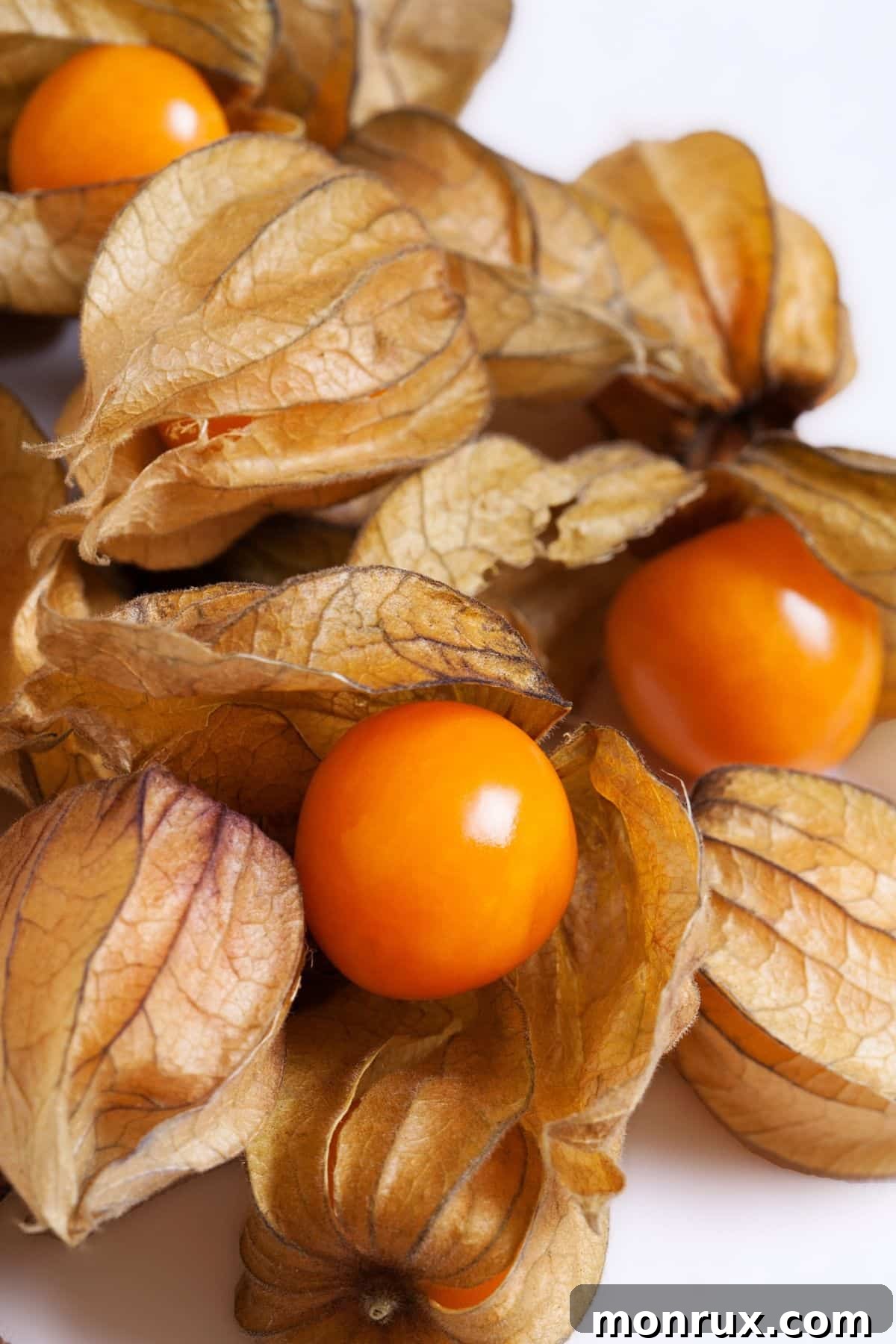
Physalis, also known as groundcherries or Cape gooseberries, are charming small, orange-yellow fruits encased in a distinctive papery, lantern-like husk. These captivating fruits thrive in warm climates, originating from regions in South America and Africa. They bear a striking resemblance to a small tomato but offer a unique flavor profile that is pleasantly tart and acidic, often with hints of pineapple, strawberry, and tomato, creating a sweet-sour sensation.
Beyond their intriguing appearance and taste, physalis fruits are nutritionally beneficial, packed with Vitamin C, Vitamin A (beta-carotene), and B vitamins. They are also a source of antioxidants and anti-inflammatory compounds. The bright orange color of the berry, revealed once the husk is peeled back, makes them one of the prettiest orange-colored foods. Physalis are often used to make exquisite jams and jellies, incorporated into desserts, or added to savory dishes such as salsas, where their tartness provides a refreshing counterpoint. They also make a fantastic garnish, adding both visual appeal and a burst of flavor.
22. Pumpkins
Pumpkins, iconic symbols of autumn and widely cultivated across the globe, are botanically classified as a fruit, specifically a type of gourd-like squash. These large, fleshy fruits are typically round or oblong, with smooth, ribbed skin that can range from deep yellow to vibrant orange. They are characterized by their hearty texture and distinctive sweet, earthy flavor, making them versatile for both savory and sweet culinary applications.
Nutritionally, pumpkins are a powerhouse, brimming with beta-carotene, which is converted to Vitamin A in the body and supports vision and immune health. They are also a good source of Vitamin C, potassium, and dietary fiber. While widely associated with Halloween and Thanksgiving decorations, pumpkins are a culinary delight. They can be roasted, pureed into comforting soups, baked into pies and breads, or used in innovative dishes. Explore delicious recipes like Pumpkin Brownies, savory Pumpkin Rice, or homemade Pumpkin Seed Milk to enjoy the diverse flavors and benefits of this seasonal favorite.
23. Red Kuri Squashes
Red Kuri squash is a captivating type of winter squash, celebrated for its unique tear-drop or pear shape and vibrant, often reddish-orange skin, sometimes adorned with subtle greenish-brown stripes. Native to Japan, this attractive squash has gained popularity in many parts of the world due to its exceptional flavor and versatility. The flesh of the Red Kuri is a beautiful orange or yellow, offering a delicate, sweet, and nutty flavor profile, reminiscent of chestnuts or sweet potatoes.
Like other orange-fleshed squashes, Red Kuri is an excellent source of beta-carotene, providing ample Vitamin A for eye health and antioxidant protection. It also contains good amounts of Vitamin C and dietary fiber. Its smooth, creamy texture when cooked makes it perfect for a variety of culinary uses. Red Kuri squash is delicious when roasted whole or in wedges, pureed into velvety soups, added to stews, or even used in baking for a naturally sweet element. Its appealing color and rich flavor make it a delightful addition to autumn and winter meals.
24. Seville Oranges
Seville oranges, also famously known as bitter oranges, are a distinctive citrus fruit primarily grown in the Seville region of Spain, and also referred to as Spanish oranges. These fruits are characterized by their thick, dimpled skin and incredibly acidic and bitter taste, making them quite different from the sweet eating oranges like navel or Valencia varieties. Their strong, aromatic flavor is complex and unique.
Due to their intense bitterness and high pectin content, Seville oranges are not typically eaten fresh. Instead, they are highly prized for their exceptional use in making traditional English marmalade, to which they impart their signature tartness and deep, rich flavor. Beyond marmalade, their zest and juice are valued in various culinary applications, including flavoring liqueurs, perfumes, and certain savory dishes, particularly in Mediterranean and Middle Eastern cuisine. They also feature in classic cocktails, adding a sophisticated bitter note. For those seeking a powerful and aromatic citrus flavor, Seville oranges offer an unparalleled experience.
25. Tangerines
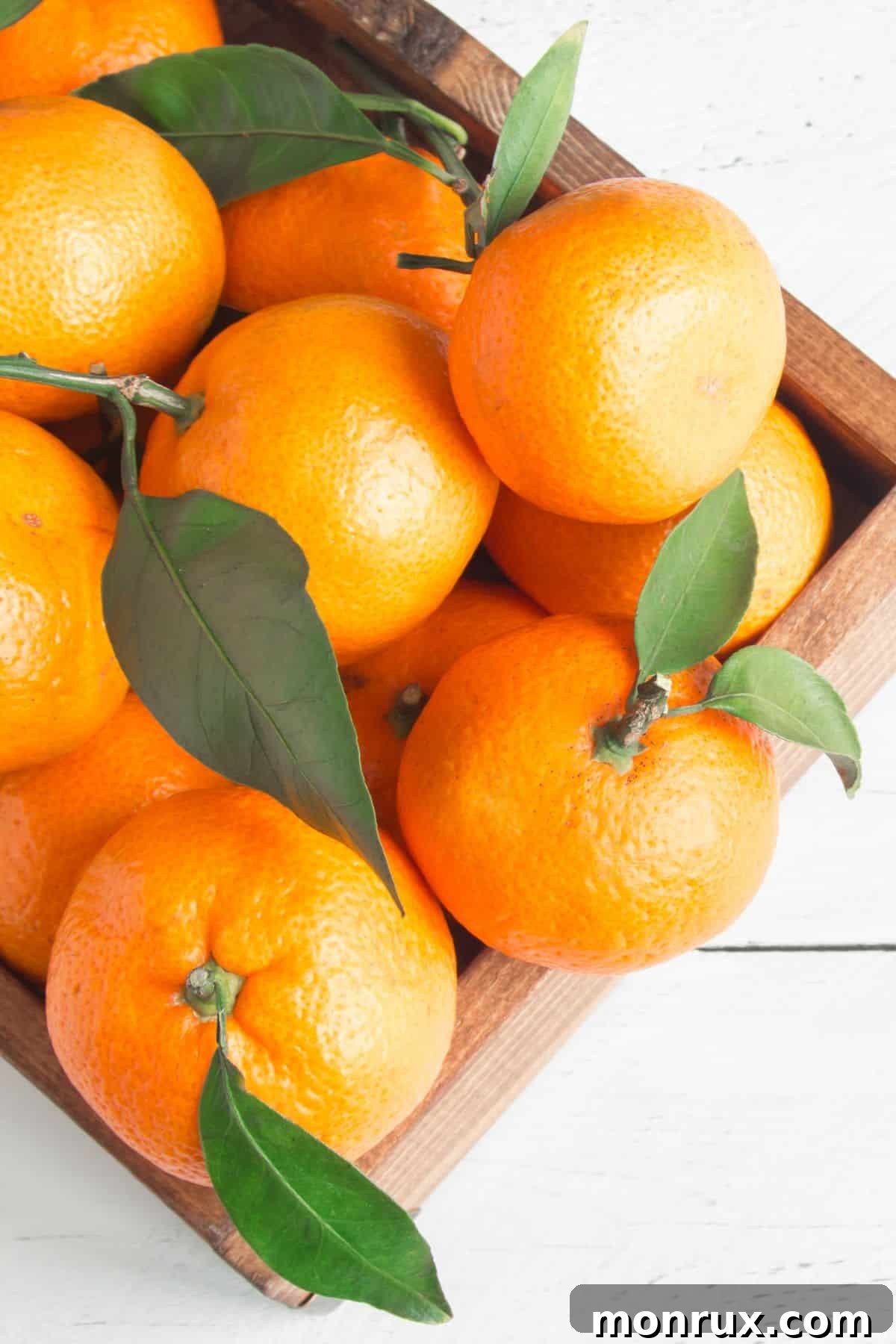
Tangerines are a delightful type of mandarin orange, believed to have originated in Southeast Asia before being introduced to China and eventually other parts of the world. They are typically smaller than common oranges, round or slightly flattened, and are celebrated for their thin, notably easy-to-peel skin. The skin usually displays a vibrant orange or reddish-orange color, and their flesh is sweet with a slightly tart and wonderfully aromatic flavor.
These petite citrus fruits are a fantastic source of Vitamin C, boosting immune health, and also provide dietary fiber and other antioxidants. Their convenient size and palatable taste make them an ideal snack, especially popular among children. Tangerines are also versatile in the kitchen, adding a refreshing burst of citrus to fruit salads, desserts, and even savory dishes like glazes for poultry or fish. Their distinctive aroma and sweet-tart balance make them a cherished fruit, particularly during the winter months when they are typically in season.
26. Valencia Oranges
Valencia oranges are a widely cultivated and economically significant variety of sweet orange, initially hybridized in the 19th century in California. They are recognized as one of the many distinct types of oranges, typically smaller than navel oranges, with a thinner rind and often containing seeds. What truly sets Valencia oranges apart is their exceptional juiciness and sweet flavor, making them the preferred choice for orange juice production worldwide. They are veritable powerhouses of Vitamin C.
These oranges are considered a “summer orange” as they are one of the last citrus varieties to be harvested in the spring and summer, providing fresh juice during warmer months. While superb for juicing, Valencia oranges can also be enjoyed fresh, their sweet pulp a refreshing treat. Their high juice content, combined with their balanced sweet-tart taste, ensures that they remain a staple in kitchens and juice bars. If you’re looking for a fruit that delivers maximum juice and a classic orange flavor, the Valencia orange is an excellent choice.
Summary and Nutritional Insights
The world of orange fruits is incredibly diverse and rich, offering a spectrum of flavors, textures, and impressive health benefits. From the familiar sweetness of a navel orange to the intriguing tartness of a calamansi, and the earthy comfort of a butternut squash, these vibrant foods are much more than just a feast for the eyes. Their distinctive orange hue is largely due to potent compounds like carotenoids and anthocyanins, which act as powerful antioxidants in the body.
Regularly incorporating a variety of orange fruits into your diet can significantly contribute to your overall health. They are excellent sources of Vitamin C, crucial for immune system support and skin health; Vitamin A (from beta-carotene), essential for maintaining good vision and cellular function; and dietary fiber, which aids digestion and promotes satiety. Beyond these, they offer a range of other vitamins, minerals, and phytonutrients that work synergistically to protect against oxidative stress, reduce inflammation, and support healthy bodily functions. So, next time you’re at the market, embrace the radiant array of orange fruits. Picking up a few of these delicious and nutritious items is a fantastic way to introduce more variety, color, and vital nutrients into your meals, enhancing your diet one vibrant bite at a time.
Explore More Fruit Lists!
Don’t forget to join my newsletter list to receive exclusive clean eating recipes, nutritional insights, and wellness tips delivered straight to your inbox. The newsletter is 100% free with no spam; you can unsubscribe at any time.
About the Author: Carrie Forrest holds a master’s degree in public health with a specialization in nutrition and is a certified holistic nutritionist. She is a leading wellness and food blogger, attracting over 5 million annual visitors to her site. Carrie shares an inspiring story of recovery from chronic illness and is dedicated to empowering other women to transform their health. You can connect with her through her contact form.