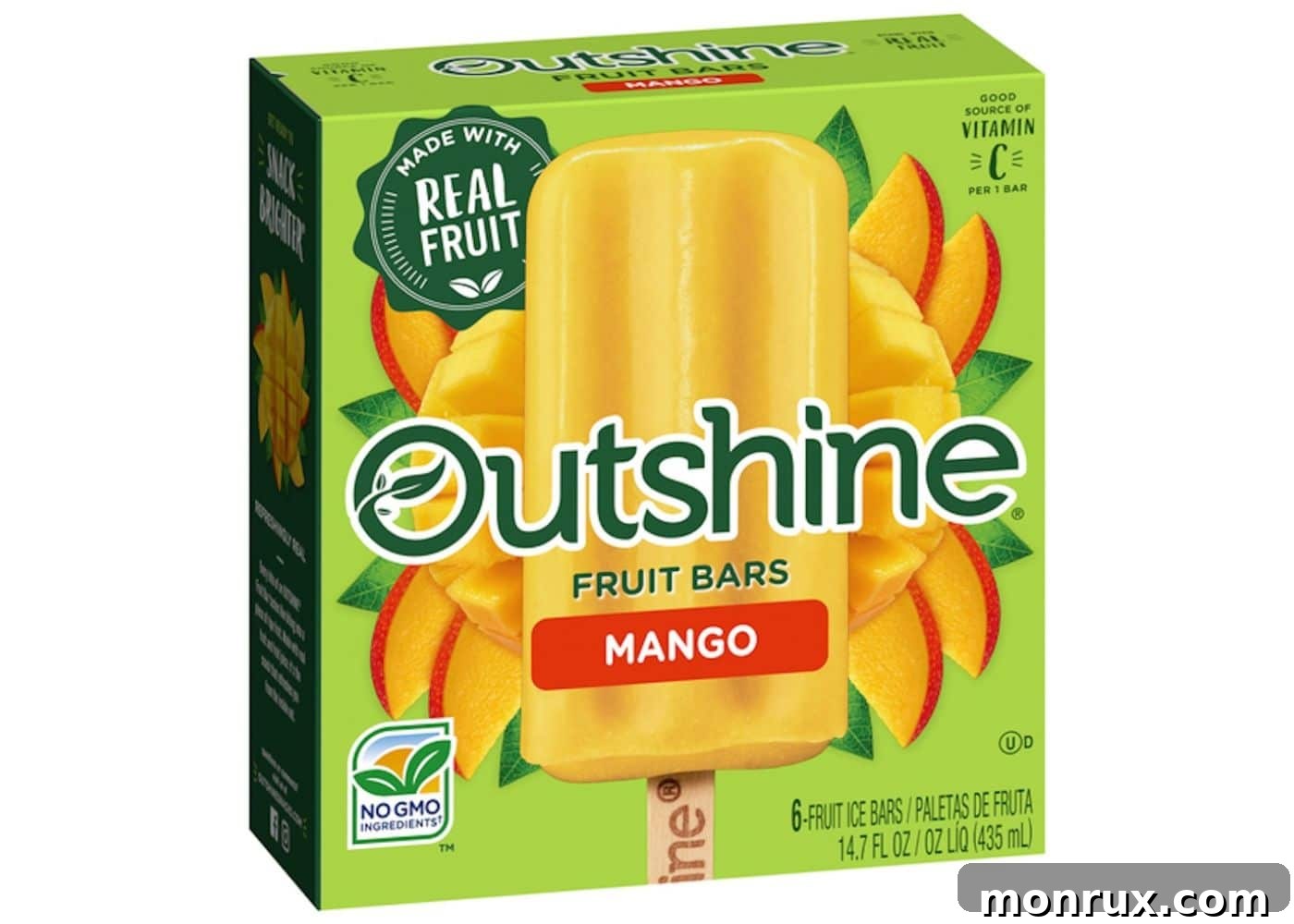
Are Outshine Fruit Bars Truly Healthy? An In-Depth Nutritional Review
In the vast landscape of frozen treats, Outshine Fruit Bars often stand out, marketed as a refreshing and healthier alternative to traditional ice cream. But are these fruity popsicles genuinely good for you? This comprehensive guide delves into the nutritional profile of Outshine Fruit Bars, examining their ingredients, potential benefits, and drawbacks, and offering insights to help you make informed dietary choices. While they can be a delightful occasional indulgence, understanding what’s inside is key to fitting them into a truly healthy lifestyle.
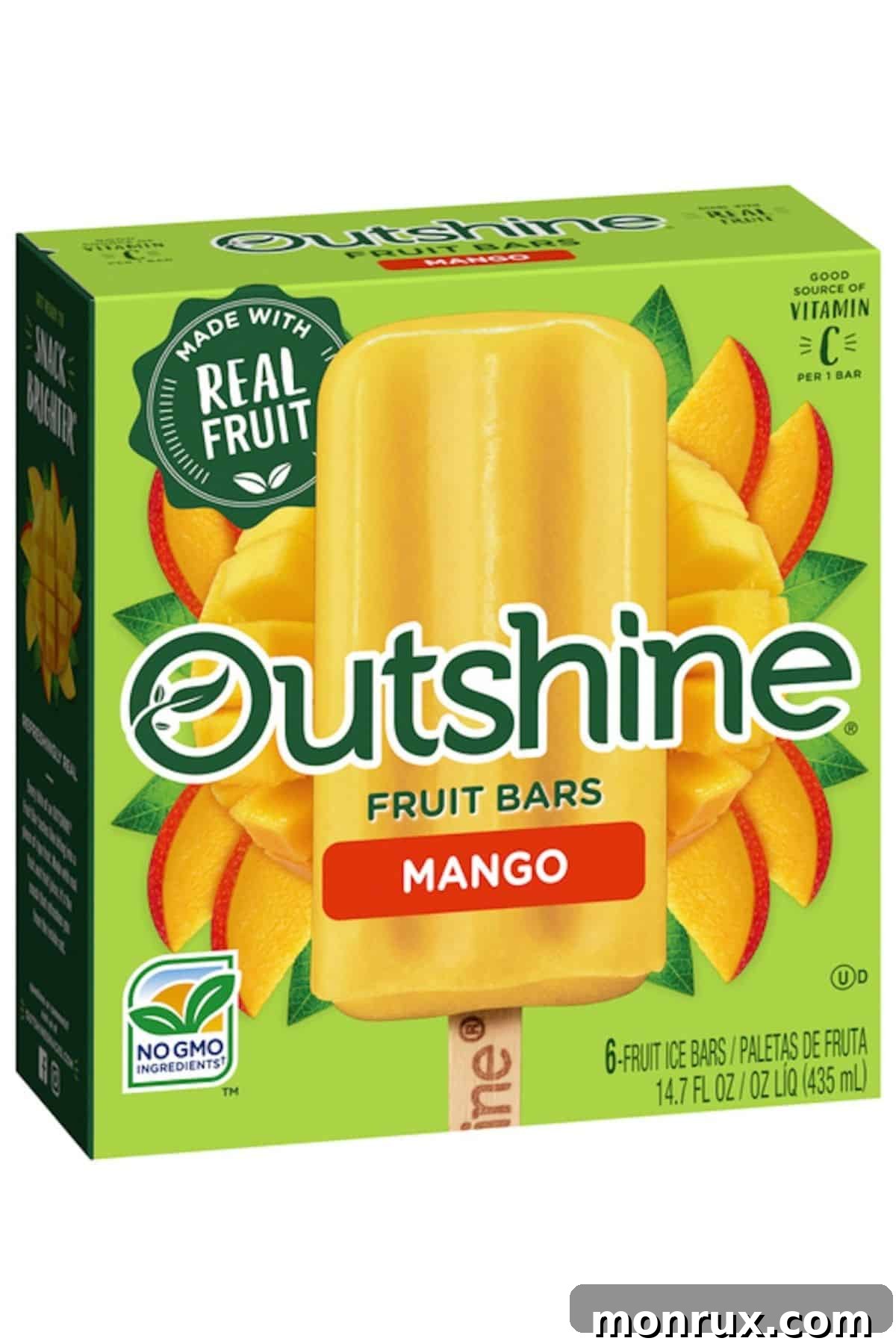
Table of Contents
Understanding Outshine Fruit Bars: The Basics
Outshine Fruit Bars are a popular line of frozen fruit bars produced by Nestlé, a globally recognized food and beverage company. Positioned as a wholesome and refreshing snack, they aim to offer consumers a lighter alternative to traditional sugary desserts and ice creams.
The brand frequently highlights its commitment to using real fruit in its products, often emphasizing the absence of high-fructose corn syrup (HFCS) and artificial colors or flavors. This marketing strategy resonates with health-conscious individuals seeking cleaner ingredient lists and lower calorie counts in their treats. The Outshine range extends beyond just fruit bars to include fruit and yogurt smoothies and other frozen fruit pops, all designed with a similar healthy-snack ethos.
While specific nutritional values and ingredient lists can vary slightly across the extensive range of flavors, Outshine Fruit Bars generally boast a few key characteristics:
- They are typically gluten-free, making them suitable for individuals with celiac disease or gluten sensitivities.
- The company explicitly states they are free from high-fructose corn syrup (HFCS), a sweetener often scrutinized for its health implications.
- Many flavors are GMO-free, appealing to those who prefer non-genetically modified ingredients.
- A significant portion of their offerings is plant-based, catering to vegans and those seeking dairy-free options (with the exception of creamy varieties).
- Calorie counts usually range from 60 to 110 calories per bar, which is often lower than many conventional frozen desserts.
- Several flavors are either fat-free or very low in saturated fats.
Outshine Fruit Bars are celebrated for their wide array of refreshing flavors. Some of the most popular options include:
- Creamy Coconut
- Grape
- Lemon
- Lime
- Mango
- Mango Frozen Fruit Bars with Tajín®
- No Sugar Added Strawberry
- Peach
- Pineapple
- Pomegranate
- Raspberry
- Strawberry
- Strawberry, Pineapple, Grape & Tangerine
- Tangerine
- Watermelon
It’s important to note that while most flavors contain fruit, cane sugar, natural flavors, and various additives, the “No Sugar Added Strawberry” variant distinguishes itself by using alternative sweeteners like sorbitol, sucralose, and acesulfame potassium. Furthermore, the “Creamy Coconut” flavor is unique for its inclusion of dairy cream and skim milk, alongside coconut and coconut cream, making it the only option containing dairy among the popular varieties.
A Deep Dive into Outshine Fruit Bar Ingredients
Understanding the specific ingredients in Outshine Fruit Bars is crucial for assessing their overall healthfulness. The company prides itself on being GMO-free, gluten-free, and free from high fructose corn syrup and artificial flavors and colors. However, a closer look at what is included can reveal important nutritional nuances.
Let’s take the popular Mango flavor as an illustrative example. Its ingredient list typically includes:
- Water
- Mango puree
- Cane sugar
- Lemon juice concentrate
- Natural flavor
- Guar gum
- Carob bean gum
- Citric acid
- Ascorbic acid (Vitamin C for added nutrition and to maintain color)
Now, let’s explore these key components and their potential impact on your health.
Fruit Puree and Fruit Juice Concentrate
Fruit puree and fruit juice concentrate are indeed derived from real fruit. However, the processing involved means they are not nutritionally equivalent to whole, fresh fruit. Fruit juice concentrate, for instance, is produced by removing water, pulp, and sometimes skin from fruit, resulting in a more condensed form of sugar and flavor.
While some nutritional value, such as certain vitamins and minerals, may be retained, the crucial fiber content found in whole fruit is often significantly reduced or eliminated. Fiber is essential for digestive health, blood sugar regulation, and satiety. The presence of fruit pulp in some Outshine bars might offer minimal fiber, but it’s generally far less than what you’d get from eating a whole piece of fruit. Furthermore, concentrates typically have higher fructose levels per serving compared to fresh fruit, and consuming them means you miss out on the beneficial synergy of all the components in whole fruit.
Cane Sugar
Cane sugar is a sweetener derived from sugar cane. While it is often perceived as a “more natural” option than high-fructose corn syrup, it is still a form of added sugar. It undergoes processing to extract the sugar crystals, though it might be slightly less refined than granulated sugar made from sugar beets.
In moderation, cane sugar can provide a quick source of energy and, in its less refined forms (like turbinado or demerara sugar), may contain trace amounts of minerals and antioxidants. However, the quantities in a frozen bar are unlikely to offer significant health benefits from these micronutrients. The primary concern with cane sugar, like any added sugar, is overconsumption. Excessive intake of added sugars is strongly linked to numerous health issues, including weight gain, an increased risk of type 2 diabetes, dental cavities, and a higher risk of heart disease. The American Heart Association recommends limiting added sugar intake to no more than 6 teaspoons (25 grams) per day for women and 9 teaspoons (38 grams) for men. A single Outshine bar, with up to 12-17 grams of added sugar, can significantly contribute to this daily limit.
“Natural” Flavors
The term “natural flavor” on an ingredient list can be misleading. While it conjures images of wholesome fruit essences, the reality is more complex. According to the FDA, a “natural flavor” is derived from a natural source (like fruit, vegetable, meat, or spices) but its primary function in food is flavoring, not nutritional value. Crucially, these flavors can undergo extensive processing and may contain a myriad of synthetic chemicals, solvents, and preservatives that aren’t required to be listed on the label.
This lack of transparency makes it challenging for consumers to truly understand what they are consuming. While Outshine states they avoid “artificial flavors,” the broad category of “natural flavors” leaves room for ingredients that some health-conscious individuals might prefer to avoid. The potential health effects of long-term consumption of these undisclosed components are often unknown, making it a point of concern for those seeking truly clean eating.
Ascorbic Acid (Vitamin C)
Ascorbic acid is a form of Vitamin C, an essential nutrient that the human body cannot produce on its own. It’s added to Outshine Fruit Bars primarily for two reasons: as an antioxidant to help preserve the color and freshness of the fruit, and to boost the nutritional profile of the product.
Vitamin C is vital for numerous bodily functions, including supporting immune health, aiding in iron absorption, promoting collagen synthesis for healthy skin, and acting as a powerful antioxidant against free radicals. While synthetic ascorbic acid is chemically identical to naturally occurring Vitamin C and offers similar benefits, obtaining this vitamin through whole foods is generally preferable. Fruits and vegetables like citrus fruits, bell peppers, strawberries, kiwi, broccoli, and kale provide Vitamin C alongside a spectrum of other beneficial vitamins, minerals, and fiber that work synergistically to support health.
Gums and Stabilizers (Guar Gum, Carob Bean Gum, Xanthan Gum)
Outshine Fruit Bars often contain various gums like guar gum, carob bean gum, and xanthan gum. These are commonly used food additives that function as thickening agents, emulsifiers, and stabilizers. They help create the desired texture, prevent ice crystal formation, and maintain product consistency during freezing and thawing.
- Guar Gum (Guaran): Derived from guar beans, this soluble fiber can have some health benefits, such as aiding in blood sugar control and cholesterol reduction. However, in larger quantities or for sensitive individuals, it can lead to digestive discomfort like bloating, gas, and abdominal cramps.
- Carob Bean Gum: Extracted from the seeds of the carob tree, it also acts as a thickener and stabilizer. Similar to guar gum, it contains dietary fiber and is generally considered safe, but excessive intake might cause digestive issues in some people.
- Xanthan Gum: Produced through the fermentation of sugars by bacteria, xanthan gum is widely used in gluten-free products and as a thickener. The FDA classifies it as a safe food additive, but like other gums, it can cause digestive upset if consumed in large amounts, especially for those with pre-existing gastrointestinal sensitivities.
While these gums are generally recognized as safe in the small amounts found in processed foods, individuals with sensitive digestive systems or conditions like irritable bowel syndrome (IBS) might find that even moderate consumption exacerbates their symptoms.
Artificial Sweeteners in “No Sugar Added” Varieties
The “No Sugar Added Strawberry” variant of Outshine Fruit Bars swaps cane sugar for non-nutritive, artificial sweeteners. While these allow for a lower calorie and sugar count, they come with their own set of considerations and potential health risks that many health-conscious consumers prefer to avoid.
Sorbitol
Sorbitol is a sugar alcohol found naturally in some fruits (like apples, pears, and peaches) but is often mass-produced commercially from glucose. It’s used as a sweetener in sugar-free products because it provides sweetness with fewer calories and doesn’t significantly raise blood sugar levels.
However, sorbitol is notorious for its laxative effect when consumed in large quantities. For many individuals, even moderate intake can trigger gastrointestinal discomfort, including bloating, gas, and diarrhea. This effect is due to its slow absorption in the small intestine, leading to fermentation in the large intestine. While not harmful in very small doses, it can be problematic for individuals with digestive sensitivities or those who consume multiple “sugar-free” products daily.
Sucralose
Sucralose, commonly known by the brand name Splenda, is a highly processed artificial sweetener. It is derived from sugar through a multi-step chemical process that replaces three hydrogen-oxygen groups with chlorine atoms. This modification makes sucralose about 600 times sweeter than sugar and resistant to metabolism by the human body, meaning it passes through largely undigested.
Recent research suggests that regular consumption of sucralose may have adverse effects, particularly on gut health. It can potentially alter the delicate balance of the gut microbiome, leading to inflammation and metabolic dysfunction. Some studies also link chronic sucralose intake to issues like increased glucose intolerance and weight gain, contradicting its intended purpose as a healthier sugar alternative. The long-term effects of sucralose consumption are still being studied, but growing evidence suggests caution is warranted.
Acesulfame Potassium (Ace-K)
Acesulfame potassium, often abbreviated as Ace-K, is another synthetic, non-nutritive sweetener. It is about 200 times sweeter than sugar and is frequently used in combination with other sweeteners to create a more sugar-like taste profile and mask any bitter aftertaste.
Ace-K is one of the most controversial artificial sweeteners. While the FDA has approved it as a food additive within specified limits, some independent studies have raised concerns about its potential carcinogenicity and other health risks, particularly its effects on metabolic function and gut health. Due to these ongoing debates and the potential for adverse effects, many health-conscious consumers choose to avoid products containing acesulfame potassium. If you opt to include non-nutritive sweeteners in your diet, it’s generally advisable to do so sparingly and be mindful of other potential sources in various processed foods.
The Health Verdict: Pros of Outshine Fruit Bars
Despite some of the concerns raised by their ingredients, Outshine Fruit Bars do offer several positive aspects that distinguish them from many other frozen desserts:
- No High-Fructose Corn Syrup (HFCS): This is a significant advantage. HFCS is a highly processed sweetener linked to various health problems. Its absence makes Outshine a better choice than many alternatives that rely heavily on it.
- Free from Artificial Colors and Flavors: The commitment to avoiding artificial colors and flavors is a definite plus. Many consumers are concerned about the potential health implications of these synthetic additives, especially for children.
- Gluten-Free: Being gluten-free makes these bars accessible and safe for individuals with gluten sensitivities or celiac disease, broadening their appeal.
- Lower Calorie Count (in most varieties): With typically 60-110 calories per bar, Outshine offers a relatively low-calorie option for satisfying a sweet craving, particularly when compared to high-calorie ice creams or other decadent desserts. This can be beneficial for those managing their weight.
- Real Fruit Ingredients: The inclusion of real fruit puree and juice concentrate means these bars contain some vitamins and natural fruit compounds, even if processed. This provides a certain level of nutritional value that purely sugar-based treats lack.
- Refreshing and Hydrating: On a hot day, a cold, fruit-flavored bar can be incredibly refreshing and contribute to hydration, making it a pleasant way to cool down.
- Simpler Ingredient List (compared to many): While not entirely “clean,” the ingredient list for most Outshine bars is often shorter and less complex than many other highly processed frozen treats, reflecting a more straightforward approach to formulation.
For most people, enjoying an Outshine Fruit Bar in moderation can be part of a balanced diet, especially when viewed as an occasional treat rather than a daily staple.
The Health Verdict: Cons and Considerations
While Outshine Fruit Bars have their merits, it’s equally important to be aware of their potential downsides and nutritional considerations:
- Significant Added Sugar Content: Many Outshine Fruit Bar flavors contain a substantial amount of added sugar, sometimes as much as 12-17 grams per bar. This can contribute significantly to your daily sugar intake, potentially leading to adverse health effects if consumed frequently and in large quantities. The perception of “fruit” can sometimes mask the fact that these are still primarily sugar-sweetened products.
- Processed Fruit vs. Whole Fruit: Although made with “real fruit,” the fruit is typically in the form of purees or concentrates. This processing often strips away much of the beneficial dietary fiber found in whole fruits. Consequently, these bars lack the satiety and blood sugar-regulating effects of eating a whole piece of fruit.
- Low Dietary Fiber: Due to the nature of processed fruit and fruit concentrates, Outshine bars are generally very low in dietary fiber. Fiber is crucial for digestive health, cholesterol management, and maintaining stable blood sugar levels. Relying on these bars for “fruit” intake will not provide adequate fiber.
- Presence of Additives: The inclusion of thickening and stabilizing gums (like guar gum, carob bean gum, and xanthan gum) and citric acid can be a concern for some individuals. While generally recognized as safe, these additives can cause digestive issues such as bloating, gas, or discomfort in sensitive individuals, especially those with IBS.
- Artificial Sweeteners in “No Sugar Added” Varieties: The variants marketed as “no sugar added” contain non-nutritive sweeteners such as sorbitol, sucralose, and acesulfame potassium. As discussed, these artificial sweeteners are controversial and have been linked to potential negative impacts on gut microbiome, metabolic health, and even possible carcinogenicity in some studies. Many health-conscious individuals prefer to avoid them altogether.
- Dairy in Creamy Coconut Flavor: The “Creamy Coconut” variation contains dairy cream and skim milk, making it unsuitable for individuals who are lactose intolerant, have dairy allergies, or choose to follow a dairy-free or vegan diet.
- Not a Substitute for Whole Fruit: It’s critical to remember that Outshine Fruit Bars, even with “real fruit,” are not a substitute for consuming whole, fresh fruits as part of a balanced diet. Whole fruits offer a much richer profile of fiber, vitamins, minerals, and antioxidants in their natural matrix.
Considering these points, Outshine Fruit Bars are best viewed as an occasional treat rather than a health food staple.
Outshine Fruit Bars: Frequently Asked Questions
Do Outshine Fruit Bars contain artificial sweeteners?
The regular Outshine Fruit Bars, which contain natural cane sugar, do not use artificial sweeteners. However, their “No Sugar Added Strawberry” variant specifically utilizes non-nutritive, artificial sweeteners such as sorbitol, sucralose, and acesulfame potassium to achieve its sweetness without added sugar. It’s important to check the specific product label if you wish to avoid these ingredients.
Are there any artificial colors, flavors, or preservatives in Outshine Fruit Bars?
Outshine Fruit Bars are marketed as being free from artificial colors and flavors. While they generally avoid synthetic preservatives, they do contain other additives like guar gum, carob bean gum, xanthan gum, and citric acid. These ingredients serve as thickeners, stabilizers, and acidity regulators. While not classified as artificial colors or flavors, these additives can still be a concern for individuals with digestive sensitivities or those who prefer a truly minimalist ingredient list. For the purest forms of nutrition, opting for natural real fruit is always the best choice (consider exploring red fruits, orange fruits, or fruit that starts with e).
What is the actual fruit content in Outshine Fruit Bars, and are they made with real fruit or fruit concentrates?
While the Outshine Fruit Bars website emphasizes the use of “real fruit,” they typically use fruit puree and fruit juice concentrates. The exact percentage of actual fruit content (beyond water and sugar) is not explicitly specified on their packaging or website. Fruit concentrates, though derived from fruit, undergo processing that can remove beneficial fiber and alter their nutritional profile compared to whole fruits. While some flavors might include fruit pulp, these bars should be considered a processed treat containing some fruit components, rather than a direct substitute for the comprehensive nutritional benefits of whole fresh fruit. For a truly nutrient-dense fruit option, consider a wide array of yellow fruits, for example.
How do Outshine Fruit Bars compare to whole fruits?
Outshine Fruit Bars contain some fruit, but they cannot replace whole fruits. Whole fruits are packed with dietary fiber, which is largely absent in fruit purees and concentrates used in the bars. Fiber is crucial for digestive health, promoting satiety, and regulating blood sugar levels. Whole fruits also provide a wider spectrum of vitamins, minerals, and antioxidants in their natural matrix. While Outshine bars offer a refreshing taste, they are primarily a source of added sugars (or artificial sweeteners) and water, with a less complete nutritional profile than an actual piece of fruit.
Are Outshine Fruit Bars suitable for a weight-loss diet?
Outshine Fruit Bars are relatively low in calories (60-110 per bar) compared to many other frozen desserts, which might make them seem appealing for weight loss. However, their high added sugar content in most regular varieties means they contribute to caloric intake without significant satiety due to the lack of fiber. The “No Sugar Added” options reduce calories and sugar but introduce artificial sweeteners, which some research suggests may ironically impact weight management and metabolic health in the long run. For effective weight loss, prioritizing whole, unprocessed foods, especially fresh fruits and vegetables, which are rich in fiber and nutrients, is generally a more sustainable and healthier approach than relying on processed treats, even low-calorie ones.
Healthier Alternatives and Homemade Options
If you’re looking for genuinely healthy and less expensive frozen treats, or simply want to reduce your intake of added sugars and additives, there are excellent alternatives to Outshine Fruit Bars:
- Whole, Fresh Fruit: The ultimate healthy snack. Enjoy a cold slice of watermelon, frozen grapes, a chilled apple, or berries. They are packed with fiber, vitamins, and antioxidants without any added sugars or artificial ingredients.
- Homemade Fruit Popsicles: This is a fantastic option to control all ingredients. Simply blend your favorite fresh or frozen fruits with a little water, coconut water, or unsweetened juice, and pour into popsicle molds. You can add a squeeze of lemon or lime for extra zest. For example, a simple mango popsicle recipe involves blending ripe mango chunks with a splash of water until smooth, then freezing. No added sugar or strange ingredients needed!
- Fruit Smoothies: Blend fresh or frozen fruits with unsweetened yogurt (dairy or non-dairy), spinach for extra nutrients, and a liquid like water or unsweetened almond milk. You get a hydrating, fiber-rich, and customizable treat.
- Frozen Yogurt Bark: Spread Greek yogurt (plain, unsweetened) thinly on a parchment-lined baking sheet, sprinkle with fresh berries and a drizzle of honey (optional), then freeze until firm. Break into pieces for a delicious, protein-rich snack.
Making your own frozen treats ensures you know exactly what goes into them, maximizing nutritional value and avoiding unwanted additives. It’s often more delicious, more affordable, and aligns perfectly with a clean eating lifestyle.
More Product Reviews You Might Like
Conclusion: Making an Informed Choice
Outshine Fruit Bars occupy a middle ground in the world of frozen desserts. They are generally a better option than many ultra-processed ice creams or sugary popsicles that contain high-fructose corn syrup and artificial ingredients. Their use of real fruit puree and the absence of artificial colors and flavors are definite advantages.
However, it’s crucial to acknowledge their drawbacks: the significant amount of added cane sugar in most varieties, the reduced fiber content compared to whole fruit, and the presence of various gums and additives. Furthermore, the “No Sugar Added” options swap cane sugar for artificial sweeteners, which come with their own set of potential health concerns for those striving for truly clean eating.
Ultimately, Outshine Fruit Bars can be enjoyed as an occasional treat as part of a balanced diet. They offer a refreshing way to satisfy a sweet craving, especially when chosen over less healthy alternatives. For daily consumption or as a primary source of fruit, however, opting for whole, fresh fruits, homemade fruit popsicles, or smoothies made with natural ingredients remains the superior choice for comprehensive nutrition and overall well-being. Always read labels, understand the ingredients, and prioritize whole foods to fuel your body effectively.
Don’t forget to join my newsletter list to get exclusive clean eating recipes and tips. The newsletter is 100% free with no spam; unsubscribe anytime.
About the Author: Carrie Forrest has a master’s degree in public health with a specialty in nutrition and is a certified holistic nutritionist. She is a top wellness and food blogger with over 5 million annual visitors to her site. Carrie has an incredible story of recovery from chronic illness and is passionate about helping other women transform their health. Send her a message through her contact form.
Note: this post is for informational purposes only and is not intended as medical advice. Please consult your healthcare provider for recommendations related to your individual situation.