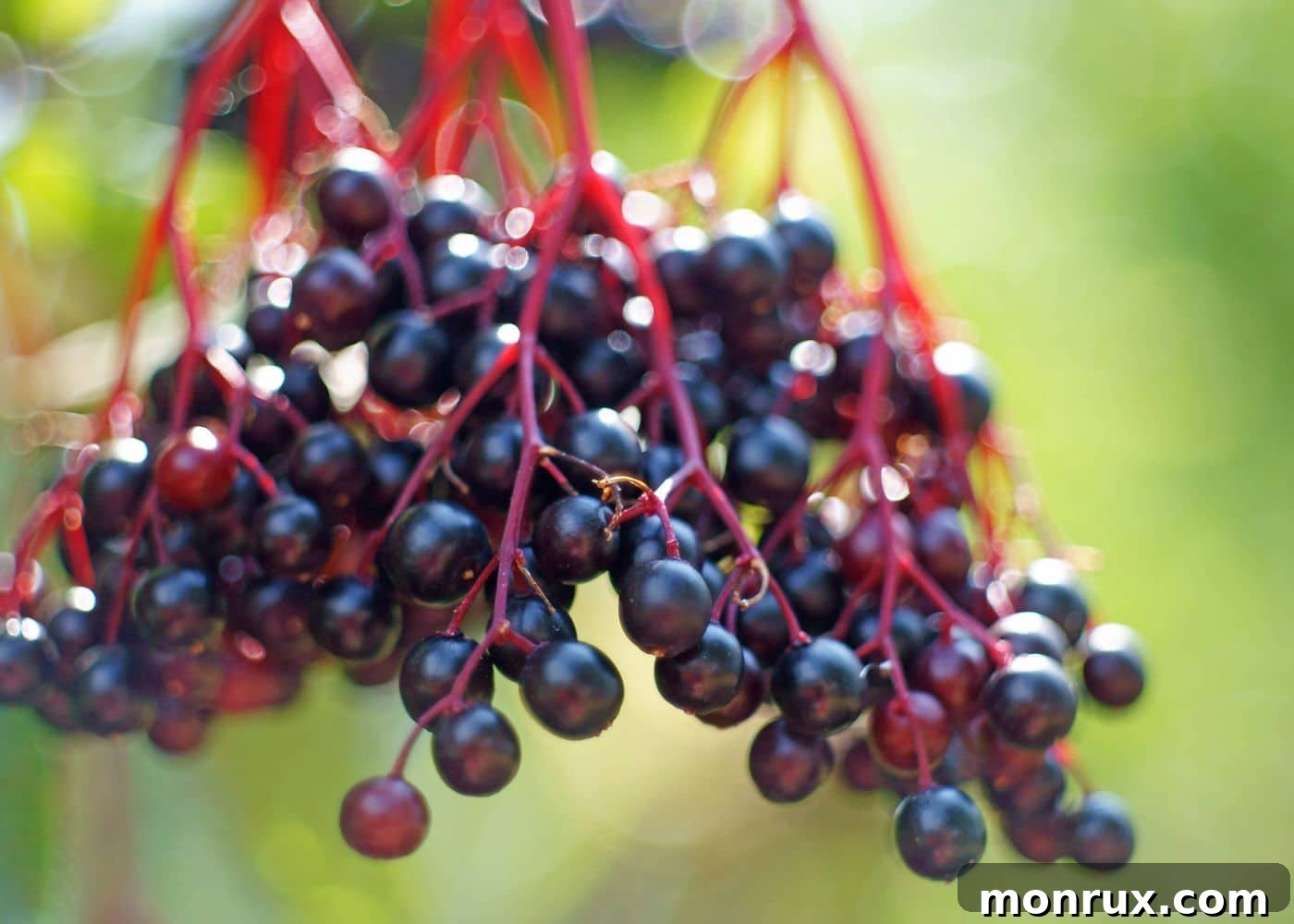
Embark on a delightful culinary journey as we explore the fascinating world of Fruits that Start with E. From sweet and succulent to tart and tangy, the diversity within this alphabetical category is truly astounding. Whether you’re a seasoned fruit enthusiast or just beginning to discover new flavors, this comprehensive guide promises to introduce you to a vibrant array of fruits, some of which you might recognize, and others that are delightfully exotic and perhaps entirely new to your palate. Beyond their delicious tastes, these fruits offer a bounty of health benefits, making them a fantastic addition to any balanced diet. Prepare to expand your fruit horizons and savor the unique qualities of each ‘E’ fruit!
Exploring the World of E-Fruits: Over 18 Varieties
1. Early Girl Tomato
While often treated as a vegetable in culinary contexts, the Early Girl tomato is botanically a fruit, celebrated for its rapid ripening cycle and consistent yields. This medium-sized, globe-shaped hybrid tomato, originally developed in France, has become a staple for home gardeners across the United States due to its reliability and early harvest. Its bright red skin encases a juicy, flavorful flesh that delivers a classic “old-fashioned” tomato taste. Gardeners and chefs alike appreciate its excellent balance of sweetness and acidity, making it versatile for fresh eating, salads, sauces, and canning. Rich in vitamins C and A, Early Girl tomatoes are a healthy and delicious choice.
2. Early Gold Mango
The “Earlygold” mango is a prized early-season variety, originating from Pine Island, Florida, a region renowned for its mango cultivation. Characterized by its oblong shape and modest size, typically weighing less than a pound, this mango features a slight lateral beak. As it ripens between May and June, its skin develops a vibrant dark golden hue, signaling the exquisite taste within. The fiberless flesh boasts a wonderfully aromatic, sweet, and tropical flavor, making it a favorite for fresh consumption. Early Gold mangoes are not only delicious but also a fantastic source of vitamin C, perfect for fruit salads, smoothies, or served elegantly with a scoop of vanilla ice cream.
3. Eastern Hawthorn Fruit
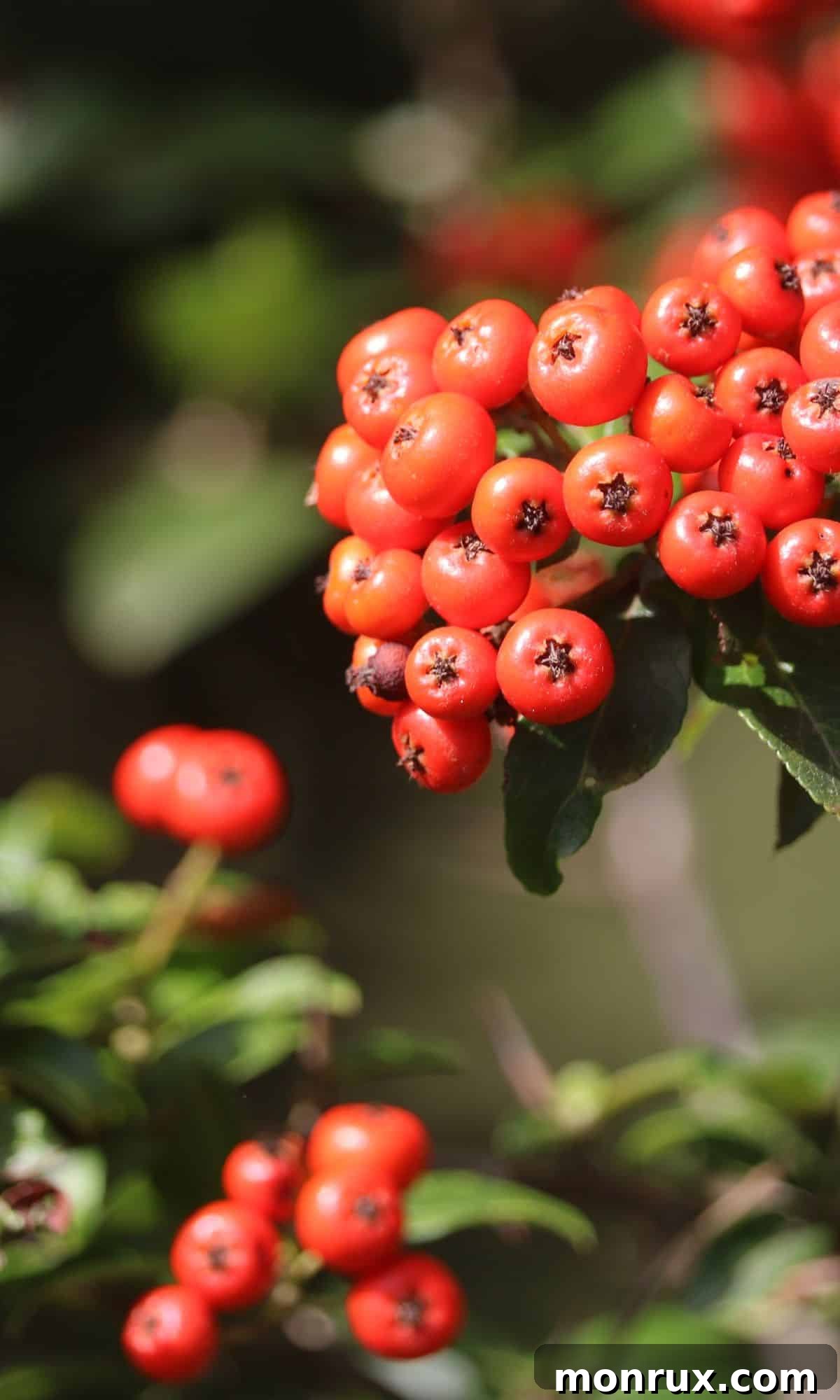
The small, apple-like berries produced by the Eastern Hawthorn tree are commonly known as ‘Haws.’ These fruits offer a mild, somewhat mealy flavor, reminiscent of a subdued apple, but with a denser and drier texture. While less frequently encountered in certain regions like the Pacific Northwest, Eastern Hawthorn is a widespread species across much of the United States, often found in woodlands, pastures, and along fencelines. Historically, Haws have been used in traditional medicine and are excellent for making jellies, jams, and even wine, benefiting from their natural pectin content. They also provide valuable food for wildlife.
4. Edward Mango
Another distinguished mango variety, the Edward Mango, emerged from the fertile grounds of South Florida, where it continues to be a favorite among major nurseries. This exquisite tropical fruit stands out with its beautiful bright yellow to orange skin, often blushed with pink or red, and a remarkably delicate, fiber-free texture. The flesh of an Edward mango is renowned for its distinctively pleasant and sweet fragrance, coupled with a rich, complex flavor profile that combines elements of peach, plum, and melon. Beyond its delightful taste, Edward mangoes are a significant source of dietary fiber, supporting digestive health, and are packed with vitamins, contributing to overall wellness. Enjoy it fresh, diced into salads, or as a vibrant addition to desserts.
5. Egusi
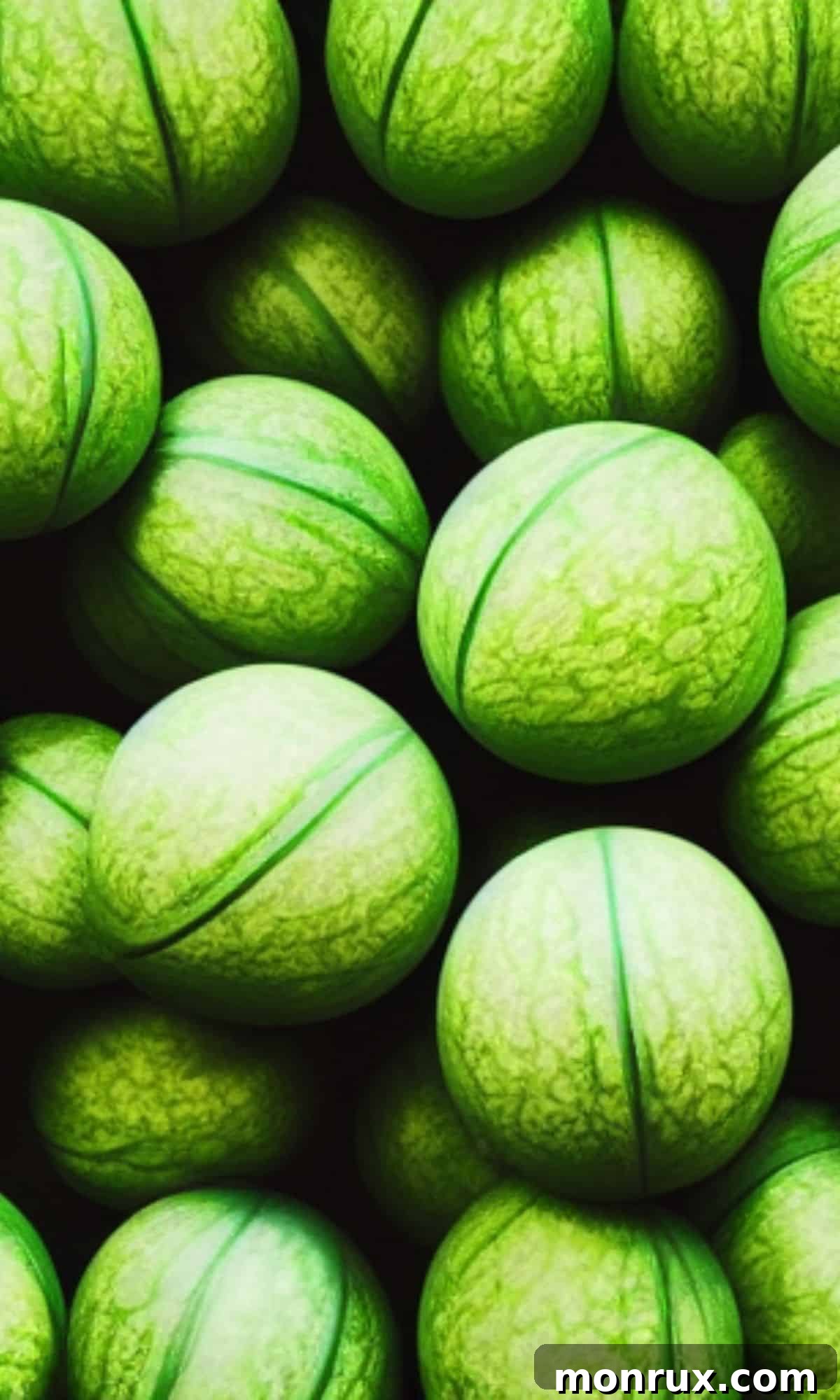
Egusi refers to the seeds of certain cucurbit plants, predominantly found across Western Africa, where they thrive in various dry, humid, and tropical climates. The fruit itself, resembling a smaller, pale green watermelon, typically has a bitter and dry flesh and is not usually consumed. The true value of Egusi lies in its seeds, which are highly prized for their nutty flavor and rich nutritional profile. These seeds are a cornerstone of West African cuisine, ground into a powder to thicken stews and soups, such as the popular Egusi soup. They are an excellent source of protein, healthy fats, and micronutrients, offering a unique texture and flavor to traditional dishes.
6. Elands Sour Fig
The Elands Sour Fig is an intriguing edible succulent, scientifically known as Carpobrotus edulis. This hardy plant is recognized for its stunning, bright purple or yellow daisy-like flowers that carpet coastal landscapes. When ripe, its fruit transforms into an edible delicacy containing a unique slimy pulp and numerous shiny brown seeds. The fruit has a tart, somewhat salty flavor, which gives it its “sour fig” moniker. Predominantly found in warm, humid coastal climates, particularly in South Africa, this fruit is frequently harvested and traditionally prepared into a distinctive jam or preserve, offering a unique sweet-and-sour taste experience.
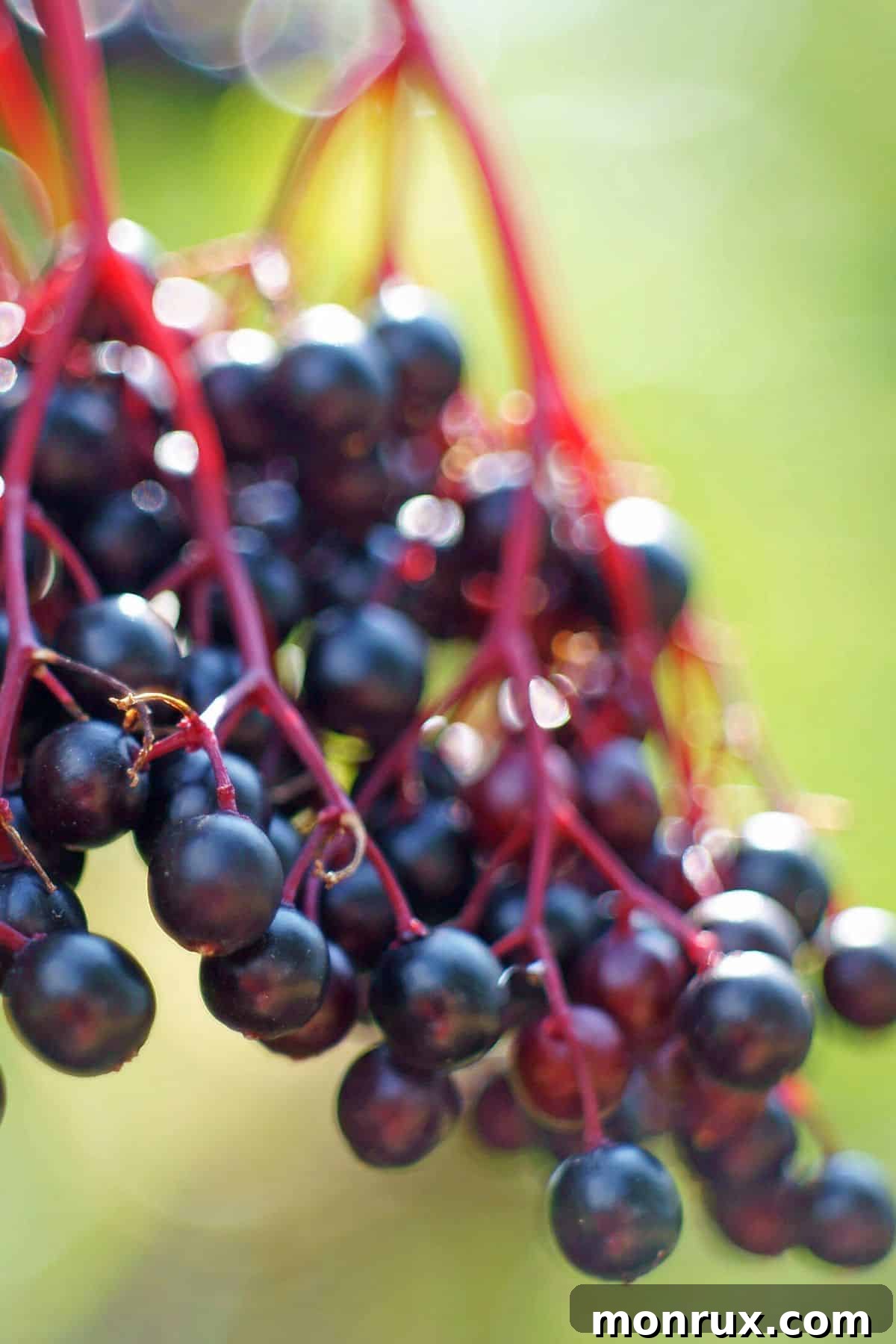
7. Elderberry
Elderberry, belonging to the genus Sambucus, was once categorized within the honeysuckle family but has since been reclassified into Adoxaceae. The American elderberry (Sambucus canadensis) is a common sight across North America, extending east of the Rocky Mountains, south through Mexico, and into Central America. These small, round, dark purple berries are highly regarded for their unique flavor, often described as a delightful blend of lychee with subtle pear-like undertones. Raw elderberries can be tart and slightly toxic, but when cooked, they develop a richer flavor and their beneficial properties become more accessible. They are frequently processed into syrups, jams, pies, and wines, revered not only for their taste but also for their potent medicinal properties, particularly their high antioxidant content and immune-boosting benefits.
8. Elephant Apple Fruit
The Elephant Apple, known botanically as Dillenia indica, is a fascinating species indigenous to China and various parts of tropical Asia. This distinctive fruit is characterized by its large, round, green appearance, which might initially remind one of a robust green tomato. The fruit’s flavor profile matures from intensely sour when unripe to a more balanced sweet-sour taste when fully ripe. Its fibrous, somewhat gelatinous pulp is incredibly versatile in culinary applications. Elephant Apple is frequently used in traditional cuisines to produce tangy vinegar, rich jams, refreshing drinks, and savory curries, particularly in South and Southeast Asian dishes. Its unique texture and tartness make it a notable ingredient.
9. Emblica
Emblica, more commonly known as Indian Gooseberry or Amla (Phyllanthus emblica), is a fruit with profound historical roots in India, now cultivated across a broader geographical range including Pakistan, Uzbekistan, Sri Lanka, Southeast Asia, China, and Malaysia. This highly fibrous fruit is celebrated for its complex flavor profile—simultaneously sour, bitter, and astringent, with a subtle sweetness. The emblica fruit is spherical in shape, fleshy, and smooth, exhibiting a distinct yellowish-green tint when ripe. Revered in Ayurvedic medicine for centuries, Amla is an exceptionally rich source of vitamin C, antioxidants, and other beneficial compounds, widely consumed fresh, dried, or as a key ingredient in various health supplements and traditional remedies.
10. Emu Apple Fruit
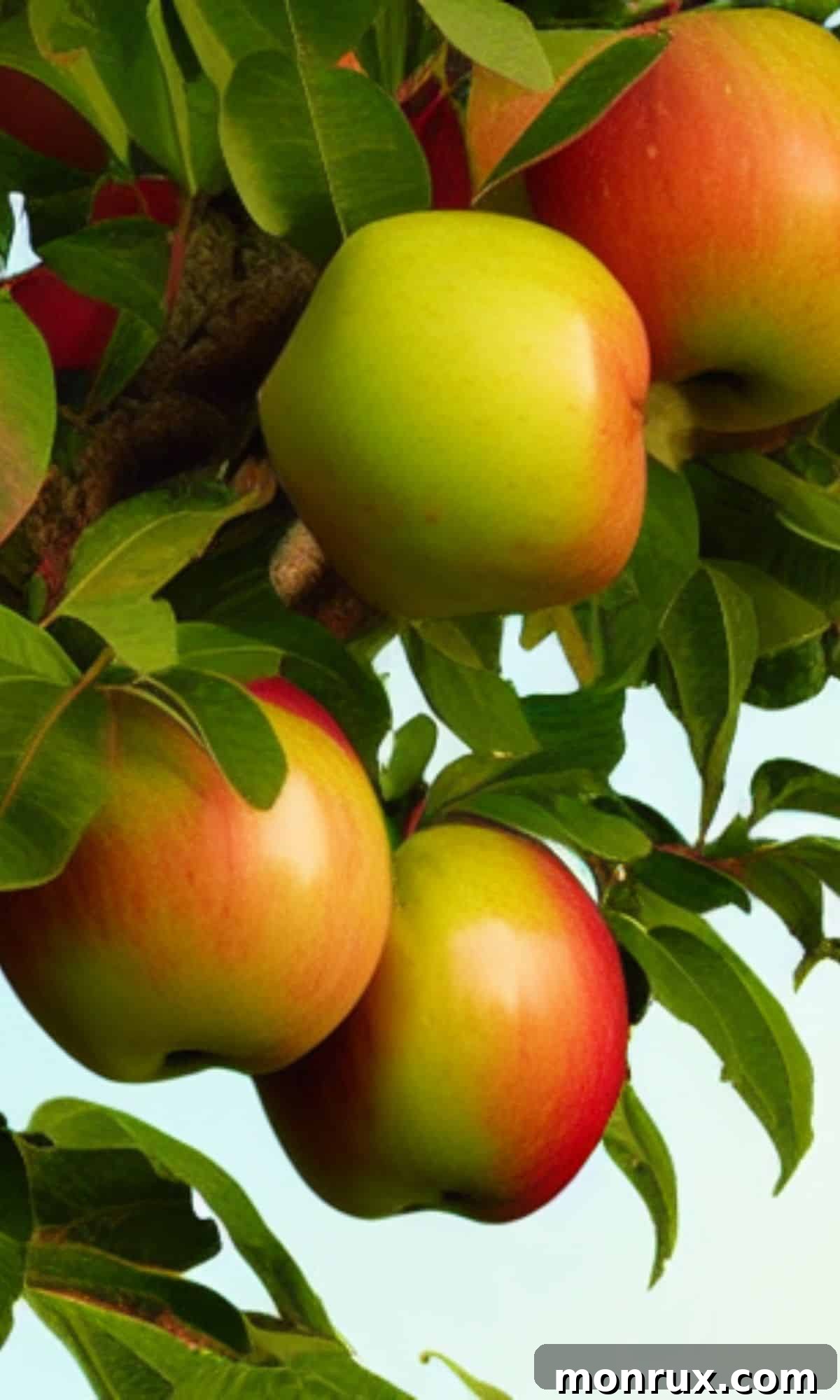
Hailing from an Australian native tree (Owenia acidula), the Emu Apple fruit is a unique and intriguing bushfood. These small, round berries, often about the size of a small nectarine, boast a vibrant, multicolored appearance, typically displaying shades of red, green, and purple. Despite their berry-like size and shape, the flavor of Emu Apples is surprisingly complex and distinctive, often described as having a spicy apple taste, sometimes with hints of cranberry or rhubarb. Traditionally consumed by Indigenous Australians, these fruits are now gaining recognition for their potential in modern culinary applications, particularly in jams, sauces, and desserts, offering a truly native Australian flavor.
11. Emu Berry Fruit
The term “Emu Berry” often refers to the fruit of several Australian native plants, particularly species within the Grewia and Ficus genera, highlighting the rich biodiversity of Australia’s bushfoods. These small, often dark-colored berry-like fruits are found across large parts of the continent, typically favoring woodlands and forested areas. Emu berries are generally characterized by a pleasant, sweet flavor, making them a favored bush tucker for both Indigenous Australians and native wildlife. They can be enjoyed fresh, used in jams, or dried and stored for later consumption, offering a natural sweetness and nutritional value from the Australian landscape.
12. Ensete
Ensete, often referred to as “false banana” (Ensete ventricosum), is a wild relative of the common banana, yet it holds a unique culinary and cultural significance, particularly after its domestication in the Ethiopian Highlands. While its plant structure strikingly resembles that of a banana, its primary edible part is not the fruit, but rather the starchy corm and pseudostem, which are processed much like a root vegetable. Ensete is a vital staple food for millions in Ethiopia, where it is fermented and prepared into a resilient flour used to make a nutritious flatbread known as ‘kocho’. Its incredible resilience to drought makes it a crucial food security crop in its native regions.
13. Entawak Fruit
The Entawak fruit (Artocarpus anisophyllus) is a captivating tropical delicacy native to the lush rainforests of Borneo and southern Sumatra. This exotic fruit is distinctively round, with a brownish-yellow exterior that hints at the vibrant flavors within. Upon opening, it reveals striking orange-red flesh, segmented and somewhat sticky, with a unique taste that some connoisseurs compare to the rich, earthy sweetness of pumpkin, often with notes of apricot or jackfruit. Beyond the luscious pulp, the Entawak’s edible seeds are also highly prized. They are frequently roasted and lightly salted, transforming into a crunchy, nutritious snack that complements the fruit’s sweet and savory profile, making it a truly versatile indigenous fruit.
14. Enterprise Apple
The Enterprise apple is a distinguished cultivar of domesticated apples, recognized for its striking red skin and late-ripening characteristics. This modern breeding success story is the result of a collaborative effort by agricultural experimental stations across Illinois, Indiana, and New Jersey, aiming for disease resistance and exceptional flavor. Many describe the flavor of Enterprise apples as similar to that of a Fuji, offering a satisfying crispness and a complex blend of sweetness and tartness. Its subtle spiciness makes it an ideal complement to warm flavors like cinnamon and nutmeg, perfect for baking pies and crisps. What’s more, the fruit’s flavor wonderfully develops a delightful tartness with storage, enhancing its versatility for both fresh eating and culinary endeavors.
15. Ephedra
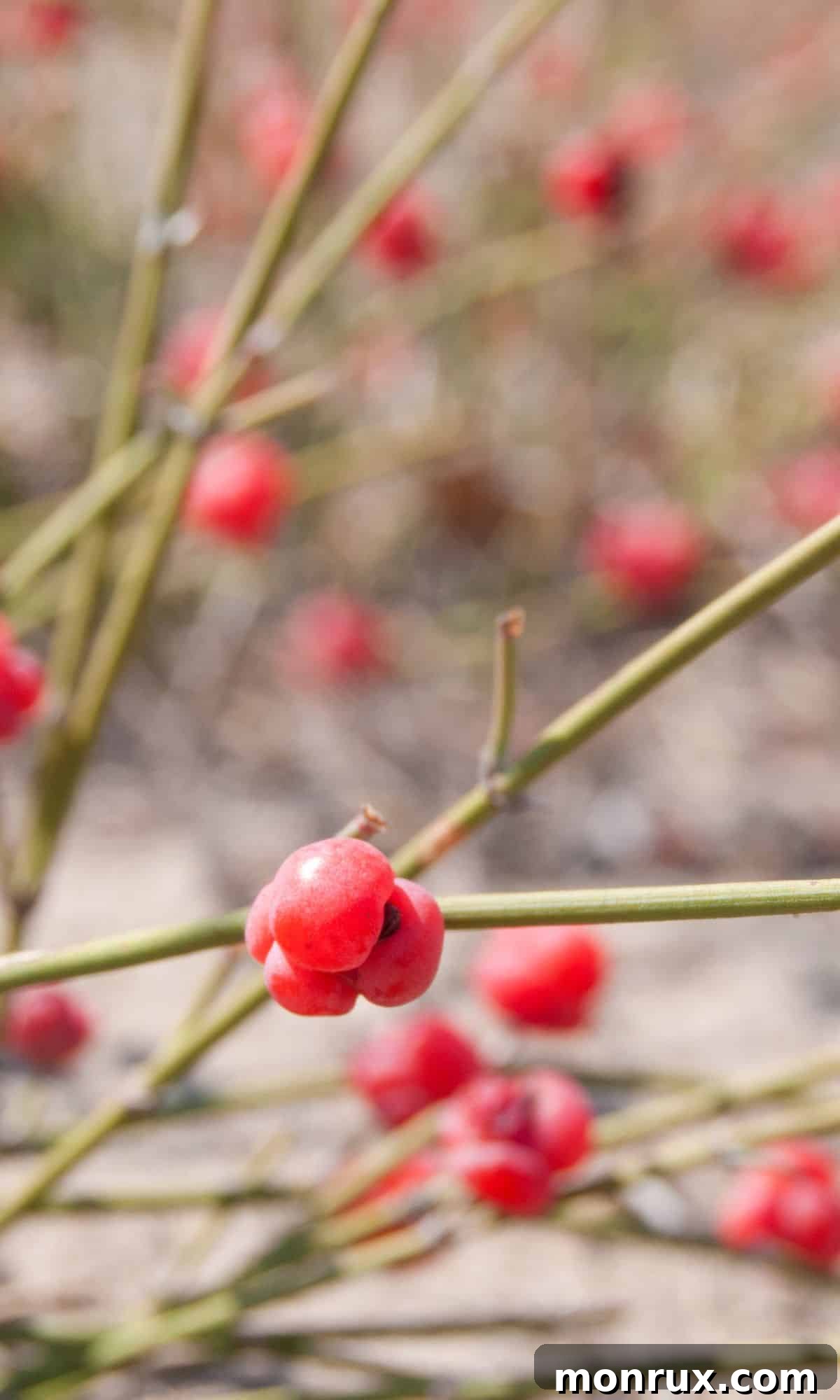
While the plant genus Ephedra is often associated with medicinal extracts, many species within this genus produce small, attractive fruits. These little red berries, sometimes referred to as “Sea Grapes” due to their appearance, emerge from ground-dwelling plants characterized by unique needle-like leaves. Ephedra species are remarkably adaptable, thriving in numerous dry parts of the world, including southwestern North America, southern Europe, northern Africa, Southwest and Central Asia, northern China, and western South America. The fruits themselves are known for their mild, sweet flavor, making them a palatable treat for local wildlife and, in some cultures, for human consumption, distinct from the stimulant properties of the plant’s stems.
16. Etrog
The Etrog, scientifically known as Citrus medica or yellow citron, holds immense cultural and religious significance, being one of the four species used during the seven-day Jewish holiday of Sukkot. The careful selection of a perfect Etrog to fulfill the Sukkot ceremonies is often undertaken with great reverence and attention to detail. This ancient citrus fruit first thrived in the Mediterranean region and today is primarily cultivated in areas such as Sicily, Corsica, Crete, Greece, Israel, and select nations in Central and South America. The Etrog is a distinctive, medium-sized fruit, resembling a bumpy, elongated lemon in appearance. It possesses a wonderfully aromatic rind and a characteristic lemon-like flavor, often candied or used for its fragrant zest rather than its typically dry and acidic pulp.
17. European Pear
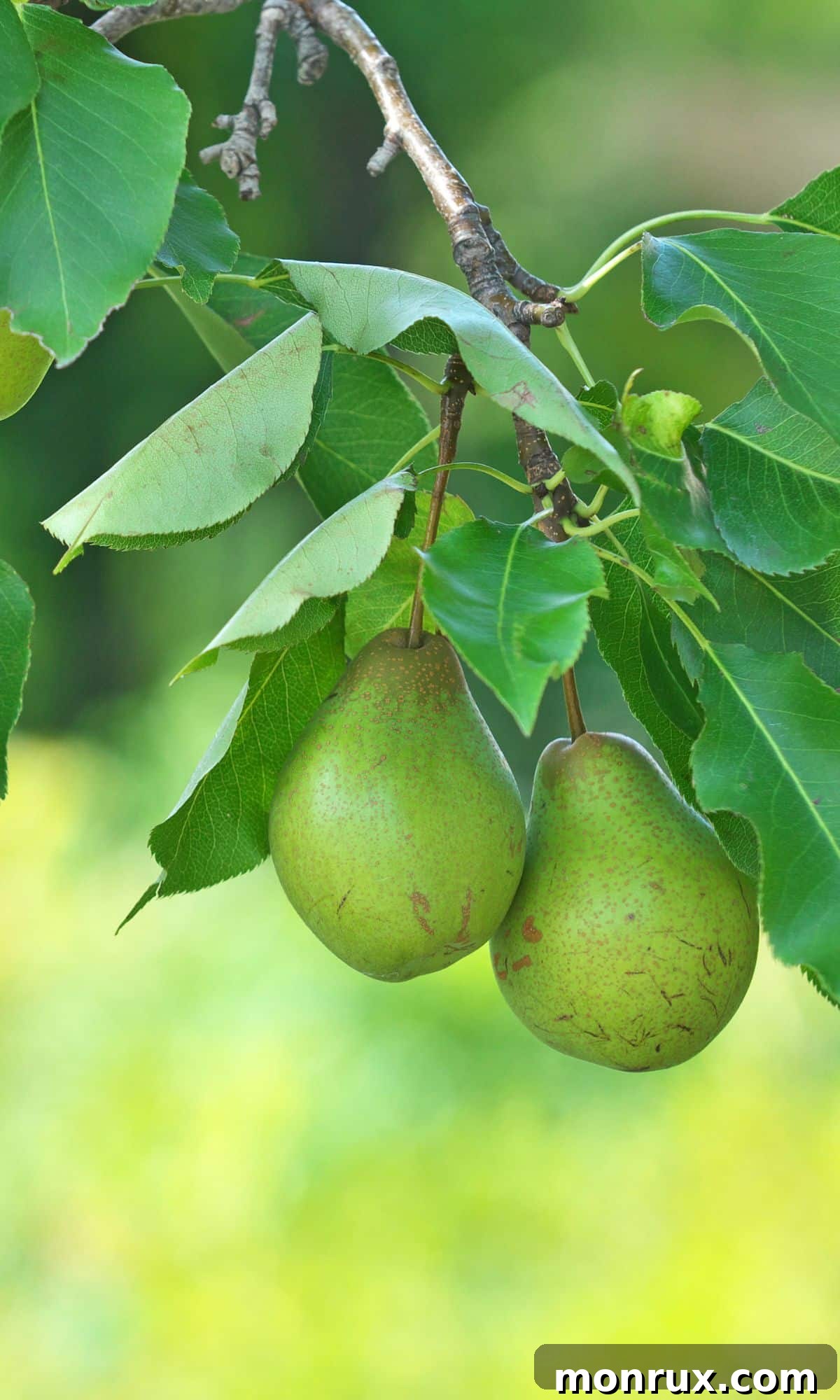
The European Pear (Pyrus communis) is the quintessential pear variety, indigenous to a vast region encompassing central and eastern Europe, as well as western Asia. This fruit is instantly recognizable by its classic, natural pear shape: a distinctive long, curving stem leading to an extended neck, a narrower midsection, and an elegantly rounded, wider bottom. European pears are celebrated for their luscious, juicy texture and a delightful spicy-sweet flavor that varies subtly between cultivars. Whether enjoyed fresh, baked into pies, poached in wine, or preserved as jams and jellies, these versatile pears offer a taste of classic orchard sweetness and are a good source of fiber and vitamins.
18. Evergreen Huckleberry
Known by several names, including Winter Huckleberry and California Huckleberry, the Evergreen Huckleberry (Vaccinium ovatum) is a beloved North American species of flowering shrub. This fruit closely resembles blueberries in flavor but is typically smaller, boasting a more intense, sometimes tart, and aromatic berry taste. Thriving on the west side of the Cascade Mountains, from British Columbia down through Washington and Oregon to California, it is particularly abundant among the majestic redwoods along the California coast, becoming sparser further south. These resilient berries are excellent for fresh eating, baking into muffins and pies, or crafting into delicious jams and preserves, offering a vibrant burst of wild berry flavor and a healthy dose of antioxidants.
Bonus Fruits
Beyond our primary list, the fascinating world of ‘E’ fruits offers even more to discover! Consider the vibrant **Egg Fruit** (Pouteria campechiana), also known as Canistel, a tropical delight native to Central America. This uniquely shaped fruit boasts a sweet, musky flavor and a texture often compared to a cooked egg yolk, making it an interesting addition to smoothies or eaten fresh. Each of these fruits, whether common or rare, adds its own special contribution to the diverse tapestry of nature’s bounty.
More Fruit Inspiration You Might Like
Final Thoughts on E-Fruits
As we’ve explored, the world of fruits that start with the letter ‘E’ is wonderfully diverse, offering an array of flavors, textures, and nutritional benefits. From the garden-favorite Early Girl tomato to the exotic Entawak, each fruit brings its unique contribution to our diet and culinary traditions. Incorporating a wide variety of fruits into your daily meals is a delicious and essential step towards a balanced diet and improved well-being.
Whether you’re craving something sweet like a juicy Edward mango, the tartness of an Elderberry, or the unique spice of an Emu Apple, there’s undoubtedly an ‘E’ fruit out there to satisfy your palate and nutritional needs. We encourage you to be adventurous, try a new fruit from this list, and discover a new favorite. Exploring these natural treasures is not just about taste; it’s about embracing the richness and health benefits that nature provides. So, go ahead and infuse your diet with the exciting and delicious possibilities that fruits starting with ‘E’ have to offer!
Don’t forget to join my newsletter list to get exclusive clean eating recipes and tips delivered straight to your inbox. The newsletter is 100% free with no spam; unsubscribe anytime.
About the Author: Carrie Forrest holds a master’s degree in public health with a specialization in nutrition and is a certified holistic nutritionist. She is a highly respected wellness and food blogger, attracting over 5 million annual visitors to her site. Carrie shares an inspiring story of recovery from chronic illness and is deeply passionate about empowering other women to transform their health. Feel free to connect with her through her contact form for more insights and guidance.