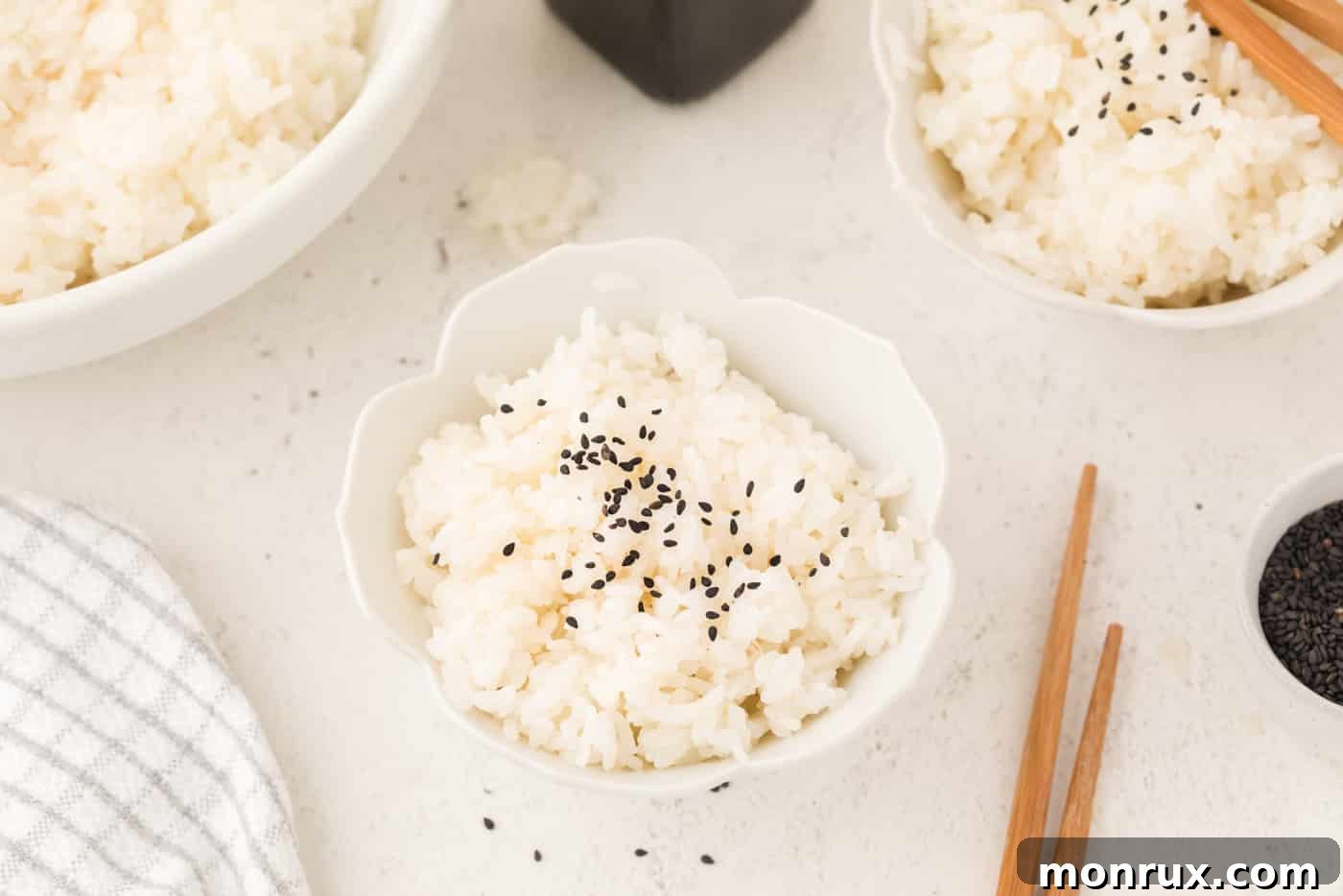
Mastering Instant Pot Sushi Rice: Your Essential Guide to Perfect Homemade Sushi
Unlock the secrets to perfectly sticky, flavorful sushi rice with your Instant Pot! This comprehensive guide will show you how to prepare authentic Instant Pot Sushi Rice, the indispensable foundation for exquisite homemade sushi, vibrant poke bowls, and delightful sushi bowls. Forget the complexities of traditional stovetop methods or even dedicated rice cookers; the electric pressure cooker simplifies the entire process, guaranteeing flawless results every single time. We delve into traditional ingredients and authentic techniques to ensure you create the easiest and most delectable sticky rice you’ve ever tasted, elevating your homemade Japanese cuisine to restaurant quality.
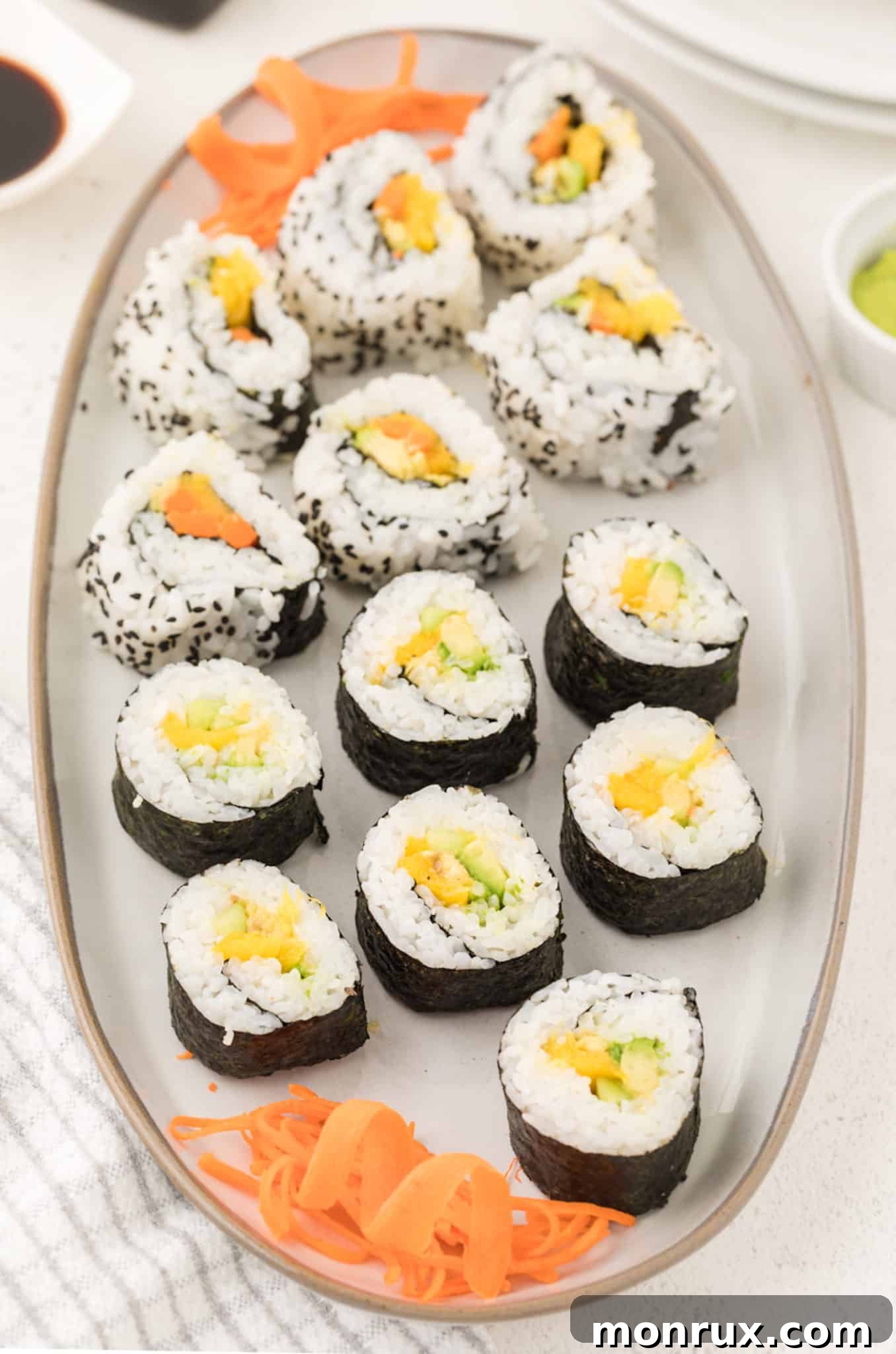
The journey to a flawless sushi roll begins and ends with perfectly executed sushi rice. It’s not just a filler; it’s the very soul of sushi, providing the ideal texture and a delicately balanced flavor profile that complements every ingredient.
Our recipe centers on premium short-grain rice, cooked to an irresistible stickiness, then seasoned with a special blend of vinegar and sugar. This classic seasoning imparts a subtle sweet-and-sour taste, creating an exquisite harmony with fresh fish, creamy avocado, crisp chopped vegetables, or any other fillings you desire for your rolls or deconstructed sushi bowls.
This foolproof Instant Pot method is truly revolutionary. It demystifies the art of sushi rice preparation, ensuring consistently perfect results without the guesswork. Once you experience the effortless precision and superior outcome of cooking sushi rice in your electric pressure cooker, your old rice cooker might just find its way to the back of the pantry!
The Magic of Sushi Rice: Why it Matters
Sushi rice, or sumeshi, is far more than just cooked grains. It’s the cornerstone of Japanese cuisine’s most beloved dish, renowned for its delicate stickiness and subtle, yet distinct, flavor. The unique characteristics of sushi rice are what allow it to hold together perfectly in rolls, provide a satisfying bite in nigiri, and create a comforting base for bowls.
The magic begins with short-grain Japanese rice, specifically chosen for its high starch content. This starch is crucial for achieving that characteristic sticky texture. When cooked and seasoned correctly, each grain becomes plump, slightly chewy, and possesses a glossy sheen. The seasoning—a precise blend of rice vinegar, sugar, and salt—transforms plain cooked rice into a symphony of sweet, sour, and umami notes that perfectly balance the fresh ingredients it accompanies. Without proper sushi rice, your homemade sushi will lack both structural integrity and the authentic flavor experience. This recipe ensures you achieve that perfect balance every time, laying the groundwork for truly memorable meals.
Why Your Instant Pot is the Best Rice Cooker
While many home cooks rely on traditional rice cookers or even stovetop methods, the Instant Pot offers unparalleled advantages for preparing sushi rice:
- Unmatched Consistency: The Instant Pot’s precise pressure cooking environment ensures every batch of rice is cooked uniformly. You eliminate common issues like undercooked centers or mushy exteriors, achieving perfect stickiness and texture time after time.
- Effortless Simplicity: Simply add your rinsed rice and water, set the pressure, and let the Instant Pot do the work. There’s no need for constant monitoring, stirring, or adjusting heat levels, making it ideal for even beginner cooks.
- Hands-Off Cooking: Once the cook cycle begins, you’re free to prepare your other sushi ingredients, creating fillings, chopping vegetables, or preparing your workspace. The natural pressure release further simplifies the process, requiring minimal intervention.
- Time Efficiency: While the Instant Pot isn’t necessarily “faster” than a stovetop method in terms of active cooking time, its hands-off nature and reliable results save significant time and stress in the kitchen. The perfect outcome means no do-overs!
- Superior Texture: The pressure cooking method gently forces moisture into the rice grains, resulting in a tender yet firm grain with that essential stickiness—the hallmark of authentic sushi rice.
Embracing your Instant Pot for sushi rice means saying goodbye to cooking anxieties and hello to consistently perfect results, freeing you up to enjoy the creative process of making homemade sushi.
Key Ingredients for Authentic Sushi Rice
Crafting exceptional sushi rice begins with selecting the right ingredients. Each component plays a crucial role in achieving the desired texture, flavor, and authentic taste profile:
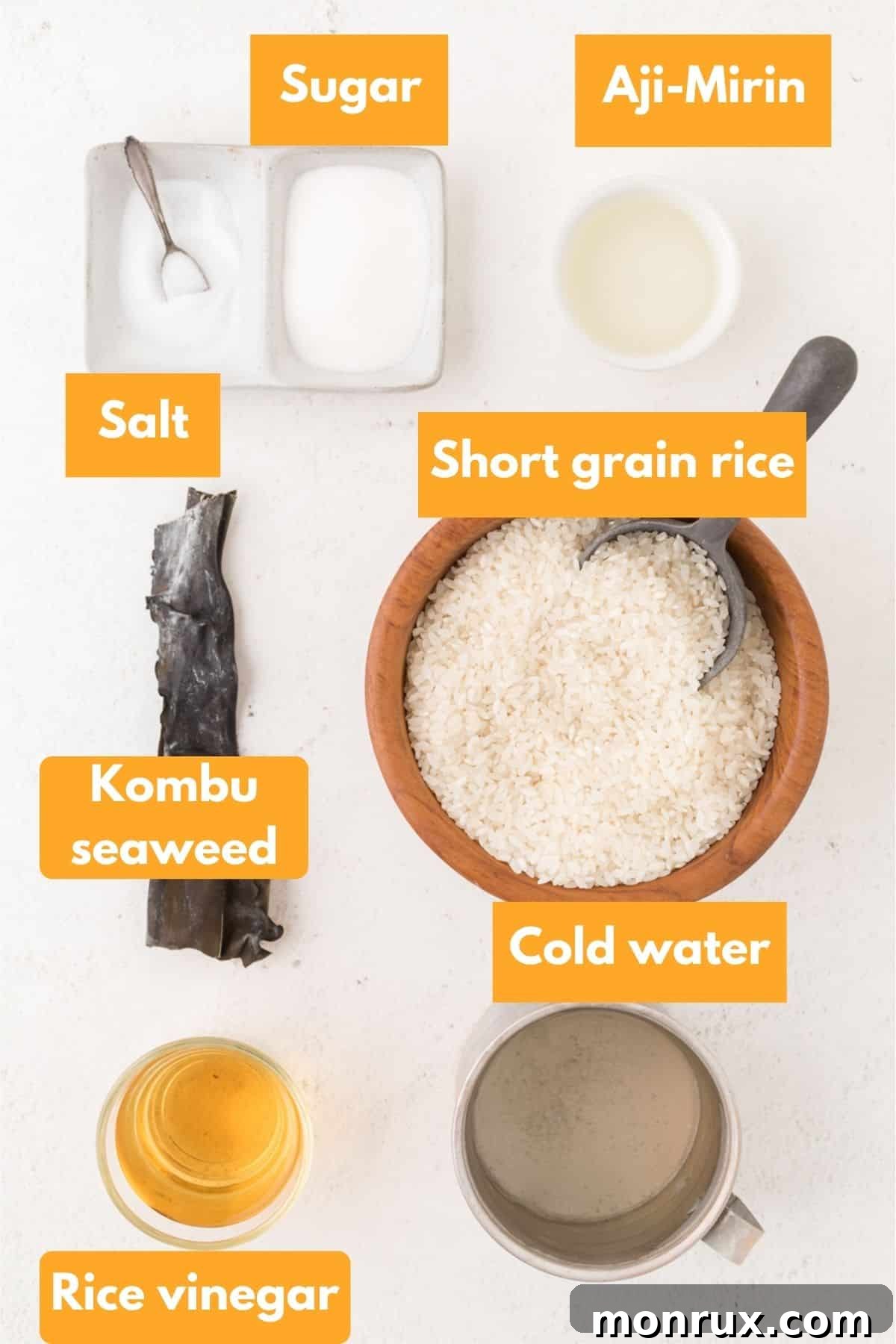
- Short-Grain Rice: This is the non-negotiable star of our recipe. Short-grain Japanese rice boasts a higher starch content compared to medium or long-grain varieties, which is precisely why it cooks up wonderfully sticky. Look for packages specifically labeled “sushi rice” or “Japanese short-grain rice” in your local Asian market or even mainstream grocery stores. My personal preference is for California-grown organic sushi rice for its quality and consistency. Avoid using long-grain options like basmati or jasmine if you want true sushi stickiness, and absolutely do not use brown rice, which has a different texture and flavor profile unsuitable for traditional sushi.
- Kombu Seaweed: An often-overlooked secret ingredient, Kombu (dried kelp) infuses the cooking water with a profound umami flavor. This savory depth is a cornerstone of Japanese cuisine and adds an authentic layer of complexity to your rice. If you’re new to kombu or unsure about its flavor, you can certainly omit it, but I highly recommend trying it for a more traditional experience. I find the Eden brand of kombu to be excellent.
- Unseasoned Japanese Rice Vinegar: Essential for the iconic sweet and sour tang of sushi rice. It provides the necessary acidity without overpowering the delicate rice flavor. Ensure you choose “unseasoned” rice vinegar, as pre-seasoned varieties already contain sugar and salt, which can throw off the balance of this recipe. Kikkoman is a widely available and reliable brand.
- Aji-Mirin: This sweet, syrupy rice wine is a staple in Japanese cooking. It contributes a subtle sweetness and a beautiful glaze to the rice, enhancing its overall appeal. While it contains a low percentage of alcohol (typically 8-14%), alcohol-free versions are also available if preferred.
- Sugar: Works in conjunction with the Aji-Mirin to balance the acidity of the rice vinegar, providing that characteristic slightly sweet note that makes sushi rice so irresistible.
- Salt: A small amount of salt is crucial for seasoning the rice and enhancing all the other flavors, bringing everything into perfect harmony.
Please refer to the detailed recipe card at the end of this post for the exact ingredients and measurements to ensure your sushi rice is perfectly balanced.
Step-by-Step Instant Pot Sushi Rice Recipe
Follow these simple steps to create perfectly cooked and seasoned sushi rice using your Instant Pot.
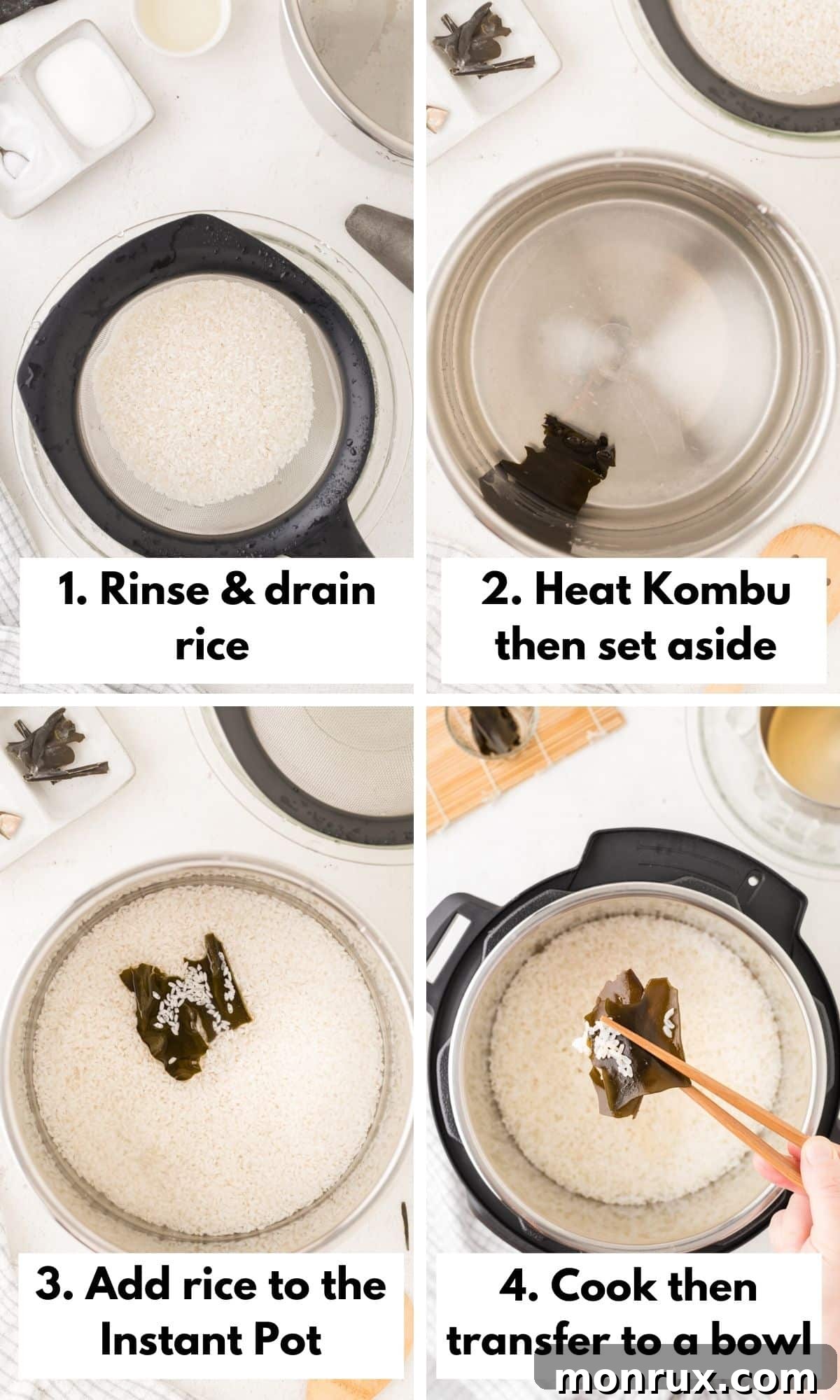
Step One: Thoroughly Rinse the Rice
Place your sushi rice in a fine-mesh strainer and set the strainer in a larger bowl. Rinse the rice under cold, running water, gently swirling it with your fingers. The initial water will be very cloudy due to excess starch. Continue rinsing and draining, refreshing the water in the bowl, until the water runs clear. This process typically takes about 7-8 repetitions. Draining the rice well after rinsing is crucial to prevent it from becoming waterlogged and mushy during cooking. This step removes surface starch, preventing a gummy texture.
Step Two: Prepare Kombu & Cook Rice in Instant Pot
Carefully wipe one piece of Kombu seaweed with a moist towel. Do not scrub or remove the delicate white coating, as this is where much of the umami flavor resides. Add the rinsed and drained short-grain rice to your Instant Pot inner pot, followed by the specified amount of cold water and the prepared piece of kombu. Ensure all the rice is submerged. Secure the Instant Pot lid, set the venting knob to the ‘Sealing’ position. Set your Instant Pot to ‘High Pressure’ for a mere 1 minute. If your model offers a ‘0 minutes’ option, use that for an even more delicate texture. The Instant Pot will take approximately 10 minutes to come to pressure. Once the cooking cycle is complete, allow a ‘Natural Pressure Release’ for 20 minutes. This slow release is vital for proper rice texture. After 20 minutes, carefully turn the venting knob to ‘Venting’ to release any remaining pressure. Once the pin drops, cautiously remove the lid. Gently transfer the hot cooked rice to a glass or other non-reactive, non-metal bowl. Avoid metal bowls as they can react with the vinegar seasoning.
Step Three: Prepare the Sushi Vinegar Seasoning
While the rice is cooking and naturally releasing pressure, it’s the perfect time to prepare the seasoning mixture. In a small saucepan, combine the second piece of kombu, unseasoned Japanese rice vinegar, Aji-Mirin, salt, and sugar. Place the saucepan over medium-low heat. Stir gently until all the sugar and salt have dissolved and the ingredients are well combined. It’s important not to boil the mixture, just warm it enough for the solids to dissolve. Once dissolved, remove from heat and set aside.
Step Four: Season and Cool the Sushi Rice
When there are about 5 minutes left in the rice’s natural pressure release, retrieve the kombu from your vinegar seasoning mixture and discard it. To accelerate the cooling process of the seasoning, you can place the saucepan into a larger glass bowl filled with ice water. This ensures the seasoning is cool when it meets the rice. Once the rice is transferred to its non-metal bowl, and the vinegar mixture is cooled, pour the seasoning evenly over the hot rice. Using a flat wooden spoon or a rice paddle, employ a gentle cutting motion at a 45-degree angle to carefully separate the rice grains and distribute the vinegar mixture thoroughly. Avoid mashing or stirring vigorously, as this can break the delicate rice grains. To further speed up the cooling process and give the rice a beautiful sheen, gently fan the rice using a piece of cardboard, a magazine, or even a small electric fan. Continue fanning and gently folding until the rice cools to room temperature. Once cooled, your perfectly sticky and seasoned sushi rice is ready to be used for your homemade sushi rolls, poke bowls, or to be served as a side dish. For the exact quantities, please refer to the recipe card at the end of this post.
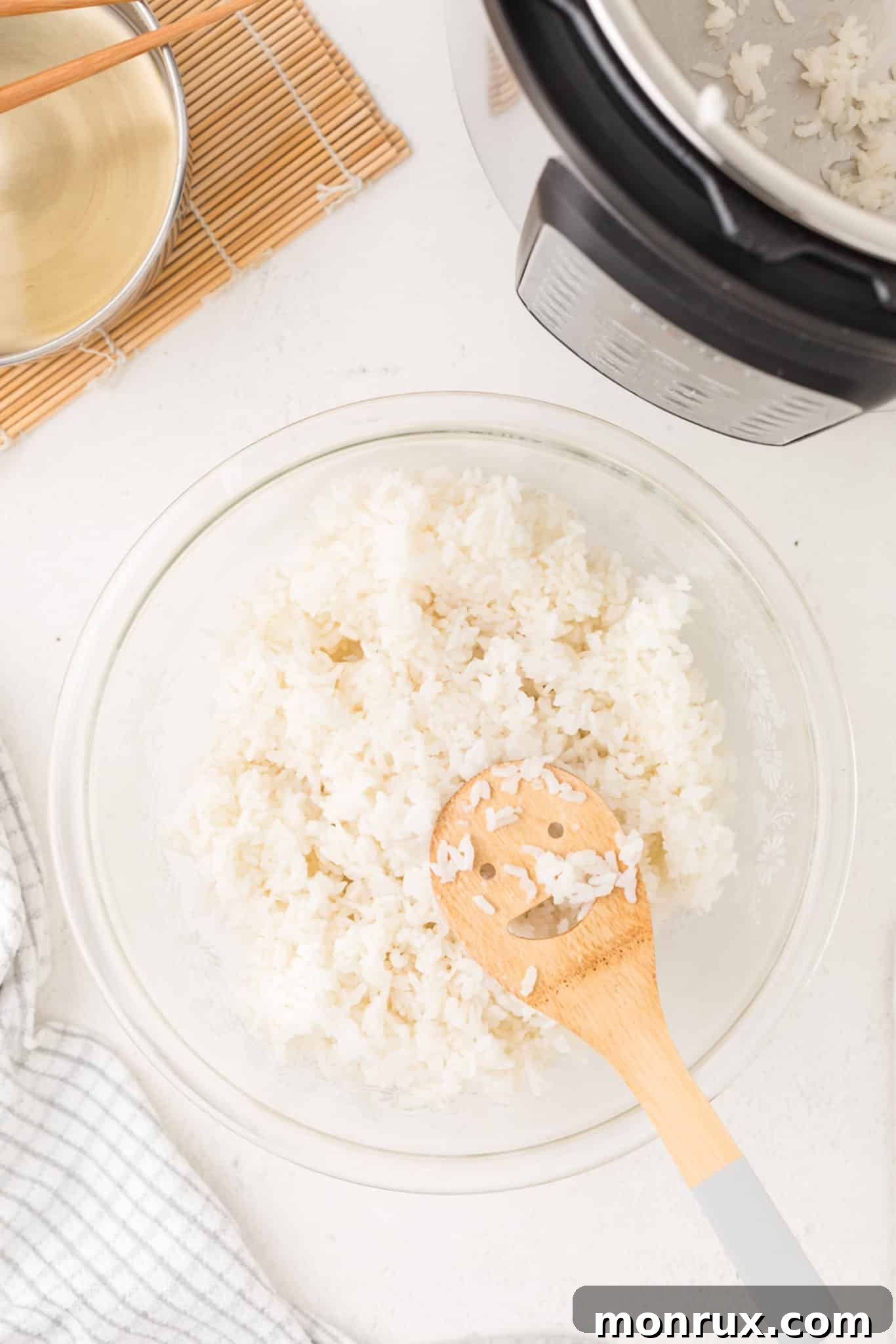
Expert Tips & Recipe Notes
- The Art of Cooking Rice: Rice can be notoriously tricky to cook perfectly. Undercook it, and you’re left with crunchy, inedible grains. Overcook it, and you end up with a mushy or gummy texture. This Instant Pot recipe is designed for simplicity and precision, ensuring consistent perfection every single time.
- Choosing the Right Rice: For truly authentic and delicious homemade sushi rolls or sushi bowls, using actual sushi rice (short-grain Japanese rice) is paramount. Its unique starch content creates the ideal sticky texture needed for forming rolls. While you might use alternatives like basmati or jasmine rice in a pinch, they won’t provide the traditional stickiness. Always opt for short-grain Japanese rice over brown rice, which has a firmer texture and nutty flavor that isn’t suitable for classic sushi.
- Traditional Flavors: This recipe adheres to traditional methods and ingredients to deliver the genuine flavors you expect from high-quality sushi. If your goal is to recreate the authentic taste of sushi you know and love from your favorite Japanese restaurants, then this recipe is your go-to. You’ll achieve the best sushi rice experience!
- Do Not Soak: Unlike some other rice preparations, do not pre-soak sushi rice. Soaking can lead to waterlogged, mushy grains. The thorough rinsing is sufficient.
- Gentle Handling is Key: Sushi rice is fragile. Handle it with care during rinsing, transferring, and seasoning to avoid breaking the grains. Broken grains release too much starch, resulting in a less desirable, pasty texture.
- Cooling Process: The fanning step isn’t just for cooling; it also helps to evaporate excess moisture and give the rice its characteristic glossy appearance. Don’t skip this step for truly professional-looking sushi rice.
Serving Suggestions for Your Perfect Sushi Rice
Once your Instant Pot sushi rice is perfectly cooled and ready, the culinary possibilities are endless! Here are some delightful ways to enjoy your freshly prepared sticky rice:
- Classic Sushi Rolls (Maki): This is the primary purpose! Spread a thin layer of rice over nori seaweed, add your favorite fillings like fresh fish (tuna, salmon), avocado, cucumber, krab, or tempura shrimp, then roll tightly and slice.
- Hand Rolls (Temaki): For a more casual and customizable experience, fill a sheet of nori with rice and your chosen ingredients, then roll it into a cone shape. Perfect for parties!
- Deconstructed Sushi Bowls (Poke Bowls): A fantastic option for a quick, healthy meal. Layer your sushi rice at the bottom of a bowl, then top with marinated raw fish (like tuna or salmon poke), edamame, cucumber, avocado, pickled ginger, seaweed salad, and a drizzle of soy sauce or spicy mayo.
- Nigiri: Form small, oblong mounds of rice by hand, then top with a slice of fresh seafood (sashimi grade).
- Onigiri (Rice Balls): Shape the rice into triangles or other forms, often with a savory filling inside (like umeboshi, tuna mayo, or grilled salmon), and wrap with a small piece of nori. A great snack or light lunch.
- Side Dish: Simply serve a bowl of seasoned sushi rice alongside grilled fish, chicken teriyaki, or any Japanese-inspired meal. It’s surprisingly delicious on its own!
The subtle sweet and sour profile of the rice makes it incredibly versatile, pairing beautifully with a wide array of proteins and vegetables.
Storage Tips for Leftover Sushi Rice
While sushi rice is best enjoyed immediately after preparation, you can store leftovers for later. Here’s how to ensure it remains as fresh and palatable as possible:
- Immediate Use is Best: For the optimal taste and texture, try to use your sushi rice on the same day it’s made. Its unique stickiness and delicate flavor are most pronounced when fresh.
- Refrigeration: If you have leftovers, transfer the cooled rice to an airtight container. Place a damp paper towel directly on top of the rice before sealing the container. This helps prevent the rice from drying out. Store it in the refrigerator for 3-5 days. Be aware that the rice will become firmer and less sticky as it chills, and its flavor might subtly change.
- Reheating: Reheating sushi rice can be tricky as it tends to dry out. For best results, reheat small portions in the microwave with a few drops of water, covered, until just warm. Alternatively, steam it gently. Avoid overheating, which can make it hard or overly dry. The texture will not be identical to freshly made rice, but it will still be delicious for various uses.
- Avoid Freezing: Freezing sushi rice is generally not recommended. The freezing and thawing process significantly alters the texture, often making it crumbly and hard.
Always consume stored rice within the recommended timeframe to maintain food safety and quality.
Recipe FAQs
Kombu is a type of edible kelp, or large seaweed, widely used in East Asian cuisine, particularly in Japan. It’s typically sold dried in sheets and is celebrated for its deep umami flavor, often used to make dashi (Japanese soup stock) or to add subtle savory notes to dishes like rice.
Aji-Mirin, often simply called mirin, is a sweet rice wine used as a condiment in Japanese cooking. It has a high sugar content and a distinctive sweet, tangy flavor. It typically contains a low alcohol content (between 8-14%), though “mirin-style” seasonings (aji-mirin) with reduced or no alcohol are also available and suitable for this recipe.
While you can technically use other types of rice, they won’t yield the same authentic results. Short-grain sushi rice is specifically designed for its stickiness and texture, which is crucial for holding sushi rolls together. In a pinch, Arborio rice might offer some stickiness, but it lacks the flavor profile and delicate texture of true sushi rice. For the best homemade sushi, always use Japanese short-grain rice.
Yes, you can use the ‘Rice’ setting on your Instant Pot, but you will need to manually adjust the cooking time. For sushi rice, set the time to just one minute on the ‘Rice’ setting (or 0 minutes if available). The key is the natural pressure release afterwards, which is crucial for achieving the perfect sticky texture.
I hope you make this recipe! If you do, please leave a comment and a starred review below. Your feedback helps others discover delicious recipes!
And, consider following me on social media so we can stay connected. I’m on Facebook, Pinterest, Instagram, and YouTube! Stay updated with my latest clean eating recipes and tips.
Print
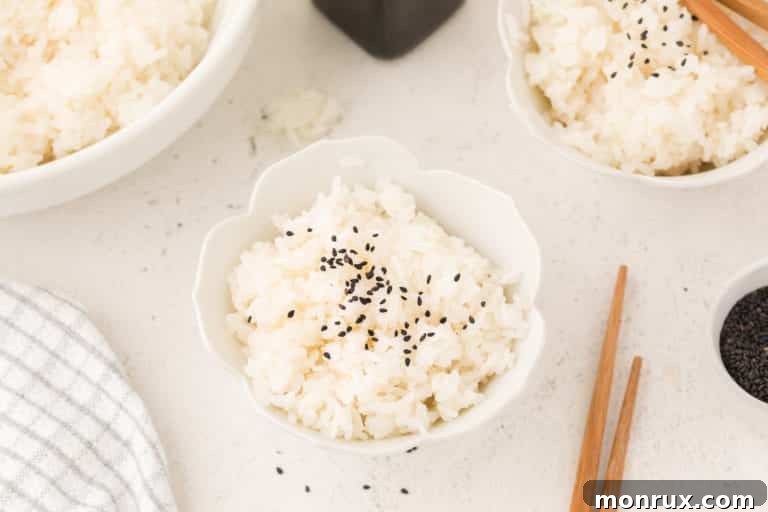
Instant Pot Sushi Recipe (Authentic)
5 Stars 4 Stars 3 Stars 2 Stars 1 Star
5 from 1 review
This Instant Pot Sushi Rice recipe delivers the perfect sticky rice, ideal for making authentic homemade sushi, poke bowls, or sushi bowls. The pressure cooker method is incredibly simple, ensuring a perfect outcome every time with traditional methods and ingredients.
Total Time: 45 minutes
Yield: 6 servings
Ingredients
- 1 cup short grain rice
- 1 cup cold water
- 1 2×2-inch piece kombu seaweed, broken in half
- 3 Tablespoons unseasoned Japanese rice vinegar
- 1 Tablespoon Aji-Mirin
- 1/2 teaspoon salt
- 1 Tablespoon sugar
Instructions
- Rinse sushi rice gently in a mesh strainer placed in a bowl, swirling the rice with your fingers. Repeat till water is clear; up to 7-8 times.
- Let rice drain well in a mesh strainer.
- Prepare the kombu by wiping carefully with a moist towel. Do not remove the white coating as this provides all the delicious flavor.
- Add rice to Instant Pot with water and one piece of the kombu. Ensure all the rice is covered with water. Add the cover and set to Sealing. Set the Instant Pot to High Pressure for 0 minutes or 1 minute if your Instant Pot does not have 0 minutes option.
- It will take approximately 10 minutes for pressure to be reached. Once the cooking time is up, use the natural release method for 20 minutes. Turn venting knob to vent to release any remaining pressure. Remove lid carefully and place aside. Gently transfer rice to a non-metal bowl.
- While the rice is cooking, place the other piece of kombu in a saucepan and combine with the rice vinegar, Aji-Mirin, salt and sugar. Heat on medium-low heat until all ingredients come together. Do not boil. Set aside to cool.
- When 5 minutes are remaining on the natural release, remove the kombu from the vinegar mixture and place the saucepan in ice water to cool.
- Pour the vinegar mixture over the rice making sure to cover all the rice. Using a flat spoon or rice paddle to pour the vinegar mixture onto can help distribute the rice evenly when pouring. Break up the rice gently by using a cutting motion at a 45 degree angle with your rice paddle to distribute all the vinegar mixture over the rice and use a piece of cardboard or a magazine to fan the rice and speed cooling. You could also use a small fan to cool the rice.
- Once cooled to room temperature, your sushi rice is ready to use or serve. If not using immediately, cover bowl with a damp towel to keep rice moist.
Notes
- Do not soak the rice, it will become waterlogged and mushy. The rice is fragile so handle with care to avoid breaking the grain.
- Sushi rice is best used right away. It can be stored 3-5 days in the refrigerator. Rice will be drier than when consumed fresh.
- Author: Carrie Forrest, MPH in Nutrition
- Prep Time: 10 minutes
- Cook Time: 35 minutes
- Category: Side dish
- Method: Instant Pot
- Cuisine: Japanese
- Diet: Vegan
Nutrition
- Serving Size: 1/6 of recipe
- Calories: 135
- Sugar: 3.2 g
- Sodium: 211.1 mg
- Fat: 0.2 g
- Saturated Fat: 0 g
- Carbohydrates: 29.7 g
- Fiber: 0 g
- Protein: 2.2 g
- Cholesterol: 0 mg
More Instant Pot Rice Recipes You Might Like
If you love the convenience and versatility of your Instant Pot for cooking perfect rice, explore these other delicious and healthy recipes:
- Instant Pot White Basmati Rice: A fragrant and fluffy alternative for various cuisines.
- Instant Pot Mashed Sweet Potatoes: Creamy and comforting, a great healthy side.
- Instant Pot Chicken Tinga Tacos: A flavorful main dish perfect for busy weeknights.
- Instant Pot Coconut Rice: A sweet and aromatic rice perfect for Asian-inspired meals.
- Instant Pot Yellow Rice: Vibrant and savory, ideal with Latin or Caribbean dishes.
Or, see all of my healthy Instant Pot recipes for more culinary inspiration.
Don’t Miss These Instant Pot Resources!
About the Author: Carrie Forrest is the esteemed author of the best-selling Instant Pot-authorized cookbook, The Healthy Meal Prep Instant Pot Cookbook. With a master’s degree in public health specializing in nutrition, Carrie’s expertise is trusted by over 5 million annual visitors to her site. Connect with Carrie directly through her contact form for any inquiries or collaborations.
Don’t forget to join my exclusive newsletter list to receive clean eating recipes, valuable tips, and early access to new content directly in your inbox. It’s 100% free, spam-free, and you can unsubscribe anytime.