In today’s fast-paced world, convenience often takes precedence, especially when it comes to nutrition. Protein shakes have soared in popularity, promising a quick and easy way to boost protein intake, support muscle recovery, and even aid weight management. Among the many brands vying for attention, Premier Protein shakes stand out with their attractive nutritional claims: high protein, low sugar, and a blend of essential vitamins. But are these popular shakes truly healthy?
This comprehensive review will delve deep into Premier Protein shakes, examining their ingredients, nutritional profile, and potential impact on your health. We’ll explore the pros and cons, uncover the truth behind the marketing, and ultimately help you decide if Premier Protein aligns with your health and wellness goals. For many, the abundance of highly processed ingredients suggests this product may not be the optimal choice for a health-promoting diet.
Premier Protein Shake: Essential Facts
Premier Protein has established itself as a prominent brand in the nutritional supplement market, offering a diverse array of protein-rich products. Beyond their popular ready-to-drink shakes, their portfolio includes whey and plant-based protein powders, protein-fortified cereals, and even pancake mixes. This broad range caters to various dietary preferences and needs, all aimed at individuals seeking to enhance their daily protein intake.
You can easily find Premier Protein shakes at major retailers, from online giants like Amazon to local grocery stores and big-box outlets such as Costco. Their widespread availability makes them a convenient option for many consumers, placing them in direct competition with other protein product manufacturers. The company’s marketing heavily emphasizes providing a “delicious way to boost protein,” positioning their products as ideal for post-workout recovery or as a quick protein supplement throughout the day. Some individuals even opt to use these shakes as a meal replacement, drawn by their advertised nutritional benefits.
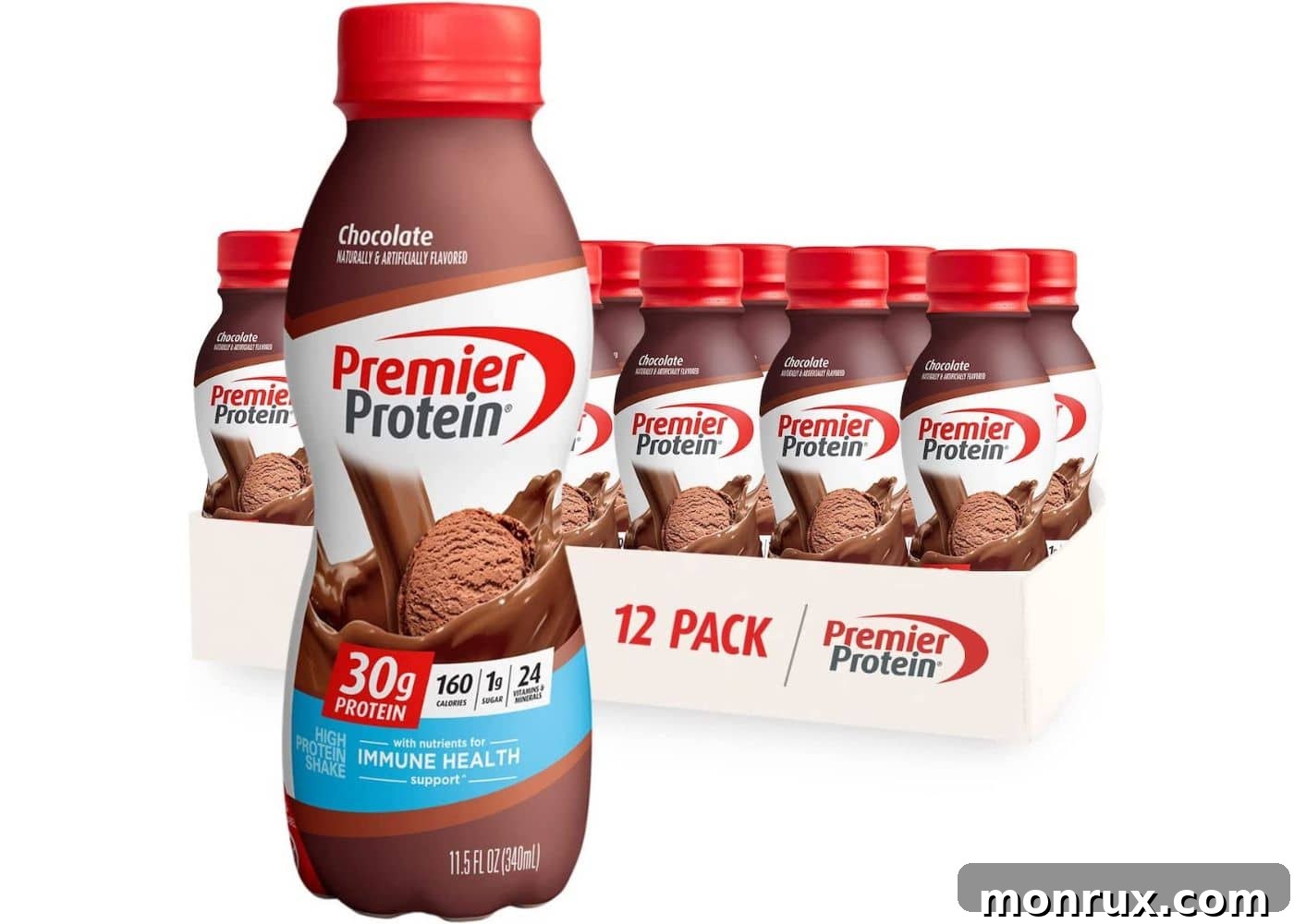
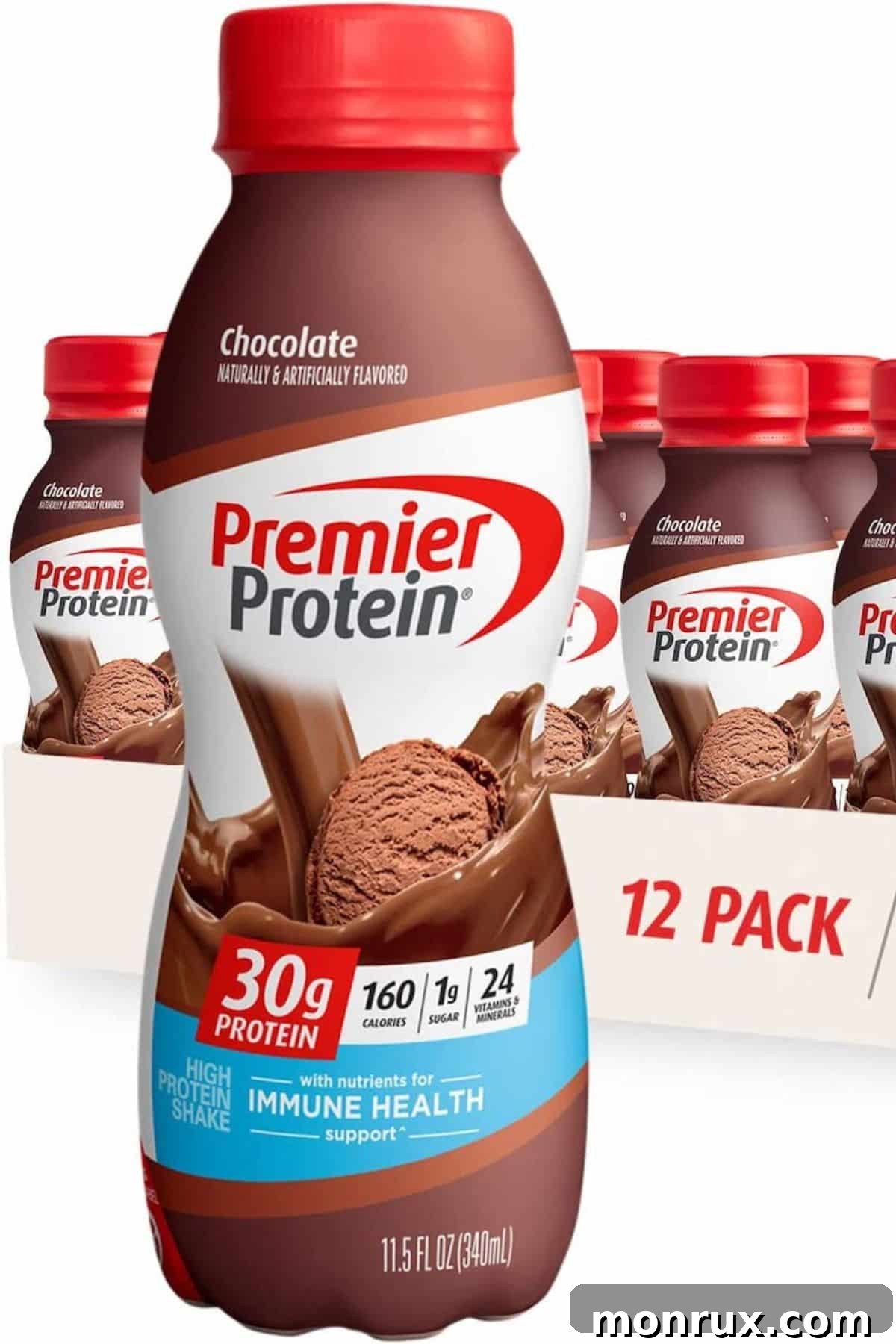
According to the Premier Protein website, each protein shake boasts an impressive 30 grams of protein, a modest 160 calories, three grams of fat, and only one gram of sugar, alongside 24 essential vitamins and minerals. These figures, on the surface, present a compelling case for Premier Protein as a healthful addition to any diet. However, a deeper examination of the ingredients is crucial to understand the full nutritional picture. The appealing variety of flavors, including Pumpkin Spice, Chocolate, Vanilla, Caramel, Café Latte, Chocolate Peanut Butter, Cake Batter Delight, Strawberries & Cream, and Winter Mint Chocolate, further enhances their market appeal. Yet, achieving such a palatable taste profile with low fat and sugar often necessitates the inclusion of highly processed ingredients or artificial compounds, which we will explore in detail.
The extensive ingredient list typically includes milk protein concentrate, calcium caseinate, cocoa powder, various vegetable oils, both natural and artificial flavors, inulin, cellulose gel and gum, artificial sweeteners like sucralose and acesulfame potassium, carrageenan, and a range of phosphate compounds, along with several synthetic vitamins. While some of these might seem benign, their cumulative effect and individual processing methods warrant closer scrutiny. Understanding these components is vital for making an informed decision about whether Premier Protein shakes align with your personal definition of a healthy diet. You might also find my Ghost Protein review insightful for comparison.
Premier Protein Ingredients: A Deep Dive
To truly assess the healthfulness of Premier Protein shakes, it’s imperative to scrutinize their ingredient list. The chocolate flavor, for instance, typically contains a complex blend of components, many of which are highly processed or synthetic. Here’s a breakdown of the common ingredients:
- Water
- Milk Protein Concentrate
- Calcium Caseinate
- Cocoa Powder (processed with alkali)
- High Oleic Sunflower Oil or Soybean Oil
- Natural and Artificial Flavors
- Inulin
- Cellulose Gel
- Cellulose Gum
- Salt
- Sucralose
- Acesulfame Potassium
- Carrageenan
- Tripotassium Phosphate
- Dipotassium Phosphate
- Sodium Hexametaphosphate
- Dl-alpha-tocopheryl Acetate (Vitamin E)
- Zinc Glycinate Chelate
- Ferric Orthophosphate
- Vitamin A Palmitate
- Niacinamide
- Phytonadione (Vitamin K1)
- Potassium Iodide
- Cholecalciferol (Vitamin D3)
- Copper Gluconate
- Calcium D-Pantothenate
- Manganese Sulfate
- Sodium Selenite
- Biotin
- Sodium Molybdate
- Folic Acid
- Thiamine Mononitrate (Vitamin B1)
- Cyanocobalamin (Vitamin B12)
- Pyridoxine Hydrochloride (Vitamin B6)
- Riboflavin (Vitamin B2)
- Chromium Polynicotinate
- Magnesium Phosphate
- Sodium Ascorbate
Let’s delve deeper into some of the primary ingredients and understand their potential implications for your health. My aim here is to provide educational insight into each component, not to shame consumption, but to empower you with knowledge to make the best dietary choices for your well-being.
Milk Protein Concentrate (MPC) and Calcium Caseinate
Milk Protein Concentrates (MPCs) and Calcium Caseinate are staples in many protein shakes. These are essentially dried protein powders derived from skim milk, subjected to extensive mechanical and/or chemical processing. Calcium caseinate specifically comes from the casein protein found in milk. While these ingredients offer a concentrated source of protein, their highly processed nature raises questions about their impact on overall health compared to whole food protein sources.
Although MPCs and calcium caseinate contain less lactose than most traditional dairy products, they may still trigger adverse reactions in individuals with lactose intolerance or dairy sensitivities. For those following a strict plant-based diet, these are clearly unsuitable. Symptoms such as bloating, gas, cramps, and nausea can occur, particularly in individuals with a predisposition to digestive issues related to milk or dairy. The intensive processing can also alter the natural structure of milk proteins, potentially affecting digestibility and nutrient absorption for some people, leading to discomfort rather than improved nutrition.
Artificial Sweeteners: The Hidden Dangers
Despite their minimal sugar content (often just one gram per shake), all Premier Protein shakes rely heavily on artificial sweeteners like sucralose and acesulfame potassium to achieve their sweet taste. While designed to provide sweetness without calories, growing research suggests these compounds may pose significant risks to human health.
Numerous studies have indicated that artificial sweeteners can contribute to chronic gastrointestinal problems and inflammation. They are increasingly linked to potential damage to the delicate balance of the gut microbiome, which is crucial for digestion, immunity, and even mood regulation. Disrupting this balance can lead to a cascade of health issues. Paradoxically, research has also challenged the notion that artificial sweeteners aid weight loss, with some studies suggesting they may contribute to weight gain and obesity by altering metabolic pathways and increasing cravings.
Furthermore, long-term consumption of sucralose has been associated with potential toxicity and harmful effects on gut bacteria, while acesulfame potassium has raised concerns due to its links to cancer in some animal studies, leading to classification as a potential carcinogen. Opting for products with natural sweeteners in moderation or, ideally, unsweetened options, is generally a healthier approach to manage sugar intake.
Food Additives and Their Impact
Premier Protein shakes incorporate a variety of highly processed food additives, each serving a specific purpose in texture, stability, and flavor. While individually they might seem harmless, their cumulative effect, especially with regular consumption, can be detrimental to your health:
- High Oleic Sunflower Oil and Soybean Oil: These vegetable oils are often used for their stability and cost-effectiveness. However, they are highly refined and primarily composed of omega-6 fatty acids. While omega-6s are essential, an imbalance with omega-3s (common in Western diets) can contribute to systemic inflammation, a root cause of many chronic diseases. Soybean oil, in particular, often comes from genetically modified (GMO) sources, raising additional concerns for some consumers.
- Natural and Artificial Flavors: The term “natural flavors” is broad and can encompass a complex mix of chemicals derived from natural sources, often processed in laboratories. “Artificial flavors” are entirely synthetic. Both are designed to mimic or enhance taste but offer no nutritional value. Regular consumption of these can dull your palate to real food flavors and may introduce compounds whose long-term effects are not fully understood.
- Inulin: A type of soluble fiber, inulin is added for texture and as a prebiotic. While beneficial for gut health in some forms, highly concentrated inulin can cause significant gastrointestinal distress, including bloating, gas, and discomfort, especially in individuals with sensitive digestive systems or irritable bowel syndrome (IBS).
- Cellulose Gel and Cellulose Gum: Derived from plant fibers, these are used as thickeners, stabilizers, and emulsifiers. They can contribute to a creamy texture and prevent separation. However, like other food emulsifiers, some research suggests they might negatively interact with gut bacteria and contribute to low-grade inflammation in the digestive tract over time.
- Carrageenan: This additive, extracted from red seaweed, is widely used as a thickener and stabilizer, particularly in dairy and dairy-alternative products. Despite its natural origin, carrageenan has been a subject of significant controversy due to studies linking it to inflammation, gut damage, and even potential carcinogenic effects, especially the degraded form. Many health-conscious consumers actively avoid products containing carrageenan due to these concerns.
- Tripotassium, Dipotassium Phosphate, and Sodium Hexametaphosphate: These phosphate compounds serve as emulsifiers, stabilizers, and pH regulators. While phosphates are naturally present in many foods, the added inorganic phosphates in processed foods are absorbed more efficiently and can lead to elevated phosphate levels in the blood. High phosphate intake, particularly from processed sources, has been linked to potential risks for kidney health, cardiovascular disease, and bone health, especially in vulnerable populations.
The cumulative effect of these additives, particularly when consuming such products daily, can contribute to ongoing gastrointestinal problems like bloating, gas, stomach pain, diarrhea, or constipation. These compounds can linger in your gut longer than natural foods, potentially disrupting the delicate balance of gut bacteria. Over extended periods, such additives have been shown to disrupt regulatory pathways in the intestines, potentially leading to inflammatory disorders such as inflammatory bowel disease (IBD).
Synthetic Vitamins and Minerals
Premier Protein shakes are fortified with a blend of vitamins and minerals, including vitamin D, vitamin A, vitamin E, various B vitamins, zinc, selenium, iron, and potassium. The product also claims to contain all essential amino acids and crucial nutrients. While this sounds beneficial, it’s important to understand the source of these nutrients.
The vitamins and minerals added to Premier Protein shakes are typically synthetically produced. While they fulfill the technical definition of these nutrients, their bioavailability and absorption by the body can differ significantly from those found naturally in whole foods. Although these shakes offer modest doses of these nutrients, usually less than 50% of the Recommended Daily Value (RDA), relying on synthetic fortification in a highly processed product is not an ideal strategy for optimal nutrition. A balanced diet rich in whole, unprocessed foods naturally provides a spectrum of vitamins and minerals in forms that are readily recognized and utilized by the body, often accompanied by cofactors that enhance absorption. Instead of seeking synthetic nutrients from processed products, it is generally healthier to identify any actual deficiencies through consultation with a healthcare provider and address them with whole-food sources or high-quality, natural supplements from reputable providers.
Sodium Content
Sodium plays multiple roles in food production, enhancing flavor, retaining moisture, acting as a preservative, and contributing to texture and thickness. Premier Protein shakes contain a notable amount of sodium, ranging from 180mg to 380mg per serving, depending on the flavor.
While adequate sodium intake is essential for bodily functions, particularly for individuals engaged in strenuous exercise that leads to significant sweating, the amount of added sodium in processed products needs careful consideration. For those who are sensitive to sodium or have conditions like high blood pressure, regularly consuming products with such substantial amounts of added sodium can contribute to exceeding daily recommended limits. It’s always beneficial to be mindful of sodium from hidden sources in processed foods and prioritize its intake from natural, whole foods.
The Nutrition Pros of Premier Protein
Despite the concerns regarding its processed ingredients, Premier Protein shakes do offer several undeniable benefits that contribute to their popularity and utility for certain individuals:
- High Protein Content: With 30 grams of protein per serving, these shakes provide a significant boost that can help keep you fuller for longer, reducing overall calorie intake and potentially aiding in satiety and weight management. This high protein content is also excellent for improving muscle recovery after strenuous workouts and supporting the maintenance and growth of lean muscle mass, which is crucial for metabolism and strength.
- Low Sugar and Fat: The shakes contain only one gram of sugar and three grams of fat, making them an appealing option for those monitoring their intake of these macronutrients. This low content appeals to individuals on strict diets or those trying to avoid added sugars and excessive fats.
- Gluten-Free: For individuals with gluten sensitivities, celiac disease, or those choosing a gluten-free lifestyle, Premier Protein shakes offer a safe and convenient protein option.
- Convenience: In today’s busy world, convenience is a major factor. These ready-to-drink shakes offer an incredibly easy and quick way to consume a substantial amount of protein, making them ideal for on-the-go nutrition, busy professionals, or anyone who struggles to prepare protein-rich meals consistently. They can be a practical solution when healthier, whole-food options are simply not available.
For individuals with very high protein requirements, such as athletes, or those recovering from certain medical procedures where calorie and protein density are paramount, these shakes can serve a functional purpose. However, it’s essential to weigh these benefits against the potential drawbacks of their ingredient profile.
The Nutrition Cons of Premier Protein
While Premier Protein shakes offer high protein and convenience, their nutritional disadvantages are significant and warrant careful consideration:
- Highly Processed Nature: The most significant drawback is that Premier Protein shakes are highly processed products. They are far removed from whole food sources, incorporating isolated proteins, refined oils, and various synthetic compounds. This contrasts sharply with a clean eating philosophy focused on nutrient-dense, minimally processed foods.
- Harmful Food Additives and Artificial Sweeteners: As discussed in detail, the presence of artificial sweeteners like sucralose and acesulfame potassium, alongside controversial additives such as carrageenan, cellulose gums, and various phosphates, raises concerns. These ingredients have been linked to potential side effects including gastrointestinal problems, inflammation, disruption of the gut microbiome, and even more serious health risks over long-term consumption. For instance, the reasons Orgain Protein may not be healthy share similar concerns regarding processed ingredients.
- Potential for Digestive Issues and Allergic Reactions: The milk protein concentrates and various additives can cause digestive distress (bloating, gas, cramps) in sensitive individuals, especially those with lactose intolerance or dairy sensitivities. Allergic reactions, though less common, are also a possibility with highly processed components.
- Synthetic Vitamins vs. Whole Food Nutrients: While fortified, the synthetic nature of the added vitamins and minerals may not offer the same bioavailability and health benefits as nutrients derived from whole foods, which come with a synergistic array of co-factors.
- High Sodium Content: The substantial sodium content in these shakes, while not universally negative, can be a concern for individuals sensitive to sodium or those managing blood pressure.
- Environmental Impact: The individual packaging in plastic bottles contributes to environmental waste, an increasingly important consideration for many conscious consumers. Choosing products in more sustainable packaging or making homemade shakes can mitigate this impact.
In essence, while they deliver protein efficiently, the trade-off involves consuming a cocktail of ingredients that may not support long-term holistic health.
Carrie’s Expert Video Review
Nutrition FAQs About Premier Protein
While protein is a critical macronutrient for weight loss—it promotes satiety, helps preserve lean muscle mass during calorie restriction, and fuels workouts—the effectiveness of Premier Protein shakes for this purpose is nuanced. Protein shakes can indeed make it easier to meet your daily protein goals, especially if your diet lacks sufficient protein-rich whole foods. However, the presence of artificial sweeteners and other highly processed ingredients in Premier Protein shakes may counteract the potential benefits. Some studies suggest that artificial sweeteners can interfere with metabolic regulation and gut health, potentially leading to increased cravings or even weight gain rather than loss. Furthermore, it’s important to note the specific label on Premier Protein Shakes that explicitly states they are not to be used for weight reduction, which aligns with the broader understanding that these are supplements, not magic weight loss solutions. For sustainable weight loss, it’s always best to prioritize real, whole food ingredients in your diet. Consider incorporating protein-rich whole foods such as lean meats (like free-range chicken or grass-fed beef), eggs, fish, legumes (beans, peas, lentils), and nuts. If you tolerate soy well, soy protein can also be a valuable plant-based protein source. Crafting homemade protein shakes with ingredients like real fruit, leafy greens, unsweetened nut milks, and clean protein powders is a far healthier alternative.
Despite containing 30 grams of protein and a range of 24 added vitamins and minerals, Premier Protein shakes generally lack the comprehensive nutritional profile required to serve as a truly healthy meal replacement for most people. A balanced meal should provide a diverse array of macronutrients (protein, healthy fats, complex carbohydrates) and micronutrients (vitamins, minerals, and phytonutrients) that come naturally from whole foods. These shakes, while high in protein, are often deficient in fiber from whole sources, healthy fats that promote satiety and nutrient absorption, and the complex carbohydrates vital for sustained energy. They also lack the diverse array of beneficial plant compounds found in fruits, vegetables, and whole grains. Relying solely on these shakes as meal replacements can lead to nutritional gaps over time. If you choose to consume Premier Protein products, it is best to view them as a convenient snack or a supplement to a regular, balanced meal, rather than a substitute for it. For healthy meal replacements, opt for options that include whole food ingredients like blended fruits and vegetables, nuts, seeds, and unflavored, high-quality protein powders.
Explore More Product Reviews!
Final Verdict on Premier Protein Shakes
In conclusion, Premier Protein shakes offer an appealing package: high protein, minimal sugar and fat, and a gluten-free formulation, all wrapped in convenient, ready-to-drink bottles. These attributes make them attractive for individuals seeking a quick protein boost or supporting muscle recovery. However, a deeper look reveals a less optimistic picture for those prioritizing holistic health and clean eating.
The shakes are fundamentally highly processed products, relying on isolated milk proteins, artificial sweeteners, and a significant array of food additives. These ingredients, as explored, can pose potential health risks, including gastrointestinal distress, inflammatory responses, and disruption of the gut microbiome. For individuals following a clean diet, a dairy-free lifestyle, or those with sensitivities to highly processed ingredients, Premier Protein shakes are largely unsuitable.
While convenience is a strong selling point, the long-term health implications of regular consumption of such processed foods should not be overlooked. If your goal is to increase protein intake, the healthiest and most sustainable approach involves incorporating diverse, wholesome protein sources into your diet. Opt for foods like lean meats, poultry, fish, eggs, legumes, nuts, and seeds. Alternatively, crafting your own protein shakes at home using real food ingredients—such as fresh fruits, vegetables, unsweetened plant milks, and a high-quality, minimally processed protein powder—offers superior nutritional value without the concerning additives. Make informed choices that truly nourish your body from the inside out.
Don’t forget to join my newsletter list to get exclusive clean eating recipes and tips. The newsletter is 100% free with no spam; unsubscribe anytime.
About the Author: Carrie Forrest has a master’s degree in public health with a specialty in nutrition and is a certified holistic nutritionist. She is a top wellness and food blogger with over 5 million annual visitors to her site. Carrie has an incredible story of recovery from chronic illness and is passionate about helping other women transform their health. Send her a message through her contact form.
Note: this post is for informational purposes only and is not intended as medical advice. Please consult your healthcare provider for recommendations related to your individual situation.