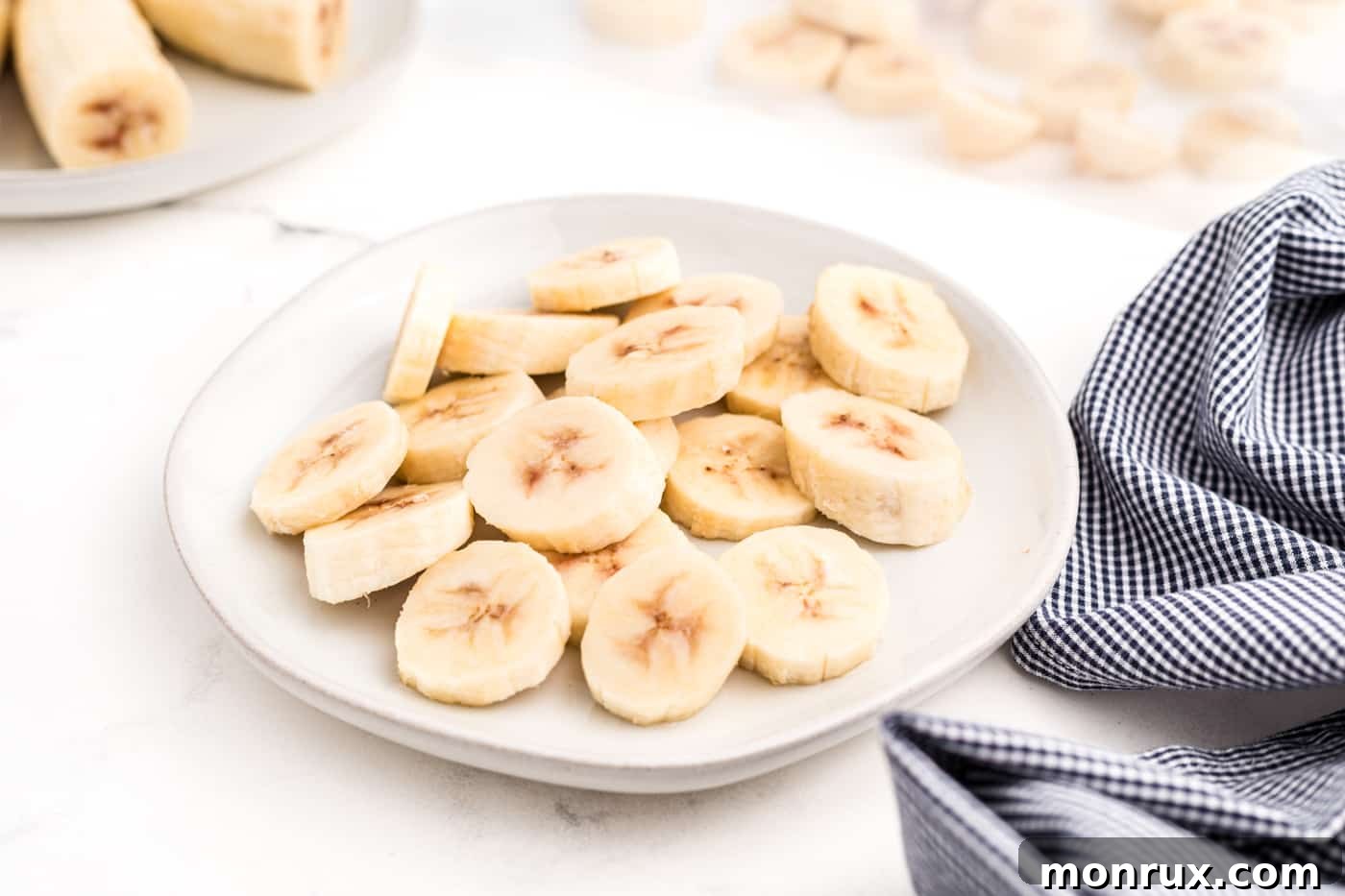
Unlock the secret to long-lasting freshness and convenience with our ultimate guide on how to freeze bananas. If you frequently find yourself with ripe bananas on the counter, don’t let them go to waste! Freezing bananas is a simple, effective way to preserve their natural sweetness and nutritional value for months. These frozen treasures are perfect for whipping up creamy smoothies, making homemade “nice cream,” enriching your morning oatmeal, or adding a burst of flavor to baked goods. Follow our easy, step-by-step instructions to ensure your bananas are perfectly frozen, ready whenever inspiration strikes.
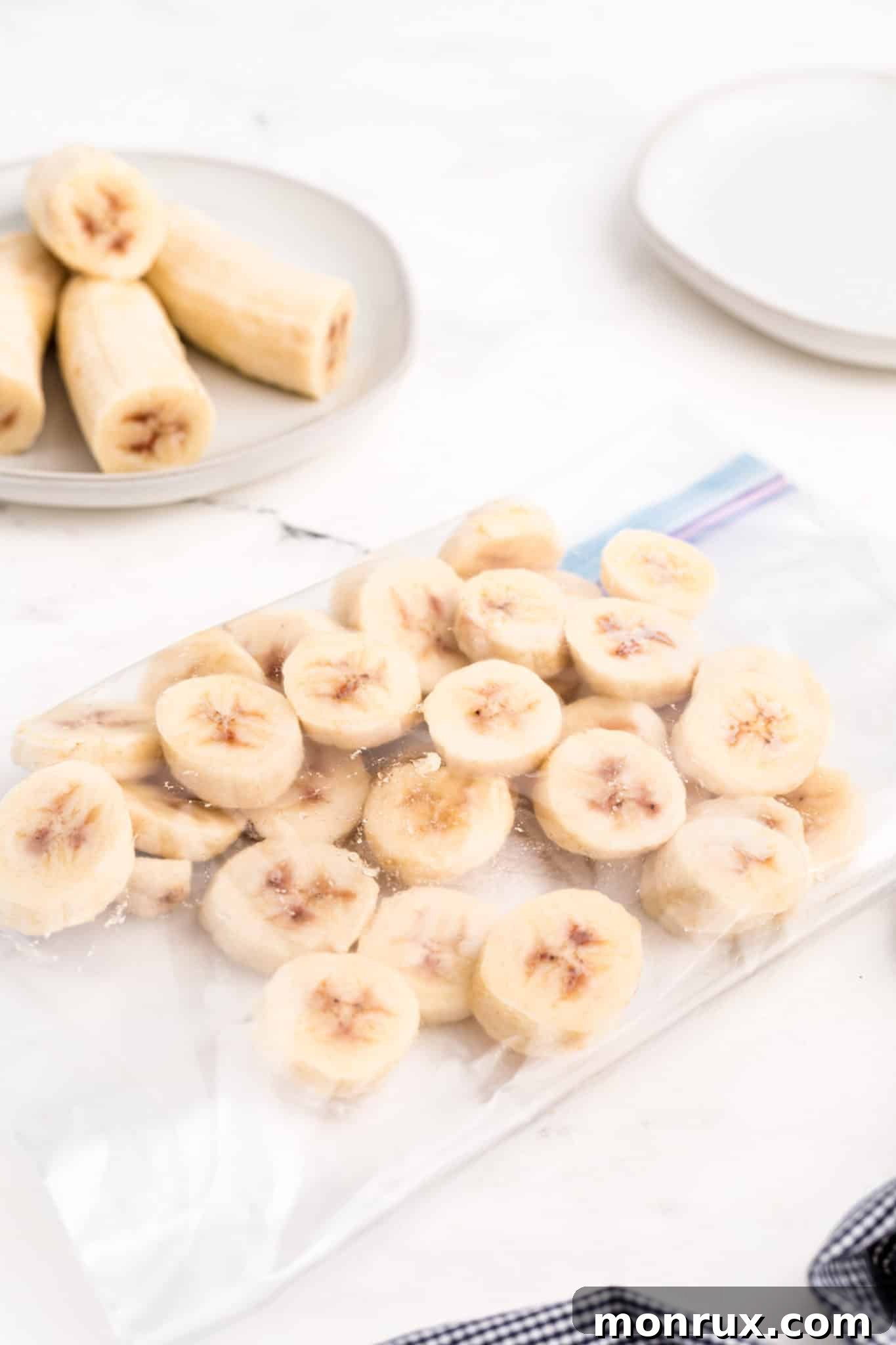
Bananas are an incredibly versatile and budget-friendly fruit, cherished globally for their delightful taste and impressive nutritional profile. Rich in potassium, fiber, and essential vitamins, they make an excellent addition to any diet. However, their rapid ripening can often lead to waste if not consumed quickly.
This is where the magic of freezing comes in. Frozen bananas transform into a culinary powerhouse, offering a unique texture and concentrated sweetness that’s ideal for a variety of applications. They are especially fantastic in smoothies, lending an unparalleled creaminess and natural chill that elevates any blend. Beyond smoothies, they can be incorporated into recipes like a healthy breakfast oatmeal, a guilt-free dairy-free “nice cream,” or even defrosted and mashed for moist muffins, banana breads, and other delicious baked goods. Freezing is not just about preservation; it’s about unlocking new culinary possibilities and embracing a zero-waste kitchen.
Why Freeze Bananas: The Benefits of Smart Food Storage
Freezing ripe bananas isn’t just a simple kitchen hack; it’s a smart strategy that offers numerous benefits for your health, your wallet, and the environment. Here’s why this guide is essential for every home cook:
- Combat Food Waste: Bananas ripen quickly, often faster than we can eat them. Freezing them halts the ripening process, ensuring that your perfectly good fruit doesn’t end up in the trash. This simple act contributes to reducing global food waste, a significant environmental concern.
- Save Money: By preserving bananas that might otherwise spoil, you get more value from your grocery purchases. Furthermore, freezing allows you to take advantage of sales on ripe bananas, stocking up when prices are low and having a supply readily available.
- Effortless Meal Prep: Having pre-portioned frozen banana slices or chunks in your freezer makes healthy eating incredibly easy. Whether you’re rushing to make a morning smoothie or craving a quick, healthy dessert, your key ingredient is ready in seconds, no peeling or chopping required.
- Enhanced Culinary Versatility: Frozen bananas add a unique texture and concentrated sweetness that fresh bananas simply can’t replicate in certain recipes. They are the secret ingredient for thick, creamy smoothies, incredibly satisfying “nice cream,” and a wonderful natural sweetener for oatmeal and baked goods.
- Boost Nutrition: Bananas are packed with essential nutrients like potassium, vitamin B6, and vitamin C. Freezing them locks in these valuable nutrients, allowing you to enjoy their health benefits long after they’ve reached peak ripeness.
Selecting the Perfect Bananas for Freezing
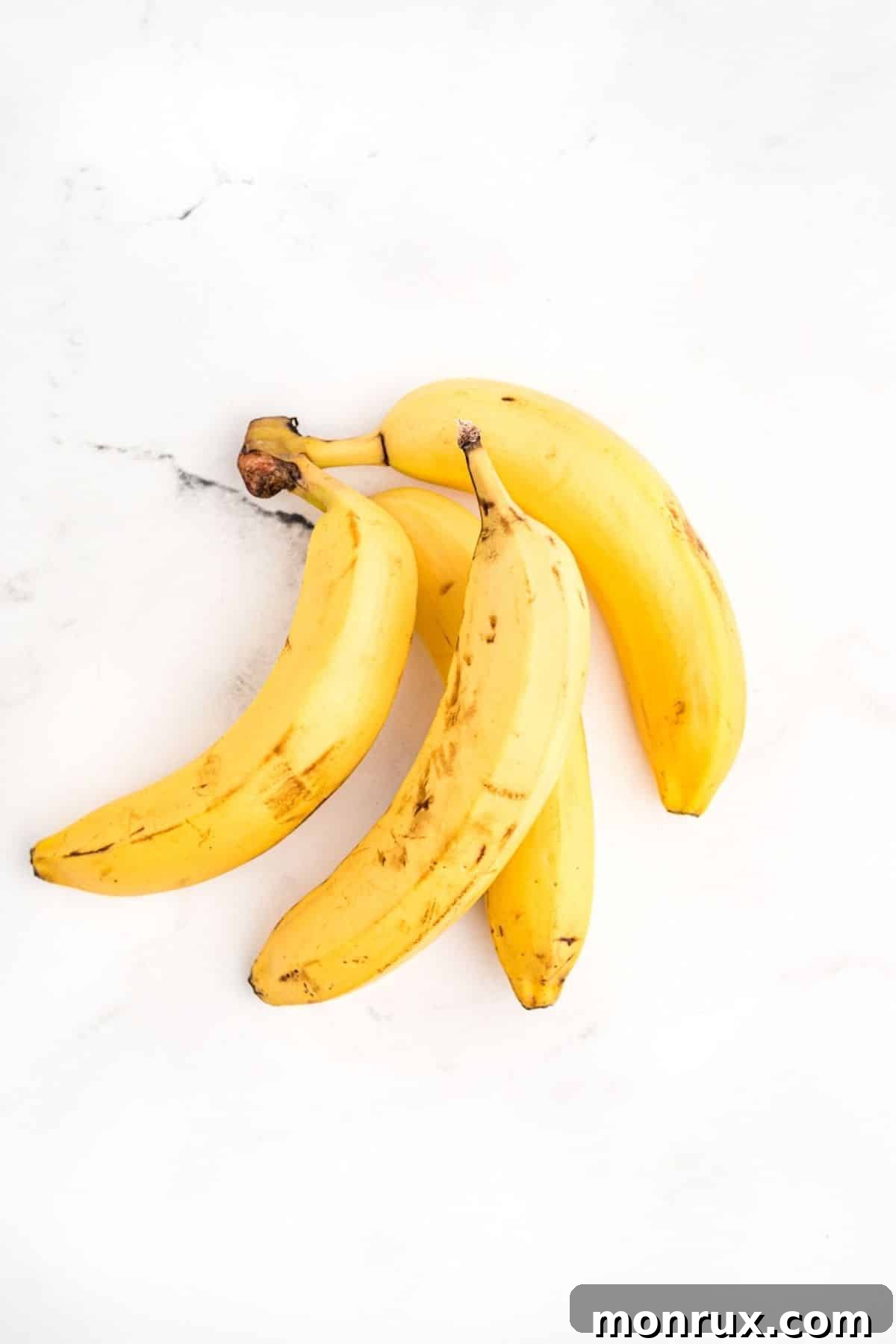
The key to delicious frozen bananas lies in starting with fruit at the right stage of ripeness. While you can technically freeze bananas at any stage, ripe or even slightly overripe bananas are generally the best choice for freezing due to their enhanced sweetness and softer texture.
- Optimal Ripeness: Look for bananas that have developed brown spots or streaks on their yellow skins. They should feel soft to the touch but not mushy. This stage indicates that the starches have converted to sugars, resulting in a naturally sweeter flavor, which is highly desirable for smoothies and desserts.
- Overripe Bananas: Don’t discard those very brown, almost black bananas! These are incredibly sweet and perfect for freezing, especially if you plan to use them for baking (like banana bread) or “nice cream.” Simply cut away any genuinely bad or moldy spots before peeling and freezing.
- Unripe Bananas: While you *can* freeze green or slightly green bananas, they won’t ripen further once frozen. This means they won’t develop the sweetness or creamy texture ideal for most frozen banana applications. It’s always best to let them ripen at room temperature first.
- Quantity: This method works perfectly whether you have just one lone ripe banana or several bunches. Simply adapt the number to your freezer space and needs.
Step-by-Step Guide: How to Properly Freeze Bananas
Freezing bananas is a straightforward process, but following these steps ensures optimal texture and prevents them from clumping together. Let me guide you through the easiest way to preserve your ripe bananas for future enjoyment.
Step 1: Peel for Ease and Convenience
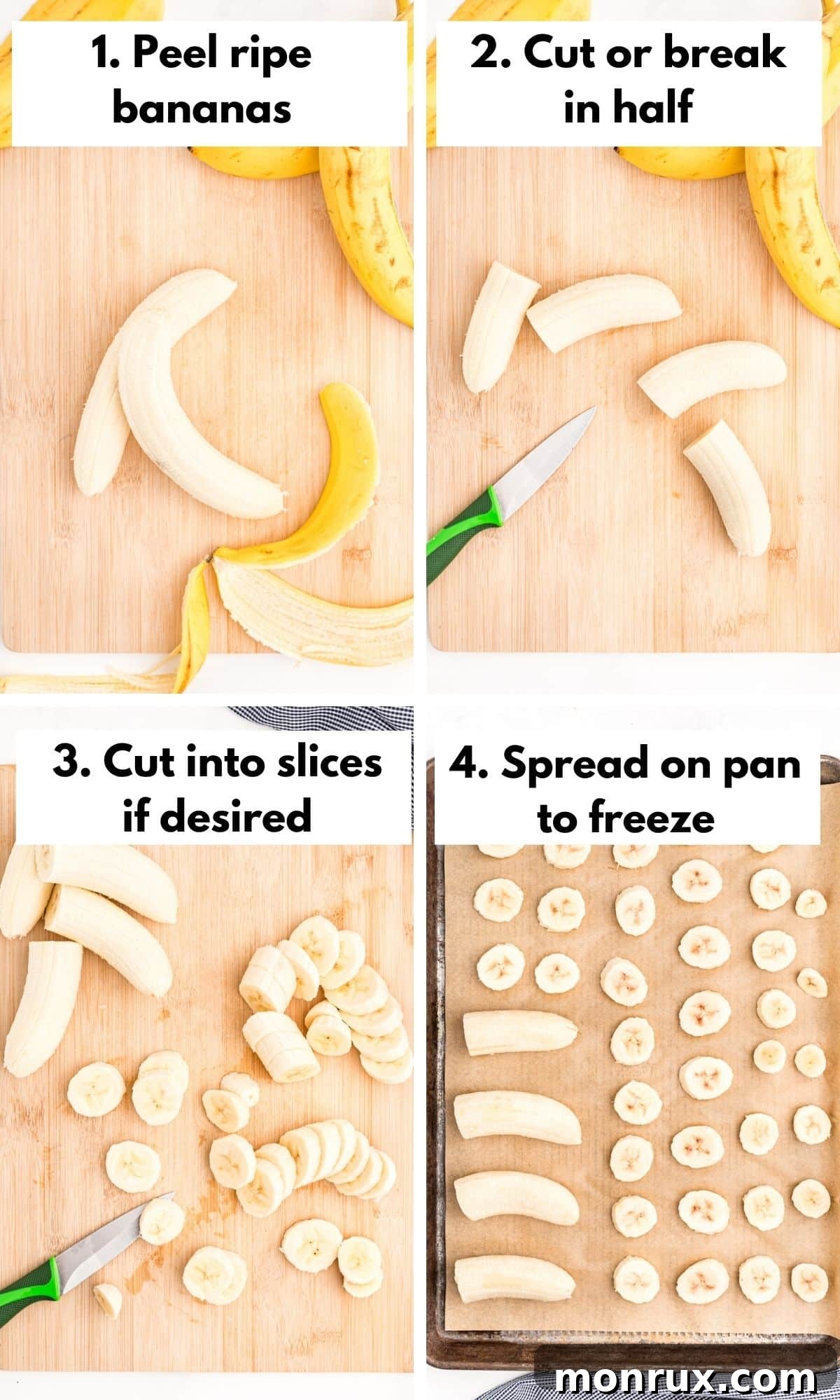
The very first and most crucial step for freezing bananas is to remove their skin. While some might be tempted to simply toss a whole, unpeeled banana into the freezer, this approach creates a significant hurdle later on. Once frozen solid, the banana peel becomes incredibly difficult, if not impossible, to remove without thawing the entire fruit, which defeats the purpose of convenient freezing. Peeling them beforehand ensures they are ready to use directly from the freezer.
Step 2: Slice or Break for Versatile Use
Once peeled, decide how you want to prepare your bananas based on their intended future use. This is where versatility comes into play:
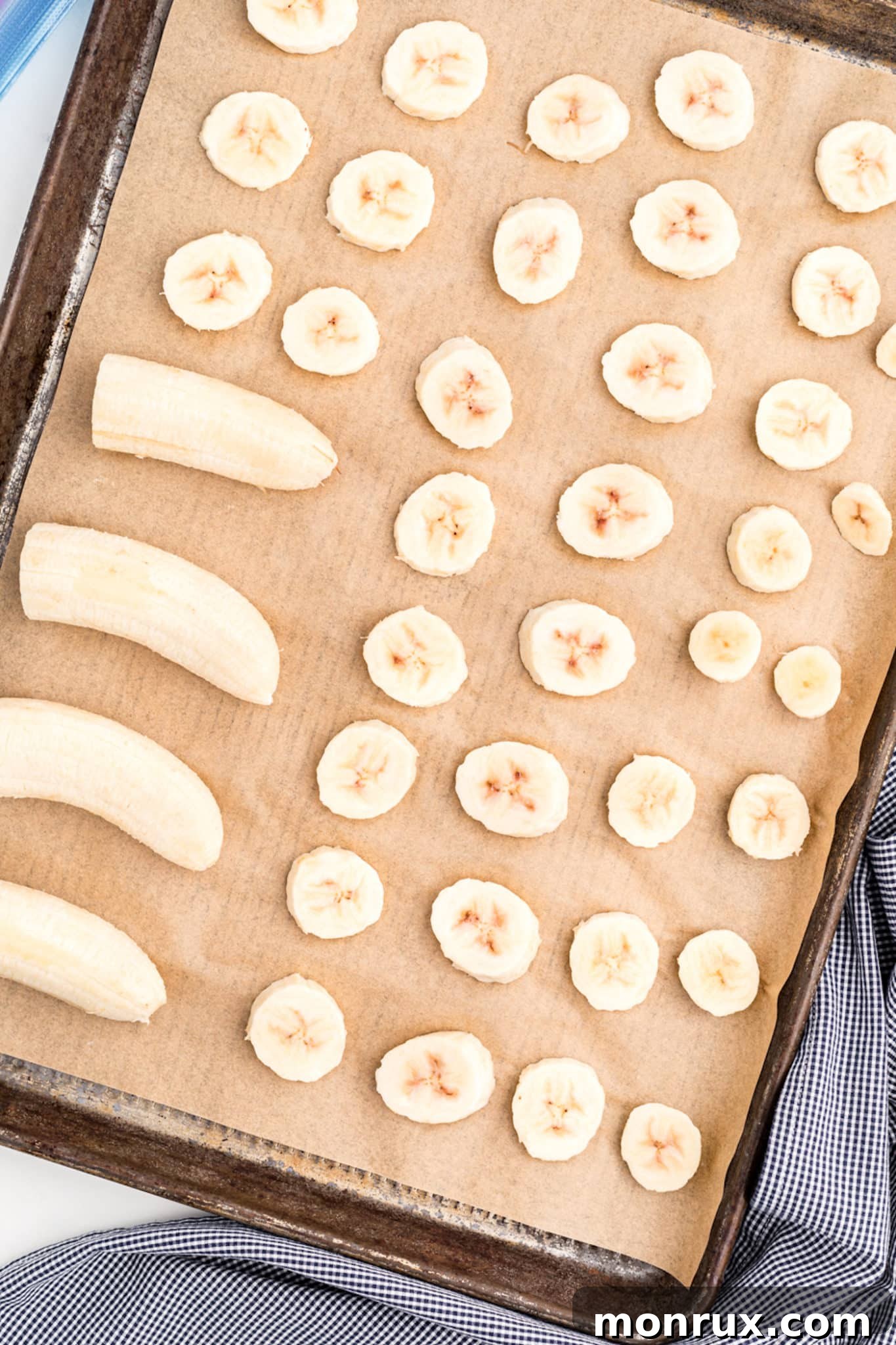
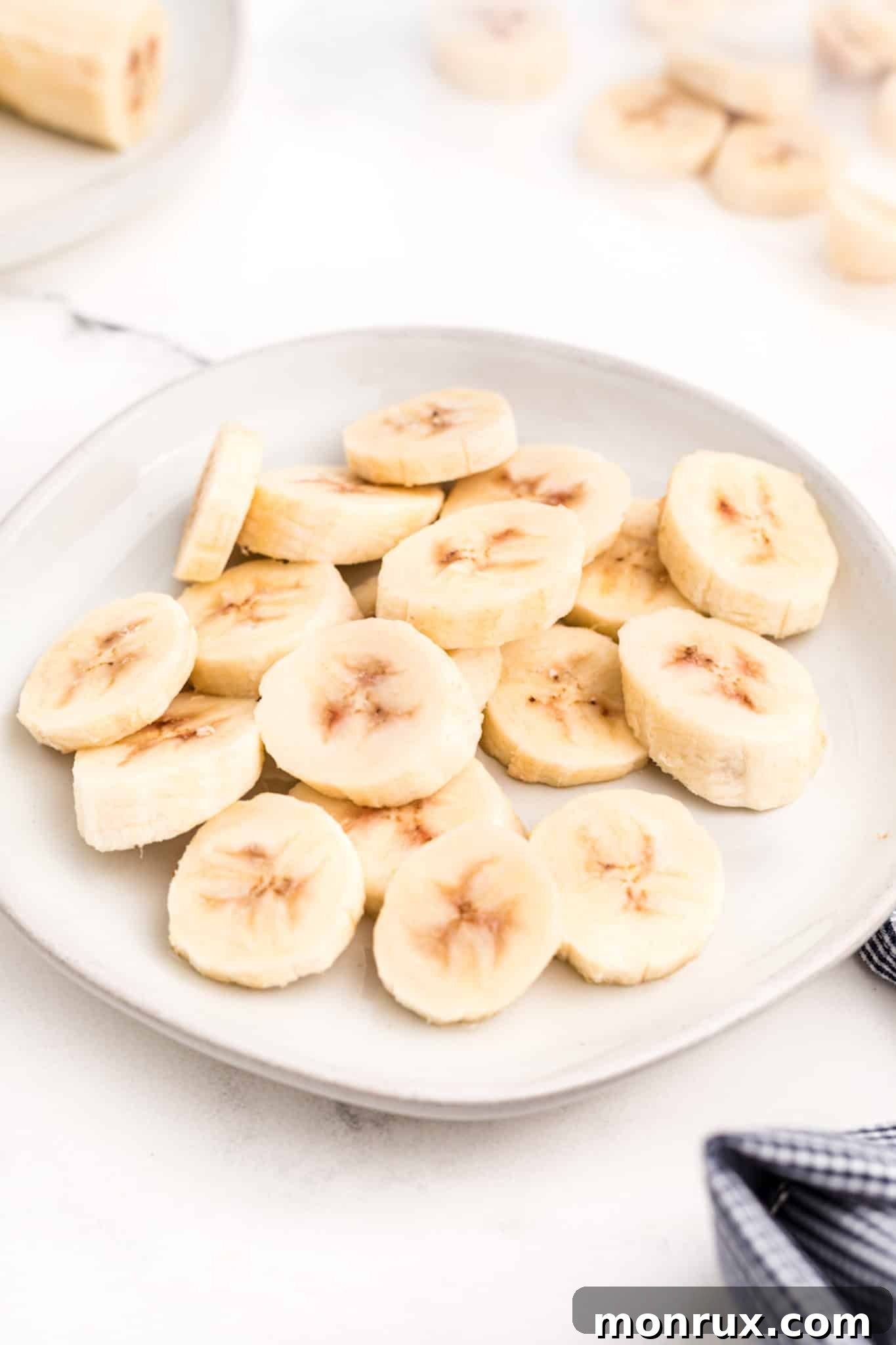
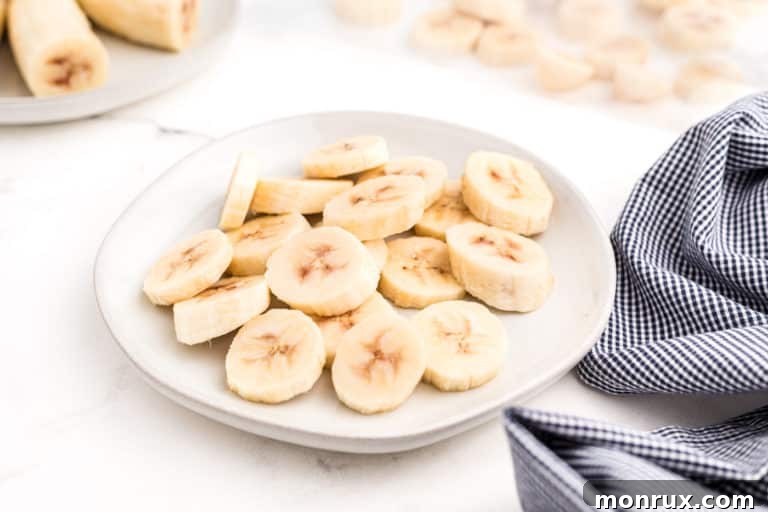
- For Smoothies and “Nice Cream”: Cutting bananas into 1/2 to 1-inch thick slices is often the most practical. Smaller pieces blend more easily, especially in standard blenders, reducing strain on the motor and ensuring a smoother consistency. If you have a high-speed blender, you can opt for larger chunks or even halves, as these powerful machines can handle bigger frozen pieces with ease.
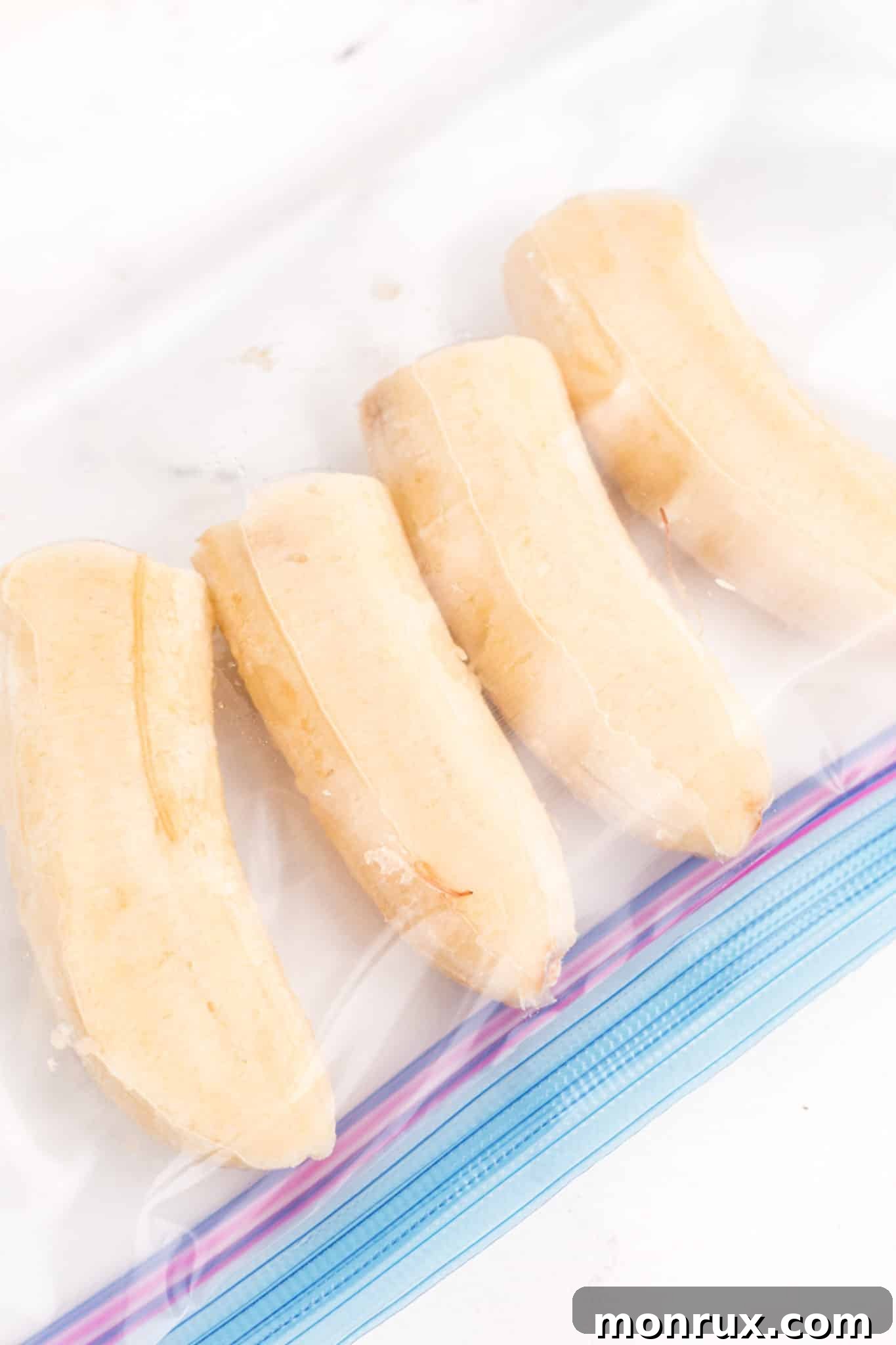
- For Baking (Banana Bread, Muffins): If your primary goal is to use them in baked goods, you can simply break the peeled bananas in half or thirds. These larger pieces are easier to thaw and mash later for recipes that call for mashed ripe bananas.
- For Snacks or Dipped Treats: Keep them in rounds or even whole (if small enough) if you plan to enjoy them as a frozen snack or dip them in chocolate.
Breaking or slicing them now prevents the need to hack at a rock-solid banana later, making your meal prep much more efficient.
Step 3: Flash Freeze to Prevent Clumping
This step is key to preventing your banana pieces from freezing into one giant, unmanageable block. Arrange your peeled and sliced or broken banana pieces in a single layer on a baking sheet or cookie sheet. For best results and easy removal, line the sheet with parchment paper or a silicone baking mat. This creates a non-stick surface and helps prevent freezer burn.
Place the baking sheet directly into the freezer. This “flash freezing” method allows each piece to freeze individually. It typically takes at least 2 hours for the banana pieces to become solid enough for the next step. Flash freezing is crucial for maintaining the quality and usability of your frozen bananas.
Step 4: Transfer and Store for Long-Term Freshness
Once your banana pieces are completely frozen solid (after at least 2 hours of flash freezing), they can be transferred to a more permanent storage solution. A heavy-duty, resealable freezer bag or an airtight container works best for long-term storage.
- Remove Air: If using a freezer bag, squeeze out as much excess air as possible before sealing. Air is the enemy of frozen food, as it can lead to freezer burn. For ultimate protection against freezer burn, consider using a vacuum sealer.
- Label and Date: Always label your bag or container with the date. Frozen bananas are best when used within 2-3 months for optimal quality, although they remain safe to eat for longer.
- Organize: Lay freezer bags flat to freeze initially if space allows, as this makes them easier to stack and organize in your freezer.
This simple guide on how to freeze your ripe or even brown bananas will undoubtedly save you money and make your life considerably easier. By transforming potential waste into a convenient, versatile ingredient, you’re not just preserving food; you’re investing in healthier habits and a more sustainable kitchen.
The next time you spot bananas on sale at the grocery store, don’t hesitate to stock up. Let them ripen beautifully at room temperature, then follow these easy steps to freeze them. You’ll thank yourself later for having a stash of perfectly preserved bananas, ready for your next culinary adventure.
Pro Tips for Freezing Bananas
- Batch Freezing: You can easily freeze multiple bunches of bananas at once, provided you have adequate freezer space. Always use the flash-freezing method to ensure they don’t clump.
- Recognizing Ripeness: Bananas are ideally ripe for freezing when their skins show a good number of brown speckles. They should be soft to the touch but not mushy, and emit a noticeable, sweet banana aroma. This indicates maximum sugar content and flavor.
- Shelf Life: Properly frozen bananas will maintain their quality for up to 3 months. While they remain safe to eat beyond this period, their texture and flavor might start to degrade. Labeling with the date is crucial for tracking freshness.
- Direct Use in Smoothies: For smoothies, simply add the frozen banana chunks directly to your blender. There’s no need to defrost them first. They provide natural sweetness and create a wonderfully thick, frosty texture.
- Thawing for Baking: If you’re using frozen bananas for baked goods like banana bread or muffins that call for mashed ripe bananas, you’ll need to thaw them first. Place the frozen bananas in a bowl in the refrigerator overnight, or on the counter for a few hours. For quicker thawing, you can use the defrost setting on your microwave. Be aware that thawed bananas will be very soft and release some liquid, which is normal. Simply mash them with a fork, draining any excess liquid if preferred, and incorporate into your recipe.
- Creative Uses: Beyond smoothies and baking, use frozen banana slices for quick, healthy snacks, dip them in melted chocolate for a delightful treat, or blend them with other frozen fruits for a refreshing fruit sorbet.
Frequently Asked Questions About Freezing Bananas
A truly bad banana will have several tell-tale signs. It will smell distinctly sour, have large patches of black or dark brown on its skin, be extremely mushy and watery to the touch, or show signs of mold (usually white or green fuzzy spots). If only small portions are mushy or discolored but the rest of the banana seems fine, you might be able to cut away the bad parts and still freeze the good sections. However, if the smell is off or mold is present, it’s best to discard the entire banana.
Frozen bananas are incredibly versatile! Their most popular use is in smoothies, where they add unparalleled creaminess and natural sweetness. They are also the base for delicious dairy-free “nice cream” – just blend with a splash of milk or other fruit. You can use them in oatmeal (they will soften as the oatmeal cooks), blend them into milkshakes, make healthy frozen popsicles, or even dip slices in chocolate and refreeze for a quick dessert. For baking, simply thaw and mash them to replace fresh ripe bananas in recipes like banana bread or muffins.
It depends on the recipe. For smoothies and “nice cream,” you use them directly from the freezer to achieve that desired frosty texture. For baked goods like muffins, banana bread, or cakes, you typically need mashed banana. In this case, it’s best to thaw the frozen bananas first. You can place them in the refrigerator overnight or on the counter for a few hours. For a faster method, use your microwave’s defrost setting. Thawed bananas will be very soft and watery, which is perfect for mashing into your batter. For oatmeal, you can add them frozen; they will soften as they cook with the hot oats.
Yes, even frozen foods can eventually go bad, though it takes much longer than fresh. Properly frozen bananas stored in an airtight container or vacuum-sealed bag at 0°F (-18°C) or below should remain high quality for 2-3 months. Beyond this, they might develop freezer burn (dry, discolored spots) which affects texture and flavor but doesn’t make them unsafe. If frozen bananas turn black in color, smell bad, or are excessively mushy and watery after thawing (beyond normal), they may have spoiled due to improper freezer temperature or prolonged storage. If you suspect spoilage, especially if there’s an unusual smell or visual change, it’s safer to discard them.
While technically possible, it is strongly advised to remove the peel before freezing. Once a banana is frozen solid, its peel becomes incredibly difficult to remove, often requiring you to partially or fully thaw the banana just to get the skin off. This can be messy, inconvenient, and affect the banana’s texture. Peeling before freezing saves you a lot of hassle and makes the frozen bananas ready to use immediately.
For individual banana pieces to flash freeze solid on a baking sheet, it typically takes at least 2 hours. Thicker chunks or halves might take a bit longer, up to 3-4 hours, or even overnight to be completely frozen through. Once solid, they can be transferred to a freezer bag for longer storage.
Delicious Recipes Using Frozen Bananas
Now that you know how to freeze bananas perfectly, explore these fantastic recipes where frozen bananas truly shine:
More Helpful Guides to Freezing Food
Master the art of food preservation with these additional guides on freezing various foods:
- How to Freeze Spinach and Kale
- How to Freeze Raw Beets
- How to Freeze Cauliflower
- How to Freeze Carrots
- How to Freeze Cucumbers
- How to Freeze Avocados
- How to Freeze Pomegranate Seeds
- How to Make Frozen Grapes
- How to Freeze Sweet Potatoes
We hope this comprehensive guide inspires you to make the most of your ripe bananas! If you try this method, please leave a comment and a starred review below.
Stay connected with us for more clean eating recipes and wellness tips by following us on Facebook, Pinterest, Instagram, and YouTube!
Print Recipe
How to Freeze Bananas for Smoothies
5 from 1 review
Never let ripe bananas go to waste again! This comprehensive, easy-to-follow guide will show you exactly how to freeze bananas for smoothies, “nice cream,” oatmeal, and baking. Prepare perfectly preserved banana slices or chunks that will last up to several months in your freezer, making healthy eating and meal prep incredibly convenient.
- Total Time: 2 hours 5 minutes
- Yield: 4 servings (1x)
Ingredients
- 4 ripe bananas (or as many as you have)
Instructions
- Peel the Bananas: Start by thoroughly peeling each ripe banana. Do not freeze with the skin on, as it becomes extremely difficult to remove once frozen.
- Slice or Break: Depending on your intended use, either cut the peeled bananas into 1/2-inch to 1-inch thick slices (ideal for most blenders and “nice cream”) or break them into halves or thirds (suitable for high-speed blenders or baking).
- Flash Freeze: Arrange the banana pieces in a single layer on a baking sheet lined with parchment paper or a silicone mat. This prevents them from sticking together and forming a large clump.
- Freeze Individually: Place the baking sheet into the freezer for at least 2 hours, or until the banana pieces are completely frozen solid.
- Store Long-Term: Once flash-frozen, transfer the solid banana pieces into a resealable freezer-safe bag or an airtight container. Squeeze out as much air as possible (or vacuum seal) to prevent freezer burn. Label the bag with the date and store in the freezer for up to 3 months.
- Ready to Use: When ready to use, simply grab as many frozen banana pieces as you need directly from the bag. For smoothies, add them frozen to your blender. For baking, thaw them in the refrigerator or microwave before mashing.
Notes
- You can freeze any quantity of bananas, from a single fruit to several bunches, as long as you have adequate freezer space. Always flash freeze first to prevent clumping.
- Bananas are considered ripe when they are soft to the touch, display numerous brown spots on their skin, and have a distinct, sweet aroma. These are the best for freezing as they offer maximum sweetness.
- For optimal taste and texture, consume frozen bananas within 2-3 months. They will remain safe to eat for longer, but quality may decline.
- If using for baked goods, thaw bananas in the refrigerator or on the counter, then mash. Thawed bananas will be very soft and release liquid; this is normal and fine for baking.
- Author: Carrie Forrest, MPH in Nutrition
- Prep Time: 5 minutes
- Cook Time: 2 hours
- Category: Side Dish, Meal Prep
- Method: Freezer
- Cuisine: Healthy
- Diet: Vegan, Gluten-Free
Nutrition
- Serving Size: 1 banana
- Calories: 105
- Sugar: 14.4 g
- Sodium: 1.2 mg
- Fat: 0.4 g
- Saturated Fat: 0.1 g
- Carbohydrates: 27 g
- Fiber: 3.1 g
- Protein: 1.3 g
- Cholesterol: 0 mg
(Nutritional information is an estimate and may vary based on specific ingredients and preparation methods.)
Don’t forget to join our newsletter list to get exclusive clean eating recipes, wellness tips, and sustainable living hacks. The newsletter is 100% free with no spam; you can unsubscribe anytime.
About the Author: Carrie Forrest holds a master’s degree in public health with a specialty in nutrition and is a certified holistic nutritionist. She is a highly regarded wellness and food blogger, attracting over 5 million visitors annually to her insightful site. Carrie shares a compelling story of recovery from chronic illness and is deeply passionate about empowering other women to transform their health through wholesome food and mindful living. You can reach her directly through her contact form for any inquiries or collaborations.