Mastering the Art of Freezing Pulled Pork: A Comprehensive Guide to Flavor Preservation and Meal Prep Efficiency
There’s an undeniable satisfaction that comes from crafting a batch of perfect homemade pulled pork. The aroma filling your kitchen, the melt-in-your-mouth tenderness, and the rich, savory flavors are a testament to hours of patient cooking. However, the joy of a generous yield often comes with a common challenge: what to do with all the delicious leftovers? While pulled pork is incredibly versatile, it has a limited shelf life in the refrigerator. This guide will walk you through the essential steps on how to freeze pulled pork the right way, ensuring every succulent shred remains a culinary delight, free from dreaded freezer burn, and ready to be enjoyed whenever a craving strikes.
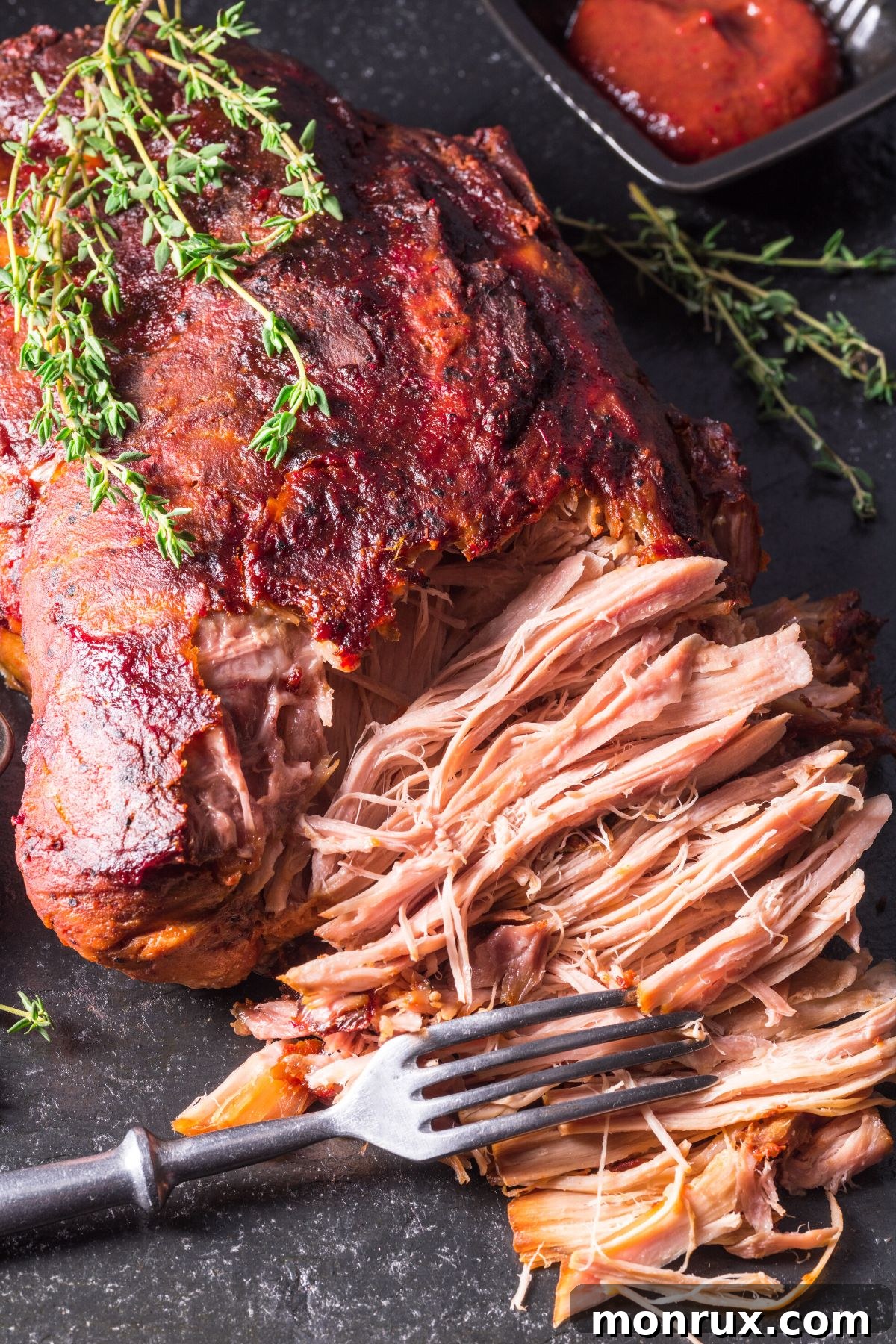
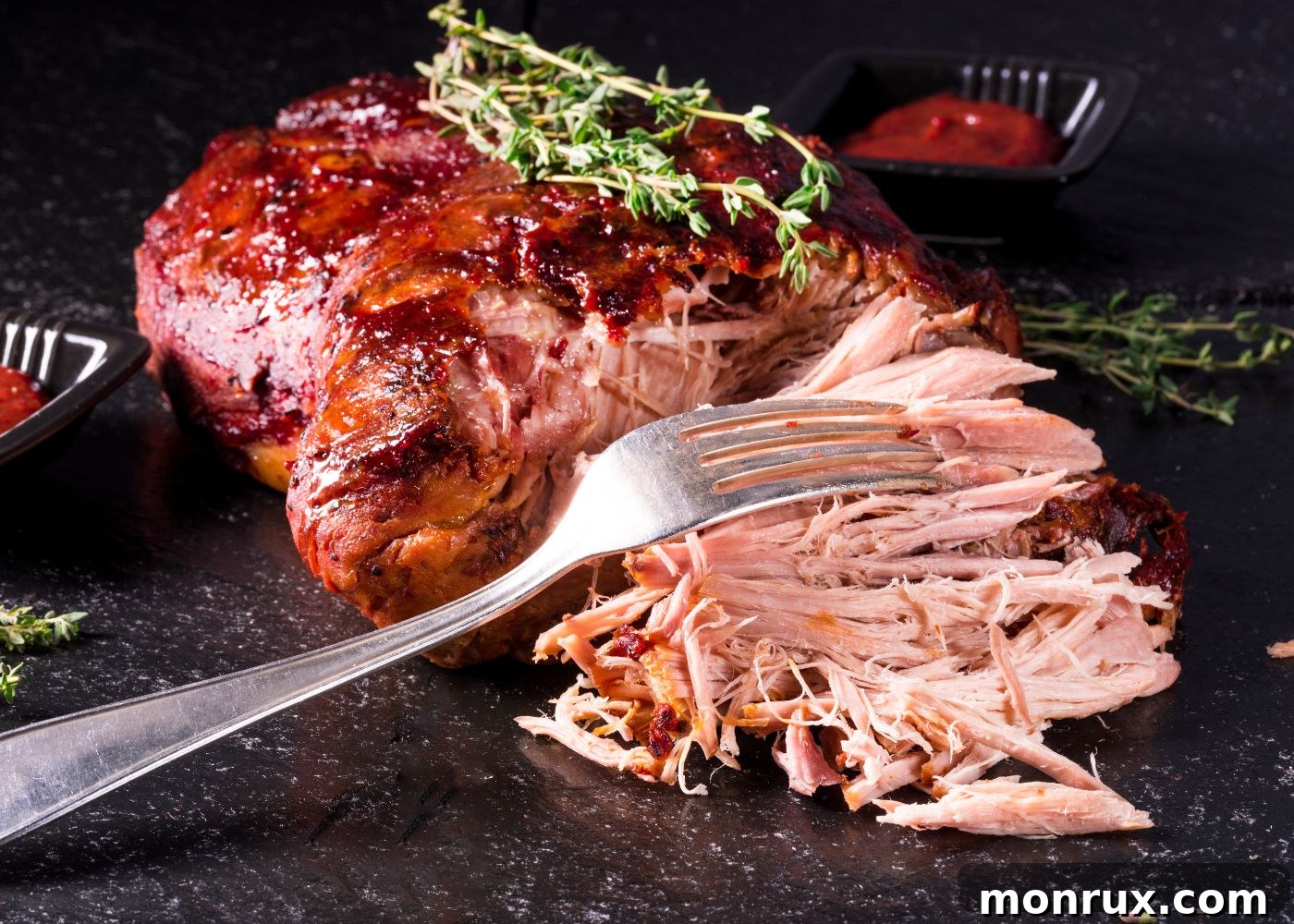
Pulled pork embodies everything we love about slow-cooked cuisine: it’s incredibly tender, wonderfully juicy, and bursting with savory flavor. At its heart, authentic pulled pork is made by slow-cooking a cut like pork shoulder (also widely known as pork butt or Boston butt) for many hours. This extended cooking time at a low temperature works magic, breaking down the tough connective tissues until the meat becomes so unbelievably tender that it effortlessly falls apart with just a gentle prod of a fork.
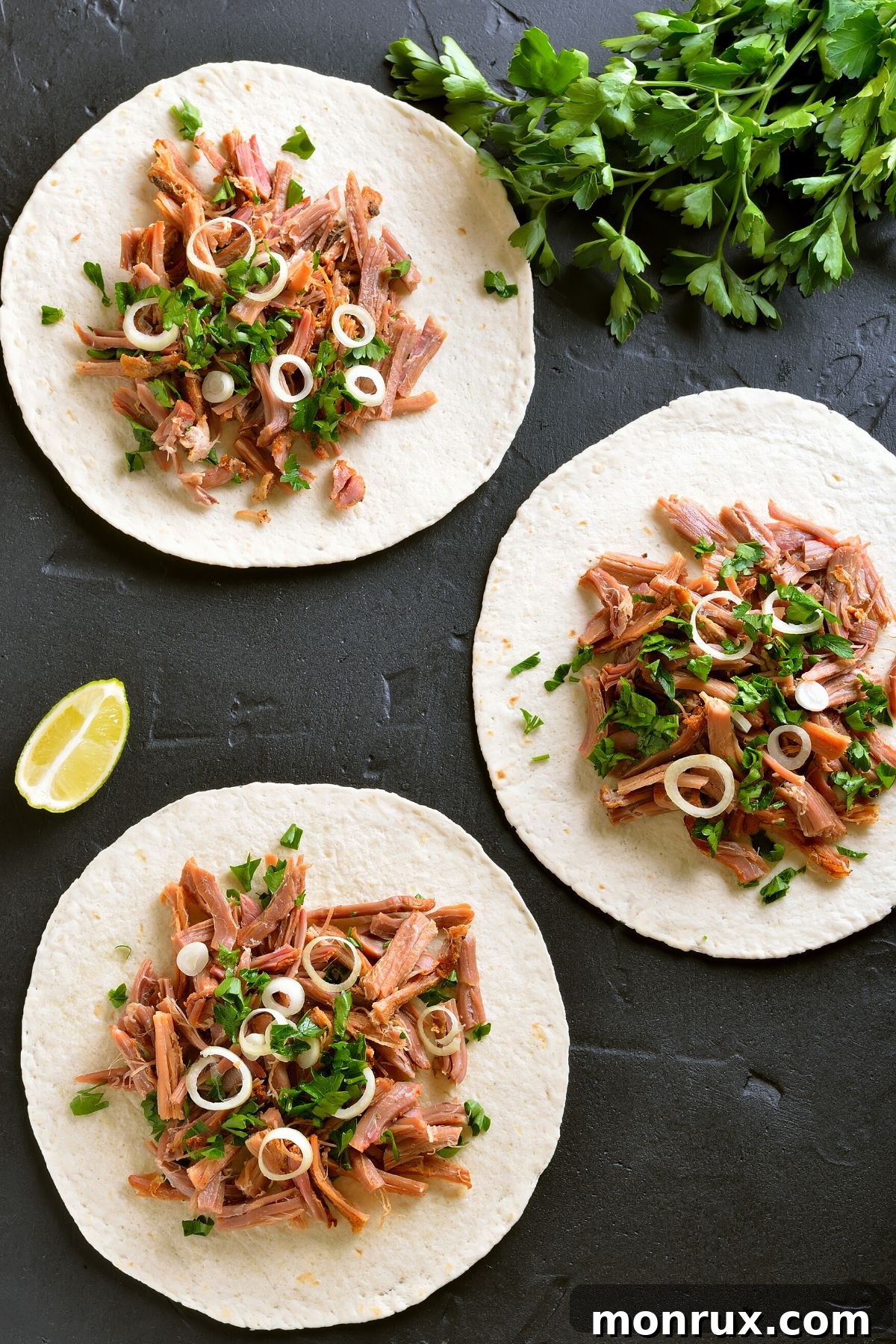
While classic pulled pork sandwiches remain an American staple, its culinary potential extends far beyond. This versatile meat can be incorporated into a myriad of dishes, offering delicious and healthy meal options such as vibrant salads, nutritious buddha bowls, hearty tacos, and even flavorful pasta sauces. One of the most compelling reasons to embrace pulled pork is its incredible utility for meal preparation. Cooking a large batch of pulled pork allows you to effortlessly portion it out for various meals throughout the week, significantly streamlining your cooking efforts and saving valuable time. It’s truly a winner for anyone looking to eat well with minimal daily fuss.
Many culinary enthusiasts prefer preparing pulled pork low and slow on a grill or smoker to achieve that signature smoky flavor. However, it’s equally achievable with minimal hands-on effort using a slow cooker or even a conventional oven. The beauty of these methods lies in their simplicity; they require very little active work, and the long cooking duration ensures the flavors are deeply locked in, while the meat retains its essential nutritional value. This protein-rich, versatile food is a delight to savor, and thanks to its excellent freezing capabilities, you can ensure that not a single delicious morsel ever goes to waste.
Why Freezing Pulled Pork is Your Ultimate Kitchen Hack
Freezing pulled pork isn’t just about preventing food waste; it’s a strategic move for efficient meal planning, budget management, and ensuring you always have a delicious, high-quality protein ready at a moment’s notice. Here’s why embracing this simple freezing technique is a game-changer for your kitchen:
- Maximize Shelf Life and Prevent Waste: Cooked pulled pork, while delicious, only keeps for about 3 to 4 days in the refrigerator. If you’ve made a generous amount – which is often the case with slow-cooked pork shoulder – freezing becomes essential. It safeguards your hard work and investment, ensuring none of that tender meat goes to waste before it can be enjoyed.
- Effortless Meal Prepping: Freezing is the cornerstone of effective meal prepping. Imagine having individually portioned bags of flavorful pulled pork ready to thaw and transform into a quick weeknight dinner. Make a large batch of your favorite pulled pork recipe once, and you’ve unlocked a week’s worth of diverse, ready-to-eat meals, making mid-week cooking an absolute breeze.
- Convenience and Versatility on Demand: By freezing pulled pork in manageable portions, you instantly have a versatile, lean protein readily available. Whether you’re craving tacos, a hearty sandwich, a flavorful topping for a baked potato, or an addition to a soup, it’s there. This accessibility means healthy, home-cooked meals are always within reach, eliminating the temptation for less wholesome alternatives.
- Preserve Flavor and Texture: When frozen correctly, pulled pork maintains its succulent texture and robust flavor. Following a few simple guidelines for packaging and freezing will ensure that when you thaw and reheat it, it tastes as fresh and delicious as the day it was made, with no signs of freezer burn.
Essential Tools for Freezing Pulled Pork Successfully
You don’t need a professional kitchen setup to freeze pulled pork like an expert. A few basic, readily available items are all it takes to ensure your cooked pork stays fresh and delicious in the freezer.
1. Freezer-Safe Resealable Plastic or Silicone Bags
High-quality freezer bags are paramount for protecting your pulled pork from the harsh conditions of the freezer. They are thicker and more durable than standard storage bags, designed to withstand freezing temperatures without becoming brittle or tearing. These bags make it easier to label your frozen food items and offer a crucial barrier against other food items and the drying effects of cold air, which often lead to freezer burn.
- Plastic Freezer Bags: Widely available and cost-effective. Opt for heavy-duty, quart- or gallon-sized bags.
- Reusable Silicone Bags: An eco-friendly alternative. They are durable, dishwasher-safe, and create an excellent airtight seal.
- Vacuum Sealer Bags: For the ultimate protection. A vacuum sealer removes virtually all air from the packaging, providing superior defense against freezer burn and significantly extending storage time.
If you don’t have specialized freezer bags, you can use several layers of standard plastic wrap followed by aluminum foil for additional protection. This method helps create an airtight seal, though it may not be as effective as dedicated freezer bags.
2. Airtight Freezer-Safe Containers
Beyond bags, rigid containers made from plastic or glass can also be used. Ensure they are explicitly labeled as “freezer-safe” to prevent cracking at low temperatures. These are particularly useful for larger portions or if you prefer to avoid plastic bags. Always choose containers with tight-fitting lids to minimize air exposure.
3. Freezer Labels and a Permanent Marker
This simple step is often overlooked but is crucial for an organized freezer. If your freezer holds a variety of items, clear labeling prevents guesswork and ensures you consume your food within its optimal freshness window.
- Freezer Labels: Designed to adhere well in cold conditions and resist moisture.
- Masking Tape and a Marker: A practical and budget-friendly alternative. Masking tape sticks well to most freezer bags and containers, and a permanent marker ensures the writing won’t smudge or fade.
Always label with the contents (e.g., “Pulled Pork”), the date it was frozen, and the portion size. This practice helps with inventory management and ensures a “first-in, first-out” approach to your frozen goods.
Sauce On or Sauce Off? Preparing Pulled Pork for Freezing
The decision of whether to freeze your pulled pork with or without sauce can significantly impact its versatility and future use. While freezing sauced pork is possible, there are compelling reasons why freezing it sauce-free is often the superior choice.
It’s generally best to freeze pulled pork sauce-free. This approach provides maximum versatility for your future meals. When you defrost plain pulled pork, you have the freedom to transform it into virtually any dish by adding a different sauce or seasoning each time. Imagine using one batch of frozen pork for:
- Classic BBQ sandwiches with a tangy barbecue sauce.
- Mexican-inspired tacos or burritos with salsa and spices.
- A hearty chili or stew base.
- A savory topping for baked potatoes with gravy.
This flexibility makes plain pulled pork an invaluable meal prep component, allowing you to adapt it to diverse culinary preferences and recipes without being locked into a single flavor profile.
However, if your pulled pork recipe inherently includes a sauce, such as a barbecue-pulled pork, you’ll be glad to know that it is entirely possible to freeze it that way. The success largely depends on how well your specific sauce freezes. Most vinegar- or tomato-based BBQ sauces freeze well, but creamy or dairy-based sauces might separate or become grainy upon thawing.
Important consideration: Freezing pulled pork without the sauce makes it easier to remove a few pieces or a small portion without disturbing or thawing the entire bag. If the pork is completely coated in a thick sauce, it might freeze into a solid block, making it harder to break off smaller portions and forcing you to thaw a larger amount than intended.

How to Freeze Pulled Pork: A Step-by-Step Guide to Preventing Freezer Burn
Follow these simple yet crucial steps to ensure your pulled pork freezes perfectly, maintaining its juicy tenderness and preventing freezer burn.
Step One: Cool Completely
After cooking, it is absolutely critical to let your cooked pulled pork cool down completely before packaging it for the freezer. Placing hot food directly into the freezer can raise the internal temperature of the freezer, potentially thawing other frozen items and creating an environment ripe for bacterial growth in the hot food itself. Spread the pulled pork out on a large baking sheet or cooling rack to allow air to circulate, facilitating rapid cooling. Aim for room temperature, ideally within two hours, before proceeding to the next step.
Step Two: Portion and Package
Once cooled, divide the pulled pork into desired portions. Think about how you’ll use it later—single servings for individual meals, larger portions for family dinners, or specific amounts for recipes like chili or tacos. Use tongs or a serving spoon to transfer the pork to high-quality resealable freezer bags or other airtight containers. Ziploc freezer bags are a good choice, but a vacuum sealer works exceptionally well for superior long-term storage, as it removes almost all air.
Step Three: Remove Air and Seal
Air is the enemy of frozen food, as it’s the primary cause of freezer burn. For bags, press as much air out of the bags as possible before sealing. You can do this manually, or for an even tighter seal, insert a straw into a small opening before sealing the rest and suck out the remaining air. If using rigid containers, ensure they are filled to minimize air pockets, leaving a small headspace (about half an inch) for any potential expansion during freezing. Once sealed, place the labeled bags or containers in the freezer for long-term storage.
Tip for optimal results: The less excess air in the container or bag, the less risk of freezer burn. Consider double-bagging for an extra layer of protection, especially for longer storage times.
When you’re ready to enjoy, defrost the pulled pork in the refrigerator overnight. Before serving, reheat the internal temperature of the pork to at least 165 degrees F for food safety.
Recipe FAQs: Your Guide to Freezing and Using Pulled Pork
How long does pulled pork keep in the freezer?
For the best quality, taste, and texture, pulled pork can be safely stored in the freezer for up to six months. While it might remain safe to eat for longer periods, the flavor and texture can gradually degrade past this point, leading to a less enjoyable culinary experience. Always aim to use your frozen pork leftovers within six months for optimal results.
How do I know if pulled pork has gone bad?
Trust your senses when checking for spoilage. If you notice a sour, foul, or unusually pungent odor emanating from the pork, it’s a clear indicator that it’s no longer safe to consume. Another tell-tale sign is a significant change in the color of the meat – it might appear grayish, greenish, or develop dark spots that weren’t there before. A slimy or sticky texture is also a warning sign. To prevent spoilage in the freezer, always ensure your freezer is consistently set to 0 degrees F (-18 degrees C) or below.
What’s the best way to defrost pulled pork?
The safest and most recommended method to defrost pulled pork is by leaving it in the refrigerator overnight. Allow approximately five hours of thawing time per pound of pork. This slow, gradual thawing helps maintain its texture and prevents bacterial growth. If you’re in a hurry, you can defrost it more quickly by placing the sealed bag of frozen pork in a bowl and running cold water over it. Change the cold water every 30 minutes until the pork is defrosted enough to be safely reheated in a microwave-safe container or on the stovetop. Avoid using hot water, as this can promote bacterial growth.
How can I use pulled pork that’s been frozen?
The versatility of pulled pork is truly remarkable! Beyond making classic sandwiches, thawed and reheated pulled pork can be used in a vast array of dishes. Get creative and incorporate it into hearty soups and stews, mix it into pasta dishes for a protein boost, top fresh salads, use it as the star in casseroles, or add it to stir-fry dishes. It’s also fantastic for Mexican-inspired meals like pork tacos, burritos, quesadillas, and nachos. Don’t forget, it makes a super tasty pizza topping, especially when paired with some barbecue sauce!
More Delicious Pork Recipes You Might Like
- Baked Pork Meatballs
- Instant Pot Pork Chops and Rice
- Air Fryer Pork Loin
- Air Fryer Pork Chops (No Breading)
Smart Freezer Guides for Every Kitchen
We hope this comprehensive guide empowers you to freeze your pulled pork with confidence! If you try this method, please leave a comment and a starred review below.
And, consider following us on social media to stay connected and discover more kitchen tips and delicious recipes. Find us on Facebook, Pinterest, Instagram, and YouTube!
Print Recipe
How to Freeze Pulled Pork (No Freezer Burn)
★★★★★
5 out of 5 stars from 1 review
If you love to make homemade pulled pork, you’ll often find yourself with a generous amount. This guide shows you exactly how to freeze pulled pork effectively, ensuring no waste and perfect flavor preservation.
- Total Time: 3 hours 30 minutes
- Yield: 6 servings
Ingredients
- 4 pounds pork shoulder, cooked and shredded
Instructions
- Allow the cooked pulled pork to cool down completely to room temperature on your kitchen counter or by spreading it on a baking sheet. This is essential for food safety and preventing ice crystal formation.
- Divide the pulled pork into 1-3 sections or smaller individual portions, depending on your future meal plans.
- Transfer the portions of pulled pork to high-quality resealable plastic freezer bags or airtight freezer-safe containers. Press the bags to remove as much air as possible before sealing. If you have a vacuum sealer, this is the ideal tool for removing air and extending freshness.
- Label the bags or containers clearly with important information: the date you’re freezing them, “Pulled Pork,” and the portion size if you’ve measured it.
- Place the labeled packages in the freezer for long-term storage. For best results, lay bags flat initially until frozen solid, then stack to save space.
Notes
- Always defrost frozen pulled pork safely in the refrigerator overnight before re-heating and serving.
- You can freeze the pulled pork in smaller or larger servings depending on how much you typically need for a single meal or recipe.
- When reheating, add a splash of broth or water to keep the pork moist and prevent it from drying out.
- Author: Carrie Forrest, MPH in Nutrition
- Prep Time: 15 minutes
- Freezing Time: 3 hours (minimum, depends on portion size)
- Cook Time: 15 minutes (reheating time)
- Category: Main Dish
- Method: Freezer
- Cuisine: American
Nutrition
- Serving Size: 3 ounces
- Calories: 143
- Sugar: 12.9 g
- Sodium: 566.1 mg
- Fat: 3.8 g
- Saturated Fat: 1.2 g
- Carbohydrates: 15.9 g
- Fiber: 1 g
- Protein: 11.2 g
- Cholesterol: 29.8 mg
Don’t forget to join my newsletter list to get exclusive clean eating recipes and tips directly to your inbox. The newsletter is 100% free with no spam; you can unsubscribe anytime.
About the Author: Carrie Forrest holds a master’s degree in public health with a specialty in nutrition and is a certified holistic nutritionist. She is a prominent wellness and food blogger, attracting over 5 million annual visitors to her site. Carrie shares an inspiring story of recovery from chronic illness and is deeply passionate about empowering other women to transform their health through wholesome eating. Feel free to send her a message through her contact form.