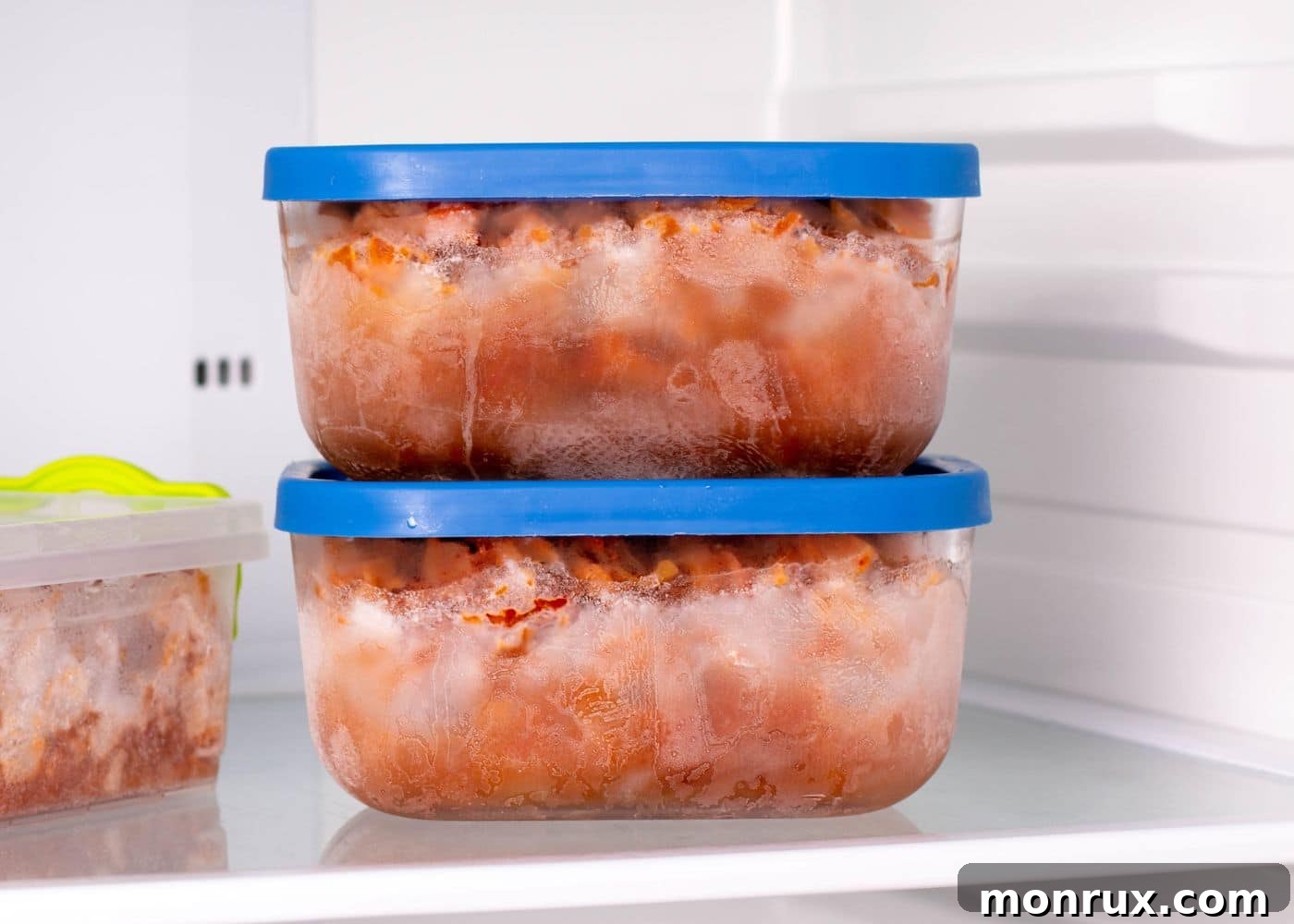
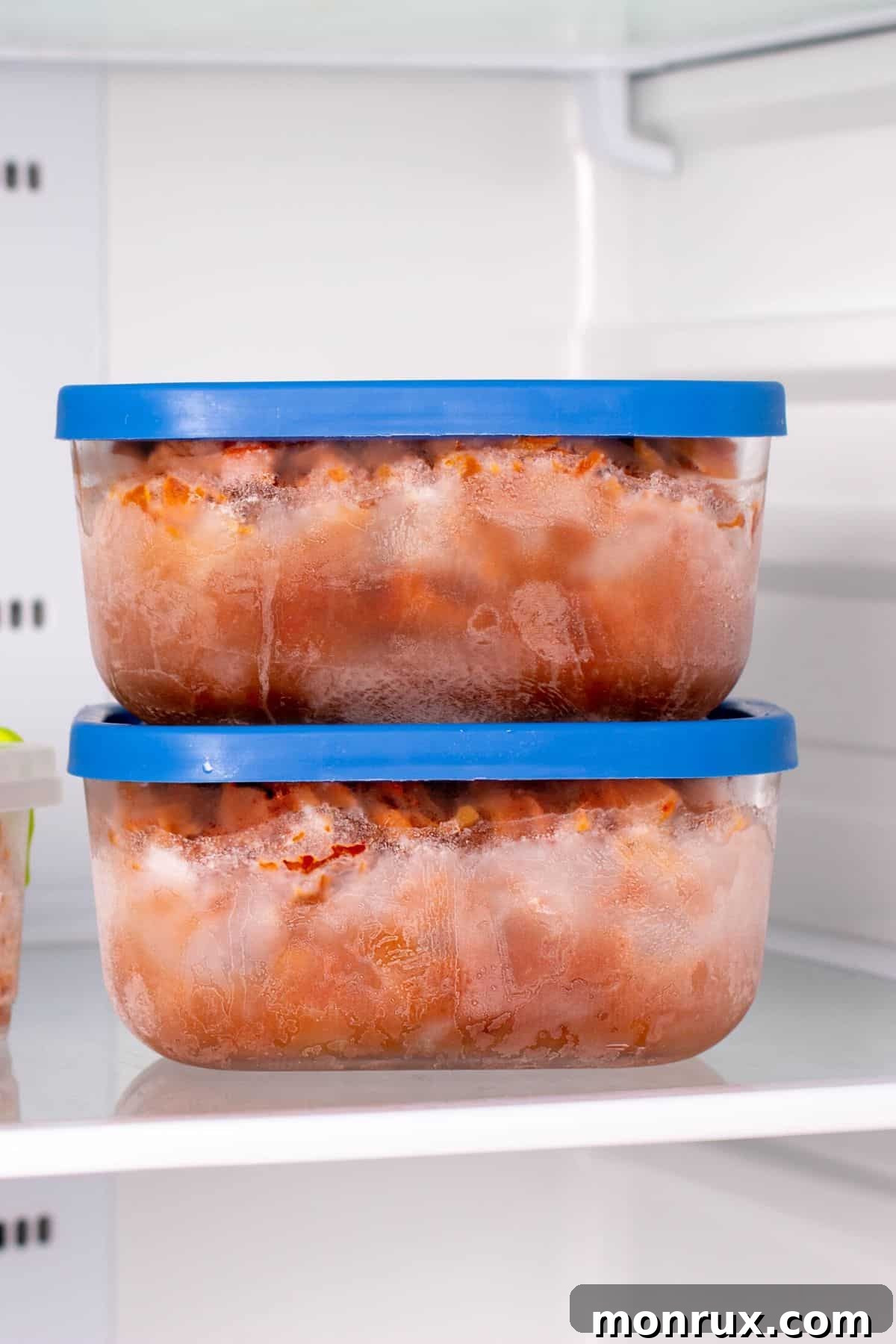
Beef stew is the quintessential comfort food, beloved for its rich flavors and nourishing qualities, especially on chilly days. It’s a versatile dish that can be simmered on the stovetop, baked in the oven, or prepared quickly in a pressure cooker or slowly in a crockpot. However, making a large batch often means you have delicious leftovers. The good news is, beef stew freezes beautifully, allowing you to enjoy this hearty meal whenever hunger strikes without compromising taste or texture. This comprehensive guide will walk you through how to freeze beef stew effectively, ensuring it remains flavorful and free from freezer burn, making meal prep a breeze.
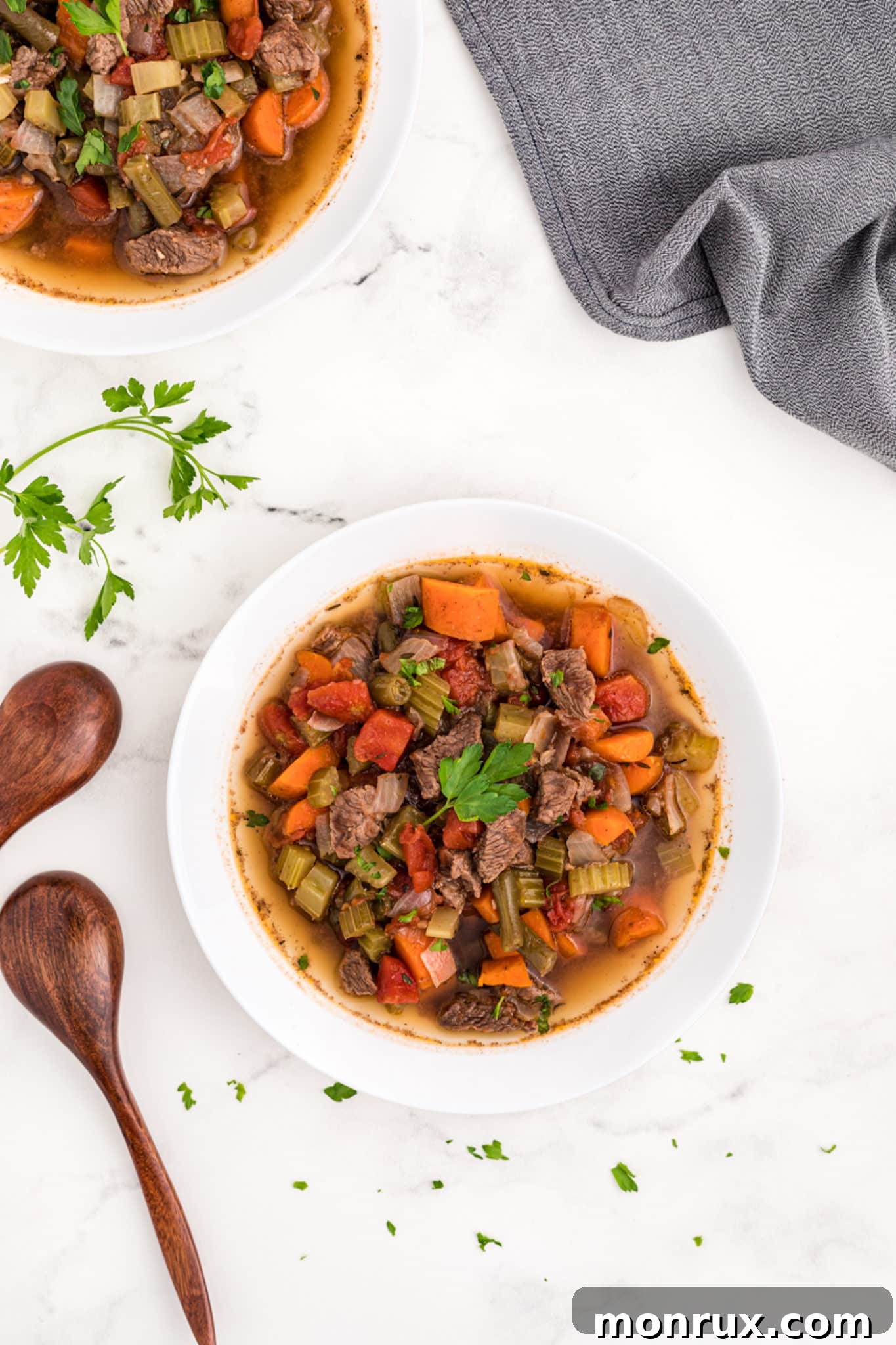
There’s nothing quite like a steaming bowl of beef stew to warm you from the inside out. It’s not just incredibly filling and satisfying, but also packed with nutrients, and its ingredients can be easily customized to suit any palate. Utilizing high-quality ingredients, such as grass-fed beef, can further enhance its nutritional value. Grass-fed beef is known to be rich in vitamins and minerals, supporting muscle growth and overall health. Discover how to source grass-fed beef locally to elevate your stew.
Beyond its nutritional benefits, beef stew offers a fantastic opportunity to incorporate a wide array of vegetables, making it a truly complete and wholesome meal in one pot. Freezing portions of this wholesome dish is an excellent strategy for busy individuals or families looking to streamline their weekly meal planning. Imagine having a gourmet meal ready to thaw and reheat on those hectic weeknights!
Why Freeze Beef Stew?
Most cooked stews are highly freezer-friendly, and beef stew is no exception. Incorporating frozen meals like leftover beef stew into your routine offers incredible convenience, particularly during hectic periods. Having ready-to-go portions of delicious, homemade stew means you can effortlessly pull out a nutritious meal from the freezer, thaw it, reheat it, and serve it with minimal effort.
Homemade beef stew, crafted with wholesome ingredients such as rich beef broth, tender chuck roast, a medley of vegetables, tomatoes, and potatoes, stands out as one of my preferred make-ahead dishes during the colder months. It’s the epitome of classic comfort food. The ability to prepare a substantial batch in advance and store individual portions, or even to double your recipe each time you cook, ensures you always have an extra meal safely tucked away in your freezer for those demanding days when cooking from scratch just isn’t an option. Freezing beef stew not only saves time but also significantly reduces food waste, making it a smart culinary strategy for any household.
Optimal Ingredients for Freezing
While the main ingredient for freezing is the stew itself, it’s important to consider how certain components react to the freezing process. To achieve the best results when freezing beef stew, some strategic adjustments can make a significant difference in texture and flavor upon reheating.
If your intention is to freeze beef stew, it’s generally advisable to avoid thickening it with agents like flour or cornstarch before freezing. These thickeners tend to separate from the liquid when frozen and thawed, leading to a less appealing, sometimes grainy, texture. The ideal approach is to add your preferred thickening agent when you are ready to reheat and serve the stew, ensuring a perfectly smooth and rich consistency.
The same principle applies to potatoes. Although beef stew containing potatoes will still be edible after freezing, potatoes can become mealy or grainy and lose their firm texture once thawed. For a superior eating experience, consider cooking and adding fresh potatoes (or other starchy vegetables like sweet potatoes or pasta) to your reheated stew. This simple tip will preserve the delightful texture and fresh taste of your vegetables, making your frozen stew taste just like it was freshly made.
Essential Equipment for Freezing Stew
Freezing beef stew is a straightforward process that doesn’t require specialized culinary tools. However, having a few key items on hand can significantly streamline the process and ensure your stew is stored optimally for long-term preservation.
Airtight Containers
The cornerstone of successful freezing is proper containment. You’ll need airtight containers to protect your beef stew from freezer burn and absorb freezer odors. Options include durable freezer-friendly plastic containers, freezer-safe glass bowls (ensure they are tempered glass to prevent shattering), or even aluminum foil trays with tight-fitting lids for easy disposal and stacking. For those with limited freezer space, heavy-duty resealable freezer bags are an excellent choice. Simply lay them flat to freeze, then stack them vertically to maximize space.
Freezer Labels
Keeping track of your frozen meals is crucial for efficient meal management and food safety. Investing in freezer labels is a smart move if you freeze food regularly. These labels help you quickly identify the contents and, more importantly, the date it was frozen, ensuring you consume your stew before its quality deteriorates. If dedicated labels aren’t available, a simple piece of masking tape and a permanent marker will do the trick. Always include the name of the dish and the freezing date.
A Kitchen Scale
For precise meal planning and convenient reheating, a kitchen scale is incredibly useful. Freezing pre-weighed portions of beef stew simplifies meal preparation later on. You can measure out single servings, family-sized portions, or even half-meal portions, depending on your needs. This ensures consistency and makes thawing much easier. If a kitchen scale isn’t accessible, you can use measuring cups or simply scoop the stew into bowls to gauge portions before transferring them to airtight containers.
Step-by-Step Guide to Freezing Beef Stew
Freezing beef stew is remarkably simple and doesn’t require any advanced culinary skills. By following these clear and concise steps, you’ll be able to build a convenient supply of delicious, homemade beef stew in your freezer, ready to be thawed, reheated, and enjoyed at your leisure.
Step One: Cool It Down
Once your beef stew is cooked, the first critical step is to cool it down safely and efficiently. Begin by allowing the stew to cool on the kitchen counter at room temperature for no more than one to two hours, until it’s cool enough to handle comfortably. To accelerate the cooling process and prevent bacterial growth, you can divide the stew into smaller, shallow containers. Once it has reached a manageable temperature, transfer it to the refrigerator. Ensure it is thoroughly chilled before proceeding to the next step – ideally, it should be cold to the touch throughout. Never put hot stew directly into the freezer, as this can raise the temperature of the freezer and compromise other frozen foods.
Step Two: Portion and Package
Prepare your chosen airtight containers or foil trays with tight lids. Decide on your desired portion sizes – whether single servings for individual meals, larger portions for family dinners, or even half-meal portions for flexible use. Scoop the chilled beef stew into these containers, leaving approximately half an inch to one inch of headspace from the top. This space is crucial because liquids expand as they freeze, and leaving adequate room prevents containers from cracking or lids from popping off. Ensure you minimize air exposure by pressing down on freezer bags to remove excess air or by filling rigid containers as much as possible.
Step Three: Label and Freeze
Before placing your packaged stew into the freezer, it’s essential to label each container clearly. Write down the contents (e.g., “Beef Stew”), the portion size, and the date it was frozen. This vital step prevents mystery meals and helps you rotate your freezer stock effectively. Once labeled, arrange the containers in your freezer, keeping them level, especially if using bags or less rigid containers, to prevent leakage during the initial freezing phase. Allow the stew to freeze completely, which typically takes several hours or overnight, depending on the volume.
Expert Tips for Freezing and Reheating
- Revitalize with Fresh Herbs: A smart trick to make frozen stew taste freshly prepared is to stir in some vibrant fresh herbs just before serving. Finely chopped flat-leaf parsley or chives add a burst of freshness and aroma that beautifully masks any slight textural or flavor changes from freezing.
- Flavor Development: For the most robust and developed flavors, consider allowing your homemade beef stew to rest in the refrigerator overnight after cooking, before freezing. Stews, like many slow-cooked dishes, often taste even better the next day as the flavors meld and deepen.
- Thickeners and Potatoes: While beef stew freezes remarkably well, remember that thickening agents (like flour or cornstarch) and potatoes can undergo slight textural changes during the freezing and thawing process. For optimal results, if you are specifically cooking stew with the intention of freezing it, omit these ingredients. Instead, add your preferred thickener and freshly cooked potatoes when you reheat the stew, ensuring a perfect consistency and tender vegetables.
- Prevent Freezer Burn: To prevent freezer burn, which can lead to dry, discolored, and flavorless spots, ensure your stew is cooled completely before packaging. Use airtight containers or vacuum-seal bags to eliminate as much air as possible. Wrapping containers in an extra layer of aluminum foil can also provide an additional barrier against air.
- Thawing Strategy: The best way to defrost beef stew is gradually in the refrigerator. Transfer the frozen stew to the fridge 24-48 hours before you plan to eat it. For quicker thawing, you can use a microwave on its defrost setting or gently reheat it from frozen in a saucepan over low heat, stirring frequently.
Beef Stew Freezing FAQs
When properly sealed in an airtight container, beef stew can safely be stored in the freezer for approximately four to six months. While it will remain safe to eat beyond this period, its flavor and texture may begin to degrade after six months. Always label with the date to ensure optimal freshness.
No, dumplings do not freeze well. They tend to lose their firmness and can become mushy or fall apart upon reheating. For the best experience, it’s highly recommended to prepare and cook fresh dumplings separately when you are ready to reheat and serve your beef stew.
The safest and most recommended method for defrosting beef stew is to transfer it from the freezer to the refrigerator overnight (or for 24-48 hours for larger portions). This slow thawing helps maintain the stew’s quality. If you’re short on time, you can defrost it in a saucepan over very low heat on your stovetop, stirring occasionally until thawed and heated through. Alternatively, a microwave can be used on its defrost setting, stirring at intervals to ensure even thawing.
While technically possible, refreezing beef stew is not generally recommended, as it can further diminish the quality, affecting both texture and flavor. If the stew was thawed in the refrigerator and kept cold, it is safer to refreeze, but it should be consumed within three to four days of the original thawing. For optimal quality, only thaw the amount you intend to consume.
Yes, you can absolutely freeze the uncooked components of beef stew. You can combine raw beef cubes, chopped vegetables (excluding potatoes for best results), and broth in a heavy-duty freezer bag. When ready to cook, thaw the ingredients, and then proceed with your favorite stew recipe, adding fresh potatoes during the cooking process. This method is excellent for meal prep, allowing you to quickly assemble a fresh stew later.
Once thawed, reheat beef stew gently on the stovetop over medium-low heat, stirring frequently until it reaches a simmering temperature. Ensure it is heated through to at least 165°F (74°C). If you omitted thickeners or potatoes before freezing, now is the time to add them. Whisk a cornstarch slurry into the simmering stew to thicken, and add pre-cooked or fresh diced potatoes to heat through. A slow cooker can also be used for reheating thawed stew on a low setting for a few hours.
Freezer burn manifests as dry, discolored spots (often grayish-brown) on the surface of the food, where moisture has evaporated due to improper sealing. While freezer-burned stew is still safe to eat, these areas will have a significantly altered texture and taste, often dry and bland. Proper packaging is key to preventing this.
More Comforting Stew Recipes You Might Like
- Crockpot Coconut Chicken Stew
- Venison Stew
- Instant Pot Vegan Stew with Chickpeas
- Vegetable Stew with Potatoes
- Instant Pot Chicken Soup with Potatoes
Explore Other Freezer Guides
Mastering the art of freezing beef stew is a game-changer for anyone looking to enjoy nutritious, homemade meals with minimal fuss. By following these simple yet effective techniques, you can ensure your beef stew retains its rich flavor and desirable texture, making it a perfect make-ahead option for any day of the week. Say goodbye to food waste and hello to convenient, delicious freezer meals!
I hope you find this guide helpful! If you freeze your beef stew using these tips, please leave a comment and a starred review below.
And, consider following me on social media so we can stay connected. I’m on Facebook, Pinterest, Instagram, and YouTube!
Print Recipe
How to Freeze Beef Stew (No Freezer Burn)
5 Stars
4 Stars
3 Stars
2 Stars
1 Star
5 from 2 reviews
Beef stew is a hearty and comforting meal perfect for any occasion, and it can be prepared using various methods like the stovetop, oven, pressure cooker, or slow cooker. If you often find yourself with excess delicious stew and wish to save it for later, this guide is for you. This article provides clear, step-by-step instructions on how to freeze beef stew without freezer burn, preserving its rich flavor and satisfying texture. Enjoy homemade goodness whenever you want!
-
Total Time:
3 hours 45 minutes -
Yield:
3 servings 1x
Ingredients
Units
Scale
- 4 cups prepared beef stew (cooled and without thickeners/potatoes for best freezing results)
Instructions
- Prepare your favorite beef stew recipe. For optimal freezing, consider making it slightly thinner than usual and avoid adding thickeners (like flour or cornstarch) or potatoes at this stage.
- Allow the cooked beef stew to cool completely. First, let it sit on your kitchen counter for no more than 1-2 hours until it’s cool enough to handle. Then, transfer it to the refrigerator to chill thoroughly, ideally overnight, to ensure it is very cold before freezing.
- Gather your airtight freezer-safe containers, sturdy resealable freezer bags, or foil trays with tight lids. Ensure they are clean, dry, and ready for packaging.
- Portion the thoroughly chilled beef stew into the prepared containers. If using a kitchen scale, weigh out individual or family-sized portions for consistency. Remember to leave about 1/2 to 1 inch of headspace at the top of each container to allow for expansion during freezing, preventing cracks or leaks. If using freezer bags, remove as much air as possible before sealing them.
- Label each container clearly with the contents (“Beef Stew”), the portion size, and the date it was frozen. This helps with freezer organization and ensures you consume the stew within its optimal freezer life.
- Carefully place the labeled containers into your freezer, ensuring they remain level until completely frozen (this usually takes 3-6 hours or overnight). Once solid, they can be stacked to maximize space.
Notes
- Avoid Thickeners Before Freezing: Thickeners like cornstarch or flour will separate from the liquid and become grainy once the beef stew freezes and thaws. For the best texture, always add your chosen thickening agent when you are reheating the stew, not before freezing.
- Potatoes and Freezing: Potatoes tend to become soft, watery, and lose their desirable texture after freezing. If your stew recipe includes potatoes, it’s best to omit them before freezing and instead add freshly cooked potatoes or other root vegetables when reheating.
- Boost Flavor with Fresh Herbs: To give your reheated beef stew a fresh-from-the-pot taste, stir in a handful of fresh chopped herbs like parsley, chives, or thyme just before serving. This simple addition can significantly enhance the aroma and flavor.
- Overnight Chill for Deeper Flavor: While you can freeze beef stew as soon as it’s cool enough, allowing it to chill in the refrigerator overnight before freezing often results in a more intensely flavored stew. The flavors have more time to meld and deepen, making it even more delicious upon reheating.
- Prevent Freezer Burn: The key to preventing freezer burn is to minimize air exposure. Use high-quality, airtight containers and remove as much air as possible if using freezer bags. Wrapping containers with an extra layer of foil can also provide added protection.
- Thawing Safely: Always thaw frozen stew in the refrigerator for 24-48 hours. If you need it sooner, use the defrost setting on your microwave or gently heat it from frozen in a saucepan over very low heat, stirring occasionally.
- Author: Carrie Forrest, MPH in Nutrition
- Prep Time: 15 minutes
- Freezing Time: 3 hours
- Category: Main Dish
- Method: freezer
- Cuisine: American
- Diet: Gluten Free
Nutrition
- Serving Size: 1/3 of recipe
- Calories: 259
- Sugar: 4.6 g
- Sodium: 1014 mg
- Fat: 14.5 g
- Saturated Fat: 5.7 g
- Trans Fat:
- Carbohydrates: 20.5 g
- Fiber: 2.4 g
- Protein: 11.5 g
- Cholesterol: 34 mg
Don’t forget to join my newsletter list to get exclusive clean eating recipes and tips. The newsletter is 100% free with no spam; unsubscribe anytime.
About the Author: Carrie Forrest holds a master’s degree in public health with a specialization in nutrition and is a certified holistic nutritionist. She is a prominent wellness and food blogger, attracting over 5 million visitors to her site annually. Carrie shares an inspiring story of recovery from chronic illness and is deeply passionate about empowering other women to transform their health. Feel free to send her a message through her contact form.