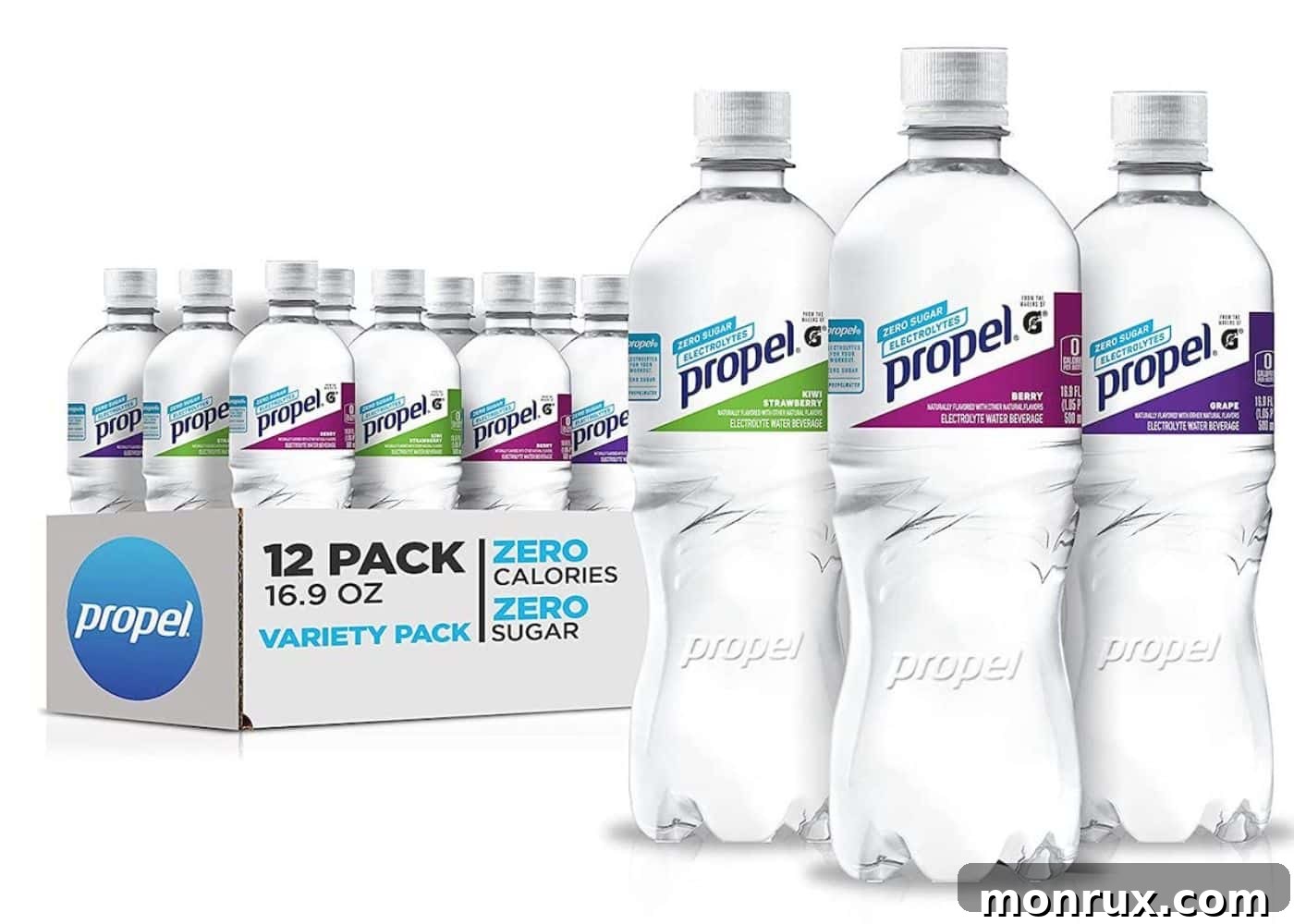
In the vast landscape of hydration options, one name often pops up: Propel Water. Marketed as a fitness water designed to replenish electrolytes, it sits somewhere between plain water and traditional sugary sports drinks. But for the health-conscious consumer, a critical question remains: Is Propel Water truly good or bad for you? This comprehensive article aims to dissect Propel Water, exploring its nutritional profile, scrutinizing its ingredients, and weighing its potential benefits against its drawbacks. We’ll delve into the science behind its components, examine what makes it appealing, and ultimately help you decide if it aligns with your wellness goals. Furthermore, we’ll suggest healthier alternatives for optimal hydration and electrolyte balance.
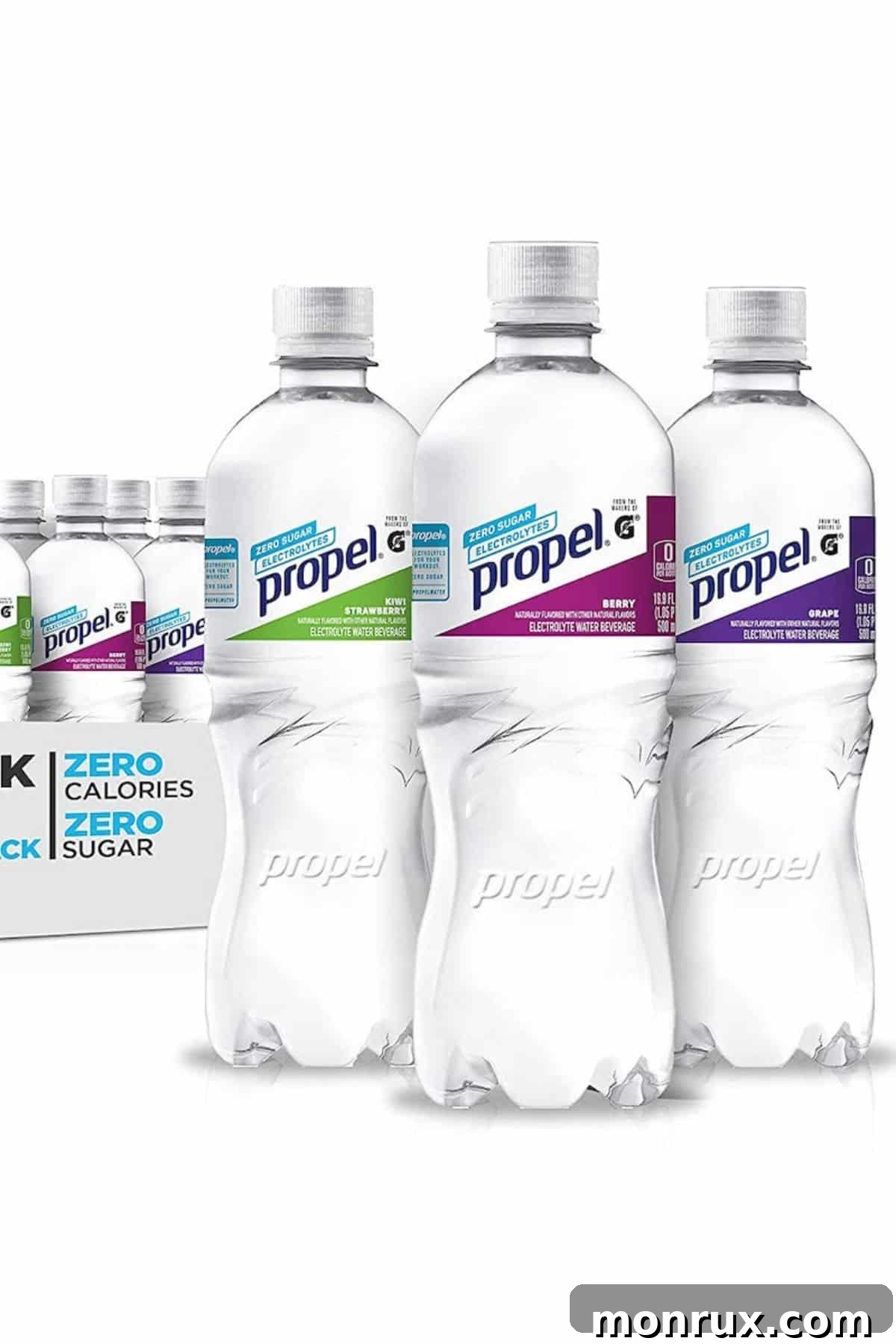
Propel Water Facts
Propel Water is prominently positioned in the market as a lightly flavored sports drink, primarily designed to help individuals, particularly athletes and those engaged in active lifestyles, replenish lost electrolytes. This product is a creation of The Gatorade Company, a subsidiary of PepsiCo, reflecting its heritage in the sports hydration industry. Unlike traditional sugary sports drinks, Propel aims to offer a low-calorie alternative while still delivering essential minerals.
The brand is versatile, offering its product in both convenient liquid bottles and powder sachets, catering to different preferences and needs. Beyond its standard electrolyte line, Propel also features an “immune support” version, suggesting an added health benefit through vitamins and minerals. For those who prefer simplicity, an unflavored option is available, though often exclusively through online retail channels. While the various forms and flavors might seem diverse, a closer look reveals that many of the core ingredients, particularly the additives, remain consistent across the range.
At its foundation, Propel Water contains basic components like purified water and a moderate amount of salt, crucial for electrolyte balance. However, its formulation also includes a list of highly processed and chemically synthesized ingredients. These include sodium hexametaphosphate, potassium sorbate, calcium disodium EDTA, and the artificial sweeteners Acesulfame Potassium and Sucralose. It’s important for consumers to recognize that these additives are laboratory-formulated compounds, not naturally occurring substances, which distinguishes Propel from beverages made solely with whole food ingredients. Understanding these distinctions is key to evaluating Propel’s overall health impact.
Propel Water Ingredients Deep Dive
To truly understand whether Propel Fitness Water aligns with a healthy lifestyle, it’s crucial to examine its ingredient list beyond the appealing marketing claims. Below is a detailed breakdown of typical ingredients found in both unflavored and flavored varieties:
Unflavored Propel Water:
- Water: The primary base for hydration.
- Potassium Sorbate: A common preservative used to inhibit mold and yeast growth.
- Sodium Hexametaphosphate: Added to protect the product’s flavor profile over time.
- Calcium Disodium EDTA: A chelating agent used to protect freshness and prevent spoilage.
Flavored Propel Water (e.g., Berry, Grape, Kiwi Strawberry):
- Water: The foundational hydrating liquid.
- Natural Flavors: Derived from natural sources, but can still be highly processed.
- Citric Acid: Provides tartness and acts as a preservative.
- Sodium Hexametaphosphate: Maintains flavor integrity.
- Potassium Sorbate: Preservative.
- Sodium Citrate: A buffering agent that helps control acidity.
- Sucralose: An artificial, calorie-free sweetener.
- Acesulfame Potassium (Ace-K): Another artificial, calorie-free sweetener, often used in combination with sucralose.
- Calcium Disodium EDTA: Ensures product freshness and stability.
- Vitamin C (Ascorbic Acid): An antioxidant and essential vitamin.
- Vitamin E Acetate: A form of Vitamin E, another antioxidant.
- Niacinamide (Vitamin B3): Essential for energy metabolism.
- Calcium Pantothenate (Vitamin B5): Plays a role in energy production.
- Pyridoxine Hydrochloride (Vitamin B6): Crucial for brain development and function.
It’s worth noting that specific flavors might feature minor ingredient variations. Now, let’s explore some of the more significant and controversial ingredients in detail, allowing you to make an informed decision about Propel Water.
Beyond the primary ingredients, understanding the potential side effects of some additives is paramount for those considering this type of electrolyte drink.
Potassium Sorbate: A Preservative’s Role
Potassium sorbate is an odorless and tasteless chemical compound widely used as a food preservative to extend shelf life by inhibiting the growth of mold, yeast, and fungi. In Propel Water, its purpose is clearly stated: to “preserve freshness.” Regulatory bodies like the U.S. Food and Drug Administration (FDA) classify potassium sorbate as “Generally Recognized As Safe” (GRAS) when used within specified limits. It is also noted that this chemical does not accumulate in the body, being metabolized and excreted without significant retention.
However, while generally considered safe by many, other authoritative bodies, such as the European Food Safety Authority (EFSA), impose strict limits on its acceptable daily intake. This difference in regulation highlights a nuanced perspective on its safety. Beyond regulatory limits, some individuals have reported adverse reactions. Potassium sorbate has been loosely linked to allergic reactions, particularly manifesting as skin irritations or scalp issues in sensitive individuals. A more concerning, though less substantiated, issue is the potential for potassium sorbate to be cross-contaminated with heavy metals like lead, mercury, and arsenic during its manufacturing process. While this is not an inherent property of potassium sorbate itself, it raises questions about sourcing and purity standards within the food industry, prompting health-conscious consumers to exercise caution.
Sodium Hexametaphosphate: Protecting Flavor, Raising Questions
Sodium hexametaphosphate (SHMP) is a complex chemical compound used in a variety of industrial and food applications. In the context of Propel Water, the label indicates its inclusion is to “protect the product’s flavor.” It acts as a sequestrant, binding to metal ions that could otherwise cause flavor degradation or turbidity. While studies have generally indicated its safety when consumed in minimal amounts as a food additive, its widespread use and the potential for larger quantities in processed foods have led to more stringent oversight.
Regulatory bodies globally, including those in the European Union, have established strict guidelines regarding the quantities of sodium hexametaphosphate permitted in food products. These regulations are not arbitrary; they often stem from research indicating potential health risks associated with higher intake. Specifically, some preliminary studies have suggested a potential link between the consumption of large quantities of SHMP and an increased risk of pancreatic cancer. While further extensive research is required to definitively establish this link and understand the mechanisms, it remains a significant concern for many health experts and consumers. Beyond this grave concern, other studies have associated sodium hexametaphosphate with a range of less severe, but still undesirable, health issues. These include allergic reactions, headaches, an increase in kidney size, and even bone decalcification. Such findings underscore the importance of understanding the cumulative effects of consuming multiple additives and question the long-term implications of regularly consuming products containing this chemical.
Acesulfame Potassium: The Bitter-Sweetener Debate
Acesulfame Potassium, often abbreviated as Acesulfame K or Ace-K, is a synthetic artificial sweetener. Discovered in 1967, it’s known for being approximately 200 times sweeter than regular table sugar (sucrose). Despite its intense sweetness, Ace-K often carries an unpleasant, slightly bitter aftertaste. Because of this, food and beverage manufacturers frequently blend it with other artificial sweeteners, such as Aspartame or Sucralose, to mask the bitterness and achieve a more sugar-like flavor profile. This is precisely why it’s found alongside Sucralose in Propel Water.
From a metabolic perspective, Acesulfame Potassium is unique in that it is easily absorbed by the body but not metabolized; instead, it is excreted largely unchanged. This means it contributes zero calories and provides no nutritional benefits. The FDA has approved Acesulfame Potassium as a safe food additive within certain limits. However, this approval is not without controversy. Many independent researchers and health advocates argue that the studies supporting its safety are often industry-funded or too limited in scope to definitively rule out long-term health risks. Concerns persist that prolonged consumption, particularly in combination with other artificial sweeteners, could have unforeseen impacts on human health. Some early studies have even recommended further research to investigate potential health risks, including a debated possibility that it might be carcinogenic due to the presence of methylene chloride, a known carcinogen, in its production process. While not conclusive, these lingering questions contribute to the general skepticism among health-conscious consumers regarding artificial sweeteners.
Sucralose: Artificial Sweetness and Gut Health
Sucralose is another widely used artificial sweetener, perhaps best known by its brand name, Splenda. It is a highly processed compound derived from sugar through a chemical process that replaces three hydrogen-oxygen groups with chlorine atoms. This modification makes sucralose approximately 600 times sweeter than sugar, meaning only a minuscule amount is needed to achieve significant sweetness in drinks and foods. Like Acesulfame K, the human body largely cannot metabolize sucralose, leading to its excretion mostly unchanged, thus contributing zero calories.
Despite its FDA approval as a food additive, a growing body of research and expert opinion points to potential health concerns associated with its consumption. Many individuals dedicated to whole-food nutrition and clean eating actively choose to avoid sucralose due to these controversies. Long-term consumption of sucralose has been linked to a range of potential health problems. Studies suggest it can induce toxicity and inflammation within the body. Paradoxically, despite being calorie-free, some research indicates a correlation between artificial sweetener consumption and an increased risk of obesity and type 2 diabetes, possibly due to their impact on appetite regulation and glucose metabolism.
A significant concern with sucralose is its effect on the gut microbiome. It has been shown to reduce beneficial gut bacteria, which are crucial for digestive health, immune function, and overall well-being. A disrupted gut microbiome can lead to various digestive issues, nutrient malabsorption, and potentially impact mood and mental health. Given these potential implications, if you choose to consume foods and drinks containing sucralose, it is generally recommended to do so in moderation and to avoid long-term, habitual use to mitigate any potential adverse health effects.
Calcium Disodium EDTA: A Chelating Agent in Your Drink
Calcium Disodium EDTA (Ethylenediaminetetraacetic acid) is a food additive primarily used to preserve flavor, color, and texture in packaged foods and beverages. It functions as a chelating agent, meaning it binds to metal ions that can catalyze oxidation reactions, thus preventing rancidity and discoloration. Manufacturers typically create this compound synthetically by combining chemicals such as sodium cyanide, formaldehyde, and ethylene diamine.
In the medical field, Calcium Disodium EDTA has a well-established use as a chelating agent to treat heavy metal poisoning, particularly lead poisoning. In this context, it effectively binds to heavy metals in the body, facilitating their excretion. However, its presence in food raises different questions. While it can bind to harmful metals, it can also chelate essential trace minerals that our bodies need, potentially affecting nutrient absorption. Furthermore, there are concerns about its interactions with certain medications. It may interfere with the absorption or effectiveness of steroids (like cortisone or prednisone), specific antibiotics, blood-thinning medications, and zinc-containing insulin or zinc salts. For sensitive individuals, Calcium Disodium EDTA can trigger digestive distress, headaches, and even contribute to a temporary lowering of blood sugar levels.
Long-term and excessive consumption of this additive can lead to more serious concerns, including toxicity and potential kidney damage. Given its chelating properties and potential for adverse effects, individuals with pre-existing kidney problems are strongly advised to avoid products containing Calcium Disodium EDTA altogether. The complexity of its interaction with bodily systems underscores the importance of minimizing intake of such additives when possible.
Nutrition Pros: The Advantages of Propel Water
Despite the concerns surrounding some of its artificial ingredients, Propel Water does offer several nutritional advantages that appeal to a broad audience, particularly those monitoring their caloric and sugar intake. Here’s a closer look at its positive attributes:
- Zero Calories and No Added Sugar: This is arguably Propel’s most significant selling point. In an era where sugar consumption is a major health concern, Propel provides a flavorful hydration option without contributing to daily caloric intake or impacting blood sugar levels, making it an attractive choice for weight management and for individuals managing diabetes.
- Free from Harmful Fats: Propel Water contains no trans fats, no saturated fats, and no cholesterol, aligning with recommendations for a heart-healthy diet.
- Allergen-Friendly: It is naturally caffeine-free, gluten-free, and dairy-free, and does not contain any of the major allergens, making it suitable for individuals with various dietary restrictions or sensitivities.
- Electrolyte Replenishment: Propel’s primary function is to replenish electrolytes lost through sweat during physical activity. It typically contains potassium and sodium, crucial minerals that help maintain fluid balance, muscle function, and nerve signaling. This can be beneficial during vigorous exercise, especially in hot conditions, preventing dehydration and muscle cramps more effectively than plain water alone.
- Vitamin Fortification: Propel Water is often fortified with a range of vitamins, including Vitamin C (ascorbic acid), Vitamin E, Niacinamide (Vitamin B3), Calcium Pantothenate (Vitamin B5), and Pyridoxine Hydrochloride (Vitamin B6). These B vitamins play vital roles in energy metabolism, while Vitamins C and E are important antioxidants that support overall health and immune function.
- A Healthier Alternative to Sugary Drinks: When compared to high-sugar beverages like sodas, fruit juices with added sugar, or traditional sports drinks loaded with corn syrup, Propel Water can indeed be seen as a healthier choice. Opting for Propel over these sugary options may contribute to a reduction in the risk of heart disease, better blood sugar control, and fewer empty calories.
While Propel Water can serve a purpose in electrolyte replenishment, especially for athletes, it’s worth noting that these benefits can often be achieved through more natural and whole-food based options. For instance, you can easily create your own electrolyte water using simple ingredients like filtered tap water, a pinch of sea salt, and a squeeze of fresh lemon or lime juice. Another excellent natural source of essential electrolytes, particularly potassium, is coconut water. Many consider natural coconut water to be one of the best choices for a caffeine-free, electrolyte-rich sports drink, completely free from artificial sweeteners and chemicals. For a delicious homemade option, consider trying a Coconut Pineapple Water recipe or a refreshing Cucumber Ginger Water.
For those interested in evaluating other popular beverages, you might also find my related blog post, “Is Fresca Good For You?” insightful.
Nutrition Cons: The Drawbacks of Propel Water
While Propel Water presents itself as a health-conscious hydration choice, it comes with several significant drawbacks that warrant careful consideration, particularly for individuals striving for a clean eating lifestyle. The primary concerns revolve around its highly processed nature and its environmental impact:
- Controversial Artificial Ingredients: The most pressing concern lies with the array of artificial sweeteners and chemical additives, such as Sucralose, Acesulfame Potassium, Potassium Sorbate, Sodium Hexametaphosphate, and Calcium Disodium EDTA. As detailed earlier, these compounds are synthesized in laboratories and are not natural food components. While regulatory bodies often deem them “safe” in small quantities, a growing body of scientific literature and health advocacy raises questions about their long-term effects on gut health, metabolism, and overall well-being. Health-conscious individuals often choose to avoid these additives due to potential links to digestive issues, allergic reactions, and the disruption of the gut microbiome.
- Plastic Packaging and Environmental Impact: The vast majority of Propel Water is packaged in single-use plastic bottles. While these bottles are often recyclable, the recycling process itself consumes significant energy and resources, contributing to its own carbon footprint. Moreover, not all plastic bottles are effectively recycled, leading to considerable plastic waste that pollutes oceans, landfills, and ecosystems. The production of plastic from fossil fuels also contributes to greenhouse gas emissions, further impacting climate change. For environmentally conscious consumers, choosing products in plastic packaging, even if recyclable, is a significant ethical and ecological concern.
- Potential Negative Responses to B Vitamins: While B vitamins are generally beneficial, some individuals may experience negative responses, especially if consuming large amounts of fortified drinks like Propel alongside other vitamin supplements or a diet rich in B vitamins. High doses of certain B vitamins, particularly B6, have been associated with nerve damage (neuropathy) in rare cases, although this is more common with supplements than fortified beverages. Excessive intake of multiple B vitamins from various sources could potentially lead to an imbalance or adverse effects, especially with an active lifestyle that might promote higher consumption.
- Caution for Individuals with Kidney Disease: For people with kidney disease or impaired kidney function, electrolyte balance is a critical and delicate issue. Drinks fortified with potassium, such as Propel Water (which contains potassium as an electrolyte), need to be consumed with extreme caution or entirely avoided. Damaged kidneys struggle to excrete excess potassium, leading to a dangerous buildup in the blood (hyperkalemia), which can cause serious heart problems. Patients with kidney conditions should always consult their healthcare provider before consuming any electrolyte or vitamin-fortified beverages.
- Lack of Whole Food Benefits: Unlike natural hydration sources such as fresh fruit juices, herbal teas, or even plain water infused with fruits and vegetables, Propel Water does not offer the complex array of beneficial phytonutrients, enzymes, and fiber found in whole foods. Its benefits are limited to basic hydration and specific electrolyte/vitamin supplementation, without contributing to broader nutritional needs.
Considering these points, consumers must weigh the convenience and targeted benefits of Propel Water against the potential health risks of its artificial ingredients and its environmental footprint. For many, the drawbacks outweigh the perceived advantages, prompting a search for more natural and holistic hydration solutions.
Propel Water Video Review: Visual Insight
Frequently Asked Questions About Propel Water
While Propel Water offers some benefits, such as zero calories, no added sugar, and the replenishment of electrolytes, its overall health profile is contentious. It contains several artificial sweeteners and chemical preservatives (like Sucralose, Acesulfame Potassium, Sodium Hexametaphosphate, and Calcium Disodium EDTA) that many health professionals and consumers advise against consuming regularly due to potential long-term health implications. While it might be a step up from highly sugary sports drinks, it’s not considered a truly “healthy” option by those who prioritize natural, whole-food ingredients. For optimal health and hydration, opting for natural sources or making your own electrolyte drinks is generally a superior choice.
Yes, Propel Water can contribute to hydration. Its primary component is water, and it includes electrolytes like sodium and potassium, which are crucial for maintaining proper fluid balance in the body, especially after sweating during exercise. Therefore, it can be effective in helping to rehydrate and restore electrolyte levels. However, it’s important to remember that while it aids hydration, it also introduces artificial ingredients into your system. Plain water remains the best and most natural hydrator for most daily needs, and for intense activity, natural electrolyte sources or homemade sports drinks are often preferred alternatives.
Propel Water is often marketed as a diet-friendly beverage because it contains zero calories and no added sugar. This makes it an appealing choice for individuals looking to reduce their calorie intake while still enjoying a flavored drink. However, the presence of artificial sweeteners like Sucralose and Acesulfame Potassium complicates its role in dieting. Some research suggests that artificial sweeteners, despite being calorie-free, may paradoxically interfere with weight loss efforts. They can potentially alter gut bacteria, increase cravings for sweet foods, and affect glucose metabolism, possibly leading to weight gain over time or making it harder to manage appetite. Therefore, while it lacks calories, its impact on dieting is not as straightforward as it might seem, and individuals focused on sustainable weight management may find better options.
While there are no specific, strong health warnings that prohibit children from drinking Propel Water, it is generally recommended to exercise caution. Children’s bodies are still developing, and their systems can be more sensitive to artificial ingredients. Propel Water contains several synthetic chemicals and artificial sweeteners which, as discussed, may have potential adverse health effects or disrupt a healthy gut microbiome. For active children needing hydration and electrolyte replenishment, plain water is almost always the best option. For prolonged, intense activity, natural alternatives like diluted fruit juice, coconut water, or homemade electrolyte drinks (using a pinch of salt and a little honey or fruit) are healthier choices than relying on processed beverages with artificial additives.
Explore Other Hydration and Energy Drink Reviews
Conclusion: Making an Informed Hydration Choice
In summary, Propel Water occupies a unique space in the beverage market, offering a low-calorie, sugar-free alternative for electrolyte replenishment. It contains beneficial electrolytes like sodium and potassium, alongside several B vitamins and Vitamin C and E, making it a potentially better choice than sugary sodas or traditional high-sugar sports drinks. Its freedom from trans fats, added sugar, caffeine, gluten, and dairy further enhances its appeal to certain dietary preferences.
However, a thorough review reveals significant concerns that prospective consumers should not overlook. The presence of multiple artificial sweeteners (Sucralose, Acesulfame Potassium) and synthetic chemical additives (Potassium Sorbate, Sodium Hexametaphosphate, Calcium Disodium EDTA) casts a shadow on its “healthy” image. These ingredients, while often deemed safe by regulatory bodies in limited amounts, have been linked to potential disruptions in gut health, metabolic issues, and other adverse effects in various studies. For health-conscious individuals committed to clean eating, these processed components are a major deterrent. Additionally, the widespread use of single-use plastic packaging raises environmental sustainability concerns.
Therefore, while Propel Water might serve as an occasional option for intense physical activity where immediate electrolyte replacement is prioritized, it should not be considered a staple for daily hydration or general wellness. For most people and most hydration needs, simpler, more natural alternatives are overwhelmingly superior. Plain filtered water is always the gold standard. For electrolyte replenishment, consider natural options like coconut water, fruit-infused waters, or readily homemade sports drinks utilizing natural ingredients like a pinch of sea salt, lemon juice, and a touch of raw honey or maple syrup. Making these choices allows you to maintain optimal hydration and electrolyte balance without introducing potentially harmful artificial chemicals into your body.
If you do choose to consume Propel Water, do so with an understanding of its ingredients and in strict moderation, especially avoiding long-term, habitual use. Your body deserves the cleanest and most natural fuel possible.
Don’t forget to join my newsletter list to get exclusive clean eating recipes and tips. The newsletter is 100% free with no spam; unsubscribe anytime.
About the Author: Carrie Forrest has a master’s degree in public health with a specialty in nutrition and is a certified holistic nutritionist. She is a top wellness and food blogger with over 5 million annual visitors to her site. Carrie has an incredible story of recovery from chronic illness and is passionate about helping other women transform their health. Send her a message through her contact form.
Note: this post is for informational purposes only and is not intended as medical advice. Please consult your healthcare provider for recommendations related to your individual situation.