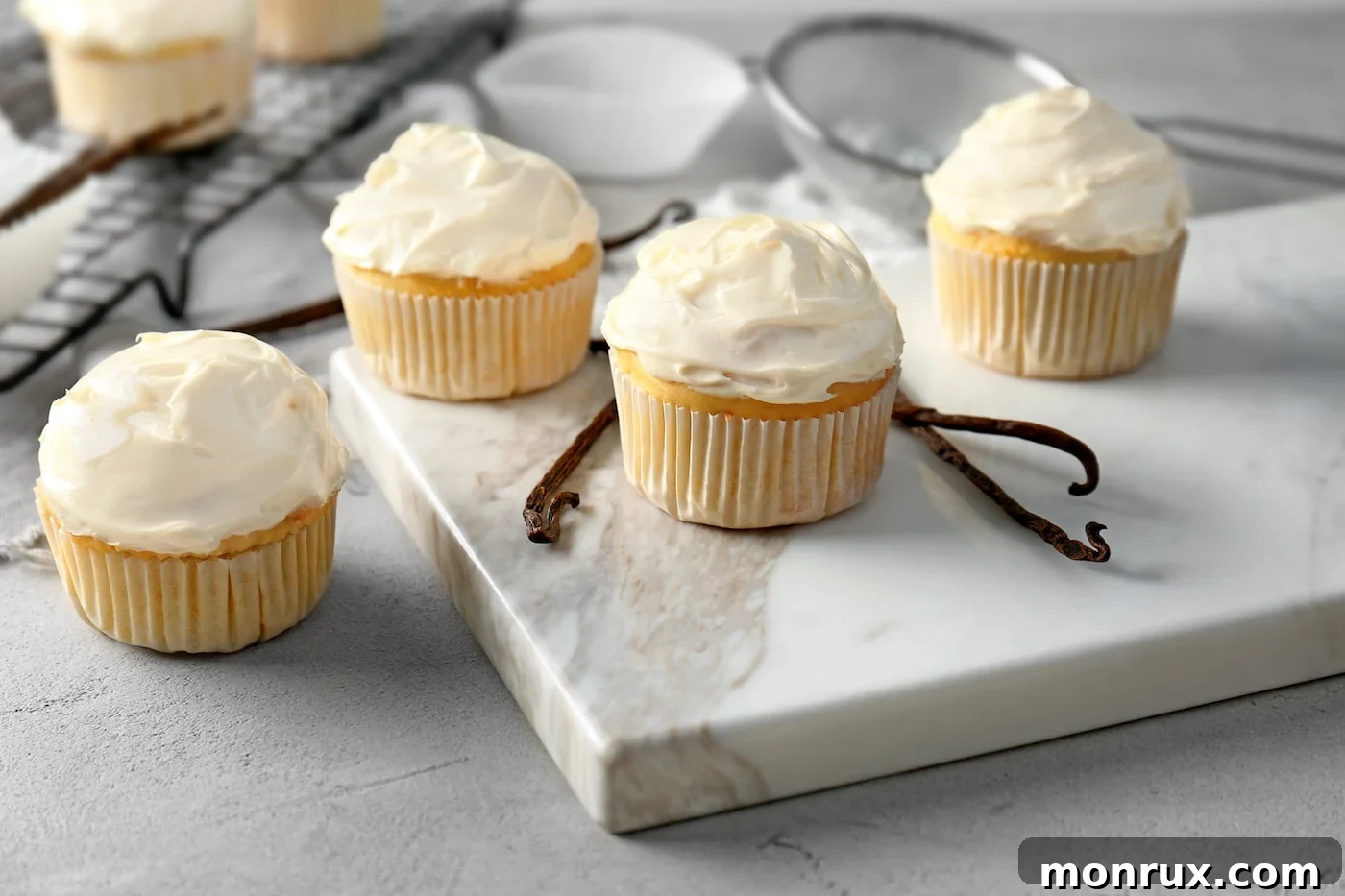
Even if you’re navigating the complexities of a restricted diet, you absolutely don’t have to forgo the simple pleasure of a beautifully baked cupcake. Enter our exceptional recipe for Gluten-Free and Dairy-Free Vanilla Cupcakes – a delightful revelation that proves healthy can be incredibly delicious. These cupcakes aren’t just easy to make; they’re also thoughtfully crafted to be oil-free and contain significantly less sugar than traditional recipes. Prepare to be whisked away to cupcake heaven with every light, fluffy bite!
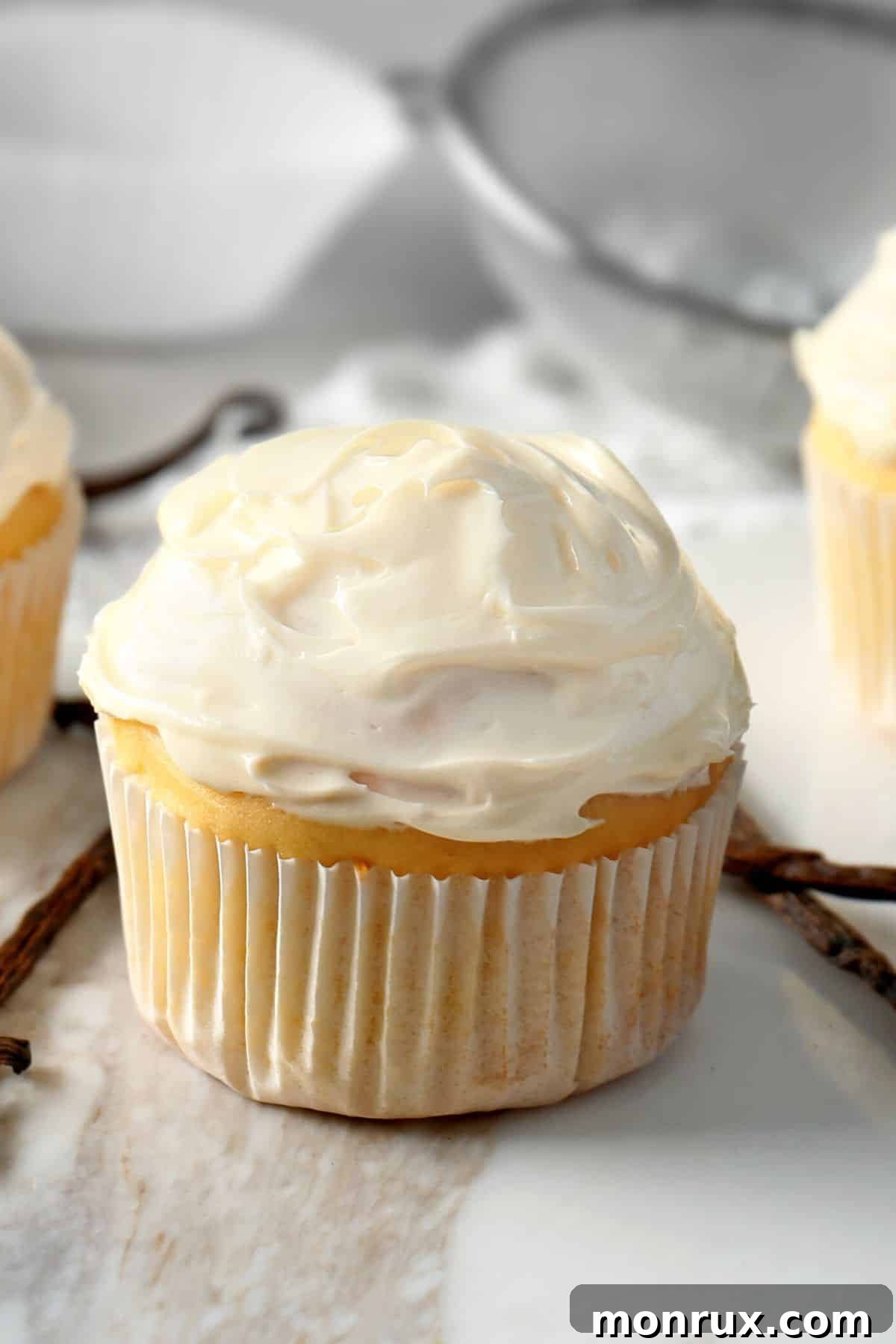
Who can resist the allure of a perfectly baked cupcake? They are, without a doubt, the quintessential single-serving dessert, offering a burst of joy in every bite. Today, we’re thrilled to share what we believe is the ultimate cupcake recipe, meticulously developed to yield exceptionally fluffy, moist, and soft cupcakes with just the right balance of sweetness. The best part? They are entirely gluten-free and dairy-free, making them suitable for a wide range of dietary needs without sacrificing flavor or texture.
Beyond the marvelous cake itself, this recipe includes a smooth and creamy frosting that requires only four simple ingredients. This versatile frosting is perfect for elegant piping designs or can be generously slathered onto the cupcakes, ready to be adorned with sprinkles, chocolate chips, or any other festive decorations you desire. The true magic lies in how genuinely tasty and wonderfully fluffy these vanilla cupcakes are; you and your guests will be amazed that they accommodate dietary restrictions. Discover more of our favorite allergy-friendly dessert recipes here.
Why You Need This Recipe: The Ultimate Allergy-Friendly Treat
In today’s diverse world, dietary needs are more varied than ever. This recipe isn’t just another cupcake; it’s a solution, a celebration, and a testament to inclusive baking. Here’s why these gluten-free and dairy-free vanilla cupcakes will become your new go-to:
- Accommodates Diverse Dietary Needs: Whether you have friends or family members who are vegan, gluten-free, or dairy-free, this recipe is incredibly versatile and suitable for many different dietary requirements. It means less stress about accommodating everyone at parties, gatherings, or simply for a sweet treat at home. No more baking separate batches – everyone can enjoy the same delightful dessert, fostering a sense of inclusion and shared enjoyment.
- A Healthier Indulgence: We believe treats should be enjoyed without guilt. These cupcakes contain significantly less sugar than most traditional cupcake recipes, offering a healthier alternative without compromising on taste. The reduced sugar content contributes to a more balanced diet while still providing that satisfying sweetness. Furthermore, they are oil-free, utilizing the natural fats in full-fat coconut milk to achieve their moist texture, reducing unnecessary added oils in your diet and supporting a lighter, cleaner eating approach.
- Quick, Easy, and Versatile: This is a straightforward recipe that doesn’t demand hours in the kitchen. Its quick preparation and baking time make it perfect for busy parents preparing for kids’ birthday parties, office potlucks, or an impromptu craving for something sweet. The simple yet elegant vanilla flavor also serves as a fantastic base for endless customization, allowing you to get creative with toppings and themes for any event, from a casual afternoon tea to a special celebration.
Essential Equipment for Baking These Delicious Cupcakes
Good baking starts with the right tools. While you don’t need a professional kitchen, having a few basic pieces of equipment will make the process smoother and more enjoyable. Most home kitchens are already equipped with everything necessary, but even if you’re missing an item or two, we offer practical substitutes.
1. Mixing Bowls
For this recipe, you’ll need one large mixing bowl for your dry ingredients and two medium-sized bowls for your wet ingredients and frosting. Having separate bowls helps to ensure proper mixing and allows for the precise combination of ingredients, which is key in baking. The methodical approach of combining wet and dry components separately before integrating them helps in achieving the ideal batter consistency. Any material will do, whether you prefer plastic, glass, or stainless steel, as long as they are clean and appropriately sized.
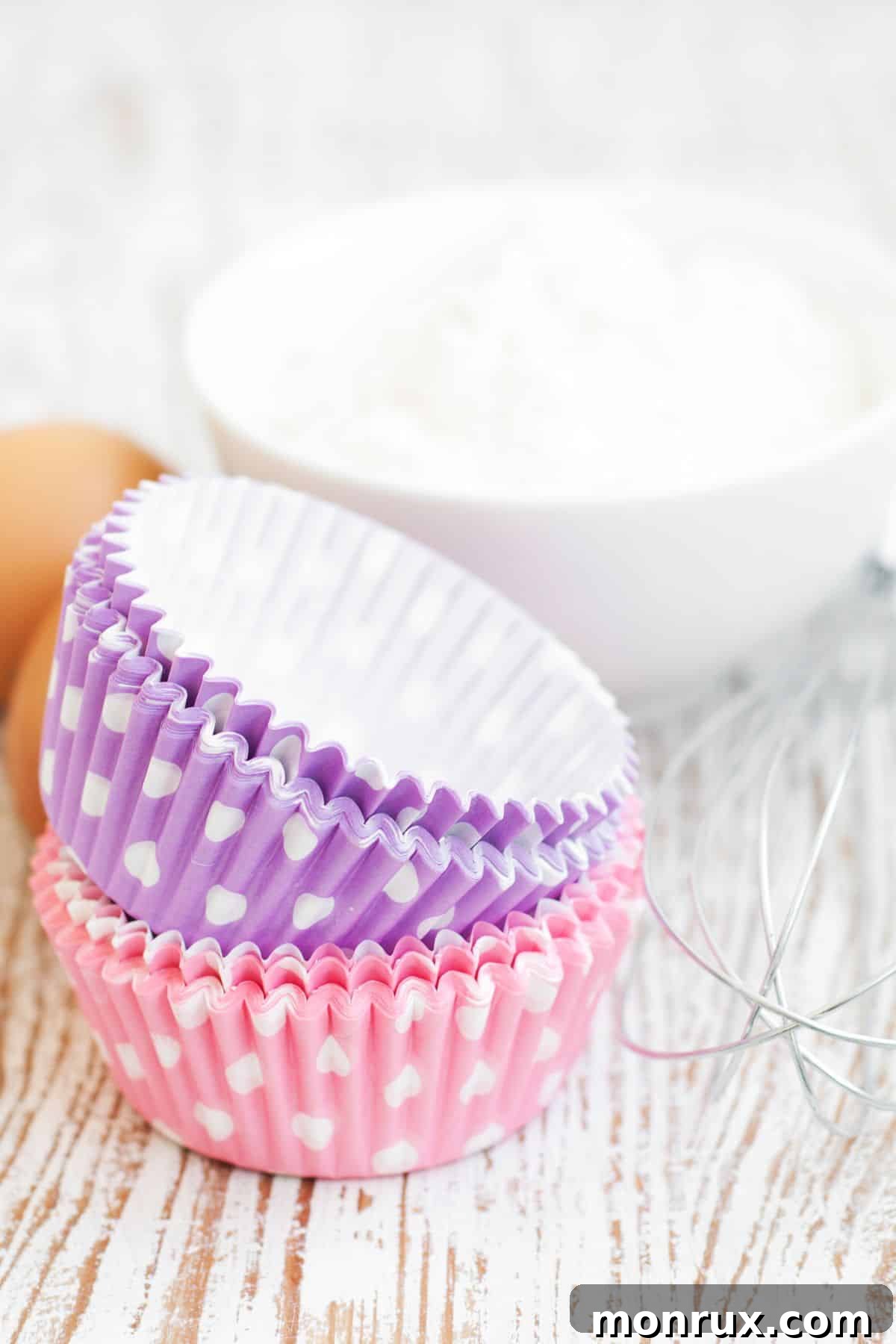
2. Parchment Paper Muffin Liners
Muffin or cupcake liners are essential for easy removal and presentation, making your cupcakes look professionally baked and easy to serve. You can use any type of muffin liners, whether they are traditional paper, free-standing baking cups, or even small ramekins for a more rustic look. If you find yourself craving cupcakes but are out of liners, don’t despair! You can always grease your muffin pan the old-fashioned way. Simply use dairy-free butter, coconut oil, or a cooking spray to coat each cup thoroughly, ensuring a non-stick surface for your baked goods.
Pro Tip: For eco-conscious bakers or those who bake frequently, investing in reusable silicone muffin cups is a fantastic idea. They are non-stick, easy to clean, and eliminate the need for disposable liners, ensuring you’re always ready to whip up a batch of these delicious cupcakes without an extra trip to the store. Their flexibility also makes cupcake removal effortless.
3. Muffin Pan or Cupcake Tin
Even when using muffin liners, a sturdy muffin pan or cupcake tin is invaluable. It provides the structural support needed to prevent your liners from collapsing under the weight of the batter, saving you from a potentially gooey mess in your oven and ensuring perfectly shaped cupcakes every time. The uniform heat distribution of a metal pan also contributes to even baking and browning. While this batter is not extremely runny, a pan guarantees consistency and prevents any accidental spills.
If a muffin pan isn’t available, you could technically use a baking sheet. However, you would need to ensure your muffin liners are exceptionally sturdy, double up on them for added strength, or use free-standing baking cups or silicone muffin cups to maintain their shape during baking. A muffin pan is highly recommended for the best results and least hassle.
4. Electric Hand Mixer
For achieving that wonderfully smooth and creamy frosting, an electric hand mixer is highly recommended. The powerful motor and rotating beaters quickly incorporate air into the vegan butter and powdered sugar, resulting in a light, airy, and truly decadent frosting texture. While a hand whisk *could* technically work, it would require significant time and effort to reach the desired light and airy consistency, and you might not achieve the same level of fluffiness. An electric mixer makes this step quick, easy, and ensures a superior frosting texture every time.
5. Whisk
For combining your dry and wet ingredients for the cupcake batter, a simple hand whisk is actually preferable over an electric mixer. This helps to prevent overbeating the batter, which can activate any residual gluten in gluten-free flour blends (even 1-to-1 blends can become dense if overmixed) or simply develop too much elasticity, leading to tough or chewy cupcakes. Gentle whisking ensures a light and tender crumb by just bringing the ingredients together. Its simplicity is an advantage here.
Key Ingredients and Smart Substitutions for Perfect Cupcakes
These cupcakes are crafted for perfection, and while we encourage sticking to the recipe for the best results, we also understand the need for flexibility. Here’s a detailed look at the ingredients, why they’re chosen, and what viable substitutes exist, helping you understand the role each component plays in achieving cupcake bliss.
Choosing the Right Gluten-Free Flour Blend
The foundation of any good gluten-free bake is a high-quality gluten-free flour blend. Unlike single-source gluten-free flours (like almond or oat flour), a blend provides a balanced combination of structure, moisture, and texture. If you already have a favorite gluten-free flour blend, feel free to use it. Generally, a good all-purpose gluten-free baking flour will contain a combination of lighter flours like brown rice flour, white rice flour, sorghum flour, or chickpea flour, blended with starches such as potato starch and tapioca starch. Importantly, most commercial blends also include xanthan gum to provide the elasticity and structure often missing in gluten-free baking, mimicking the role of gluten.
Our top recommendation and go-to for consistent baking results is Bob’s Red Mill 1-to-1 Gluten-Free Baking Flour. Its balanced composition and included xanthan gum ensure a lovely texture that closely mimics traditional wheat flour recipes, making it ideal for a seamless transition to gluten-free baking.
Your Sweetener Choice: Pure Cane Sugar and Alternatives
While you can use any granulated sugar for the cupcake batter, we highly recommend pure cane sugar. It contributes significantly to the classic vanilla flavor and helps maintain the light, delicate color of these cupcakes, which is often expected from a vanilla treat. Darker sugars, such as brown sugar or muscovado, will almost certainly alter both the color (making them darker) and the nuanced flavor profile of your finished cupcakes, introducing caramel or molasses notes.
We’ve had success using coconut sugar, which offers a slightly caramel note and is a popular unrefined sugar alternative, and raw sugar also performed adequately, yielding a slightly coarser crumb. However, for that quintessential, bright vanilla cupcake experience with a clean finish, pure cane sugar remains the superior choice.
The Science of Rise: Baking Powder and Baking Soda
Baking is truly a fascinating blend of art and chemistry, and your leavening agents are crucial for a light, airy crumb. Baking powder and baking soda work in tandem to create the necessary lift. When purchasing baking powder, always ensure it is aluminum-free and certified gluten-free, as some brands may contain hidden gluten ingredients or off-flavors from aluminum. Freshness is also key; old leavening agents lose their potency.
If you find yourself without baking powder, a reliable substitute can be made by combining ¼ teaspoon of baking soda with ½ teaspoon of cream of tartar for every teaspoon of baking powder required. This combination creates its own chemical reaction similar to double-acting baking powder. Do not attempt other substitutes, as they may not react correctly with the other ingredients in this specific recipe and could lead to dense or flat cupcakes.
The Secret to Moisture: Full-Fat Coconut Milk
This is arguably the most critical ingredient for achieving the perfect moist and tender texture in these cupcakes, and it is not substitutable. Full-fat coconut milk provides the richness and creamy consistency that mimics dairy, imparting an incredible softness and fluffiness to your cupcakes. Its high-fat content is essential for a moist crumb in the absence of traditional dairy fats and added oils. Using other types of milk, such as almond milk, rice milk, or even lighter coconut milk varieties, will drastically alter the texture, potentially resulting in drier, denser, or chewier cupcakes.
When selecting your coconut milk, opt for pure, full-fat canned coconut milk without added stabilizers, sweeteners, or other additives. Always shake the can well before opening to ensure the fat and water are fully emulsified, leading to a consistent product. Do not use coconut beverage from a carton, which is typically much thinner.
Natural Sweeteners: Maple Syrup and Its Alternatives
Maple syrup adds a delicate sweetness and subtle depth of flavor to the cupcakes, contributing to their overall complexity. Its liquid form also adds moisture to the batter. If pure maple syrup isn’t available, you can successfully use other liquid sweeteners like honey or agave nectar. While these will impart a slightly different flavor profile (honey has a distinct floral note, agave is more neutral), the cupcakes will still be wonderfully delicious and maintain their intended sweetness and moistness.
Vanilla Extract: Pure vs. Essence
For the best flavor, always opt for pure vanilla extract. Made by soaking vanilla beans in alcohol, pure vanilla extract develops a rich, complex, and nuanced flavor that is unmatched. Vanilla essence, a more processed product, often contains artificial flavors and colors and synthetic vanillin, which simply can’t replicate the authentic, deep notes of natural vanilla extract. In a recipe where vanilla is the primary flavor, the quality of your vanilla truly makes a significant difference in the final taste of your cupcakes.
Apple Cider Vinegar: A Baking Chemistry Essential
Beyond flavor, apple cider vinegar plays a vital role in the chemistry of these cupcakes. It acts as an acidic agent that reacts with the baking soda (an alkaline ingredient) to create carbon dioxide gas. This gas forms bubbles, which expand during baking, acting as a leavening agent. This reaction helps the cupcakes rise beautifully and develop a tender, open crumb, contributing to their desirable fluffy texture. This acidic component is crucial for achieving the desired lightness and activation of the baking soda.
If apple cider vinegar isn’t in your pantry, don’t worry. White wine vinegar or unseasoned rice wine vinegar can be used as effective substitutes without drastically altering the flavor profile of the cupcakes, as their acidity levels are comparable. For a comprehensive guide on alternatives, check out our full list of the best substitutes for apple cider vinegar in baking.
Creamy Vegan Butter for a Perfect Frosting
For the luscious frosting, a good quality vegan butter is essential. Look for a brand that is known for its creamy texture, pleasant, unsalted flavor, and ability to hold its shape when whipped. Many excellent vegan butter options are available in stick form (ideal for baking and frosting where consistency is key) or tubs in the refrigerator section of most grocery stores. Choose a brand you enjoy, as its flavor will be prominent in the frosting. Ensure it is softened to room temperature before use for easy creaming and a smooth texture.
Powdered Sugar for a Smooth Frosting Finish
This is the only suitable sugar for this frosting recipe. Powdered sugar (also known as confectioners’ sugar or icing sugar) is finely ground and often contains a small amount of cornstarch to prevent caking. This fine texture is crucial because it dissolves easily into the vegan butter, providing the smooth, melt-in-your-mouth consistency that is characteristic of a perfect cupcake frosting. Granulated sugar, even finely ground, will result in a grainy, unpleasant texture that will detract from the frosting’s appeal. Ensure it’s packed and leveled for accurate measurement to achieve the correct sweetness and consistency.
Step-by-Step Cupcake Baking Guide
Follow these simple steps to create your own batch of irresistible gluten-free and dairy-free vanilla cupcakes, ensuring a smooth and successful baking experience from start to finish:
Step One: Prepare Your Oven and Pan
Preheat your oven to 350°F (175°C). This ensures the oven is at the correct temperature when your cupcakes go in, promoting an even rise. Line a 12-cup muffin tin with your chosen cupcake liners. Properly lining the tin prevents sticking and makes for easy cleanup and presentation. If using paper liners, ensure they sit snugly in the muffin cups.
Step Two: Combine Dry and Wet Ingredients Separately
In a large mixing bowl, combine all the dry ingredients: gluten-free flour, pure cane sugar, baking powder, baking soda, and sea salt. Whisk them thoroughly for about 30 seconds to ensure they are well combined and evenly distributed. This prevents pockets of leavening agents. In a separate, smaller bowl, vigorously shake the can of full-fat coconut milk to combine the creamy and watery parts, then measure out one cup. Whisk in the maple syrup, vanilla extract, and apple cider vinegar until well blended. Remember to set aside some coconut milk for your frosting later.
Step Three: Gently Combine Wet and Dry Ingredients
Gradually pour the liquid ingredients from the smaller bowl into the larger bowl containing the dry ingredients. As you pour, gently whisk everything together until just combined. Be careful not to overmix the batter; over-whisking gluten-free batters can lead to a dense, tough, or chewy texture. The batter should be smooth and free of large lumps, with a consistency that is scoopable but not overly thick or runny. A few small lumps are perfectly fine and will dissipate during baking.
Step Four: Fill Liners and Bake
Divide the batter evenly among the 12 prepared cupcake liners. A cookie scoop or an ice cream scoop can be a very useful tool for this, ensuring consistent portion sizes and uniform baking. Each liner should be filled approximately halfway or two-thirds full to allow for proper rising without overflowing. Gently jiggle the muffin pan from side to side a couple of times on the counter to settle the batter and release any trapped air bubbles. Bake for 15-20 minutes, or until a wooden toothpick inserted into the center of a cupcake comes out clean and dry. Baking times can vary, so keep an eye on them.
Step Five: Prepare Frosting and Cool Completely
While your cupcakes are baking and beginning to cool, prepare the creamy frosting. In a clean mixing bowl, use an electric hand mixer to cream the softened vegan butter until it is light and fluffy, usually for 1-2 minutes. Gradually add the powdered sugar, vanilla extract, and one tablespoon of full-fat coconut milk. Beat on low speed until all ingredients are combined and no dry streaks remain. Then, increase the speed to medium-high and continue beating until the frosting is light, smooth, and spreadable. If the frosting appears too thick or stiff, add the remaining tablespoon of coconut milk slowly, a little at a time, while beating on low speed until the desired consistency is achieved. Always add liquid sparingly.
Allow the cupcakes to cool completely on a wire rack before you begin frosting them. Frosting warm cupcakes will cause the frosting to melt and slide off. Once cooled, decorate as desired with sprinkles, zest, edible glitter, or fresh fruit. Enjoy these delightful gluten-free, dairy-free, and vegan vanilla cupcakes at room temperature or chilled! We are confident you, your family, and friends will love them as much as ours do, proving that dietary restrictions don’t mean sacrificing deliciousness!
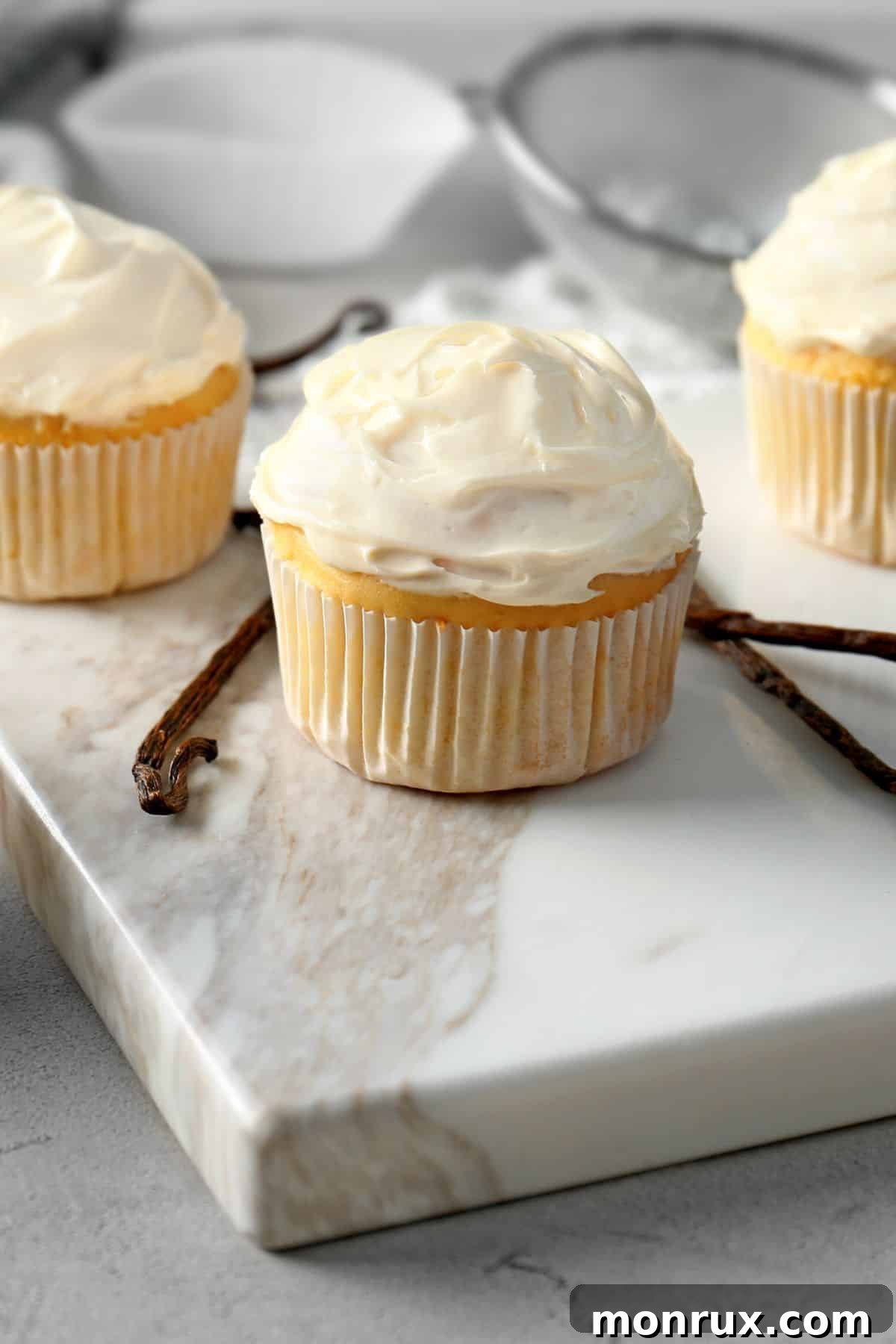
Frequently Asked Questions About These Gluten-Free & Dairy-Free Cupcakes
Will the coconut milk make the cupcakes taste like coconut?
This is a common concern, but rest assured, the full-fat coconut milk will not make these cupcakes taste like coconut! It is used primarily for its rich moisture and fat content, which is crucial for making these cupcakes incredibly fluffy, tender, and moist in the absence of traditional dairy fats and added oils. The sweetness from the sugar and the prominent vanilla flavor completely overshadow any subtle coconut taste. Most people won’t even detect a hint of coconut. If you actually desire a coconut flavor, you can easily achieve it by using coconut extract instead of vanilla extract and stirring two tablespoons of unsweetened desiccated coconut into the frosting for an extra tropical touch.
Can I make this recipe with regular or spelt flour?
Yes, you certainly can! If you don’t require the recipe to be gluten-free, you can substitute the gluten-free flour blend with ordinary all-purpose wheat flour or spelt baking flour. Please note that while the cupcakes will still be delicious, they will no longer be gluten-free. Additionally, using wheat-based flours might result in a slightly different texture and possibly a bit more rise, as gluten provides different structural properties and elasticity than gluten-free blends. You might find the cupcakes slightly chewier with wheat flour due to gluten development, so be mindful not to overmix.
Can I use coconut oil instead of vegan butter for the frosting?
We would not recommend substituting coconut oil for vegan butter in this specific frosting recipe. This recipe is designed to produce a light and creamy frosting that pairs perfectly with the fluffy cupcakes, achieving a texture similar to traditional buttercream. Coconut oil, especially at room temperature, has a different consistency and melting point than vegan butter, which could result in a frosting that is either too runny (especially if your kitchen is warm) or too firm (if it’s cold), and it might separate or have a greasy mouthfeel. If you prefer to use coconut oil or don’t have vegan butter, it would be best to find an alternative frosting recipe specifically formulated to use coconut oil as its base, as those recipes will account for its unique properties.
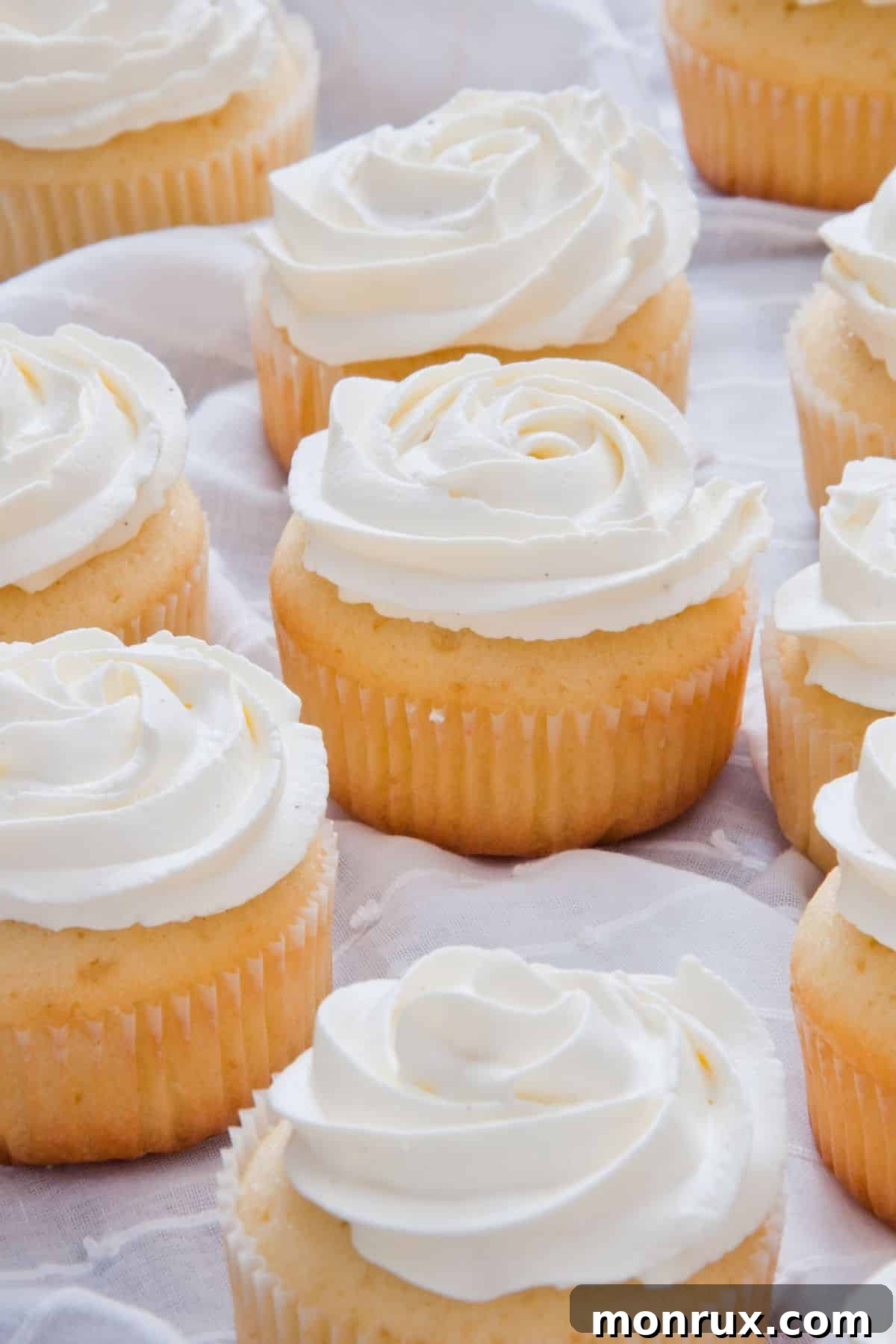
Explore More Allergy-Friendly Cake Recipes You’ll Love
If you enjoyed these gluten-free and dairy-free vanilla cupcakes, you’re in for a treat! Our kitchen is dedicated to creating delicious and inclusive desserts. Here are more delightful allergy-friendly cake and dessert recipes that are sure to satisfy your sweet cravings while adhering to dietary needs:
- Vegan Chocolate Chip Mug Cake: A quick and easy single-serving dessert.
- Gluten-Free Lemon Drizzle Cake: Zesty and moist, perfect for citrus lovers.
- Snickerdoodle Mug Cake with Almond Flour: A cozy and spiced treat in minutes.
- Gluten-Free Dairy-Free Banana Cake: A wholesome and flavorful option for banana bread enthusiasts.
- Instant Pot Pumpkin Spice Cake: A seasonal favorite, made effortlessly.
- Dairy-Free Chocolate Cake: Rich, decadent, and satisfying for chocolate cravings.
Or, for a delicious seasonal twist, try these delightful Pumpkin Pie Cupcakes!
Valuable Gluten-Free & Dairy-Free Resources
Navigating a gluten-free and dairy-free lifestyle can be made easier and more enjoyable with the right information, tips, and recipe inspiration. Explore these helpful resources for more insights and delicious ways to embrace your dietary journey:
Recipe: Gluten-Free and Dairy-Free Vanilla Cupcakes
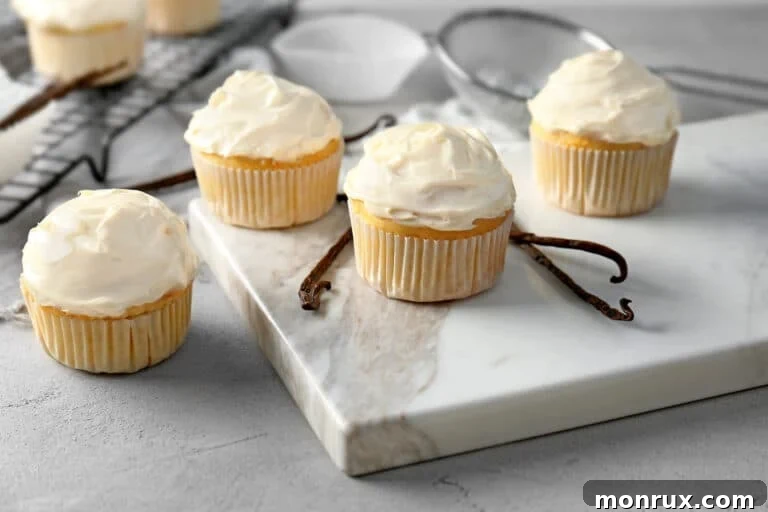
Gluten-Free and Dairy-Free Vanilla Cupcakes
5 out of 5 stars from 1 review
These delightful cupcakes are incredibly easy to make and taste fantastic. Designed for those with dietary restrictions, they are not only gluten- and dairy-free but also oil-free and boast significantly less sugar. Indulge without compromise and enter a world of cupcake bliss!
- Total Time: 45 minutes
- Yield: 12 cupcakes
Ingredients
For the cupcakes:
- 1 1/2 cups all-purpose gluten-free flour (such as Bob’s 1-to-1 Gluten-Free Baking Flour)
- 1/2 cup pure cane sugar
- 1 1/2 teaspoons baking powder
- 1/2 teaspoon baking soda
- 1/2 teaspoon sea salt
- 1 cup full-fat coconut milk (from a can, shaken well)
- 2 tablespoons maple syrup
- 1 tablespoon pure vanilla extract
- 1 1/2 teaspoons apple cider vinegar
For the frosting:
- 1/2 cup vegan butter, softened
- 1/2 cup powdered sugar, packed and leveled
- 1/2 teaspoon pure vanilla extract
- 1 – 2 tablespoons full-fat coconut milk
Instructions
- Preheat your oven to 350°F (175°C).
- Place 12 muffin liners in a muffin pan.
- In a large mixing bowl, combine the gluten-free flour, cane sugar, baking powder, baking soda, and sea salt. Whisk well until thoroughly mixed.
- Shake the can of coconut milk thoroughly and measure one cup into a separate mixing bowl. Keep some extra aside for the frosting. Then, whisk in the maple syrup, vanilla extract, and apple cider vinegar.
- Slowly pour the liquid ingredients into the larger bowl with the dry ingredients as you continuously whisk it all together.
- Continue whisking until the batter is smooth and lump-free. Be careful not to over-whisk it, as this can make the cupcakes chewy. The batter should have a scoopable consistency, not too thick or too runny.
- Divide the batter evenly into the 12 prepared liners, ensuring each liner is approximately halfway full.
- Gently pick up the muffin pan and jiggle it a bit from side to side to help the batter settle and remove any air pockets.
- Bake for 15-20 minutes, or until a wooden toothpick inserted into the center of a cupcake comes out clean and dry.
- While the cupcakes are baking and cooling, prepare the frosting.
- Using an electric hand mixer, cream the softened vegan butter in a mixing bowl until it is light and fluffy, usually for 1-2 minutes. Add the powdered sugar, vanilla extract, and one tablespoon of full-fat coconut milk. Beat on low speed until all ingredients are combined. Increase the speed to medium-high and continue beating until the frosting is light, smooth, and spreadable. If the frosting appears too thick or stiff, add the remaining tablespoon of coconut milk slowly, a little at a time, while beating on low speed until the desired consistency is achieved.
- Allow the cupcakes to cool completely on a wire rack before frosting and decorating. Enjoy!
Notes
- You can substitute the pure cane sugar with coconut sugar if you prefer a slightly different flavor profile.
- Vegan butter is typically found in the refrigerated section of most major grocery stores, often alongside regular butter or other dairy alternatives.
- This recipe can easily be doubled if you need to prepare a larger batch of cupcakes for a bigger gathering.
- Author: Carrie Forrest, MPH in Nutrition
- Prep Time: 30 minutes
- Cook Time: 20 minutes
- Category: Dessert
- Method: Oven
- Cuisine: American
- Diet: Gluten-Free, Dairy-Free, Vegan
Nutrition Information (per serving)
- Serving Size: 1 cupcake
- Calories: 203 kcal
- Sugar: 15.4 g
- Sodium: 227.1 mg
- Fat: 8 g
- Saturated Fat: 4.5 g
- Carbohydrates: 32 g
- Fiber: 0.5 g
- Protein: 1.5 g
- Cholesterol: 0 mg
(Nutritional information is an estimate and may vary based on ingredients used and preparation method.)
Don’t forget to print this recipe for easy access in your kitchen!
We hope you thoroughly enjoy making and sharing this recipe! If you do, please consider leaving a comment and a starred review below – your feedback is incredibly valuable to our community.
And, to stay connected and receive exclusive clean eating recipes and tips directly to your inbox, don’t forget to join our newsletter list. It’s 100% free, spam-free, and you can unsubscribe anytime. You can also follow us on social media for daily inspiration and updates:
- YouTube
About the Author: Carrie Forrest holds a master’s degree in public health with a specialization in nutrition and is a certified holistic nutritionist. As a prominent wellness and food blogger, her site welcomes over 5 million annual visitors. Carrie shares an inspiring story of recovery from chronic illness and is deeply passionate about empowering other women to transform their health journeys through clean eating and mindful living. Feel free to send her a message through her contact form for any questions or collaborations.