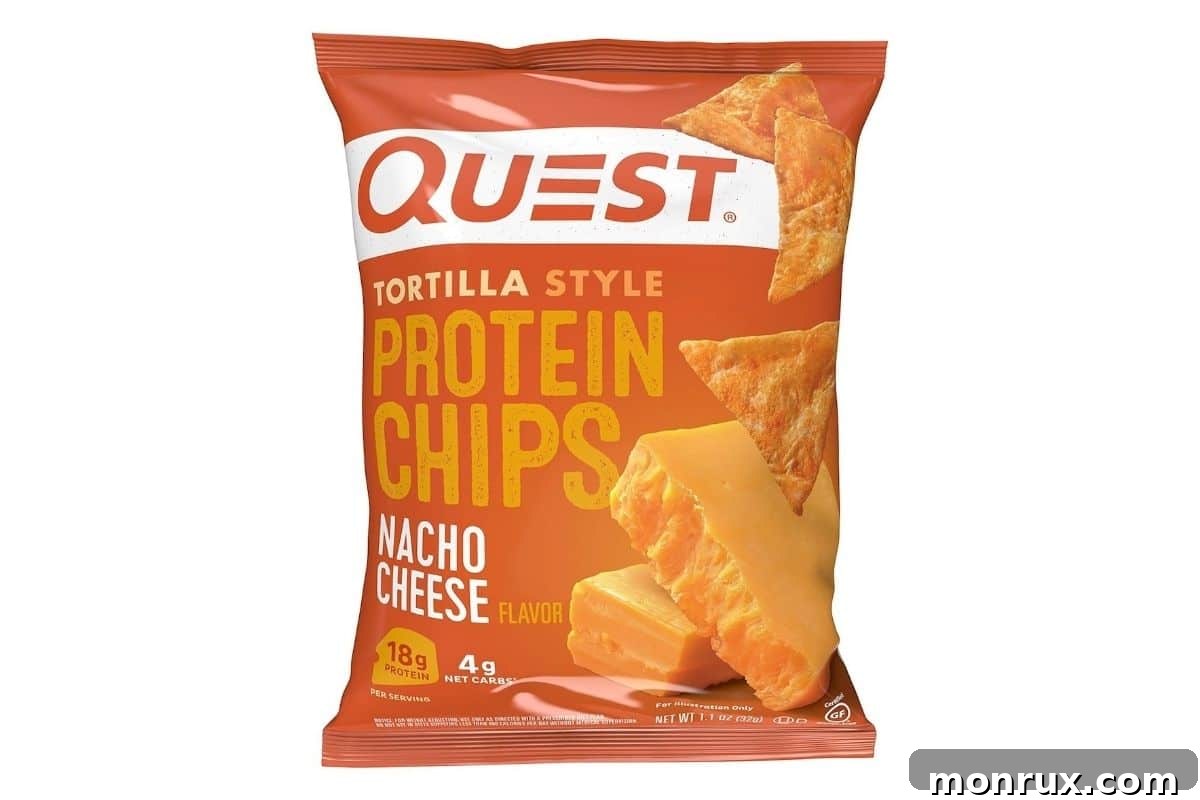
Are Quest Protein Chips a healthy snack option or merely a highly processed alternative to traditional chips? In this comprehensive review, we’ll delve into the nutritional aspects, scrutinize the ingredients, and uncover the potential benefits and drawbacks of these popular protein-packed snacks. While Quest Protein Chips are marketed as a convenient way to boost protein intake, our analysis suggests that they are a highly processed product with several ingredients that may not align with a truly healthy diet. We’ll also explore better-for-you alternatives to help you make informed snacking choices.
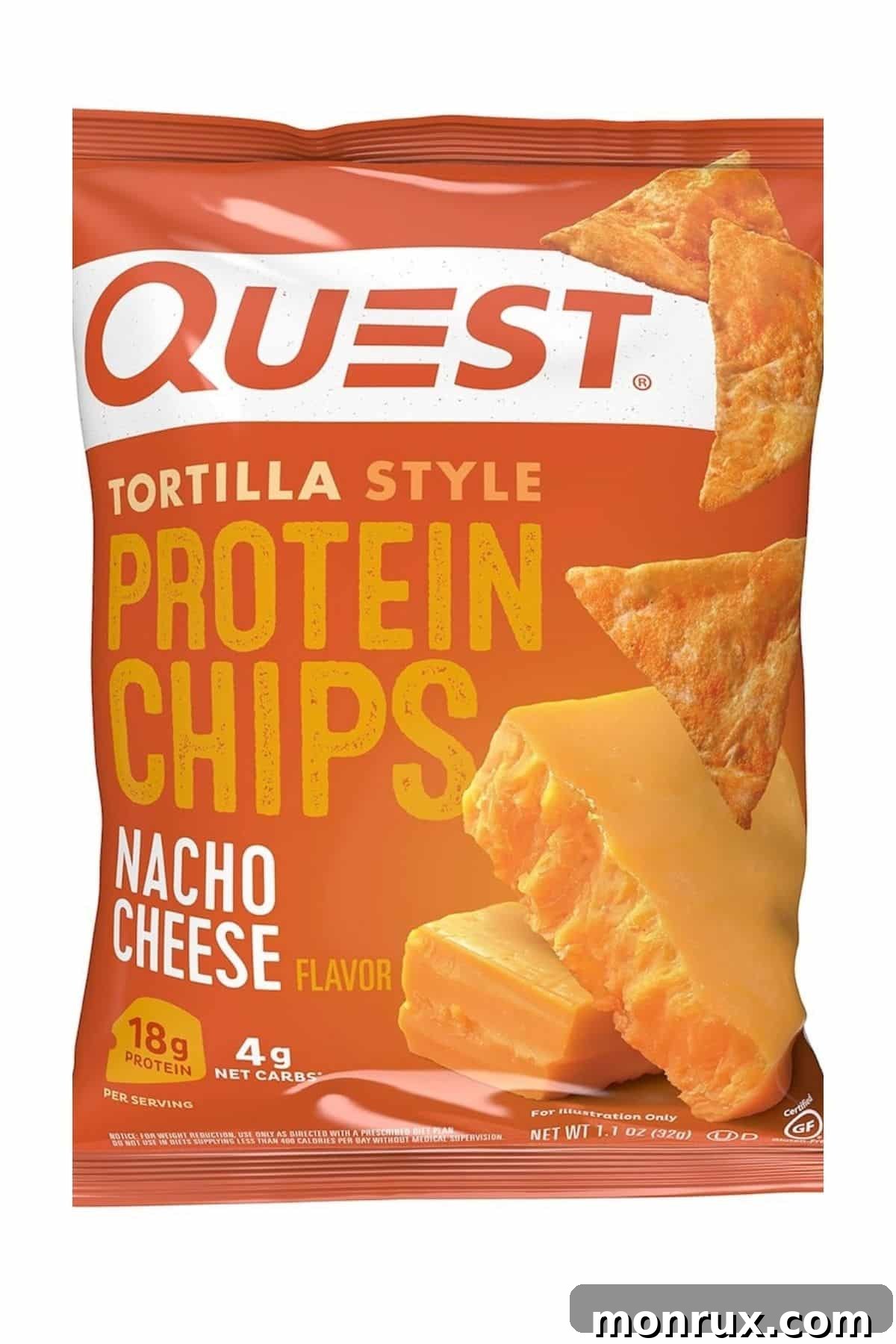
Quest Protein Chips: An Overview
Quest Protein Chips are a prominent offering from Quest Nutrition, a brand widely recognized for its dedication to creating high-protein, low-carbohydrate food products. These chips specifically target individuals who adhere to specialized dietary regimens, such as ketogenic diets, or those who prioritize high protein intake for muscle building and satiety. Marketed as a significantly healthier alternative to conventional potato chips, Quest Protein Chips aim to provide a substantial protein boost while minimizing carbohydrate and sugar content. They are also available in gluten-free versions, broadening their appeal to those with specific dietary sensitivities or celiac disease.
The product line boasts a variety of flavors designed to mimic popular snack options, including Nacho Cheese, BBQ, Spicy Sweet Chili Tortilla, and Sour Cream & Onion. This strategic flavor development allows consumers to enjoy familiar chip experiences without straying from their strict dietary requirements. Each 32g bag (one serving) typically delivers between 140-150 calories, an impressive 18-20 grams of protein, 4-6 grams of fat, and a modest 3-5 grams of carbohydrates. However, it’s important to note that the protein content primarily comes from protein isolates, which are highly processed forms of protein.
Furthermore, Quest Protein Chips are generally high in sodium, with most flavors containing 280-350 mg per serving. The ingredient list often includes processed oils, artificial flavors, and sweeteners like stevia, alongside synthetic additives such as disodium phosphate and calcium carbonate, which function as preservatives or flavor enhancers. Some Quest Nacho Cheese Protein Chips also carry a disclosure of “Contains a Bioengineered Food Ingredient,” indicating the presence of genetically modified (GM) components, likely derived from corn starch or certain dairy elements, commonly found in conventional food production in the U.S. This disclosure aligns with USDA requirements for products containing detectable modified genetic material.
Quest Nacho Cheese Protein Chips: Ingredient List
Understanding the exact composition of your snacks is crucial for making informed dietary choices. Here is a typical ingredient list for Quest Nacho Cheese Protein Chips:
- Protein Blend (Milk Protein Isolate, Whey Protein Isolate)
- High Oleic Sunflower Oil
- Corn Starch
- Calcium Carbonate
- Natural Flavors
- Cheddar Cheese Powder (Cheddar Cheese [Milk, Cheese Cultures, Salt, Enzymes], Whey, Buttermilk Solids, Salt)
- Sodium Caseinate
- Tomato Powder
- Onion Powder
- Paprika
- Garlic Powder
- Spice
- Lactic Acid
- Citric Acid
- Yeast Extract
- Paprika Extract (for color)
- Sunflower Lecithin
- Salt
Detailed Ingredient Analysis: What’s Really in Your Quest Chips?
Let’s take a closer look at some of the key ingredients found in Quest Protein Chips and evaluate their potential impact on your health. Understanding these components is essential for anyone seeking to maintain a clean and wholesome diet.
Milk Protein Isolate and Whey Protein Isolate
Quest Protein Chips rely on both whey protein isolate and milk protein isolate as their primary protein sources. These are highly refined forms of protein, meticulously separated from cow’s milk. The manufacturing process involves extensive filtration to remove carbohydrates (lactose) and fats, yielding a concentrated protein powder. While these isolates are remarkably efficient at delivering high protein levels with minimal calories and carbohydrates, this intense processing often strips away many of the milk’s naturally occurring beneficial nutrients, such as vitamins, minerals, and healthy fats.
Moreover, the rigorous processing can sometimes impair the natural digestibility of these proteins and may leave residual traces of lactose, potentially leading to digestive discomfort for individuals who are lactose intolerant or have heightened sensitivities to dairy products. Consuming protein isolates, especially as a significant part of one’s diet, has prompted various health discussions. Because these isolates are highly refined and lack the fiber, antioxidants, and diverse micronutrients present in whole food protein sources, an over-reliance on them could lead to an imbalanced nutrient intake. Some research also suggests that consistent, high intake of isolated proteins might increase the risk of kidney strain, particularly for those with pre-existing kidney conditions, as the body works harder to filter and excrete excess protein waste products. Additionally, these isolates may trigger allergic reactions or gastrointestinal symptoms like bloating, cramps, or diarrhea in susceptible individuals.
Stevia Sweetener: Unpacked
Stevia is a widely marketed plant-based sugar substitute derived from the leaves of the Stevia rebaudiana plant. Often promoted as a natural, zero-calorie sweetener and a healthier alternative to conventional sugar, it’s important to understand its nuances. The stevia typically used in processed food products like Quest Protein Chips is not simply ground stevia leaves. Instead, it’s a refined extract known as steviol glycosides, which undergoes significant processing to isolate and purify the sweet components, often stripping away much of the whole plant’s natural beneficial compounds. This refinement process alters its “natural” appeal.
While generally recognized as safe (GRAS) by regulatory bodies, some scientific investigations have indicated that consuming high quantities of certain stevia extracts might potentially disrupt the delicate balance of gut bacteria, potentially contributing to digestive issues such as gas, bloating, or diarrhea in sensitive individuals. Furthermore, despite its widespread acceptance, some consumers report an unpleasant aftertaste with stevia, or in rare cases, allergic reactions. The long-term effects of consuming highly processed stevia derivatives, particularly on gut health and metabolic responses, continue to be areas of ongoing research and discussion within the scientific community.
Bioengineered Food Ingredients (GMOs)
The term “Bioengineered Food Ingredient” typically refers to genetically modified organisms (GMOs). These are ingredients derived from crops or organisms whose genetic material has been altered in a laboratory using genetic engineering. This modification is usually done to introduce desired traits, such as enhanced resistance to pests or herbicides, improved shelf life, or altered nutritional profiles. While the specific bioengineered ingredient in Quest Protein Chips isn’t explicitly named, it’s commonly associated with ingredients like corn starch, soy, or canola oil, which are frequently sourced from genetically modified crops in conventional food production.
Manufacturers often utilize these ingredients for their consistency, cost-effectiveness, and efficiency in large-scale food production. However, the presence of bioengineered ingredients continues to be a subject of considerable debate regarding their long-term health implications. Some studies suggest a potential link between GMOs and allergic reactions, theorizing that the introduction of foreign genes could inadvertently create new allergens in food. There are also concerns that GMO consumption might contribute to issues like antibiotic resistance, disrupt the intricate balance of gut microbiota, or trigger inflammatory responses in the body. While major regulatory bodies like the FDA and USDA maintain that currently approved GMOs are safe for consumption, many consumers remain wary due to the ongoing scientific discussions and perceived lack of comprehensive long-term human studies, especially when these ingredients are incorporated into highly processed food items.
Disodium Phosphate: The Additive
Disodium phosphate is a widely used food additive found in numerous processed foods, including many dairy products, meats, and baked goods. Its primary roles are as an emulsifier, buffering agent, and pH stabilizer. In snacks like Quest Protein Chips, it helps improve texture, prevents ingredients from separating, and extends shelf life by maintaining product consistency and preventing spoilage. While it serves a functional purpose in preserving the desired qualities of processed snacks, disodium phosphate has raised concerns about its health impact, particularly when consumed in excessive amounts.
As an inorganic phosphate, disodium phosphate is readily absorbed by the body, which can lead to elevated phosphate levels in the bloodstream. Chronically high phosphate levels have been associated with a heightened risk of various health issues, including kidney damage, cardiovascular disease, and even bone demineralization, as it can interfere with the body’s delicate calcium metabolism. Individuals with pre-existing kidney conditions are especially vulnerable, as their impaired renal function makes it difficult to effectively filter and excrete excess phosphate, potentially exacerbating their health problems. Given its prevalence in processed foods, regular consumption of products containing disodium phosphate can contribute significantly to overall phosphate intake, warranting caution for health-conscious consumers.
Vegetable Oils: Sunflower, Canola, and Soybean Oil
Vegetable oils, such as high oleic sunflower oil, canola oil, and soybean oil, are ubiquitous in processed foods due to their low cost, versatility, and ability to improve texture and shelf life. However, their widespread use comes with several potential health risks that warrant careful consideration. These oils are typically rich in omega-6 polyunsaturated fatty acids. While omega-6 fatty acids are essential for human health, modern Western diets often feature an imbalanced ratio of omega-6 to omega-3 fatty acids, with a significant excess of the former. This imbalance can promote chronic inflammation throughout the body, potentially contributing to a range of long-term health issues.
Chronic inflammation is implicated in the development and progression of various conditions, including obesity, metabolic disorders like type 2 diabetes, certain autoimmune diseases, and even heart disease. Furthermore, many vegetable oils undergo extensive industrial processing, including refining, bleaching, and deodorizing, which can degrade their nutritional quality, strip away beneficial compounds, and even create harmful byproducts like trans fats. Opting for snacks that utilize healthier fat sources, such as extra virgin olive oil or avocado oil, in moderation, or better yet, whole food fats, can be a more beneficial choice for reducing inflammatory load and supporting overall cardiovascular health.
Processed Soy: Considerations
Soy is a common ingredient in numerous processed foods, appearing in various forms such as soy protein, soy oil, and soy lecithin. While whole and minimally processed forms of soy, like edamame, tempeh, or traditional tofu, are recognized for their benefits as a plant-based protein source and their potential heart-healthy properties, its use in highly processed products can introduce several health concerns. The processing involved to create soy derivatives often isolates components and may alter the natural profile of the soybean.
Studies have indicated that consuming substantial amounts of processed soy could potentially lead to allergic reactions in sensitive individuals or exert various effects on the immune system and hormone balance due to compounds like phytoestrogens. Moreover, processed soy has been linked to digestive issues and inflammatory responses in some susceptible individuals, especially when consumed regularly. For those aiming for a cleaner diet, distinguishing between whole, fermented soy products and highly refined soy ingredients in packaged snacks is crucial.
High Sodium Content
Quest Protein Chips contain a considerable amount of sodium, with most varieties providing approximately 280-350 mg per serving. While sodium is an essential electrolyte vital for numerous bodily functions, including maintaining fluid balance, nerve impulse transmission, and muscle contraction, excessive and chronic intake can lead to serious health risks.
A diet consistently high in sodium is a primary contributor to elevated blood pressure (hypertension), which significantly increases an individual’s risk for severe cardiovascular diseases, including heart attack, stroke, and chronic kidney disease. Over time, this constant strain on the cardiovascular system can lead to the hardening and narrowing of arteries, further exacerbating the risk of hypertension and its complications. Furthermore, excessive sodium consumption often results in water retention, causing uncomfortable bloating and placing additional stress on the kidneys, which work harder to filter and excrete the excess sodium and fluid. For individuals mindful of their cardiovascular health, monitoring sodium intake from processed snacks like Quest Protein Chips is highly recommended.
Nutritional Advantages of Quest Protein Chips
Despite being a highly processed food-like product, Quest Protein Chips do offer a few specific nutritional advantages that appeal to certain demographics. Their most notable benefit is their impressively high protein content combined with a low carbohydrate profile. Each serving typically provides 18-20 grams of protein, primarily sourced from milk and whey protein isolates. This makes them particularly appealing to athletes, bodybuilders, or individuals following low-carb and ketogenic diets who seek convenient ways to increase their daily protein intake for muscle recovery, satiety, and metabolic management.
Additionally, some flavors of Quest Protein Chips are certified gluten-free, positioning them as a viable snack option for individuals with celiac disease or gluten sensitivities. This allows them to enjoy a savory, crunchy snack without triggering adverse reactions often associated with gluten-containing products. For those strictly counting macros, the clear labeling and consistent nutritional breakdown per serving can also be a significant advantage for dietary planning.
Potential Nutritional Disadvantages
While Quest Protein Chips offer a high protein count, it’s crucial to acknowledge their significant nutritional drawbacks, primarily stemming from their highly processed nature. These chips are often high in sodium, with up to 350 mg per serving. Regular consumption of such high sodium levels can contribute to elevated blood pressure, increasing the risk of hypertension, heart disease, and kidney strain over time. This makes them a less ideal choice for individuals monitoring their sodium intake or those at risk for cardiovascular issues.
Furthermore, the chips frequently contain processed vegetable oils, which are typically rich in omega-6 fatty acids. When consumed in excess and out of balance with omega-3s, these oils can promote systemic inflammation in the body. The primary protein sources, milk protein isolate and whey protein isolate, though high in protein, are highly processed and have been stripped of many natural nutrients found in whole food protein sources. Additionally, some flavors incorporate artificial additives and flavor enhancers, which can potentially lead to digestive discomfort or allergic reactions in sensitive individuals, undermining the goal of a truly healthy snack.
Healthier Snack Alternatives to Consider
For those seeking genuinely healthy and minimally processed snack options, moving beyond products like Quest Protein Chips is highly recommended. The best alternatives often come from whole, natural foods that provide essential nutrients without unwanted additives. Consider simple, homemade snacks that offer robust nutritional profiles.
One excellent option is roasted chickpeas. Simply toss canned chickpeas with a drizzle of olive oil, a pinch of sea salt, and your favorite natural seasonings like smoked paprika, garlic powder, or cumin, then bake until they are delightfully crispy. These provide a great source of plant-based protein, dietary fiber, and complex carbohydrates. Another fantastic alternative is kale chips. Just tear fresh kale leaves into bite-sized pieces, massage them with a small amount of olive oil and sea salt, and bake until they become brittle and crunchy. Kale chips are rich in vitamins K, A, and C, as well as antioxidants. Other whole-food, high-protein snack ideas include a handful of raw almonds or walnuts, hard-boiled eggs, Greek yogurt with berries, or lean jerky made from grass-fed beef. These homemade and whole-food choices supply crucial fiber, diverse proteins, healthy fats, and essential micronutrients, completely avoiding artificial ingredients, excessive sodium, and highly processed components, making them significantly more nutritious choices for mindful snacking.
Explore More Protein Product Reviews!
Final Thoughts on Quest Protein Chips
In conclusion, while Quest Protein Chips may offer specific benefits such as a high protein content and convenient gluten-free options, it is essential to recognize that they are not inherently a health-promoting food. The inclusion of numerous processed ingredients, elevated sodium levels, processed vegetable oils, and artificial additives presents potential long-term health risks. These factors can contribute to issues like hypertension, systemic inflammation, and digestive disturbances, making Quest Protein Chips a less-than-ideal choice for regular snacking, especially for those prioritizing a whole-foods-based diet. For true health and well-being, opting for less processed, nutrient-dense alternatives is always the superior choice.
Don’t forget to join my newsletter list to get exclusive clean eating recipes and tips. The newsletter is 100% free with no spam; unsubscribe anytime.
About the Author: Carrie Forrest holds a master’s degree in public health with a specialization in nutrition and is a certified holistic nutritionist. As a prominent wellness and food blogger, her site attracts over 5 million annual visitors. Carrie shares an inspiring story of recovery from chronic illness and is deeply committed to empowering other women to transform their health. You can connect with her through her contact form.
Note: This post is provided for informational purposes only and should not be considered medical advice. Please consult with your healthcare provider for personalized recommendations regarding your individual health situation.