
Estrogen is a vital hormone for female health, but an imbalance where its levels become too high, known as estrogen dominance, can lead to a host of uncomfortable symptoms and potential health risks. Understanding how to manage and reverse estrogen dominance naturally is key to protecting your well-being and restoring hormonal harmony.

What is Estrogen & Estrogen Dominance?
Estrogen, often referred to as the primary female sex hormone, is a key hormone that plays a foundational role in the female body. Primarily synthesized in the ovaries, it orchestrates a symphony of bodily functions, from the intricate dance of the menstrual cycle and reproductive system to influencing bone density, cardiovascular health, mood, and even skin and hair vitality. Beyond its well-known reproductive functions, estrogen is crucial for overall physical and mental well-being throughout a woman’s life.
Diverse Functions of Estrogen in the Female Body
The widespread influence of estrogen underscores its importance. Its key functions include:
- Menstrual Cycle Regulation: Estrogen meticulously controls the thickening and maintenance of the uterine lining, preparing it for the potential implantation of a fertilized egg each month.
- Reproductive Development: It drives the development of secondary sexual characteristics during puberty, such as breast growth, widening of the hips, and the characteristic distribution of body fat.
- Bone Health: Estrogen is instrumental in maintaining bone density, safeguarding against conditions like osteoporosis, especially post-menopause.
- Heart Health: It contributes to the health and elasticity of arterial walls, offering some protective effects against cardiovascular disease.
- Mood and Brain Function: Estrogen impacts neurotransmitter activity, influencing mood stability and playing a significant part in maintaining cognitive health and memory.
- Skin and Hair Health: It contributes to skin hydration and elasticity, keeping it supple, and can also influence hair growth patterns and thickness.
- Cholesterol Regulation: Estrogen helps manage cholesterol levels in the blood, often promoting higher levels of beneficial HDL (high-density lipoprotein) and lower levels of harmful LDL (low-density lipoprotein).
Understanding Estrogen Dominance
Despite its crucial roles, too much estrogen can disrupt the body’s delicate balance. Estrogen dominance is not necessarily about having excessively high estrogen levels in an absolute sense, but rather an imbalance where a woman’s estrogen levels are elevated in proportion to other sex hormones, primarily progesterone. This hormonal imbalance can lead to a cascade of unpleasant symptoms and increase the risk of certain health issues, including particular types of estrogen-dependent cancers.
Estrogen dominance is typically classified into two main categories, each with distinct underlying causes but often presenting with similar symptoms:
- Frank Estrogen Dominance: This occurs when the body produces an absolute excess of estrogen, while other sex hormone levels, such as testosterone and progesterone, remain within their normal ranges. In this scenario, the sheer volume of estrogen is the primary issue.
- Relative Estrogen Dominance: More commonly observed, this type arises when a woman’s estrogen levels, though potentially normal in an absolute sense, are elevated relative to her progesterone levels. This is often due to insufficient progesterone production, which typically happens when ovulation is infrequent or absent, or during periods like perimenopause when progesterone naturally declines.
Recognizing the type of estrogen dominance can help tailor treatment strategies, though many natural approaches address both underlying mechanisms.
Recognizing the Symptoms of Excess Estrogen in Females
Hormonal imbalances, particularly estrogen dominance, often manifest through a range of disruptive and uncomfortable symptoms that can significantly impact daily life. These signals from your body are often hard to ignore and can vary in intensity from mild to severe, making accurate identification crucial for timely intervention.
Common and tell-tale symptoms of estrogen dominance include:
- Heavy or Painful Periods: Known medically as menorrhagia or dysmenorrhea, these can be debilitating. Estrogen stimulates the growth of the uterine lining, and an excess can lead to an overly thick lining, resulting in heavier bleeding and more intense cramping during menstruation. Conditions like uterine fibroids and endometriosis, which are often estrogen-sensitive, can also be exacerbated.
- Premenstrual Syndrome (PMS): Exaggerated PMS symptoms are a hallmark of estrogen dominance. These can include severe mood swings, irritability, anxiety, fatigue, bloating, and breast tenderness, typically occurring in the week or two leading up to menstruation.
- Headaches and Migraines: Many women experience headaches, particularly premenstrual or menstrual migraines, due to fluctuating or elevated estrogen levels.
- Weight Gain: Often localized in the abdomen, hips, and thighs, this weight gain can be stubborn. Estrogen can influence fat storage, and dominance may shift the body’s metabolism towards fat accumulation rather than utilization.
- Low Libido: A diminished sex drive can be a surprising but common symptom, as hormonal imbalances affect overall vitality and desire.
- Bloating: Persistent bloating, especially around or during your period, is a frequent complaint. Estrogen can affect fluid retention, leading to a feeling of puffiness and discomfort.
- Tender or Swollen Breasts: Many women report their breasts feeling unusually sore, heavy, or swollen, particularly in the luteal phase of their cycle, which is directly linked to higher estrogen levels relative to progesterone.
- Irregular or Abnormal Cycles: This can manifest as shorter or longer cycles, skipped periods, or spotting between periods, indicating a disruption in the normal ebb and flow of menstrual hormones.
- Fatigue: Chronic tiredness, even with adequate sleep, can be a subtle but pervasive symptom.
- Hair Loss: While less common, some women may experience thinning hair or hair loss.
- Sleep Disturbances: Difficulty falling or staying asleep can also be linked to hormonal imbalances, including estrogen dominance.
If you recognize several of these symptoms, it may be beneficial to consult with a healthcare provider to explore potential hormonal imbalances. For a more comprehensive understanding, you can refer to my full article on the symptoms of estrogen dominance and natural strategies to address them.
Common Causes of High Estrogen Dominance
Understanding the root causes of estrogen dominance is the first step toward effective management and reversal. This hormonal imbalance often stems from a combination of environmental factors, lifestyle choices, and natural physiological changes.
Environmental Estrogen Exposure
In our modern world, women are exposed to more estrogen-like compounds in their diets and environments than ever before, contributing significantly to the prevalence of estrogen dominance.
- Phytoestrogens: These are naturally occurring estrogen-like compounds found in various plant foods, such as soy, flaxseed, and some legumes. While they can sometimes exert a balancing effect by weakly binding to estrogen receptors, excessive consumption of highly processed phytoestrogens can, in some individuals, contribute to an estrogenic load. However, in whole food forms, they can also act as modulators, potentially blocking stronger estrogens and helping to balance levels.
- Xenoestrogens: These are synthetic, human-made chemicals that mimic the effects of natural estrogen in the body. Found ubiquitously in our environment, xenoestrogens can bind to estrogen receptors, disrupting normal hormonal function and leading to estrogen dominance. Common sources include:
- Synthetic Hormones: Such as those found in birth control pills and hormone replacement therapy.
- Plastics: Particularly those containing BPA (Bisphenol A) and phthalates, found in food containers, water bottles, and plastic wraps.
- Pesticides and Herbicides: Residues on conventionally grown produce.
- Personal Care Products: Many cosmetics, lotions, shampoos, and cleaning products contain parabens, phthalates, and other chemicals with estrogenic properties.
- Industrial Chemicals: Present in many household products and environmental pollutants.
No matter the source, excessive exposure to these external estrogens can profoundly disrupt the endocrine system, leading to a hormonal imbalance and driving estrogen dominance.
Perimenopause: A Time of Hormonal Flux
Perimenopause, the transitional phase leading up to menopause, is a common period for women to experience estrogen dominance. During this time, the body undergoes significant hormonal fluctuations as it prepares for the cessation of menstruation and fertility. A key factor contributing to estrogen dominance during perimenopause is a decline in progesterone production. As ovulation becomes less frequent and eventually stops, the primary source of progesterone—the corpus luteum formed after ovulation—diminishes. This leads to lower progesterone levels, which can result in relative estrogen dominance even if estrogen levels are not excessively high. This imbalance is often responsible for many of the challenging symptoms women experience during this phase, including hot flashes, irregular periods, and mood changes.
For more insights, explore related articles on foods to help increase progesterone and how to reduce bloating during perimenopause.
Progesterone Deficiency
As discussed, relative estrogen dominance often stems from insufficient progesterone. Progesterone acts as a crucial counterweight to estrogen, helping to balance its effects. When adequate progesterone is not produced, estrogen’s influence becomes disproportionately strong, leading to dominance. The primary cause of progesterone deficiency is unsuccessful or infrequent ovulation, as the corpus luteum (which produces progesterone) only forms after an egg is released. Other contributing factors include chronic stress, which diverts precursors away from sex hormone production towards cortisol synthesis, and certain nutritional deficiencies. This can affect women across all reproductive ages, not just those in perimenopause.
The Critical Role of Gut Health
The health of your gut plays an often-underestimated yet vital role in hormone metabolism. Within the gut, a collection of bacteria known as the “estrobolome” is responsible for metabolizing and regulating estrogen levels. An enzyme called beta-glucuronidase, produced by certain gut bacteria, can reactivate metabolized estrogen, allowing it to re-enter circulation in the body instead of being properly eliminated. An overabundance of this enzyme, often due to an imbalanced gut microbiome (dysbiosis), can directly contribute to estrogen dominance symptoms.
Furthermore, robust digestion and regular bowel movements are absolutely essential for clearing excess hormones, including estrogen, from the body. If your gut health is poor, digestion is sluggish, or elimination is irregular, these excess hormones can accumulate and contribute to imbalance.
For strategies to support your digestive system, explore my related articles on the best gut healing foods and a comprehensive leaky gut diet plan.
How to Flush Out Excess Estrogen Naturally
Taking a proactive, holistic approach is key to naturally managing and reversing estrogen dominance. By making conscious changes to your lifestyle, diet, and environment, you can support your body’s innate ability to detoxify and balance hormones.
1. Minimize Exposure to Environmental Estrogens (Xenoestrogens)
Reducing your daily exposure to synthetic xenoestrogens is a critical step in restoring estrogen balance. These chemicals can mimic natural estrogen and overload your system.
- Rethink Plastics: Avoid heating food in plastic containers or drinking from plastic water bottles, as heat can cause chemicals like BPA and phthalates to leach into your food and beverages. Opt for glass, stainless steel, or ceramic alternatives for food storage and cooking.
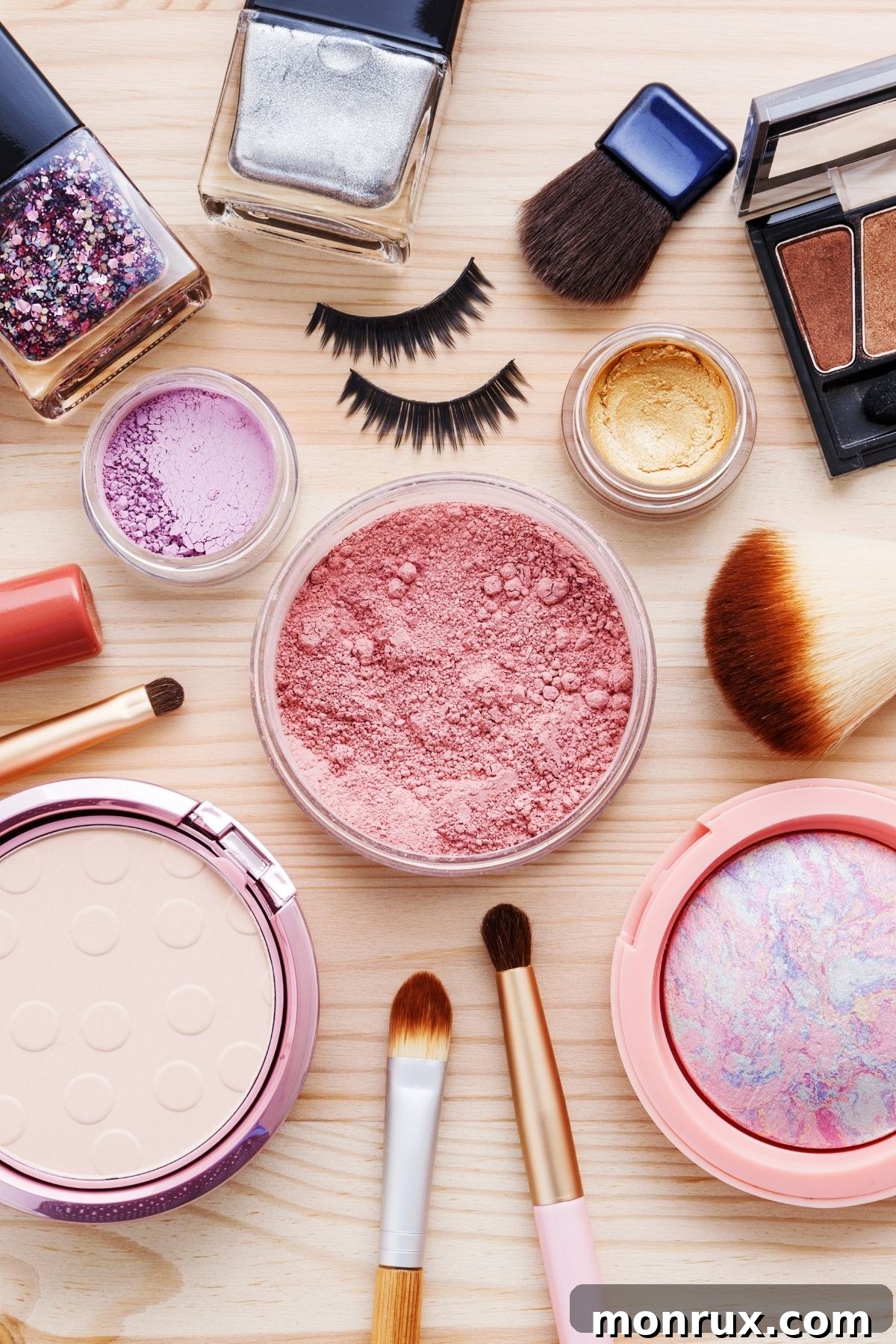
- Choose Safer Personal Care Products: Many cosmetics, shampoos, lotions, and perfumes contain endocrine-disrupting chemicals. Utilize resources like the EWG Skin Deep database to identify products free from harmful ingredients such as parabens, phthalates, and synthetic fragrances.
- Green Your Cleaning Routine: Switch to natural, non-toxic household cleaning products, or make your own with ingredients like vinegar and baking soda, to reduce exposure to chemical fumes and residues.
- Eat Organic When Possible: Prioritize organic fruits and vegetables to minimize exposure to pesticides and herbicides, many of which have estrogenic properties.
2. Incorporate Targeted Supplements
Certain supplements can significantly support the body’s natural detoxification pathways and help rebalance hormones. Always consult with your doctor or a qualified healthcare provider before starting any new supplement regimen.
- DIM (Diindolylmethane): Short for 3,3′-Diindolylmethane, DIM is a compound derived from cruciferous vegetables like broccoli and kale. It supports the liver’s ability to detoxify and metabolize estrogen into safer, less potent forms, facilitating its successful elimination from the body. DIM can be purchased online.
- Micronized Progesterone or Progesterone Cream: Especially beneficial for women experiencing relative estrogen dominance due to low progesterone (common in perimenopause), these can help restore hormonal balance. Oral micronized progesterone typically requires a prescription, while certain over-the-counter progesterone creams are available. Discuss the appropriate form and dosage with your healthcare provider.
- Calcium D-Glucarate: This compound aids in the glucuronidation pathway in the liver, which is crucial for binding and eliminating excess estrogen and other toxins from the body. By inhibiting beta-glucuronidase (the enzyme often overproduced in an unhealthy gut), it helps prevent estrogen from being reabsorbed.
- B Vitamins (especially B6, B9, B12): B vitamins are essential cofactors for numerous enzymatic processes involved in liver detoxification and hormone metabolism. Vitamin B6, in particular, plays a role in breaking down estrogen.
- Magnesium: Involved in over 300 enzymatic reactions, magnesium is crucial for stress management, sleep, and liver function. It supports the detoxification of estrogen and can help alleviate PMS symptoms often associated with estrogen dominance.
- Milk Thistle: Known for its liver-protective properties, milk thistle can enhance the liver’s capacity to process and eliminate hormones.
Don’t miss my related articles on the best supplements to reduce estrogen dominance, best supplements for hormone balance, the best supplements for women in their 30s and the best supplements for women over 50.
3. Boost Estrogen Elimination with a High-Fiber Diet
Dietary fiber is an unsung hero in hormone regulation. It binds to excess estrogen in the digestive tract, preventing its reabsorption and promoting its elimination through stool. This is a crucial part of your overall digestive health; regular and healthy bowel movements are essential for clearing excess hormones from the body.
Emphasize incorporating a wide variety of fiber-rich foods, particularly:
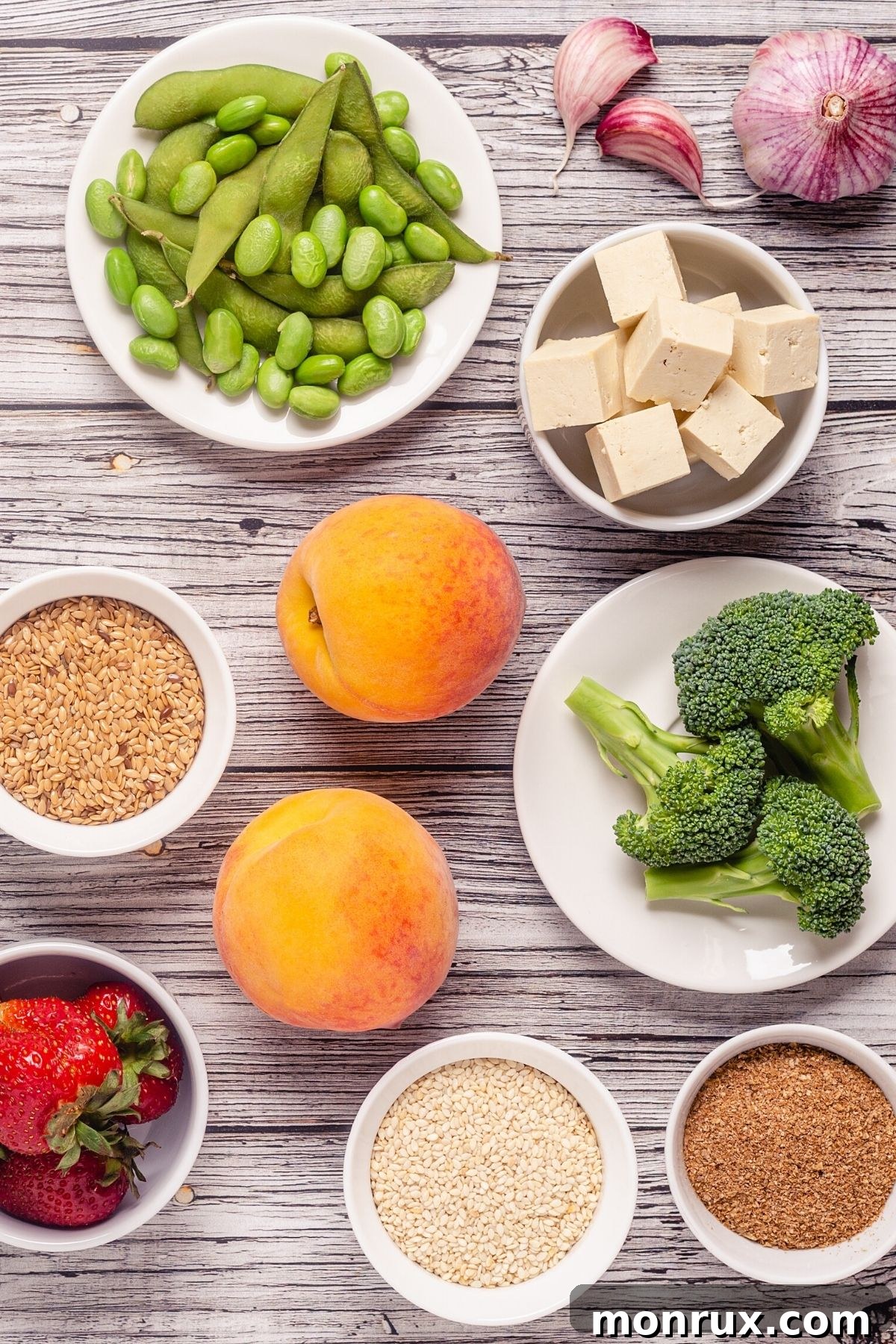
- Cruciferous Vegetables: Broccoli, cauliflower, Brussels sprouts, kale, and cabbage contain compounds like Indole-3-Carbinol (I3C) and DIM, which actively support healthy estrogen metabolism in the liver.
- Fruits: Berries (blueberries, strawberries, raspberries), apples, pears, peaches, and nectarines are packed with both soluble and insoluble fiber, along with antioxidants. These foods have been studied for their role in reducing the incidence of hormone-related cancers, possibly due to their fiber and phytochemical content.
- Leafy Green Vegetables: Lettuce, spinach, collard greens, and other leafy greens are excellent sources of fiber and nutrients that support detoxification.
- Root Vegetables: Carrots and sweet potatoes provide significant fiber. You may want to try incorporating a Raw Carrot Salad into your diet, as raw carrots are believed to help bind to excess estrogen and support its excretion.
- Legumes and Whole Grains: Beans, lentils, quinoa, and oats contribute substantial fiber to your diet, further aiding in estrogen elimination.
Learn more about how to eat more green vegetables and explore the best diets to reduce estrogen. While increasing fiber is generally beneficial, some women with severe estrogen dominance and other sensitivities might benefit from specific restricted diets like a low-histamine diet. However, it’s crucial to work with a functional medicine doctor to pinpoint the root causes of your estrogen dominance before making significant dietary restrictions. You can find a functional medicine doctor near you.
4. Nurture a Healthy Gut Microbiome
A thriving gut lining and a balanced microbiome are indispensable for efficient estrogen metabolism. Your gut bacteria, collectively known as the estrobolome, produce the right enzymes to metabolize estrogen, ensuring it’s properly deactivated and eliminated. When the gut is unhealthy, this process is compromised, allowing excess estrogen to recirculate.
To support optimal gut health:
- Eat Fermented Foods: Incorporate foods rich in natural probiotics like yogurt, kefir, sauerkraut, kimchi, and kombucha. These introduce beneficial bacteria that help balance the gut flora. See my article on the top 10 foods with natural probiotics.
- Prioritize Prebiotic Foods: These are fibers that feed beneficial gut bacteria. Examples include garlic, onions, leeks, asparagus, bananas, and oats.
- Avoid Gut Harmers: Minimize consumption of added sugars, highly processed foods, artificial sweeteners, and excessive alcohol, as these can negatively impact the gut microbiome.
- Lifestyle Factors: Activities that can harm gut health also include taking unnecessary antibiotics, chronic stress, insufficient exercise, and poor sleep. Address these areas to support a robust gut.
If you’re experiencing chronic digestive issues, consult your healthcare provider to develop a personalized plan to reduce gut inflammation and improve the integrity of your digestive system. You might also want to check out this list of the best gut healing foods.
5. Manage Body Fat Through Clean Eating and Regular Movement
Body fat, or adipose tissue, is not merely a storage site; it’s an active endocrine organ that produces and converts hormones. Higher body fat percentages, particularly around the abdomen, are associated with an excess of estrogen due to the enzyme aromatase, which resides in fat cells and converts androgens (male hormones) into estrogen. Reducing excess body fat can therefore significantly help lower overall estrogen levels and reduce estrogen dominance.
Focus on a clean eating diet rich in whole, unprocessed foods. If you are new to healthy eating, be sure to get my clean eating shopping list or see my post on how to eat clean. Regular physical activity also helps mobilize fat stores, improve insulin sensitivity, and support healthy hormone balance. You may also want to check out my clean eating recipe index with hundreds of free recipes!
Additionally, for extra help with weight loss resistance, check out these tips for women who are having trouble losing weight no matter what. Always consult your doctor or healthcare provider to determine if reducing body fat would be beneficial for your individual health situation.
6. Prioritize Stress Management
Chronic stress is a powerful disruptor of hormonal balance. When your body is under stress, it prioritizes the production of cortisol, the “stress hormone,” over other vital hormones. This phenomenon is often referred to as the “pregnenolone steal,” where pregnenolone (a precursor hormone) is diverted to make cortisol instead of sex hormones like progesterone. This can lead to a deficiency in progesterone, thereby exacerbating relative estrogen dominance.
Moreover, stress can suppress ovulation, further decreasing the body’s natural production of progesterone. Implementing effective stress management techniques is crucial:
- Mindfulness and Meditation: Regular practice can significantly reduce stress levels.
- Yoga and Deep Breathing: These practices promote relaxation and calm the nervous system.
- Adequate Sleep: Aim for 7-9 hours of quality sleep per night to allow your body to recover and regulate hormones.
- Engage in Hobbies: Pursue activities you enjoy to foster joy and reduce mental load.
You may like this article on holistic health tips for beginners if you are just getting started on natural ways of healing.
7. Reconsider Hormonal Birth Control
Hormonal birth control methods, including oral contraceptive pills, intrauterine devices (IUDs), and arm implants, work by introducing synthetic hormones (synthetic estrogen and progestins) into your body. These synthetic compounds override your body’s natural hormonal cycles, preventing ovulation and mimicking a state of pregnancy to prevent conception. While effective for birth control, the consistent influx of synthetic estrogen can contribute to a state of estrogen dominance, both while on the medication and sometimes even after discontinuation, as the body struggles to re-regulate its own hormone production and metabolize the synthetic compounds.
If estrogen dominance is a concern, consider exploring non-hormonal birth control options. These include barrier methods, the fertility awareness method (which involves tracking your natural cycle), or discussing permanent solutions like a vasectomy with your partner. Researching natural birth control methods can empower you to make informed decisions about your reproductive health.
Bonus Recommendation: Wisely Incorporate Phytoestrogens (Whole Foods)
While excess estrogen exposure from xenoestrogens is problematic, not all estrogen-like compounds are detrimental. Phytoestrogens, found naturally in plant foods, resemble our natural estrogen but are much weaker. When consumed as part of a balanced diet, particularly from whole, unprocessed sources, they can have a modulatory effect.
Phytoestrogens can occupy estrogen receptors, potentially blocking stronger, more harmful estrogens (both natural and synthetic) from binding. This competitive binding action can help balance the body’s overall estrogenic load. Examples of beneficial whole food sources of phytoestrogens include:
- Whole food soy (e.g., tempeh, edamame, miso – in moderation and fermented forms)
- Flaxseeds
- Garlic
- Potatoes
- Apples
- Pomegranates
- Coffee (in moderation)
Try introducing some of these foods into your diet and observe if you experience fewer symptoms of estrogen dominance. The key is moderation and focusing on whole, unprocessed forms rather than isolated or concentrated extracts.
FAQs About Estrogen Dominance Treatment
Absolutely. You can actively support your body in reducing excess estrogens through various natural methods. This includes increasing your intake of dietary fiber, engaging in regular exercise, limiting alcohol consumption, and considering certain supplements that assist in estrogen metabolism and detoxification. Many find that incorporating specific foods like raw carrots or a Raw Carrot Salad into their daily diet can also aid in effective estrogen metabolism and elimination.
There isn’t a single “best” food, but rather a combination of nutrient-dense foods that work synergistically. Prioritize a diverse range of estrogen and hormone-balancing foods such as cruciferous vegetables (broccoli, kale), raw carrots, fatty fish rich in omega-3s, and abundant fiber-rich fruits and vegetables. It is equally important to minimize or avoid sugary foods, processed items, and excessive alcohol. For personalized guidance, consult your doctor or a registered dietitian to create an estrogen-balancing diet tailored to your unique needs.
To effectively reduce estrogen levels, certain dietary and lifestyle adjustments are beneficial. It’s often recommended to limit or avoid conventional dairy products, which can contain hormones and have estrogenic effects. Curbing alcohol consumption is important, as alcohol impairs liver function and estrogen detoxification. Additionally, minimize exposure to xenoestrogens by avoiding cooking or storing food in plastics made with BPA and phthalates. Reducing processed foods and refined sugars is also crucial, as they can promote inflammation and indirectly elevate estrogen levels. For a comprehensive strategy, consider working with a dietitian or your healthcare provider to develop a specialized nutrition plan.
Several compounds and vitamins are known to influence estrogen metabolism and balance in females. Diindolylmethane (DIM), derived from cruciferous vegetables, is highly effective in supporting the liver to metabolize estrogen into less potent forms. Calcium D-Glucarate assists the body’s detoxification processes, helping to eliminate excess estrogen. Key B vitamins, such as vitamin B6, and vitamin E can also play supportive roles by aiding liver function and overall hormone balance. Always consult a healthcare professional before starting new supplements.
In women, consistently high or imbalanced estrogen levels can manifest through a range of distinct symptoms. Common indicators include persistent bloating, noticeable breast tenderness or swelling, irregular menstrual cycles (such as heavy or prolonged bleeding), significant mood swings, increased anxiety or irritability, and stubborn weight gain, often concentrated around the abdominal area, hips, and thighs. If you experience several of these symptoms, it’s advisable to consult your doctor. They can perform a blood test to measure your hormone levels, including estrogen and progesterone, to accurately diagnose any imbalances.
Vitamin D maintains a complex and multifaceted relationship with the endocrine system, including estrogen. Some research indicates that vitamin D can influence the synthesis and metabolism of estrogen within the body, potentially playing a role in hormonal balance. However, its direct and consistent role in significantly reducing or increasing estrogen levels is not yet fully established, and ongoing research is necessary to draw definitive conclusions. It’s best understood as a supportive vitamin for overall hormonal health rather than a direct estrogen reducer.
Magnesium is a vital mineral that plays a crucial role in numerous bodily functions, including hormone regulation and detoxification pathways. It is believed that magnesium can enhance the efficiency of estrogen detoxification in the liver, helping the body to process and eliminate excess estrogen more effectively. While magnesium supports overall hormone balance and can alleviate symptoms like PMS, its direct impact on lowering estrogen levels specifically requires further research to fully clarify its mechanisms and efficacy. It is certainly a beneficial supplement for general hormonal well-being.
More Helpful Hormone Articles You Might Like
Conclusions
Estrogen dominance is a common hormonal imbalance with widespread effects, often stemming from environmental estrogen exposure, suboptimal gut health, and particularly, progesterone deficiency. This condition can lead to a spectrum of challenging symptoms, including painful periods, exacerbated PMS, stubborn weight gain, and an increased risk of certain cancers. Effectively addressing estrogen dominance involves a comprehensive, natural approach focused on supporting the body’s intrinsic balancing mechanisms.
By prioritizing a nutrient-dense diet rich in fiber and whole foods, actively reducing exposure to environmental estrogens (xenoestrogens), diligently managing chronic stress, nurturing a healthy gut microbiome, and maintaining a healthy body fat percentage, women can significantly improve their hormonal balance. Consulting with a healthcare provider or a functional medicine doctor can provide personalized guidance to identify root causes and develop an effective strategy to naturally reverse estrogen dominance, leading to improved health and well-being.
About the Author: Carrie Forrest has a master’s degree in public health with a specialty in nutrition and is a certified holistic nutritionist. She is a top wellness and food blogger with over 5 million annual visitors to her site. Carrie has an incredible story of recovery from chronic illness and is passionate about helping other women transform their health. Send her a message through her contact form.
Don’t forget to join my newsletter list to get exclusive clean eating recipes and tips. The newsletter is 100% free with no spam; unsubscribe anytime.
Note: this post is for informational purposes only and is not intended as medical advice. Please consult your healthcare provider for recommendations related to your individual situation.