Polycystic Ovary Syndrome (PCOS) is a prevalent endocrine disorder affecting millions of women worldwide during their reproductive years. This complex condition is characterized by a range of challenging symptoms, including irregular or absent menstrual periods, unexplained weight gain, acne breakouts, and hirsutism (excessive hair growth on the face or body). While PCOS management often involves medical interventions and lifestyle adjustments, many individuals explore complementary therapies to alleviate symptoms and promote overall well-being. Among these, certain herbal teas have garnered attention for their potential benefits in supporting hormonal balance and easing PCOS-related discomforts. In this comprehensive guide, we will delve into various teas that may help address PCOS symptoms, exploring their scientific backing and practical applications.
PCOS and the Power of Herbal Tea
Navigating the daily challenges of PCOS symptoms can be daunting. From managing irregular periods and frustrating weight fluctuations to dealing with acne and excessive hair growth, the condition significantly impacts quality of life. In recent years, an increasing number of women are exploring natural and complementary approaches to support their health, and herbal teas have emerged as a popular choice.
The therapeutic potential of tea lies in its rich composition of bioactive compounds, particularly polyphenols. These powerful antioxidants naturally found in tea leaves help protect the body’s cells from damage caused by “free radicals,” which are unstable molecules that can contribute to chronic inflammation and cellular stress when their levels become too high. Beyond their antioxidant capacity, many herbal teas also possess anti-inflammatory, adaptogenic, and hormone-modulating properties.
The benefits of incorporating certain teas into a PCOS management plan are increasingly supported by scientific research. For instance, a comprehensive “meta-analysis” of multiple studies highlighted that tea consumption could be beneficial for women with PCOS in several key areas. Depending on the specific variety, teas have been shown to help improve insulin sensitivity, stabilize blood sugar levels, support healthy weight management, and contribute to overall hormonal balance. Significantly, the research generally concluded that tea supplementation, when used appropriately, is a safe and accessible complementary therapy.
It’s crucial to understand that while herbal teas can offer supportive benefits, they are not a standalone cure for PCOS. They work best as part of a holistic approach that includes a balanced diet, regular physical activity, stress management, and medical guidance from a healthcare professional. Adding these teas to your daily routine can be a delicious and beneficial way to support your body’s natural processes and potentially alleviate some of the more persistent PCOS symptoms.
Top Herbal Teas for PCOS Symptom Relief
1. Green Tea: A Metabolic Ally
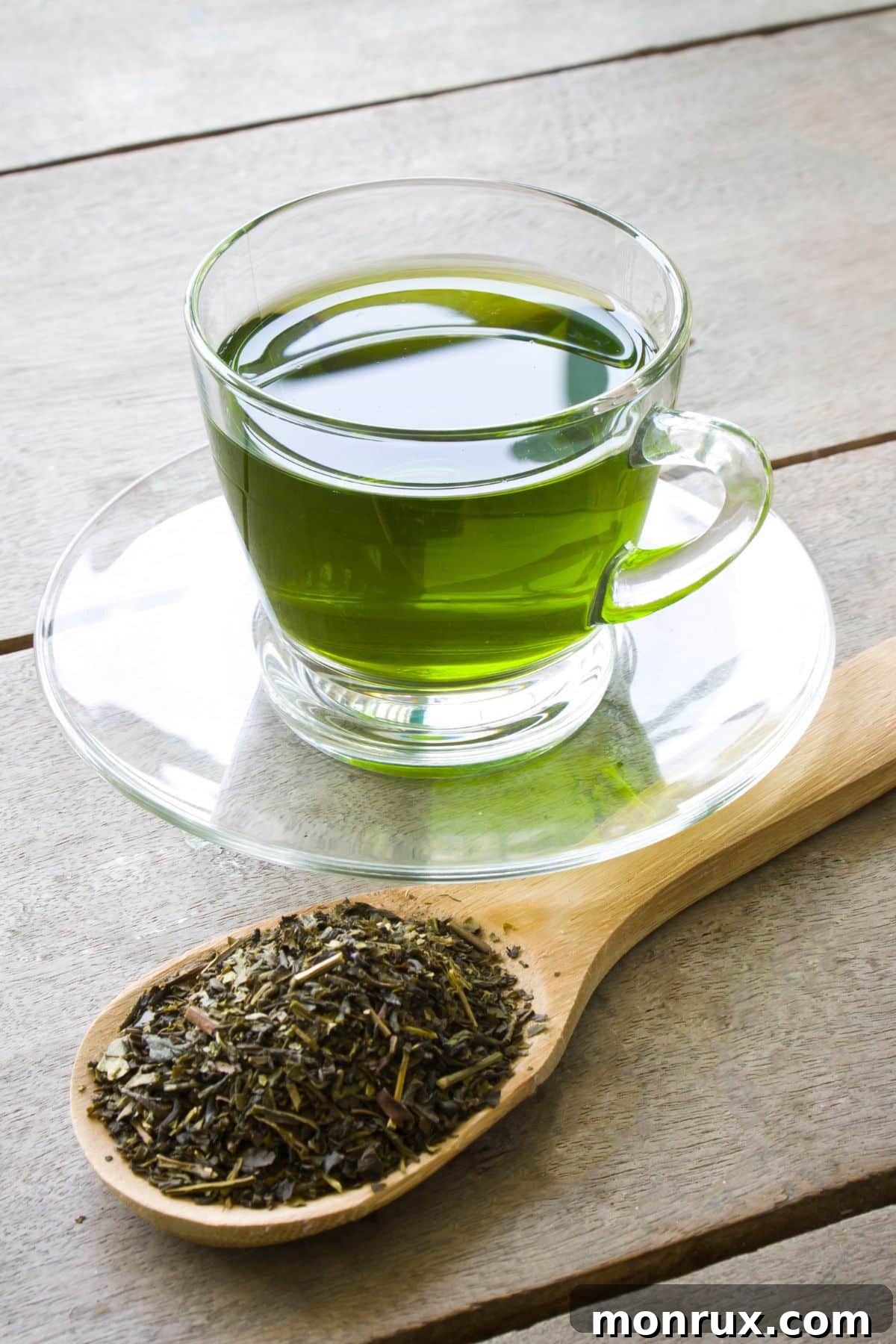
Green tea is perhaps the most extensively studied and potentially effective tea for mitigating PCOS symptoms. Originating from the same plant as black tea, Camellia sinensis, green tea undergoes minimal processing. Its leaves are quickly steamed or dry-heated after harvesting, preserving a higher concentration of beneficial compounds compared to black tea, which is allowed to oxidize.
One of green tea’s most significant contributions to PCOS management is its ability to help reduce insulin resistance. This condition, where the body’s cells don’t respond effectively to insulin, is a common feature in individuals with PCOS. When insulin resistance occurs, the pancreas compensates by producing more and more insulin, leading to elevated insulin levels (hyperinsulinemia). These high insulin levels can trigger the ovaries to produce excessive amounts of androgens, such as testosterone, which contribute to common PCOS symptoms like hirsutism, acne, and irregular ovulation, making conception difficult. Furthermore, unchecked insulin resistance increases the risk of developing type 2 diabetes.
Fortunately, researchers have found green tea to be particularly useful in managing both insulin resistance and type 2 diabetes. Its key active compound, epigallocatechin-3-gallate (EGCG), is believed to enhance insulin sensitivity and improve glucose metabolism. Separate studies have also indicated that overweight and obese women with PCOS who regularly consumed green tea experienced significant reductions in both insulin and testosterone levels, alongside beneficial weight loss. This connection between insulin regulation and androgen reduction highlights green tea’s dual benefit for many PCOS sufferers.
Beyond its metabolic effects, green tea is a potent anti-inflammatory agent. Chronic low-grade inflammation is very common in women with PCOS, with studies showing elevated levels of inflammatory markers. EGCG, abundant in green tea, possesses powerful anti-inflammatory properties, which can help alleviate systemic inflammation and potentially improve the quality of life for those with inflammatory conditions. Reducing inflammation may also positively impact hormonal balance and overall well-being.
While drinking brewed green tea offers many advantages, it’s worth noting that many clinical studies demonstrating its profound benefits often use concentrated green tea extracts. To achieve comparable levels of EGCG through brewed tea, you would need to consume a considerable amount. Therefore, after consulting with your healthcare provider, you might consider incorporating green tea supplements alongside enjoying the beverage daily. Remember, combining green tea consumption with a healthy diet and regular, enjoyable exercise further amplifies its positive effects on insulin resistance and overall PCOS management.
2. Spearmint Tea: The Hormone Balancer
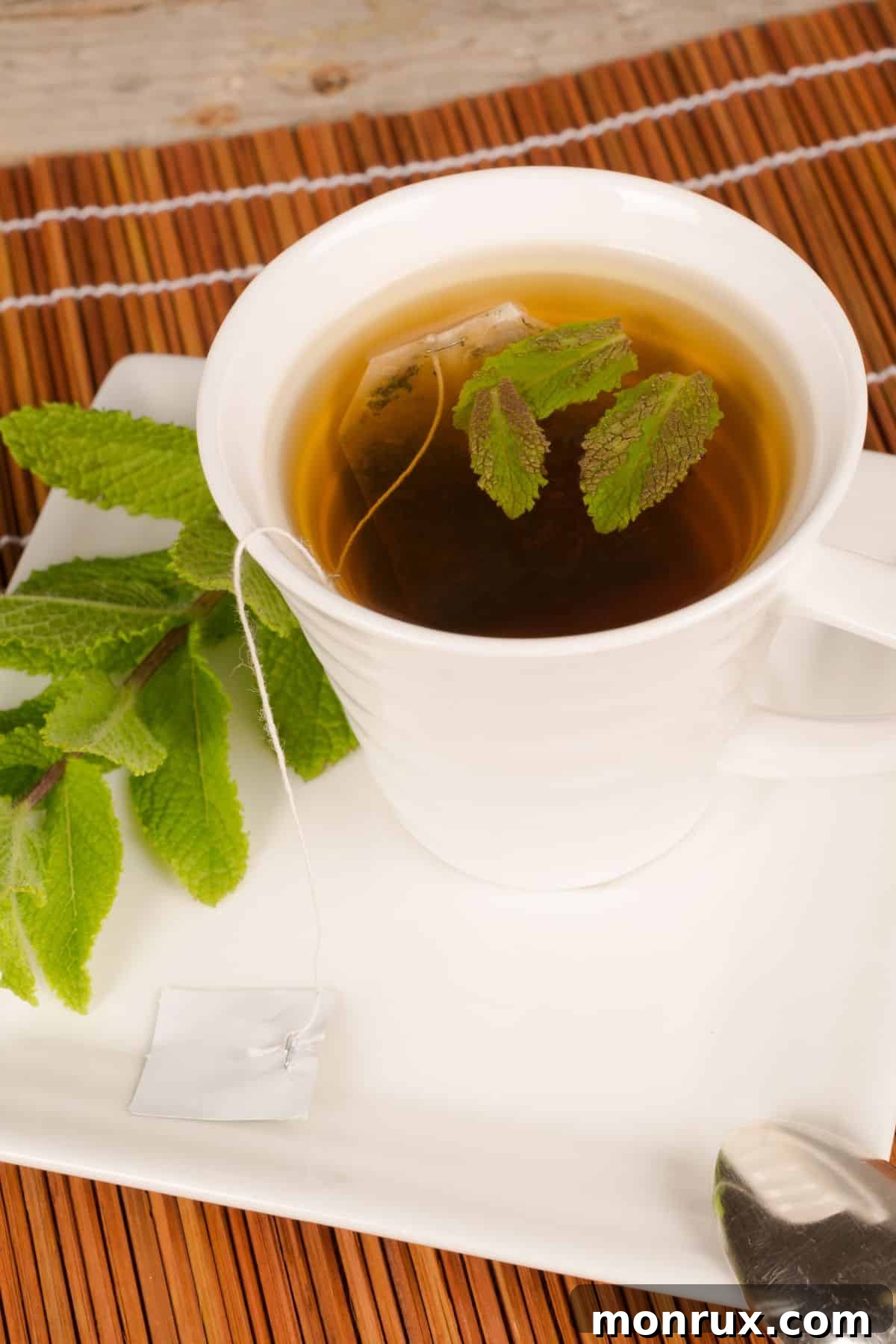
Spearmint tea has emerged as a promising natural remedy for women with PCOS, particularly for its notable anti-androgenic effects. Its impact on hormonal balance has been well-documented in several studies, showing encouraging results.
One significant clinical trial involved 41 women who were administered either spearmint tea twice daily or a placebo herbal tea. The findings revealed a substantial decrease in testosterone levels among those consuming spearmint tea, thereby helping to restore a more balanced hormonal profile. This reduction in male hormones is crucial because elevated androgen levels are responsible for many of the distressing symptoms associated with PCOS.
Among the most bothersome symptoms for many women with PCOS is hirsutism – the growth of coarse, dark hair in areas typically associated with male hair patterns, such as the upper lip, chin, chest, and abdomen. In a study specifically investigating women with hirsutism, researchers observed that spearmint tea not only helped to reduce testosterone levels but also increased levels of follicle-stimulating hormone (FSH) and estradiol (a form of estrogen). These hormonal shifts led the researchers to suggest that spearmint tea could serve as a viable alternative to conventional antiandrogenic treatments for mild cases of hirsutism, though they emphasized the need for further research to solidify these conclusions.
Beyond its hormone-balancing properties, spearmint tea, much like green tea, may also contribute to better blood sugar control. While human studies specifically on spearmint tea’s effect on blood sugar are fewer, animal research provides supportive evidence. For instance, studies in diabetic rats demonstrated a reduction in blood sugar levels after spearmint tea consumption, indicating its potential role in managing metabolic aspects of PCOS.
Furthermore, spearmint tea offers the added benefit of promoting relaxation and alleviating stress. In our fast-paced lives, chronic stress is a common issue, and for women with PCOS, it can exacerbate symptoms. Stress triggers the release of cortisol, a hormone from the adrenal glands. While acute cortisol release is beneficial, chronically high cortisol levels can disrupt delicate hormonal balances, intensify PCOS symptoms, and even influence body composition, leading to increased fat accumulation around the abdomen. Spearmint tea can counteract these effects by reducing anxiety, aiding in restful sleep, and generally promoting a sense of relaxation. To prepare spearmint tea, you can use commercially available tea bags or simply steep dried spearmint leaves in hot water. It can be enjoyed hot or cold. While peppermint tea is similar, most of the scientific evidence specifically pertains to spearmint tea.
3. Cinnamon Tea: For Sweet Balance

Cinnamon, derived from the inner bark of the Cinnamomum tree, is more than just a delightful spice; it’s a powerful ally in the fight against PCOS symptoms. Its therapeutic properties have been utilized for centuries in traditional medicine, and modern science is continually uncovering its profound health benefits.
A primary way cinnamon supports women with PCOS is by helping to normalize blood sugar levels. This is critical for managing PCOS, as stable blood sugar prevents energy crashes and reduces cravings, which can contribute to healthier eating patterns. More importantly, research has consistently shown that cinnamon can significantly improve insulin sensitivity. In a notable study, women with PCOS who received a daily dose of oral cinnamon experienced remarkable reductions in insulin resistance compared to those given a placebo. Cinnamon is believed to mimic insulin at the cellular level, helping glucose enter cells more efficiently, or by improving the functionality of insulin receptors.
Beyond blood sugar regulation, cinnamon also plays a role in weight management, a common concern for many with PCOS. It has been shown to promote fat burning, largely attributed to its essential oil, cinnamaldehyde. This compound contributes to thermogenesis, a process where the body’s cells increase calorie expenditure, thereby boosting metabolism. Consequently, cinnamon has been positively linked to obesity management, with researchers suggesting it could be a valuable supplement for weight loss efforts.
Furthermore, cinnamon tea offers relief from irregular menstrual cycles, a hallmark symptom of PCOS. Studies indicate that it can help regulate periods, potentially by improving ovulatory function and reducing androgen levels. Its rich antioxidant content, including polyphenols and cinnamaldehyde, also contributes to its anti-inflammatory properties, helping to combat the chronic low-grade inflammation often seen in PCOS.
When preparing cinnamon tea, you can infuse cinnamon sticks, powder, or tea bags in hot water. For an enhanced flavor and added benefits, consider combining it with green or black tea. For optimal results and safety, I highly recommend using Ceylon cinnamon, often referred to as “true” cinnamon. Unlike Cassia cinnamon, the variety commonly found in most grocery stores, Ceylon cinnamon contains much lower levels of coumarin, a compound that can be harmful to the liver in large doses. Ceylon cinnamon also boasts a deliciously mild and sweet flavor. Explore my recipe for Lemon Cinnamon Tea, which offers additional health benefits.
4. Chamomile Tea: Soothe and Restore
Chamomile, a delicate daisy-like flower, has been revered for its medicinal properties for thousands of years. Its gentle yet potent effects make it a cherished herb in traditional and modern wellness practices, particularly beneficial for individuals managing PCOS symptoms.
Perhaps its most celebrated use is as a natural aid for relaxation and sleep. Studies have consistently demonstrated chamomile’s ability to significantly improve the quality of sleep and reduce anxiety. For women with PCOS, who often experience elevated stress levels and difficulty sleeping, chamomile tea can be invaluable. By calming the nervous system, it helps to lower cortisol levels, thereby mitigating the negative impact of chronic stress on hormonal balance and overall PCOS symptom severity.
However, chamomile’s benefits extend beyond its calming effects. It is packed with a diverse array of bioactive compounds, including phenols, flavonoids, and phytoestrogens. These constituents contribute to its multifaceted actions: it can help in controlling blood sugar levels, reducing systemic inflammation, and balancing hormones by subtly reducing testosterone. The phytoestrogens in chamomile, while weak, may interact with estrogen receptors, potentially influencing hormonal pathways in a beneficial way for women with PCOS.
There is also emerging evidence to suggest that chamomile can contribute to normalizing menstrual cycles in women with PCOS, a critical aspect of fertility and reproductive health. Its anti-inflammatory action can also ease menstrual pain and discomfort, making periods more manageable.
Chamomile tea is widely available in convenient tea bag form, but you can also brew it by steeping dried or fresh chamomile flowers for a more potent and aromatic experience. Its mild, apple-like flavor makes it a pleasant addition to an evening routine, signaling the body and mind to unwind.
5. Dandelion Root Tea: The Detoxifier
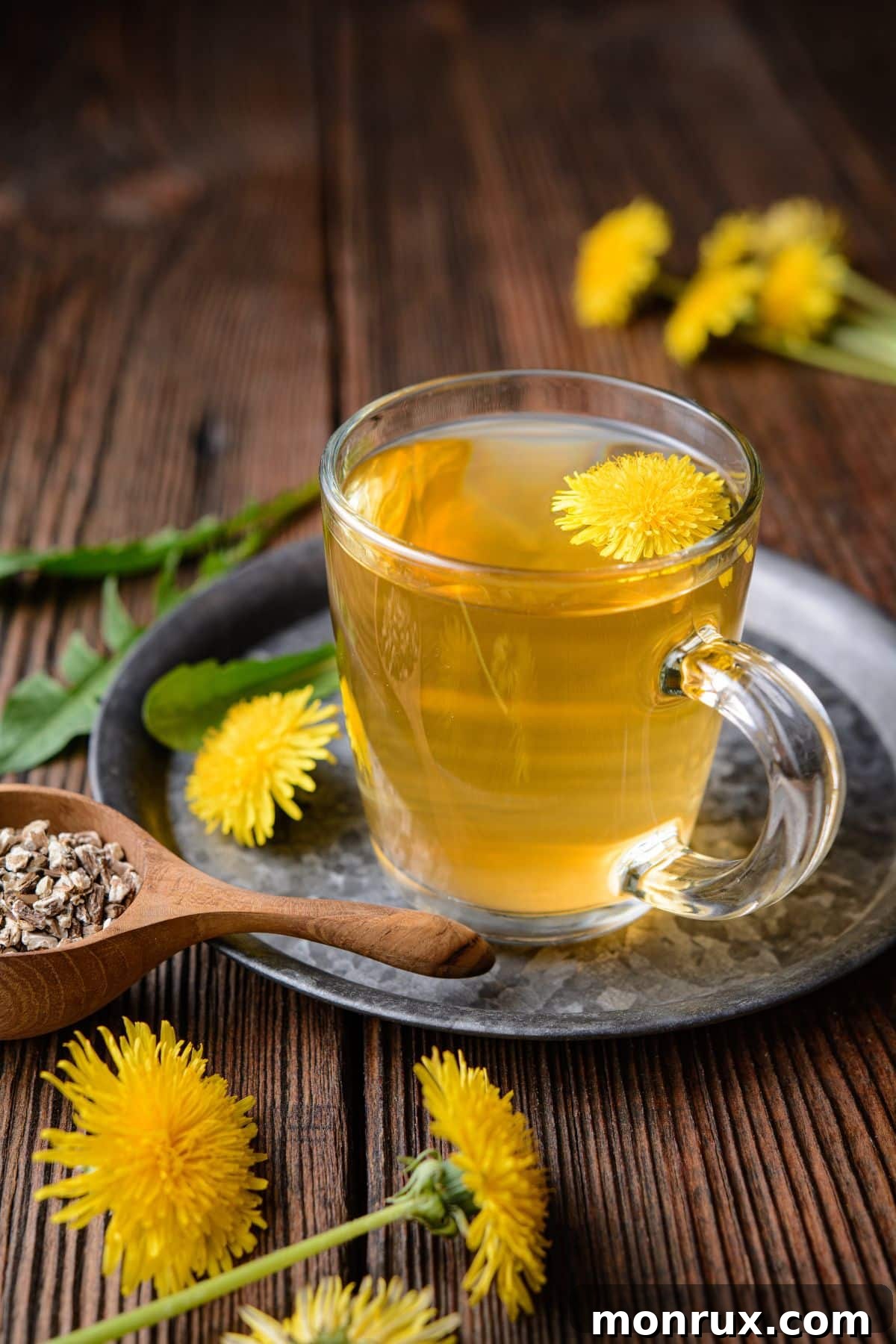
Often dismissed as a common weed, the humble dandelion (Taraxacum officinale) holds remarkable medicinal potential, particularly for supporting liver function, which is crucial for women with PCOS. The liver plays a central role in metabolizing hormones, detoxifying the body, and regulating blood sugar and fat metabolism.
For individuals with PCOS, liver health is particularly important due to the increased prevalence of non-alcoholic fatty liver disease (NAFLD), also known as fatty liver. This condition is often triggered or exacerbated by PCOS-related obesity, insulin resistance, and hormonal imbalances. An overburdened or fatty liver can impair its ability to efficiently process and eliminate excess hormones, such as androgens and estrogens, further contributing to hormonal imbalances seen in PCOS. Dandelion root is known for its hepatoprotective (liver-protecting) properties, aiding the liver in its detoxification processes and supporting its overall health.
Beyond liver support, dandelion may also offer benefits for weight management. Research conducted in Korea suggested that dandelion could exhibit similar effects to the weight-loss drug Orlistat, by inhibiting pancreatic lipase, an enzyme responsible for fat digestion. This mechanism could potentially help in preventing weight gain and supporting modest weight loss, which is often a significant challenge for women with PCOS. Its mild diuretic properties also mean it can help reduce water retention and bloating, providing symptomatic relief.
To prepare dandelion tea, you can utilize both the leaves and the roots. If you choose to harvest dandelion from your garden, ensure it is completely clean and free from pesticides or other chemical treatments. For dandelion leaf tea, simply steep fresh or dried leaves in hot water for about 10-15 minutes. For dandelion root tea, which is more commonly associated with liver support, the roots should first be thoroughly cleaned, chopped, and then gently roasted for approximately one to two hours until they turn dark brown. Once roasted, steep the prepared roots in hot water for about 5-10 minutes to extract their beneficial compounds. Dandelion root tea has a slightly bitter, earthy flavor that can be quite invigorating.
6. Red Raspberry Leaf Tea: Women’s Wellness Brew
Red raspberry leaf tea (from Rubus idaeus) holds a revered place in herbal medicine, particularly within women’s health. It has a long history of traditional use throughout various stages of a woman’s reproductive life, including menstruation, pregnancy, labor, and postpartum recovery. Many believe it can help alleviate common issues such as painful periods and menstrual cramps. While much of this evidence remains anecdotal, passed down through generations, its reputation as a “women’s herb” persists.
For women with PCOS, although direct scientific studies specifically linking red raspberry leaf tea to a reduction in PCOS symptoms are limited, its rich nutritional and antioxidant profile offers a compelling reason for its inclusion in a supportive regimen. One key area where red raspberry leaf tea can be beneficial is in controlling inflammation.
Red raspberry leaves are an abundant source of powerful antioxidants, including anthocyanins, ellagitannins, and hydroxybenzoic acids. These compounds are well-known for their ability to protect the body against oxidative stress and neutralize free radicals, thereby preventing inflammation and its detrimental effects on the body. As chronic low-grade inflammation is a common underlying factor in PCOS, incorporating anti-inflammatory herbs can help to calm the body’s inflammatory response, potentially improving overall symptom presentation and promoting cellular health.
Additionally, red raspberry leaf is rich in essential vitamins and minerals, including iron, calcium, magnesium, potassium, and B vitamins, which are vital for overall health and can sometimes be deficient in women with PCOS. Its nourishing properties contribute to uterine health, and while not directly proven to treat PCOS, a healthy reproductive system is always a foundational goal. You can find red raspberry leaves in both loose leaf and tea bag forms. Its flavor is often described as mild, slightly earthy, and similar to black tea, making it a pleasant beverage to enjoy either hot or cold.
7. Licorice Root Tea: Proceed with Caution
Licorice root (Glycyrrhiza glabra) is much more than a candy flavor; it has been a staple in traditional medicine systems for thousands of years, prized for its diverse therapeutic properties. The most significant compound in licorice root is glycyrrhizin, which not only gives licorice its distinctive sweet taste but is also responsible for many of its medicinal effects.
For women with PCOS, glycyrrhizin demonstrates potent antioxidant and anti-inflammatory properties, which can help in managing the chronic inflammation associated with the condition. More specifically, licorice root has been shown to exert anti-androgenic effects. Research indicates that it can reduce testosterone levels, potentially by inhibiting key enzymes (like 17-alpha-hydroxylase and 17,20-lyase) involved in androgen synthesis in the ovaries and adrenal glands. This reduction in male hormones could be beneficial for alleviating symptoms such as hirsutism and acne. Furthermore, separate studies suggest that licorice root may also support ovulation, offering potential benefits for fertility in women with PCOS.
However, it is critically important to approach licorice root tea with extreme caution due to its potential for serious side effects and drug interactions. Glycyrrhizin, while beneficial, can also have mineralocorticoid effects, leading to an increase in blood pressure and a decrease in potassium levels (hypokalemia), especially with prolonged or excessive consumption. These effects are particularly concerning for individuals over 40, or those with a history of high blood pressure, heart disease, kidney issues, or liver conditions.
Moreover, licorice root can interact with a wide range of medications. It can amplify the effects of certain drugs, such as blood thinners and corticosteroids, and interfere with others, including diuretics, ACE inhibitors for high blood pressure, and medications for diabetes. It has also been shown to cause an increase in the stress hormone cortisol in some individuals, which could paradoxically worsen PCOS symptoms in those already dealing with elevated stress. Given these significant risks, it is imperative to consult your healthcare provider before considering licorice root tea as part of your PCOS management plan, especially if you have pre-existing health conditions or are taking any medications.
PCOS Tea FAQs
Can drinking tea help manage PCOS symptoms?
Yes, many herbal teas contain compounds that can potentially help manage certain symptoms of PCOS, such as inflammation, insulin resistance, and hormonal imbalances. Ingredients like polyphenols, antioxidants, and anti-androgenic compounds found in teas like green tea and spearmint tea have shown promising results in various studies. However, it’s vital to consider tea as a complementary approach rather than a standalone treatment. For optimal results, tea consumption should be integrated into a comprehensive management plan that includes a healthy diet, regular exercise, stress management, and any treatments prescribed by your physician.
Are there any side effects of drinking these teas?
While most of the teas mentioned, such as green tea, spearmint tea, chamomile tea, and red raspberry leaf tea, are generally considered safe for most people when consumed in moderation, excessive intake or individual sensitivities can lead to side effects. For example, licorice root tea has well-documented risks, including elevated blood pressure and decreased potassium levels, especially with prolonged use or in individuals with pre-existing conditions. Cinnamon tea in large amounts, particularly Cassia cinnamon, can also pose liver risks due to coumarin content. Always listen to your body, start with small amounts, and discontinue use if you experience any adverse reactions. Consulting a healthcare provider before adding new herbal remedies to your routine is highly recommended.
Can these teas interact with my other medications?
Absolutely. Herbal teas, despite being natural, can contain potent compounds that may interact with prescription medications, including birth control pills, hormone therapies, diabetes medications, blood thinners, and blood pressure medications commonly used in PCOS management. Licorice root, in particular, is known for its wide range of potential drug interactions, which can include ACE inhibitors, diuretics, corticosteroids, and more. To ensure your safety and the effectiveness of your current medical treatments, it is crucial to discuss any herbal teas you plan to consume with your healthcare provider or pharmacist. They can offer personalized advice based on your health history and medication regimen.
How long will it take to see an effect?
The impact of herbal teas on PCOS symptoms can vary significantly from person to person. Factors such as the severity of your PCOS, your overall diet and lifestyle, exercise habits, genetic predispositions, and other ongoing treatments all play a role. Natural remedies typically require consistency and patience. It may take several weeks to a few months of regular, daily consumption to observe noticeable improvements in symptoms. It’s important to be consistent, monitor your symptoms diligently, and maintain open communication with your healthcare provider about any changes or concerns.
Is it safe to drink caffeinated tea or coffee with PCOS?
The safety of caffeinated beverages for women with PCOS is a topic with mixed scientific opinions. Some studies suggest that caffeine can potentially interfere with hormonal balance and increase levels of the stress hormone cortisol, which could exacerbate PCOS symptoms. Conversely, other research indicates that moderate caffeine consumption might reduce the risk of type 2 diabetes and raise levels of sex hormone-binding globulin (SHBG). An increase in SHBG can help bind excess testosterone, potentially easing androgen-related PCOS symptoms like hirsutism and acne. Given these conflicting findings, it’s best to observe your body’s response and consult your healthcare provider for personalized advice tailored to your specific health profile and sensitivities.
More PCOS Insights
Conclusion: Embracing Tea for PCOS
Managing Polycystic Ovary Syndrome effectively often involves a multi-faceted approach, and incorporating specific herbal teas can be a delightful and supportive part of this journey. The teas discussed – green tea, spearmint tea, cinnamon tea, chamomile tea, dandelion root tea, red raspberry leaf tea, and with caution, licorice root tea – each offer unique benefits, from combating inflammation and improving insulin sensitivity to restoring hormonal harmony and easing stress. They represent a natural avenue to complement conventional treatments and enhance overall well-being for women living with PCOS.
However, it is crucial to reiterate that while these teas possess therapeutic properties, their impact can vary significantly among individuals. Personal factors such as genetic makeup, lifestyle, the severity of symptoms, and existing medical conditions all influence how one responds to herbal remedies. Therefore, a consistent and patient approach is key. It’s essential to monitor your symptoms closely and discuss any changes or concerns with your healthcare provider. These teas are intended to support, not replace, professional medical advice and prescribed treatments. By working collaboratively with your doctor, you can determine the most appropriate and safest ways to integrate these beneficial beverages into your daily regimen, helping you achieve better symptom management and improved health outcomes.
Don’t forget to join my newsletter list to get exclusive clean eating recipes and tips. The newsletter is 100% free with no spam; unsubscribe anytime.
About the Author: Carrie Forrest holds a master’s degree in public health with a specialty in nutrition and is a certified holistic nutritionist. She is a top wellness and food blogger, attracting over 5 million annual visitors to her site. Carrie shares an inspiring story of recovery from chronic illness and is deeply passionate about empowering other women to transform their health. You can reach out to her through her contact form.
Note: This post is for informational purposes only and is not intended as medical advice. Please consult your healthcare provider for recommendations related to your individual situation.