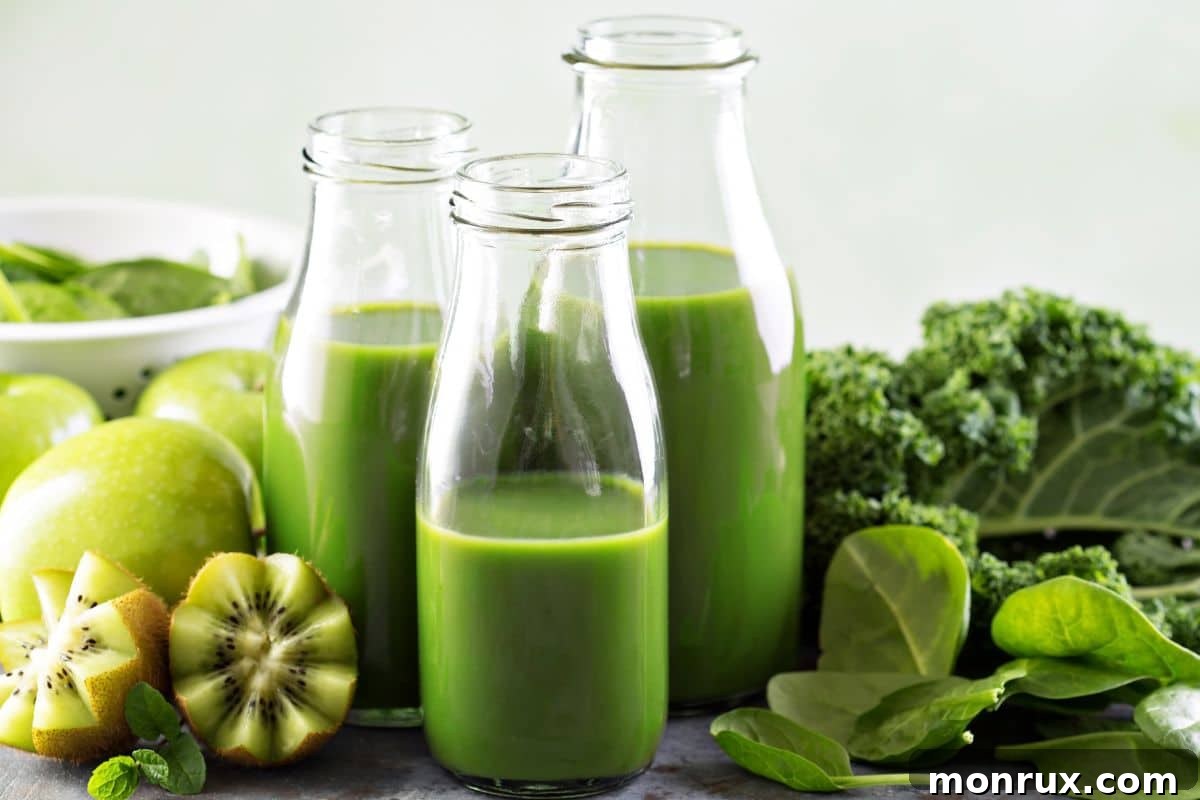
Discover the Best Juices to Naturally Reduce Bloating and Improve Digestion
Are you tired of that uncomfortable, heavy feeling in your stomach? Bloating can be a common and frustrating issue, but what if a refreshing, delicious drink could offer a simple solution? In this comprehensive guide, we’ll explore some of the most effective and flavorful juicing recipes specifically designed to help you reduce bloating and support a healthier digestive system. These easy-to-make juices utilize everyday ingredients packed with natural properties known to soothe your gut and alleviate discomfort.
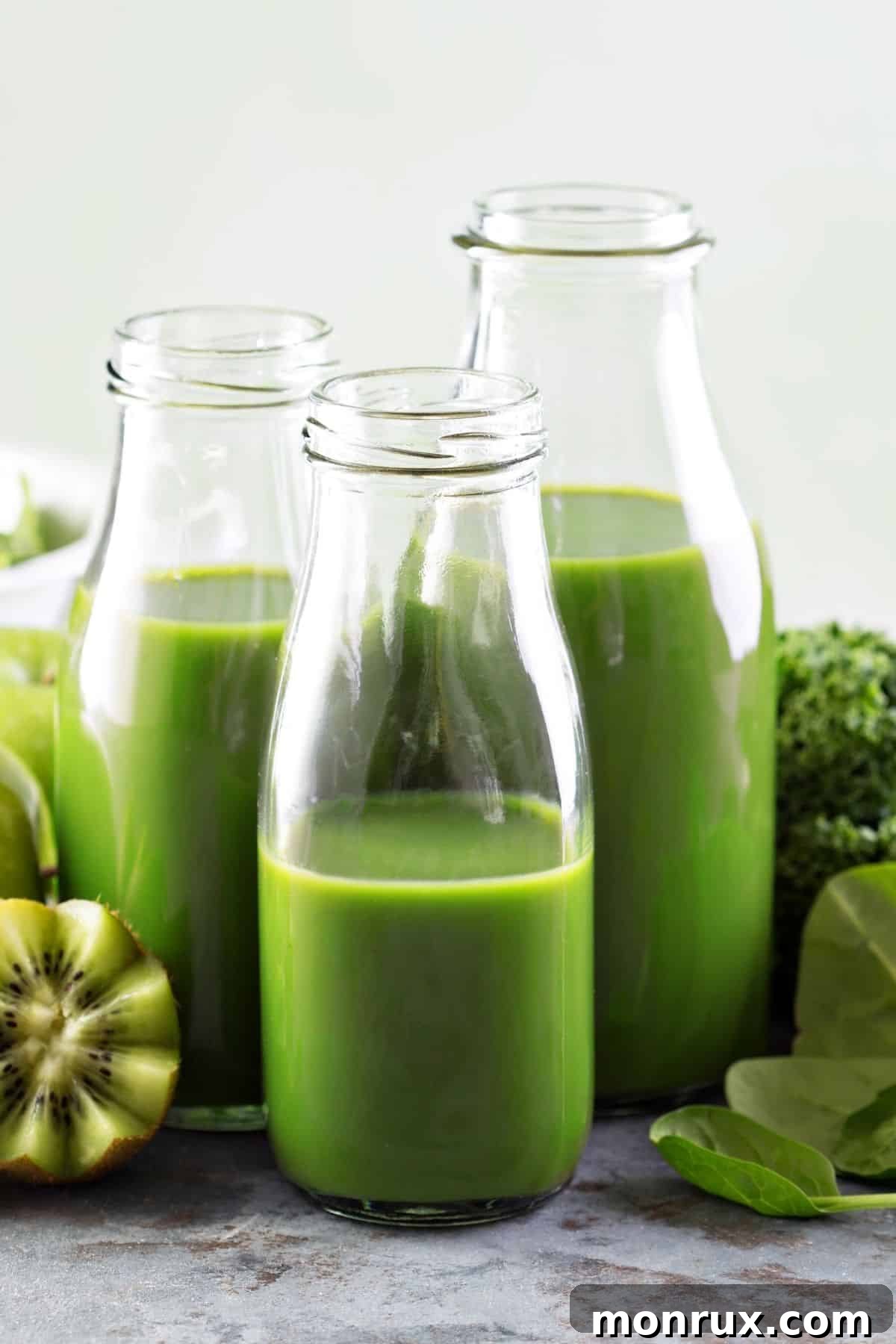
Juices for Bloating: Your Natural Remedy
When searching for the best juice for bloating, it’s important to understand that no single elixir fits all. However, this curated collection features some of the most beneficial juicing recipes that can significantly aid in reducing that uncomfortable full or swollen feeling. These vibrant concoctions work by leveraging the natural diuretic properties of certain fruits and vegetables, helping to flush out excess fluid retention, and sometimes providing a gentle laxative effect to encourage healthy digestion.
Bloating can stem from various factors, including diet, lifestyle, and even underlying health conditions. While these natural juice recipes offer a fantastic way to support your digestive comfort, it’s crucial to consult your healthcare provider if you experience persistent bloating for longer than a few days, as it could be a symptom of more significant issues. Always prioritize your health and seek professional advice when needed.
Now, let’s dive into these fantastic recipes and discover how you can transform simple ingredients into powerful anti-bloat remedies!
1. Anti-Bloat Green Juice Recipe (Blender or Juicer)
This potent Anti-Bloat Green Juice is my top recommendation for anyone seeking effective and delicious relief from bloating. It masterfully combines ingredients renowned for their ability to combat symptoms of fluid retention and digestive discomfort. Think crisp cucumber, hydrating celery, zingy ginger, and a touch of lemon—all working in harmony to soothe your system. Whether you prefer the quick processing of a juicer or the fiber-rich outcome of a blender, this recipe ensures you get maximum benefits in a delightful green drink. It’s not just effective; it’s a truly refreshing and nutritious way to kickstart your day or rebalance your body anytime.
2. Pineapple and Cucumber Juice: Tropical Digestive Aid
Experience a taste of the tropics while giving your digestive system a helping hand with this Pineapple and Cucumber Juice. This delightful blend is a powerhouse of nutrients, including a generous dose of Vitamin C from pineapple and the incredible hydrating properties of cucumber. Pineapple contains bromelain, an enzyme known to aid in protein digestion, which can significantly reduce feelings of heaviness and bloating after meals. Cucumber, being largely water, acts as a natural diuretic, helping to flush out excess fluids. This juice is not only fantastic for reducing bloat but also incredibly refreshing and perfect for quenching your thirst, especially on warm days. Learn how to prepare this revitalizing drink using either a juicer or a blender.
3. Refreshing Cucumber Juice Recipe (Juicer or Blender)
Sometimes, simplicity is key, and this refreshing Cucumber Juice recipe proves it with just two core ingredients. Cucumbers are renowned for their exceptionally high water content, making this juice an ultimate hydrating beverage that actively combats bloating caused by dehydration. Beyond hydration, cucumbers also contain natural diuretics that assist your body in expelling excess water and toxins, promoting a lighter, less bloated feeling. This simple juice boasts a remarkably light and clean flavor profile that’s incredibly easy to enjoy. Whether you have a juicer for a silky-smooth consistency or a blender for a slightly thicker, fiber-rich drink, preparing this hydrating elixir is quick and effortless.
4. Parsley Juice: Nature’s Detoxifier
Unlock the power of greens with this invigorating Parsley Juice recipe. Parsley is more than just a garnish; it’s a highly nutritious herb known for its impressive diuretic and detoxifying properties, making it an excellent choice for reducing bloating and promoting overall wellness. Packed with vitamins K, C, and A, as well as antioxidants, parsley helps support kidney function and encourages the elimination of excess fluids, thereby alleviating water retention and the discomfort it brings. This healthy green juice provides an energizing boost and can be enjoyed first thing in the morning to kickstart your metabolism or at any time of day when you need a revitalizing pick-me-up. Discover the full recipe, often blended with complementary ingredients like carrot and celery, to enhance both flavor and anti-bloat benefits.
5. Easy Celery Juice Recipe (Juicer or Blender)
Celery juice has gained immense popularity for its incredible health benefits, and for good reason. This Easy Celery Lime Juice recipe is not only nourishing and fresh but also particularly effective in reducing bloating. Celery is rich in water and electrolytes, making it an exceptional hydrator that supports healthy fluid balance and helps combat water retention. Its natural diuretic properties gently encourage your body to release excess fluids, leading to a flatter, more comfortable stomach. Additionally, celery contains compounds that can help reduce inflammation and support gut health. This simple yet powerful beverage is perfect for a morning detox or as a refreshing drink any time of day. Prepare it effortlessly in either a juicer for a smooth, concentrated shot of nutrients or a blender for a more fibrous blend.
6. Carrot Celery Juice: Sweet Hydration Boost
This healthy Carrot Celery Juice is a vibrant and sweet concoction perfect for hydrating your body and supporting digestive comfort. By combining the natural sweetness of carrots with the detoxifying properties of celery, and often enhanced with a touch of ginger and apple, this juice becomes a fantastic anti-bloat remedy. Carrots are rich in antioxidants and vitamins, while celery contributes its powerful diuretic effects, helping to reduce water retention. The addition of ginger can further calm the digestive tract and reduce gas. This recipe is also an excellent way to utilize any extra produce you have on hand, minimizing waste while maximizing your health benefits. Enjoy this fresh vegetable juice made effortlessly in either a juicer or a blender.
7. Green Juice with Lemon & Ginger: Zesty Digestive Support
Elevate your juicing routine with this delicious Green Juice Recipe featuring the dynamic duo of lemon and ginger. This incredibly refreshing blend combines fresh ingredients like cucumber, celery, lemon, and ginger, creating a mild and slightly sweet flavor that appeals to almost everyone. Each component plays a vital role in combating bloating: cucumber and celery provide essential hydration and act as natural diuretics, lemon stimulates digestive enzymes and aids detoxification, while ginger is a well-known anti-inflammatory and anti-nausea agent that effectively calms upset stomachs and reduces gas. This powerful combination makes it one of the best juices for bloating. Whether you opt for a juicer or a blender, you’ll be able to create this beloved green juice that tastes amazing and leaves you feeling lighter and more energized.
8. Papaya Juice Using a Blender: Enzyme Powerhouse
Transport yourself to a tropical paradise with every sip of this delightful Papaya Juice! Naturally sweet, thick, and incredibly flavorful, papaya juice is more than just a treat—it’s an excellent aid for improving digestion and reducing bloating. Papaya contains a powerful enzyme called papain, which is renowned for its ability to break down proteins and facilitate smoother digestion, preventing the buildup of gas and discomfort that often leads to bloating. This makes it a stellar choice for a post-meal digestive boost. Furthermore, papaya is rich in fiber and antioxidants, supporting overall gut health. Learn how to effortlessly make this delicious and creamy Papaya Juice using just a blender, bringing the benefits of this exotic fruit directly to your glass.
9. Celery Cucumber Green Juice: Ultimate Hydration
For those seeking pure, unadulterated hydration and a significant reduction in bloating, this Celery Cucumber Green Juice Recipe is an absolute must-try. This minimalist yet incredibly effective juice is brimming with essential vitamins, micronutrients, and an abundance of water. Both celery and cucumber are celebrated for their exceptionally high water content and natural diuretic properties. This means they work synergistically to help your body flush out excess fluids and toxins, directly combating water retention—a common cause of bloating. When you need a truly refreshing and detoxifying drink that leaves you feeling light and revitalized, this simple green juice is the perfect choice. It’s gentle on the digestive system and provides a clean, crisp taste that’s both satisfying and beneficial.
10. Beet Juice Recipe (Juicer or Blender): Earthy Goodness
Don’t let the vibrant color fool you; this Sweet Beet Juice recipe is a deliciously refreshing drink that’s surprisingly easy to make and, when prepared correctly, boasts no earthy flavor! Beets are packed with essential nutrients, including nitrates that can improve blood flow and digestion, and betalains, which are powerful antioxidants with anti-inflammatory properties. While not a direct diuretic like cucumber or celery, beets support liver detoxification, which can indirectly help reduce bloating by improving the body’s overall cleansing processes. This recipe, often paired with ingredients like apples, carrots, and ginger, is designed to balance the flavors beautifully, creating a palatable and beneficial juice. You only need about six simple ingredients to make this healthy beverage using either a juicer or a blender.
11. Cabbage Juice: Soothe Your Tummy
While not always the first choice for flavor, Cabbage Juice is an incredibly beneficial vegetable juice, particularly for addressing various tummy troubles, including its historical use in helping with ulcers. For bloating, cabbage juice can be a powerful ally due to its rich content of L-glutamine, an amino acid that supports gut lining health and can reduce inflammation in the digestive tract. It also contains compounds that help regulate bowel movements, preventing constipation-related bloating. This recipe cleverly includes apples and carrots to add natural sweetness and mellow the strong flavor of cabbage, making it much more palatable. Whether you have a juicer or a blender, you can easily prepare this healing and anti-bloat juice.
12. Lettuce Juice Recipe (Juicer or Blender): Light & Fresh
Discover the subtle yet powerful benefits of this Lettuce Juice Recipe. Often overlooked in the world of juicing, lettuce offers a surprisingly light and refreshing green juice that is packed full of nutrition and subtle flavor. High in water content, lettuce contributes significantly to hydration, which is a fundamental aspect of combating bloating. It also provides essential vitamins and minerals that support overall health without adding heavy fiber that can sometimes exacerbate bloating for sensitive individuals. This gentle veggie juice is perfect for those seeking a mild green drink and can be enjoyed on its own as a hydrating snack or paired with a meal. Learn how to effortlessly prepare this nutritious juice using either a juicer or a blender for your convenience.
13. Fennel Juice: The Calming Elixir
Unveil the unique and soothing qualities of Fennel Juice, a mild green vegetable juice that can make a significant difference in your battle against bloating. Fennel is celebrated for its distinct licorice or anise-like flavor and, more importantly, its carminative properties. This means it helps to relieve gas and reduce muscle spasms in the digestive tract, making it exceptionally effective at reducing bloating and abdominal discomfort. Furthermore, fennel contains compounds that can help reduce inflammation throughout the body. Incorporating this delicious green juice into your routine, easily made with a blender or a juicer, is a fantastic way to calm your digestive system and experience a greater sense of lightness and well-being. Try this ancient remedy today!
14. Spinach Juice Recipe (Juicer or Blender): Nutrient-Rich Green
For a mild-tasting green juice that packs a significant nutritional punch, look no further than this Spinach Juice Recipe. Spinach is a superfood powerhouse, loaded with vitamins (especially K, A, and C), minerals like iron and magnesium, and a wealth of antioxidants. While perhaps not as direct a bloat-fighter as ginger or fennel, its high water content contributes to hydration, and its overall nutritional profile supports healthy bodily functions, including digestion. A well-nourished body is often better equipped to handle digestive issues. This hydrating and micronutrient-rich juice can be easily prepared using either a juicer for a smooth consistency or a blender for a more fibrous, filling drink. This Spinach Juice recipe offers a quick and simple way to integrate a high volume of vital nutrients into your daily diet, supporting overall wellness and potentially easing digestive discomfort.
Key Natural Anti-Bloat Ingredients for Juicing
The good news is that feeling less full and bloated can often be achieved through natural remedies, and juicing stands out as an exceptionally effective method. Juicing, in particular, can be a great way for many individuals to feel lighter and less distended. This is because the process of juicing typically removes most of the insoluble fiber from fruits and vegetables, leaving behind a concentrated liquid packed with vitamins, minerals, and enzymes. While fiber is essential for digestive health, consuming a large amount of raw fiber can sometimes slow down the digestive process in the GI tract for some sensitive individuals, potentially exacerbating bloating. Juicing allows for quicker nutrient absorption without this heavy fiber load.
Here are some of the star ingredients, carefully selected for their special characteristics that actively help reduce bloating:
- Pineapple: This tropical fruit contains bromelain, a powerful enzyme complex that helps break down proteins in your food, significantly improving digestion and reducing the likelihood of gas and bloating.
- Ginger: A true digestive champion, ginger is widely recognized for its anti-inflammatory properties. It stimulates digestive enzymes, helps move food through the digestive tract, and can effectively soothe the stomach, drastically reducing feelings of bloating and gas. Ginger is such a versatile and beneficial ingredient to add to almost any juice.
- Peppermint: Peppermint, often used in teas for digestive comfort, has been scientifically shown to relax the muscles of the gastrointestinal tract. This relaxation can alleviate spasms and prevent gas from getting trapped, thereby helping to reduce bloating and discomfort.
- Fennel: Fennel seeds and the bulb itself have been utilized for centuries as a natural carminative. They are excellent at soothing the digestive tract, relaxing gut muscles, and dispelling gas, which directly contributes to reducing bloating and indigestion.
- Cucumber: Cucumbers are incredibly high in water content and rich in electrolytes, making them supreme hydrators. Proper hydration is critical for preventing and alleviating bloating, as dehydration can often lead to water retention. These vegetables contain an abundance of water which helps them act as a natural diuretic, encouraging your body to flush out excess fluids.
- Celery: Similar to cucumber, celery boasts an exceptionally high water content, making it excellent for hydration and combating fluid retention. It’s also packed with antioxidants and anti-inflammatory compounds that support overall gut health and may reduce bloating caused by inflammation.
- Lemon: The high acidity level of lemons can significantly stimulate the production of hydrochloric acid in the stomach. Adequate stomach acid is crucial for efficient digestion, helping to break down food more effectively and prevent fermentation that can lead to gas and bloating. You can either juice a whole peeled lemon or simply add fresh lemon juice to your blends.
- Papaya: This sweet fruit contains an enzyme called papain, which functions much like bromelain in pineapple. Papain aids in breaking down proteins and improving overall digestive efficiency, making it a fantastic ingredient to help reduce bloating and constipation.
While these ingredients are perfectly suited for juicing, there are many other foods and natural substances that can help with bloating, such as green tea, peppermint tea, peppermint oil supplements, and a diet rich in whole grains and sweet potatoes. However, these particular items might not be ideal candidates for direct inclusion in liquid juice recipes.
Understanding Bloating & Digestion
Bloating is a remarkably common yet profoundly uncomfortable sensation, typically described as an unpleasant feeling of fullness, tightness, or even visible swelling in the abdominal area. This sensation can range from mild discomfort to significant pain, often leaving individuals feeling sluggish and self-conscious.
The causes of bloating are diverse and can include a variety of factors such as:
- Water Retention: Excess fluid buildup in the body’s tissues.
- Digestive Issues: Conditions like constipation, irritable bowel syndrome (IBS), or imbalances in gut bacteria.
- Dietary Choices: Eating too much too quickly, consuming foods that produce excessive gas (like certain cruciferous vegetables, legumes, or carbonated drinks), or having food intolerances (e.g., lactose or gluten intolerance).
- Hormonal Fluctuations: Changes during the menstrual cycle, pregnancy, or perimenopause can often lead to bloating.
- Underlying Health Conditions: In some cases, persistent bloating can signal more serious issues related to the small intestine or other organs, emphasizing the importance of medical consultation if symptoms persist.
Certain foods, particularly fibrous cruciferous vegetables like broccoli, cauliflower, and cabbage, are notorious for causing bloating in some individuals. This is because these vegetables contain complex carbohydrates that can be difficult for some digestive systems to break down, leading to fermentation and gas production in the gut.
Healthy digestion is often characterized by regular bowel movements, typically 1-3 times per day. When digestion is sluggish, or if there’s an imbalance in gut flora, it can lead to trapped gas and bloating.
Understanding the root cause of your bloating is the first step toward effective relief. While dietary changes and natural remedies like juicing can offer significant support, it’s always wise to consult a healthcare professional for persistent or severe symptoms.
For more insights into managing specific types of bloating, consider exploring my related article on how to reduce bloating during perimenopause, and check out my round-up of the best smoothies to lose belly fat for additional gut-friendly options.
Juicing FAQs for Bloating Relief
Is juicing better than eating whole fruits and vegetables for reducing bloating?
While juicing offers a quick and easy method to consume a concentrated dose of vitamins, minerals, and enzymes from fruits and vegetables, it’s not necessarily “better” than eating whole produce for everyone, especially concerning bloating. Juicing typically removes most of the insoluble fiber, which can be beneficial if your bloating is triggered by high fiber intake, as it allows for quicker nutrient absorption and can ease the digestive load. However, whole fruits and vegetables provide essential dietary fiber that promotes bowel regularity and supports a healthy gut microbiome. Excessive reliance on juice alone might also negatively impact blood sugar regulation due to the lack of fiber. A balanced approach, incorporating both whole foods and targeted juices, is often the most effective strategy for managing bloating and overall health.
How often should I drink these anti-bloat juices to see an effect?
To potentially experience noticeable effects on bloating, drinking these juices once or twice a day could be beneficial. Many people find relief by incorporating an anti-bloat juice into their morning routine or having one mid-day. However, it’s vital to remember that every individual’s body is unique; what yields quick results for one person might take longer for another. Consistency is key, but so is listening to your body. Alongside juicing, it’s crucial to maintain a balanced diet rich in varied whole foods, stay adequately hydrated with plain water, and engage in regular physical activity. Juices should complement, not replace, a wholesome diet.
Can juicing itself cause bloating for some individuals?
Yes, paradoxically, juicing can sometimes cause bloating for certain individuals, especially when first introduced to a diet. This might happen if your digestive system isn’t accustomed to a sudden influx of highly concentrated nutrients or specific enzymes. Some fruits or vegetables, even when juiced, contain compounds that might trigger sensitivity in some people. For instance, high sugar content in fruit juices can feed gut bacteria, potentially leading to gas. To minimize this risk, start with smaller quantities (e.g., half a glass) and gradually increase your intake as your body adjusts. Pay attention to how different ingredients affect you and tailor your recipes accordingly. Choosing low-sugar vegetable-dominant juices might also be helpful initially.
Can juice cleanses serve as a long-term solution for bloating?
While juice cleanses might provide temporary relief from bloating and a feeling of lightness, they are generally not considered a sustainable or long-term solution for chronic bloating or other underlying health issues. Cleanses can offer a short reset for the digestive system, but the benefits are often fleeting. For lasting relief and optimal health, it’s essential to focus on establishing a balanced diet, a healthy lifestyle, and addressing any root causes of bloating. This includes consuming a wide variety of whole foods rich in both soluble and insoluble fiber, ensuring plenty of water intake, getting regular exercise, and managing stress. If bloating is a persistent and chronic concern, it is always imperative to seek professional medical advice. Persistent bloating can sometimes be a sign of more serious health conditions that require proper diagnosis and treatment beyond dietary adjustments.
Don’t Miss These Helpful Juice Resources!
Conclusion: Embrace a Bloat-Free Life with Juicing
Incorporating these thoughtfully crafted juices into your daily routine offers a flavorful, refreshing, and highly effective strategy to combat bloating and foster superior digestive health. By featuring potent, digestion-boosting ingredients such as pineapple, ginger, peppermint, fennel, cucumber, celery, lemon, and papaya, these recipes leverage nature’s best remedies to help you feel lighter and more comfortable.
These juices are not just delicious; they serve as a beautiful complement to a balanced diet rich in other whole fruits and vegetables, enhancing your overall wellness journey. Remember, while juicing can provide significant relief, a holistic approach to health—including proper hydration, regular physical activity, and mindful eating—is paramount for sustained comfort and vitality. Start experimenting with these recipes today and take a significant step towards a bloat-free, more energetic you!
Don’t forget to join my newsletter list to get exclusive clean eating recipes and tips delivered straight to your inbox. The newsletter is 100% free with no spam; you can unsubscribe anytime.
About the Author: Carrie Forrest has a master’s degree in public health with a specialty in nutrition and is a certified holistic nutritionist. She is a top wellness and food blogger with over 5 million annual visitors to her site. Carrie has an incredible story of recovery from chronic illness and is passionate about helping other women transform their health. Send her a message through her contact form.
Note: this post is for informational purposes only and is not intended as medical advice. Please consult your healthcare provider for recommendations related to your individual situation.