
If you’re an avid baker, you know the importance of every ingredient, especially acidic ones like apple cider vinegar (ACV). It plays a crucial role in many recipes, contributing to texture, flavor, and leavening. But what happens when you’re in the middle of preparing a recipe and realize your bottle of ACV is empty? Don’t let a missing ingredient derail your baking plans! The good news is that there are numerous effective apple cider vinegar substitutes available that can help you achieve similar delicious results.

Using Apple Cider Vinegar When Baking
Apple cider vinegar, derived from fermented apple juice, has a distinctive tartness and a slightly fruity aroma. In baking, its role extends far beyond just flavor. Understanding how and why ACV is used can help you choose the best substitute when it’s not available.
What Does Apple Cider Vinegar Do?
Apple cider vinegar is a powerful acidic ingredient with a long history in the culinary world. When incorporated into baked goods, it primarily serves a few key functions:
- Leavening Agent: Its most common role in baking is to react with alkaline ingredients like baking soda (sodium bicarbonate). This reaction produces carbon dioxide gas, which creates air pockets in the batter, leading to a light, fluffy, and tender texture in cakes, muffins, and quick breads. This is particularly vital in vegan baking where eggs are omitted, as ACV can help mimic the leavening properties that eggs would typically provide.
- Flavor Balance: ACV’s tartness cuts through the sweetness of sugar, creating a more balanced and complex flavor profile. It can prevent baked goods from tasting overly sweet or one-dimensional, adding a subtle tang that enhances other flavors.
- Moistness and Tenderization: The acidity in ACV can help break down proteins in flour, resulting in a more tender crumb. It also contributes to the overall moistness of the final product, preventing it from drying out too quickly.
While often used in small quantities, its impact on the final product is significant, from delicate pastries to hearty loaves.

Why Do You Need Apple Cider Vinegar?
The need for apple cider vinegar in a recipe stems from its acidic properties. Without sufficient acidity, reactions with baking soda won’t occur, leading to dense, flat baked goods. Moreover, the specific tart-yet-fruity flavor profile of ACV is often desired to complement other ingredients, especially in recipes like apple cider donuts or certain fruit tarts.
When selecting an ACV substitute, it’s crucial to consider both its acidity and its flavor. A good substitute should provide a comparable pH level to trigger the necessary chemical reactions, without overpowering or clashing with the intended flavors of your recipe. While the original article briefly mentioned using ACV in savory dishes, this discussion focuses on its unique role in baking and how its acidic nature impacts leavening and flavor balance. Remember to always use a good quality vinegar for the best results, whether it’s ACV or one of its alternatives.
Best Apple Cider Vinegar Substitutes for Baking
When your recipe calls for apple cider vinegar but you find yourself without it, these alternatives offer very similar results. Each has its own nuances, but all can successfully stand in for ACV in a pinch.
1. White Wine Vinegar as an ACV Substitute
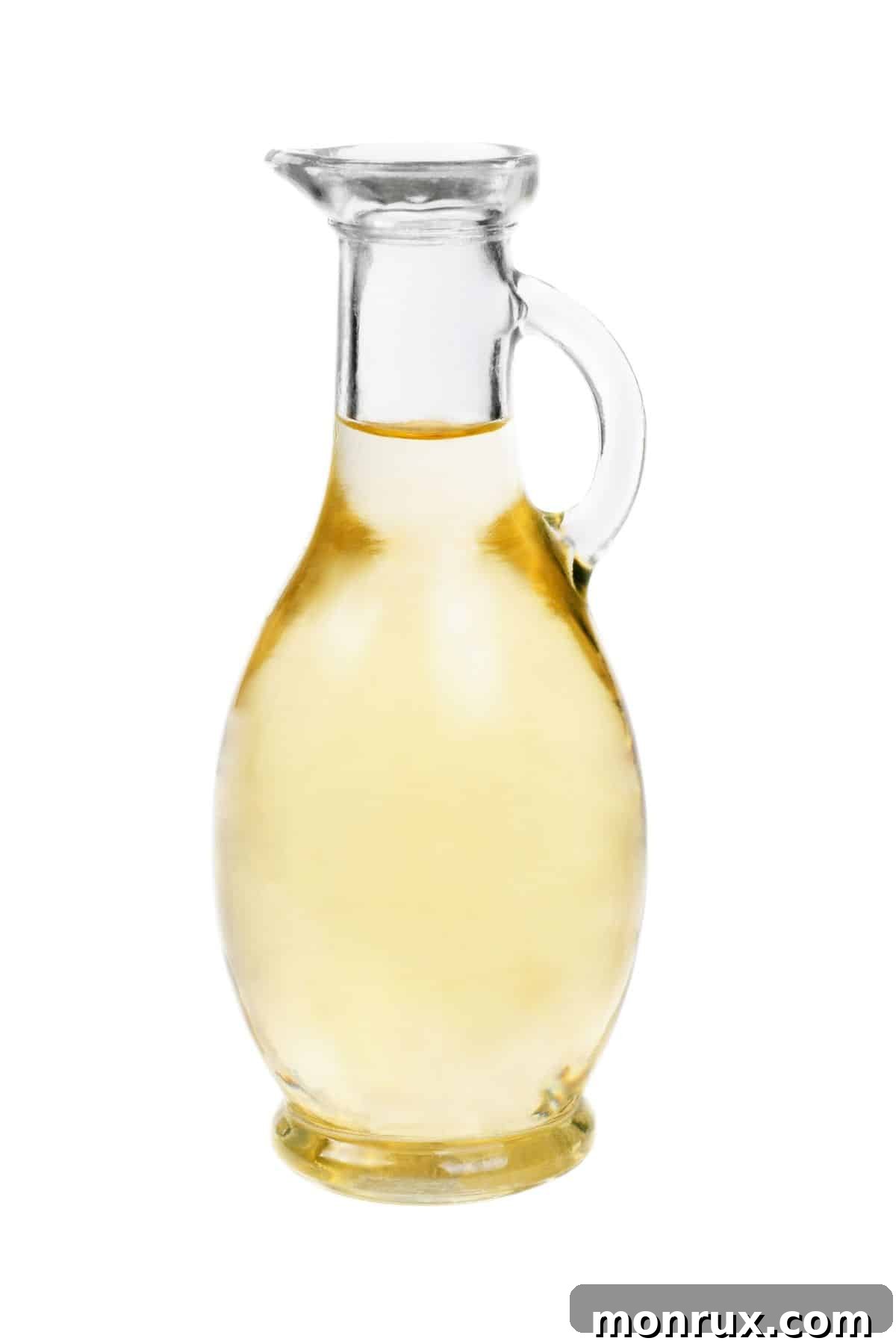
White wine vinegar is arguably the best all-around substitute for apple cider vinegar in baking. It boasts a similar level of acidity, typically around 5-7%, which is crucial for activating baking soda and providing the necessary lift in your baked goods. Its flavor profile is milder and less fruity than ACV, making it a versatile choice that won’t drastically alter the taste of your recipe. Because it’s clear, it also won’t affect the color of light-colored cakes or pastries, which can be an important aesthetic consideration.
This makes white wine vinegar an excellent choice for recipes where you need the acidic reaction but prefer a less prominent vinegar flavor. It works wonderfully in delicate cakes, fluffy pancakes, and quick breads. Whether you’re making biscuits, muffins, or even some cookie recipes that call for an acidic agent, white wine vinegar will perform admirably.
To substitute one teaspoon of apple cider vinegar, use one teaspoon of white wine vinegar.
2. Champagne Vinegar for Delicate Bakes

Champagne vinegar, made from fermented champagne, offers a sophisticated and subtle alternative to apple cider vinegar. Its acidity level is comparable to ACV, ensuring effective leavening when combined with baking soda. What sets champagne vinegar apart is its delicate, slightly sweet, and floral flavor profile. This makes it an ideal choice for baked goods where you want the acidity without a strong, pungent vinegar taste.
It’s particularly well-suited for lighter, more refined desserts such as sponge cakes, meringues, or fruit tarts, where its nuanced flavor can enhance rather than overpower. While it has a subtle sweetness, it’s primarily used for its acidic properties. When using champagne vinegar, it’s always good practice to taste your batter or dough if appropriate, to ensure the flavor balance is just right. You’ll likely find that its gentle touch is exactly what some recipes need to shine.
To substitute one teaspoon of apple cider vinegar, use one teaspoon of champagne vinegar.
3. Unseasoned Rice Wine Vinegar: A Mild Alternative

Unseasoned rice wine vinegar is another excellent apple cider vinegar alternative, especially if you’re looking for a very mild option. As its name suggests, it’s made from fermented rice and is typically less acidic than other vinegars (often around 4-5%), but still potent enough to react with baking soda. Its flavor is very clean, neutral, and slightly sweet, making it a good choice for baked goods where you want the leavening action without any strong vinegar taste.
Crucially, ensure you use *unseasoned* rice wine vinegar. Seasoned varieties contain added sugar and salt, which would alter your recipe’s balance significantly. The lack of added salt is a major advantage of unseasoned rice wine vinegar, as it gives you complete control over your recipe’s seasoning. This makes it a great substitute for delicate batters and light-colored items, where a strong flavor or color might be unwelcome.
To substitute one teaspoon of apple cider vinegar, use one teaspoon of unseasoned rice wine vinegar.
4. Red Wine Vinegar for Richer Flavors

Red wine vinegar, made from fermented red wine, brings a bolder, fruitier, and slightly more robust flavor profile compared to white wine vinegar or ACV. It possesses a similar acidity level to apple cider vinegar, making it an effective leavening agent. The key consideration here is its distinctive color and flavor. While it provides the necessary tartness and helps tenderize dough, its richer taste can influence the final flavor of your baked goods.
This makes red wine vinegar an excellent apple cider vinegar substitute for recipes with darker ingredients or strong flavors that can stand up to its character. Think chocolate cakes, spiced gingerbread, or certain fruit breads. It can add an interesting depth and complexity, creating a unique culinary twist. However, for very light-colored or delicately flavored desserts, its red hue and more assertive taste might be too prominent. When deciding, consider if a subtle fruity note would complement your recipe.
To substitute one teaspoon of apple cider vinegar, use one teaspoon of red wine vinegar.
5. Sherry Vinegar: A Sweeter Option
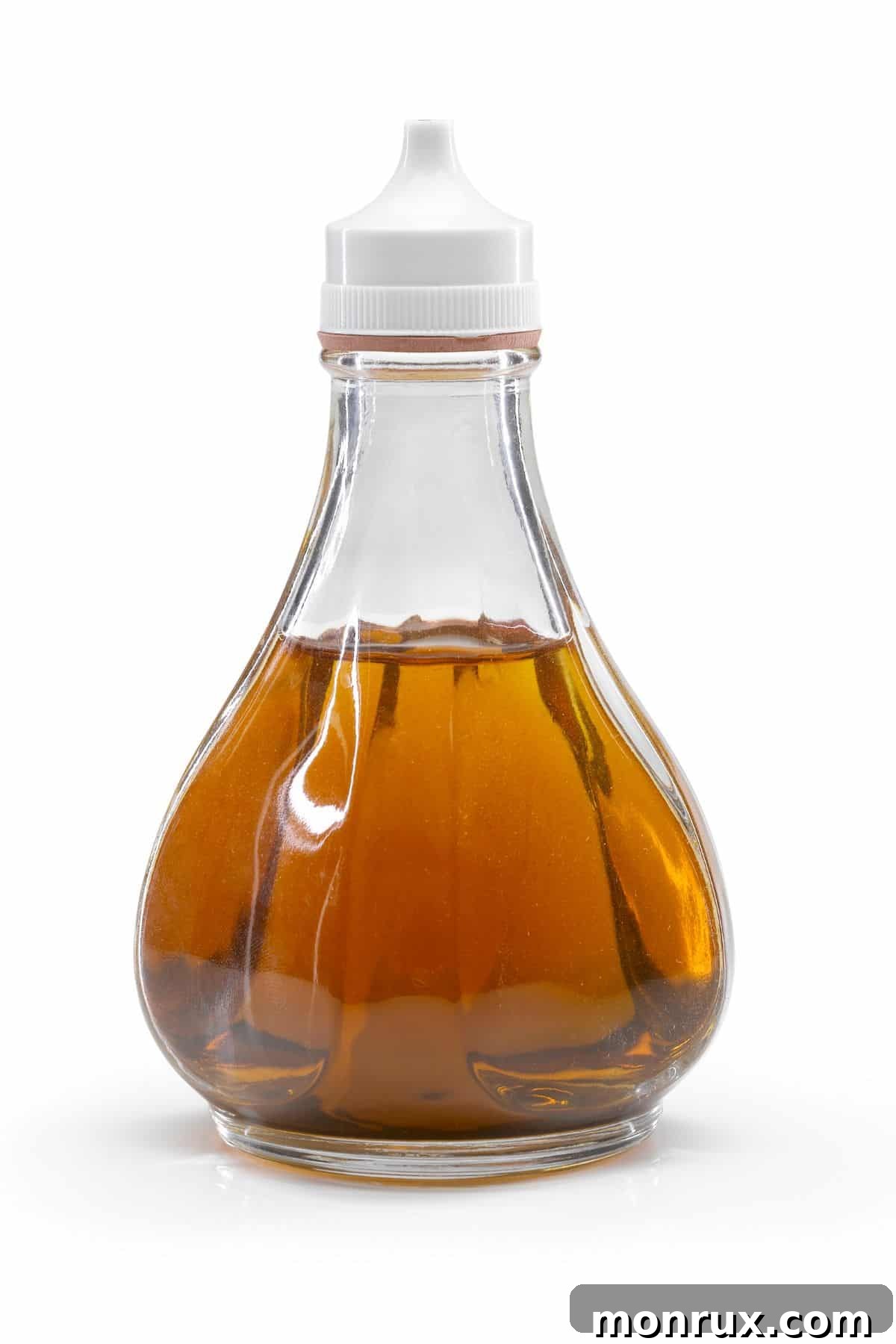
Sherry vinegar, originating from Jerez, Spain, is made from sherry wine and offers a unique flavor profile that makes it a viable ACV alternative. It typically has a milder acidity than apple cider vinegar, but still enough to activate baking soda. What truly distinguishes sherry vinegar is its slightly nutty, complex, and notably sweeter taste. This sweetness comes from the concentrated flavors of the sherry, which can add a wonderful dimension to your baked goods.
Because of its inherent sweetness, you might need to slightly adjust other sugar content in your recipe, though for small amounts, this is often negligible. Sherry vinegar works exceptionally well in recipes where a hint of sweetness and a complex, mellow tartness would be welcome, such as in certain fruit desserts, spiced cakes, or even quick breads that benefit from a subtle depth of flavor. It’s a great choice for bakers looking to experiment with slightly different flavor nuances while ensuring the necessary acidity.
To substitute one teaspoon of apple cider vinegar, use one teaspoon of sherry vinegar.
6. Balsamic Vinegar for Deep Color and Flavor
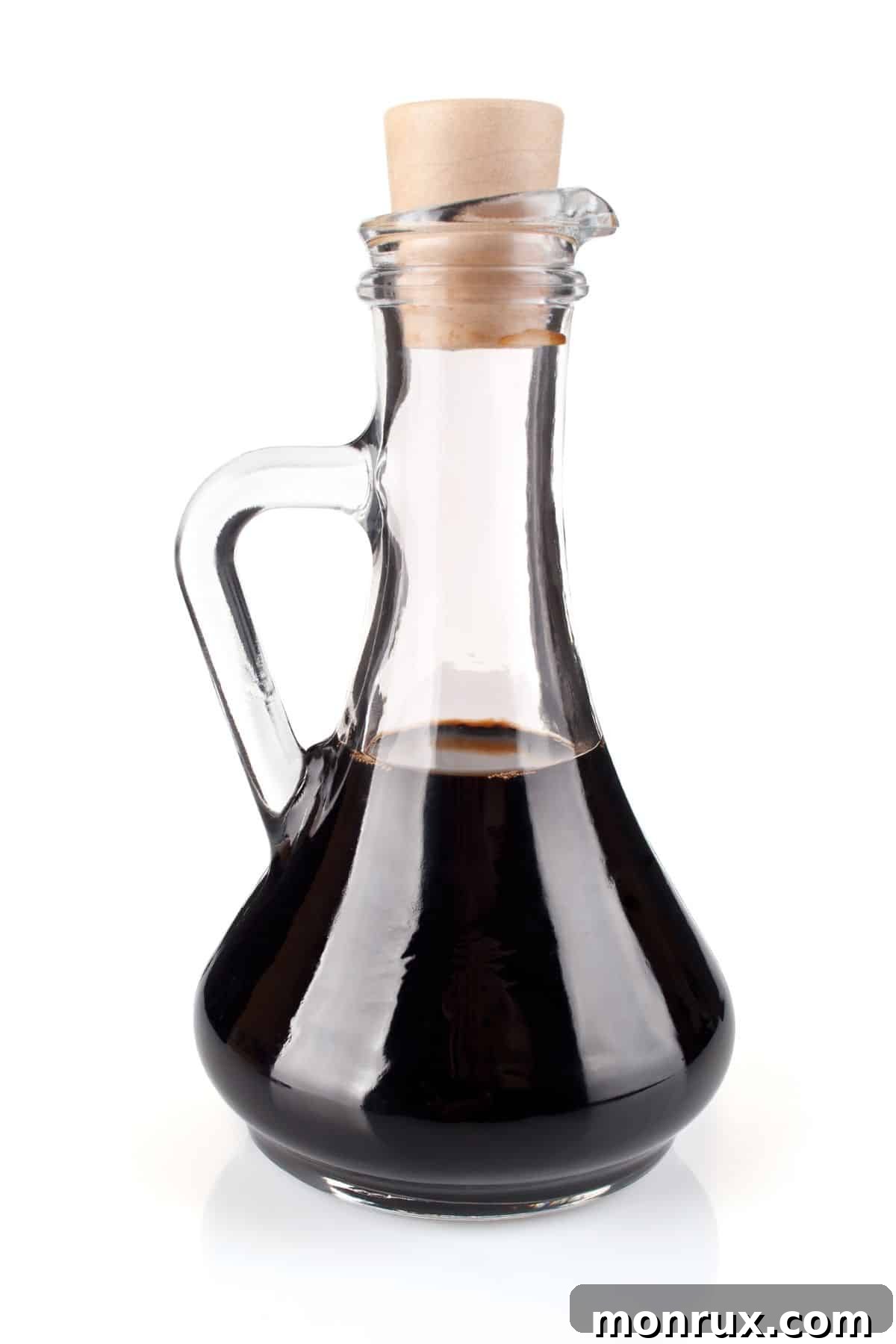
Balsamic vinegar, known for its rich, dark color and complex sweet-tart flavor, can also serve as an apple cider vinegar substitute in specific baking contexts. Its acidity level is comparable to ACV, making it effective for leavening. However, its distinctive flavor and dark hue are the most important factors to consider. High-quality balsamic vinegar has a deep, almost caramelized sweetness that, when used sparingly, can enhance the flavor of certain baked goods.
It’s best suited for darker recipes where its color won’t be an issue and its robust flavor can complement other ingredients. Think rich chocolate desserts, dark fruit cakes, or even savory quick breads. The sweetness of balsamic can also help balance out other strong flavors. While it’s a good acidic replacement, be mindful that its strong character can alter the overall taste profile significantly, so it’s best used when that deep, fruity, and slightly sweet tang is desired.
To substitute one teaspoon of apple cider vinegar, use one teaspoon of balsamic vinegar.
7. Bonus Acidic Alternatives
If you don’t have any of the vinegars listed above, or if you prefer to avoid vinegar altogether, there are other common pantry staples that can provide the necessary acidity for your baking needs.
Fresh Citrus Juices (Lemon or Lime)
Lemon juice and lime juice are fantastic natural acidic alternatives. They are readily available and provide a bright, fresh tang. Their acidity levels are similar to vinegars, making them excellent activators for baking soda. Freshly squeezed juice is always best for flavor, though bottled 100% juice can also work.
To substitute one teaspoon of apple cider vinegar, use one teaspoon of fresh lemon juice or lime juice. Be aware that citrus juices can impart a distinct citrusy flavor, which might be desirable in some recipes (e.g., lemon loaf, lime tarts) but less so in others.
Cream of Tartar and Water
Cream of tartar is a dry acidic powder often used in baking, particularly to stabilize egg whites. When mixed with water, it can serve as an effective liquid acid. The general rule for substitution is:
For every 1 teaspoon of apple cider vinegar, mix 1/2 teaspoon of cream of tartar with 1/2 teaspoon of water. This combination will provide the necessary acidity without adding any additional flavor, making it a neutral choice for most recipes.
Lemon Juice and Milk (DIY Buttermilk)
Many recipes call for buttermilk because its acidity helps activate baking soda, yielding incredibly tender and moist results. If your recipe requires buttermilk and you’re out, or if you need an acidic component and have milk on hand, you can make a quick homemade buttermilk substitute:
For every 1 cup of buttermilk (or 1 cup of ACV + milk combination), mix 1 tablespoon of lemon juice (or ACV) with 1 cup of milk. Let it sit for 5-10 minutes until it curdles slightly. This DIY buttermilk offers a similar acidic profile and works beautifully in pancakes, muffins, and quick breads, providing both acidity and moisture.
Additional Articles About Substituting Ingredients
- Best Substitutes for Arrowroot Powder
- Best Substitutes for Agave Nectar
- Best Substitutes for Butter in Chocolate Chip Cookies
- Best Substitutes for Cocoa Powder
- Best Substitutes for Milk in Instant Pudding
- Best Substitutes for Olive Oil
- Best Substitutes for Rice Flour
Even More Helpful Substitute Articles
Conclusion: Finding Your Perfect Apple Cider Vinegar Substitute
Baking is an art and a science, and understanding how ingredients interact is key to culinary success. While apple cider vinegar plays a unique role in many recipes, a lack of it doesn’t have to stop your baking endeavors. As this guide shows, there are numerous effective apple cider vinegar substitutes, each with its own characteristics, ready to step in.
From the neutral profile of white wine vinegar to the rich depth of balsamic, and the bright tang of lemon juice, you have a wealth of options. Consider the flavor profile and color of your original recipe, and then choose the substitute that best complements it. Don’t be afraid to experiment; you might even discover a new favorite flavor twist! With these alternatives in your baking arsenal, you can confidently tackle any recipe, ensuring your baked goods always turn out delicious and perfectly textured.
Don’t forget to join my newsletter list to get exclusive clean eating recipes and tips. The newsletter is 100% free with no spam; unsubscribe anytime.
About the Author: Carrie Forrest has a master’s degree in public health with a specialty in nutrition and is a certified holistic nutritionist. She is a top wellness and food blogger with over 5 million annual visitors to her site. Carrie has an incredible story of recovery from chronic illness and is passionate about helping other women transform their health. Send her a message through her contact form.