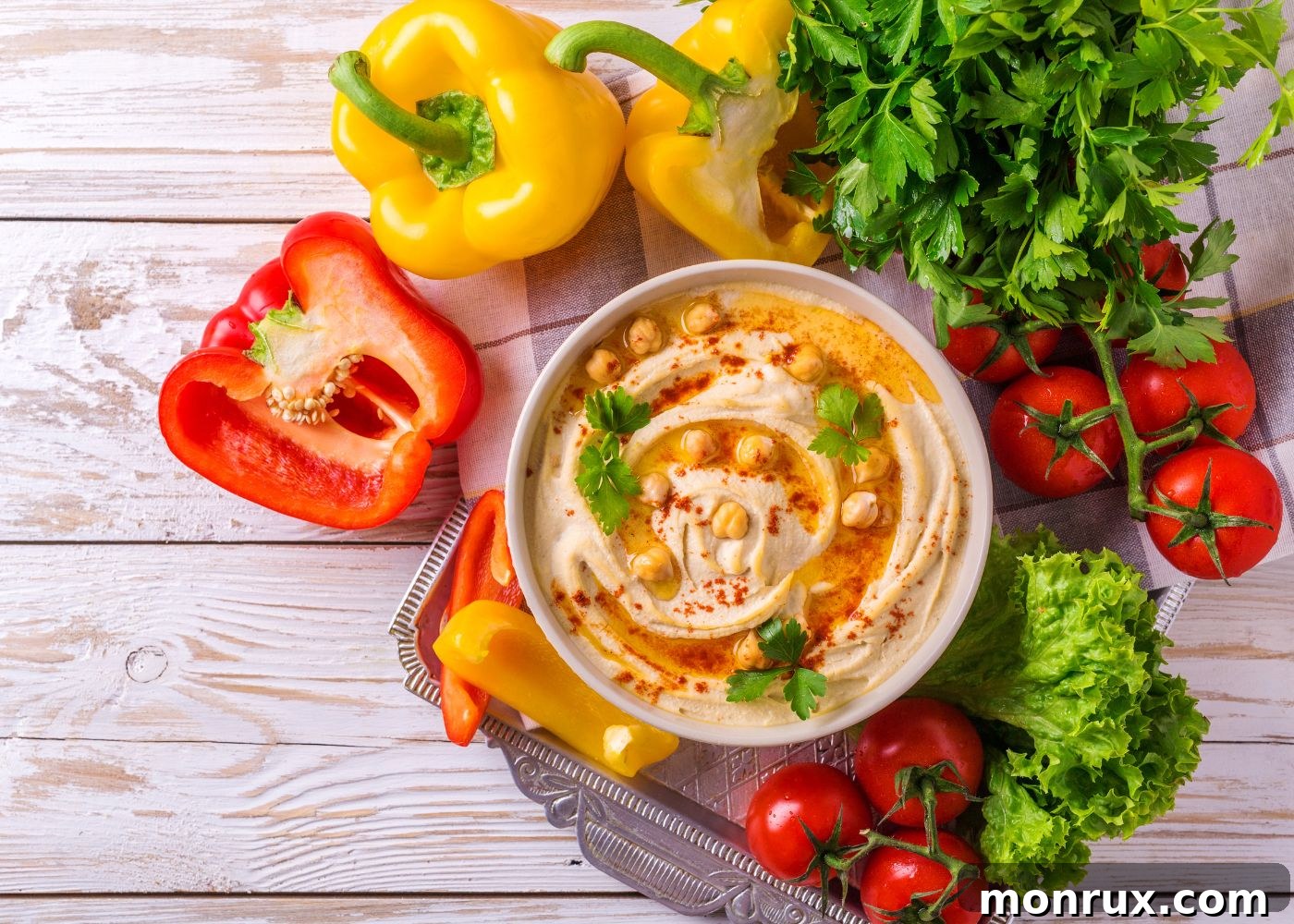
In the vibrant tapestry of global cuisine, hummus stands out as a universally beloved dish, cherished for its creamy texture, rich flavor, and nutritional benefits. Traditionally crafted from a simple blend of mashed chickpeas, tahini (sesame paste), fresh lemon juice, olive oil, and a touch of salt, this Middle Eastern delicacy has garnered immense popularity worldwide. For individuals navigating dietary restrictions, particularly those adhering to a gluten-free lifestyle due to celiac disease or gluten sensitivity, a common question arises: Is hummus inherently gluten-free? While homemade hummus typically consists of naturally gluten-free ingredients, the landscape of packaged and restaurant-prepared hummus introduces complexities such as shared equipment and potential cross-contamination, necessitating careful attention to labels and preparation methods.
Traditional Hummus Ingredients: A Naturally Gluten-Free Base
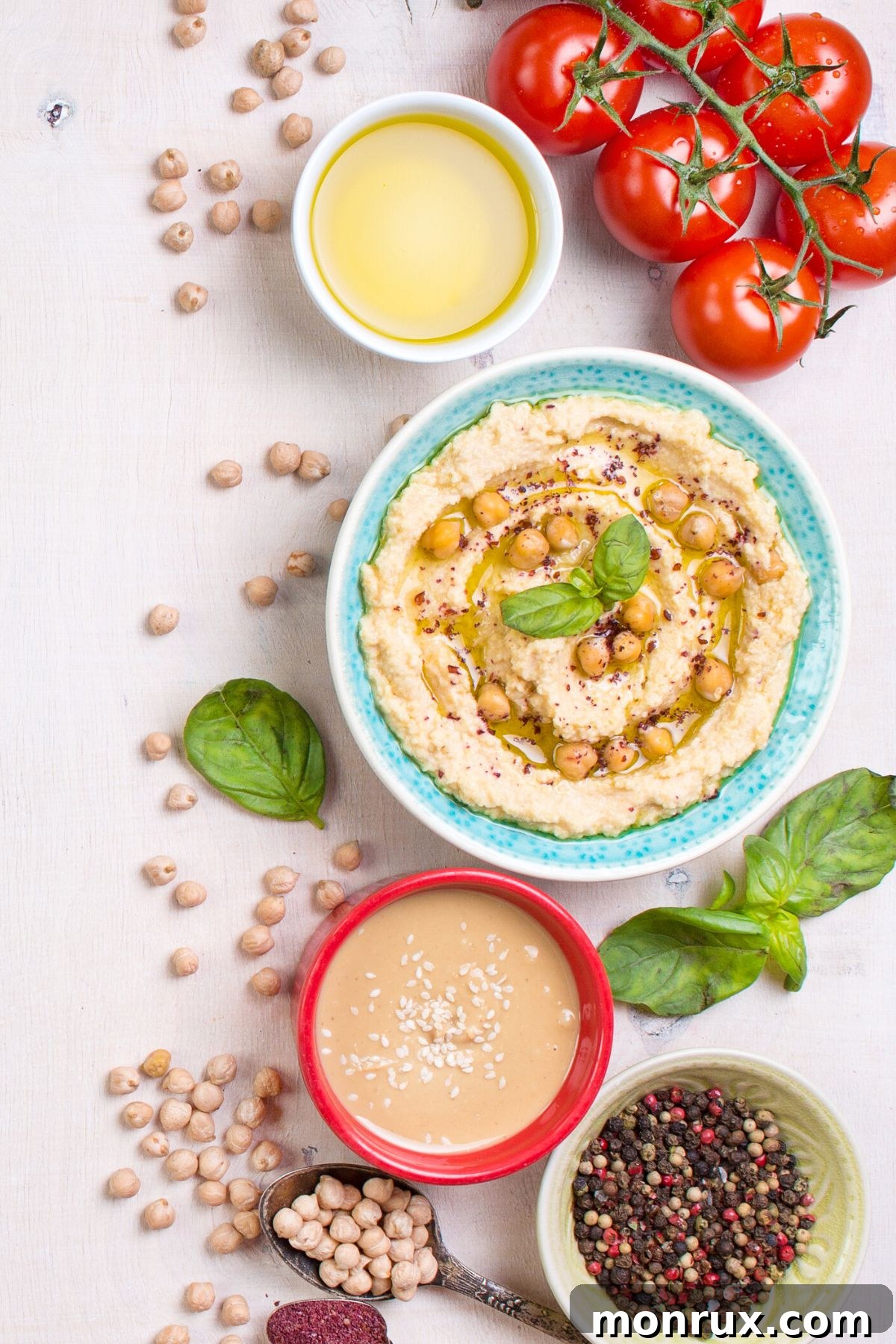
At its core, hummus is a pure and wholesome dish originating from the Middle East, primarily composed of ingredients that are naturally free from gluten. The primary components of authentic hummus are:
- Chickpeas (Garbanzo Beans): The foundation of hummus, these legumes are a fantastic source of plant-based protein and dietary fiber. Chickpeas are inherently gluten-free.
- Tahini (Sesame Paste): Made from ground sesame seeds, tahini lends hummus its characteristic nutty flavor and creamy texture. Sesame seeds are naturally gluten-free.
- Fresh Lemon Juice: Adds a bright, tangy zest that balances the richness of the tahini and chickpeas. Lemon juice is gluten-free.
- Olive Oil: A drizzle of extra virgin olive oil not only enriches the flavor but also provides healthy monounsaturated fats. Olive oil is gluten-free.
- Garlic: Essential for a pungent, aromatic kick, fresh garlic is a staple in most hummus recipes and is naturally gluten-free.
- Salt: Used for seasoning, plain salt is gluten-free.
Given these traditional ingredients, a batch of homemade hummus is almost always inherently gluten-free, making it a safe and delicious option for those avoiding gluten. The beauty of preparing hummus at home lies in the complete control you have over ingredient sourcing, ensuring purity and preventing any unintended gluten exposure. However, the scenario changes when we consider commercially produced or restaurant-served hummus.
Understanding Gluten and Celiac Disease
Before delving deeper into the gluten-free status of various hummus products, it’s crucial to understand what gluten is and why it poses a challenge for many. Gluten is a general name for the proteins found in wheat, rye, and barley. It acts as a “glue” that holds food together, giving it elasticity and chewiness.
For individuals with **Celiac Disease**, consuming even trace amounts of gluten triggers an immune response that damages the small intestine, leading to malabsorption of nutrients and various health problems. For these individuals, a strict, lifelong gluten-free diet is medically necessary. Others may experience **non-celiac gluten sensitivity (NCGS)**, where they exhibit similar symptoms to celiac disease without the intestinal damage. While NCGS may allow for slightly more tolerance to trace amounts, many still prefer to avoid gluten entirely.
Therefore, when evaluating whether hummus is gluten-free, the concern isn’t just about the primary ingredients but also about the potential for hidden gluten or cross-contamination during processing.
Packaged Hummus Ingredients: Navigating Store-Bought Options
When you opt for convenience and purchase hummus from a grocery store, the gluten-free status becomes less straightforward. While the core ingredients remain consistent across most brands, variations in processing, additional flavorings, and shared manufacturing facilities can introduce gluten. For this reason, it is paramount for individuals with celiac disease or severe gluten sensitivity to scrutinize product labels carefully.
Key considerations when selecting packaged hummus:
- “Certified Gluten-Free” Label: This is the gold standard. Products bearing a “Certified Gluten-Free” label from a recognized organization (like the Gluten-Free Certification Organization in the U.S.) undergo rigorous testing to ensure they contain less than 20 parts per million (ppm) of gluten, which is the FDA’s standard for gluten-free labeling.
- Ingredient List: Always read the full ingredient list. While chickpeas and tahini are safe, some flavored hummus varieties might contain unexpected gluten-containing additives, thickeners, or spices.
- Allergen Warnings: Look for allergen statements that indicate if the product is processed on shared equipment with wheat or other gluten-containing grains. Even if a product doesn’t explicitly list gluten, such warnings indicate a risk of cross-contamination.
Below is a closer look at popular hummus brands and their general gluten-free status, keeping in mind that product formulations can change, so always refer to the most current package label for definitive information.
Sabra Hummus
Ingredients: Cooked Chickpeas, Water, Tahini (Ground Sesame), NonGMO Soybean Oil, Garlic, Salt, Non-GMO Citric Acid, and Potassium Sorbate.
Sabra is one of the most widely available and recognized hummus brands. They proudly label their hummus products as gluten-free, and Sabra is a certified gluten-free brand. This means their hummus is processed in dedicated gluten-free facilities or follows strict protocols to ensure no cross-contamination, making it a reliable choice for individuals with celiac disease or severe gluten sensitivity.
Roots Hummus
Ingredients: Garbanzo Beans, Safflower Oil, Tahini, Lemon Juice, Wheat-Free Tamari, Distilled White Vinegar, Cumin, Garlic, Black Pepper, Acacia, and Celtic Sea Salt.
Roots Hummus often carries a gluten-free label, and their use of “Wheat-Free Tamari” instead of regular soy sauce (which contains wheat) is a positive indicator. However, for utmost certainty, always verify the presence of an explicit “certified gluten-free” symbol on the packaging, especially if you have high sensitivity to gluten.
Cedar Organic Hummus
Ingredients: Organic Steamed Chickpeas (Organic Chickpeas, Water), Organic Sesame Tahini, Blend of Oils (Organic Sunflower Oil, Organic Extra Virgin Olive Oil), Sea Salt, Organic Garlic, Citric Acid, Organic Cumin, Organic Guar Gum.
Cedar’s Mediterranean Foods is known for offering several gluten-free options within their product lines, including some of their hummus varieties. The listed ingredients are naturally gluten-free. To confirm the gluten-free status of a specific Cedar’s hummus product, always look for a clear gluten-free certification symbol on the packaging. This ensures the product has been tested to meet gluten-free standards.
Tribe Hummus
Ingredients: Cooked Chickpeas (Chickpeas, Water), Water, Tahini (Ground Sesame), Canola Oil, Natural Flavors, Sea Salt, Dry Roasted Garlic, Citric Acid, and Spice.
Tribe Hummus generally positions its products as gluten-free, and many varieties are explicitly labeled as such. The ingredients listed do not contain gluten. While they may not always explicitly state a third-party certification, checking for their specific “gluten-free” claim on the package is the recommended approach for consumers looking for this dietary specification.
Ithaca Hummus
Ingredients: Chickpeas, Water, Tahini, Cold Pressed Lemon Juice, Organic Sunflower Oil, Vinegar, Salt, Fresh Garlic, Cumin, and Crushed Red Pepper.
Ithaca Hummus products are clearly labeled gluten-free, and their ingredient list reflects a commitment to naturally gluten-free components. They are known for maintaining high standards in their production processes to prevent gluten contamination. While direct third-party certification is excellent, their clear labeling and ingredient transparency make them a strong contender for gluten-free diets.
Athenos Hummus
Ingredients: Chickpeas, Water, Tahini (Sesame), High Oleic Sunflower Oil, Salt, Dried Garlic, Citric Acid, Spice, Sorbic Acid (Preservative), Guar Gum.
Athenos hummus typically uses naturally gluten-free ingredients. However, their packaging may not always explicitly state a “certified gluten-free” status. While it does not list gluten-containing ingredients, for those with celiac disease or high sensitivity, it is prudent to check the packaging for any specific gluten-free assurances or contact the manufacturer directly if you have concerns about shared equipment.
The Critical Risk of Cross-Contamination with Shared Equipment
Even if all the ingredients in a packaged food product are naturally gluten-free, the potential for cross-contamination during manufacturing remains a significant concern. Cross-contamination occurs when gluten-free food comes into contact with gluten-containing ingredients, either directly or indirectly, often through shared equipment, surfaces, or even airborne flour particles in a facility.
For individuals with celiac disease, even minute amounts of gluten – as little as 20 parts per million (ppm) – can trigger a severe reaction. This is why a product merely having naturally gluten-free ingredients is not enough; the manufacturing process must also actively prevent cross-contamination. The primary risk factor for packaged hummus becoming contaminated with gluten is if the equipment used to process the chickpeas, tahini, and other ingredients is also used for gluten-containing products (like wheat-based crackers or bread) and has not been thoroughly cleaned between production runs.
Many responsible food manufacturers will clearly state on their labels if a product is produced in a facility that also processes wheat or other allergens. Look for phrases such as “may contain wheat” or “manufactured on shared equipment with wheat.” While these are advisory, they indicate a potential risk for highly sensitive individuals. Conversely, a “certified gluten-free” label is the strongest assurance, as it signifies that the product meets stringent standards for gluten absence, often including dedicated production lines or rigorous cleaning protocols and testing.
Therefore, understanding the difference between “made with naturally gluten-free ingredients” and “certified gluten-free” is crucial when making informed choices about store-bought hummus.
Homemade Hummus: The Safest Gluten-Free Choice
For those who need to strictly avoid gluten, or simply prefer to know exactly what goes into their food, making hummus at home is unequivocally the best and safest option. When you prepare hummus yourself, you have complete control over every ingredient and every step of the process, virtually eliminating any risk of gluten cross-contamination.
The process is surprisingly simple and requires minimal equipment. A basic recipe involves:
- Blending cooked chickpeas (canned or soaked and boiled) with tahini, fresh lemon juice, garlic, olive oil, and a pinch of salt.
- Adding a little cold water to achieve the desired creamy consistency.
- Garnishing with a drizzle of olive oil, paprika, and fresh parsley for an authentic touch.
By making your own, you can ensure that all ingredients are inherently gluten-free and that your kitchen environment is free from gluten cross-contamination, providing peace of mind and a superior fresh flavor.
Exploring Other Delicious Gluten-Free Dips
While hummus is a fantastic gluten-free choice (when verified), the world of dips offers a vast array of other delicious and safe options for those avoiding gluten. Expanding your repertoire of gluten-free dips can add variety and excitement to your snack and meal times. Here are some excellent choices:
- Avocado Spread/Dip: Similar to guacamole but often simpler, a creamy avocado spread made with ripe avocados, lime juice, cilantro, and spices is naturally gluten-free and packed with healthy fats.
- Guacamole: A classic for a reason! Made from mashed avocados, onions, tomatoes, cilantro, and lime juice, guacamole is always a gluten-free winner.
- Salsa: Whether mild or spicy, fresh salsa (pico de gallo) or cooked salsa made from tomatoes, peppers, onions, and herbs is a vibrant, low-calorie, and inherently gluten-free dip.
- Bean Dip: Beyond chickpeas, many other bean-based dips (like black bean dip or white bean dip) are excellent gluten-free alternatives, offering similar protein and fiber benefits. Just ensure no gluten-containing thickeners or seasonings are added.
- Ranch Dip: While many bottled ranch dressings are gluten-free, always check the label. Making homemade ranch dip from plain yogurt or sour cream and a blend of herbs and spices is a delicious and customizable gluten-free option.
- Nut Butter: While more of a spread, almond butter, peanut butter (check for sugar/oil purity), or cashew butter can be excellent dips for fruits and vegetables and are naturally gluten-free.
- Hot Sauce & Chili Sauces: Most pure hot sauces are gluten-free, made from chilies, vinegar, and salt. Always check labels for added starches or flavorings.
- Tartar Sauce: Typically made from mayonnaise, pickles, capers, and herbs, tartar sauce is generally gluten-free, but as always, a quick label check is recommended.
- Dairy-Free Cream Cheese Dips: Many brands offer dairy-free cream cheeses that can be seasoned with herbs and spices for a rich, creamy, and gluten-free dip.
- Baba Ghanoush: A smoky Middle Eastern dip made from roasted eggplant, tahini, lemon juice, and garlic—it’s naturally gluten-free and offers a different flavor profile from hummus.
With such a diverse selection, you’ll never be short on delicious and safe gluten-free dipping options. Just remember the golden rule: always check ingredient labels or inquire about preparation methods, especially if you have severe gluten sensitivity.
Perfect Pairings: What Gluten-Free Foods Can I Serve With Hummus?
Once you’ve secured a delicious, gluten-free batch of hummus, the next step is to find equally delightful and safe accompaniments. It’s crucial to remember that traditional pita bread, a common partner for hummus, is almost never gluten-free as it’s typically made from wheat flour. Therefore, if you’re enjoying hummus at a restaurant or a friend’s house, always confirm that any accompanying items are also gluten-free.
Fortunately, there’s a vast array of naturally gluten-free foods that pair wonderfully with hummus, enhancing its flavor and making for a satisfying snack or light meal:
- Fresh Vegetables: A vibrant and healthy choice. Cut into sticks, slices, or florets, vegetables offer a satisfying crunch and freshness. Excellent options include:
- Carrot sticks
- Celery sticks
- Cucumber slices or spears
- Bell pepper strips (red, yellow, orange)
- Zucchini or summer squash slices
- Jicama sticks
- Cherry tomatoes
- Radishes
- Broccoli or cauliflower florets
- Snap peas
- Gluten-Free Crackers & Bread: The market is rich with gluten-free alternatives to traditional crackers and breads. Look for options made from rice, corn, almond flour, or seed blends.
- Gluten-free crackers (ensure they are certified GF)
- Gluten-free pretzels
- Rice cakes (plain or flavored)
- Gluten-free pita bread (some brands specifically make GF versions)
- Gluten-free vegetable chips or crisps
- Protein-Rich Dippers: For a more substantial snack or meal, consider pairing hummus with lean proteins.
- Boneless, skinless chicken breasts (grilled or baked, sliced)
- Shrimp (cooked and chilled)
- Hard-boiled eggs (halved)
- Lettuce wraps or large lettuce leaves (e.g., romaine, butter lettuce)
- Fruits: While less conventional, some fruits can offer an interesting sweet-savory contrast with hummus.
- Apple slices
For more creative and specific ideas, explore my list of hummus snacks to discover exciting combinations that cater to your gluten-free needs.
The Health Benefits of Hummus (Beyond Gluten-Free)
Beyond its versatility as a gluten-free option, hummus boasts an impressive nutritional profile that makes it a beneficial addition to almost any diet. Its primary ingredients contribute to a wealth of health advantages:
- Rich in Plant-Based Protein: Chickpeas are an excellent source of protein, crucial for muscle repair, growth, and overall bodily function. The combination of chickpeas and tahini (sesame) provides a complete protein, meaning it contains all nine essential amino acids.
- High in Dietary Fiber: Both chickpeas and tahini are packed with dietary fiber, which is vital for digestive health. Fiber aids in regulating bowel movements, preventing constipation, and supporting a healthy gut microbiome. It also contributes to satiety, helping with weight management by making you feel fuller for longer.
- Heart-Healthy Fats: Olive oil and tahini contribute healthy monounsaturated and polyunsaturated fats, which are beneficial for heart health. These fats can help reduce bad cholesterol levels and lower the risk of heart disease.
- Abundant in Vitamins and Minerals: Hummus is a good source of various micronutrients, including folate, iron, magnesium, phosphorus, B vitamins, and zinc, all of which play crucial roles in energy production, bone health, and immune function.
- Low Glycemic Index: Due to its high fiber and protein content, hummus has a low glycemic index, meaning it causes a slower, more stable rise in blood sugar levels, making it suitable for individuals managing blood sugar.
- Anti-Inflammatory Properties: Ingredients like olive oil, garlic, and sometimes added spices like cumin, possess anti-inflammatory compounds that can contribute to overall health and wellness.
Incorporating hummus into your diet can be a delicious way to boost your intake of protein, fiber, healthy fats, and essential nutrients, contributing to a balanced and health-conscious lifestyle.
FAQs: Your Gluten-Free Hummus Questions Answered
No, not all hummus is gluten-free. While the core ingredients of traditional hummus are naturally gluten-free, commercially produced or restaurant-made hummus can pose a risk. This is primarily due to potential cross-contamination from shared equipment in manufacturing facilities or the inclusion of gluten-containing filler ingredients or flavorings in some brands. For strict gluten avoidance, always look for products explicitly labeled “certified gluten-free” or consider making your own at home.
The gluten-free status of restaurant hummus varies significantly. Some restaurants pride themselves on preparing hummus from scratch using only gluten-free ingredients, ensuring a safe option. Others might use store-bought brands that may or may not be certified gluten-free, or they might face cross-contamination risks in their kitchen from shared utensils or surfaces. It is always best to directly ask the waitstaff or chef about their hummus ingredients and preparation methods to ensure it aligns with your dietary needs, especially if you have celiac disease.
No, traditional pita bread is not gluten-free. It is typically made with wheat flour, which contains gluten. Therefore, it is not suitable for individuals on a gluten-free diet. When enjoying hummus, opt for gluten-free crackers, fresh vegetables, or specifically labeled gluten-free pita bread alternatives. See my related article, “Is Pita Bread Good For You?”
Most flavored hummus brands aim to be gluten-free, but it’s essential to exercise caution. While many flavorings like roasted red pepper, garlic, or sun-dried tomato are inherently gluten-free, some exotic or complex flavor blends might contain hidden gluten sources, thickeners, or modified starches. Always thoroughly review the ingredient list and look for a “certified gluten-free” label on any flavored hummus to ensure it is safe for your dietary needs.
Yes, the vast majority of hummus recipes and commercially available hummus brands are vegan. Traditional hummus is made solely from plant-based ingredients: chickpeas, tahini, lemon juice, olive oil, and spices. It contains no animal products. However, as with any packaged food, it’s a good practice to quickly check the ingredient label to confirm that no unexpected animal-derived components have been added, although this is rare for hummus.
Tahini, which is sesame paste, is naturally gluten-free as it’s made solely from ground sesame seeds. However, like any other ingredient, there’s a minor risk of cross-contamination if it’s processed in a facility that also handles gluten-containing products. For peace of mind, especially for those with severe sensitivities, look for tahini brands that are certified gluten-free or explicitly state their gluten-free status.
More Hummus Recipes & Resources
- What to Eat with Hummus: Creative and Healthy Pairings
- Oil-Free 4-Ingredient Hummus: A Lighter, Healthier Option
- Cashew Hummus: A Nutty Twist on the Classic Dip
More Healthy Gluten-Free Snack Ideas
Conclusions: Enjoying Hummus Safely
Hummus, with its creamy texture and wholesome ingredients, is a fantastic addition to a healthy diet, particularly for those seeking gluten-free options. Its traditional components – chickpeas, tahini, lemon juice, olive oil, and garlic – are naturally free of gluten, making homemade versions a safe and delightful choice. However, when venturing into the world of packaged or restaurant-prepared hummus, vigilance becomes key.
The primary concern for individuals with celiac disease or significant gluten sensitivity lies in the potential for cross-contamination during manufacturing or preparation. Shared equipment that also processes gluten-containing foods can introduce trace amounts of gluten into hummus, even if its ingredients are otherwise pure. This is why always looking for a “certified gluten-free” label on store-bought products and inquiring about preparation methods in restaurants is paramount.
In summary, hummus is a highly nutritious dip, offering a rich source of protein, fiber, and healthy fats. It can be a cornerstone of a satisfying and wholesome gluten-free snack or meal. By choosing certified gluten-free brands, making your own at home, and carefully selecting your accompaniments, you can confidently enjoy this ancient, delicious dip without compromising your dietary needs. Always prioritize reading labels and asking questions to ensure a safe and enjoyable gluten-free culinary experience.
Don’t forget to join my newsletter list to get exclusive clean eating recipes and tips. The newsletter is 100% free with no spam; unsubscribe anytime.
About the Author: Carrie Forrest has a master’s degree in public health with a specialty in nutrition and is a certified holistic nutritionist. She is a top wellness and food blogger with over 5 million annual visitors to her site. Carrie has an incredible story of recovery from chronic illness and is passionate about helping other women transform their health. Send her a message through her contact form.
Note: this post is for informational purposes only and is not intended as medical advice. Please consult your healthcare provider for recommendations related to your individual situation.