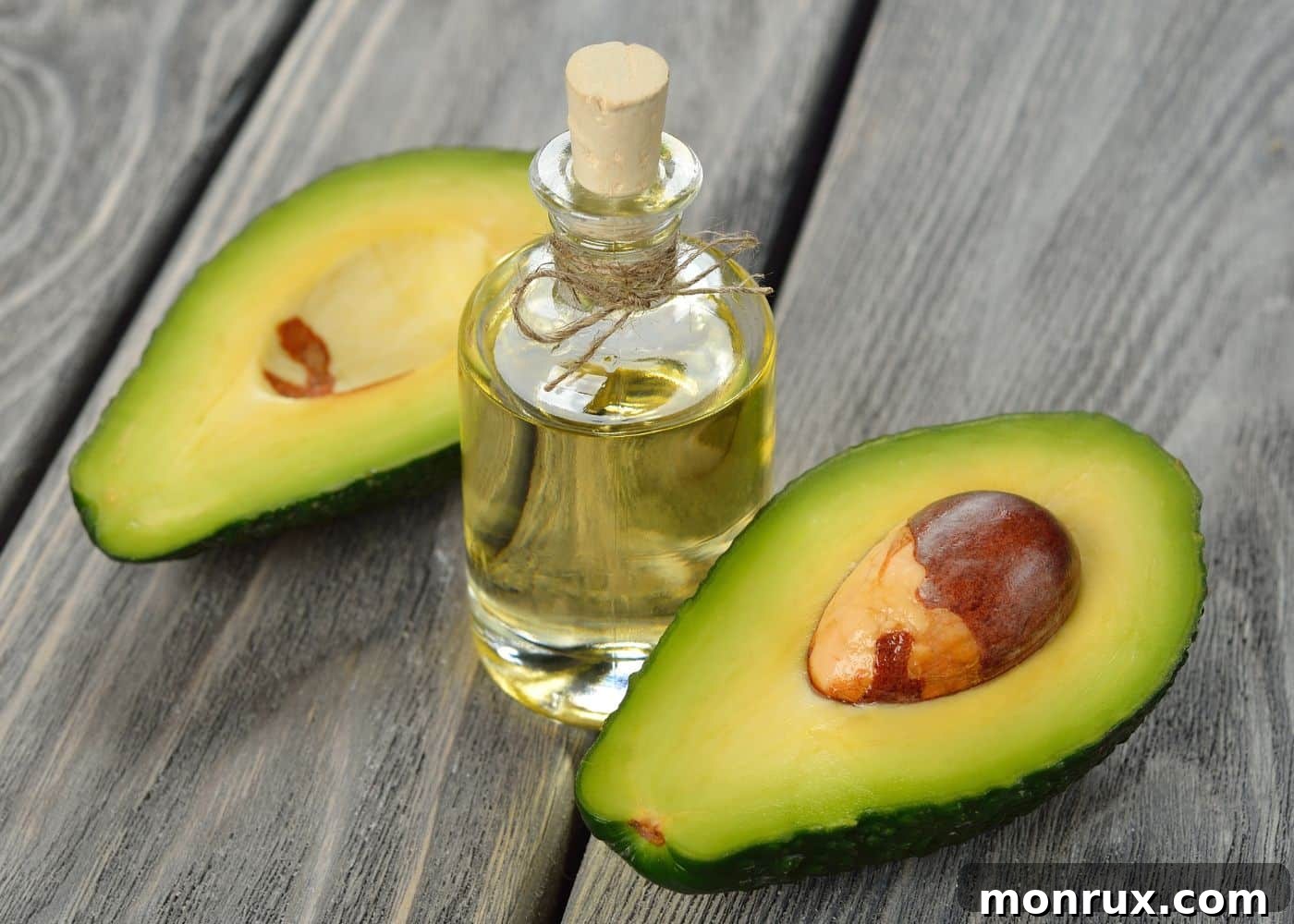
In this comprehensive guide, we’ll dive deep into the world of avocado oil, specifically addressing the question: is refined avocado oil healthy? We’ll explore its nutritional profile, compare refined and unrefined varieties, uncover significant health benefits, and discuss any potential drawbacks, helping you make informed decisions for your culinary needs and overall wellness.
Table of Contents
Avocado Oil Essentials: What You Need to Know
Avocado oil is a unique and increasingly popular culinary oil derived from the ripe, fleshy pulp of the avocado fruit (Persea americana). Unlike most other oils extracted from seeds, avocado oil comes from the fruit itself, giving it a distinctive nutritional profile. Though avocados are botanically a fruit, their oil is often categorized as a “vegetable oil” in a broader sense, distinguishing it from animal-derived fats like butter or lard.
Originating from the humid, sub-tropical regions of Central and South America, avocado trees thrive in warm climates. Fortunately, these healthy fruits are now cultivated in various parts of the world, including specific warm regions in the United States and across Africa, making them widely accessible. The Hass avocado variety is particularly favored for oil extraction due to its high oil content and rich, buttery flavor, making it equally delicious for direct consumption.
Initially, the cosmetic and skincare industries recognized avocado oil for its exceptional emollient properties, incorporating it into products designed to soften and soothe skin. However, its culinary appeal has surged in recent years. Chefs and home cooks alike now value this flavorful oil for both high-heat cooking and as a raw ingredient in a myriad of healthy dishes. Its versatility and appealing taste have solidified its place in modern kitchens worldwide.
One of the most notable characteristics of avocado oil is its remarkable heat stability. This makes it an excellent choice for a variety of cooking methods, from sautéing to roasting. Beyond its culinary uses, avocado oil is packed with beneficial compounds that contribute to its numerous health advantages. These include powerful antioxidants, diverse polyphenols, heart-healthy oleic acid, vision-supporting lutein, and essential Vitamin E. When stored properly in a cool, dry place away from direct sunlight, avocado oil can maintain its quality and potency for up to a year, offering long-lasting value.
Refined vs. Unrefined Avocado Oil: A Detailed Comparison
When choosing avocado oil, you’ll encounter two primary types: refined and unrefined. Understanding the distinctions between them, particularly in terms of processing, flavor, and smoke point, is crucial for making the best choice for your health and cooking needs. While both varieties offer significant nutritional value, their unique characteristics lend themselves to different applications.
Understanding Refined Avocado Oil
Refined avocado oil undergoes a filtration and purification process designed to remove impurities, pulp, and sometimes even the distinct green color and robust flavor associated with the raw fruit. This refining typically involves degumming, neutralization, bleaching, and deodorization. The goal is to produce a clean, clear, and more neutral-tasting oil with a higher smoke point. While some fear that refining diminishes nutritional value, reputable producers often use “naturally refined” methods, employing physical processes (like centrifugal force or steam distillation) rather than harsh chemical solvents, thereby preserving many of the oil’s inherent benefits.
One of the most significant advantages of refined avocado oil is its exceptionally high smoke point, which can reach up to 500°F (260°C). This makes it an ideal choice for high-heat cooking applications such as searing, frying, roasting, and grilling, where other oils might break down and produce harmful compounds. Its mild, almost neutral flavor ensures that it won’t overpower the natural tastes of your ingredients, making it incredibly versatile for nearly any recipe. For those who seek the health benefits of avocado oil without its characteristic strong flavor, the refined version is an excellent option.
When selecting refined avocado oil, always look for labels indicating “naturally refined” or “expeller-pressed” to ensure that the oil has been processed without harsh chemicals. Brands that prioritize these methods, such as Chosen Foods Refined Avocado Oil, maintain a higher standard of quality and purity, ensuring you get a healthy product for your kitchen.
Exploring Unrefined Avocado Oil
Unrefined avocado oil is produced through a more minimalist extraction process, typically cold-pressing. This method involves mechanically pressing the avocado pulp at low temperatures to extract the oil, without the use of heat or chemical solvents. As a result, unrefined avocado oil retains more of the fruit’s natural color, flavor, and nutrient profile. It boasts a beautiful olive green or golden hue, a testament to its minimal processing, and possesses a rich, buttery, and distinctively nutty flavor that truly reflects the avocado itself.
Because it undergoes less processing, unrefined avocado oil has a lower smoke point compared to its refined counterpart, generally around 375°F (190°C). This makes it less suitable for high-heat cooking, where its delicate compounds could degrade and potentially produce a bitter taste or harmful substances. Instead, unrefined avocado oil shines in applications where its robust flavor can be appreciated. It’s perfect for raw uses such as salad dressings, marinades, dipping oils, or drizzling over finished dishes like soups, grilled vegetables, or toast. Its vibrant taste and exceptional nutritional integrity make it an outstanding finishing oil.
You might also encounter unrefined avocado oil marketed as “extra virgin avocado oil,” particularly if it meets specific quality standards, similar to olive oil. The slight green tinge is a natural indicator of its unrefined state, signaling that its beneficial antioxidants and phytochemicals are largely intact. If you cherish the natural taste of avocados, this bold and nutrient-dense oil is an exquisite addition to your pantry, offering a delightful way to enhance your meals while reaping its comprehensive health properties.
The Impressive Health Benefits of Avocado Oil
Avocado oil is often lauded as a superfood oil, sharing many nutritional similarities with other esteemed healthy fats like extra virgin olive oil. Both are rich sources of unsaturated fats, particularly monounsaturated and polyunsaturated fats, which are widely recognized for their significant contributions to heart health and overall well-being. Incorporating these “good fats” into your daily diet is a proactive step toward a healthier lifestyle. Beyond its favorable fat profile, avocado oil is also packed with a powerful array of bioactive compounds, including antioxidants, diverse polyphenols, heart-healthy oleic acid, vision-supporting lutein, and essential Vitamin E, all of which contribute to its impressive list of health benefits.
Boosting Cardiovascular Health
Avocado oil is predominantly composed of oleic acid, a monounsaturated fatty acid (MUFA) that is well-documented for its positive effects on cardiovascular health. Studies indicate that consuming MUFA-rich oils like avocado oil can effectively help to reduce levels of “bad” low-density lipoprotein (LDL) cholesterol while simultaneously increasing “good” high-density lipoprotein (HDL) cholesterol. This favorable shift in cholesterol profile is crucial for preventing plaque buildup in the arteries, a primary risk factor for heart disease. Furthermore, the anti-inflammatory properties of avocado oil’s antioxidants may help mitigate the systemic inflammation often associated with various cardiovascular conditions, contributing to a healthier heart.
Supporting Healthy Blood Pressure

Emerging research highlights the potential of oleic acid, abundant in avocado oil and other healthy oils, to play a role in blood pressure regulation. Certain studies suggest that a diet rich in monounsaturated fats can contribute to naturally lowering blood pressure. While more extensive human trials are always beneficial, the existing evidence points to avocado oil as a beneficial dietary component for individuals looking to maintain healthy blood pressure levels as part of a balanced lifestyle.
Enhancing Skin, Hair, and Eye Wellness
The beauty and wellness benefits of avocado oil extend beyond internal health. It is a fantastic source of vitamin E, a potent fat-soluble antioxidant known for its critical role in maintaining vibrant skin, strong hair, and healthy eyes. Vitamin E helps protect skin cells from oxidative damage caused by environmental pollutants and UV radiation, which can lead to premature aging. For hair, it supports scalp health and can contribute to shine and strength. Additionally, avocado oil contains lutein, a powerful carotenoid that specifically targets eye health. Lutein accumulates in the retina and acts as a natural filter against harmful blue light, offering significant protection against age-related macular degeneration (AMD), a leading cause of vision impairment and blindness.
Easing Osteoarthritis Discomfort
A unique and well-researched benefit of avocado oil involves its synergistic effect with soybean oil. The combination, known as Avocado Soybean Unsaponifiables (ASU), is a highly regarded alternative treatment for osteoarthritis. ASU works by inhibiting pro-inflammatory chemicals and promoting cartilage repair in joints. Clinical studies have demonstrated promising results, showing that ASU can significantly reduce pain and stiffness, and improve physical function in individuals suffering from osteoarthritis, offering a natural approach to managing this chronic condition.
Aiding in Nutrient Absorption
Beyond its own rich nutrient profile, avocado oil plays a crucial role in enhancing the absorption of other vital nutrients. Many vitamins, such as A, D, E, and K, are fat-soluble, meaning they require dietary fat to be properly absorbed and utilized by the body. When you consume foods rich in these vitamins alongside a healthy fat like avocado oil, your body can absorb them much more efficiently. For instance, drizzling avocado oil over a colorful salad rich in beta-carotene (a precursor to Vitamin A) or leafy greens containing Vitamin K can significantly boost the bioavailability of these powerful antioxidants and essential nutrients, maximizing the nutritional impact of your meals.
Important Considerations and Potential Downsides
While avocado oil is largely considered safe and highly beneficial for most individuals, there are a few important considerations and potential downsides to be aware of to ensure its safe and effective inclusion in your diet.
- Allergies: The most direct contraindication is an allergy to avocado fruit itself. If you experience adverse reactions such as itching, swelling, or digestive issues after consuming avocados, you should unequivocally avoid avocado oil. Furthermore, some individuals with allergies to birch pollen or latex may exhibit cross-reactivity with avocados, known as latex-fruit syndrome, and should exercise caution.
- Medication Interactions: For individuals taking blood-thinning medications, particularly Warfarin (Coumadin), it is advisable to consult a healthcare provider before incorporating avocado oil into your regular diet. Avocados contain vitamin K, which plays a role in blood clotting, and can potentially interfere with the effectiveness of anticoagulant medications. While the amount of vitamin K in avocado oil is generally lower than in the whole fruit, professional medical advice is always recommended to prevent any adverse interactions.
- Quality Concerns and Adulteration: The rising popularity of avocado oil has unfortunately led to instances of adulteration in the market. Some products marketed as “pure avocado oil” have been found to be blended with cheaper, inferior oils like soybean or sunflower oil, or even mislabeled. To ensure you’re getting a high-quality, unadulterated product that delivers the promised health benefits, always opt for reputable brands, check for certifications (e.g., USDA Organic, non-GMO), and prioritize oils that are “naturally refined” or “cold-pressed” and clearly state their purity. Researching brand reputation and reading product reviews can also be helpful.
- Calorie Density: Like all oils, avocado oil is calorie-dense. While its fats are healthy and contribute to satiety, excessive consumption can lead to an caloric surplus, potentially contributing to weight gain if not balanced within your overall dietary intake. Moderation is key, even with healthy fats.
If you have any underlying health conditions, allergies, or are taking medications, it is always prudent to consult your healthcare provider or a registered dietitian before making significant changes to your diet, including the regular consumption of avocado oil.
Frequently Asked Questions About Avocado Oil Nutrition
Is refined avocado oil considered a healthy cooking oil?
Yes, absolutely. Refined avocado oil is widely regarded as a very healthy cooking oil, comparable in many aspects to extra virgin olive oil. Its health benefits are substantial, including the ability to support heart health, help manage cholesterol levels, and potentially aid in weight management when incorporated into a balanced diet. It’s often preferred for cooking over many common vegetable oils due to its beneficial fat profile and heat stability. For a broader understanding of healthier cooking options, you might also find this list of cooking oils to avoid helpful.
What is the smoke point of refined avocado oil, and is it suitable for high-heat cooking?
Refined avocado oil boasts an impressively high smoke point, reaching up to 500°F (260°C). This makes it exceptionally well-suited for all forms of high-heat cooking, including deep frying, pan-searing, roasting, grilling, and stir-frying, without breaking down or producing harmful free radicals. Its stability at high temperatures ensures that your food remains healthy and retains its intended flavor, unlike oils with lower smoke points that can degrade rapidly.
Does refined avocado oil contain harmful additives or chemicals from the refining process?
High-quality, naturally refined avocado oil typically does not contain harmful additives or chemical residues. Reputable brands employ physical refining methods (like steam or filtration) to remove impurities while preserving the oil’s integrity. However, it’s crucial to be discerning, as some lower-quality refined avocado oils may be processed using harsh chemical bleaching agents or solvents, which can indeed strip away nutritional value and potentially leave behind undesirable byproducts. Always look for labels that specify “naturally refined,” “expeller-pressed,” or indicate a commitment to minimal processing to ensure a pure and safe product.
Delicious Avocado-Inspired Recipes to Try
Avocado is a wonderfully versatile ingredient, and its oil can elevate many dishes. Here are some fantastic avocado-centric recipes to inspire your next meal:
Final Thoughts on Avocado Oil Health
In conclusion, avocado oil, whether refined through natural methods or unrefined, stands out as a highly beneficial addition to a healthy diet. It’s a powerhouse of monounsaturated fats, antioxidants, and vital nutrients that collectively contribute to enhanced cardiovascular health, improved blood pressure regulation, and robust skin, hair, and eye wellness. Its unique composition even offers targeted relief for conditions like osteoarthritis, and it significantly boosts the absorption of other fat-soluble vitamins.
The choice between refined and unrefined avocado oil largely depends on your specific culinary needs. High-quality, naturally refined avocado oil, with its neutral flavor and impressive smoke point, is an excellent, stable option for all types of high-heat cooking. Conversely, unrefined (cold-pressed) avocado oil, with its richer flavor and lower smoke point, is perfectly suited for raw applications like dressings and finishing drizzles, where its full nutrient profile and distinct taste can truly shine.
When making your selection, prioritize reputable brands that commit to quality and transparency in their processing methods to avoid adulterated products. By integrating avocado oil thoughtfully into your cooking and eating habits, you can harness its myriad health benefits and enjoy its versatility as a wholesome, nourishing fat source.
About the Author: Carrie Forrest holds a master’s degree in public health with a specialization in nutrition and is a certified holistic nutritionist. She is a highly respected wellness and food blogger, attracting over 5 million visitors annually to her platform. Carrie shares an inspiring personal journey of recovery from chronic illness and is deeply committed to empowering other women to transform their health. You can reach out to her via her contact form.
Don’t miss out! Join my exclusive newsletter list to receive clean eating recipes, expert tips, and wellness insights directly to your inbox. It’s completely free, spam-free, and you can unsubscribe at any time.
Note: This article is intended for informational purposes only and should not be considered medical advice. Always consult with your healthcare provider for personalized recommendations regarding your individual health situation.