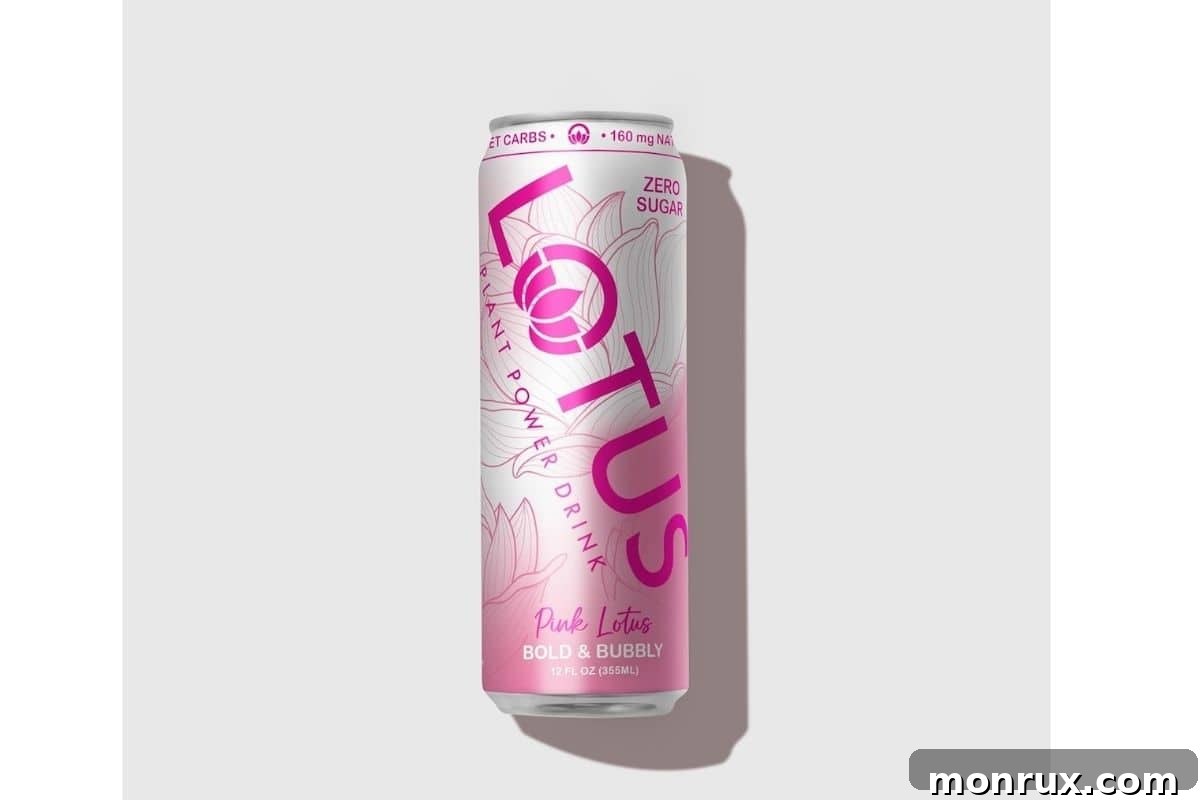
Welcome to an in-depth review of Lotus Plant Power Drink, an increasingly popular option in the booming energy drink market. In this comprehensive guide, we’ll dive deep into whether this plant-based beverage truly lives up to its healthy claims. We’ll meticulously analyze its nutritional profile, uncover the pros and cons of its key ingredients, and ultimately help you decide if it’s the right choice for your energy needs. For those prioritizing long-term wellness, it’s crucial to remember that optimum energy and vitality are most consistently derived from nourishing whole foods and unprocessed ingredients, rather than reliance on highly-processed, canned drinks often laden with preservatives and ambiguous “natural flavors.”
Lotus Plant Power Drink: An Overview
Lotus Plant Power Drink is marketed as a refreshing, plant-based energy beverage designed for individuals seeking an alternative to conventional energy drinks. Launched in 2007, the company has carved a niche by emphasizing its vegan, gluten-free, and plant-derived formulations. It positions itself as a “cleaner” option, appealing to health-conscious consumers and those with specific dietary preferences.
Unpacking Lotus Plant Power Drink: What You Need to Know
Lotus Plant Power Drink stands out in the crowded energy drink market through its unique selling proposition: a proprietary blend known as Plant Power Seven (PP7™). According to the brand’s official website, this innovative formula integrates seven specific botanical extracts, chosen for their purported ability to enhance “life force energy.” The primary goals of this blend are to support mental clarity, aid in stress reduction, foster gut health, and bolster immune function. This broad spectrum of claimed benefits targets a holistic approach to energy and wellness, aiming to attract consumers looking for more than just a caffeine kick.
The company also emphasizes its commitment to plant-based ingredients, positioning its products as suitable for vegan lifestyles and those avoiding gluten. This inclusive approach broadens its appeal significantly, tapping into growing consumer demands for dietary-friendly options. The branding often highlights natural colors and flavors, attempting to differentiate itself from artificial-laden competitors, though the specifics of these “natural flavors” warrant a closer look.
The Plant Power Seven (PP7™) Formula: A Closer Look
The heart of Lotus Plant Power Drinks lies in its Plant Power Seven (PP7™) proprietary blend, a combination of seven botanicals carefully selected to provide an energetic boost along with various health benefits. Understanding each component can help shed light on the drink’s overall profile:
- Cascara (Coffee Fruit) Extract: Often touted for its antioxidant properties, cascara is the fruit of the coffee plant, surrounding the coffee bean. It contains naturally occurring caffeine but is also valued for its polyphenols, which may support cognitive function and provide a milder, more sustained energy release compared to isolated caffeine.
- Green Coffee Bean Extract: Unroasted coffee beans are rich in chlorogenic acids, potent antioxidants that are partially lost during roasting. These compounds are linked to metabolism support and blood sugar regulation, contributing to a smooth energy experience without the typical jitters associated with processed caffeine.
- Ashwagandha KSM-66 Extract: An adaptogenic herb widely used in Ayurvedic medicine, Ashwagandha is celebrated for its ability to help the body manage stress more effectively. It may reduce cortisol levels, promote calmness, and enhance focus, aligning with the drink’s claims for stress relief and mental clarity.
- Guayusa Tea: Originating from the Amazon rainforest, Guayusa is a stimulating tea leaf that provides caffeine, but also unique antioxidants and L-theanine, an amino acid known for promoting a calm alertness. This combination helps to provide sustained energy and focus without the sharp peaks and crashes often associated with high caffeine intake.
- Prebiotics: These are specialized plant fibers that nourish the beneficial bacteria in your gut. By supporting a healthy gut microbiome, prebiotics contribute to overall digestive wellness, which in turn can impact mood, immunity, and even energy levels, aligning with the product’s gut health claims.
- Elderberry Extract: Known for its immune-boosting properties, elderberry is packed with vitamins, minerals, and antioxidants, particularly anthocyanins. It’s often used to support the body’s natural defenses, especially during cold and flu season, contributing to the drink’s immune defense claim.
- Green Tea Extract: A well-known source of antioxidants (catechins) and caffeine, green tea extract provides a gentle energy lift while also supporting metabolic health and offering neuroprotective benefits. Its synergy with L-theanine can promote focused energy.
While the individual components have established wellness associations, it’s important to remember that their efficacy and bioavailability within a processed beverage context, and at the specific concentrations found in PP7™, might vary. The total caffeine content across all sources in Lotus Plant Power Drinks is 160mg.
Key Nutritional Information and Flavor Variety
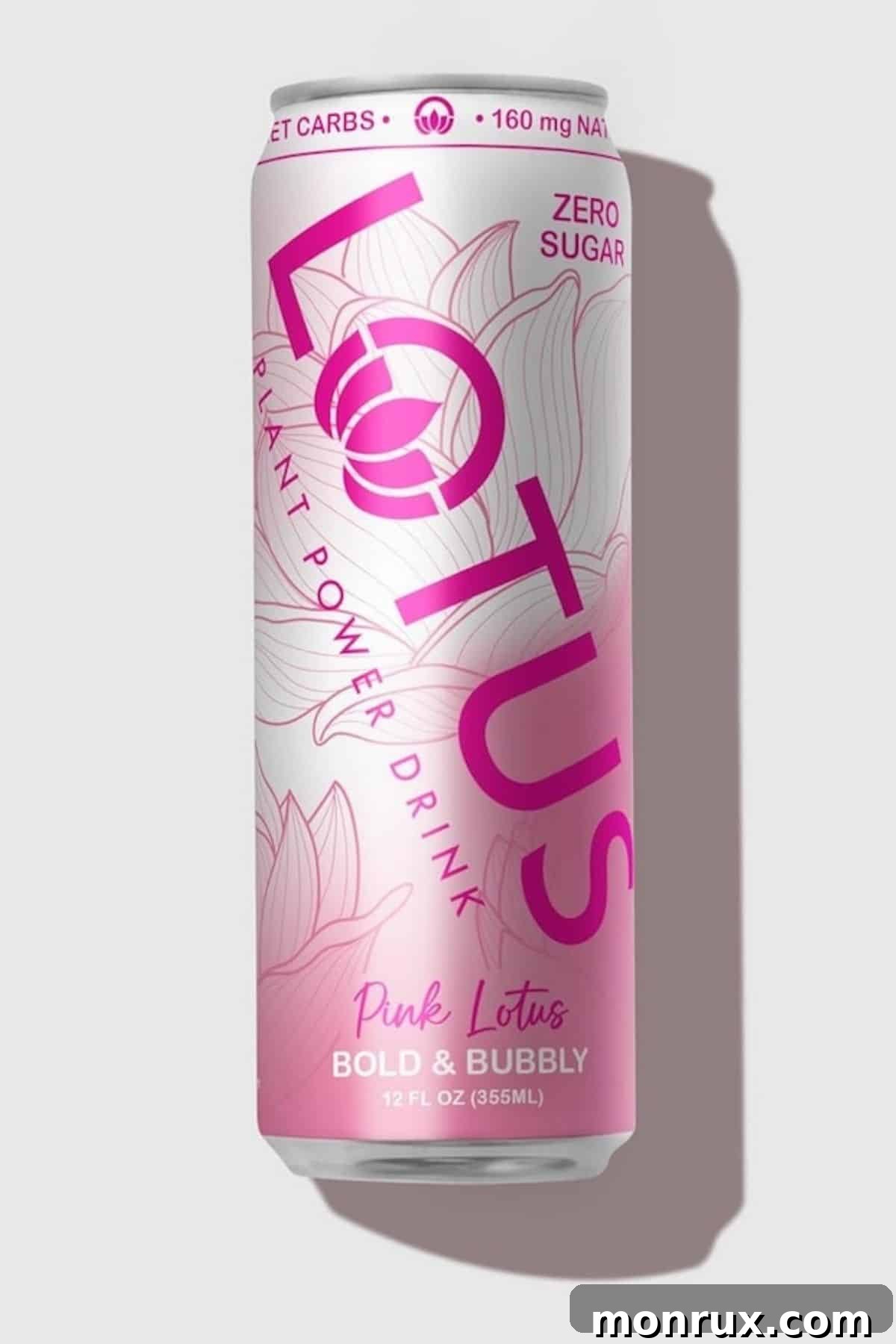
Each 12 oz can of Lotus Plant Power Drink contains 160mg of caffeine, which is comparable to a strong cup of coffee, and 160mg of sodium. The zero-sugar varieties, such as the Pink Lotus Plant Power Drink™ (zero sugar), use allulose as a sweetener, resulting in a product with minimal calories and no added sugars. This is a significant draw for consumers monitoring their sugar intake or following ketogenic diets.
The brand offers a vibrant array of eight distinct flavors, including Gold Lotus Plant Power Drink™ (Pure Cane Sugar version also available), Pink, Blue, Red, Purple, Green, and Orange Lotus Plant Power Drink™. This extensive flavor palette ensures there’s an option to suit diverse tastes, available in convenient 12 oz cans, typically sold in 12-packs of a single flavor or as a variety pack.
In-Depth Ingredient Analysis: Is Lotus Plant Power Drink Truly Healthy?
To truly assess the healthfulness of Lotus Plant Power Drink, we must move beyond the marketing claims and scrutinize its specific ingredients. While the “Plant Power Seven” blend offers intriguing botanical components, a closer look at the complete ingredient list, particularly for the zero-sugar variety, reveals a composition that warrants careful consideration.
For example, the Pink Lotus Plant Power Drink™ (zero sugar) includes:
- Carbonated water
- Allulose
- Natural flavors
- Citric acid
- Sodium citrate
- Caffeine from green coffee beans
- Potassium sorbate (preservative)
- Sodium benzoate (preservative)
- Plant Power 7™ proprietary blend (Coffee fruit (cascara) extract, Ashwagandha KSM-66 extract, Elderberry extract, Schisandra berry extract, Lotus flower extract, Rhodiola rosea extract, Green tea extract)
- Natural color (fruit and vegetable juice)
Now, let’s examine some of these main ingredients and their potential implications for your health, focusing on why a highly processed beverage, even with “natural” components, might not always be the healthiest choice.
Allulose: The Low-Calorie Sweetener
Allulose is a rare sugar that has gained popularity as a low-calorie alternative to traditional sugars like sucrose and high-fructose corn syrup. Manufacturers often highlight its minimal impact on blood sugar levels and low glycemic index, making it attractive for individuals managing diabetes, weight, or those following ketogenic diets. It provides a sweet taste with only about 10% of the calories of sugar.
However, despite these advertised benefits, the consumption of allulose, especially in the quantities often found in processed beverages, comes with potential drawbacks. The human body does not fully absorb allulose; instead, a significant portion passes through to the colon where it undergoes fermentation. This fermentation process can lead to gastrointestinal distress, including bloating, gas, stomach cramps, and diarrhea, particularly when consumed in large amounts or by individuals with sensitive digestive systems. While generally recognized as safe (GRAS) by regulatory bodies, the long-term effects of regular, high intake are still being studied, and it remains a manufactured ingredient, not a whole food.
Natural Flavors: Decoding the Ambiguity
The term “natural flavors” on an ingredient label is perhaps one of the most contentious and misunderstood descriptors in the food industry. While it sounds benign and wholesome, the reality is far more complex. The U.S. Food and Drug Administration (FDA) defines a “natural flavor” as a substance derived from a spice, fruit or fruit juice, vegetable or vegetable juice, edible yeast, herb, bark, bud, root, leaf or similar plant material, meat, seafood, poultry, eggs, dairy products, or fermentation products thereof, whose significant function in food is flavoring rather than nutritional. Crucially, this definition allows for a vast array of processing techniques and auxiliary ingredients that are not required to be disclosed to the consumer.
This lack of transparency means that “natural flavors” can be highly engineered in a lab, involving numerous chemical steps and often containing carriers, solvents, preservatives, and other additives that are not themselves derived from “natural” sources. For example, a “natural strawberry flavor” might contain dozens of chemical compounds extracted from various plant sources (not necessarily strawberries) and processed with substances like propylene glycol or BHT, which are synthetic. Furthermore, some “natural flavors” can be derived from genetically modified organisms (GMOs) without requiring a GMO label, adding another layer of ambiguity for consumers actively trying to avoid such ingredients. The potential for hidden allergens within these proprietary blends also poses a significant risk to individuals with food sensitivities, as manufacturers are not obligated to list individual components of a flavor blend unless they are one of the major allergens.
Ultimately, the inclusion of “natural flavors” in Lotus Plant Power Drink, without further specification, leaves consumers in the dark about the exact composition and potential processing methods. This opacity contradicts the principles of clean eating and informed consumption, raising questions about how truly “natural” or wholesome these flavorings are within a packaged beverage.
Sodium Citrate: Flavor Enhancer and Acidity Regulator
Sodium citrate is a common food additive derived from citric acid. Its primary roles in food and beverages are as a flavor enhancer, an acidity regulator (buffering agent), and an emulsifier. In energy drinks, it helps to balance the pH, stabilize ingredients, and can contribute to a smoother taste profile, mitigating the sharp notes of citric acid or other ingredients. Regulatory bodies generally consider sodium citrate safe for consumption in moderate amounts.
However, excessive intake of sodium citrate, particularly from multiple sources in a processed diet, can contribute to elevated sodium levels in the blood. This is a significant concern for individuals prone to or suffering from hypertension (high blood pressure) and those on sodium-restricted diets. High sodium intake is a well-established risk factor for cardiovascular disease. Furthermore, large quantities can potentially disrupt the body’s delicate electrolyte balance, which is crucial for nerve and muscle function, and can be particularly problematic for individuals with kidney dysfunction who struggle to process excess sodium. While 160mg of sodium in a single serving might seem small, cumulative intake from various processed foods and drinks throughout the day can quickly exceed recommended daily limits (typically 2,300mg for adults), making vigilance over all sources of sodium essential.
Caffeine Content: Benefits and Risks
Caffeine is arguably the most widely consumed psychoactive substance globally, renowned for its ability to stimulate the central nervous system, boost alertness, and temporarily alleviate fatigue. Lotus Plant Power Drink contains a substantial 160mg of caffeine per 12 oz can, primarily sourced from green coffee beans and green tea extract. This amount is equivalent to or slightly more than an average cup of brewed coffee (which typically ranges from 95-200mg) and significantly more than most soft drinks.
In moderation, caffeine can offer several benefits: improved focus, enhanced cognitive performance, increased physical endurance, and even mood elevation. For many, it’s an integral part of their daily routine. However, the line between beneficial and excessive consumption is highly individual and can easily be crossed, especially with concentrated sources like energy drinks. Overconsumption of 160mg in a single serving, or multiple servings throughout the day, can lead to a cascade of adverse effects. These include increased heart rate and palpitations, heightened anxiety or nervousness, digestive upset, tremors, and severe sleep disturbances like insomnia, which can have detrimental long-term impacts on overall health and well-being. Regular high intake can also foster dependency, resulting in unpleasant withdrawal symptoms such as headaches, irritability, and profound fatigue when caffeine consumption is reduced or stopped. Furthermore, caffeine acts as a diuretic, potentially contributing to dehydration if adequate water intake isn’t maintained, which ironically can exacerbate feelings of fatigue.
Sodium Levels: What 160mg Means for Your Health
Each 12 oz can of Lotus Plant Power Drink contains 160mg of sodium. While this amount, in isolation, falls within a seemingly acceptable range for most healthy individuals (considering the daily recommended limit for adults is 2,300mg), it’s crucial to view it within the context of total daily sodium intake. Many processed foods, snacks, and restaurant meals are significant contributors to sodium intake, and these often add up quickly without consumers realizing it.
For individuals with specific health concerns, such as hypertension, heart disease, or kidney conditions, even moderate amounts of sodium from beverages can be a factor. High sodium intake is directly linked to increased blood pressure, which is a major risk factor for heart attacks and strokes. Therefore, while 160mg from one drink may not seem alarming on its own, for those needing to monitor their sodium closely, or for anyone consuming multiple processed items daily, Lotus Plant Power Drink contributes to the overall burden. Prioritizing whole, unprocessed foods naturally limits sodium intake and supports cardiovascular health much more effectively.
Preservatives: Potassium Sorbate and Sodium Benzoate
Lotus Plant Power Drink, like many other bottled and canned beverages, includes preservatives such as potassium sorbate and sodium benzoate. These ingredients serve a critical function: to inhibit the growth of mold, yeast, and bacteria, thereby extending the product’s shelf life and ensuring its safety and quality over time. Without them, perishable components could spoil rapidly, making distribution and storage impractical.
While approved by food safety authorities for use in specified amounts, the presence of these synthetic preservatives underscores the “processed” nature of the drink. Some consumers prefer to minimize their intake of artificial additives due to concerns about their cumulative effects on health, especially in sensitive individuals. Sodium benzoate, in particular, has been a subject of scrutiny because when combined with vitamin C (ascorbic acid) in beverages, it can form small amounts of benzene, a known carcinogen. Although the levels formed are typically low and within regulatory limits, this interaction is a factor for some to consider when evaluating beverages containing both ingredients. The inclusion of preservatives, while practical for manufacturers, deviates from a whole-food, clean eating approach that emphasizes fresh, minimally processed ingredients without chemical stabilizers.
The Upsides: Potential Benefits of Lotus Plant Power Drink
Despite the concerns surrounding some of its processed ingredients, Lotus Plant Power Drink does offer several attributes that might appeal to a segment of consumers, positioning itself as a more mindful option within the energy drink category.
Plant-Based and Dietary Friendly
One of the most significant advantages of Lotus Plant Power Drink is its strong commitment to being plant-based, vegan, and gluten-free. This makes it an accessible choice for a wide audience, including those adhering to specific dietary restrictions or ethical preferences. For vegans, finding an energy drink free from animal-derived ingredients can be a challenge, and Lotus addresses this directly. Similarly, individuals with celiac disease or gluten sensitivity can consume it without worry, expanding its market appeal to health-conscious consumers seeking specialized dietary options.
Convenience and Accessibility
In our fast-paced world, convenience is a major factor in food and beverage choices. Lotus Plant Power Drink delivers a quick, ready-to-drink energy solution in a portable can. This grab-and-go format is ideal for busy lifestyles, offering an immediate boost without the need for preparation. Whether you’re heading to work, the gym, or need a pick-me-up during a long day, the ease of access makes it a popular choice for those seeking instant energy without fuss.
Targeted Plant Extracts for Wellness
The incorporation of the Plant Power Seven (PP7™) blend is another key selling point. This unique combination of botanical extracts like Ashwagandha, Guayusa tea, and Elderberry aims to provide more than just simple caffeine. The suggested benefits, such as enhanced mental focus, stress relief, gut health support, and immune defense, resonate with consumers looking for functional beverages that contribute to overall well-being beyond mere stimulation. While individual research on each extract’s efficacy is abundant, their combined effect within a processed drink formula, and at specific dosages, is what primarily differentiates Lotus from simpler energy drinks, offering a perception of added wellness benefits.
The Downsides: Concerns and Considerations
While Lotus Plant Power Drink boasts some attractive features, a critical evaluation reveals several significant drawbacks that health-conscious consumers should carefully consider before integrating it into their daily routine.
Highly Processed Nature
Perhaps the most prominent concern with Lotus Plant Power Drink, despite its “plant-based” labeling, is its inherently highly processed nature. This is not a fresh, whole-food product. It’s a concoction of isolated extracts, sweeteners, acids, and preservatives formulated in a laboratory setting. Highly processed foods and beverages often lack the synergistic nutrients found in whole foods, such as fiber, essential vitamins, and minerals that work together for optimal health. Consuming processed drinks regularly means missing out on the comprehensive nutritional benefits that natural, unprocessed alternatives offer. The body processes these ingredients differently, often leading to less sustained energy and potentially contributing to digestive issues or inflammation compared to nutrient-dense whole foods.
For truly healthy and sustained energy, embracing whole foods is paramount. Consider a protein-rich smoothie made with real fruits, vegetables, and a clean protein source, or a cup of freshly brewed coffee or tea. My recipe for Protein Coffee offers a delicious and nourishing alternative, or explore options like the strongest espresso at Starbucks if you seek a simpler caffeine boost from a less processed source.
Cost vs. Value: An Expensive Energy Boost
Compared to many other sources of energy, such as a cup of homemade coffee, tea, or even a piece of fruit, Lotus Plant Power Drinks can be relatively expensive. When purchased in multi-packs, the per-can cost might decrease slightly, but it still represents a significant recurring expense for regular consumers. This elevated price point makes it a less economical option for daily energy needs, especially when more budget-friendly and nutritionally superior alternatives are readily available. The value proposition becomes questionable when considering the processed nature of the drink versus the cost-effectiveness and health benefits of whole food-based energy sources.
Environmental Impact of Single-Use Cans
The environmental footprint of single-use aluminum cans, while recyclable, is another considerable drawback. The production, transportation, and eventual recycling (or landfill disposal) of these cans contribute to resource consumption, carbon emissions, and waste generation. For environmentally conscious consumers striving to reduce their ecological impact, regularly consuming canned beverages can conflict with sustainability goals. Opting for reusable bottles, making homemade beverages, or choosing products with more sustainable packaging can be a more eco-friendly approach to managing energy needs.
Misleading “Health” Perception
The marketing of Lotus Plant Power Drink often emphasizes its “plant-based,” “vegan,” and “natural” attributes, creating a perception of superior health compared to other energy drinks. While these aspects are true to an extent, it’s crucial for consumers to look beyond surface-level claims. The presence of highly processed ingredients like allulose, ambiguous “natural flavors,” and synthetic preservatives means the drink isn’t as “clean” as many might assume. This can lead to a misleading health halo, where consumers believe they are making an exceptionally healthy choice when, in reality, they are still consuming a processed product with potential drawbacks. True health comes from nourishing the body with minimally processed, whole ingredients.
Not a “Clean Eating” Choice
From a clean eating perspective, Lotus Plant Power Drink generally does not align with the core principles. Clean eating emphasizes consuming whole, unprocessed, or minimally processed foods, free from artificial ingredients, excessive sugars, and synthetic additives. While Lotus Plant Power Drink utilizes some plant extracts, its overall formulation involves industrial processing, isolated compounds, and synthetic preservatives. Therefore, for those committed to a truly clean eating lifestyle, this beverage would typically be excluded in favor of natural, unadulterated sources of energy and hydration.
For further insights into common processed food products, you might find my related reviews illuminating: “Why Premier Protein is Bad For You” and “Are Alani Nu Energy Drinks Bad For You?” These articles offer similar critical analyses of popular health and energy supplements.
Healthier Alternatives for Sustained Energy
If you’re seeking to boost your energy levels without resorting to highly processed energy drinks, a wealth of natural and whole-food alternatives can provide more sustained vitality and a broader spectrum of health benefits. Embracing these options aligns more closely with a clean eating philosophy and supports long-term well-being.
Whole Food Powerhouses
The foundation of lasting energy lies in nutrient-dense whole foods. Incorporating these into your diet can prevent energy crashes and provide essential vitamins and minerals:
- Fruits: Natural sugars in fruits like bananas, apples, and berries provide quick, yet sustained energy due to their fiber content. They also offer essential vitamins, antioxidants, and hydration.
- Vegetables: Leafy greens, vibrant peppers, and root vegetables are packed with nutrients that fuel cellular energy production. Incorporate them into salads, stir-fries, or smoothies for an energy boost.
- Nuts and Seeds: Almonds, walnuts, chia seeds, and flaxseeds are excellent sources of healthy fats, protein, and fiber, offering sustained energy release and satiety. They make for convenient and nutritious snacks.
- Complex Carbohydrates: Oats, quinoa, brown rice, and whole-grain breads provide a steady supply of glucose to the brain and muscles, preventing blood sugar spikes and subsequent crashes.
- Lean Proteins: Eggs, lean meats, fish, legumes, and plant-based protein sources like tofu and tempeh help stabilize blood sugar and provide the building blocks for muscle repair and overall vitality.
Natural Caffeinated Beverages
For those who appreciate a caffeine kick, natural sources offer a more holistic approach:
- Coffee: A classic choice, black coffee provides caffeine along with antioxidants. Opt for organic, freshly brewed coffee and minimize added sugars or artificial creamers.
- Green Tea: Beyond its moderate caffeine content, green tea is rich in L-theanine, an amino acid that promotes a state of calm alertness, reducing the jitters often associated with coffee. It’s also packed with beneficial antioxidants.
- Matcha: A concentrated form of green tea, matcha offers a smooth, sustained energy boost with high levels of L-theanine and antioxidants.
- Herbal Teas: While caffeine-free, certain herbal teas like peppermint, ginger, or ginseng tea can provide a natural invigorating effect and improve focus without stimulants.
Hydration: The Simplest Energy Boost
Often overlooked, adequate hydration is fundamental for energy. Even mild dehydration can lead to fatigue, reduced concentration, and headaches. Simply increasing your water intake throughout the day can significantly improve energy levels. For added flavor and nutrients, consider:
- Infused Water: Add slices of lemon, cucumber, berries, or mint to your water for a refreshing and naturally flavored drink.
- Coconut Water: A natural electrolyte-rich beverage, coconut water can replenish fluids and minerals lost during physical activity.
DIY Smoothies and Juices
Creating your own smoothies and fresh juices allows for complete control over ingredients, ensuring you get maximum nutrients without unwanted additives:
- Nutrient-Dense Smoothies: Blend spinach or kale with fruits like berries and bananas, a scoop of clean protein powder, chia seeds, and unsweetened almond milk for a customizable, energizing meal replacement or snack.
- Fresh Juices: Experiment with combinations of fruits and vegetables like apple, carrot, ginger, and lemon for a revitalizing burst of vitamins and enzymes. Explore my range of 10+ Juicing Recipes for Energy From a Nutritionist for inspiring ideas that will naturally invigorate your day.
Explore More Energy Drink Insights
Delving deeper into the world of energy drinks is crucial for making informed health decisions. If you’re curious about how other popular energy beverages stack up, or if you’re searching for more natural ways to boost your vitality, these related reviews and resources offer further valuable perspectives:
Final Verdict: Is Lotus Plant Power Drink Right for You?
Lotus Plant Power Drink certainly attempts to carve out a healthier image within the energy drink landscape, emphasizing its plant-based, vegan, and gluten-free formulation, along with its unique Plant Power Seven (PP7™) blend. For individuals seeking a convenient, quick energy boost that adheres to specific dietary preferences, it may appear to be a suitable option on the surface. The inclusion of adaptogens and various botanical extracts also adds a functional appeal beyond mere caffeine delivery.
However, a thorough examination of its ingredients reveals a more nuanced picture. The presence of processed components like allulose, the ambiguity surrounding “natural flavors,” and the inclusion of synthetic preservatives like potassium sorbate and sodium benzoate mean that Lotus Plant Power Drink is far from a whole-food, minimally processed beverage. Its significant caffeine and sodium content, while not necessarily harmful in moderation for all, warrants caution for sensitive individuals or those with underlying health conditions. Furthermore, its relatively high cost and environmental impact from single-use packaging are factors that weigh against its perceived benefits.
Ultimately, while Lotus Plant Power Drink might offer a temporary energy solution, it doesn’t align with the principles of clean eating or a truly health-optimized diet focused on nutrient-dense, unprocessed foods. For sustained energy, optimal health, and long-term well-being, the most beneficial path involves prioritizing hydration, embracing whole foods like fruits, vegetables, nuts, and lean proteins, and opting for natural, minimally processed caffeinated beverages like plain coffee or green tea. Making informed choices about what we consume is paramount for cultivating genuine vitality, rather than relying on quick fixes that may come with hidden costs to our health.
Don’t forget to join my newsletter list to get exclusive clean eating recipes and tips. The newsletter is 100% free with no spam; unsubscribe anytime.
About the Author: Carrie Forrest has a master’s degree in public health with a specialty in nutrition and is a certified holistic nutritionist. She is a top wellness and food blogger with over 5 million annual visitors to her site. Carrie has an incredible story of recovery from chronic illness and is passionate about helping other women transform their health. Send her a message through her contact form.
Note: this post is for informational purposes only and is not intended as medical advice. Please consult your healthcare provider for recommendations related to your individual situation.