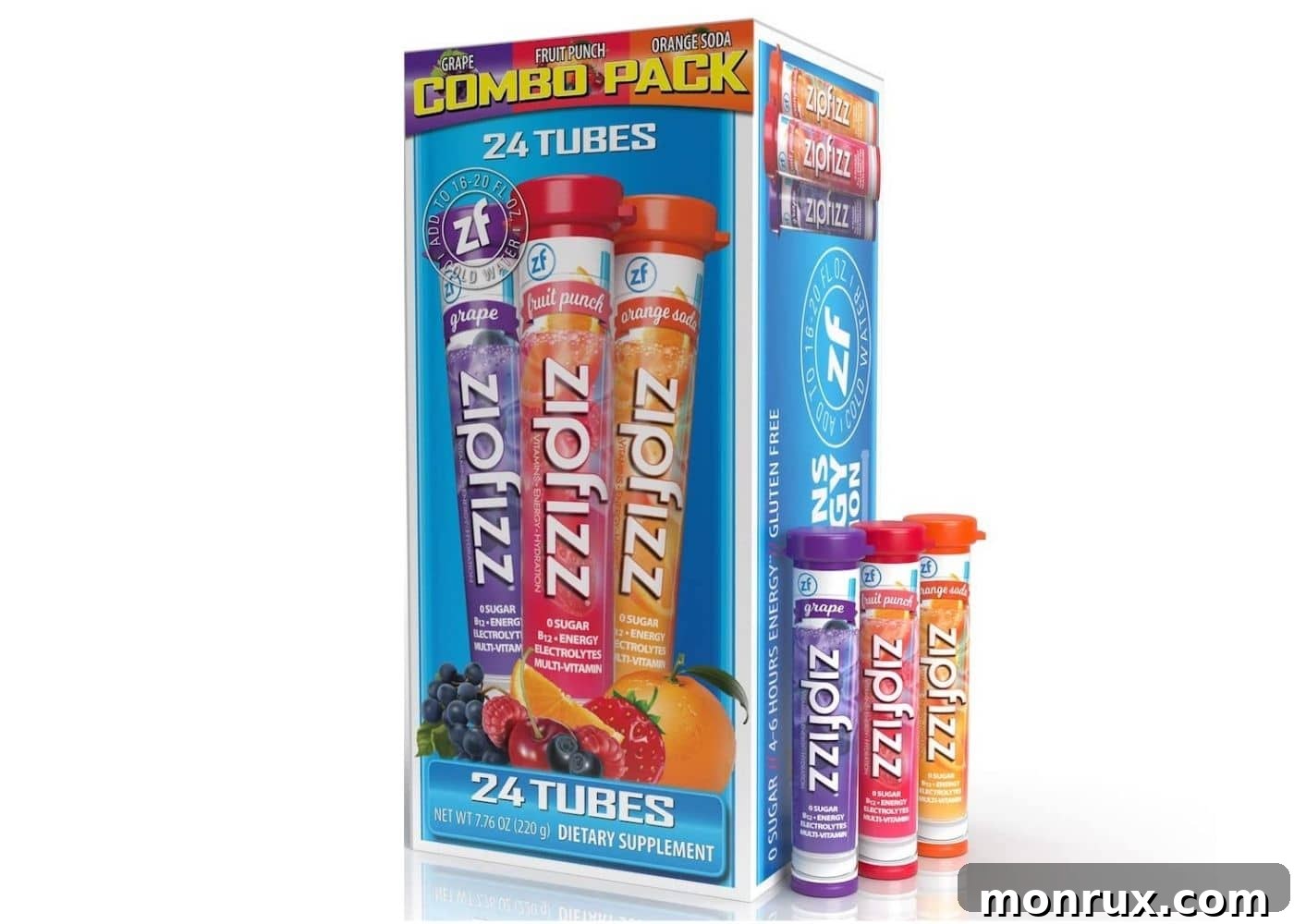
Navigating the world of energy drinks can be confusing, especially with so many products promising quick boosts and vital nutrients. In this comprehensive article, we’ll delve deep into Zipfizz, a popular energy drink mix, to answer a critical question: Is Zipfizz truly healthy? We’ll explore its ingredients, evaluate its nutritional benefits and potential drawbacks, and uncover why for most individuals, Zipfizz is generally not considered a healthy dietary staple due to its highly processed nature, artificial additives, and significant caffeine content. Join us as we unpack the pros and cons, and consider some wholesome alternatives to fuel your body naturally.
What is Zipfizz and How Does It Work?
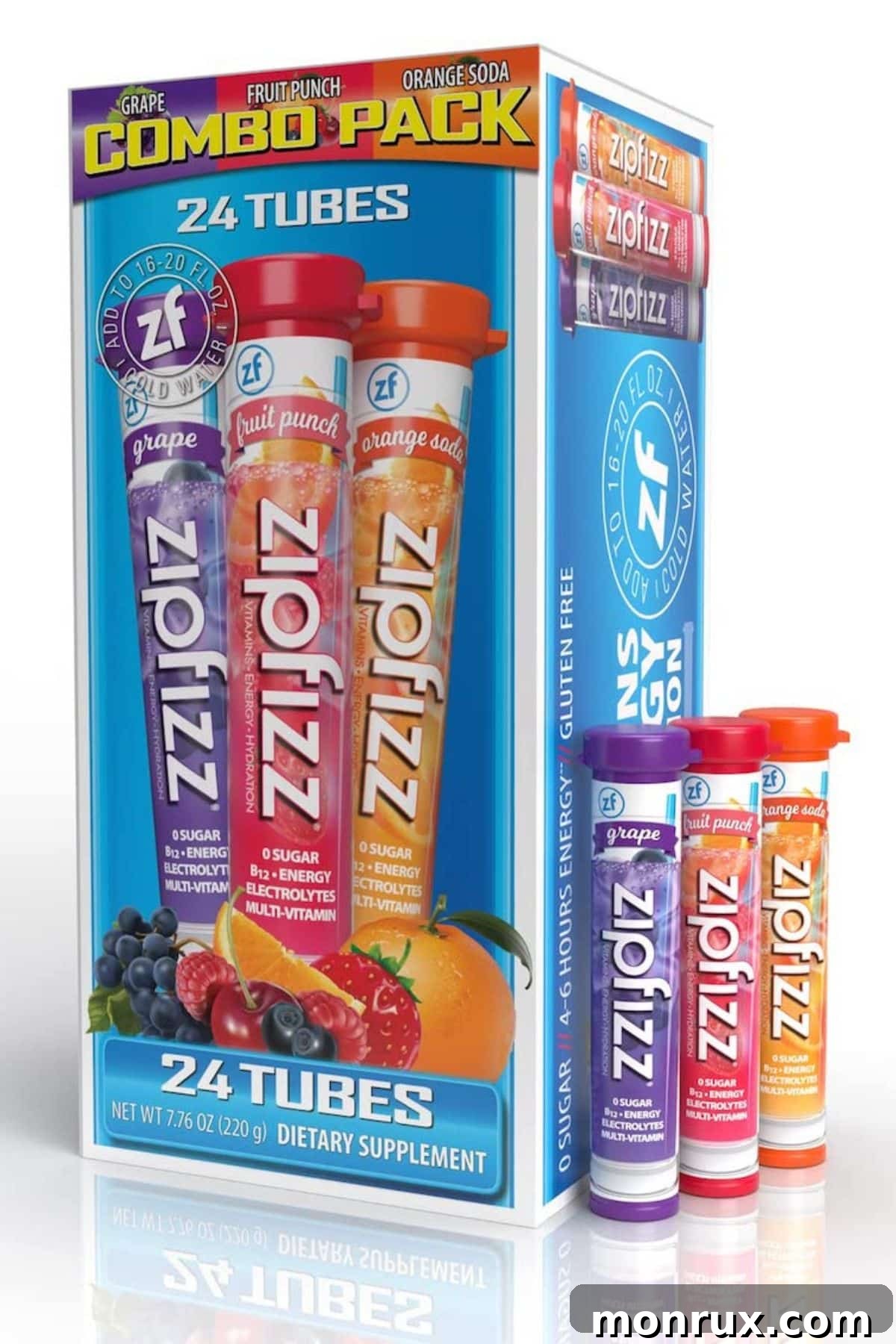
Zipfizz, an effervescent energy drink mix, made its debut in 2003 under the vision of Eric Leaver. It’s designed to offer a convenient energy boost, packaged as a powder in small tubes or canisters that easily mix with water to create a refreshing beverage. This product aims to stand out in the crowded energy drink market by positioning itself as a healthier alternative to traditional energy drinks, which are often laden with high sugar content, artificial flavors, colors, and excessive calories.
Targeting active adults seeking a quick and sustained energy lift, Zipfizz is formulated to deliver essential vitamins, minerals, and antioxidants alongside its stimulating components. The brand emphasizes that its powders are sugar-free, preservative-free, and contain no artificial colors or flavors, aiming for a cleaner profile. This promise resonates with consumers looking to avoid the common pitfalls of many mainstream energy beverages.
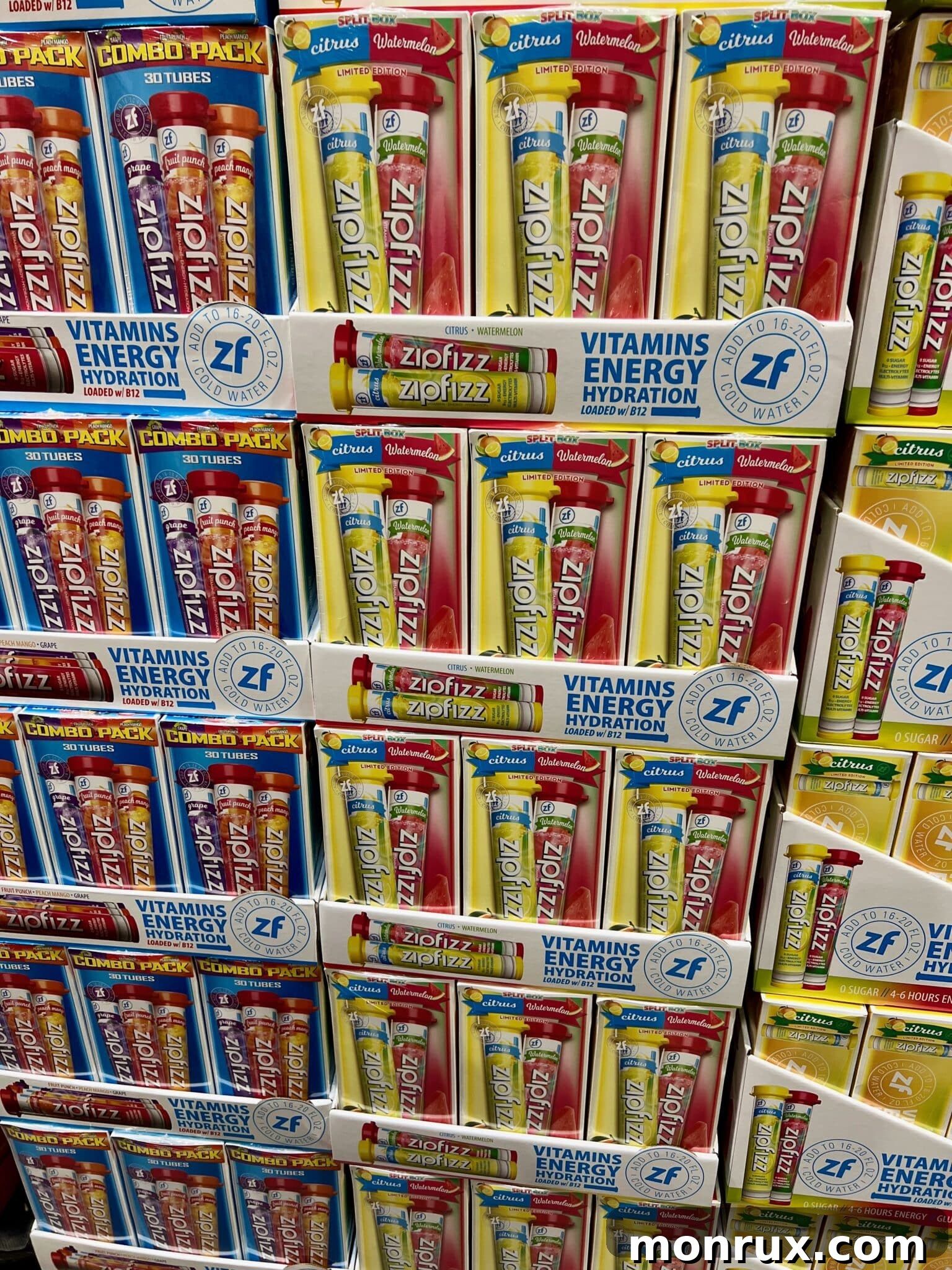
Zipfizz boasts an impressive array of flavors to suit diverse palates, ensuring there’s an option for almost everyone. Popular choices include:
- Black Cherry
- Blueberry Raspberry
- Citrus
- Fruit Punch
- Grape
- Lemon Iced Tea
- Límon
- Orange Cream
- Orange Soda
- Peach Mango
- Pina Colada
- Pink Grapefruit
- Pink Lemonade
Beyond its powdered form, Zipfizz also extends its product line to include 2-ounce and 4-ounce energy shots, available in the same enticing flavor varieties, providing an even more concentrated and on-the-go energy solution.
The core mechanism of Zipfizz lies in its blend of active ingredients, prominently featuring a significant dose of caffeine, primarily sourced from green tea and guarana seed extracts. This is complemented by a comprehensive mix of B vitamins (including B12 for energy metabolism), vitamin C, chromium, and a proprietary blend of electrolytes like potassium bicarbonate, magnesium, and sodium bicarbonate. Additionally, it incorporates amino acids such as taurine and L-arginine, alongside artificial and natural sweeteners like sucralose, xylitol, and stevia leaf extract, which contribute to its zero-sugar claim. This carefully curated ingredient profile is designed to rapidly enhance energy levels, support metabolic function, and aid in hydration, making it a popular choice for those needing a quick pick-me-up.
Zipfizz Ingredients: A Detailed Analysis
Understanding what goes into your energy drink is paramount to assessing its healthfulness. Zipfizz energy powders are packed with over 30 ingredients, including a complex blend of 24 vitamins, minerals, electrolytes, and various herbs. While many of these are presented as beneficial, it’s crucial to examine them closely, as a significant portion consists of chemical compounds and non-nutritive sweeteners.
Below is a comprehensive list of ingredients commonly found in Zipfizz, followed by a deeper dive into some of the most prominent ones that dictate whether this product aligns with a healthy lifestyle:
- Vitamin C (Ascorbic Acid)
- Vitamin E (as d-alpha-Tocopheryl Acetate)
- Thiamine (Vitamin B1) as Thiamine Hydrochloride
- Riboflavin (Vitamin B2)
- Niacin (Vitamin B3) as Niacinamide
- Vitamin B6 as Pyridoxine Hydrochloride
- Folate (Vitamin B9) as Folic Acid
- Vitamin B12 as Cyanocobalamin
- Pantothenic Acid (Vitamin B5) as Calcium d-Pantothenate
- Magnesium (as Magnesium Oxide)
- Zinc (as Zinc Amino Acid Chelate)
- Selenium (as L-Selenomethionine)
- Copper (as Copper Gluconate)
- Manganese (as Manganese Gluconate)
- Chromium (as Chromium Amino Acid Chelate)
- Potassium (as Potassium Citrate)
- Sodium (as Sodium Bicarbonate)
- Calcium (as Calcium Carbonate)
- L-Arginine
- Taurine
- Caffeine (from Guarana Seed Extract)
- Xylitol (Sweetener)
- Sucralose (Sweetener)
- Stevia Leaf Extract (Sweetener)
- Citric Acid (for tartness)
- Natural Flavors
- Beet Juice Powder (for color)
- Grape Skin Extract (for color)
Now, let’s explore some of these key components in more detail to help you make an informed decision about Zipfizz’s suitability for your health.
Caffeine Content and Its Effects
Each serving of Zipfizz powder delivers a notable 100 milligrams of caffeine, primarily sourced from natural compounds found in green tea extract and guarana seed extract. For context, this amount is roughly equivalent to a standard cup of coffee. Caffeine, a widely consumed natural stimulant, is known for its ability to enhance alertness, improve focus, and temporarily stave off fatigue by blocking adenosine, a neurotransmitter that promotes relaxation and sleepiness.
When consumed in moderation, caffeine can offer several potential health benefits. Research suggests it may play a role in pain relief, protect against DNA damage, promote liver enzyme production, and potentially reduce the risk of neurodegenerative diseases such like Alzheimer’s and Parkinson’s. For many adults, 100 mg is considered a moderate dose and typically well-tolerated, providing a noticeable energy lift without significant adverse effects.
However, the effects of caffeine are highly individual. For those sensitive to stimulants, or when ingested in higher doses, caffeine can lead to undesirable side effects. These may include an increased heart rate and blood pressure, restlessness, jitters, anxiety, and sleep disturbances like insomnia. Even individuals not typically sensitive to caffeine can experience these symptoms if their intake becomes excessive. Therefore, while 100 mg might be acceptable for most, it’s a stimulant nonetheless, and careful consideration is advised.
It’s critically important to note that children and adolescents should generally avoid caffeine unless specifically advised by a healthcare professional. Pregnant and breastfeeding women, individuals with certain heart conditions, high blood pressure, or anxiety disorders should also exercise extreme caution or abstain from caffeine consumption. For further comparisons, you might find related reviews helpful, such as “Is Alani Good For You?”
Green Tea Leaf Extract: Benefits and Cautions
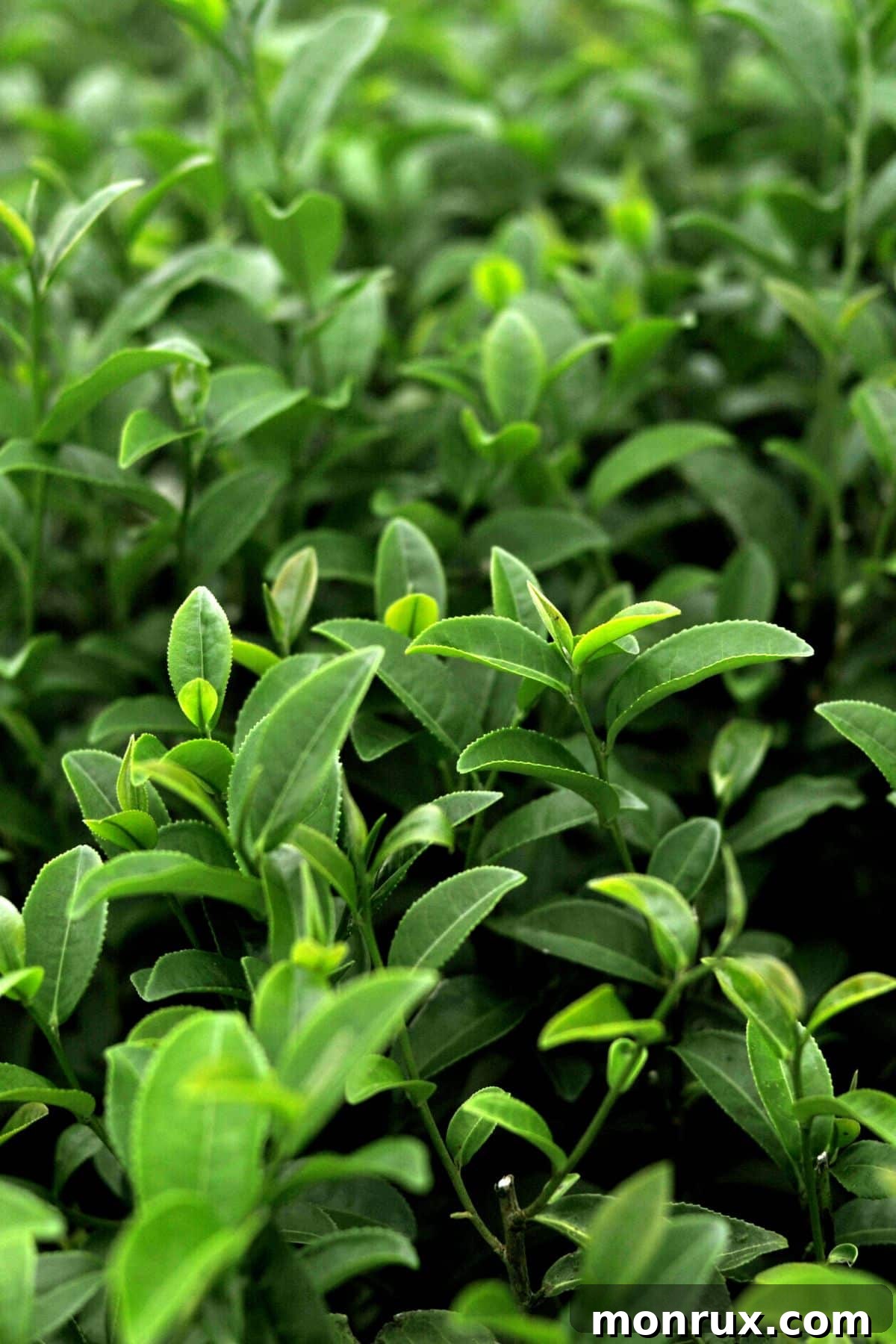
Green tea leaf extract is a prominent ingredient in Zipfizz, valued for its rich concentration of antioxidants and beneficial polyphenols, particularly epigallocatechin gallate (EGCG). Green tea is widely recognized as a healthy beverage for many, and its extract is often lauded for its broad spectrum of potential health benefits.
Polyphenols are powerful plant compounds known for their anti-inflammatory properties. They are believed to support robust cardiovascular health, assist in combating neurodegenerative diseases, contribute to weight management by influencing metabolism, and may even exhibit anticarcinogenic effects. These protective qualities make green tea extract an appealing addition to health-focused supplements.
However, despite its impressive health profile, green tea extract is not without its considerations. Due to its natural caffeine content, individuals sensitive to stimulants may experience adverse reactions similar to those caused by isolated caffeine. More importantly, excessive consumption of green tea extract, particularly in concentrated supplement forms, has been linked to potential liver health issues in some rare cases. This highlights the importance of moderation and being aware of individual sensitivities when consuming products containing concentrated extracts.
Taurine: Natural Compound or Cause for Concern?
Taurine is an amino acid that naturally occurs in the human body and is abundant in animal-based foods like meat, fish, and eggs. For most people who consume a balanced diet including these foods, adequate levels of taurine are typically obtained without supplementation. It plays crucial roles in various bodily functions, including nerve growth, antioxidant processes, and supporting cardiovascular health.
While naturally occurring taurine is beneficial, its addition to energy-boosting products like Zipfizz raises some questions, particularly regarding the potential effects of supplemental doses. When added to energy drinks, taurine is often combined with other stimulants like caffeine, and the synergistic effects are not fully understood. Some research suggests that high doses of supplemental taurine, especially in the context of energy drink consumption, may influence neurotransmitter levels, potentially leading to altered behavior and neural functioning. This could include effects on adrenaline, dopamine, and serotonin levels, which are critical for mood, energy, and cognitive processes.
Concerns about excessive added taurine have been highlighted in various studies, particularly regarding its safety for adolescents. While definitive conclusions are still being drawn, the potential for altered neurological and physiological responses warrants caution. For individuals already consuming sufficient taurine through their diet, additional supplementation through highly processed energy drinks may introduce unnecessary risks or imbalances.
Sucralose: The Controversial Artificial Sweetener
Sucralose, commonly known by the brand name Splenda, is a highly processed, chlorinated artificial sweetener used in Zipfizz to provide sweetness without calories or sugar. The human body does not metabolize sucralose; it passes through the digestive system largely unabsorbed. While this characteristic is touted as a benefit for calorie reduction, it also contributes to ongoing debates about its long-term health effects.
Despite receiving approval from the FDA, sucralose remains a controversial ingredient, particularly among health-conscious individuals and those who advocate for a clean diet. A growing body of research has begun to shed light on potential adverse effects associated with long-term consumption of sucralose and other non-nutritive sweeteners. These studies suggest a possible link to increased inflammation within the body and a heightened risk of developing metabolic issues such as type 2 diabetes, cardiovascular disease, and obesity.
One significant area of concern revolves around its impact on gut health. Sucralose has been implicated in disrupting the delicate balance of the intestinal microbiome by potentially reducing the population of beneficial bacteria. A healthy gut microbiome is crucial for digestion, nutrient absorption, immune function, and even mood regulation. Any compromise to this balance can have far-reaching implications for overall health. Therefore, for those prioritizing gut health and avoiding highly processed chemicals, sucralose presents a notable drawback in Zipfizz’s ingredient profile.
Xylitol: Understanding This Sugar Alcohol
Xylitol is a sugar alcohol that naturally occurs in small amounts in various fruits and vegetables. Commercially, it’s often produced from corn cob or birch bark. It serves as another low-calorie sweetener in Zipfizz, contributing to its sugar-free claim. Xylitol is a popular choice in sugar-free products because it provides sweetness with fewer calories than sugar and doesn’t raise blood glucose levels as sharply.
However, like other sugar alcohols such as mannitol, erythritol, lactitol, sorbitol, isomalt, and maltitol, xylitol can cause digestive discomfort in some individuals. Because sugar alcohols are not fully absorbed in the small intestine, they can ferment in the large intestine, leading to symptoms like bloating, gas, and a laxative effect, especially when consumed in larger quantities. People with sensitive digestive systems or conditions like Irritable Bowel Syndrome (IBS) may find these effects particularly problematic.
While generally considered to have a low glycemic index, it’s worth noting that xylitol can still subtly affect blood sugar levels in some individuals, particularly those with pre-existing metabolic conditions. Moreover, a significant and critical concern regarding xylitol is its extreme toxicity to dogs. Even small amounts can be deadly to canines, causing a rapid drop in blood sugar and liver failure, underscoring the importance of keeping products containing xylitol out of reach of pets.
Citric Acid: More Than Just Tartness
Citric acid, a weak organic acid naturally found in citrus fruits like lemons, limes, and oranges, is a common additive in many food and beverage products, including Zipfizz. Its primary roles in energy drinks are to impart a tart, citrusy flavor, act as a natural preservative, and enhance the stability of other ingredients. It plays a significant role in making the drink taste refreshing and tangy.
While naturally occurring citric acid in whole fruits is generally benign, the concentrated, manufactured form used in processed beverages can pose certain health considerations. The most prominent concern relates to dental health. Citric acid is corrosive, and frequent or excessive consumption of highly acidic beverages can lead to the erosion of tooth enamel. This erosion weakens the teeth, making them more susceptible to sensitivity, cavities, and other dental problems. The effervescent nature of Zipfizz, which can prolong contact of the acidic solution with teeth, may further exacerbate this risk.
Therefore, while citric acid contributes to the palatable flavor profile of Zipfizz, its presence, especially when combined with other acidic ingredients, warrants consideration for its long-term impact on oral health. Regular consumption without proper dental hygiene could contribute to a higher risk of dental issues.
Vitamins, Minerals, and Electrolytes in Zipfizz
Zipfizz proudly highlights its extensive vitamin and mineral content, which includes a comprehensive array of B vitamins (B1, B2, B3, B5, B6, B9, B12), Vitamin C, Vitamin E, magnesium, zinc, selenium, copper, manganese, chromium, potassium, sodium, and calcium. These micronutrients are indeed essential for numerous bodily functions, including energy metabolism, immune support, and nerve function. The presence of electrolytes like potassium, magnesium, and sodium is particularly beneficial for hydration and maintaining fluid balance, especially for those engaging in light to moderate physical activity.
However, it’s important to consider the context of these nutrients. Many of the vitamins in Zipfizz are present in what could be considered “megadose” quantities, often far exceeding the recommended daily allowances. For instance, a single serving can provide several hundred or even thousand percent of the Daily Value for certain B vitamins. While these are water-soluble and generally considered safe as excess is excreted, consistently high doses may not offer additional benefits beyond a certain point and, in some cases, could lead to imbalances or subtle adverse effects over time. The body is typically most efficient at absorbing nutrients from whole food sources.
While the electrolytes are a positive addition for hydration, particularly when compared to sugary sodas, the overall package of Zipfizz—with its artificial sweeteners and other processed ingredients—means that these beneficial micronutrients are delivered within a less-than-ideal matrix. For optimal nutrient intake and absorption, relying on a diverse diet rich in whole fruits, vegetables, and lean proteins remains the gold standard, as these sources provide nutrients in their most bioavailable and balanced forms.
The Nutritional Pros of Zipfizz
Despite the concerns surrounding some of its ingredients, Zipfizz does offer a few undeniable advantages that distinguish it from many other energy drinks and sugary beverages on the market. These benefits are often highlighted by the brand and are worth considering for individuals seeking specific dietary attributes:
- Sugar-Free: One of Zipfizz’s most appealing features is its complete absence of added sugar. This makes it an attractive option for individuals looking to reduce their sugar intake, manage blood sugar levels, or adhere to low-carbohydrate diets.
- Low Calorie: Each serving contains only 20 calories, making it a very low-calorie beverage choice. This can be beneficial for those who are monitoring their caloric intake for weight management or simply prefer not to “drink their calories.”
- Gluten-Free: For individuals with celiac disease or gluten sensitivity, Zipfizz provides a safe energy drink option, as it is certified gluten-free.
- Preservative-Free: The absence of artificial preservatives aligns with a desire for cleaner ingredients, appealing to consumers who prefer to avoid synthetic additives in their diet.
- No Artificial Colors or Flavors: Zipfizz uses natural flavors and colors derived from sources like beet juice and grape skin extract, which is a significant improvement over many conventional energy drinks that rely on artificial dyes and flavorings.
- Rich in Vitamins and Minerals: Zipfizz is fortified with an impressive array of B vitamins, vitamin C, vitamin E, and various essential minerals like magnesium, zinc, and chromium. These micronutrients are crucial for energy metabolism, immune function, and overall health.
- Electrolyte Support: The inclusion of electrolytes such as potassium, magnesium, and sodium helps support hydration and maintain fluid balance, which can be particularly beneficial for active individuals or during periods of increased fluid loss.
- Antioxidant-Rich Ingredients: Green tea extract and grape seed extract contribute powerful antioxidants, which help combat oxidative stress and support cellular health.
- Short-Term Energy Boost: The caffeine content, combined with B vitamins, can provide a noticeable and rapid boost of energy, enhancing alertness and focus for those needing a quick pick-me-up.
These positive attributes make Zipfizz appear healthier on the surface compared to highly sweetened and artificially colored alternatives, offering a seemingly “cleaner” way to get an energy surge.
The Nutritional Cons: Potential Drawbacks of Zipfizz
While Zipfizz does present some appealing features, a closer examination reveals several significant nutritional drawbacks that make it a questionable choice for long-term health and consistent energy. Despite its marketing as a healthier energy option, its highly processed nature and specific ingredient choices raise considerable concerns.
- Highly Processed Formulation: At its core, Zipfizz is a manufactured product comprising a blend of isolated chemicals, extracts, and synthetic compounds. This contrasts sharply with whole, unprocessed foods that deliver nutrients in their natural, bioavailable forms alongside fiber and other beneficial components. Relying on such a product for daily energy deviates from the principles of a truly clean and healthy diet.
- Reliance on Artificial Sweeteners: Although Zipfizz is sugar-free, it is sweetened with sucralose and xylitol. As discussed, sucralose is a controversial artificial sweetener linked to potential gut microbiome disruption, inflammation, and increased risks of metabolic diseases like obesity and type 2 diabetes. Xylitol, while natural, can cause significant digestive distress in many individuals, including gas, bloating, and a laxative effect, particularly with regular consumption.
- Caffeine Overload and Sensitivity: While 100mg of caffeine per serving might be moderate for some, daily or multiple-serving use can lead to excessive caffeine intake. This can result in increased heart rate, anxiety, jitters, insomnia, and even dependence. Individuals sensitive to caffeine may experience these adverse effects even at lower doses.
- Not Suitable for All Populations: Zipfizz is expressly unsuitable for children, as caffeine can negatively impact their developing nervous systems. Furthermore, pregnant or breastfeeding women, individuals with pre-existing health conditions such as high blood pressure, heart issues, anxiety disorders, or those sensitive to sugar alcohols, should exercise extreme caution or avoid Zipfizz altogether. Its stimulant and chemical profile can exacerbate these conditions.
- Lack of Sustained Energy: The “energy boost” provided by Zipfizz is primarily driven by caffeine and a rapid influx of B vitamins. This often translates to a quick peak followed by a potential crash, rather than the sustained, balanced energy derived from complex carbohydrates, healthy fats, and proteins found in real food. It doesn’t address the root causes of fatigue, such as inadequate sleep, poor diet, or stress.
- Potential for Immune System Impact: While certain ingredients claim immune benefits, the overall burden of processed chemicals and artificial additives may, over time, negatively impact the body’s natural systems, including the immune response. A diet rich in whole foods is far more effective for robust immune health.
- Questionable Necessity of High Vitamin Doses: While fortified with vitamins, the “megadose” approach might not always translate to better health. The body has limits on nutrient absorption, and consistently high levels of certain isolated vitamins may not be more beneficial than adequate intake from a balanced diet, and in some cases, can create imbalances.
In essence, while Zipfizz attempts to mitigate some of the most obvious downsides of traditional energy drinks (like sugar), it introduces its own set of concerns centered around processing, artificial ingredients, and the potential for adverse effects in sensitive individuals. It remains a manufactured supplement rather than a source of genuine, holistic nourishment.
Zipfizz Nutrition FAQs: Your Questions Answered
For the majority of individuals, Zipfizz is not considered a healthy choice for regular consumption. While it contains some beneficial vitamins and electrolytes and is sugar-free, it remains a highly processed product filled with artificial sweeteners like sucralose and xylitol, along with a significant amount of caffeine. These ingredients can lead to potential health issues, digestive distress, and are far from what a clean, whole-food-based diet would recommend. If you’re seeking sustained energy and hydration, you’d be much better off opting for natural alternatives like homemade electrolyte drinks or focusing on a balanced diet, sufficient rest, and regular physical activity to boost your natural energy levels.
While Zipfizz is a low-calorie and sugar-free beverage, making it seem appealing for dieting, its effectiveness and health implications for weight loss are debatable. The presence of artificial sweeteners like sucralose has been linked in some research to potential negative impacts on metabolism and gut health, which could paradoxically contribute to weight gain or make weight loss more challenging over the long term. There is no conclusive evidence that zero-sugar drinks, especially those with artificial sweeteners, consistently aid in sustainable weight loss. For effective dieting, focusing on whole, unprocessed foods, adequate protein, fiber, and healthy fats is generally recommended over relying on artificially sweetened products.
No, Zipfizz is explicitly not safe for everyone to drink. Its caffeine content makes it unsuitable for children, pregnant or breastfeeding women, and individuals who are sensitive to stimulants. People with underlying health conditions such as high blood pressure, heart disease, anxiety disorders, or certain digestive issues should also exercise extreme caution or avoid it entirely. The artificial sweeteners and other processed ingredients can also trigger adverse reactions in sensitive individuals. Adults who choose to consume Zipfizz should do so in strict moderation and be mindful of their individual tolerance and health status.
Because Zipfizz is sugar-free, you won’t experience a traditional “sugar crash” associated with high sugar intake followed by a rapid blood glucose drop. However, it’s important to understand that the energy boost from Zipfizz is primarily due to its caffeine content. While you might avoid a sugar crash, you could still experience a caffeine “dip” or “crash” as the stimulant effects wear off. Additionally, the non-nutritive sweeteners, sucralose and xylitol, despite being sugar-free, can still affect your body adversely, potentially impacting gut health or causing digestive discomfort, which might indirectly affect your overall feeling of well-being or energy levels.
Compared to many regular sodas, Zipfizz can be considered marginally “healthier” due to its sugar-free status, low calorie count, and the inclusion of some vitamins and electrolytes. Regular sodas are typically high in added sugars, which contribute to numerous health problems like obesity, type 2 diabetes, and dental issues. However, labeling Zipfizz as truly healthy would be misleading. It is still a highly processed product that contains controversial artificial sweeteners and a significant amount of caffeine, which can lead to its own set of health concerns. For optimal hydration and sustained energy, prioritizing pure water, whole foods, and adequate rest is always the superior choice.
Most commercially packaged energy drinks contain highly processed ingredients, often including high amounts of caffeine, artificial sweeteners, and other additives, which may pose risks for certain individuals. Generally, the safest and most effective “energy drinks” are those derived from natural sources. For high-endurance athletes needing electrolyte replenishment, a carefully chosen product like Seeking Health electrolytes can be an option (always check the ingredients label for suitability). However, even better natural alternatives include pure coconut water, which is naturally rich in electrolytes, or nutrient-dense beet juice, known for its performance-enhancing properties (learn how to make beet juice). For daily energy, adequate sleep, hydration with water, and a diet rich in whole foods are the most sustainable and healthy strategies.
Healthier Alternatives to Processed Energy Drinks
If you’re seeking a genuine and sustainable energy boost without the potential drawbacks of highly processed energy drinks like Zipfizz, turning to natural alternatives and adopting healthier lifestyle habits is the most effective approach. True energy comes from nourishing your body with whole foods, proper hydration, and adequate rest.
Here are some excellent, healthy alternatives to consider:
- Plain Water: Often overlooked, adequate hydration is fundamental for energy. Dehydration, even mild, can lead to fatigue, headaches, and decreased cognitive function. Drinking enough water throughout the day is the simplest and most effective way to maintain energy levels and overall bodily function.
- Homemade Electrolyte Drinks: For those needing electrolyte replenishment after exercise or in hot weather, creating your own blend is far superior. Mix water with a pinch of sea salt, a squeeze of fresh lemon or lime juice, and a touch of natural sweetener like a small amount of honey or maple syrup. Coconut water is another fantastic natural source of electrolytes.
- Herbal Teas: Many herbal teas offer invigorating properties without excessive caffeine or artificial additives. Peppermint tea can be stimulating, ginger tea aids digestion and boosts circulation, and green tea (without added extracts) provides a moderate, sustained caffeine release along with beneficial antioxidants.
- Freshly Squeezed Juices: Juices from fruits and vegetables like beet juice, carrot juice, or a mixed berry smoothie can provide a quick influx of vitamins, minerals, and natural sugars for energy, along with powerful antioxidants. Just be mindful of sugar content from fruits if consumed in large quantities.
- Organic Coffee (in moderation): If you tolerate caffeine well, a cup of organic, black coffee can provide a clean energy boost without artificial ingredients. Be mindful of serving size and avoid adding excessive sugar or artificial creamers.
- Balanced Meals and Snacks: The most sustainable energy comes from a diet rich in whole, unprocessed foods. Incorporate complex carbohydrates (like oats, quinoa, sweet potatoes), lean proteins (chicken, fish, legumes), and healthy fats (avocado, nuts, seeds) into your meals. These provide a steady release of energy, preventing sharp peaks and crashes.
- Adequate Sleep: Chronic fatigue is often a direct result of insufficient or poor-quality sleep. Prioritizing 7-9 hours of restful sleep each night is perhaps the most powerful “energy booster” available.
- Regular Physical Activity: While it might seem counterintuitive, regular exercise significantly improves energy levels, mood, and sleep quality over time. Even a brisk walk can make a difference.
- Stress Management: Chronic stress drains energy. Incorporate stress-reducing practices into your daily routine, such as meditation, yoga, deep breathing exercises, or spending time in nature.
By focusing on these natural and holistic approaches, you can achieve sustained energy, better overall health, and avoid the potential pitfalls associated with highly processed energy drinks.
More Energy Product Reviews
Final Thoughts on Zipfizz and Your Health
In conclusion, while Zipfizz may offer a convenient and rapid energy boost, and appears to be a slightly “better” alternative compared to many sugar-laden energy drinks and regular sodas, it is important to understand its place within a healthy lifestyle. Our in-depth review reveals that Zipfizz is not necessarily a healthy option when viewed through the lens of holistic nutrition. Its core composition relies heavily on highly processed ingredients, including controversial non-nutritive sweeteners like sucralose and xylitol, and a significant dose of caffeine, which can have varying effects on individuals.
The fleeting energy surge provided by Zipfizz is no substitute for the sustained vitality derived from a balanced diet of whole, unprocessed foods. Real food, alongside adequate hydration, quality sleep, and regular physical activity, forms the true foundation of enhanced and enduring energy levels. Relying on manufactured products for daily energy can mask underlying issues and potentially introduce unwanted health complications over time.
If you find yourself frequently needing an energy boost, it’s advisable to look beyond quick fixes and examine your daily habits. Consider replacing Zipfizz with healthier choices: a cup of organic coffee (if caffeine is safe and well-tolerated for you), exploring natural energy-boosting beverages like homemade fruit-infused water, or prioritizing more rest and nourishing your body with nutrient-dense meals. Making these conscious choices can lead to a more sustainable and genuinely healthy transformation of your energy and well-being.
Don’t forget to join my newsletter list to get exclusive clean eating recipes and tips. The newsletter is 100% free with no spam; unsubscribe anytime.
About the Author: Carrie Forrest holds a master’s degree in public health with a specialization in nutrition and is a certified holistic nutritionist. She is a prominent wellness and food blogger, attracting over 5 million annual visitors to her site. Carrie’s inspiring journey of recovery from chronic illness fuels her passion for empowering other women to transform their health. You can connect with her through her contact form.
Note: this post is for informational purposes only and is not intended as medical advice. Please consult your healthcare provider for recommendations related to your individual situation.