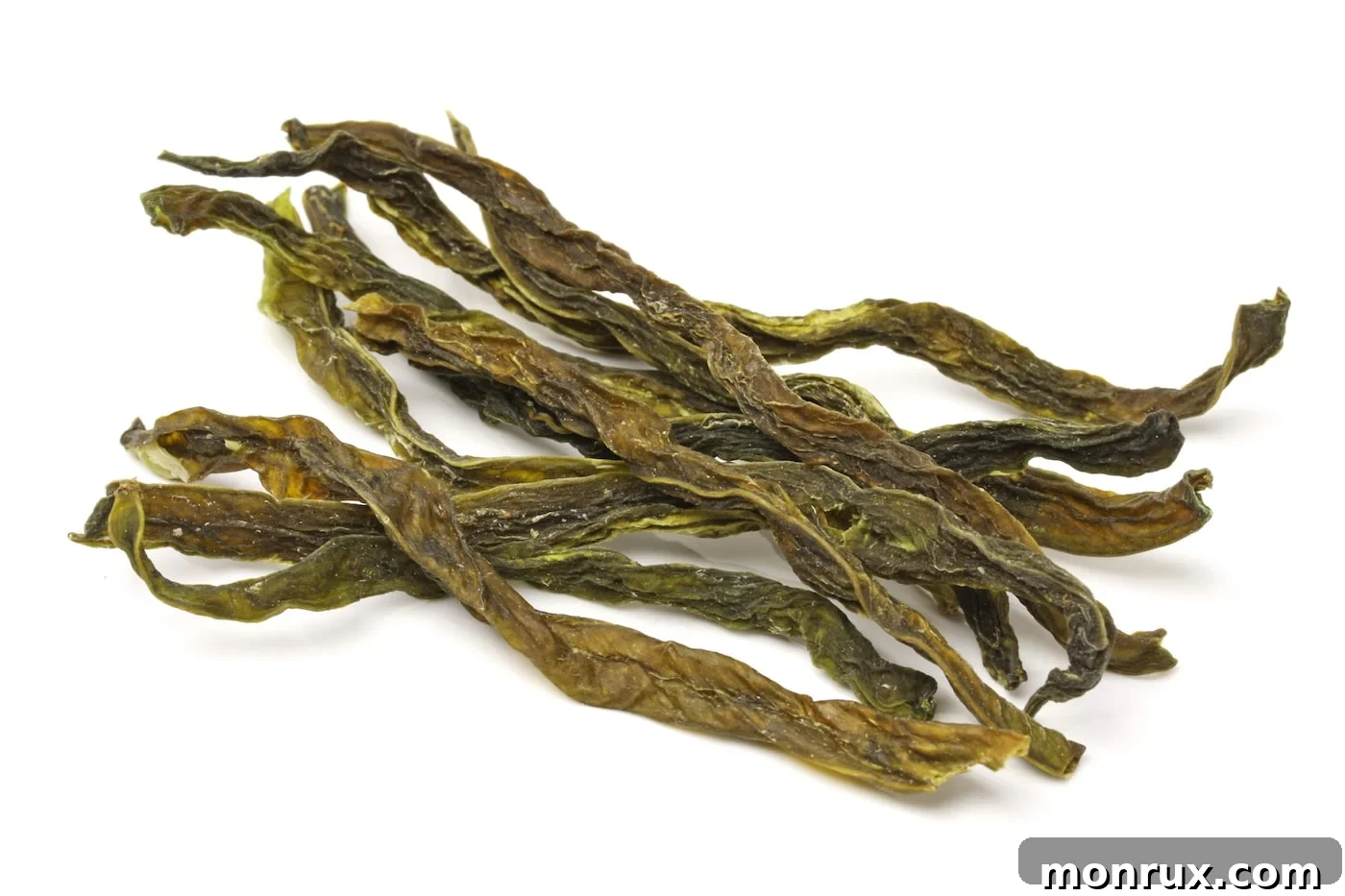
How to Dehydrate Green Beans: The Ultimate Guide for Long-Lasting Freshness
If you’re looking for an excellent way to preserve your garden’s bounty or simply want a healthy, versatile pantry staple, learning how to dehydrate green beans is a fantastic skill. This comprehensive guide will walk you through everything you need to know about drying green beans, whether you prefer using a dedicated food dehydrator or a conventional oven. Dehydrated green beans are a marvel of food preservation, offering a crunchy texture, concentrated flavor, and a shelf life that extends well beyond their fresh counterparts.
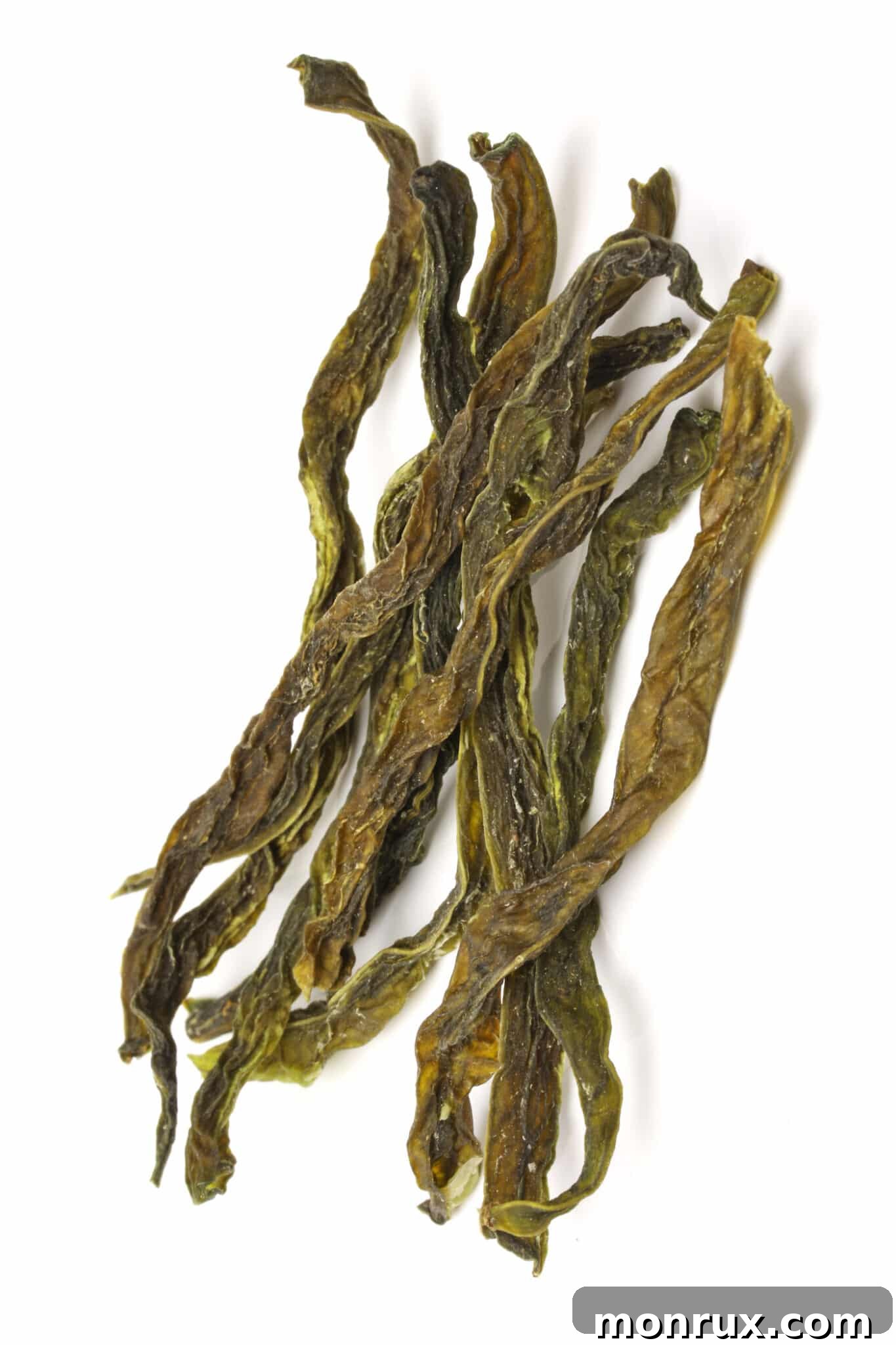
Once dried, green beans transform into high-fiber, low-calorie, and surprisingly crunchy bites. They’re incredibly versatile, lending themselves beautifully to winter stews, hearty casseroles, and flavorful soups. When freshly dried and lightly seasoned with a pinch of salt, these crispy legumes make a wonderfully healthy alternative to processed potato chips, satisfying your savory cravings guilt-free.
For gardeners, a bumper crop of green beans can sometimes be overwhelming. Instead of running out of recipe ideas or, worse, letting your harvest go to waste, dehydrating offers a simple, effective, and inexpensive solution. It’s an ancient method of food preservation that allows you to enjoy your beans almost indefinitely, making them a true culinary asset in your pantry.
Beyond their practicality, dried green beans are a nutritious and filling addition to any meal. Their flavor profile becomes deeper and more complex after rehydration, adding a unique dimension to your dishes that canned or frozen beans might not. And the best part? You don’t necessarily need specialized equipment. While a food dehydrator offers optimal control, your regular oven can do the job just as well, albeit with a slightly longer drying time. This article will meticulously detail both methods, ensuring your success in preserving these nutritious vegetables.
Why Dehydrate Green Beans? Unlocking a World of Benefits
Integrating dehydrated green beans into your kitchen offers a myriad of advantages, from convenience to nutrition. Here’s why this food preservation method is a game-changer:
- Unmatched Convenience: Imagine needing green beans for a last-minute casserole or soup, and not having to make a trip to the grocery store. With a stash of dehydrated green beans in your pantry, these tasty veggies are always available, ready to be rehydrated and added to your favorite recipes at a moment’s notice.
- The Ultimate Healthy Snack and Travel Companion: For adventurers who love camping, hiking, or road trips, dehydrated green beans are an ideal choice. They are incredibly lightweight, nutrient-dense, and non-perishable, making them a perfect healthy snack to pack. Their savory crunch is particularly satisfying on the go, providing sustained energy without the bulk.
- Remarkable Space-Saving Solution: If you’re challenged by a small refrigerator or limited storage space, dehydrated green beans are a revelation. They are significantly less bulky than fresh, frozen, or even canned varieties. The removal of water drastically reduces their volume, allowing you to store a large quantity of beans in a compact area. This efficiency is particularly valuable for long-term food storage preparedness.
- Boosted Nutritional Profile: While all forms of green beans are healthy, dehydrating them helps to lock in their nutritional content. Unlike fresh produce which can lose vitamins and minerals after just a few days in the refrigerator, properly dried green beans retain much of their original goodness for an extended period, ensuring you get the most out of every bite.
- Minimizing Food Waste: For many home gardeners, preserving an abundant harvest is key. Dehydrating is an eco-friendly way to ensure that not a single bean goes to waste, transforming excess produce into a valuable, long-lasting resource.
Essential Tools for Dehydrating Green Beans at Home
You’ll be pleased to know that dehydrating green beans requires only a few basic kitchen items. Most likely, you already have everything you need, making this an accessible and budget-friendly preservation method.
1. A Food Dehydrator or Your Oven
The primary tool for drying is either a food dehydrator or your oven. If you plan to dehydrate foods regularly, investing in a good quality dehydrator is highly recommended (many enthusiasts favor models like the Excalibur dehydrator for its efficiency and consistent results). However, if occasional drying is all you need, your conventional oven will perform admirably.
Regardless of your chosen method, you will need either dehydrator trays or standard baking sheets to spread the green beans in a single layer. This ensures even airflow and consistent drying across all pieces.
2. Large Cooking Pot
A large pot is essential for blanching your green beans before drying. Ensure it’s big enough to comfortably hold all your beans in a single batch, or be prepared to blanch them in smaller quantities to ensure uniform results.
3. Colander
A colander simplifies the process of draining the blanched beans. If a colander isn’t available, a large slotted spoon or skimmer can be used to transfer the beans from the boiling water to the ice bath, and then to a drying surface.
4. Airtight Storage Containers
The longevity of your dehydrated green beans hinges on proper storage. To protect them from moisture, oxygen, and other environmental factors that can lead to spoilage, airtight containers are crucial. Glass jars with tight-fitting lids are an excellent choice, as are vacuum-sealable bags used with a food saver vacuum sealer machine for maximum preservation.
Ingredients for Dehydrating Green Beans: Simple and Pure
You won’t need an elaborate list of ingredients or any complicated additives to successfully dehydrate green beans. The beauty of this process lies in its simplicity.
Fresh Green Beans
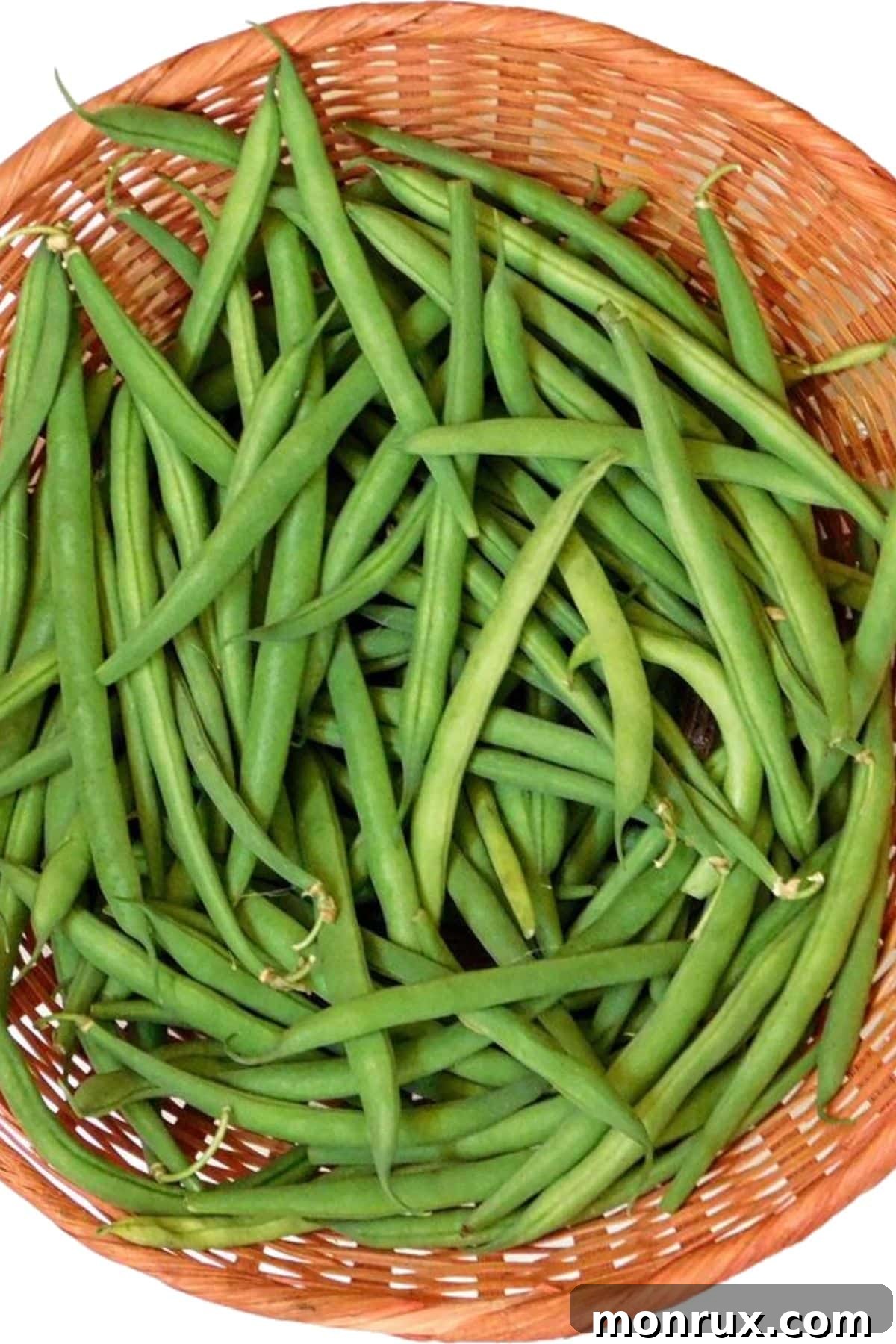
The quality of your dried beans starts with the freshness of your raw ingredients. If you’re harvesting from your garden, aim to pick them early in the morning when they are at their peak tenderness and crispness. For store-bought beans, look for a vibrant green color and a firm, snappy texture. Avoid any beans that appear limp, have rust-colored spots, or slimy stems.
The ultimate test for a truly great green bean is the “snap.” When you break a fresh bean in half, it should produce a distinct, crisp snap, indicating its optimal ripeness and quality for dehydration.
Salt
Salt is used primarily for the blanching water, not as a preservative in the drying process itself. Any type of salt you typically use in your kitchen – kosher, sea salt, or table salt – will work perfectly to enhance the boiling water.
Ice
A generous amount of ice cubes is needed to create an ice bath. This crucial step immediately halts the cooking process after blanching, helping to preserve the beans’ vibrant color and firm texture.
Step-by-Step Guide: How to Dehydrate Green Beans
Follow these detailed instructions to successfully dehydrate your green beans, ensuring excellent results every time.
Step One: Prepare Your Green Beans
Start by thoroughly washing your green beans to remove any dirt or debris. Next, trim the ends. You can snap them off by hand, use a sharp kitchen knife, or even kitchen shears for efficiency. For optimal drying, especially for use in soups and stews, cut the beans into uniform 1-inch pieces. This ensures even drying and makes them easier to rehydrate and cook with later.
Step Two: The Importance of Blanching
Blanching your green beans is a critical preparatory step that might seem counterintuitive since the goal is to remove moisture. However, it’s highly recommended for several reasons:
- Preserves Color and Flavor: Blanching helps set the vibrant green color and locks in the fresh flavor, preventing dullness and loss of taste during drying and storage.
- Inactivates Enzymes: It stops enzyme action that causes spoilage, nutrient loss, and changes in color and texture over time, thus extending the shelf life of your dried beans.
- Speeds Up Dehydration: Blanching actually helps to break down the cellular structure of the beans, allowing moisture to escape more readily during the drying process, which can reduce overall dehydration time.
Bring a large pot of water to a rolling boil. Add a generous pinch of salt to the boiling water. While the water heats, prepare an ice bath by filling a large mixing bowl with ice and cold water.
Step Three: Blanch and Chill
Once the water is boiling vigorously, carefully immerse the prepared green beans into the pot. Boil them for approximately 3 minutes. The beans should turn a brighter green and become slightly tender but still retain a crisp bite.
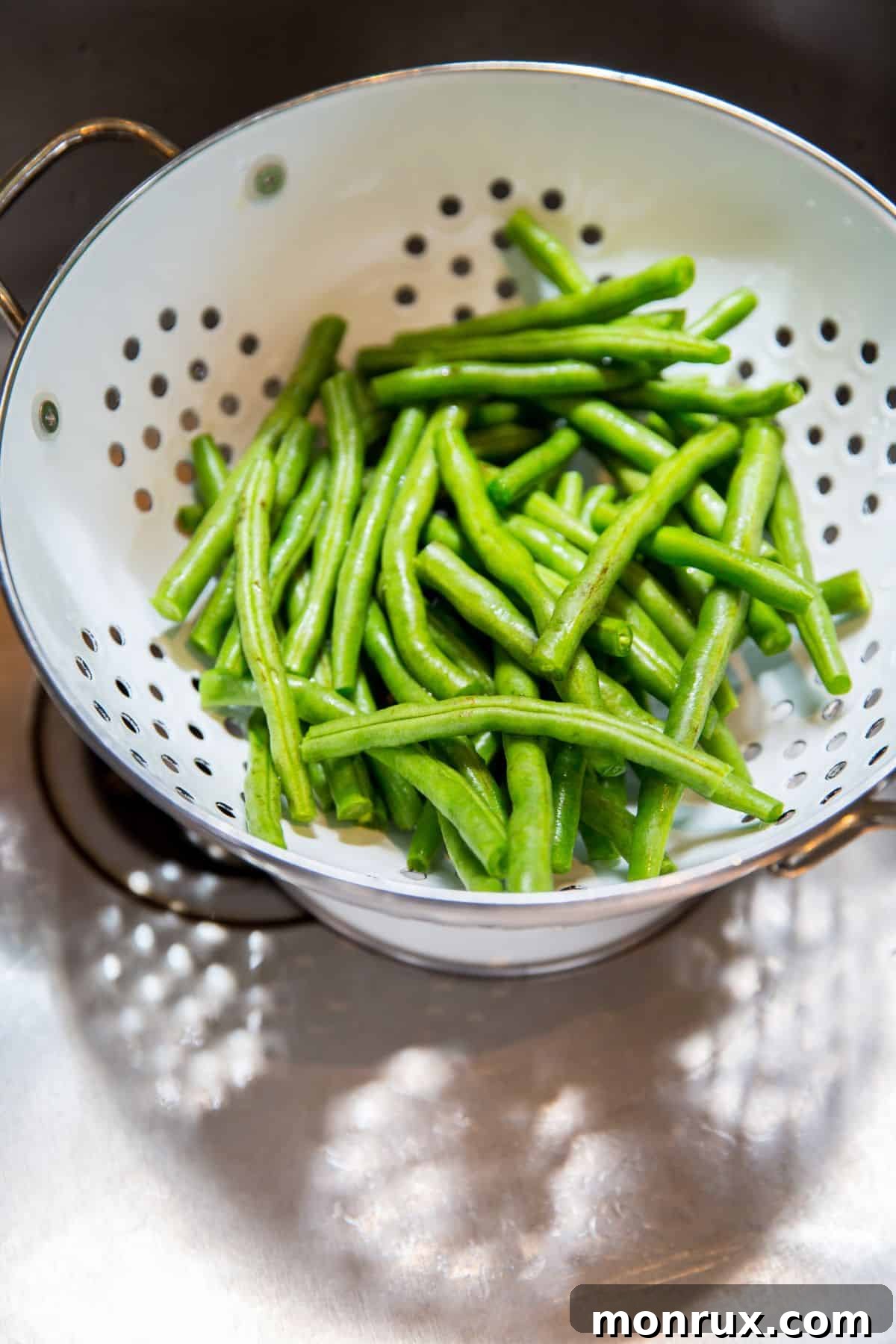
Immediately after 3 minutes, carefully drain the hot water and beans into a colander. Then, swiftly transfer the blanched beans into the prepared ice bath. Let them sit in the ice water for at least 30 seconds to 1 minute. This rapid cooling completely stops the cooking process, preserving their texture and color.
Step Four: Dry the Beans Thoroughly
After the ice bath, drain the beans thoroughly. Then, pat them very dry with a clean kitchen towel or paper towels. Removing as much surface moisture as possible at this stage will significantly reduce drying time and prevent sticking.
Step Five: Dehydrating with a Dehydrator or Oven
Dehydrator Instructions:
Carefully arrange your blanched and dried green beans in a single layer on your dehydrator trays, ensuring no pieces overlap. Place the loaded trays into your food dehydrator and set the temperature to 125°F (52°C). Dehydrate for approximately 6 to 8 hours. The exact time will depend on the humidity in your environment, the thickness of your beans, and the specific model of your dehydrator. Begin checking for dryness around the 6-hour mark.
Oven Instructions:
Preheat your oven to its lowest possible setting, ideally 125°F (52°C). If your oven doesn’t go that low (many consumer ovens have a minimum of 170°F or 77°C), use the lowest temperature it allows. Arrange the green beans in a single layer on baking sheets, making sure they don’t touch. Place the baking sheets in the oven, leaving the oven door slightly ajar (a wooden spoon can help hold it open) to allow moisture to escape. Dry for 8 to 12 hours, or even longer. Oven drying typically takes more time than a dehydrator. Check the beans frequently after 8 hours for dryness, rotating trays as needed for even drying.
Step Six: Assess Dryness and Cool
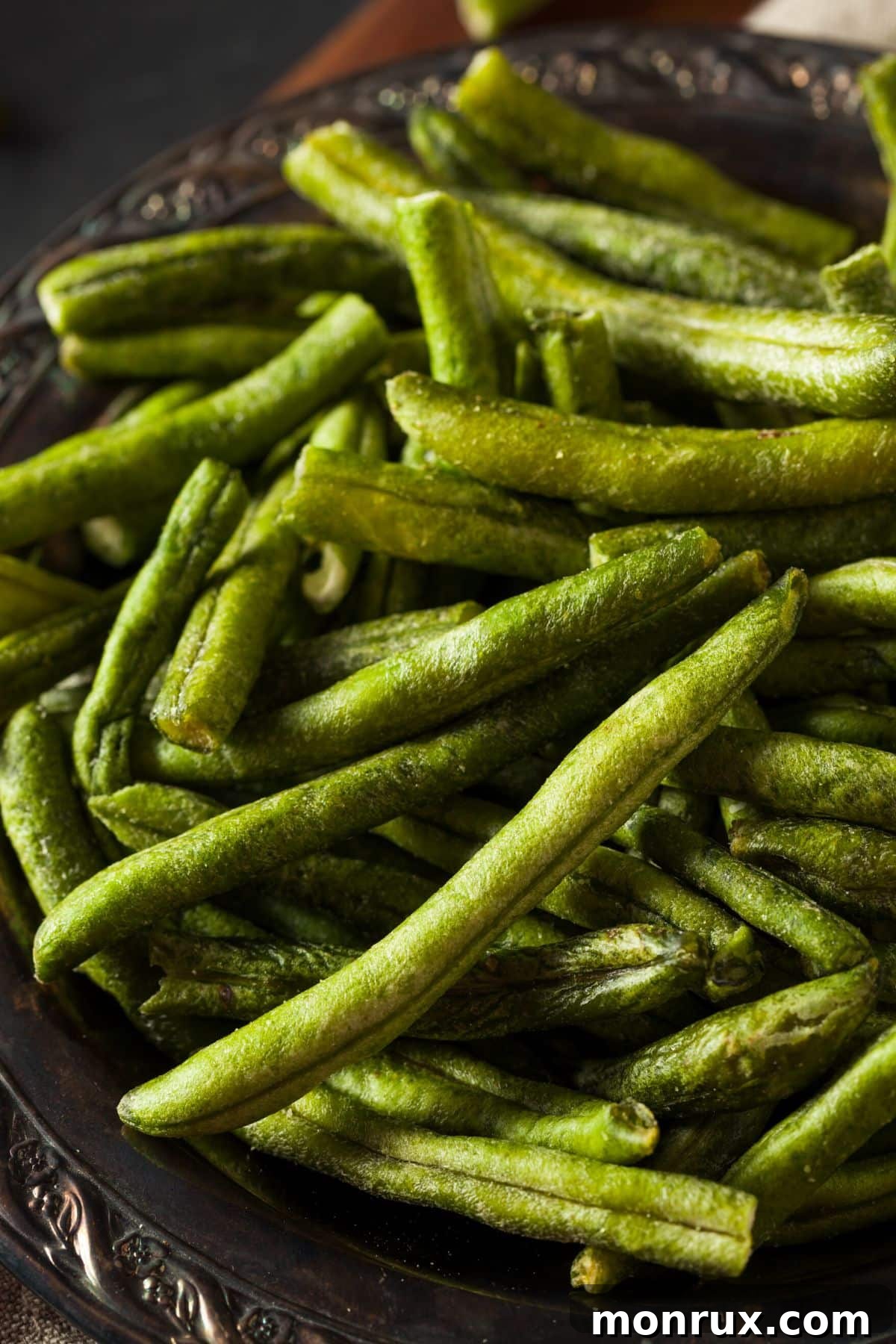
Regardless of the method, your green beans are fully dehydrated when they are brittle and snap easily when bent. They should not be rubbery or pliable. If they are intended for long-term storage, they must be 100% dry. For short-term snacking (within a few days to a week), you might prefer them slightly less brittle, removing just enough moisture to create a satisfying crunch without being completely desiccant. Once thoroughly dry, turn off your dehydrator or remove the trays from the oven and allow the beans to cool completely to room temperature. This “conditioning” phase helps stabilize any residual moisture and prevents condensation in storage.
Step Seven: Proper Storage
Once cooled, transfer your dried green beans to airtight containers. Glass jars, vacuum-sealed bags, or mylar bags with oxygen absorbers are excellent choices. Store them in a cool, dark, and dry place, such as a pantry or cupboard. Proper storage is key to maintaining their quality and extending their shelf life for a year or more.
Rehydrating and Using Your Dehydrated Green Beans
Once you’ve successfully dehydrated your green beans, you might wonder how to bring them back to life for cooking. It’s incredibly simple!
- For quick rehydration: Soak them in hot water for approximately one hour.
- For a slower rehydration: Use cold water and allow them to soak for about two hours.
- Directly into dishes: If you’re adding them to a liquid-rich dish like a casserole, stew, or soup, you can often add the dried beans directly. Just remember to account for their rehydration by adding a little extra water or stock to your recipe. They will absorb the liquid and cook beautifully within the dish.
Recipe Tips and Troubleshooting for Dehydrating Green Beans
To ensure your green bean drying experience is smooth and successful, keep these expert tips in mind:
- Oven Temperature Consistency: Conventional ovens, especially at very low settings, can sometimes fluctuate in temperature. It’s wise to monitor your beans closely, especially if using the oven method. Start checking for dryness around the 8-hour mark and adjust drying time as needed. Consider rotating your baking sheets every couple of hours to promote even drying.
- Don’t Overcrowd Trays: Always spread green beans in a single layer on your dehydrator trays or baking sheets. Overcrowding inhibits proper airflow and can lead to uneven drying, increasing the risk of mold or spoilage. If necessary, dry in batches.
- Test for Complete Dryness: For long-term storage, absolute dryness is non-negotiable. The beans should be brittle enough to snap cleanly. If they are still flexible or rubbery, they need more drying time. Any residual moisture can lead to mold.
- Conditioning for Storage: After drying, allow the cooled beans to sit in an unsealed container for a few days, shaking daily. This allows any residual moisture to equalize. If you see condensation, return them to the dehydrator/oven for further drying.
- String Beans vs. Thicker Varieties: Yes, you can dehydrate any type of green bean, including string beans. Thinner varieties like string beans will typically dry faster, so be sure to check on them sooner to prevent over-drying.
Frequently Asked Questions About Dehydrating Green Beans
When properly dehydrated and stored in an airtight container in a cool, dark, and dry place, dehydrated green beans can last for at least a year, and often much longer. Using a vacuum sealer can extend their shelf life even further, potentially for several years.
Absolutely! Dehydration is one of the best methods for food preservation that largely retains the nutritional content of produce. In fact, dried foods can sometimes be more nutrient-dense by weight due to the removal of water. While some delicate vitamins (like Vitamin C) might be slightly reduced, much of the fiber, minerals, and other vitamins remain intact, making them a very healthy choice.
While you can skip blanching, it is strongly recommended for preserving the quality of your dried green beans. Blanching helps to set their vibrant green color, locks in their fresh flavor, and most importantly, inactivates enzymes that can cause them to spoil, lose nutrients, and turn dull during storage. It also helps to speed up the dehydration process by softening the cell walls.
Yes, absolutely! These methods are suitable for drying any type of green bean, including string beans. Due to their thinner nature, string beans may dehydrate faster than thicker varieties, so you might need to reduce the drying time and check for doneness sooner.
Properly stored dehydrated green beans should not spoil easily. However, if you notice any signs of mold growth, an off-odor, or if they have become soft and spongy (indicating moisture absorption), they should be discarded. Ensure your storage containers are truly airtight to prevent moisture re-entry.
Recipe: How to Dehydrate Green Beans
This simple recipe will guide you through the process of drying fresh green beans, transforming them into a long-lasting, versatile ingredient or a healthy snack.
Prep Time: 15 minutes
Cook/Dehydrate Time: 8-12 hours
Total Time: Approximately 8-12 hours
Yield: 4 servings (approx. 1/4 of recipe)
Category: Snack, Pantry Staple
Method: Dehydrator or Oven
Cuisine: Healthy, Vegan
Ingredients
- 1 pound fresh green beans
- 1 teaspoon salt (for blanching water)
- Ice (for ice bath)
Instructions
- Wash your green beans thoroughly and remove any soil or debris.
- Trim the ends of the green beans. You can snap them off by hand or use a kitchen knife or scissors. Cut the beans into uniform 1-inch pieces to ensure even drying.
- Bring a large pot of water to a rolling boil. Add 1 teaspoon of salt to the water.
- While the water heats, prepare a large mixing bowl with ice and cold water for your ice bath.
- Once the water is boiling vigorously, carefully place the prepared green beans into the pot.
- Boil the green beans for exactly 3 minutes. They should appear bright green and slightly crunchy.
- Carefully pour the water and beans into a colander to drain the hot water. Immediately transfer the blanched beans to the prepared ice bath. Let them sit for at least 30 seconds to stop the cooking process completely.
- Drain the cooled beans thoroughly from the ice bath.
- Pat the blanched beans very dry with a clean towel or paper towels. Removing excess surface water is crucial for efficient drying.
- DEHYDRATOR INSTRUCTIONS: Carefully lay the dried green bean pieces onto your dehydrator sheets in a single, non-overlapping layer. Place the sheets into the dehydrator and set the temperature to 125°F (52°C). Dehydrate for 6 to 8 hours, or until the beans are brittle and snap easily.
- OVEN INSTRUCTIONS: Preheat your oven to its lowest possible setting, ideally 125°F (52°C). If your oven’s lowest setting is higher (e.g., 170°F), use that. Arrange the green bean pieces on baking sheets in a single layer. Place the sheets into the oven, leaving the door slightly ajar to allow moisture to escape. Dry for 8 to 12 hours, checking frequently after 8 hours. The drying time will vary depending on oven temperature, bean thickness, and humidity levels.
- Once the green beans are completely dry and brittle, turn off the dehydrator or remove them from the oven. Allow them to cool completely to room temperature before storing.
- Store your dried green beans in a cool, dark, and dry environment within airtight containers, such as glass jars or vacuum-sealed bags.
Notes
- Oven temperatures can be inconsistent at low settings, so drying times may vary significantly. Regularly check on your beans, especially from the 8-hour mark onward, and rotate trays if needed for even drying.
- To rehydrate your dried green beans, soak them in hot water for about an hour, or in cold water for approximately two hours, until they regain a pliable texture.
- If you plan to add the rehydrated green beans to a casserole, stew, or soup, consider adding a little extra water or stock to your recipe, as the beans will absorb some of the liquid.
Nutrition Facts (per 1/4 of recipe)
- Serving Size: 1/4 of recipe
- Calories: 35
- Sugar: 3.7 g
- Sodium: 6.8 mg
- Fat: 0.2 g
- Saturated Fat: 0.1 g
- Carbohydrates: 7.9 g
- Fiber: 3.1 g
- Protein: 2.1 g
- Cholesterol: 0 mg
More Food Preservation Ideas and Dehydrator Recipes You Might Like
- Dehydrated Watermelon
- Healthy Seed Crackers
- How to Dehydrate Pineapple
- Carrot Juice Pulp Crackers
- Homemade Beet Powder
- How to Dehydrate Carrots
Don’t Miss These Helpful Food Preservation Guides
About the Author & Connect with Us
We hope this comprehensive guide inspires you to explore the rewarding world of dehydrating green beans! If you try this recipe, please consider leaving a comment and a starred review below – your feedback is invaluable.
Don’t forget to connect with us on social media to stay updated with more healthy recipes and food preservation tips. You can find us on Facebook, Pinterest, Instagram, and YouTube!
About the Author: Carrie Forrest holds a master’s degree in public health with a specialization in nutrition and is a certified holistic nutritionist. As a prominent wellness and food blogger, her site welcomes over 5 million annual visitors. Carrie shares an inspiring story of recovery from chronic illness and is dedicated to empowering other women to transform their health through clean eating. Feel free to reach out to her via her contact form.
For exclusive clean eating recipes and tips delivered directly to your inbox, don’t forget to join our newsletter list. It’s 100% free, spam-free, and you can unsubscribe anytime.