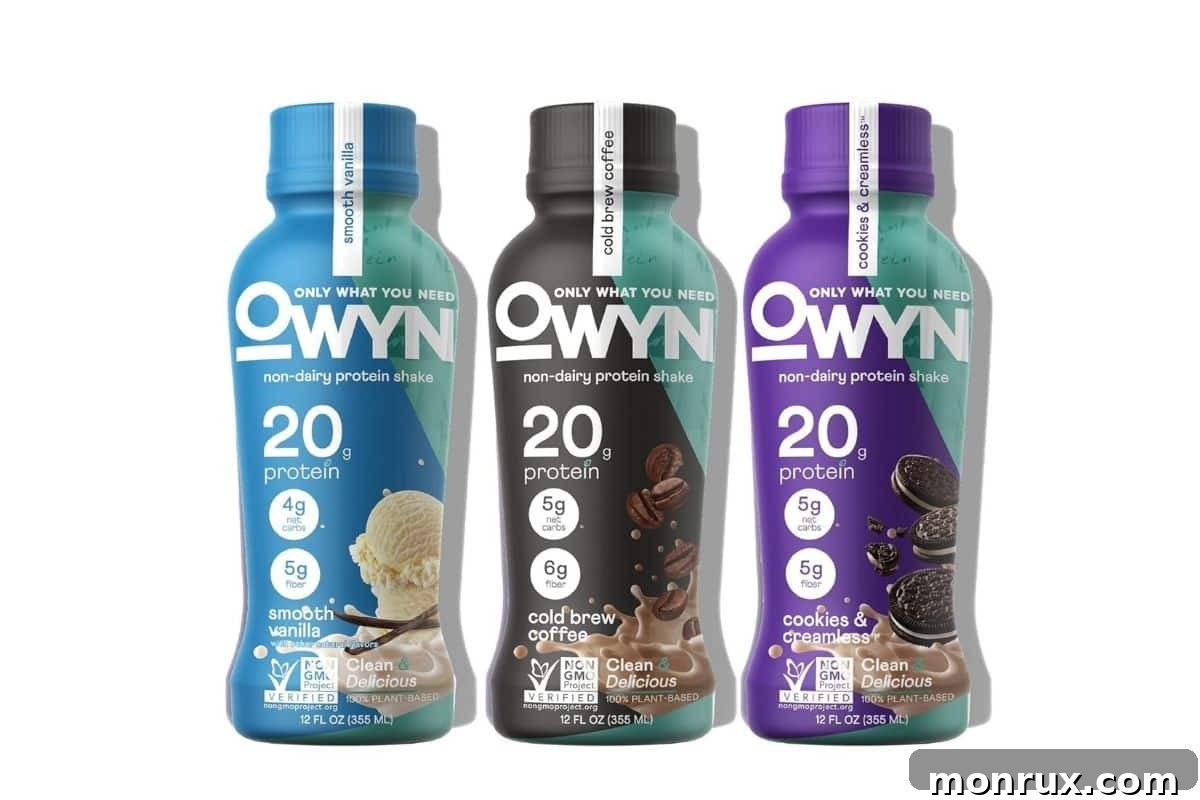
In the evolving landscape of health and wellness, protein shakes have emerged as a popular option for those seeking convenient nutritional support. Among the myriad choices, OWYN (Only What You Need) Protein Shakes have garnered significant attention, particularly for their plant-based, allergen-friendly formulation. This comprehensive review aims to dissect the nutritional profile of OWYN Protein Shakes, examining both their advantages and potential drawbacks, to help you make an informed decision about whether they align with your health goals. While OWYN offers appealing features like its plant-based protein and allergen-free status, a deeper look into its ingredients reveals that, for most individuals, OWYN is best consumed in moderation and may not be classified as a truly “healthy” food due to the presence of various processed components.
Unveiling OWYN Protein Shake: Key Facts
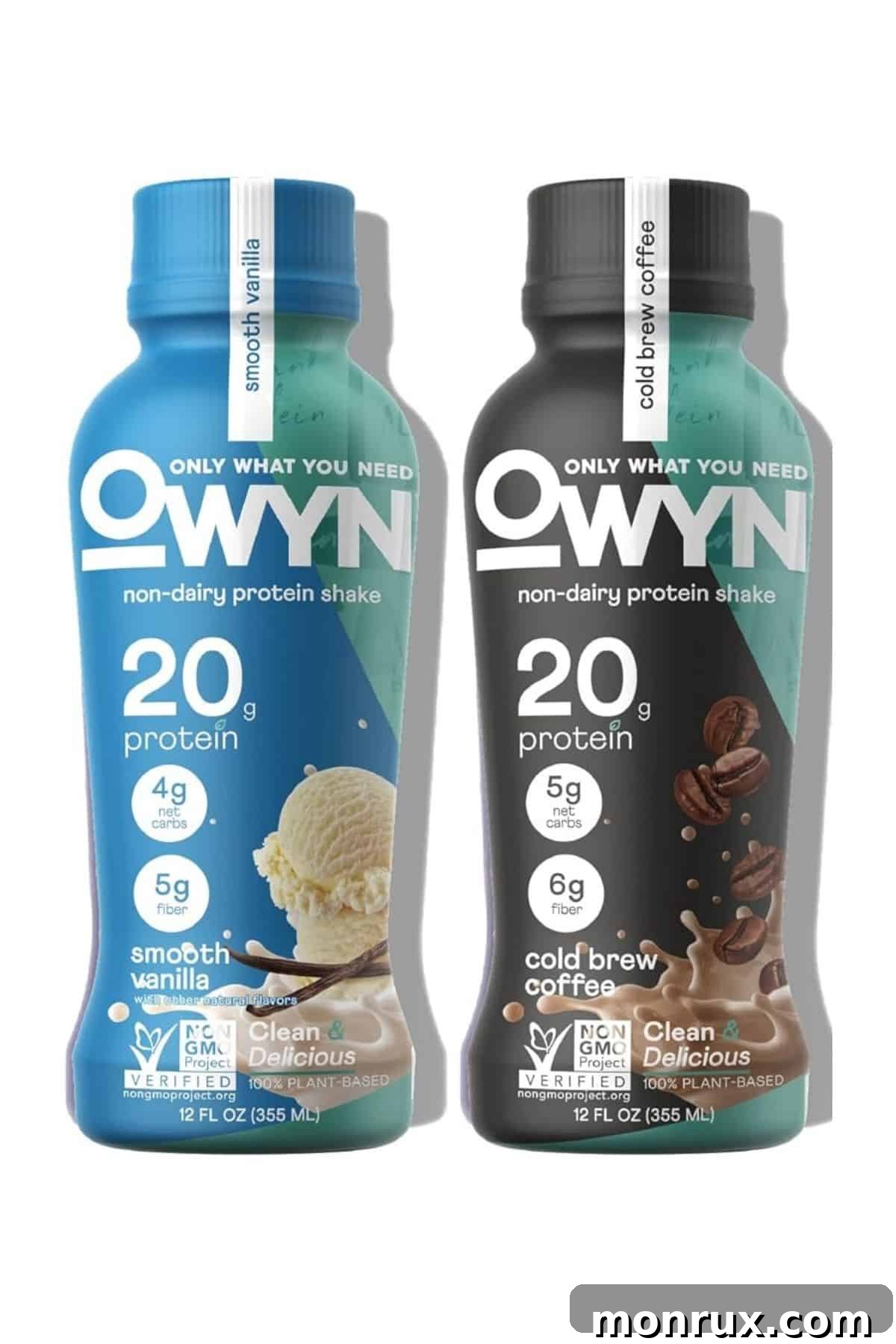
OWYN Protein Shake, standing for “Only What You Need,” positions itself as a premium plant-based protein beverage crafted to support active lifestyles and general well-being. This ready-to-drink formula aims to offer a convenient, nutritious solution for individuals on the go, making it an attractive choice for busy professionals, athletes, and anyone looking to supplement their protein intake efficiently.
As a portfolio company of Purchase Capital, OWYN has strategically expanded its product line beyond just protein shakes. Their extensive range now includes various protein powders, sugar-free options like Pro Elite High-Protein Powders, High-Protein Complete Nutrition Shakes, and even Doubleshot Protein Coffee Shakes. This diversification caters to a broader spectrum of dietary needs and preferences, from those monitoring sugar intake to individuals seeking a caffeine boost alongside their protein.
A notable feature across many OWYN products is the fortification with essential micronutrients. Shakes are often enriched with vital vitamins and minerals such as Vitamin B12, Vitamin D, and Calcium, which can be particularly beneficial for those following plant-based diets who might otherwise struggle to obtain sufficient amounts of these nutrients from whole foods alone. For instance, Vitamin B12 is crucial for nerve function and red blood cell production, while Vitamin D and Calcium are fundamental for bone health, areas where plant-based diets sometimes require careful planning.
The brand heavily emphasizes its suitability for vegans and vegetarians, and importantly, for individuals with common food allergies. OWYN Protein Shakes proudly declare themselves free from major allergens including dairy, soy, gluten, and artificial flavors. This commitment to allergen transparency makes OWYN a safer and more inclusive option for a significant portion of the population with dietary restrictions or sensitivities. The company also states that its ingredient labels do not list any artificial ingredients, aligning with a more “clean” perception, although this claim warrants closer examination of specific components.
Understanding the nuances between different dietary approaches, such as veganism and clean eating, is crucial when evaluating products like OWYN. For a deeper dive into these distinctions, you might explore resources on the differences between vegan and clean eating diets.
A Deep Dive into OWYN Protein Shake Ingredients
To truly understand whether OWYN Protein Shakes are healthy, it’s imperative to scrutinize their ingredient list. As of this review, a typical OWYN dark chocolate flavored protein shake includes a blend of plant-based proteins, oils, sweeteners, and various additives. While formulations can vary slightly by flavor or manufacturing updates, the core ingredients generally remain consistent. Consumers are always advised to check the most current packaging for precise information.
The standard ingredient list often features:
- Purified water
- Organic pumpkin seed protein
- Organic flax oil
- Pea protein
- Organic inulin (from Jerusalem artichoke)
- Organic cane sugar
- Natural flavors
- Cocoa powder (processed with alkali)
- Sea salt
- Organic monk fruit extract
- Organic stevia leaf extract
- Sunflower lecithin
- Gellan gum
- Calcium phosphate
- Dipotassium phosphate
- Potassium chloride
- Organic greens blend (organic kale, organic spinach, organic broccoli)
Each 20-ounce bottle delivers a substantial 20 grams of protein, encompassing all essential amino acids. However, it’s worth noting that the primary protein source is pea protein, which is inherently a processed food. Furthermore, some research suggests that pea protein may not be the most bioavailable source of protein compared to animal-derived counterparts, meaning the body might not absorb and utilize it as efficiently.
Let’s delve deeper into some of these key ingredients and explore their potential implications for your overall health.
Natural Flavors
The term “natural flavors” often appears benign on an ingredient label, yet it’s one of the most ambiguously defined terms in food labeling. This lack of a clear, standardized definition by regulatory bodies like the FDA allows food manufacturers considerable latitude. Consequently, ingredients derived from natural sources, but undergoing extensive processing with various chemicals and solvents, can still be categorized as “natural.”
For consumers, this ambiguity can be a source of confusion and concern. When OWYN Protein Shake’s nutrition label lists “natural flavors” without specifying their exact source or extraction method, it raises questions about potential hidden components or processing aids that may not align with a genuinely “clean” diet. For example, some flavor extraction techniques involve the use of solvents, high heat, or enzyme-assisted processes, which can introduce “incidental additives” that are not required to be disclosed to the consumer. Moreover, without strict definitions, even flavors derived from genetically engineered crops could potentially be labeled as “natural,” further complicating consumer choice for those avoiding GMOs.
The primary concern with natural flavors is the sheer lack of transparency. While they might originate from plants or animals, the final product often involves complex chemical reactions and non-natural carriers or preservatives that are not disclosed. For individuals committed to clean eating or those with sensitivities to undisclosed ingredients, “natural flavors” represent a grey area that warrants caution and a preference for products that specify their flavor components more precisely.
Gellan Gum
Gellan gum is a widely used food additive, functioning primarily as a gelling agent, stabilizer, and thickener in a variety of processed foods and beverages. This water-soluble polysaccharide is produced through the fermentation of sugar by specific bacteria. In products like OWYN Protein Shakes, gellan gum helps to achieve a smooth texture, prevent ingredient separation (like settling of protein powder), and provide a consistent mouthfeel, which is often desirable in ready-to-drink shakes.
While generally recognized as safe (GRAS) by regulatory bodies, the presence of gellan gum, like other gums (e.g., guar gum, xanthan gum, carrageenan), serves as a strong indicator that a food product is highly processed. From a clean eating perspective, the general recommendation is to minimize consumption of foods containing such additives. The rationale is that these gums, while offering functional benefits to food manufacturers, do not contribute nutritional value and can sometimes cause digestive discomfort in sensitive individuals. They are industrial ingredients designed to improve product stability and texture, not enhance health.
Some individuals report gastrointestinal issues such as bloating, gas, or diarrhea when consuming products containing various food gums, although specific reactions to gellan gum may vary. For those aiming for a truly “clean” diet, prioritizing whole, unprocessed foods that naturally provide texture and stability without the need for thickeners is often the preferred approach. For guidance on selecting real food ingredients, consider consulting a clean eating shopping list.
Pea Protein
Pea protein has become a cornerstone of the plant-based protein market, extracted from yellow split peas. It is a highly popular ingredient in protein powders, bars, and beverages like OWYN, primarily due to its rich amino acid profile, including all nine essential amino acids necessary for human health, making it a “complete protein.” This characteristic makes it an excellent choice for vegans and vegetarians looking to ensure adequate protein intake without consuming animal products.
The benefits of pea protein extend beyond its completeness. It is naturally rich in non-heme iron, an important consideration for plant-based diets, and is typically hypoallergenic, being free from dairy, soy, and gluten, which are common allergens. Sufficient protein intake is well-documented for its role in muscle repair, growth, and satiety, which can be particularly helpful for weight management and metabolic health.
However, despite its advantages, pea protein is a processed ingredient. The extraction process involves separating protein from other components of the pea, which can sometimes involve chemicals or heat. For individuals with sensitive digestive systems, pea protein can sometimes lead to gastrointestinal discomfort, such as bloating or gas, particularly in higher doses. Furthermore, concerns have been raised in the broader supplement industry regarding heavy metal contamination in plant-based proteins, as plants can absorb metals from the soil. While OWYN states it uses non-GMO ingredients, it does not explicitly guarantee organic peas for all its products, which could be a factor for consumers prioritizing organic and pesticide-free options. Therefore, choosing reputable brands with rigorous third-party testing for contaminants is crucial.
Sunflower Oil
Sunflower oil, a common seed oil found in many processed foods, including OWYN Protein Shakes, is primarily used for its emulsifying properties and to contribute to the overall texture and mouthfeel. However, its inclusion raises several nutritional considerations, particularly regarding its fatty acid profile and stability.
One significant concern is that sunflower oil is highly susceptible to oxidation, especially when exposed to heat, light, or air. When oils oxidize, they can form harmful compounds known as free radicals and aldehydes, which are pro-inflammatory and can contribute to cellular damage. Consuming oxidized oils may negatively impact cardiovascular health, potentially affecting cholesterol levels and increasing the risk of cardiac disease over time. This is a common issue with many polyunsaturated seed oils that are extensively used in processed products.
From an allergenic perspective, while sunflower oil is not among the top common food allergens, individuals with a known allergy to sunflower seeds should exercise caution. Reactions can range from mild symptoms like itching or hives to more severe responses such as swelling of the face, lips, or throat, difficulty breathing, and in rare cases, anaphylaxis. Always check ingredient lists if you have such sensitivities.
Moreover, sunflower oil is high in omega-6 fatty acids. While omega-6s are essential, a healthy diet requires a balanced ratio of omega-6 to omega-3 fatty acids. The typical Western diet, heavily reliant on processed foods containing seed oils, often provides a significantly skewed ratio, with an excess of omega-6s. This imbalance can promote systemic inflammation, a known contributor to a wide array of chronic diseases, including heart disease, autoimmune conditions, and certain cancers. From a clean eating perspective, minimizing seed oils high in omega-6s and favoring healthier fats like olive oil, avocado oil, or coconut oil is often recommended.
Organic Cane Sugar
While OWYN offers a line of sugar-free protein products, their standard Protein Shakes and Protein Powders typically contain added sugar, usually in the form of organic cane sugar. For instance, a single serving might contain 4 grams of added sugar. While organic cane sugar is often perceived as a healthier alternative to refined white sugar, it is still an added sugar and contributes to the overall sugar intake, which can have significant health implications.
The consumption of excessive added sugars in processed foods is widely linked to numerous adverse health conditions. These include an increased risk of obesity, due to the caloric density and lack of satiety provided by sugary drinks. Regular intake can lead to rapid blood sugar spikes, followed by crashes, which contribute to increased food cravings, energy fluctuations, and brain fog. Over time, high sugar consumption is a major driver of insulin resistance, Type 2 diabetes, and other serious metabolic disorders. It can also exacerbate non-alcoholic fatty liver disease, contribute to dental decay, and even impact mental health, with links to increased risk of fatigue and depression.
The World Health Organization (WHO) recommends limiting added sugars to less than 10% of total daily caloric intake, with a further reduction to below 5% for additional health benefits. For a 2,000-calorie diet, this translates to roughly 50 grams (12 teaspoons) or ideally 25 grams (6 teaspoons) per day. Four grams of sugar per serving, while seemingly small, can quickly add up, especially if consuming multiple servings or if other dietary sources also contain added sugars.
For individuals actively trying to reduce their sugar intake or manage blood sugar levels, even organic cane sugar is a form of added sugar that should be monitored. Prioritizing truly sugar-free options or opting for protein sources that are naturally sweetened or unsweetened is generally a healthier approach. To help manage sugar intake, consider exploring a list of sugar-free foods to stock your kitchen.
Dipotassium Phosphate
Dipotassium phosphate is another common food additive found in many processed beverages and foods, including OWYN Protein Shakes. Its primary functions are as an emulsifier, stabilizer, and buffer. It helps maintain the pH balance, prevents ingredients from separating, and enhances the texture and shelf life of products. In dairy products, coffee creamers, and powdered drink mixes, it plays a vital role in ensuring consistency and preventing clumping.
While dipotassium phosphate is generally recognized as safe (GRAS) by food safety authorities in moderate amounts, high consumption or chronic exposure can potentially pose risks, particularly for certain individuals. Phosphates are essential minerals, but an excessive intake, especially from processed food additives, can disrupt the delicate balance of potassium and phosphate in the body. This imbalance can be particularly concerning for individuals with pre-existing kidney conditions, as impaired kidney function can hinder the body’s ability to excrete excess phosphates, leading to hyperphosphatemia. High phosphate levels can contribute to bone and mineral disorders, cardiovascular issues, and other electrolyte imbalances.
For the average healthy individual consuming OWYN occasionally, the amount of dipotassium phosphate is unlikely to cause adverse effects. However, for those with compromised kidney function, or individuals who consume a high number of processed foods containing similar phosphate additives throughout their day, it’s a factor to consider. As with other additives, its presence marks a product as processed, aligning less with a whole-foods-based, clean eating approach.
The Nutritional Advantages of OWYN
Despite the concerns regarding some processed ingredients, OWYN Protein Shakes do offer several compelling nutritional advantages that make them a suitable option for specific dietary needs and preferences:
- Allergen-Friendly Formulation: One of OWYN’s most significant strengths is its commitment to being free from the top 8 major allergens. This includes dairy, soy, gluten, wheat, egg, peanuts, and tree nuts. This makes OWYN an invaluable option for individuals with multiple food allergies or sensitivities, who often struggle to find safe and nutritious ready-to-drink protein sources. It provides peace of mind and broad accessibility for a vulnerable demographic.
- Plant-Based Protein Source: As a purely plant-based product, OWYN aligns perfectly with vegan and vegetarian diets. It provides 20 grams of complete protein per serving from a blend of pea and pumpkin seed protein, ensuring that individuals following these lifestyles can easily meet their protein requirements for muscle maintenance, growth, and satiety. This is particularly beneficial for those looking to reduce their reliance on animal products for ethical, environmental, or health reasons.
- Convenient & Ready-to-Drink: The pre-bottled, ready-to-drink format of OWYN shakes offers unparalleled convenience. They are perfect for on-the-go consumption, whether as a quick breakfast, a post-workout recovery drink, or a snack between meals. This ease of use can significantly help individuals maintain consistent protein intake even with a busy schedule, preventing unhealthy snacking choices.
- Fortified with Essential Nutrients: Many OWYN shakes are fortified with critical vitamins and minerals such as Vitamin B12, Vitamin D, and Calcium. These nutrients are often a concern for individuals on plant-based diets. Adequate intake of B12 is essential for nerve function and energy, Vitamin D for immune health and bone density, and Calcium for strong bones. This fortification helps to bridge potential nutritional gaps.
- Zero-Sugar Options Available: While some standard OWYN Protein Shakes contain organic cane sugar, the brand also offers a comprehensive line of zero-sugar products. This includes their Pro Elite High Protein Powders, High Protein Complete Nutrition Shakes, Doubleshot Protein Coffee Shakes, and Pro Elite High Protein Shakes. These options are sweetened with natural, non-caloric sweeteners like monk fruit extract and stevia, making them suitable for individuals managing blood sugar levels, following ketogenic diets, or simply aiming to reduce their overall sugar intake without resorting to artificial sweeteners.
For individuals seeking a convenient, plant-based, and allergen-free protein supplement, especially those with specific dietary restrictions, OWYN Protein Shakes can serve as a beneficial option. The availability of fortified and sugar-free variants further enhances their appeal for health-conscious consumers.
Understanding the Nutritional Disadvantages
While OWYN Protein Shakes present several advantages, it is equally important to critically assess their nutritional drawbacks, particularly for those prioritizing whole, unprocessed foods and long-term health. These cons primarily stem from the inclusion of processed ingredients and other formulation choices:
- Highly Processed Ingredients: The most significant concern is the presence of several highly processed ingredients. While plant-based, components like pea protein isolate, organic cane sugar (even if organic, it’s an added sugar), sunflower oil, gellan gum, and dipotassium phosphate classify OWYN as an ultra-processed food. Diets rich in ultra-processed foods have been linked to various negative health outcomes, including increased risk of obesity, cardiovascular disease, and metabolic disorders, due to their low nutrient density and high content of unhealthy fats, sugars, and additives.
- Seed Oils and Inflammation: The inclusion of sunflower oil is a notable concern. As discussed, seed oils are often high in omega-6 fatty acids, and an imbalance in the omega-6 to omega-3 ratio can promote chronic inflammation in the body. Furthermore, these oils are prone to oxidation, which can generate harmful compounds that contribute to cellular damage and increase the risk of various chronic diseases. For those committed to an anti-inflammatory diet, minimizing processed seed oils is a key recommendation.
- Sodium Content: Some OWYN Protein Shakes can contain up to 350mg of sodium per serving. While sodium is an essential electrolyte, this amount represents a significant portion of the recommended daily intake (typically 2,300mg, or 1,500mg for those with hypertension). For individuals on a low-sodium diet, consuming OWYN regularly could contribute to exceeding their daily limits, potentially impacting blood pressure and cardiovascular health.
- Ambiguity of “Natural Flavors”: As highlighted earlier, the term “natural flavors” lacks clear definition and transparency. This means the specific components or extraction methods used may involve synthetic chemicals or unhealthy processing practices that are not disclosed to the consumer. For those striving for a truly clean diet, this ambiguity presents a significant drawback, as it’s difficult to ascertain what exactly is being consumed beyond the stated ingredients.
- Potential Digestive Issues from Gums: The inclusion of gellan gum, while safe for most, can cause digestive discomfort in sensitive individuals. Food gums can sometimes ferment in the gut, leading to symptoms like bloating, gas, or altered bowel habits. For people with irritable bowel syndrome (IBS) or other digestive sensitivities, regular consumption of products containing gums might exacerbate their symptoms.
- Non-Organic Primary Ingredients: While OWYN uses “organic pumpkin seed protein” and “organic flax oil” for some ingredients, the primary pea protein, which forms the bulk of the protein content, is not always specified as organic. The “organic greens blend” is organic. For consumers who prioritize organic ingredients to avoid pesticide residues and genetically modified organisms (GMOs) in their diet, the non-organic status of some core components could be a concern.
- Added Sugar in Standard Shakes: Although zero-sugar options are available, the standard OWYN Protein Shake and Protein Powders contain 4 grams of added organic cane sugar. While a small amount, consistent intake of added sugars, even organic ones, contributes to the overall sugar burden on the body. This can lead to blood sugar fluctuations, increased cravings, and contribute to long-term health issues associated with excessive sugar consumption.
- Plastic Packaging Concerns: The shakes come in single-use plastic bottles. Beyond the environmental impact of plastic waste, there are concerns about potential chemical leaching from plastic into food and beverages, especially when stored or exposed to varying temperatures. For health-conscious consumers, minimizing exposure to plastics is often a goal.
Considering these points, while OWYN aims to be a healthier convenience option, consumers should be aware of its highly processed nature and the potential implications of its various components on overall health, especially with regular consumption.
Frequently Asked Questions About OWYN Nutrition
The OWYN website suggests that their Protein Shakes can serve as a convenient snack or a post-workout fuel to supplement your regular diet. While the OWYN Complete Nutrition Shake line is specifically designed with a more balanced macronutrient profile (protein, carbohydrates, fats) and a broader spectrum of vitamins and minerals, making it a more suitable candidate for a meal replacement, it is crucial to approach any meal replacement product with caution. Real, whole foods provide a complex array of nutrients, fiber, and phytochemicals that are difficult to fully replicate in a shake. For sustained health and satiety, prioritizing meals composed of whole foods like lean proteins, complex carbohydrates, healthy fats, and abundant fruits and vegetables is always recommended. Before incorporating OWYN products as regular meal replacements, it is best to consult with a healthcare provider or a certified nutritionist to ensure they align with your specific dietary needs and health goals.
For most healthy individuals, consuming an OWYN (Only What You Need) Protein Shake occasionally is generally considered safe and well-tolerated. However, like any dietary supplement or processed food, regular consumption may lead to side effects or adverse reactions in some individuals, particularly those with specific sensitivities, allergies, or pre-existing conditions. One of the most commonly reported side effects relates to gastrointestinal discomfort. Ingredients like pea protein and various food gums (e.g., gellan gum) can be difficult for some people to digest, potentially leading to symptoms such as bloating, gas, stomach cramps, or altered bowel movements. Individuals with irritable bowel syndrome (IBS) or general gut sensitivities may find these ingredients exacerbate their symptoms.
Furthermore, while OWYN is allergen-friendly for many common allergens, individuals with specific sensitivities to pea protein, sunflower, or flaxseed oil, all frequent ingredients in OWYN protein shakes, may experience allergic reactions. These can manifest as mild symptoms such as itching, hives, or digestive upset, but in more severe cases, could include swelling of the face, lips, or throat, or difficulty breathing. It is always critical to review the ingredient list carefully if you have known allergies or sensitivities. The presence of processed ingredients and additives like “natural flavors” and dipotassium phosphate also means that for those highly sensitive or committed to a strictly whole-food diet, potential unknown reactions or long-term health impacts from regular, sustained consumption should be considered.
Explore More Protein Snack Reviews!
Final Verdict: Is OWYN Protein Shake Truly Healthy?
In conclusion, OWYN Protein Shakes stand out as a highly convenient and accessible plant-based protein supplement, especially for individuals navigating food allergies or adhering to vegan diets. Their commitment to being free from common allergens and offering a significant protein boost in a ready-to-drink format makes them a valuable option for quick nutritional support or post-workout recovery. The availability of fortified options with essential vitamins and minerals, alongside sugar-free alternatives, further broadens their appeal to health-conscious consumers.
However, a thorough examination of OWYN’s ingredient list reveals a critical aspect: the product contains a number of processed ingredients. Components like pea protein isolate, sunflower oil, gellan gum, dipotassium phosphate, and even organic cane sugar (in some variants) categorize OWYN as an ultra-processed food. The concerns surrounding these ingredients—including potential for inflammation, digestive issues, ambiguities in “natural flavors,” and the overall impact of processed foods on long-term health—suggest that OWYN Protein Shakes, while offering specific benefits, may not fully align with a rigorous definition of “healthy food” for regular consumption.
Therefore, while OWYN Protein Shakes can certainly be a nutritious option for occasional use or for specific dietary needs, it’s essential to approach them with an understanding of their processed nature. For optimal health and a truly clean diet, the focus should always be on obtaining protein and other essential nutrients from whole, unprocessed food sources. Integrating a variety of plant-based proteins such as lentils, beans, legumes, nuts, seeds, and their corresponding butters into your diet can provide superior nutritional benefits and avoid the additives found in many supplements. If you choose to use protein powders, opting for high-quality, minimally processed options with transparent ingredient lists is preferable. Animal sources of lean protein, for those who consume them, generally offer the most bioavailable forms of protein for human consumption.
Making informed dietary choices requires balancing convenience with nutritional quality. For many, OWYN serves a practical purpose, but it should complement, not replace, a diet rich in whole foods.
Don’t forget to join my newsletter list to get exclusive clean eating recipes and tips. The newsletter is 100% free with no spam; unsubscribe anytime.
About the Author: Carrie Forrest has a master’s degree in public health with a specialty in nutrition and is a certified holistic nutritionist. She is a top wellness and food blogger with over 5 million annual visitors to her site. Carrie has an incredible story of recovery from chronic illness and is passionate about helping other women transform their health. Send her a message through her contact form.
Note: this post is for informational purposes only and is not intended as medical advice. Please consult your healthcare provider for recommendations related to your individual situation.