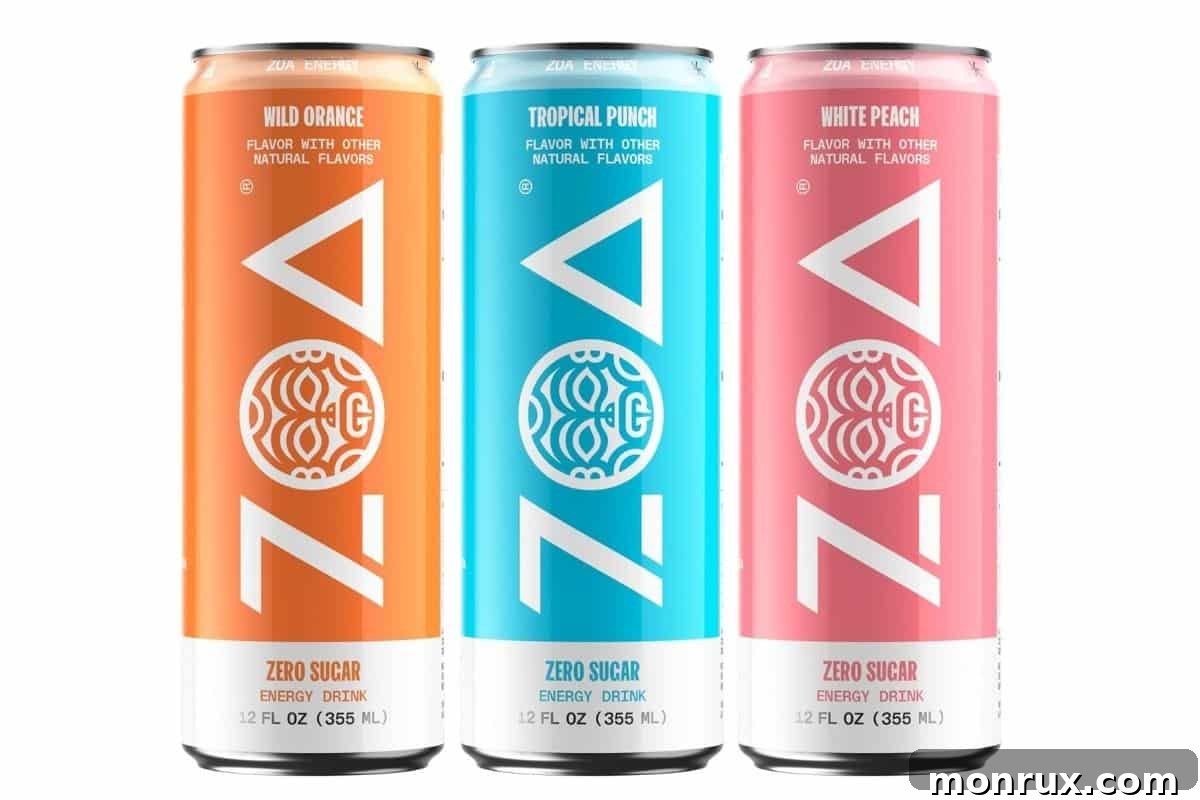
In the vast and ever-growing market of energy drinks, products claiming to offer a “healthier” boost are becoming increasingly popular. One such contender is ZOA Energy, co-founded by Dwayne “The Rock” Johnson. Marketed as a premium energy drink designed for fitness enthusiasts and active individuals, ZOA promises sustained energy, hydration, and immune support without the typical downsides of artificial ingredients and excessive sugar. But does it truly live up to its healthy image?
This comprehensive article will delve deep into ZOA Energy Drinks, meticulously examining their ingredients, nutritional profile, and potential health implications. We’ll explore the pros and cons, compare them to natural alternatives, and ultimately help you decide if ZOA fits into your healthy lifestyle. While positioned as a superior option, a closer look reveals that ZOA Energy is not universally considered a healthy product for regular consumption, especially for those prioritizing a clean-eating approach.
Understanding ZOA Energy Drinks: The Basics
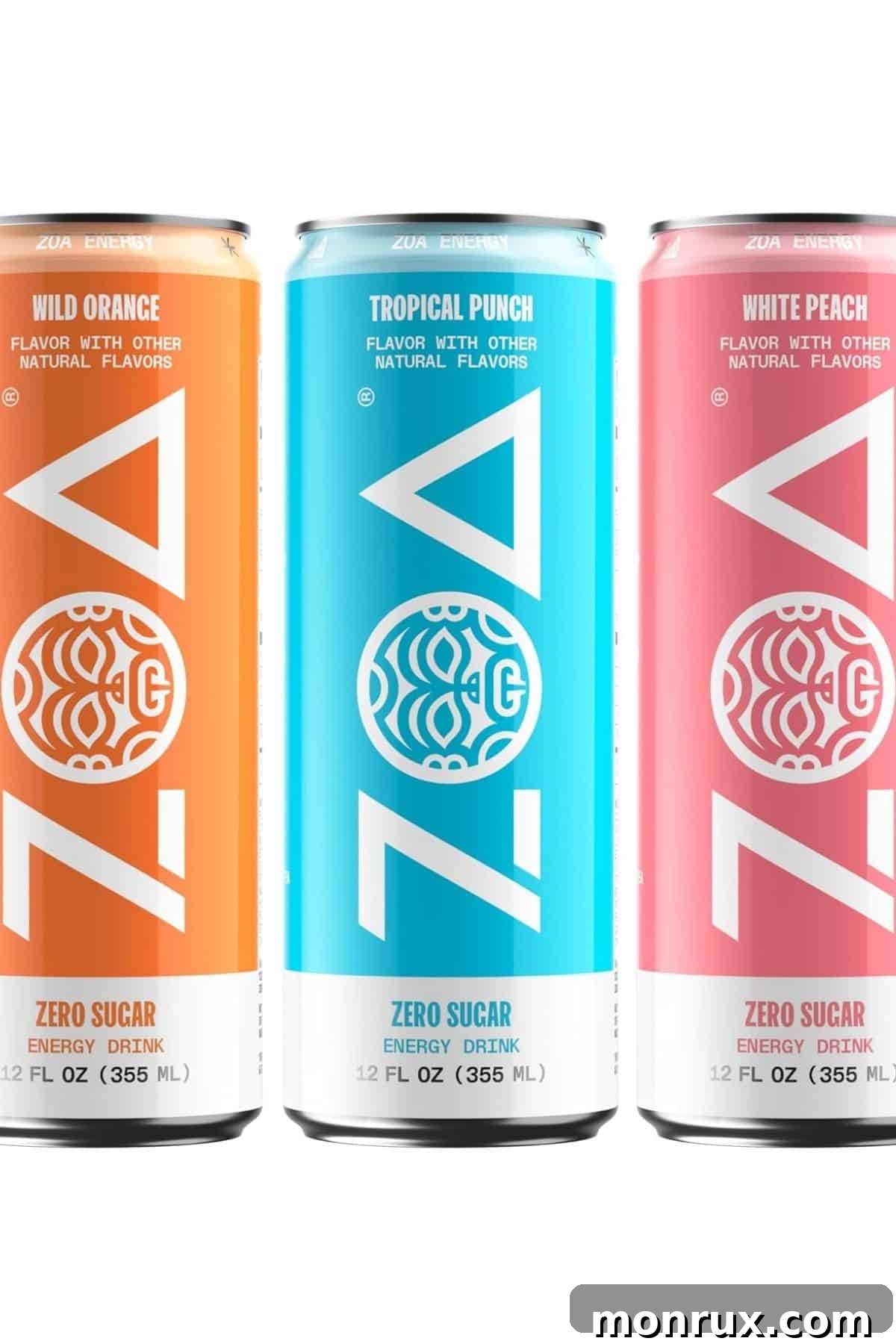
ZOA Energy drinks entered the market with significant fanfare, backed by celebrity co-founder Dwayne “The Rock” Johnson. The brand positions itself as a premium, healthier alternative to conventional energy drinks, focusing on providing “good energy” for an active lifestyle. These beverages are crafted to deliver sustained energy and essential hydration, targeting not just athletes but anyone seeking a cleaner energy boost.
Key to ZOA’s marketing is its commitment to using ingredients like natural caffeine from green tea and coffee fruit, a blend of vitamins, and crucial electrolytes such as potassium and sodium. The brand emphasizes its formulations are free from added sugar in many of its versions, aiming to support performance and recovery while promoting a balanced approach to wellness. However, the true “healthiness” of ZOA, like many processed beverages, lies in a deeper examination of its full ingredient list and how those components interact with the body.
As consumers become more discerning about what they put into their bodies, scrutinizing energy drink labels is essential. ZOA’s claims warrant a thorough investigation to determine if it genuinely stands out as a healthy choice in a competitive market flooded with synthetic stimulants and artificial additives.
ZOA Energy Key Ingredients: A Detailed Analysis
Understanding the components of ZOA Energy Drinks is crucial for assessing their health impact. While some ingredients offer clear benefits, others raise questions about the product’s overall “clean” profile. Here’s a breakdown of the primary ingredients:
- Carbonated Water: The base of the beverage, providing effervescence.
- Sugar (in regular versions): Some ZOA variants contain sugar, contributing to caloric intake and potentially blood sugar spikes.
- Citric Acid: A common food additive used for flavor and preservation.
- Natural Flavors: While “natural,” the specific compounds are often proprietary and can be highly processed.
- Sodium Citrate & Potassium Citrate: Electrolytes vital for hydration and nerve/muscle function.
- Amino Acids (e.g., L-Leucine, L-Isoleucine, L-Valine): Often included for muscle support and recovery, particularly BCAAs (Branched-Chain Amino Acids).
- Vitamins (e.g., B2, B3, B6, B12, C): Essential micronutrients supporting energy metabolism and immune function.
- Minerals (e.g., Magnesium Lactate): Further support for electrolyte balance and various bodily processes.
- Sweeteners (in sugar-free versions): Include Stevia Extract and Sucralose, providing sweetness without calories.
- Natural Caffeine: Sourced from green tea extract and green coffee bean extract.
- Superfood Extracts: Such as Acerola Juice Powder, Camu Camu Extract, and Turmeric Extract, touted for antioxidant properties.
- Choline Bitartrate: Supports cognitive function and fat metabolism.
- Beta-Carotene Color: A natural coloring agent.
While the presence of “natural” ingredients like green tea extract and superfoods is appealing, it’s equally important to scrutinize the synthetic vitamins, processed sweeteners, and other additives that make up the complete formula. Let’s delve deeper into some of the most notable components.
Natural Caffeine Sources
ZOA Energy prides itself on using natural caffeine derived from green tea extract and green coffee bean extract. Natural caffeine is often lauded for providing a smoother, more sustained energy boost compared to its synthetic counterpart, which can sometimes lead to jitters and a sudden crash. Green tea extract, in particular, is rich in antioxidants like polyphenols and catechins, which are associated with various health benefits, including improved brain function and reduced risk of certain chronic diseases. The flavones present in tea can also help combat oxidative stress. However, even natural caffeine, when consumed in excess, can lead to adverse effects like increased heart rate, anxiety, and sleep disturbances. The 160mg of caffeine per serving in ZOA is a significant amount and should be consumed mindfully.
Essential B Vitamins
ZOA Energy Drinks are fortified with synthetic B Vitamins, including Riboflavin (B2), Niacinamide (B3), Pyridoxine Hydrochloride (B6), and Cyanocobalamin (B12). B vitamins are crucial for energy metabolism, helping the body convert food into usable energy, and supporting nerve function and red blood cell production. While essential, the form and quantity are worth noting. Synthetic B vitamins can be less bioavailable than those found naturally in whole foods, and some individuals may experience sensitivities or even adverse effects from high doses.
- Vitamin B2 (Riboflavin): High doses may cause harmless bright yellow urine discoloration.
- Vitamin B3 (Niacinamide): Excessive intake can lead to skin flushing, itching, liver toxicity, and digestive issues.
- Vitamin B6 (Pyridoxine Hydrochloride): Overconsumption has been linked to nerve damage (sensory neuropathy) and skin lesions.
- Vitamin B12 (Cyanocobalamin): Generally safe, but extremely high doses could potentially lead to acne, allergic reactions, or exacerbate certain medical conditions.
It’s important to remember that most people consuming a balanced diet already get sufficient B vitamins, making supplementation from energy drinks potentially unnecessary or even excessive.
Electrolytes: Sodium and Potassium Citrate
Sodium citrate and potassium citrate are included as electrolytes, essential for maintaining proper fluid balance, nerve impulses, and muscle function, particularly important for active individuals who lose these minerals through sweat. These are commonly used food additives generally recognized as safe when consumed in moderation. However, as with any electrolyte, balance is key.
Excessive consumption of these citrate salts can disrupt the body’s delicate electrolyte balance, potentially leading to muscle weakness, irregular heartbeat, and gastrointestinal issues like diarrhea, gas, and bloating in sensitive individuals. Specifically, too much sodium can contribute to increased blood pressure, while excessive potassium, especially for individuals with kidney issues, could exacerbate existing problems or lead to kidney stones. These effects are typically seen with very high intakes, but it’s a consideration for regular, high-volume consumers.
Superfood Extracts and Antioxidants
ZOA includes extracts from “superfoods” such as Acerola Juice Powder, Camu Camu Extract, and Turmeric Extract. These ingredients are often highlighted for their high antioxidant content and purported health benefits. Acerola cherry and Camu Camu are exceptionally rich in Vitamin C, known for its immune-boosting properties. Turmeric, containing curcumin, is a powerful anti-inflammatory compound. While these ingredients offer potential benefits in their whole food form, their concentration and efficacy when added as extracts to an energy drink, particularly amidst other processed components, can be debatable. The quantity included might be too low to deliver significant therapeutic effects, and their presence can often serve more as a marketing tool than a primary health driver.
Artificial Sweeteners: Sucralose and Acesulfame Potassium
For its “sugar-free” variants, ZOA Energy relies on non-nutritive sweeteners like sucralose and acesulfame potassium. These are highly processed artificial compounds that offer zero calories but intensely sweet flavors. Despite being approved by regulatory agencies, a growing body of research suggests that long-term consumption of artificial sweeteners may not be as benign as once thought.
Studies indicate that these sweeteners can:
- Alter Gut Microbiome: Potentially disrupting the balance of beneficial gut bacteria, which can negatively impact digestive health and immune function.
- Increase Risk of Chronic Diseases: Some research links regular intake to an increased risk of developing chronic inflammation, leading to conditions like type 2 diabetes, obesity, and cardiovascular disease. The mechanism might involve altered glucose metabolism and insulin sensitivity.
- Promote Cravings: Despite being calorie-free, artificial sweeteners can sometimes trick the body into expecting calories, potentially leading to increased cravings for sweet foods and impacting appetite regulation.
- Possible Carcinogenic Links: Acesulfame potassium, in particular, has been a subject of concern, with some studies suggesting a potential link to an increased risk of cancer, although more conclusive research is needed.
For those seeking genuinely healthy options, these artificial sweeteners are a significant red flag, moving the product away from a “clean” label.
The Nutritional Advantages of ZOA Energy Drinks
Despite the concerns surrounding certain ingredients, ZOA Energy Drinks do offer some nutritional upsides, particularly when compared to other, more egregious energy drink options on the market. These advantages make ZOA a preferable choice for specific demographics or situations:
- Gluten-Free: This makes ZOA suitable for individuals with celiac disease or gluten sensitivity, ensuring a wider consumer base can enjoy the product without adverse reactions.
- Sugar-Free Options: Many ZOA variants contain no added sugar, relying instead on non-nutritive sweeteners. For those actively trying to reduce sugar intake, this can be seen as a positive, especially compared to energy drinks loaded with high-fructose corn syrup or excessive amounts of table sugar.
- Free from Synthetic Colors: ZOA uses natural coloring agents like beta-carotene, avoiding the artificial dyes that can be concerning for some consumers, particularly parents.
- Natural Caffeine from Green Tea & Coffee Fruit: The choice of natural caffeine sources is a significant advantage. This typically leads to a smoother energy lift without the harsh jitters and subsequent crash often associated with synthetic caffeine. The accompanying antioxidants from green tea also offer additional health benefits.
- Electrolyte Support: The inclusion of sodium and potassium citrates helps replenish essential electrolytes lost during physical activity, aiding in hydration and preventing muscle cramps, making it potentially beneficial for pre- or post-workout recovery.
- Vitamin Boost: The range of B vitamins and Vitamin C contributes to overall well-being, supporting energy metabolism and immune function, which can be appealing for those looking for a functional beverage.
- Vegetarian & Vegan-Friendly: ZOA’s ingredient profile is typically suitable for both vegetarian and vegan diets, broadening its appeal to plant-based consumers.
- Convenience: For individuals with busy, active lifestyles, ZOA offers a convenient and readily available source of energy and hydration, especially when natural alternatives are not immediately accessible.
These pros highlight ZOA’s attempt to differentiate itself as a “better-for-you” energy drink, focusing on functional ingredients and avoiding some of the more criticized additives found in its competitors.
Potential Health Concerns and Downsides of ZOA Energy
Despite its marketing as a healthier option, ZOA Energy Drinks come with several significant drawbacks and potential health concerns that consumers should be aware of, especially with regular consumption.
- High Caffeine Content: Each serving of ZOA Energy contains approximately 160mg of caffeine. While natural, this is a substantial amount. The recommended daily maximum for caffeine consumption for most healthy adults is 400 mg. Consuming more than one or two ZOA Energy Drinks, particularly if combined with other caffeinated products like coffee, tea, or chocolate, can easily lead to excessive caffeine intake. This can result in adverse effects such as:
- Jitters, anxiety, and nervousness
- Insomnia and disrupted sleep patterns
- Increased heart rate and palpitations
- Digestive upset
- Headaches and dizziness
Individuals sensitive to caffeine, pregnant or nursing women, children, and those with underlying heart conditions should strictly limit or avoid ZOA Energy.
- Presence of Artificial Sweeteners: As discussed, ZOA’s reliance on highly processed non-nutritive sweeteners like sucralose and acesulfame potassium is a major concern. These artificial compounds lack nutritional value and have been linked by various studies to potential long-term health problems. These include disruptions to the gut microbiome, increased risk of chronic inflammation, and associations with metabolic disorders like type 2 diabetes and obesity. For people with sensitive stomachs, these sweeteners can also trigger digestive discomfort such as bloating, gas, and diarrhea.
- Overall Processed Nature: Despite containing some beneficial extracts, ZOA Energy Drinks are fundamentally processed foods. They contain a blend of isolated vitamins, minerals, and extracts, rather than whole food nutrients. A “clean eating” lifestyle generally advocates for whole, unprocessed foods, and even with its “natural” claims, ZOA does not align with this philosophy due to its complex chemical composition and manufacturing process.
- Cost-Effectiveness: ZOA Energy Drinks are often priced at a premium, making them an expensive way to obtain an energy boost. When considering the cost, it’s worth noting that the body can naturally generate energy through a balanced, nutrient-rich diet, adequate hydration, and sufficient sleep. Simple alternatives like a cup of coffee or green tea offer similar caffeine benefits at a fraction of the cost, without the artificial sweeteners and other additives.
- Environmental Impact of Packaging: The drinks are packaged in aluminum cans, which, while recyclable, contribute to waste and energy consumption during production and recycling. While an improvement over some plastic bottles, it’s not the most eco-friendly option. Choosing beverages in reusable bottles made from more sustainable materials like glass, or preparing drinks at home, significantly reduces environmental footprint.
These cons highlight that while ZOA might appear healthier than some competitors, it still presents a complex nutritional profile that warrants caution, particularly for those committed to truly healthy and minimally processed dietary choices.
Making Informed Choices: Is ZOA Energy Right For You?
Deciding whether ZOA Energy Drinks are a suitable addition to your diet involves weighing the advertised benefits against the potential risks and considering your personal health goals and sensitivities. The answer isn’t a simple yes or no, but rather depends on individual circumstances and frequency of consumption.
Who Might Consider ZOA Energy (in moderation):
- Active Individuals or Athletes: For those engaging in intense workouts, ZOA can offer a convenient pre-workout boost or aid in post-workout electrolyte replenishment due to its caffeine, B vitamins, and electrolytes. The “sugar-free” options might be preferred to avoid sugar spikes.
- Occasional Energy Boost: If you rarely consume energy drinks and need an infrequent pick-me-up for a long day or specific event, ZOA might be an option. Its natural caffeine sources are generally preferred over synthetic alternatives.
- Individuals Avoiding Sugar: For those who specifically want to avoid sugar but still desire a flavored energy drink, ZOA’s sugar-free versions are an option, although the concerns about artificial sweeteners remain.
Who Should Likely Avoid ZOA Energy:
- Individuals Sensitive to Caffeine: The 160mg per can is significant and can trigger jitters, anxiety, or sleep issues.
- Pregnant or Nursing Women: High caffeine intake is generally discouraged for these groups.
- Children and Adolescents: Energy drinks are not recommended for minors due to their caffeine content and other stimulants.
- Those with Certain Health Conditions: Individuals with heart conditions, high blood pressure, anxiety disorders, or kidney issues should consult a healthcare provider before consuming ZOA due to caffeine and electrolyte content.
- People Following a Clean Eating Lifestyle: If your priority is consuming whole, unprocessed foods, ZOA, with its blend of isolated and artificial ingredients, will not align with your dietary principles.
- Anyone Seeking Long-Term, Sustainable Energy: Relying on energy drinks for daily energy is a Band-Aid solution. True sustained energy comes from a balanced diet, adequate sleep, regular physical activity, and proper hydration.
Ultimately, ZOA Energy Drinks occupy a middle ground in the energy drink spectrum. They are generally a better option than many high-sugar, fully artificial energy drinks, but they are far from being a truly “healthy” whole-food source of energy. Moderation is key, and being informed about all ingredients, both beneficial and questionable, empowers you to make the best choice for your health.
Healthy Alternatives to Energy Drinks
For those looking to boost their energy levels without the potential downsides of processed energy drinks like ZOA, numerous natural and sustainable alternatives exist. These options not only provide energy but also contribute positively to overall health and well-being.
- Coffee and Green Tea:
These classic beverages are excellent sources of natural caffeine. Coffee offers a robust energy kick, while green tea provides a milder, more sustained boost due to L-theanine, an amino acid that promotes calm focus. Both are rich in antioxidants and offer numerous health benefits beyond just energy. You can enjoy them hot or iced, and flavor them naturally with lemon, mint, or a splash of unsweetened plant-based milk.
- Matcha Green Tea:
A finely ground powder of specially grown and processed green tea leaves, matcha contains significantly more caffeine and antioxidants than regular green tea. It provides a unique kind of calm alertness, making it an excellent alternative for sustained focus without jitters. Matcha can contain up to 44mg of caffeine per gram, so a small serving can provide a substantial boost.
- Homemade Energy Drinks and Smoothies:
Creating your own energy-boosting beverages at home gives you complete control over the ingredients.
- Fruit & Vegetable Smoothies: Blend fruits like bananas (for potassium and carbs), berries (for antioxidants), spinach (for iron and vitamins), and a liquid base like water or coconut water. Add a spoonful of chia seeds or flax seeds for sustained energy from healthy fats and fiber.
- Herbal Infusions: Brew invigorating herbal teas like peppermint, ginger, or rooibos. While not caffeinated, they can still provide a refreshing lift.
- DIY Electrolyte Drinks: Combine water, a pinch of sea salt, a squeeze of lemon or lime juice, and a teaspoon of raw honey or maple syrup for a natural, hydrating electrolyte solution.
- Adequate Sleep:
The most fundamental energy booster is sufficient, quality sleep. Prioritizing 7-9 hours of sleep per night for adults can dramatically improve energy levels, focus, and overall mood, reducing the need for external stimulants.
- Balanced Nutrition:
A diet rich in whole grains, lean proteins, healthy fats, and plenty of fruits and vegetables provides a steady supply of energy throughout the day. Avoid processed foods and excessive sugar, which can lead to energy crashes.
- Regular Physical Activity:
Paradoxically, exercise boosts energy levels. Even moderate activity can improve cardiovascular health, increase stamina, and release endorphins, leading to a natural energy surge.
- Hydration:
Dehydration is a common cause of fatigue. Drinking plenty of water throughout the day is crucial for maintaining energy, cognitive function, and all bodily processes.
By incorporating these healthy habits and natural alternatives, you can achieve sustainable energy without relying on commercial energy drinks, fostering better long-term health in the process.
Frequently Asked Questions About ZOA Energy
ZOA Energy Drinks utilize natural caffeine sourced from green tea extract and green coffee beans. Compared to the synthetic caffeine often found in other energy drinks, natural caffeine is generally perceived to offer a potentially smoother energy release and may come with additional antioxidants from its botanical sources. While both types of caffeine provide an energy boost, natural caffeine may mitigate the sharp peaks and crashes associated with synthetic versions. However, it’s crucial to remember that caffeine, regardless of its source, is a stimulant and carries potential side effects, especially when consumed in large quantities or by sensitive individuals. Therefore, while it might be a ‘better’ type of caffeine, it’s not without its considerations.
Yes, ZOA Energy Drinks contain artificial sweeteners, specifically sucralose and acesulfame potassium, in their sugar-free versions. However, they do not use artificial colors, opting for natural coloring agents like beta-carotene.
Absolutely! Making your own natural energy drinks is a fantastic way to control ingredients and avoid artificial additives. You can enjoy freshly brewed coffee or green tea as a direct energy source. For a more elaborate option, consider brewing green tea and chilling it for a refreshing iced tea base, then adding fresh fruit slices or a squeeze of lemon. You could also make a delicious energy smoothie using a base of brewed coffee or matcha, blended with bananas, nut butter, and a splash of plant-based milk for sustained energy. Matcha, in particular, is a potent natural caffeine source, containing up to 44mg of caffeine per gram, offering a calm yet powerful boost.
ZOA Energy Drinks should be avoided by pregnant or nursing women, children and adolescents, individuals highly sensitive to caffeine, and those with certain health conditions such as heart problems, high blood pressure, or anxiety disorders. Anyone aiming for a strictly clean-eating diet focused on whole, unprocessed foods would also find ZOA unsuitable due to its processed nature and artificial sweeteners.
Common side effects, primarily due to the caffeine content, can include jitters, anxiety, increased heart rate, difficulty sleeping, and restlessness. In some individuals, the artificial sweeteners (sucralose and acesulfame potassium) may cause digestive discomfort such as bloating, gas, or diarrhea. Excessive intake of the fortified B vitamins could also lead to symptoms like skin flushing or nerve sensitivity in rare cases.
Final Verdict: Are ZOA Energy Drinks Healthy?
After a thorough review of its ingredients and nutritional profile, ZOA Energy Drinks present a nuanced picture. While they include some potentially beneficial components like natural caffeine, electrolytes, and certain vitamins and superfood extracts, they are fundamentally a processed food product. For those committed to a genuinely “clean eating” lifestyle, ZOA, with its reliance on highly processed artificial sweeteners and synthetic vitamins, is not generally considered a truly healthy option for regular consumption.
The high caffeine content, even from natural sources, poses a risk for overconsumption and associated side effects, especially for sensitive individuals or when combined with other caffeinated products. The presence of artificial sweeteners like sucralose and acesulfame potassium raises concerns about long-term health implications, including potential disruptions to gut health and links to chronic diseases.
While an occasional ZOA Energy Drink might provide a convenient energy boost without immediate harm for a healthy adult, it is not recommended as a sustainable or long-term solution for energy. The economic cost and environmental impact of packaged drinks also weigh into the overall assessment. Consumers seeking genuine, sustained energy are better served by prioritizing a balanced, whole-food diet, adequate sleep, regular physical activity, and choosing natural energy sources like plain coffee, green tea, or homemade fruit and vegetable smoothies. Making informed choices that align with your health values is paramount.
Explore More Energy Drink Reviews
Don’t forget to join my newsletter list to get exclusive clean eating recipes and tips. The newsletter is 100% free with no spam; unsubscribe anytime.
About the Author: Carrie Forrest has a master’s degree in public health with a specialty in nutrition and is a certified holistic nutritionist. She is a top wellness and food blogger with over 5 million annual visitors to her site. Carrie has an incredible story of recovery from chronic illness and is passionate about helping other women transform their health. Send her a message through her contact form.
Note: this post is for informational purposes only and is not intended as medical advice. Please consult your healthcare provider for recommendations related to your individual situation.