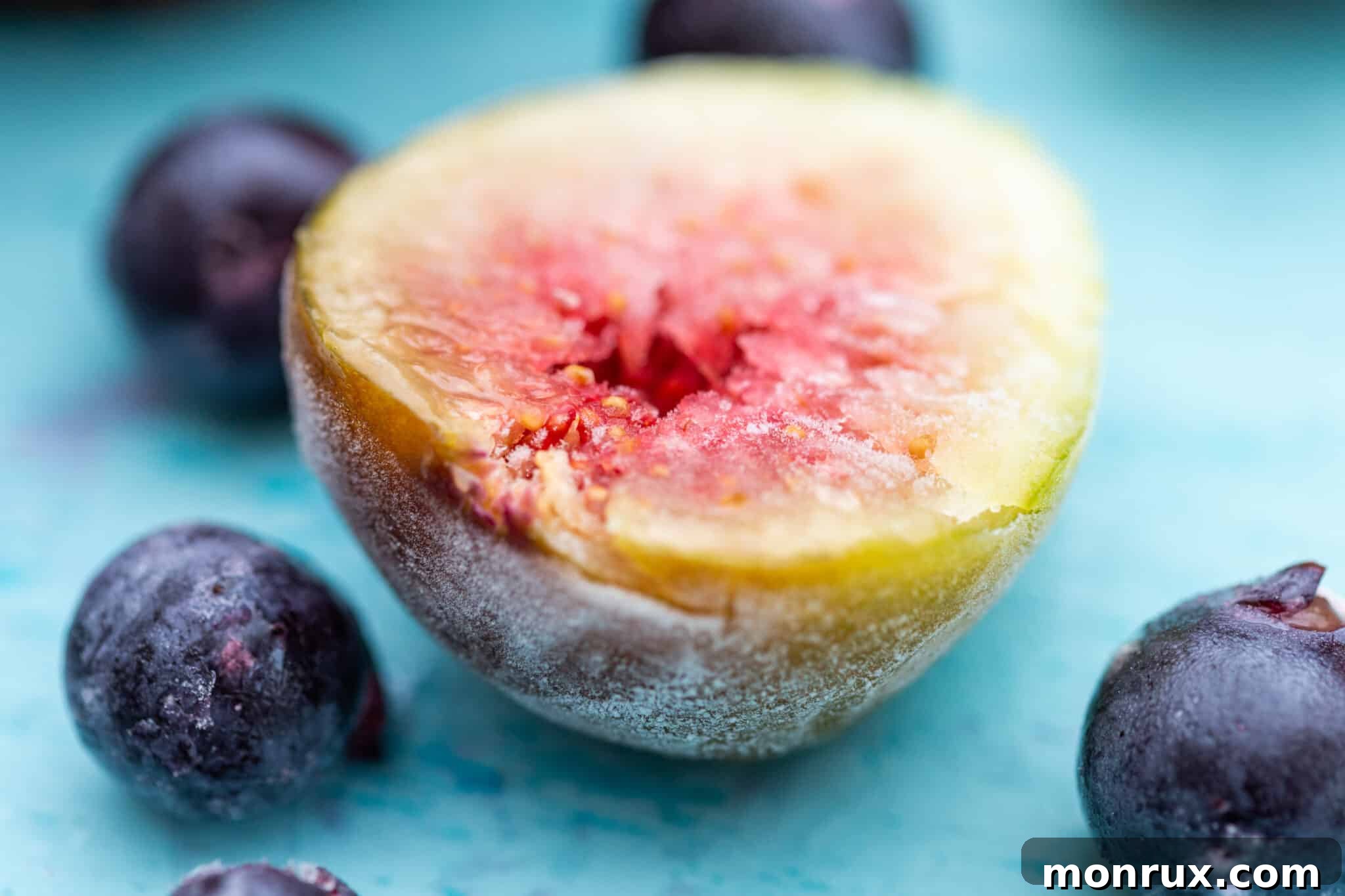
Fresh figs are an undeniable seasonal treat, gracing our tables with their juicy, sweet, and incredibly decadent flavor. Whether you love to bake with them, incorporate them into savory dishes, toss them into salads or smoothies, or simply enjoy them as a standalone snack, their season is notoriously fleeting. This often leaves us wondering: what happens if you can’t savor every last one before they spoil? The good news is, you can easily extend their shelf life. This comprehensive guide will teach you exactly how to freeze fresh figs and provide endless inspiration for how to use them once they’re frozen.
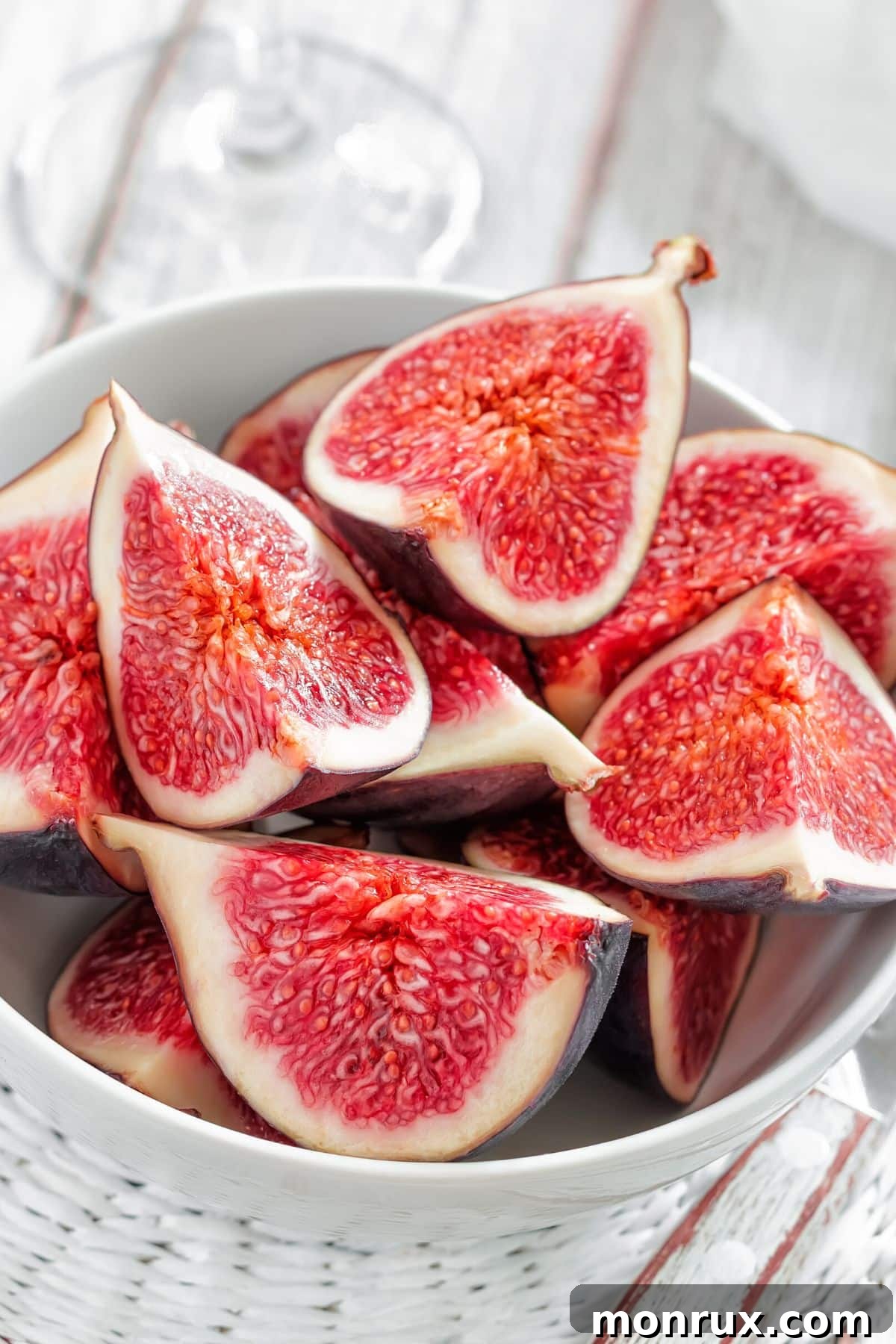
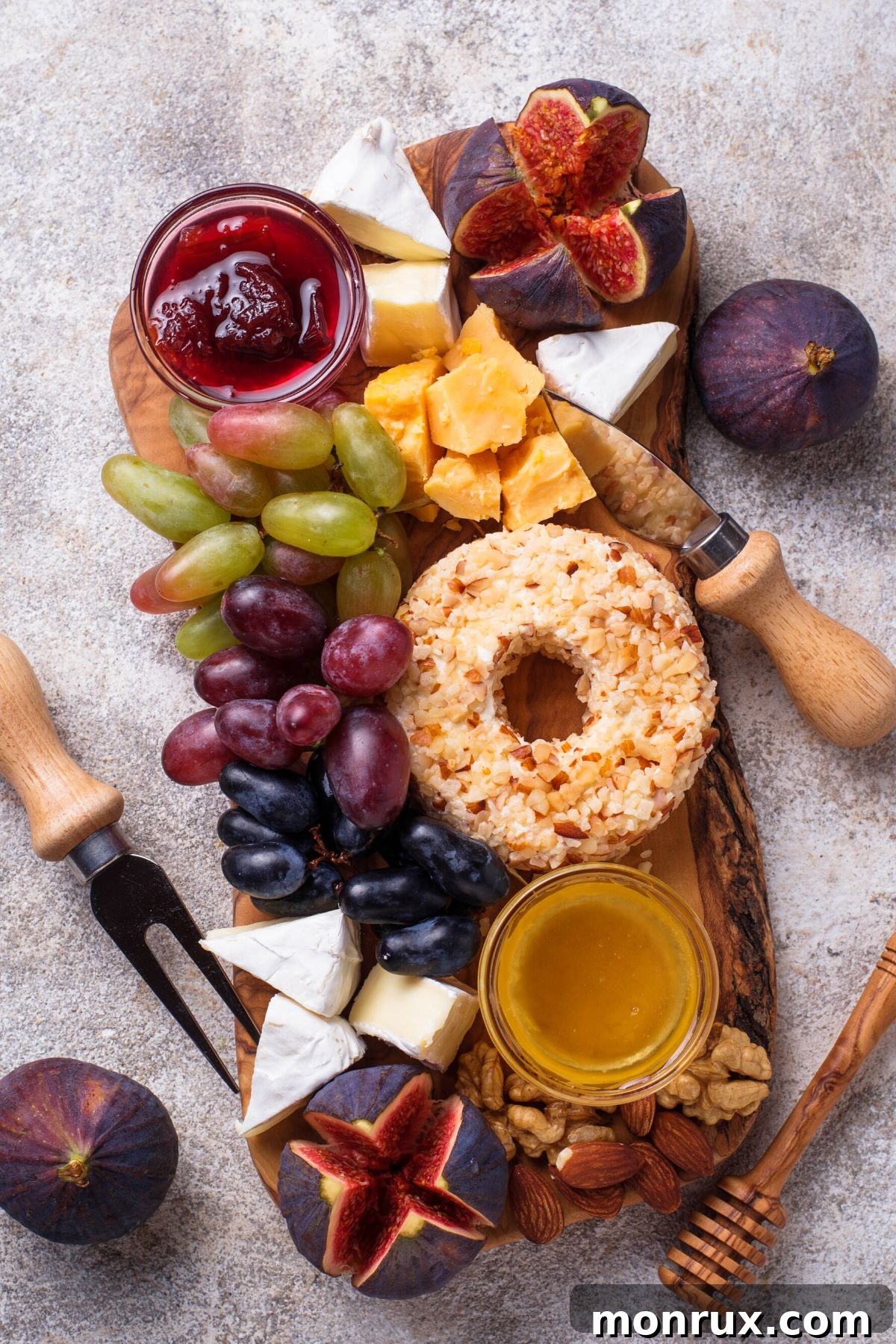
Imagine crafting an exquisite artisanal charcuterie board, perfectly balanced with a selection of choice meats, a variety of dairy-free or traditional cheeses, and the vibrant sweetness of fresh, ripe figs. Their unique flavor profile makes them an ideal counterpoint to a sharp cheddar or a creamy goat cheese. Figs aren’t just a delicious fruit; they’re a culinary experience.
As you stroll through your local grocery store or farmer’s market, keep an eye out for these gems. Depending on your region, you’ll encounter a beautiful spectrum of fig colors, from vibrant greens to deep, luscious purples. Each variety offers its own subtle nuances in taste and texture, adding to the allure of this ancient fruit.
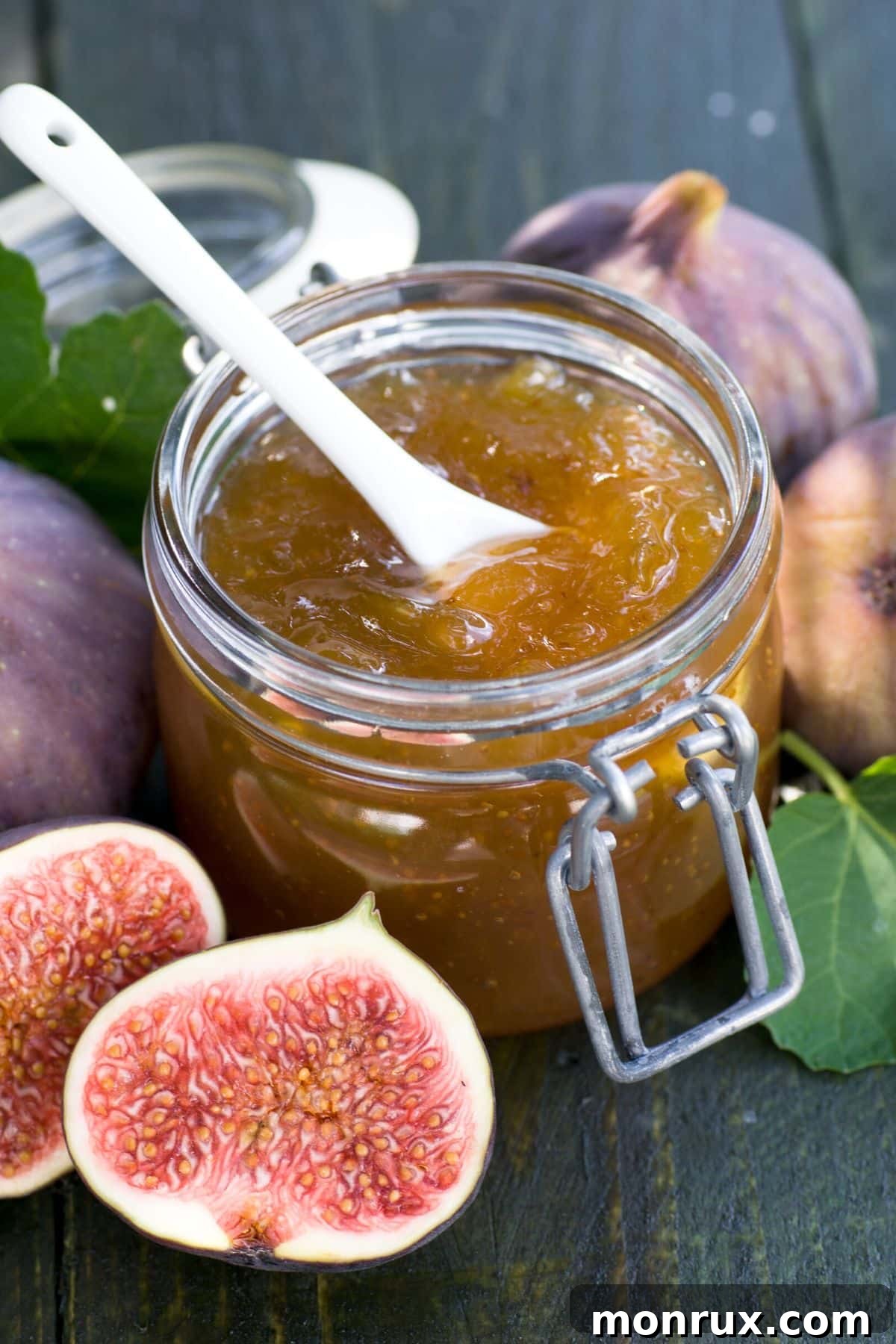
Beyond fresh consumption, fig preserves are another beloved classic. The natural, honeyed sweetness of figs is so intense and delightful that you can often create exquisite preserves without needing any refined sugar. This makes them a healthier and equally delicious alternative to many other fruit jams.
Figs carry a rich history, revered by ancient civilizations. The Romans and Greeks considered the fig tree a powerful symbol of fertility and abundance. Early Olympic athletes even embraced figs as a vital part of their training diet, leveraging their high natural sugar content for an energy boost – a testament to their inherent nutritional value.
Perhaps one of the most fascinating facts about figs is their botanical classification: they are scientifically not considered a fruit, but rather an inverted flower! The tiny, soft “seeds” you find inside are actually the true fruits, or drupelets, of the fig. This unique structure explains the fig’s delicate, subtly floral flavor that sets it apart from other sweet treats.
And much like other edible flowers, fresh figs are a powerhouse of nutrients, yet remarkably low in calories. They are an excellent source of dietary fiber, which is crucial for promoting healthy digestion and maintaining a balanced gut microbiome. Beyond digestion, figs contribute to heart health, offering minerals that help regulate blood pressure. They can also assist in managing blood sugar levels due to their fiber content, which slows down sugar absorption. The copper found in figs plays a vital role in improving metabolism, forming red blood cells, and maintaining healthy connective tissues. Furthermore, Vitamin B6 in figs is essential for how your body processes protein, ensuring efficient energy utilization and overall cellular function.
Thanks to their generous natural sugar content, figs also provide an excellent, sustained natural energy boost, making them a perfect snack for a quick pick-me-up!
Why You Should Freeze Fresh Figs for Year-Round Enjoyment
Freezing figs is an incredibly smart way to enjoy this seasonal delicacy far beyond its short harvest window. Here’s why preserving figs in your freezer is a brilliant idea:
- Extend the Season: Figs are truly a seasonal delight, available only for a narrow period each year. They must ripen on the tree to develop their full sweetness, and once picked, their shelf life is remarkably short. By freezing figs, you essentially pause their ripeness, allowing you to enjoy their exquisite flavor throughout the year, long after their peak season has passed.
- Effortless Meal Prep: Flash-freezing figs makes them incredibly convenient for future use. Imagine effortlessly tossing perfectly portioned fig pieces into your morning smoothie without the hassle of washing and cutting each time. This simple preparation saves valuable time in the kitchen.
- Optimal Nutrient Retention: While drying figs concentrates their natural sugars and flavors, freezing offers one of the most nutritious ways to preserve them without adding any sugar. This method helps retain their delicate vitamins, minerals, and antioxidants, ensuring you get the most health benefits from your preserved figs. It’s a clean and pure way to enjoy figs in their most natural state.
- Reduce Food Waste: Don’t let those extra ripe figs go to waste! Freezing is an excellent strategy to minimize spoilage and make the most of your harvest or market finds. It’s an economical and environmentally friendly approach to enjoying seasonal produce.
- Versatile Culinary Applications: Frozen figs are surprisingly versatile. While their texture changes slightly after freezing, making them less ideal for eating fresh out of hand, they are perfect for baking, cooking, and blending. They can be transformed into delicious jams, rich sauces, delectable baked goods, and refreshing smoothies.
Essential Tools for Freezing Fresh Figs
You don’t need an extensive array of kitchen gadgets to freeze a batch of ripe, tasty figs. The process is straightforward and requires only a few basic items you likely already have on hand. Here’s your essential equipment list:
A Sharp Knife
A simple paring knife or any standard kitchen knife will do the job. Given that ripe figs have soft, delicate skins and flesh, you don’t need an exceptionally sharp blade, but a clean cut will help maintain their shape. Ensure your knife is clean to avoid any contamination.
A Baking Tray or Flat Surface
The key to successful flash-freezing is to spread your figs in a single layer. A large baking tray that comfortably fits into your freezer is ideal for this purpose. If you don’t have a suitable baking tray, don’t worry! Any flat, freezer-safe surface will work, such as a sturdy serving tray, a large cutting board, or even a freezer-safe dinner plate. The goal is to prevent the fig pieces from touching and freezing together, which makes them much easier to use later.
Wax Paper or Parchment Paper
Lining your baking tray with wax paper or parchment paper is a crucial step. This creates a non-stick surface, making it incredibly easy to remove the frozen figs once they’re solid. It also allows you to create multiple layers of figs on a single tray, separated by sheets of paper, maximizing your freezer space. If you happen to be out of wax or parchment paper, aluminum foil can be used as an alternative, though parchment paper generally provides the best non-stick release.
Freezer-Friendly Bags or Airtight Containers
Once your figs are flash-frozen, you’ll need to transfer them for long-term storage. Zip-top freezer-friendly bags are a popular and convenient choice because they allow you to remove excess air, minimizing freezer burn, and can be stored flat to save space. However, if you don’t have these on hand, any airtight, freezer-safe container will work just fine. Glass containers, plastic tubs, or even vacuum-seal bags are all viable options, as long as they seal tightly to protect your figs from the harsh freezer environment.
Ingredients: Selecting the Best Figs for Freezing
This “recipe” for freezing figs has just one primary ingredient: the figs themselves! However, the quality of your frozen figs will largely depend on the quality of the fresh figs you start with. A critical factor to remember is that figs do not continue to ripen once they have been picked. Furthermore, their shelf life is incredibly short, typically just a few days at room temperature.
Therefore, whether you’re harvesting figs directly from a tree or carefully selecting them at the grocery store or farmer’s market, it’s paramount to choose figs that are perfectly ripe and plump. Here’s how to identify them:
- Softness: Gently touch the figs. They should yield slightly to light pressure, feeling soft but not mushy. A fig that is too hard is underripe and won’t taste as sweet.
- Appearance: Look for figs that are deeply colored for their variety (e.g., dark purple for Black Mission figs, or golden-green for Kadota figs). Avoid any figs with bruises, mold, or tears in their skin.
- Fragrance: A ripe fig should have a subtly sweet and pleasant aroma. If it smells sour or fermented, it’s likely past its prime.
- Condition: The stem should be firm and securely attached. Avoid figs that are oozing liquid or appear excessively wrinkled, as these are signs of overripeness or spoilage and will not freeze well.
Choosing ripe, firm, and unblemished figs will ensure the best flavor and texture once they are thawed and used in your culinary creations.
Step-by-Step Guide: How to Freeze Fresh Figs for Long-Term Enjoyment
Freezing fresh figs is a remarkably simple process that requires minimal effort but yields fantastic results. Follow these clear steps to ensure your figs are perfectly preserved.
Step One: Clean and Prepare Your Figs
Begin by gently washing your fresh figs under cool running water. Be careful not to bruise them. While washing, remove any dirt, debris, or lingering insects. After washing, thoroughly pat the figs dry using paper towels or a clean kitchen towel. Excess moisture can lead to ice crystals and freezer burn. Once dry, carefully cut off the hard stem end from each fig. Then, slice each fig into halves or quarters. For smaller figs, halves might suffice, but for larger varieties or if you plan to use them primarily in smoothies, quartering them or even cutting them into smaller chunks will allow them to freeze and defrost more quickly.
Step Two: Arrange for Flash Freezing
Line a large baking sheet, serving tray, or any flat, freezer-safe surface with wax paper or parchment paper. This non-stick layer is essential for preventing the figs from sticking to the tray. Arrange the prepared fig pieces in a single layer on the lined tray. Ensure the fig pieces are close together but do not touch each other. If you have a large quantity of figs, you can create another layer by placing a fresh sheet of wax paper over the first layer of figs, and then arranging more fig pieces on top, again ensuring they don’t touch. This method, known as flash freezing, is key to preventing them from clumping together into a solid block.
Step Three: Initial Freeze
Carefully transfer the baking tray with the arranged fig pieces into your freezer. Allow the figs to freeze for a minimum of 2 hours, or until they are completely solid. The exact freezing time may vary depending on the size of your fig pieces and the temperature of your freezer. Once they are frozen solid, they will be hard to the touch and easily separable from each other and the wax paper.
Step Four: Transfer and Store
Once the figs are flash-frozen, remove the tray from the freezer. Using your hands or a spatula, quickly transfer the individual frozen fig pieces into zip-top freezer-friendly bags or airtight, freezer-safe containers. Press out as much air as possible from the bags before sealing to minimize freezer burn. If using containers, ensure they are tightly sealed. Label each bag or container with the date of freezing to keep track of their freshness. Store the packaged figs flat in the freezer until you are ready to use them. This process ensures they remain individual pieces, making it easy to grab just the amount you need for any recipe.
Frequently Asked Questions About Freezing Figs
Frozen figs will last for several months in the freezer. For the best taste, texture, and nutritional value, it is recommended to use them within 6 to 8 months. While they may remain safe to eat beyond this period, their quality might start to decline.
Frozen figs are incredibly versatile! They work exceptionally well in baked goods like moist breads, muffins, scones, and pies. You can chop them and stir them directly into batter, fold them into dough, or use them as a delicious filling. They are also perfect for making creamy smoothies, homemade ice creams, sorbets, and fruit pops. Furthermore, frozen figs are excellent for creating flavorful sauces, jams, and preserves. The freezing process naturally breaks down the cell walls of the fruit, meaning they will cook and bake faster when used from frozen compared to fresh figs, which can actually speed up your cooking time!
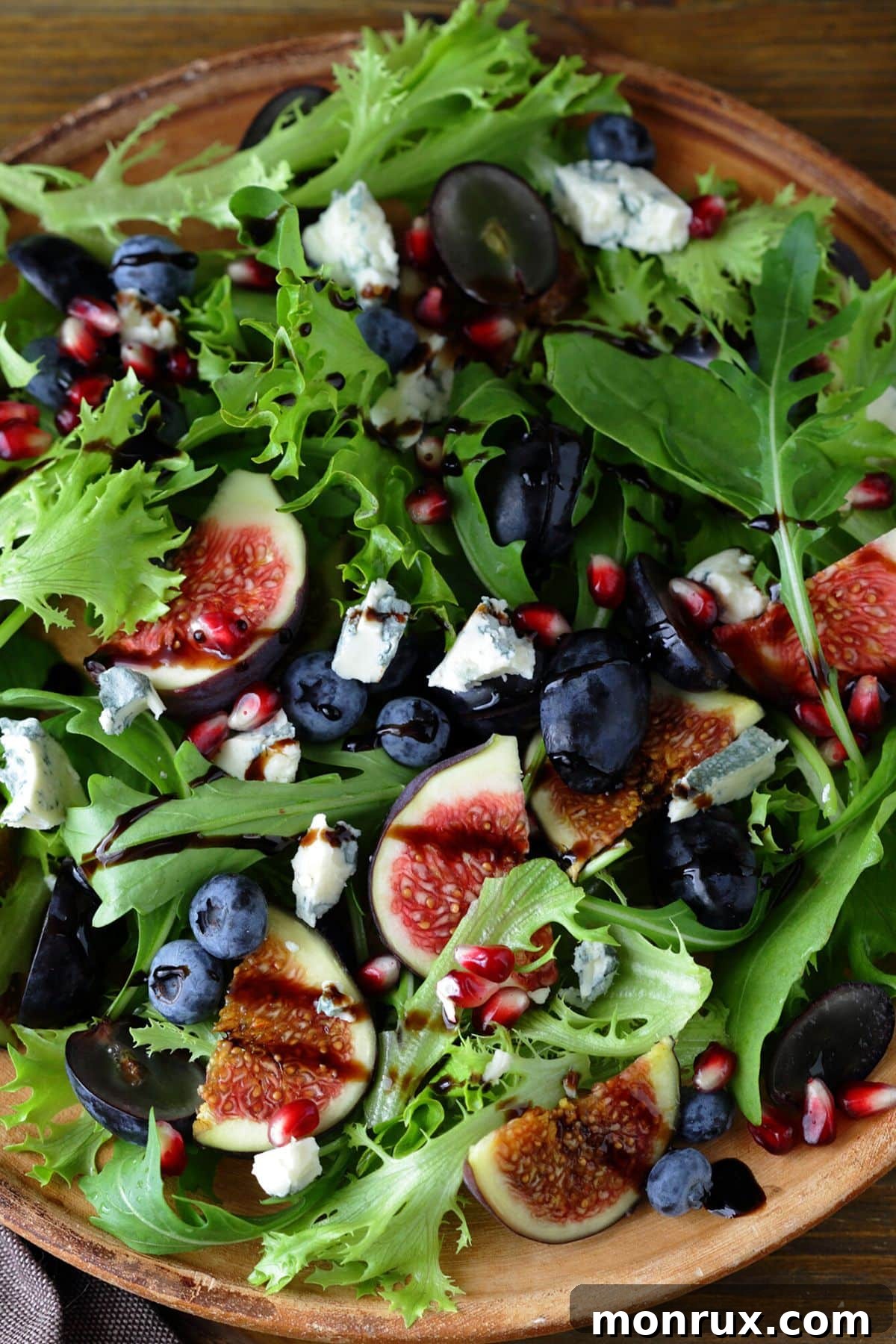
Once figs have been frozen and thawed, they will lose their firm, fresh texture and become much softer and somewhat mushy. While this texture change is ideal for cooking and blending, it’s generally not suitable for a fresh salad where crispness is desired. However, you can creatively incorporate them by blending them into a tangy vinaigrette or a savory dressing to drizzle over your salad, adding a unique sweetness and depth of flavor.
No, there is absolutely no need for any special pre-treatment! You do not need to blanch the figs, give them a lemon water bath, or dip them in sugar or syrup before freezing. They can be frozen as is, making the process incredibly simple. If you are concerned about them losing some color, a light squeeze of lemon juice over them before freezing can help, but this is entirely optional and not necessary for preservation or quality.
More Helpful Freezer Guides for Your Kitchen
We hope this guide inspires you to freeze fresh figs! If you try this method, please leave a comment and a review below to share your experience.
And, consider following us on social media so we can stay connected. You can find us on Facebook, Pinterest, Instagram, and YouTube!
Print Recipe
How to Freeze Fresh Figs
5 from 1 review
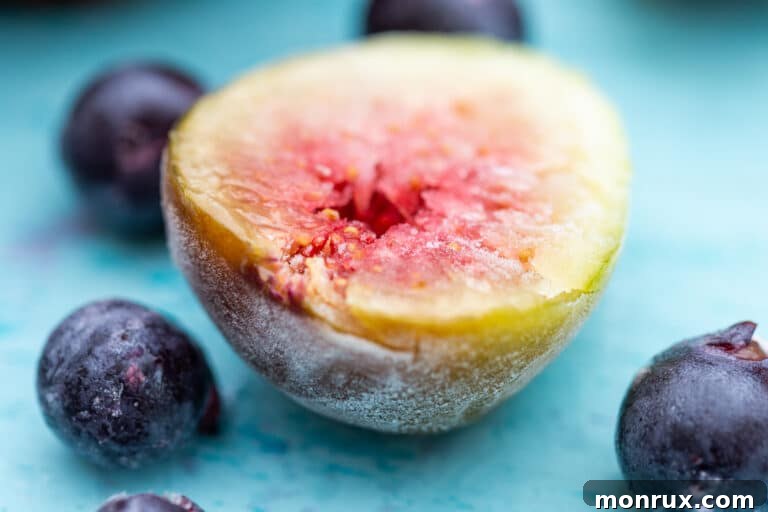
Fresh figs are one of the easiest fruits to freeze, requiring very little time and effort to prepare. This guide will walk you through how to freeze fresh figs and effectively use them once they’re frozen, ensuring you can enjoy their deliciousness all year long.
- Total Time: 3 hours 15 minutes
- Yield: 4 servings (approximately 1 pound of figs)
Ingredients
- 1 pound fresh figs (approximately 8-9 medium figs)
Instructions
- Carefully wash the figs under cool water, ensuring all dirt and debris are removed. Gently pat them completely dry with paper towels.
- Trim off the hard stem end from each fig. Slice each fig into halves or quarters, depending on their size and your intended use. Smaller pieces tend to freeze and defrost more quickly.
- Line a large baking tray or serving tray with wax paper or parchment paper. Arrange the sliced fig pieces in a single layer on the prepared tray, making sure they are not touching each other. If you have more figs, you can add another layer of wax paper and arrange more figs on top, ensuring separation.
- Place the baking tray in the freezer for at least two hours, or until the fig pieces are completely frozen solid and can be easily separated.
- Once frozen, remove the fig pieces from the tray and transfer them to freezer-friendly zip-top bags or airtight containers. Squeeze out as much air as possible from bags before sealing. Label with the date and store flat in the freezer until ready to use.
Notes
- Because the figs are flash-frozen individually, it should be relatively easy to take out as many frozen fig pieces as you need from the bag without them clumping together. For added convenience, you can portion the fig pieces into smaller bags based on how you plan to use them, making it easier to defrost specific amounts.
- Feel free to freeze as many fresh figs as you like, limited only by the space available in your freezer. The process is scalable.
- Properly frozen fresh figs will maintain their quality for up to several months, typically 6-8 months for best results.
- Author: Carrie Forrest, MPH in Nutrition
- Prep Time: 5 minutes
- Freezing Time: 3 hours
- Cook Time: 0 minutes
- Category: Snack
- Method: Freezer
- Cuisine: American
- Diet: Vegan
Nutrition Facts (per serving)
- Serving Size: 1/4 of recipe (approx. 2-3 medium figs)
- Calories: 74
- Sugar: 16.3 g
- Sodium: 1 mg
- Fat: 0.3 g
- Saturated Fat: 0.1 g
- Carbohydrates: 19.2 g
- Fiber: 2.9 g
- Protein: 0.8 g
- Cholesterol: 0 mg
Don’t forget to join our newsletter list to get exclusive clean eating recipes and tips delivered straight to your inbox. Our newsletter is 100% free with no spam; you can unsubscribe anytime.