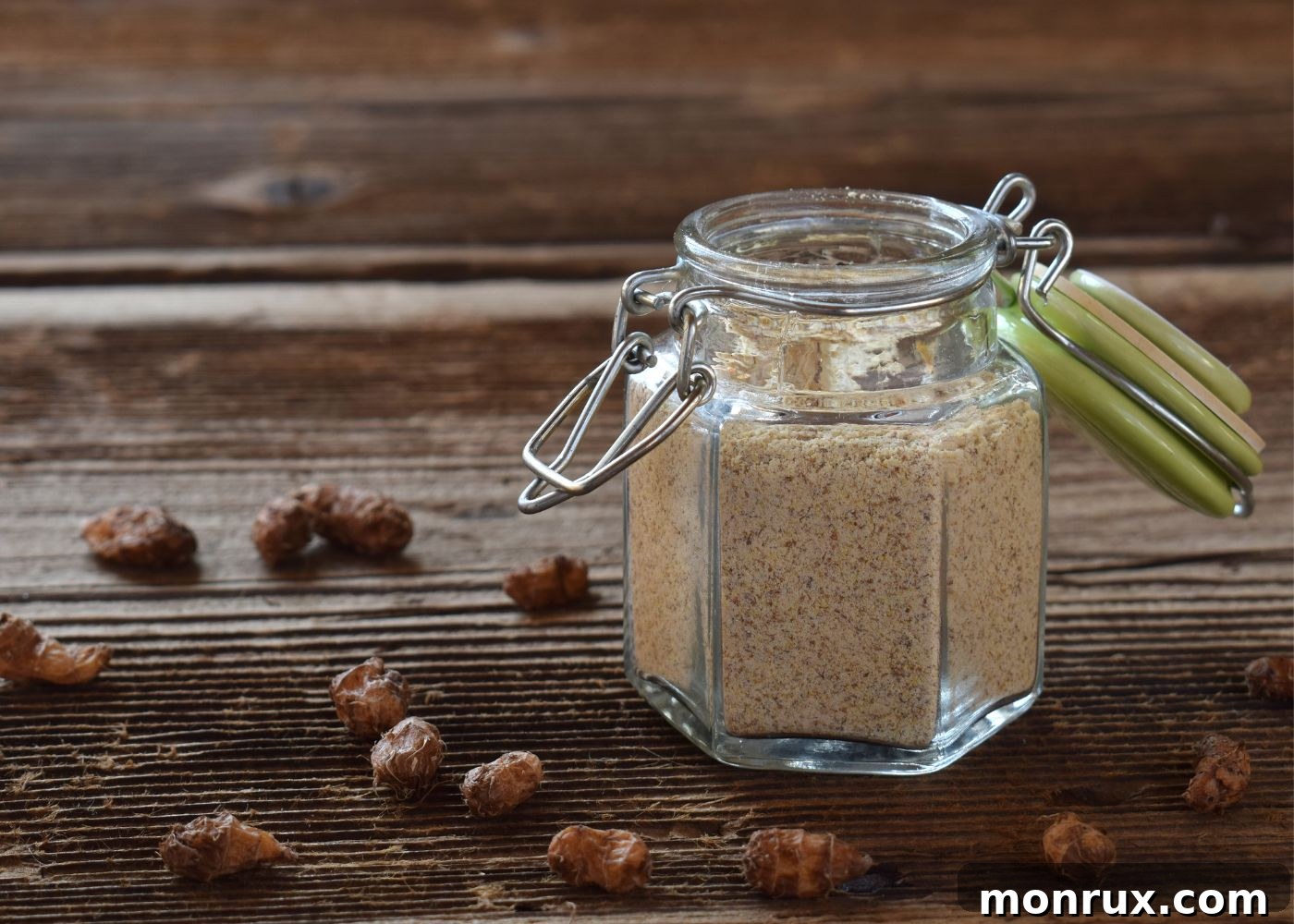
The Ultimate Guide to Tigernut Flour Substitutes: Gluten-Free & Paleo Alternatives
Tigernut flour, derived from small tubers known as tiger nuts, has become a cornerstone for those embracing grain-free, paleo, and gluten-free dietary lifestyles. Its unique sweet, nutty flavor and fine texture make it a versatile ingredient in healthy baking. However, finding tigernut flour can sometimes be a challenge, or perhaps you’re simply looking to experiment with different textures and flavors. This comprehensive guide explores the best gluten-free and grain-free substitutes for tigernut flour, helping you achieve perfect results in all your culinary creations.
Understanding Tigernut Flour
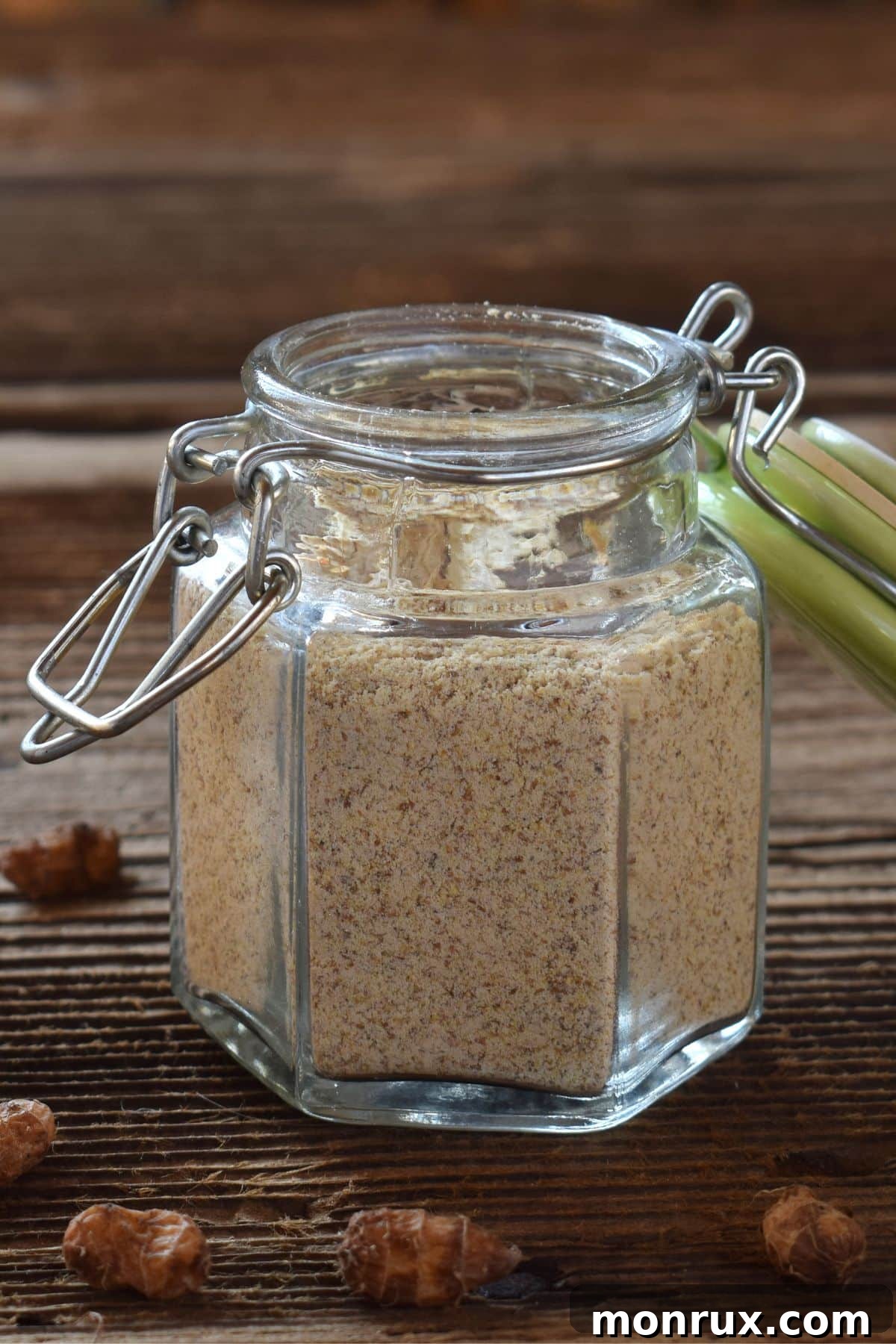
Before diving into substitutes, let’s appreciate what makes tigernut flour so special. Tiger nuts (Cyperus esculentus) are not actually nuts, but small, wrinkled tubers that grow underground, primarily in Africa and the Mediterranean regions. They have been cultivated for thousands of years and were a staple in ancient diets, prized for their nutritional value and natural sweetness.
When ground into flour, these tiny tubers yield a soft, slightly sandy flour with a distinctive sweet and subtly nutty taste, often described as a cross between almond and coconut. Its texture is remarkably similar to wheat flour, making it an excellent 1:1 replacement in many recipes. Tigernut flour is naturally high in fiber, particularly resistant starch, which acts as a prebiotic, feeding beneficial gut bacteria and supporting digestive health. It’s also a good source of magnesium, potassium, and vitamins C and E, contributing to its status as a nutrient-dense superfood in the realm of ancestral diet styles and clean eating.
You can typically find tigernut flour in the baking aisle of most health food stores or online specialty retailers, though its availability can sometimes vary.
Why You Might Need a Tigernut Flour Substitute
While tigernut flour is an excellent choice for many, there are several reasons why you might need a suitable alternative:
- Availability: Despite its growing popularity, tigernut flour isn’t always readily available in all local grocery stores, especially outside of major health food chains.
- Cost: Specialty flours like tigernut can sometimes be more expensive than other gluten-free options, making substitutes a more budget-friendly choice.
- Specific Recipe Needs: Different flours offer varying textures, moisture levels, and binding properties. Depending on your desired outcome (e.g., a crisp cookie, a fluffy muffin, a dense bread), another flour might be a better fit.
- Flavor Preference: While subtle, tigernut flour has a distinct sweet and earthy note. Some bakers might prefer a more neutral flavor profile, or wish to introduce other flavors through their flour choice.
- Dietary Restrictions/Allergies: Though tigernut is technically a tuber and not a nut, individuals with severe nut allergies may still approach it with caution or simply prefer to avoid it for peace of mind.
Understanding these factors will help you choose the best substitute to keep your gluten-free and grain-free baking journey smooth and delicious.
Top 7 Gluten-Free & Grain-Free Tigernut Flour Substitutes
If you find yourself without tigernut flour, fear not! Here are several fantastic gluten-free and grain-free alternatives, complete with substitution ratios and tips for optimal results in your baking.
1. Cassava Flour
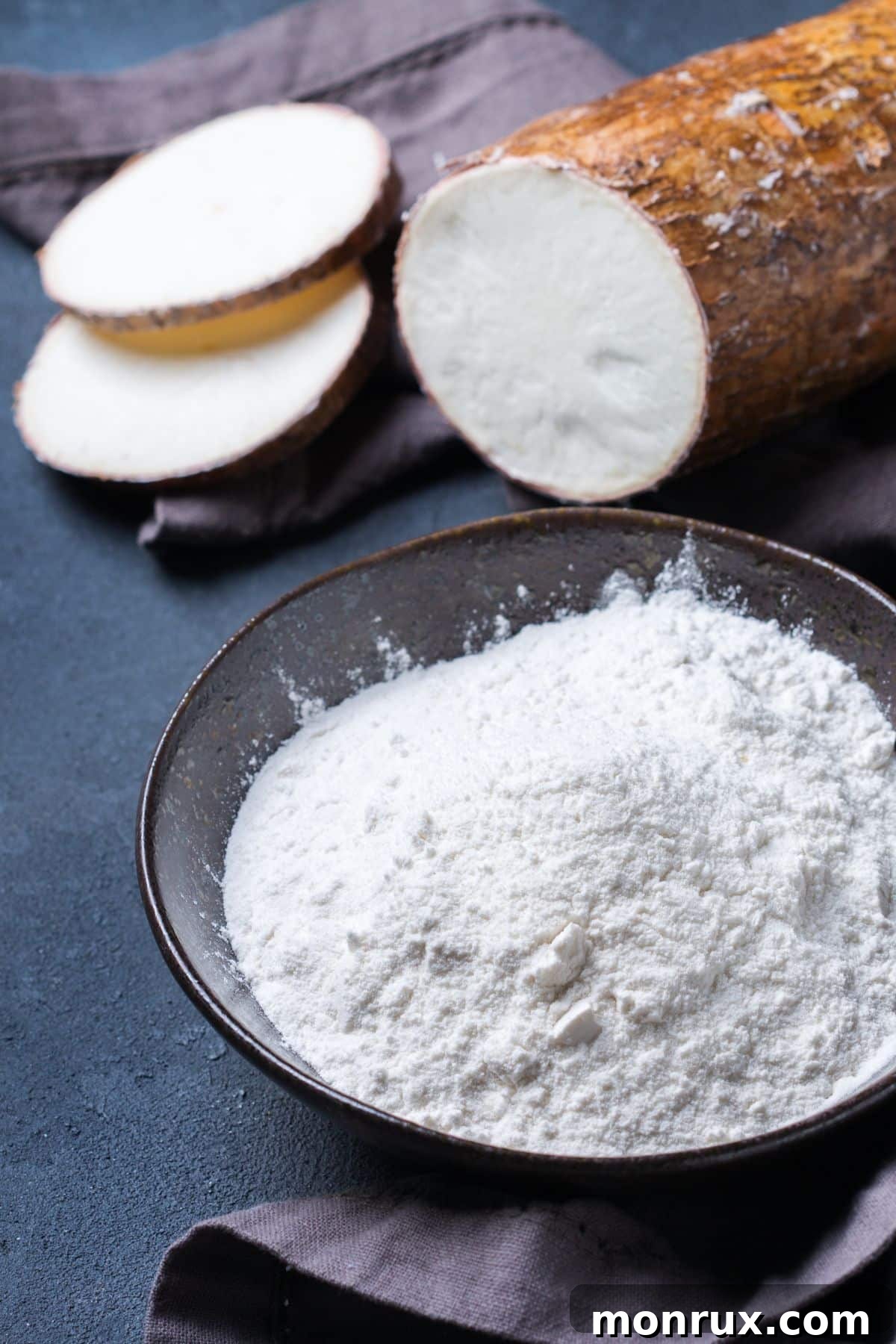
Cassava flour is a remarkably versatile, gluten-free, and grain-free flour derived from the entire cassava root (also known as yuca). Native to South America, the cassava plant has been a dietary staple for centuries. The root is peeled, dried, and then ground into a fine, soft powder. Unlike tapioca flour, which is just the starch from cassava, cassava flour utilizes the whole root, providing more fiber and making it a more substantial flour for baking.
It possesses a mildly sweet, almost neutral taste, making it ideal for both sweet and savory recipes without imparting a strong flavor of its own. Its fine texture and excellent binding properties make it a top contender for replicating the consistency of wheat flour in many recipes. Cassava flour is also a great option for those with nut allergies, offering a safe and effective alternative to nut-based flours.
Its ability to absorb liquid and provide structure means it can often be used as a direct substitute in many recipes, making the transition to grain-free baking much simpler. I love using it for delicious treats like Cassava Muffins, crafting the perfect Cassava Pizza Crust, and baking delightful Cassava Cookies! For more insights, be sure to read my article comparing cassava vs. tapioca flour.
Substitution Ratio: To substitute one cup of tigernut flour, use one cup of cassava flour.
2. Almond Flour
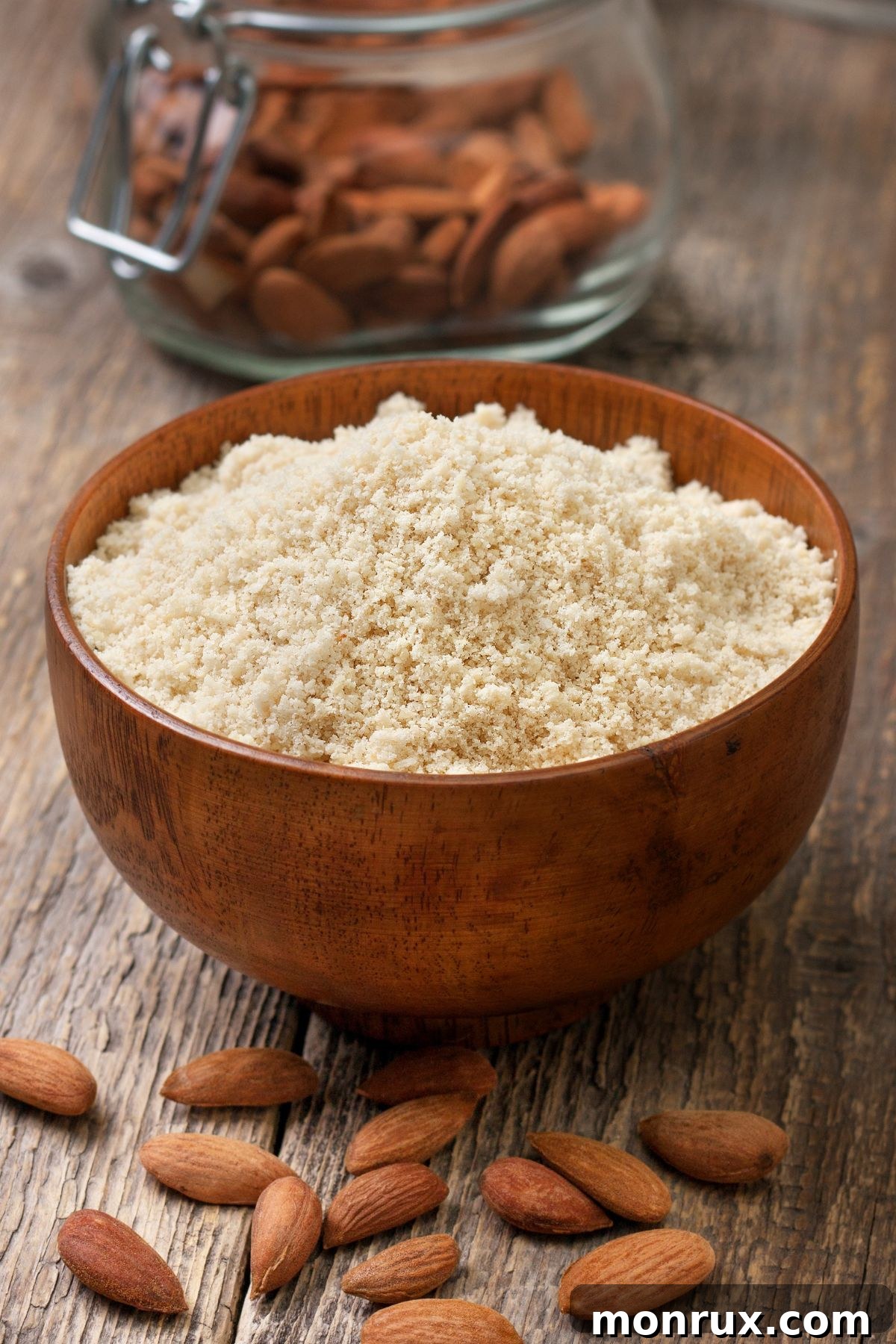
Almond flour is a highly popular and versatile gluten-free and grain-free alternative, made from blanched, finely ground almonds. It’s a favorite for many following paleo, keto, and low-carb diets due to its nutritional profile: rich in Vitamin E, magnesium, healthy fats, and protein, while being low in carbohydrates. This combination not only makes it a healthier choice but also contributes to a feeling of satiety.
With its mild, slightly sweet, and nutty flavor, almond flour lends a delicate taste and moist crumb to baked goods. It’s excellent for creating tender cakes, chewy cookies, and fluffy muffins. Its richness can also add a delightful depth to savory dishes as a coating or thickener. As a gluten-free flour, it’s a fantastic option for individuals with Celiac disease or gluten sensitivities, offering a delicious way to enjoy baked goods without wheat.
When baking with almond flour, you might notice that it absorbs less liquid than grain-based flours, contributing to a wonderfully moist texture. However, it doesn’t provide the same structure as gluten, so it’s often combined with other flours or binding agents in more complex recipes. Explore its potential with my recipes for Almond Flour Banana Muffins or classic Almond Flour Peanut Butter Cookies.
Substitution Ratio: To substitute one cup of tigernut flour, use one cup of almond flour.
3. Tapioca Flour
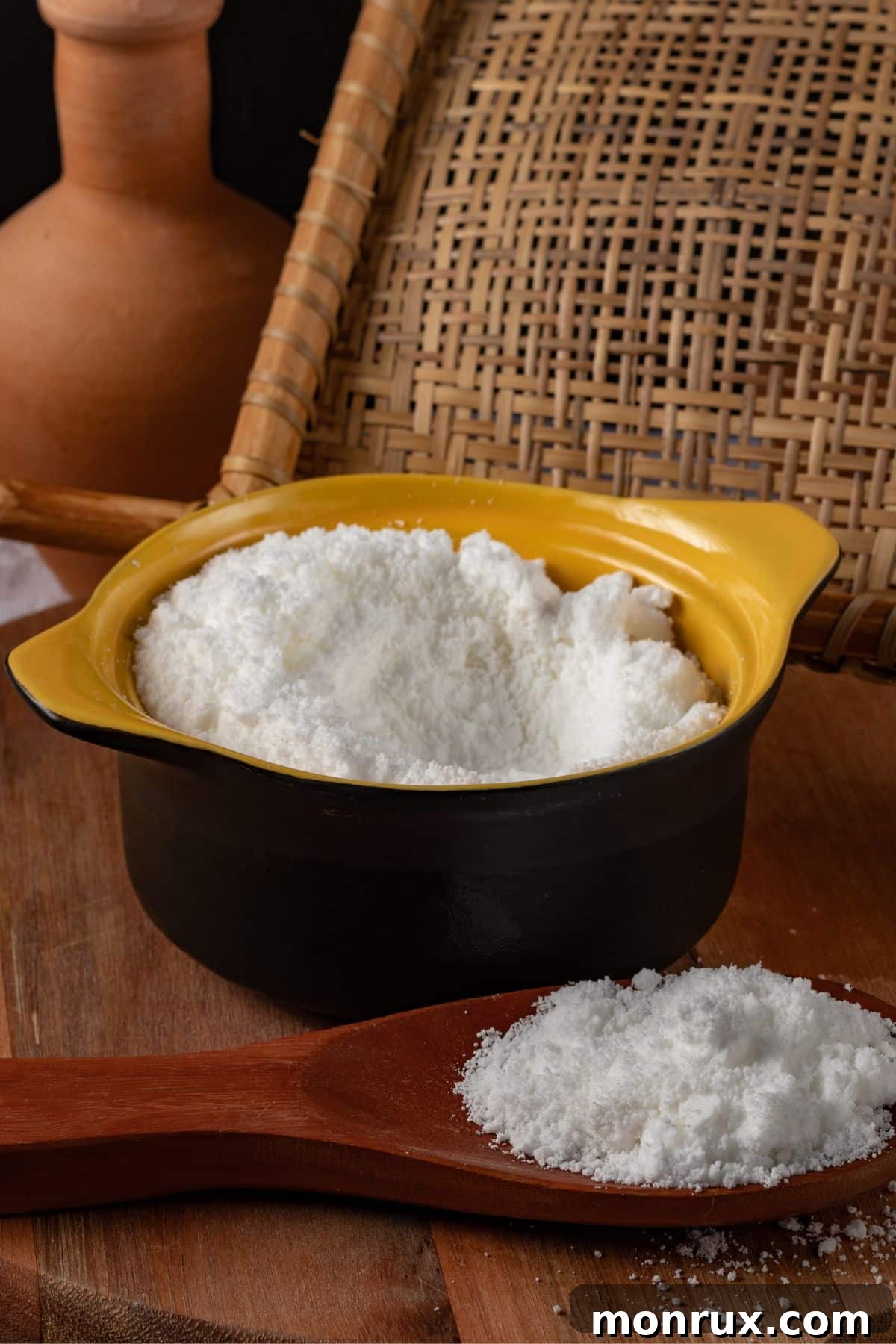
Tapioca flour, also known as tapioca starch, is a fine, white, gluten-free starch extracted from the cassava root. Unlike cassava flour, which uses the whole root, tapioca is purified starch, resulting in a very light, powdery texture. It’s largely flavorless, making it an excellent addition to recipes where you want to avoid altering the taste profile.
Its primary role in baking is to add chewiness and crispness, and it acts as a superb thickening agent for sauces, gravies, and pie fillings. In gluten-free baking, tapioca flour is invaluable for improving the texture of baked goods, preventing crumbling, and providing a desirable stretchy quality. It helps to bind ingredients together, making it a common component in many gluten-free flour blends. While it doesn’t offer the same nutritional density as whole flours, its functional properties are indispensable for achieving appealing textures in grain-free recipes.
Because of its ability to create a pleasant chew, tapioca flour is particularly good for gluten-free breads, pizzas, and pastries, helping to mimic the elasticity usually provided by gluten. It’s also great for creating a crispy crust on fried foods. When substituting, remember its role is more about texture and binding than providing bulk or significant nutritional value.
Substitution Ratio: To substitute one cup of tigernut flour, use one cup of tapioca flour.
4. Coconut Flour
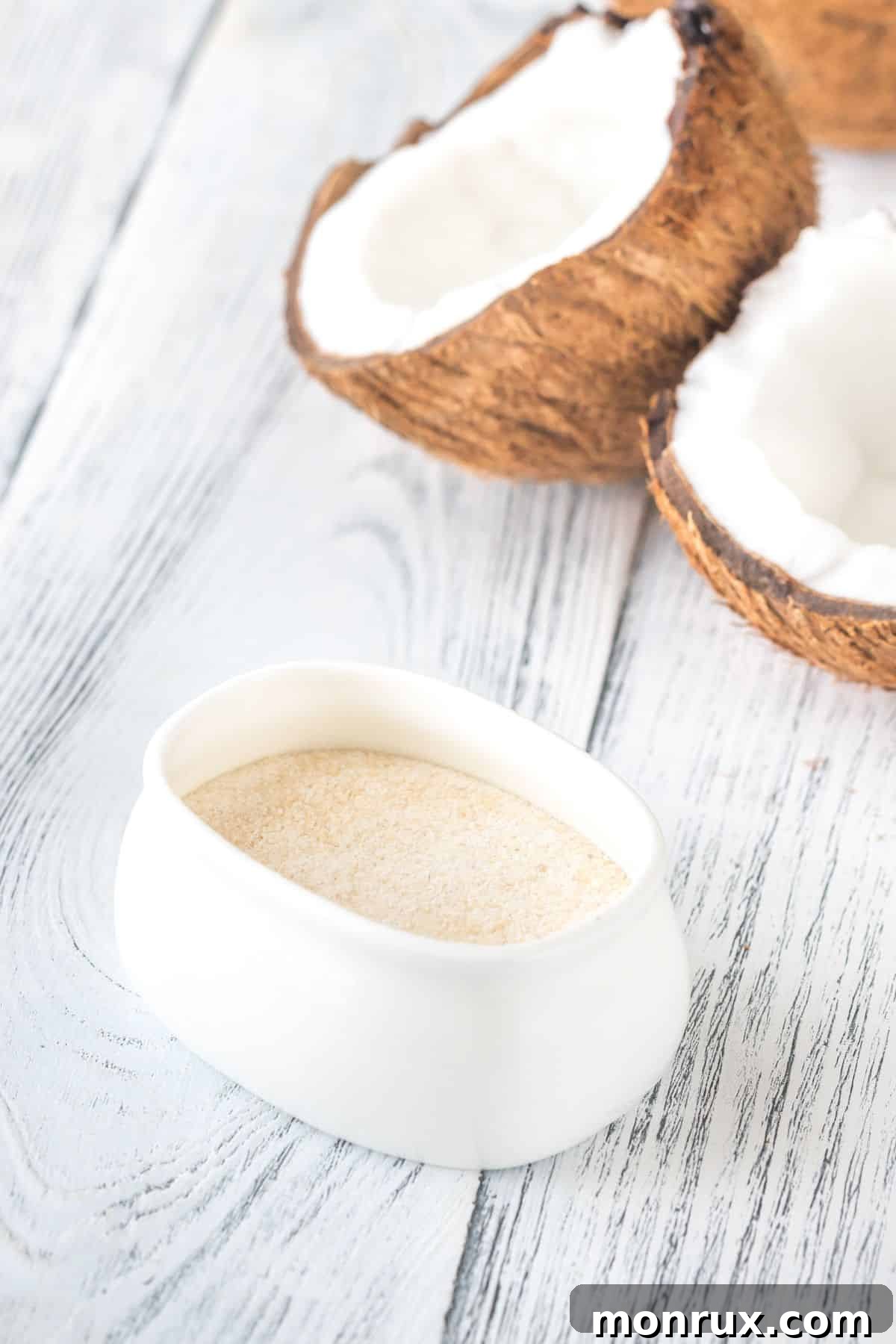
Coconut flour is a unique, gluten-free, and grain-free flour made from dried coconut meat that has been defatted and ground into a fine powder. It stands out for its exceptionally high fiber content and protein, making it a favorite among those on gluten-free, low-carb, and keto diets. Coconut flour is also dairy-free and, botanically speaking, is derived from a fruit, making it suitable for many with nut allergies (though some individuals may still react).
Its distinct mild coconut flavor can add a tropical note to your baking, complementing both sweet and certain savory dishes. However, the most crucial characteristic of coconut flour is its incredible absorbency. It acts like a sponge, soaking up a significant amount of liquid, far more than most other flours. This means that a little goes a very long way, and direct 1:1 substitutions with other flours are generally not recommended.
When baking with coconut flour, expect to drastically reduce the amount of flour and increase the liquid in your recipe to prevent dry, crumbly results. It works wonderfully for creating moist, dense baked goods like muffins, quick breads, and certain cookies. It also pairs well with eggs, as they help to provide structure and moisture. Always start with a smaller amount and adjust until the desired consistency is achieved. For inspiration, try my Coconut Flour Chocolate Chip Muffins.
Substitution Ratio: To substitute one cup of tigernut flour, use approximately 1/2 cup of coconut flour, and be prepared to add extra liquid (like eggs or milk) to maintain moisture.
5. Arrowroot Flour
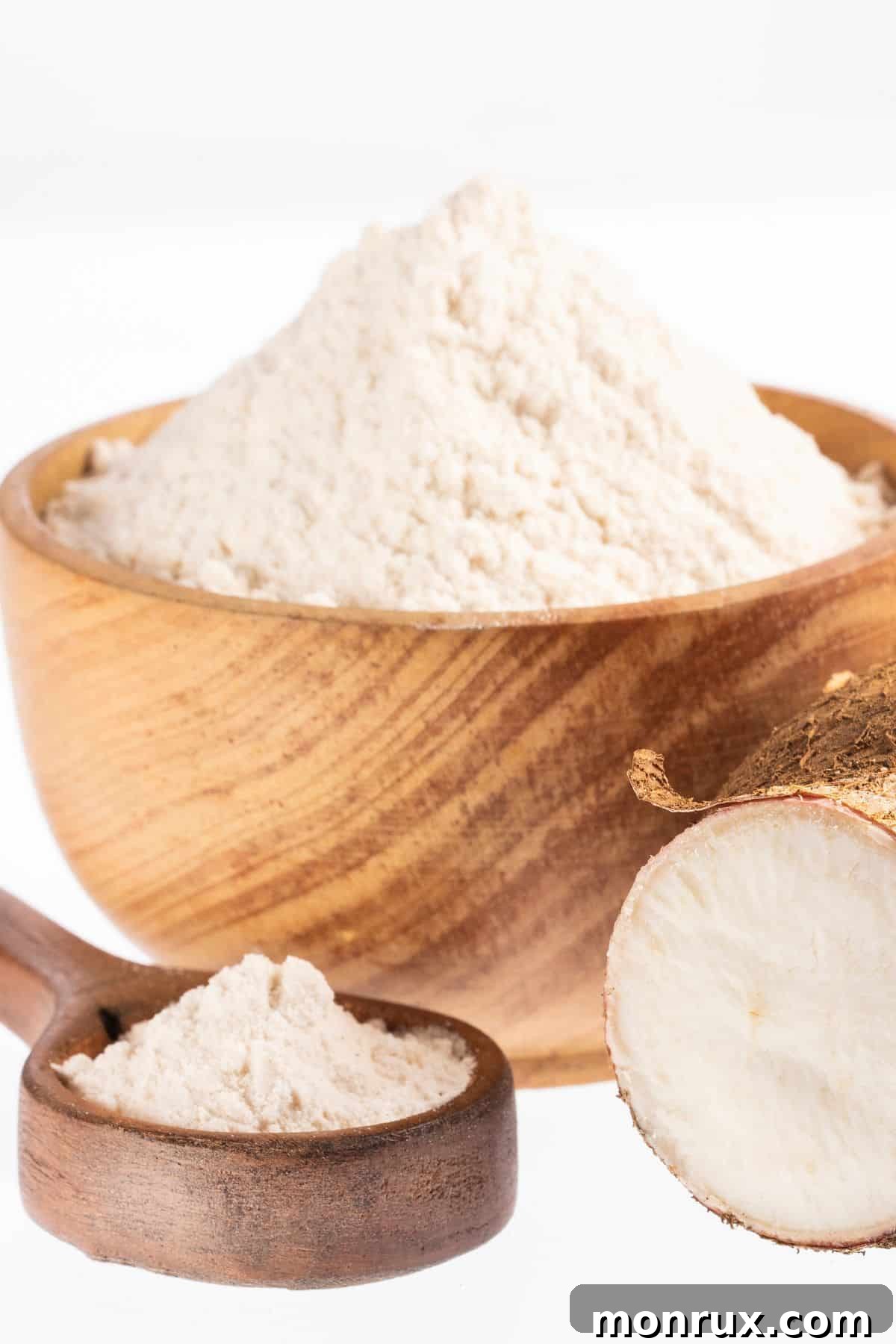
Arrowroot flour, or arrowroot starch, is a light, easily digestible starch extracted from the root of several tropical plants, most commonly the Maranta arundinacea plant. Similar to tapioca, it is a pure starch, which means it’s incredibly fine, white, and has a neutral taste. This neutrality makes it an ideal thickening agent that won’t interfere with the flavor profile of your dishes, unlike cornstarch, which can sometimes leave a starchy taste.
In baking, arrowroot flour is typically used in smaller quantities as part of a gluten-free flour blend to improve texture. It helps to create a light, tender, and sometimes crisp texture in baked goods. It’s particularly useful for achieving a delicate crumb in cakes and cookies, and for adding a pleasant crispness to gluten-free crusts. Arrowroot is also an excellent substitute for cornstarch in sauces, gravies, and fruit pie fillings, providing a clear, glossy finish without cloudiness.
Beyond baking, arrowroot flour is a good source of dietary fiber and is low in calories, making it a healthy choice for adding substance without heavy carbs. It’s particularly effective in recipes that need to be reheated, as it stands up well to temperature changes without breaking down, unlike some other starches. Its versatility and allergen-friendly nature make it a valuable ingredient in any grain-free kitchen.
Substitution Ratio: To substitute one cup of tigernut flour, use one cup of arrowroot flour, often in combination with another more substantial flour for best results in baking.
6. Buckwheat Flour
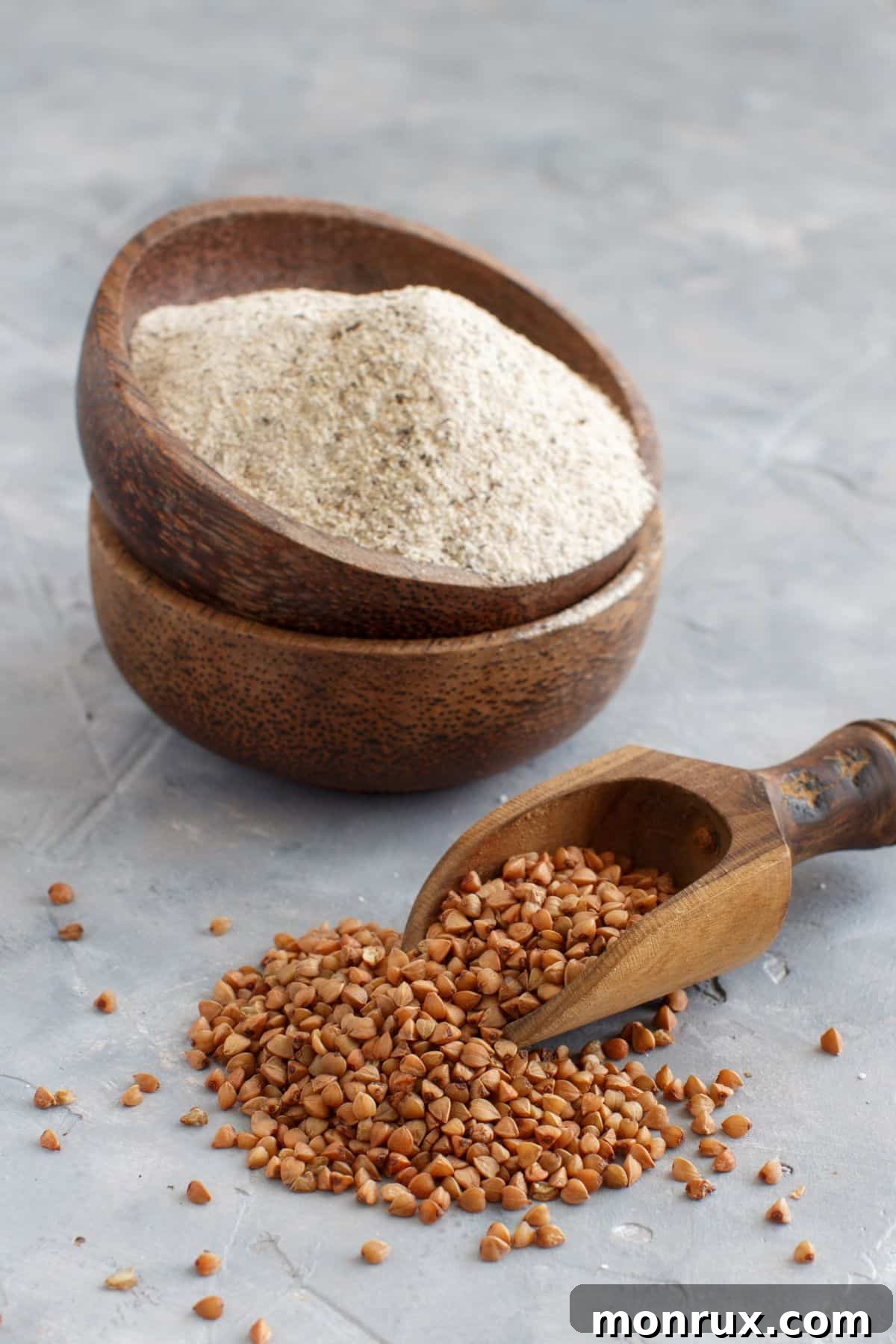
Buckwheat flour is a naturally gluten-free flour made from the seeds of the buckwheat plant, which is actually a pseudo-cereal, related to rhubarb, not wheat. Despite its name, it contains no wheat and is a fantastic option for those with gluten sensitivities or Celiac disease. Buckwheat flour is highly nutritious, packed with fiber, protein, and a range of minerals, including magnesium and manganese. Its complex carbohydrate profile also contributes to sustained energy release.
It has a distinctive, robust, and slightly earthy or nutty flavor that works exceptionally well in rustic baked goods. This flavor can be quite strong, so it’s often best used in combination with other milder gluten-free flours to create a balanced taste. Buckwheat flour is a staple in many traditional cuisines, used for making everything from Japanese soba noodles to French galettes and Russian blinis.
When baking with buckwheat flour, remember that it lacks gluten, which means it won’t provide the elasticity and structure found in wheat flour. For optimal results, especially in yeast-leavened breads, it’s advisable to combine it with other gluten-free flours such as rice flour or almond meal, and possibly a binding agent like xanthan gum. It excels in recipes like pancakes, waffles, quick breads, and certain cookies where its unique flavor can truly shine. Its darker color also adds a pleasing aesthetic to baked goods.
Substitution Ratio: To substitute one cup of tigernut flour, use one cup of buckwheat flour, keeping its strong flavor profile in mind.
7. Gluten-Free Baking Blends
For those navigating the world of gluten-free baking, a pre-made gluten-free baking flour blend can be an absolute lifesaver. These blends are expertly formulated to mimic the properties of traditional wheat flour, providing convenience and reliable results without the guesswork of mixing multiple single-ingredient flours.
Typically, these blends combine a variety of gluten-free grains and starches, such as rice flour (brown or white), tapioca flour, potato starch, and sometimes xanthan gum or guar gum as a binding agent. This combination works synergistically to achieve a balanced texture, flavor, and structure in your baked goods, making them a fantastic choice for replacing wheat flour in virtually any recipe. They are designed to be a direct 1:1 substitute for all-purpose wheat flour, simplifying the baking process immensely.
Whether you’re new to gluten-free baking or simply appreciate the ease, a good quality gluten-free baking flour blend offers consistency and versatility. It eliminates the need to buy and store multiple individual flours and ensures your baked goods have the desired texture and rise. Different brands may have slightly different compositions, so it’s worth trying a few to find your favorite. My top recommendation is Bob’s Red Mill Gluten Free 1-to-1 Baking Flour, known for its consistent performance.
Substitution Ratio: To substitute one cup of tigernut flour, use one cup of a gluten-free baking blend.
Nutritional Benefits of Tigernut Flour
Beyond its versatility in grain-free baking, tigernut flour boasts an impressive nutritional profile that makes it a beneficial addition to a healthy diet. It is an excellent source of dietary fiber, crucial for digestive regularity and overall gut health. A significant portion of this fiber is resistant starch, a type of carbohydrate that resists digestion in the small intestine and ferments in the large intestine. This process acts as a powerful prebiotic, nourishing the beneficial bacteria in your gut microbiome. A thriving gut microbiome is linked to numerous health benefits, including improved digestion, enhanced immune function, and even better mood regulation.
Furthermore, tigernut flour is rich in healthy monounsaturated fats, similar to those found in olive oil, which are known to support heart health. It also provides a good array of essential vitamins and minerals. These include magnesium, vital for muscle and nerve function, blood sugar control, and blood pressure regulation; potassium, important for fluid balance and nerve signals; calcium for bone health; and iron, essential for oxygen transport in the blood. Additionally, it contains antioxidants like Vitamin E and Vitamin C, which help protect cells from oxidative damage.
Due to its high fiber and fat content, tigernut flour can contribute to feelings of fullness and satiety, which can be helpful for weight management. Its resistant starch content also has a lower glycemic index, meaning it causes a slower, more gradual rise in blood sugar compared to refined grain flours, making it a good choice for those monitoring their blood glucose levels. Indeed, as Organic Gemini highlights, tigernuts are a prebiotic food, actively promoting a healthy gut ecosystem.
Best Practices for Baking with Tigernut Flour
While tigernut flour can often be used as a 1:1 substitute for grain-based flours like wheat or rye, understanding its specific properties can help you achieve the best results in your grain-free baking.
- Moisture Absorption: Tigernut flour is quite absorbent, though generally less so than coconut flour. When replacing wheat flour, you may find that your batter or dough needs a little more liquid to achieve the desired consistency. Start by adding a tablespoon or two of extra liquid (water, milk, or a liquid fat) and adjust as needed.
- Lack of Gluten: Like all gluten-free flours, tigernut flour does not provide the elastic structure that gluten offers. This means baked goods might be a bit more dense or crumbly. For recipes requiring more structure, such as breads or cakes, combining tigernut flour with a small amount of a binding agent like xanthan gum, psyllium husk powder, or ground chia/flax seeds can be beneficial. Eggs also play a crucial role in providing structure and moisture in gluten-free baking.
- Flavor Profile: Its naturally sweet and slightly nutty flavor makes it particularly well-suited for sweet baked goods like cookies, muffins, pancakes, and quick breads. It can also be incorporated into savory recipes, where its subtle sweetness adds a unique depth.
- Texture: Tigernut flour produces a fine, somewhat sandy texture in baked goods, similar to a very finely ground almond flour. This can be desirable for cookies and pie crusts, creating a pleasant chewiness or crispness.
- Versatility: Beyond baking, tigernut flour can be used as a grain-free coating for meats or vegetables before frying or baking, providing a crispy exterior. It can also be a healthy addition to smoothies for extra fiber and nutrients.
Experimentation is key in gluten-free baking. Don’t be afraid to adjust liquid amounts and consider blending tigernut flour with other grain-free flours for a balanced texture and flavor profile tailored to your recipe.
More Gluten-Free Baking Resources
Conclusion
Tigernut flour is undoubtedly a star in the world of gluten-free and grain-free baking, offering a delightful flavor and impressive nutritional benefits. However, its occasional scarcity or a desire for variety doesn’t have to hinder your healthy baking endeavors. As we’ve explored, a diverse array of excellent substitutes are available, each with its unique characteristics and applications.
From the neutral versatility of cassava flour and the richness of almond flour to the binding power of tapioca and the high-fiber absorbency of coconut flour, you have many options. Arrowroot flour offers delicate textures, buckwheat flour adds an earthy depth, and convenient gluten-free baking blends simplify the process for consistent results. By understanding the properties and appropriate substitution ratios for these alternatives, you can confidently adapt any recipe, ensuring your baked goods remain delicious, healthy, and perfectly textured.
Embrace the flexibility that these substitutes offer, and continue to explore the exciting possibilities within grain-free and gluten-free baking. With this guide, you’re well-equipped to tackle any recipe, ensuring your kitchen remains a hub of wholesome and delicious creations, no matter your flour availability!
Don’t forget to join my newsletter list to get exclusive clean eating recipes and tips. The newsletter is 100% free with no spam; unsubscribe anytime.
About the Author: Carrie Forrest has a master’s degree in public health with a specialty in nutrition and is a certified holistic nutritionist. She is a top wellness and food blogger with over 5 million annual visitors to her site. Carrie has an incredible story of recovery from chronic illness and is passionate about helping other women transform their health. Send her a message through her contact form.