
How to Get Picky Eaters to Love Vegetables: The Ultimate Guide to 26 Kid-Friendly Veggies
Encouraging healthy eating habits can feel like an uphill battle, especially when you have a picky eater at home. Many children, young adults, and even some adults harbor a strong dislike for vegetables, making mealtime a constant challenge. But what if we told you that overcoming this aversion is entirely possible with the right approach and the right vegetables? This comprehensive guide reveals 26 delicious and non-intimidating vegetables perfect for picky eaters, alongside expert tips on how to prepare and serve them in ways everyone will genuinely enjoy!

The Best Vegetables for Picky Eaters: Introducing Flavor & Fun
This curated list features 26 of the most accessible vegetables to introduce to picky eaters, complete with practical ideas for preparation and serving. The goal is to minimize bitterness, enhance natural sweetness, and offer appealing textures that can gradually transform a vegetable skeptic into an enthusiastic eater.
As someone who once considered myself a “super taster” and a very picky eater, I can personally attest that many of these strategies have been instrumental in my journey to embrace and even love a wide variety of vegetables. It’s all about finding the right starting point and making the experience positive.
For more in-depth guidance, explore our dedicated articles on how to cook vegetables for picky eaters and tips for fostering clean eating habits in children.
1. Carrots
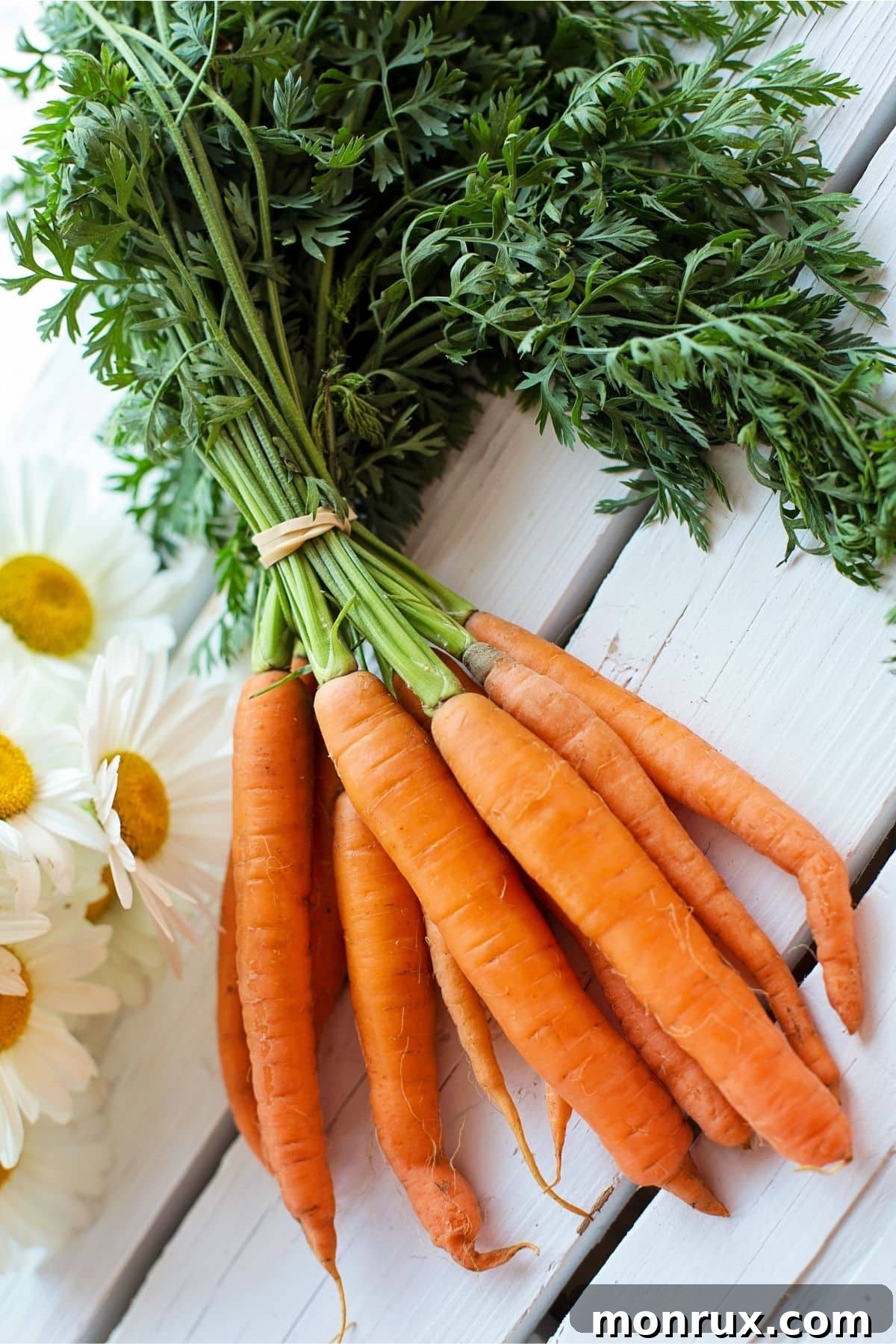
Carrots are a superstar for picky eaters, primarily due to their naturally high sugar content. This inherent sweetness makes them palatable even to sensitive taste buds. They are incredibly versatile and can be served in many appealing ways.
While often enjoyed raw for their satisfying crunch, carrots can also be lightly steamed or roasted to further enhance their sweetness. Raw carrots are fantastic when paired with flavorful dipping sauces like creamy ranch, protein-rich peanut butter, or savory hummus. This allows children to engage with their food and choose how they prefer to eat it.
Consider trying our Raw Carrot Salad recipe or a refreshing Cucumber Carrot Salad – both are simple to make and delightfully tasty. Carrots are also budget-friendly, widely available, and almost always in season. To introduce variety, try shredding carrots into muffins or thin-slicing them for a different texture in salads or as a snack. Even the pickiest eaters might be surprised!
Another excellent option is to make Carrot & Cucumber Juice. Its natural sweetness makes it an enjoyable way to sneak in extra nutrients without a strong “vegetable” taste.
2. Cucumbers
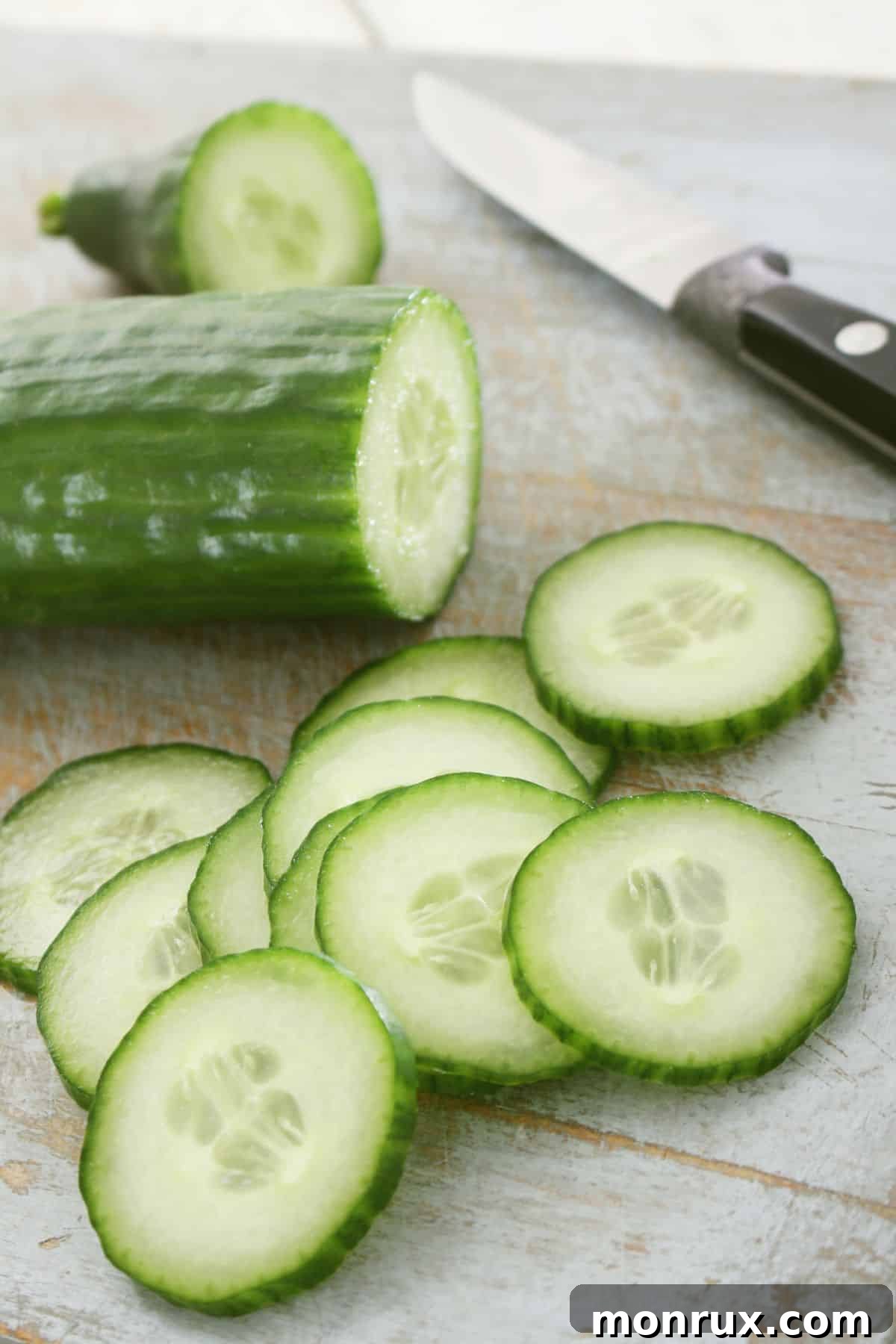
Cucumbers are among the mildest-tasting vegetables available, making them an ideal choice for individuals who typically avoid greens. Their flavor is far from bitter, leaning instead towards a subtly sweet and refreshing profile. For an even milder experience, you can easily peel them, which also helps if there’s an aversion to vegetable skins.
Presentation can significantly influence acceptance. Try peeling alternating stripes into cucumbers before slicing them; this makes them visually appealing and helps fussy eaters overcome resistance to the skin. Notching cucumber slices into flower-like shapes can also brighten any vegetable platter, encouraging curiosity. Their high water content also makes them incredibly hydrating and a perfect cool snack for warm weather.
For a unique twist, consider a chilled Strawberry Cucumber Soup, which essentially combines the familiar taste of a strawberry smoothie with the added goodness of cucumber and coconut milk. Alternatively, our simple Cucumber Juice offers a hydrating and nearly flavorless way to enjoy this healthy vegetable.
3. Celery
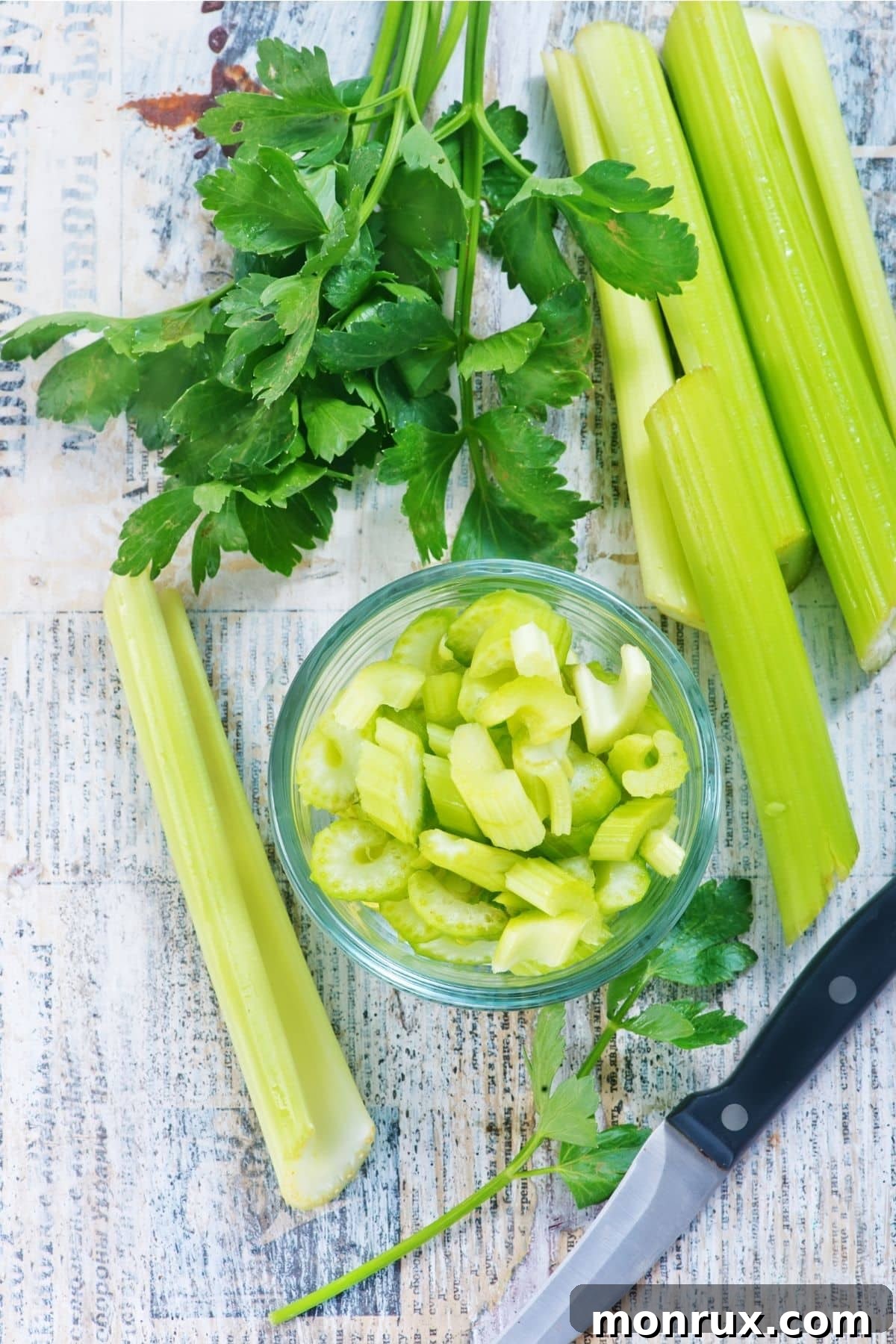
Celery offers a naturally mild and slightly salty flavor, but its fibrous strings can sometimes be a deterrent for picky eaters due to texture sensitivity. However, there’s a simple trick to make it more palatable: peel the celery! By using a vegetable peeler, you can easily remove those tough strings from the outer stalks before cutting them into sticks, resulting in a much smoother, more enjoyable crunch.
Kids often adore celery sticks filled with creamy ingredients like cream cheese or their favorite nut butter, then adorned with a few raisins or mini chocolate chips to create the classic “Ants on a Log.” This interactive snack is a fun, healthy gluten-free and dairy-free option that encourages children to try new foods in an exciting format.
Additionally, you can incorporate celery into celery juice, which can be subtly hidden as a base in fruit smoothies or diluted with water for a less intense flavor, offering a nutritious boost without overwhelming sensitive palates.
4. Sweet Bell Peppers
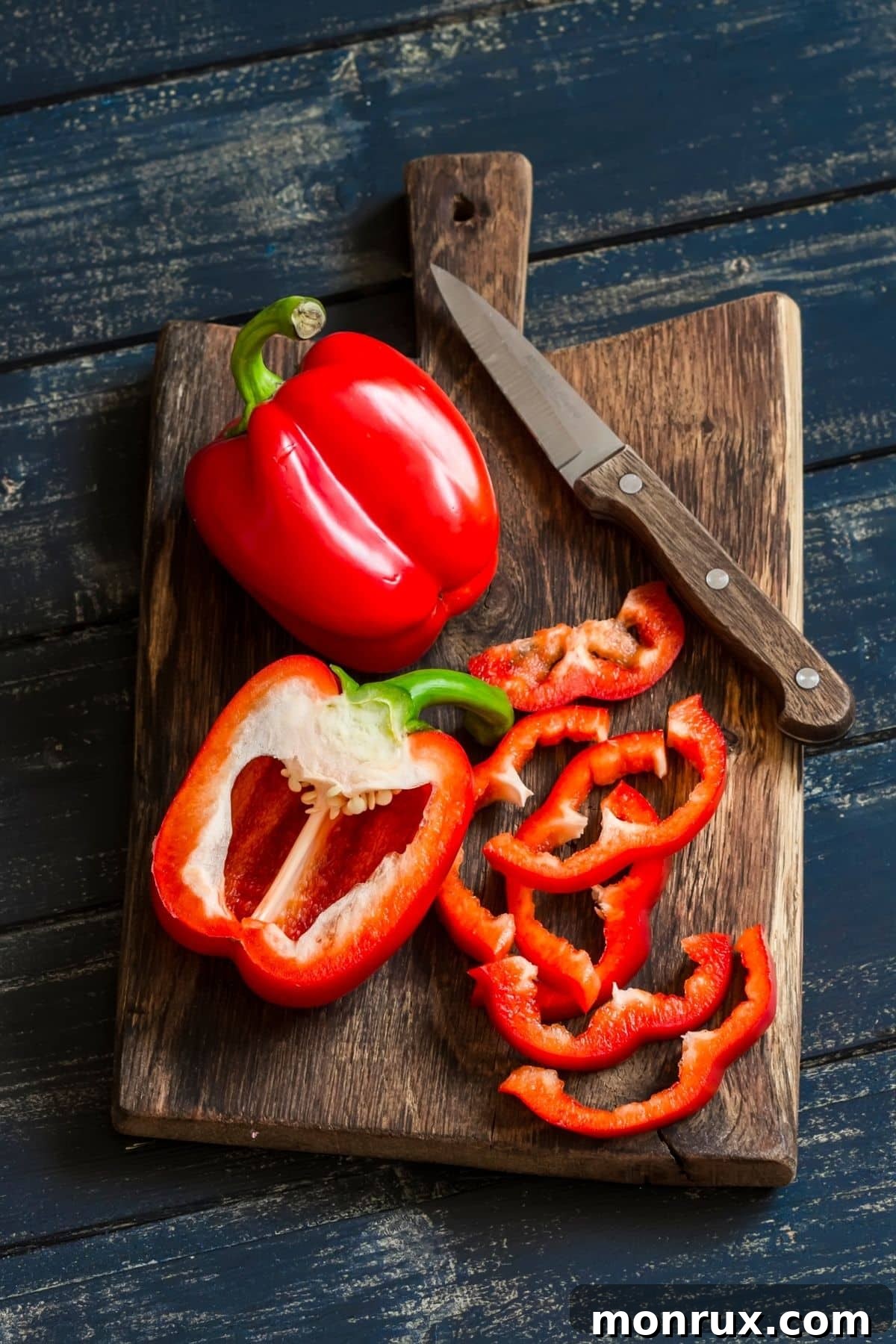
Sweet bell peppers are an excellent choice for picky eaters due to their naturally mild and often sweet flavor profile. Interestingly, different colors of bell peppers offer slightly varied tastes, with red, orange, and yellow varieties generally being sweeter than green ones. Encouraging experimentation with different colors can help find a favorite.
Mini peppers are a particularly appealing option for children, as their smaller size makes them perfect for snacking or for “stuffing” with favorite dips like hummus or cream cheese. Bell peppers are also packed with Vitamin C, making them a fantastic nutritional boost.
Serve them raw as crunchy sticks for dipping, or lightly roast them to bring out their sweetness and create a softer texture that some might prefer. Their vibrant colors and gentle taste make them a visually attractive and palatable addition to almost any meal.
5. Butternut Squash
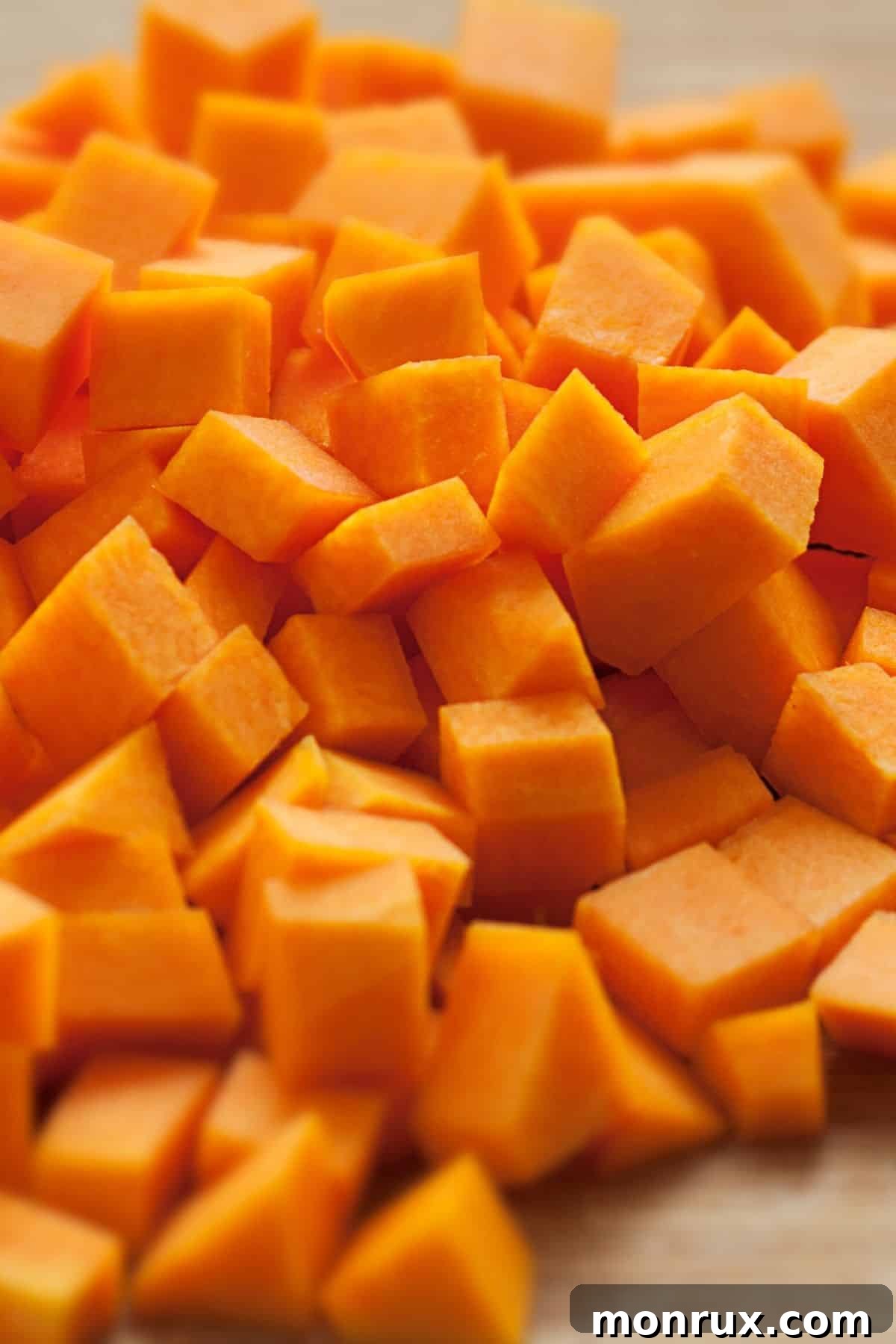
Butternut squash has a wonderfully mild, earthy flavor that intensifies its natural sweetness when roasted. This makes it an ideal vegetable for encouraging picky eaters. When diced and roasted, it develops a slightly caramelized exterior and a tender, creamy interior.
It’s also an excellent ingredient for adding creaminess and a subtle flavor boost to dishes like risotto or cooked rice, where its texture can blend seamlessly. While preparing fresh butternut squash can be challenging, don’t hesitate to opt for the convenience of frozen or pre-diced versions found in your grocery store’s produce section. For ultimate ease, try making Instant Pot Butternut Squash.
Picky eaters often enjoy our recipe for Air Fryer Butternut Squash with Cinnamon, as the cinnamon adds a comforting, dessert-like touch. If direct consumption is still a hurdle, cooked butternut squash can be blended into smoothies, where its subtle taste can be effectively masked by fruits, providing hidden nutrition.
6. Jicama
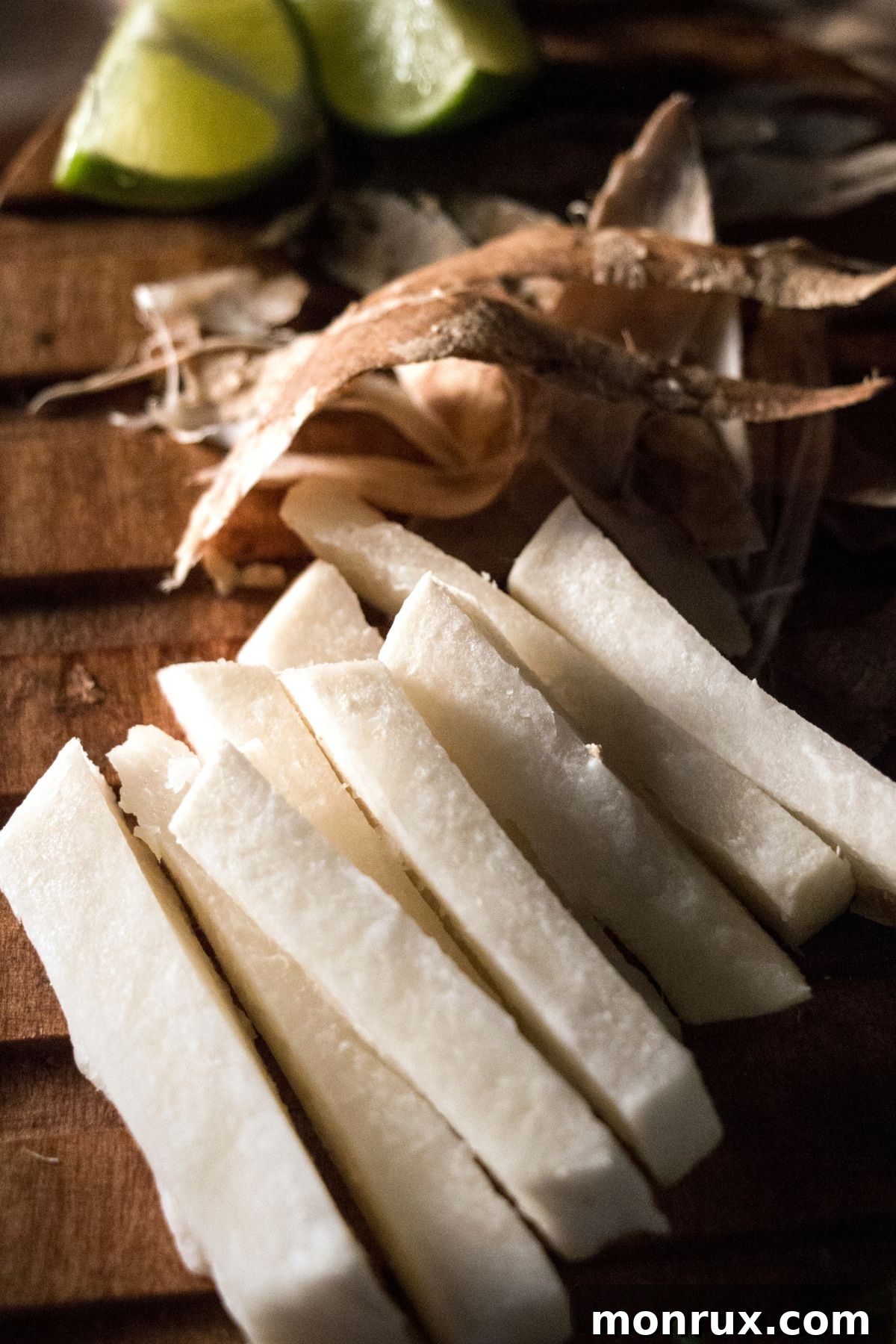
Jicama is a truly underrated vegetable that boasts a mild, slightly sweet flavor and a wonderfully crisp texture, often compared to an apple or a water chestnut. If you haven’t tried it, look for it in the refrigerator section of your local grocery store, available both peeled and unpeeled.
Just like carrots, how you present jicama can make a difference. Always peel it first to remove the tough outer skin. Then, you can slice it into thin rounds, dice it into cubes, or julienne it into matchsticks. It’s fantastic eaten plain, served with a favorite creamy dip like hummus or guacamole, or added raw to a tossed salad for an extra layer of crunch. Its neutral flavor makes it highly adaptable and appealing to sensitive palates, especially when paired with a flavorful sauce that kids often enjoy.
7. Fennel
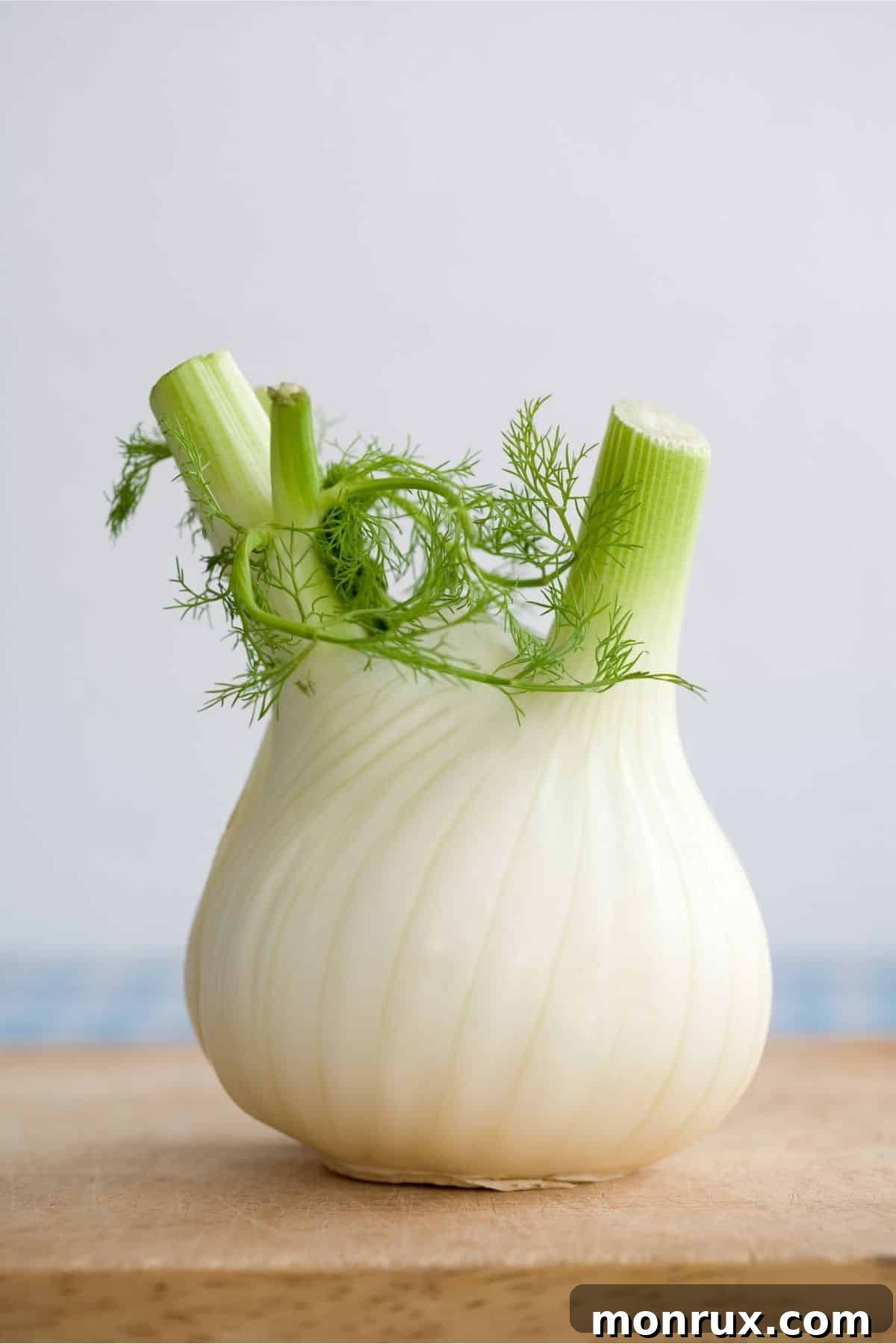
The bulb of the fennel plant has a distinctive, mild licorice-like flavor, but its major advantage for picky eaters is its complete lack of bitterness. While some may find the raw flavor too unique, preparing it cooked can completely change its appeal.
Fennel is incredibly easy to caramelize. Slicing it thinly and cooking it slowly over low heat, much like caramelizing onions, significantly softens its strong flavor and beautifully brings out its natural sugars. This transformation results in a tender, sweet vegetable that can be a delightful surprise, even for those skeptical of its raw taste. Cooked fennel can be added to pasta dishes, roasted alongside other vegetables, or served as a sweet side dish.
8. Spinach
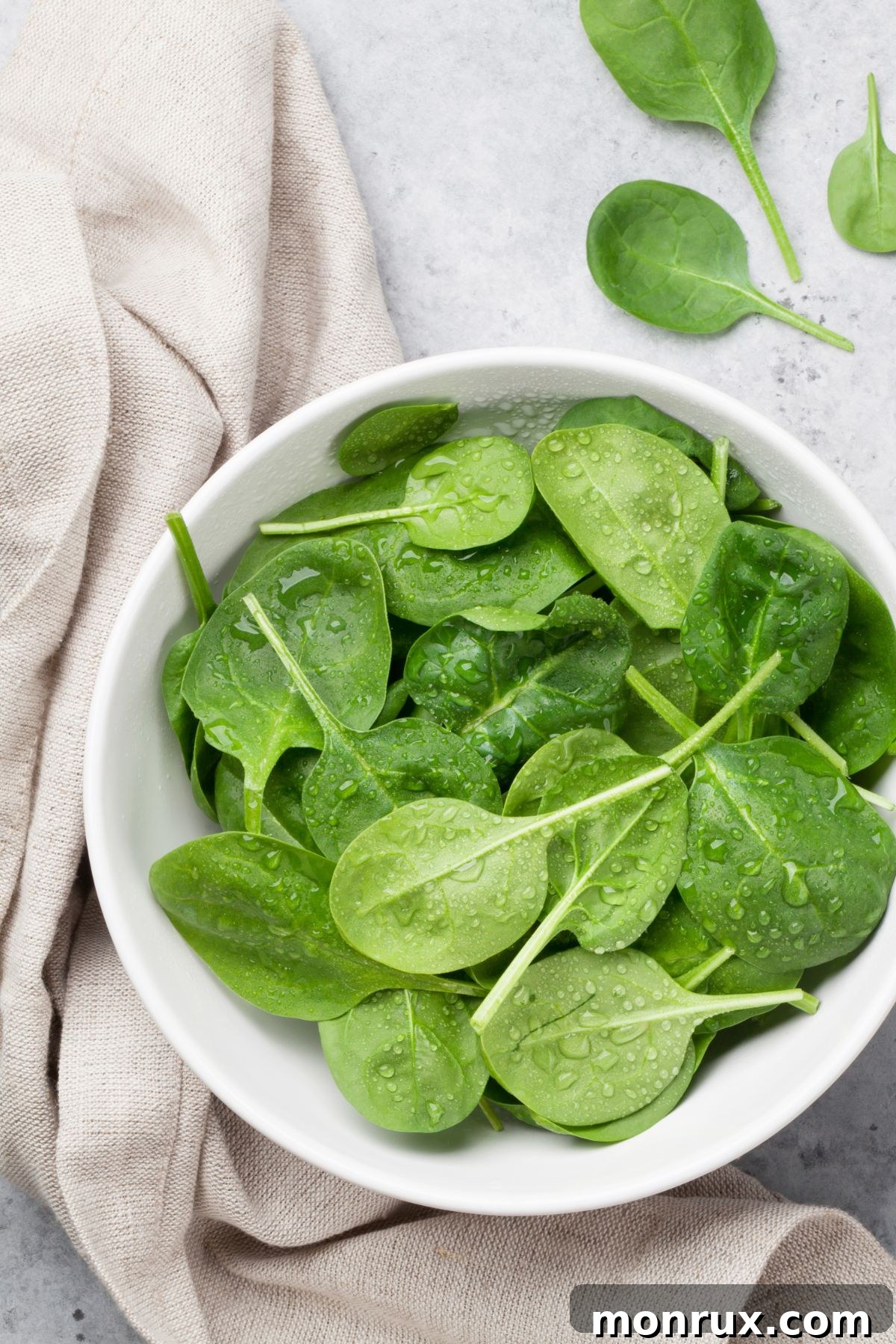
Spinach stands out as one of the best leafy greens for subtly boosting nutrition in the diet of picky eaters. Its mild flavor makes it incredibly easy to hide, especially in smoothies, where its taste is virtually undetectable once blended with fruits. While it will change the color of the smoothie to green or even a muddy brown, children often don’t notice the flavor difference when enjoying their drink!
Spinach is also packed with essential nutrients like iron, Vitamin K, and Vitamin A, making it a powerful addition for the entire family. For inspiration, check out our article on the Health Benefits of Green Smoothies or browse our comprehensive index of healthy smoothies. A particular favorite for fussy children is the Apple Banana Spinach Smoothie, where the sweetness of the fruit perfectly camouflages the spinach.
Beyond smoothies, finely chopped spinach can be stirred into pasta sauces, scrambled eggs, or even baked goods without altering the taste significantly, providing an excellent way to boost daily vegetable intake.
9. Mushrooms
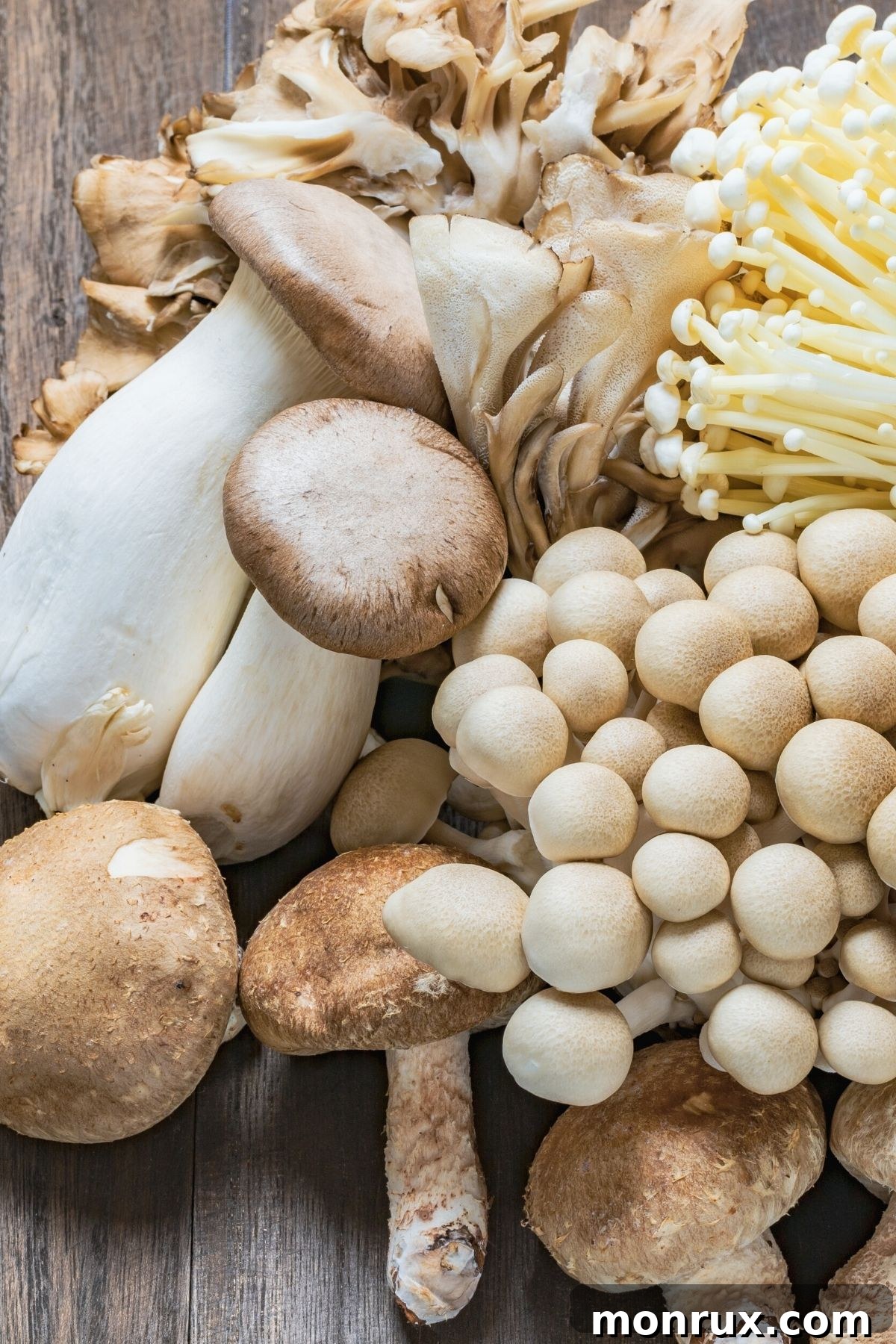
Mushrooms offer a fascinating range of shapes, sizes, and earthy flavors, with most varieties being entirely free of bitterness. Their unique umami taste and meaty texture can be a hit with picky eaters, especially when prepared thoughtfully.
Common white button mushrooms are wonderfully sturdy, making them perfect for serving raw with homemade ranch dip or sliced onto a fresh green salad. When sliced and caramelized slowly on the stovetop, mushrooms develop an even richer, deeper flavor and a tender texture, making them ideal toppings for cooked proteins like steak or chicken, or folded into wraps and quesadillas.
Experiment with different types, such as cremini or portobello, to find what appeals most. Their versatility allows them to blend into various dishes, adding depth and nutrition without being overtly “vegetable-like” in flavor.
10. Baby Bok Choy
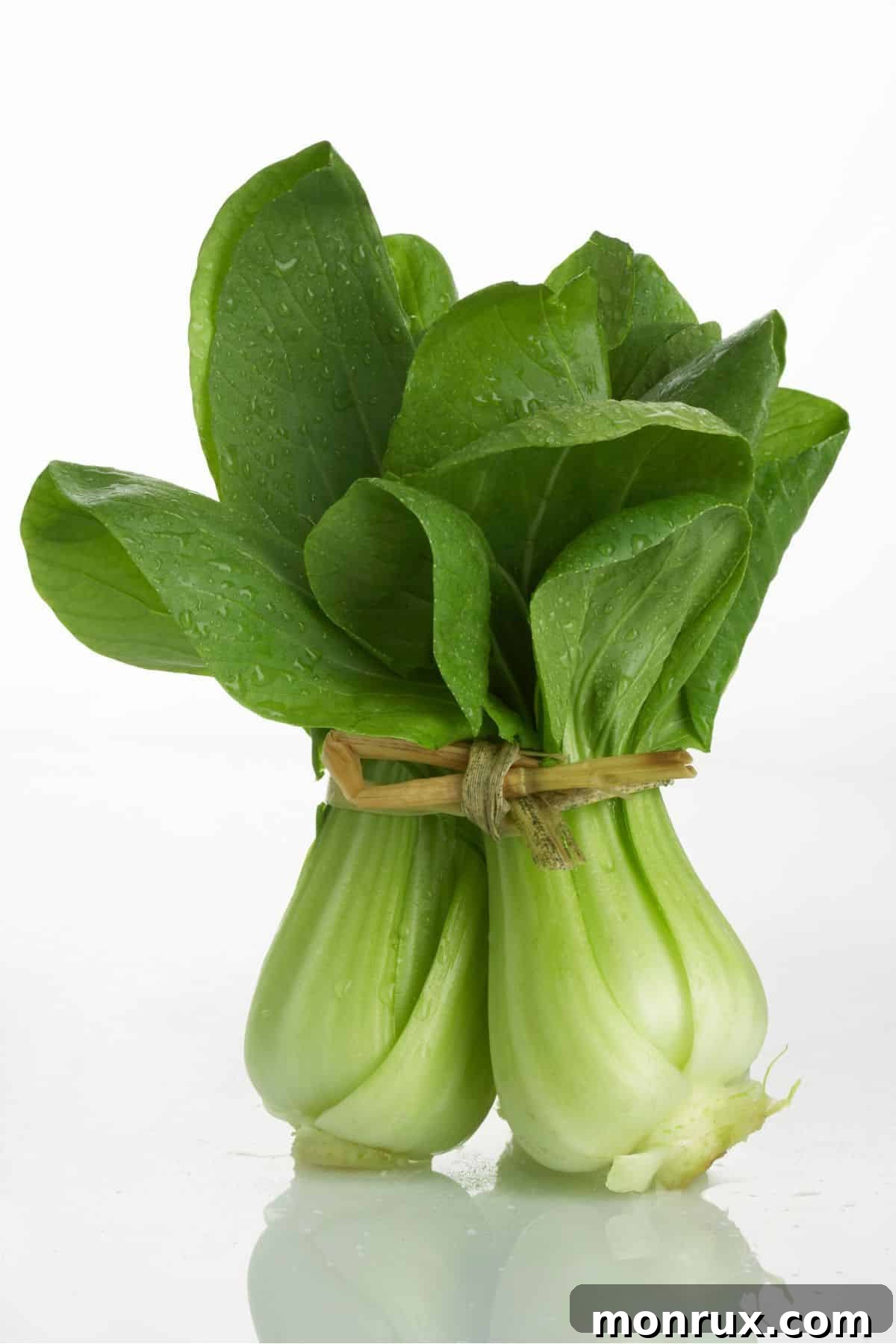
Baby bok choy is an excellent addition to stir-fries and other Asian-inspired dishes, offering a pleasant crispness without any bitterness. The bulb part remains crunchy, while the tender leaves wilt beautifully when cooked, absorbing flavors from sauces exceptionally well. This makes it a fantastic vehicle for introducing savory flavors alongside a healthy green.
As a notable member of the best green vegetables, baby bok choy is not only mild but also highly nutritious. For especially cautious eaters, finely chopping the baby bok choy and incorporating it into rice dishes or noodle bowls can effectively hide its presence while still delivering its beneficial nutrients. Its gentle flavor and adaptable texture make it a winning choice for expanding a picky eater’s palate.
11. Delicata Squash
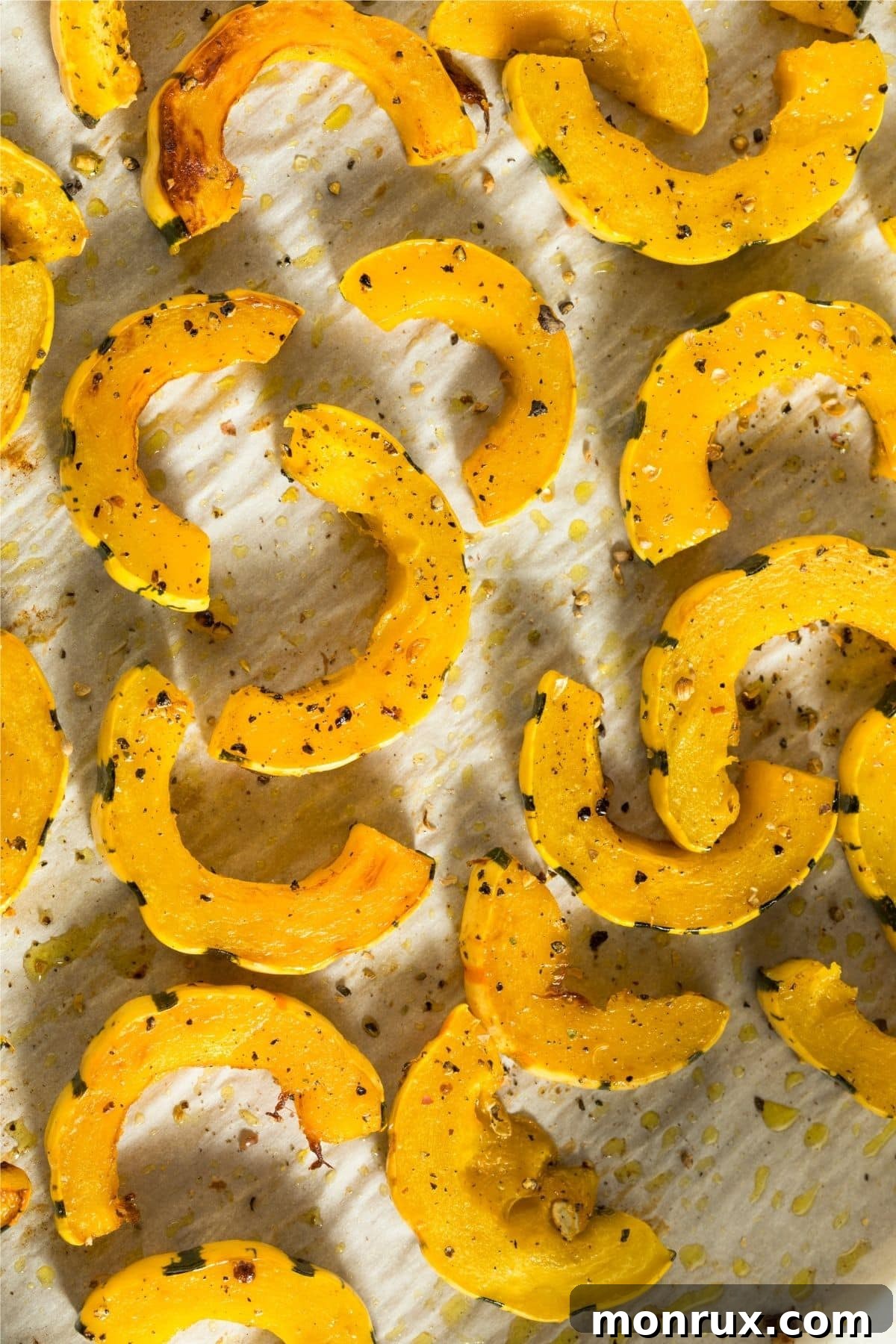
Delicata squash is a delightful winter squash, typically available in stores starting in the fall. It shares a flavor profile with acorn and butternut squash but often boasts an even sweeter taste, making it incredibly appealing to picky eaters. What makes delicata squash particularly convenient is its thin, edible skin, eliminating the need for peeling.
One of the best ways to prepare it is to wash it thoroughly, remove the seeds, and slice it into beautiful half-moon shapes. Then, simply roast it in the oven or prepare Air Fryer Delicata Squash. The roasting process caramelizes its natural sugars, creating a sweet and tender texture with slightly crispy edges that are incredibly yummy. For an extra treat, a touch of honey, maple syrup, or brown sugar can be added before roasting.
Eating the peel not only simplifies preparation but also provides added fiber, making delicata squash a wonderfully nutritious and easy-to-love vegetable.
12. Zucchini Squash
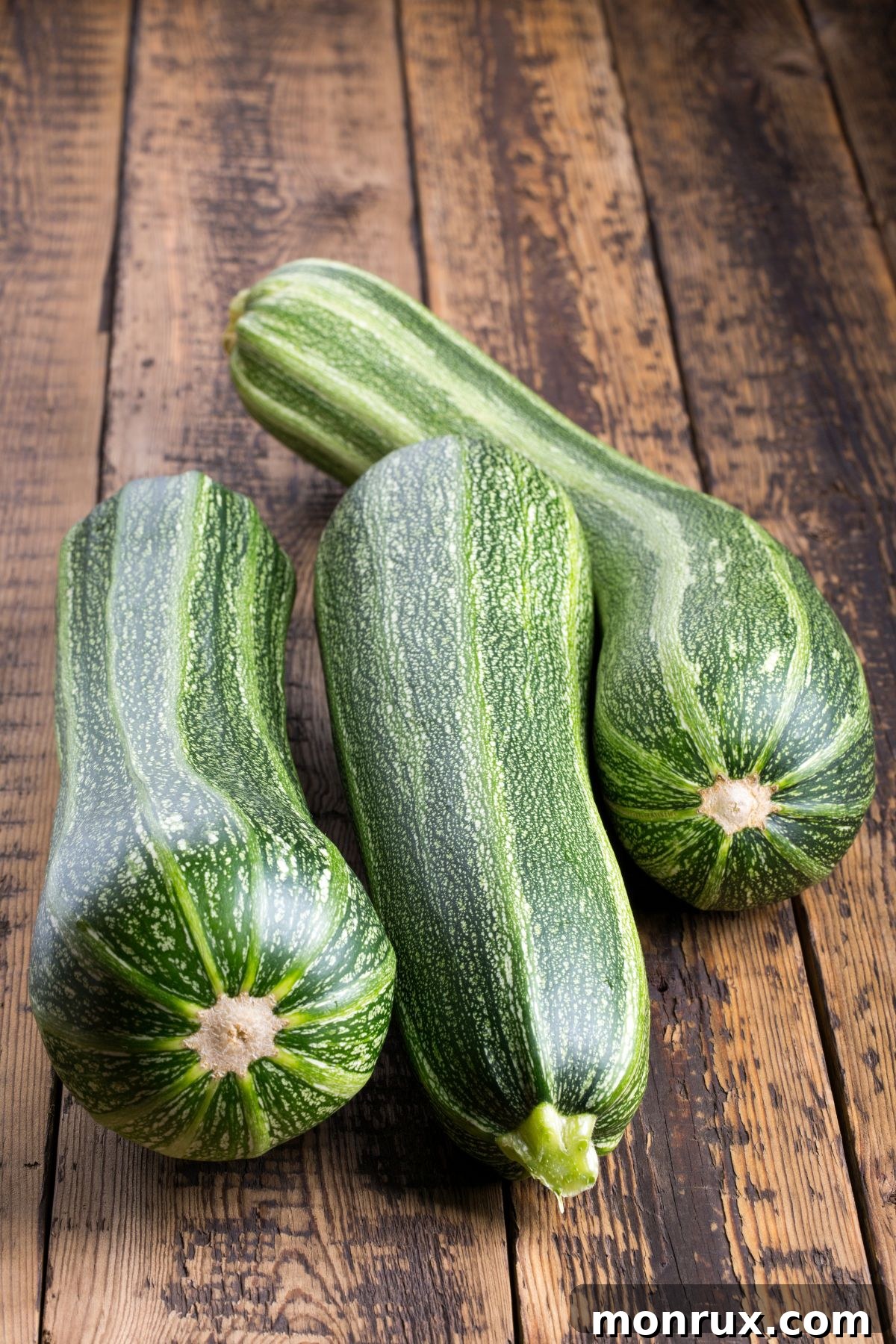
Zucchini, a versatile summer squash, has a high water content and a very mild flavor, making it a great candidate for picky eaters. Its subtle taste means it can easily take on the flavors of accompanying ingredients, making it adaptable to many dishes.
You can dice zucchini and incorporate it into stews like ratatouille, or slice it into thicker rounds and add it to sheet pan roasted vegetables towards the end of cooking to prevent it from becoming overly soft. A fun and creative way to serve zucchini is to hollow it out and use it as a “boat” for savory fillings like rice and meat, much like bell peppers. This adds an element of novelty that can entice children.
Crucially, zucchini can be shredded and baked into a wide array of sweet treats, including breads, muffins, cookies, and even brownies. This is a classic “hide-the-veggie” technique that ensures children get vital nutrients without even realizing it. For those sensitive to any “veggie” flavor, peeling the zucchini before cooking can further reduce its taste and potentially make it easier to digest.
Explore recipes like our Zucchini Strawberry Smoothie or Gluten-Free Zucchini Bread for delicious ways to integrate this healthy squash into a child’s diet.
13. Green Peas
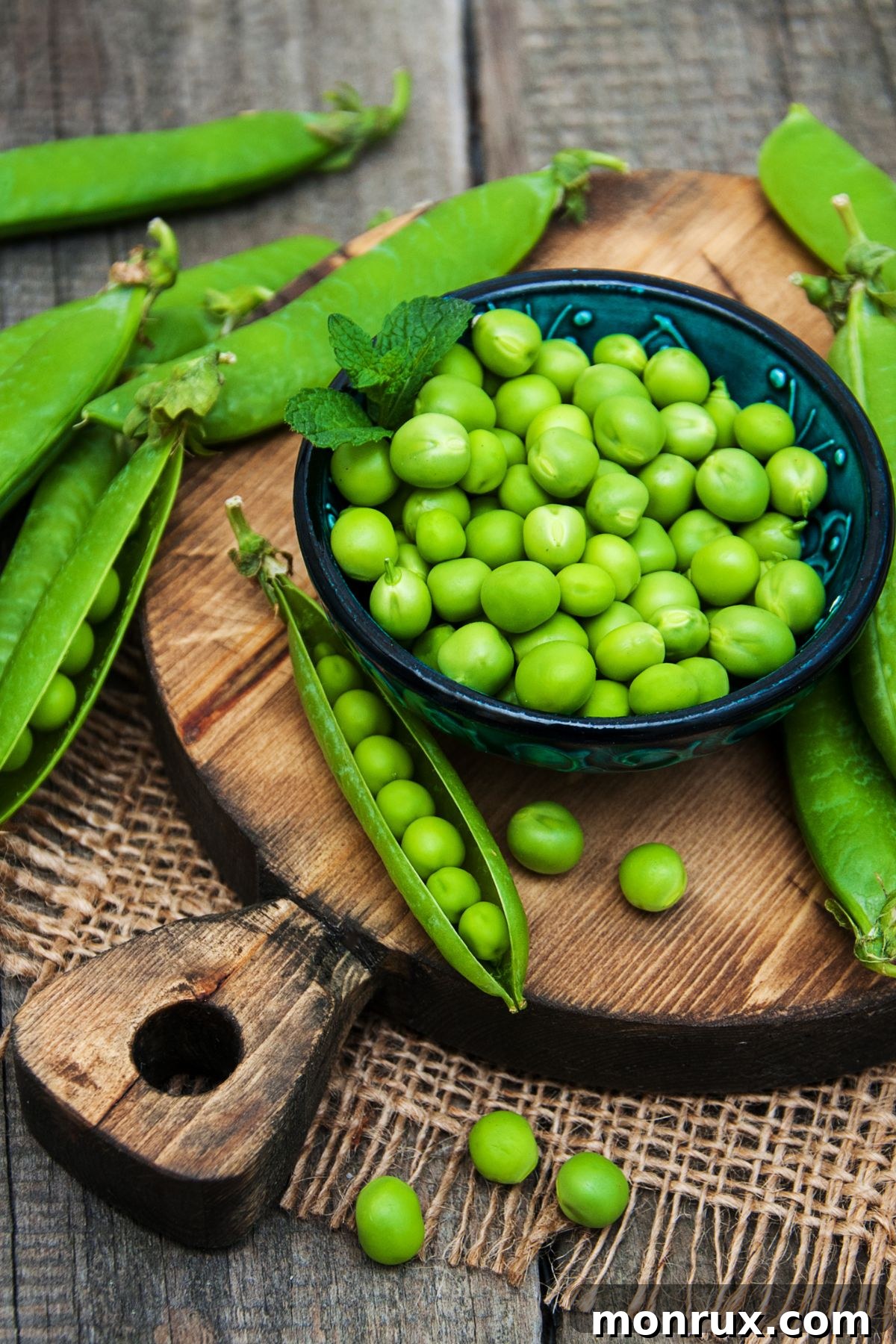
Green peas are naturally sweet and are often one of the first vegetables that children are willing to eat, sometimes even straight from the pod in the garden! Cultivating a small garden and involving kids in the planting and harvesting process is a fantastic, sneaky way to get them excited about vegetables and try new foods.
Peas come in various forms, each offering a slightly different taste and texture. Try petite peas for a sweeter, more tender bite, or regular frozen peas for convenience. Even canned peas, if organic and without excessive added sodium, can be a quick and easy option. Serving them lightly steamed with a touch of butter or a pinch of salt can make them an irresistible side dish. Experimentation with preparation methods can often lead to discovering a new family favorite.
14. Romaine Lettuce
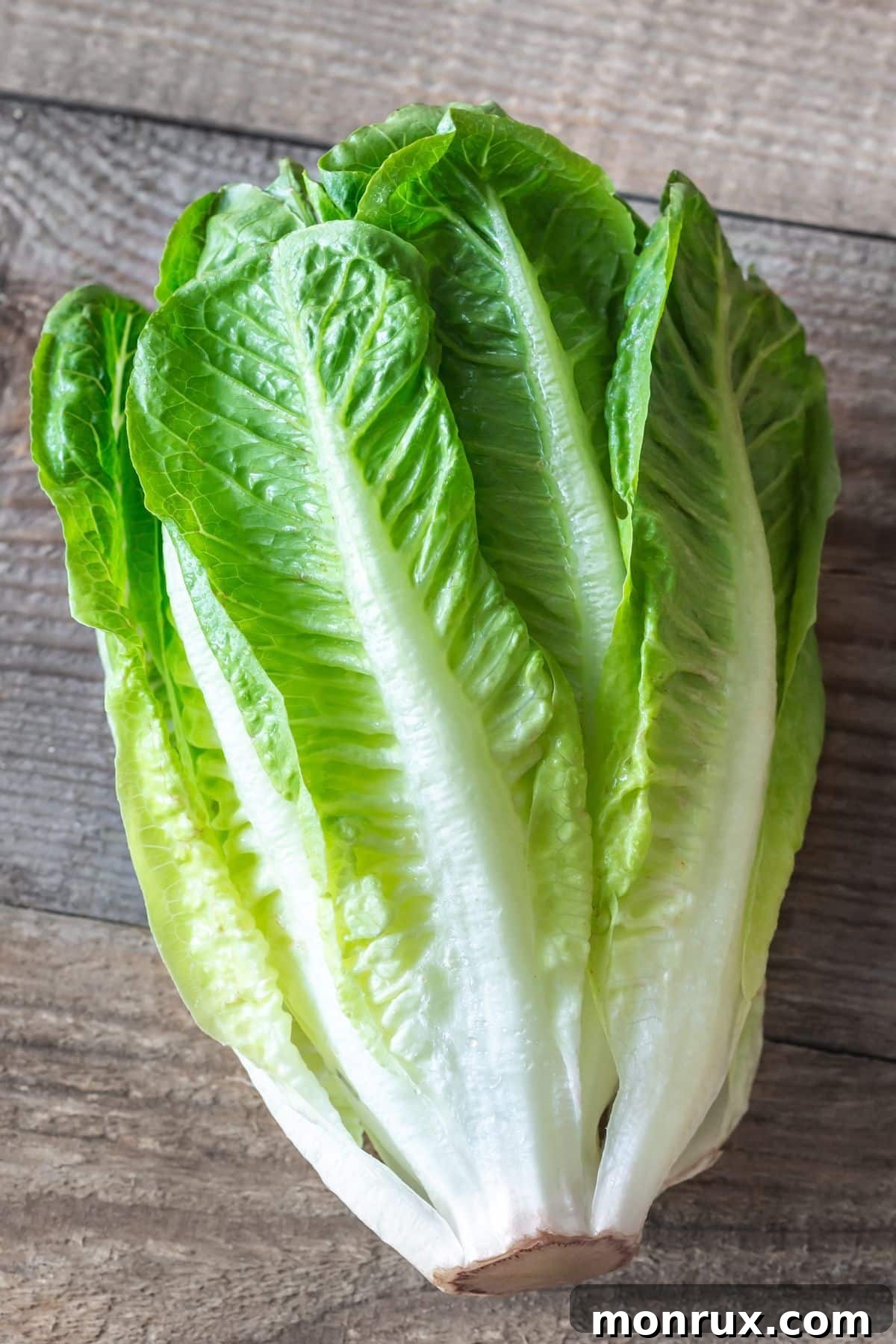
Romaine lettuce is a significant step up from iceberg lettuce in terms of nutritional value, yet it retains a remarkably mild and appealing flavor. It offers a clean, crisp texture and a beautiful vibrant green color that can be visually enticing. Most picky eaters gravitate towards romaine because it lacks the bitterness found in some other leafy greens, making it a safe and enjoyable choice.
We love using romaine in our Food Processor Salad, where all ingredients are finely chopped into small, uniform pieces, making it easier for children to consume a variety of vegetables together. Its sturdy leaves also make romaine perfect for use as a healthier alternative to tortillas in wraps. Simply trim out the tougher “spine” with a sharp knife to create pliable leaves that can be easily folded around your favorite fillings.
For creative meal ideas, try our Ground Chicken Lettuce Tacos with Mango Salsa, or explore our list of the best bread alternatives. Did you know you can even grill wedges of romaine? Serving vegetables in novel and exciting ways is a proven technique for encouraging children and picky adults to try something new and discover unexpected delights.
15. Cauliflower
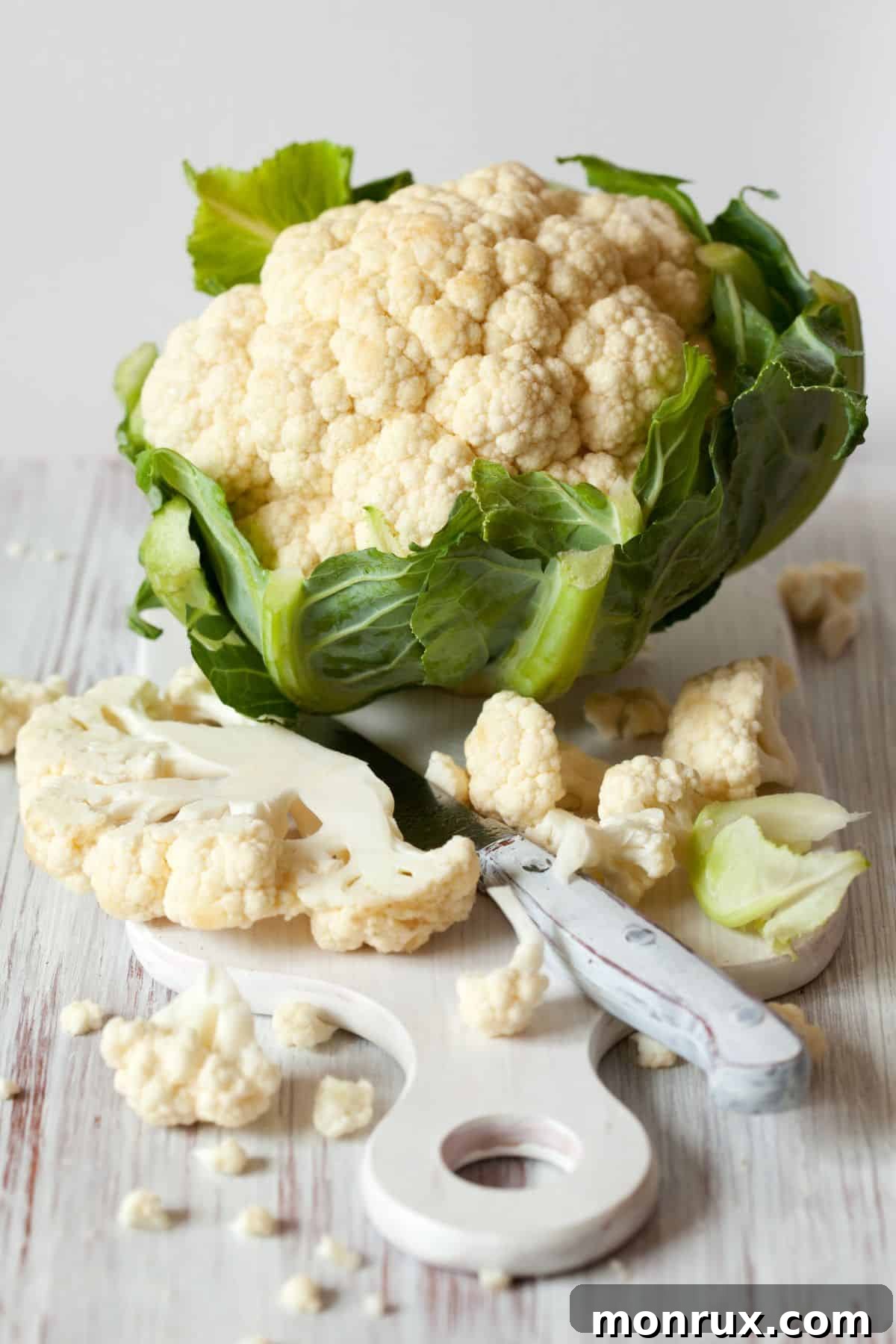
Cauliflower has gained immense popularity for its incredible versatility, making it one of the most adaptable vegetables for picky eaters. Not only is it delicious raw or steamed, but its neutral flavor and chameleon-like ability to take on different forms are truly remarkable. You can “rice” it to replace traditional rice, mash it as a lower-carb alternative to potatoes, or even use it to create pizza crusts.
For cautious palates, a clever trick is to add just a few cauliflower florets to a batch of mashed potatoes or white rice. Its mild taste will be masked, but the added nutrients will still be present. Thanks to its widespread appeal, cauliflower is readily available in various prepared forms in both the produce and freezer aisles, making it convenient for any busy household.
16. Butter Lettuce
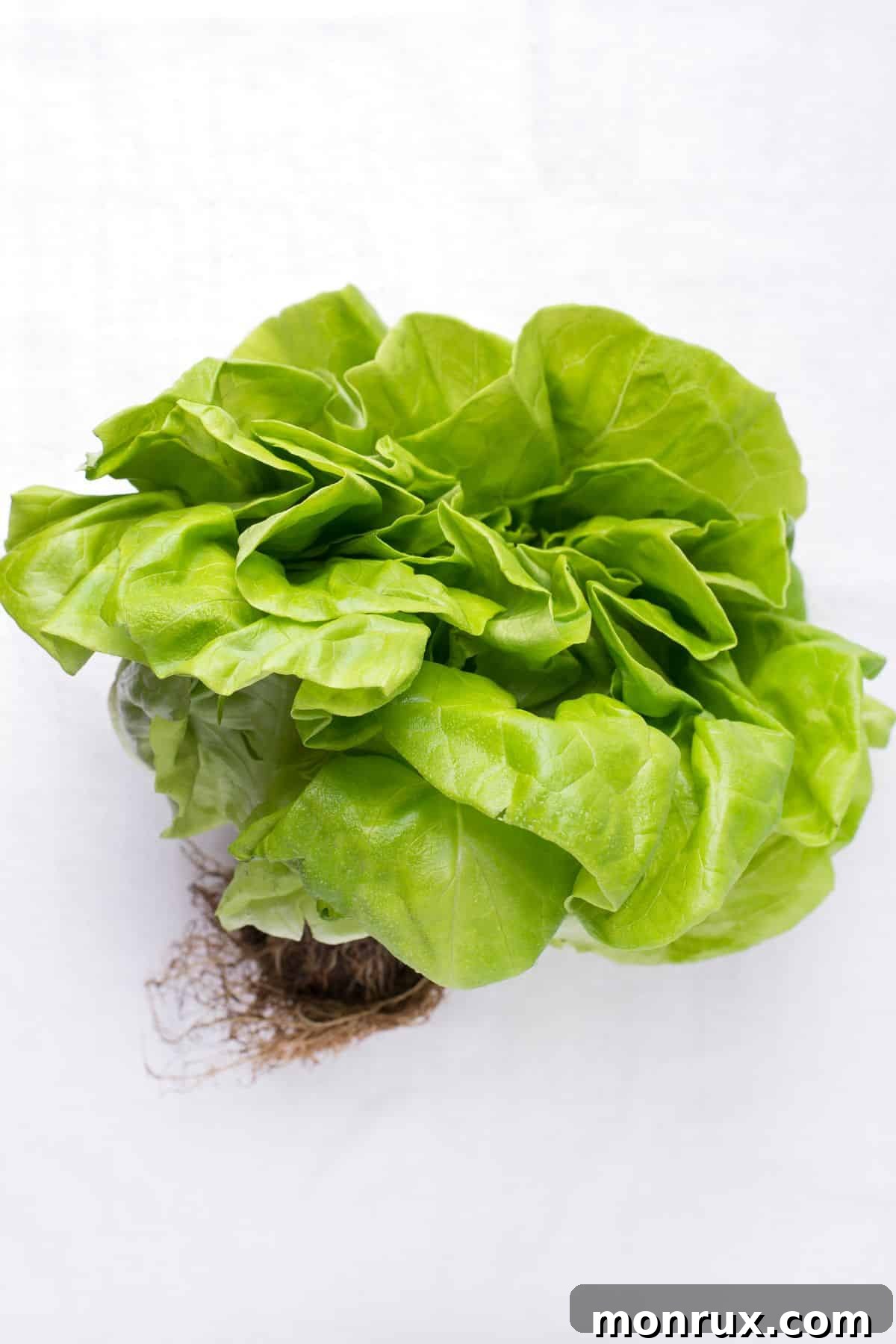
Butter lettuce lives up to its name with a distinctively smooth, almost buttery texture and a very mild, subtly sweet flavor. Its natural growth pattern forms small, cupped leaves, making it perfect for creating “lettuce cups” – a fun and interactive way to serve fillings with Asian-inspired flavors or even simple tuna salad. The cupped leaves act as edible bowls, which can be highly appealing to children.
Its gentle taste and delicate texture make it an excellent choice for picky eaters who might be sensitive to the bitterness or crunchiness of other greens. Butter lettuce shines in simple salads with a light dressing, allowing its unique qualities to be fully appreciated. It’s a wonderful entry point for introducing leafy greens in a non-threatening way.
17. Grape Tomatoes
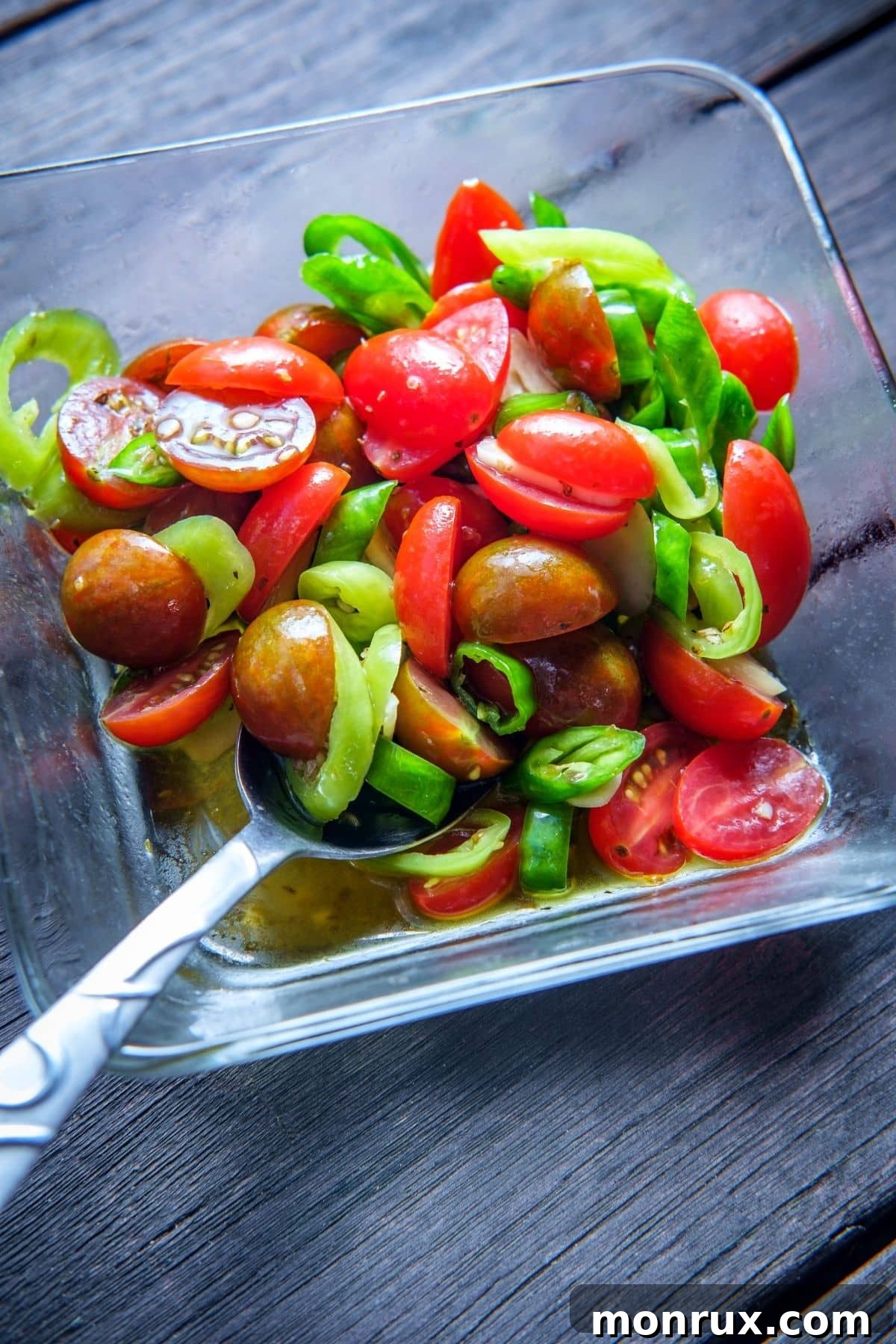
As their name suggests, grape tomatoes are perfectly bite-sized and poppable, much like grapes, which makes them an instant hit with children. They boast a super sweet flavor, especially when fully ripe, making them a delightful snack eaten plain or scattered over salads.
Their sweetness intensifies beautifully when roasted. A simple yet incredibly delicious trick is to roast grape tomatoes with a drizzle of olive oil. Once they burst and release their juices, stir them into hot angel hair pasta. This creates a fresh, naturally sweet pasta sauce that is almost guaranteed to be a crowd-plepleaser, even for the most discerning palates. Their bright color and juicy texture add a burst of freshness to any meal.
18. Baby Kale
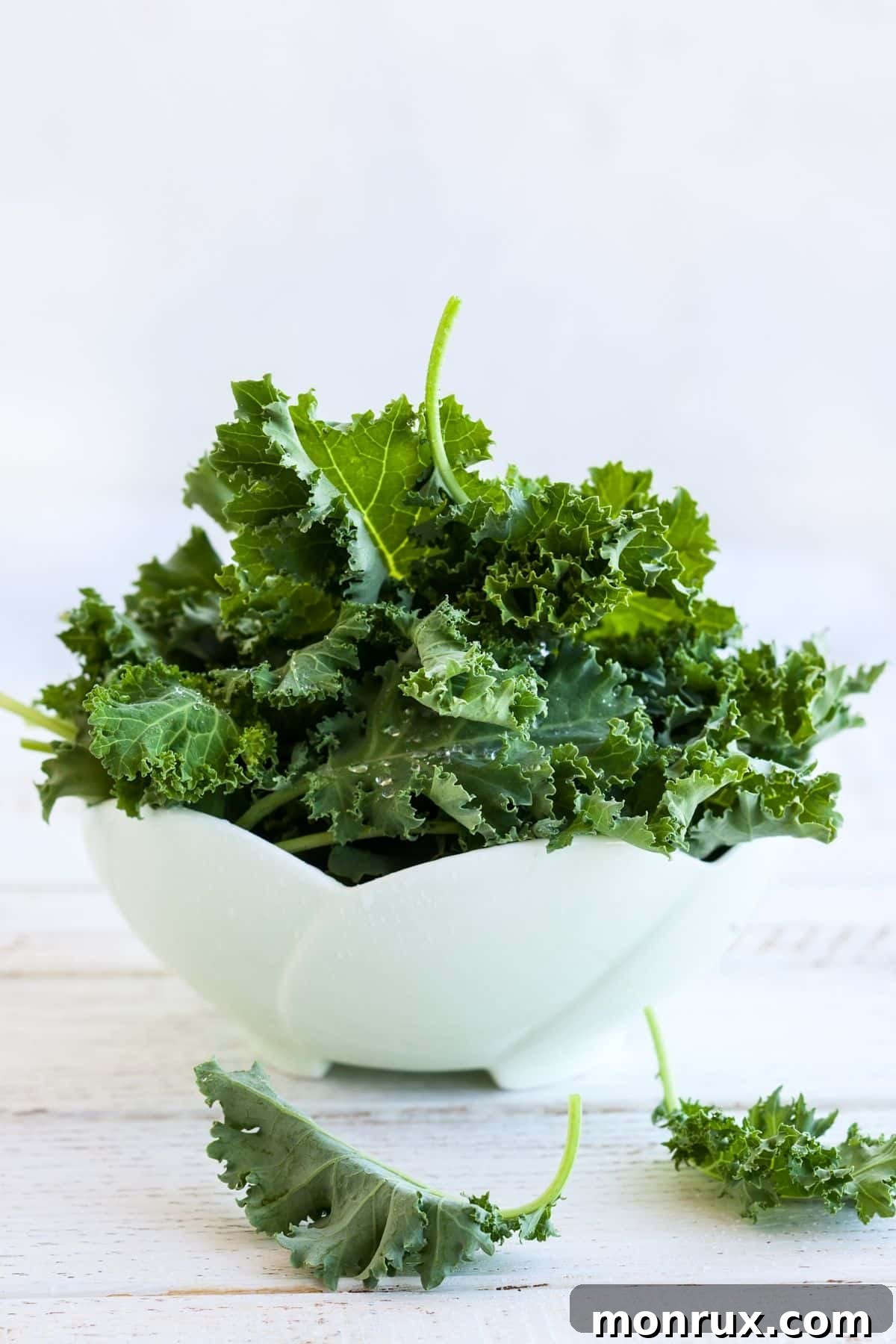
Baby kale offers all the impressive nutrition of mature kale but without its characteristic toughness or strong, sometimes bitter, flavor. The younger leaves are notably tender and mild, making them far more palatable for picky eaters. This makes baby kale an excellent way to introduce this nutrient-dense green into their diet.
To further enhance its appeal in salads, remove the leaves from their stems and “massage” them gently with your hands in a salad bowl. This simple technique breaks down some of the fibrous texture, making the leaves softer and more enjoyable to chew. Finely chopping baby kale also helps it blend seamlessly into salads or other dishes. Like spinach, baby kale is a fantastic addition to smoothies, where its flavor can be easily masked by fruits, providing a powerful nutritional boost.
For inspiring recipes, check out our Kale Chocolate Protein Smoothie, crispy Air Fryer Kale Chips, or a delightful Sweet Kale Salad with Creamy Dressing. These options demonstrate how versatile and enjoyable baby kale can be, even for the most discerning palates.
19. Sugar Snap Peas
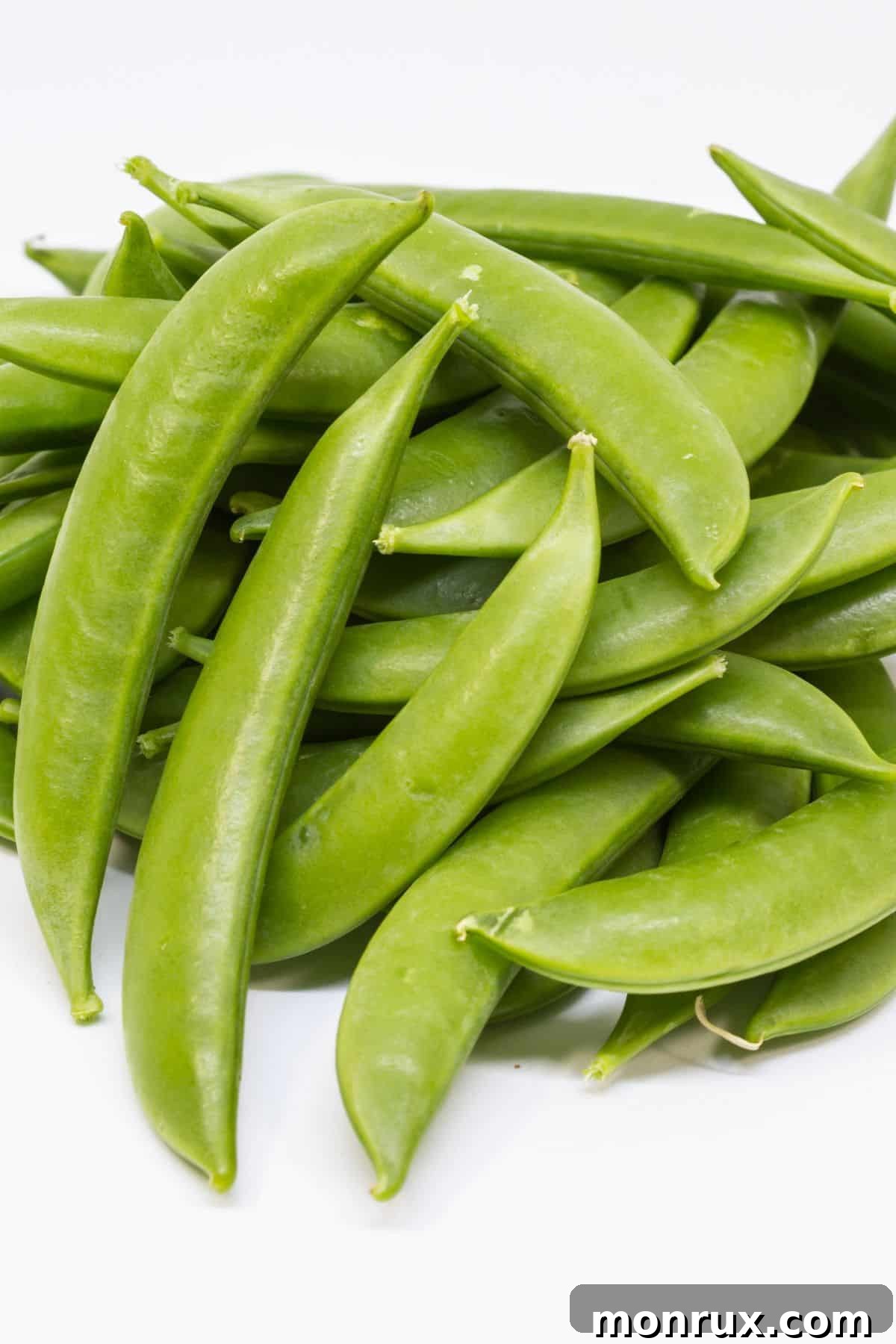
It’s helpful to distinguish between snow peas and sugar snap peas. Snow peas are the flat pods often found in stir-fries with tiny, undeveloped peas, while sugar snap peas are plump, rounder pods with fully developed peas, offering a much sweeter and crunchier experience. They are also relatively easy to grow in a backyard garden, providing another opportunity to engage children with their food.
Before eating raw or cooking, be sure to remove the fibrous strings from the pods for the best texture. Serving them lightly steamed with a squeeze of fresh lemon juice creates a simple, bright, and delicious vegetable side dish that even picky eaters are likely to enjoy. Their satisfying crunch and natural sweetness make them a delightful snack on their own or with a dip.
20. Asparagus
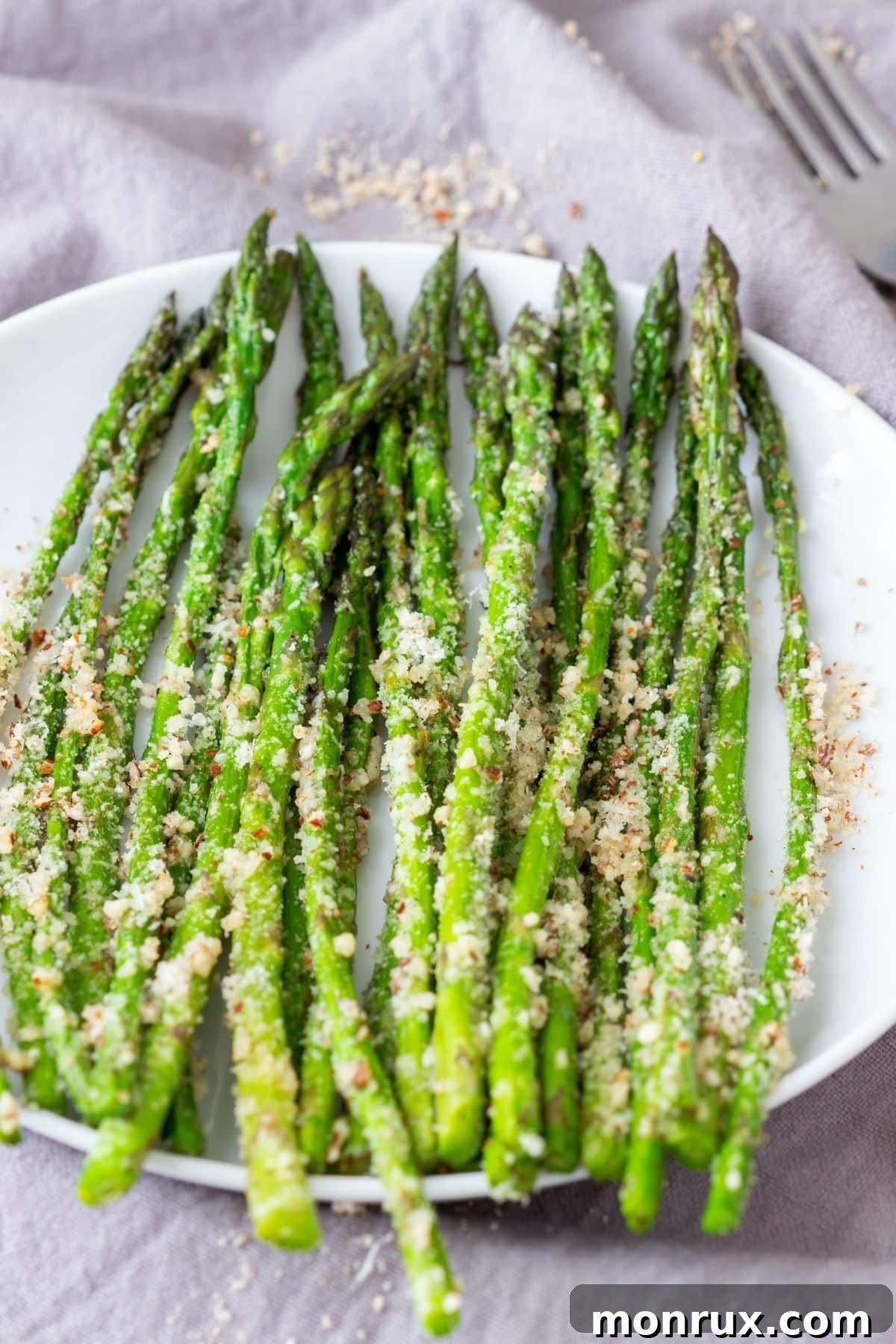
Asparagus is surprisingly easy to prepare and can be a big hit with picky eaters when cooked correctly. To prepare it, simply grasp an asparagus spear at both ends and bend; it will naturally snap where the tough, woody end meets the tender stalk, ensuring you only cook the most edible part. Toss the tender stalks with a little olive oil, salt, and pepper, then roast until the tips begin to brown and the stalks are fork-tender, but not burnt. This roasting method brings out its natural sweetness and creates a soft, enjoyable texture that children often appreciate.
For an extra layer of flavor that kids tend to love, sprinkle the warm roasted asparagus with Parmesan cheese or nutritional yeast. Alternatively, try our simple Instant Pot Asparagus recipe for a quick and easy preparation method. Its unique taste and tender spears make it a gourmet yet kid-friendly option.
21. Artichokes
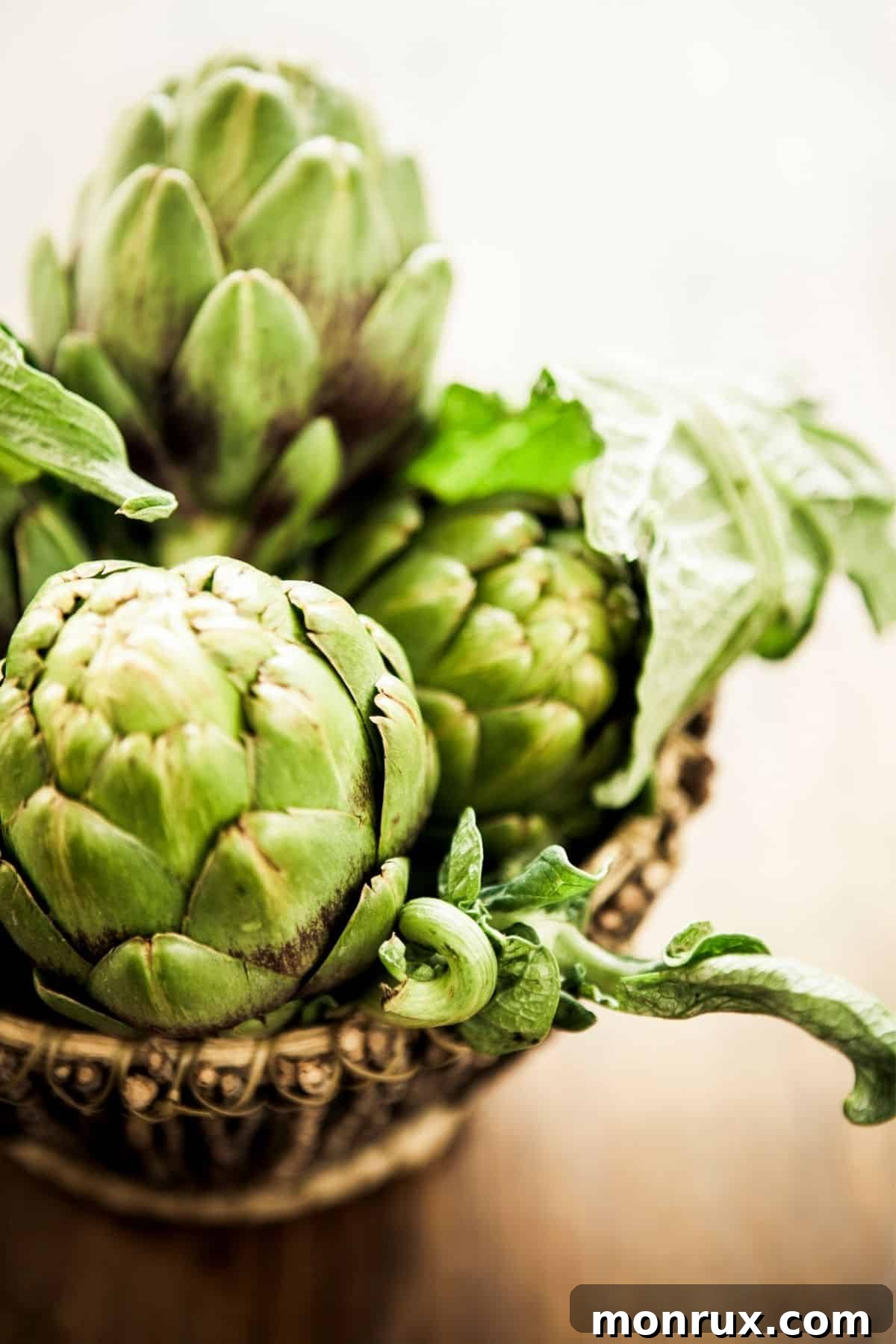
Artichokes require a bit of preparation, but the reward is a tender, subtly flavored vegetable that many picky eaters surprisingly adore. For the easiest cooking method, try our recipe for Instant Pot Artichokes, which simplifies the process significantly.
The true treasure of the artichoke, its heart, is wonderfully neutral in flavor, completely non-bitter, and can be chopped into small, manageable bites perfect for children. In fact, as a child who famously disliked most vegetables, artichokes were my absolute favorite, a tradition I requested for every birthday dinner! This personal anecdote highlights their unique appeal even to highly selective palates.
Beyond the whole vegetable, artichoke hearts (often found canned or jarred) are fantastic in dishes like our Gluten-Free Pasta Salad with feta cheese, where their mildness and pleasant texture blend in beautifully.
22. Sweet Potatoes

Sweet potatoes are incredibly versatile and, as their name suggests, naturally sweet, making them a top contender for picky eaters. They can be prepared in countless ways: simply baked whole, roasted when diced, or mashed to a creamy consistency. While often associated with Thanksgiving, sweet potatoes are a fantastic and nutritious addition to meals all year round.
Most picky eaters are more than happy to enjoy a roasted sweet potato with a pat of butter or ghee, a sprinkle of salt, and a dash of cinnamon. But the possibilities don’t stop there. Explore delicious recipes like our Sweet Potato Smoothie, crispy Japanese Sweet Potato Fries, easy Instant Pot Mashed Sweet Potatoes, and healthier Air Fryer Sweet Potato Fries. These offer familiar and appealing formats for consuming this nutrient-rich root vegetable.
Sweet potatoes are also very budget-friendly and can be cooked and frozen for later use. Consult our guide on how to freeze sweet potatoes for convenience. Sweet potato “toast,” made from sliced and toasted sweet potato rounds, is another creative and healthy meal idea featured on our list of the best healthy breakfast ideas for kids, proving just how adaptable this amazing vegetable can be.
23. Potatoes

Plain white potatoes are an incredibly versatile and neutral-flavored vegetable, making them a staple for picky eaters. Their mild taste allows them to be incorporated into a myriad of dishes without strong “vegetable” notes, appealing to sensitive palates.
Different varieties of potatoes offer unique textures and subtle flavors. Fingerling potatoes, available in red, purple, and white, are excellent roasted whole. Yukon Gold potatoes are prized for their creamy texture, making them ideal for mashed potatoes. While potatoes can be starchy, they still provide valuable vitamins and minerals, contributing significantly to a balanced diet.
Discover how to make effortlessly creamy Instant Pot Mashed Potatoes or perfectly tender Instant Pot Red Potatoes. For a healthier take on a classic, try cutting potatoes into sticks and baking them instead of frying to create delicious, homemade “French fries” that serve as a wholesome side dish.
24. Eggplant

Eggplants, known as aubergines in many parts of the world, offer a unique meaty texture that makes them a fantastic ingredient in vegetarian dishes, adding satisfying bulk and a rich mouthfeel. Their mild flavor absorbs seasonings wonderfully, allowing them to blend into various cuisines.
Incorporate eggplant into hearty pasta dishes, vibrant ratatouille, or roast and mash it into the classic Middle Eastern dip, Baba Ganoush. Serving Baba Ganoush alongside other vegetables for dipping is a clever way to encourage the consumption of multiple vegetables simultaneously, as the eggplant base acts as a flavorful “hide” for more greens. It’s an effective strategy for making vegetables more approachable and enjoyable for picky eaters.
You might also be interested in our article showcasing the best blue vegetables for more colorful inspiration!
25. Okra
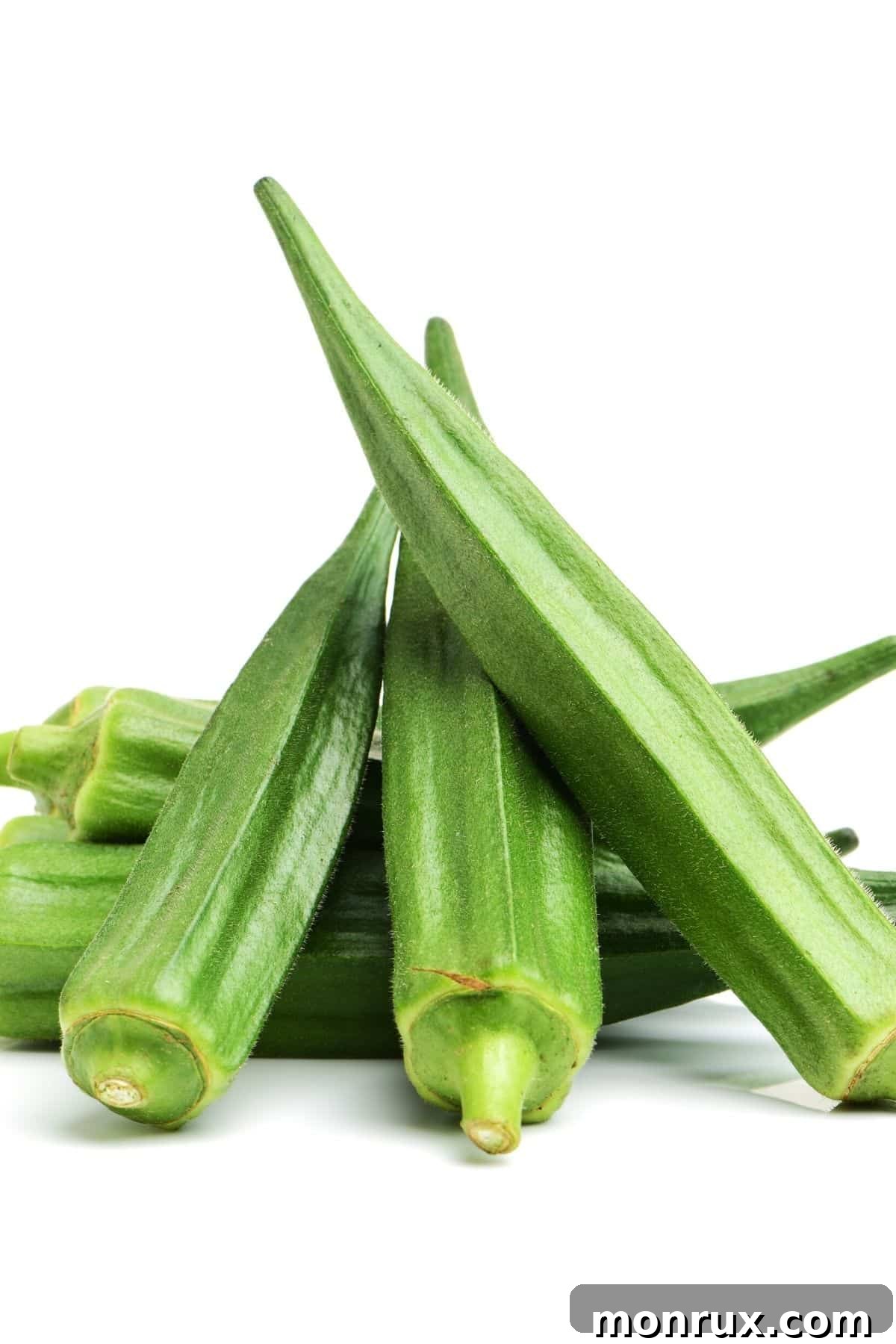
Okra often gets a bad rap for its “slimy” texture when cooked improperly, but prepared correctly, it adds a delightful taste and unique texture to soups and stews. More importantly for picky eaters, okra is not bitter. When sliced into rounds, it reveals a pretty star shape, which can be visually appealing, particularly to children.
For a non-slimy and delicious experience, roasting okra is an excellent method. It develops a pleasant crunch and a mild, earthy flavor. Another fantastic way to enjoy okra, especially for those who appreciate tangy flavors, is by making it into pickles. Pickled okra offers a satisfying crunch and a zesty taste that can be a surprising hit.
26. Beets
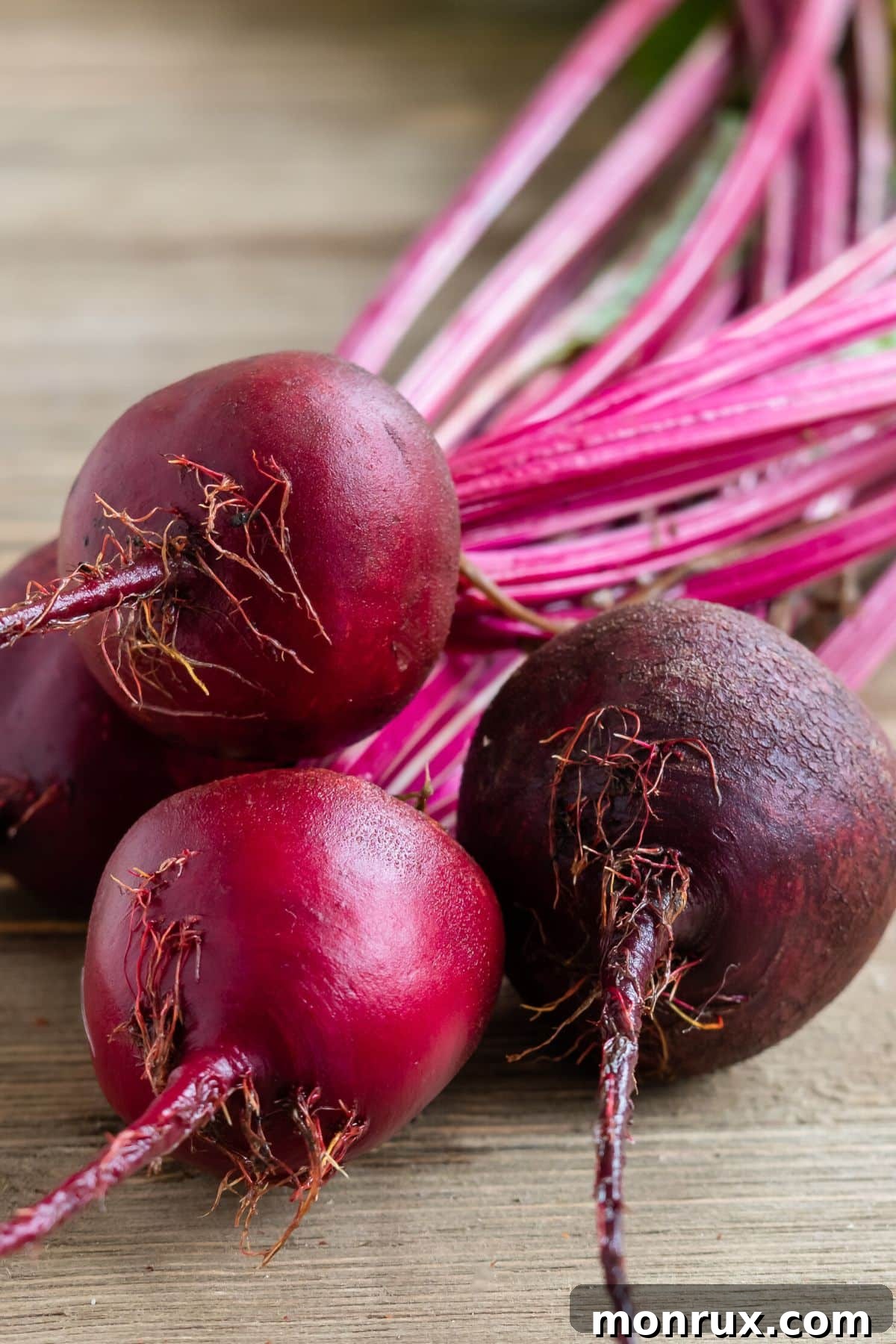
Beets are naturally sweet vegetables that become even sweeter and more mellow when roasted. Their vibrant color and earthy flavor can be surprisingly enjoyable for picky eaters, especially when integrated into familiar formats.
Try preparing Instant Pot Beets for a quick and easy method. Once cooked, these tender beets can be blended into a delicious and visually appealing Strawberry Beet Smoothie! The natural sweetness of the strawberries beautifully masks the beet flavor, ensuring that your little ones get a healthy dose of vegetables without ever guessing they are there.
Beyond whole beets, beet powder is another fantastic way to add nutrition and a beautiful pink hue to various foods like oatmeal, pancakes, or baked goods, making it a “hidden gem” for boosting nutrient intake.
Creative Serving Strategies for Picky Eaters
Successfully introducing vegetables to picky eaters often hinges on how they are prepared and presented. While some vegetables shine brightest when raw, others reveal their best flavors and textures when cooked. Understanding individual sensitivities – whether to bitterness, texture, or even color – allows for more targeted and effective approaches. Don’t be afraid to experiment with different techniques to find what resonates best with your picky eater.
Here are some proven strategies to make vegetables more appealing:
- Roasting: High-heat roasting caramelizes natural sugars, transforming many vegetables (like carrots, sweet potatoes, and butternut squash) into sweeter, more flavorful, and tender treats with appealing crispy edges.
- Blending into Smoothies: This is the ultimate “hide-the-veggie” technique. Leafy greens like spinach and baby kale, or even cooked squash and beets, can be blended into fruit smoothies, providing a powerful nutritional boost without altering the taste.
- Steaming: Gentle steaming preserves nutrients and produces a tender texture, which is often preferred over raw crispness for certain vegetables. Add a pinch of salt or a squeeze of lemon for simple flavor.
- Cutting into Fun Shapes: Novelty can be a powerful motivator. Use cookie cutters to make stars, hearts, or other fun shapes out of cucumber, bell peppers, or even roasted sweet potato slices.
- Mashing with Other Foods: Incorporate pureed vegetables like cauliflower or butternut squash into mashed potatoes, mac and cheese, or pasta sauces. The familiar flavor and creamy texture of the base dish can mask the added vegetable.
- Using as Dippers at Snack Time: Raw vegetable sticks (carrots, celery, cucumbers, bell peppers, jicama) become much more exciting when paired with favorite dips like hummus, guacamole, ranch dressing, or even nut butter.
Advanced Tips for Encouraging Vegetable Consumption
Even with the best intentions and the most appealing vegetables, some picky eaters require a bit more creativity and patience. Here are some advanced strategies to gently encourage a broader acceptance of vegetables:
- Explore Sprouts and Microgreens: If whole vegetables are still a hurdle, consider introducing vegetable sprouts like alfalfa or broccoli sprouts. While some sprouts can have a strong flavor, children might be intrigued by the unique texture of sprouts or microgreens (see our list of the best microgreens). They offer concentrated nutrients in tiny, manageable forms.
- Focus on Texture Transformation: Remember that it’s not just flavor or bitterness that can deter children; texture plays a huge role. For those with texture sensitivities, try preparing vegetables in different ways: cut them into very thin slices, shred them finely, or cook and puree them into smooth sauces, soups, or baked goods. This can help bypass tactile aversions.
- Homemade Vegetable Juices: Creating your own vegetable juices can be a highly concentrated source of nutrients. For a less intense flavor, blend sweeter vegetables or dilute them with fruit juices. Check out our list of the best vegetables to juice for easy, palatable options.
- Maintain Patience and Positivity: Above all, don’t give up, but also strive to keep mealtime a positive and pressure-free experience. Forcing children to eat foods they dislike can create negative associations with food. Be as patient as possible, continue to offer a variety of foods, and model healthy eating habits yourself. With consistent exposure and a supportive environment, your children can learn to appreciate and even enjoy a wider range of vegetables.
Vegetables to Approach with Caution for Picky Palates
While the previous list focused on vegetables generally well-received by picky eaters, it’s equally important to know which ones might be more challenging. Bitterness is often the primary culprit here, especially for “supertasters” who are highly sensitive to strong flavors. Unless you can effectively roast these vegetables to mellow their taste or completely hide them within a more palatable dish like a fritter or smoothie, it’s generally best to introduce these with extreme caution or avoid them initially.
However, this doesn’t mean these vegetables are off-limits forever. Continue to keep them in your home and prepare them for yourself. Modeling the enjoyment of vegetables is one of the most powerful ways to encourage healthy eating behaviors in your children over time. They might eventually develop curiosity and try them on their own terms.
Avoid Serving These Vegetables (Initially) to Picky Eaters
- Mustard Greens – These are notoriously spicy and pungent, even for many adults. Their strong flavor makes them very difficult to disguise and generally best avoided when catering to picky palates.
- Brussels Sprouts – These miniature cabbages possess a distinct, strong flavor that many children and even adults find unappealing. They can carry a significant bitter note, which is a major turn-off for sensitive taste buds.
- Cabbage – Another naturally bitter vegetable, the aroma of cooked cabbage alone can be enough to deter many picky eaters. While finely chopped raw cabbage might be less offensive in a slaw, its cooked form presents a significant challenge.
- Radishes – Raw radishes are characterized by a spicy, pungent flavor and a sharp bite. For a chance at success, try pickling or roasting them, which can mellow their intensity, but they remain a high-risk option.
- Onions – Onions are infamous for offending picky eaters due to their strong, sometimes overwhelming flavor and pungent aroma. While cooking can reduce their pungency, they often develop a soft, somewhat slimy texture that others dislike.
- Watercress – Though incredibly healthy, watercress has a very pronounced, peppery, and strong flavor. It’s a bold choice for any picky eater. Consider exploring best substitutes for watercress for milder alternatives.
- Broccoli – While some children enjoy broccoli without issue, many strongly dislike it due to its inherent bitterness. Roasting can help to reduce this bitterness and add sweetness. Alternatively, steaming and then freezing broccoli florets allows them to be discreetly blended into a Strawberry Banana Chocolate Smoothie, where the powerful fruit flavors can completely mask its presence.
Understanding Picky Eating in Children
Picky eating in young children is a common and often normal developmental phase as they explore and adapt to a wide array of new foods. Experts suggest that it can take a child up to ten times of trying a new food before they “come around” and genuinely begin to enjoy it. This highlights the importance of consistent, gentle exposure rather than forceful persuasion.
Children (and indeed, many adults) aren’t always enthusiastic about trying something new, especially if it’s green and healthy! Vegetables possess a diverse spectrum of tastes and textures, some of which can be quite alien or even unpleasant to an unaccustomed palate, sometimes literally evoking an “earthy” flavor. Understanding these underlying reasons can foster greater empathy and more effective strategies.
Supertaster Status
Have you heard of a supertaster? Some individuals are genetically predisposed to have a higher density of taste buds, particularly those sensitive to bitter compounds. While this might sound like a culinary advantage, these extra taste buds often amplify the bitterness in foods, making many vegetables seem intensely “yucky” to a supertaster. Keep this genetic predisposition in mind when dealing with particularly fussy eaters; their aversion might be biological rather than simply willful.
How to Handle Picky Eaters
Navigating picky eating requires a strategic and patient approach:
- Respect Autonomy: A crucial rule to remember is not to force your children to eat foods they genuinely dislike. According to the influential Ellyn Satter Institute, parents are responsible for “what” foods are offered and “when and where” they are served, but children are empowered to decide “if and how much” they eat. This division of responsibility ensures children develop a healthy relationship with food, learning to trust their own hunger and fullness cues without pressure.
- Persistence and Modeling: Even if you’re convinced your child or the picky eater in your life will never embrace vegetables, it’s vital to continue offering them. The goal is to instill healthy, lifelong eating habits. Furthermore, ensuring they receive the essential micronutrients and antioxidants found in vegetables is critical for their overall health and strong development. Continue to offer vegetables regularly, without pressure, and most importantly, consistently model joyful vegetable consumption yourself.
Cultivating a Love for Vegetables: Key Takeaways
I sincerely hope this guide to the best (and most challenging) vegetables for picky eaters proves to be a valuable resource on your journey. As someone who personally navigated the world as a former picky eater, I understand firsthand the importance of perseverance and patience in learning to appreciate vegetables. It’s a process that doesn’t happen overnight, but with time, consistent effort, and creative strategies, your picky eater can absolutely discover a few favorite vegetables, transforming meal times into a more harmonious and nutritious experience.
Explore More Healthy Eating Resources
- Best Asian Fruits
- Best Green Vegetables
- Best Green Fruits
- Best Purple Vegetables
- Best Red Fruits
- Best Yellow Fruits
Don’t Miss These Helpful Healthy Resources!
Don’t forget to join my newsletter list to get exclusive clean eating recipes and tips. The newsletter is 100% free with no spam; unsubscribe anytime.
About the Author: Carrie Forrest holds a master’s degree in public health with a specialty in nutrition and is a certified holistic nutritionist. She is a prominent wellness and food blogger, attracting over 5 million annual visitors to her site. Carrie shares an inspiring story of recovery from chronic illness and is deeply passionate about empowering other women to transform their health journeys. You can reach out to her via her contact form.
Note: This post is intended for informational purposes only and does not constitute medical advice. Please consult your healthcare provider for personalized recommendations pertinent to your individual health situation.