Discovering Relief: Your Guide to Natural Antihistamine Foods for a Balanced Diet
Whether you’re navigating the complexities of high histamine levels, managing seasonal allergies, or committed to following a low histamine diet, understanding which foods can naturally support your body is key. This comprehensive guide explores a list of **Natural Antihistamine Foods** that may help alleviate symptoms and promote overall well-being. By integrating these beneficial ingredients into your daily meals, you can take proactive steps towards a more balanced and comfortable life.
Natural Antihistamine Foods for Symptom Relief
Embracing a low-histamine diet means focusing on foods that naturally possess antihistamine properties or are simply low in histamine content. These foods can play a crucial role in managing your symptoms and promoting an anti-inflammatory response throughout your body. By carefully selecting your ingredients, you can build a diet that supports your health without relying solely on medications.
As with any significant dietary change, it is always recommended to consult with your healthcare provider or a registered dietitian. They can offer personalized advice to ensure these recommendations are appropriate for your specific health needs and circumstances.
Antihistamine Herbs and Spices: Flavorful Allies
Herbs and spices are not just for flavoring your dishes; many contain potent compounds that can help modulate histamine responses. Incorporating these into your cooking can add both taste and therapeutic benefits.
- Basil (especially Tulsi, or Holy Basil): Known for its adaptogenic properties, holy basil can help the body manage stress and inflammation, which can indirectly influence histamine release.
- Caraway: Particularly beneficial for digestive health, caraway seeds can help calm the gut, an area often impacted by histamine intolerance.
- Cilantro: A powerful detoxifier, cilantro supports the body’s natural cleansing processes, which can aid in reducing the overall burden on the immune system.
- Cumin: With anti-inflammatory and antioxidant properties, cumin can contribute to a healthier internal environment, potentially easing histamine-related symptoms.
- Dill: Often used to soothe digestive upset, dill also contains compounds that may help reduce allergic reactions.
- Fennel Seed: Similar to dill and caraway, fennel seeds are excellent for digestion and can help reduce gut inflammation.
- Garlic: A staple in many cuisines, garlic boasts immune-modulating and anti-inflammatory effects, making it a valuable addition to a low-histamine diet.
- Ginger: Renowned for its anti-inflammatory and anti-nausea properties, ginger can be a soothing remedy for various histamine-related discomforts.
- Mint: Peppermint, in particular, can help relax digestive muscles and alleviate symptoms like bloating and gas, which sometimes accompany histamine intolerance.
- Oregano: A potent antioxidant and antimicrobial herb, oregano can support overall immune health.
- Parsley: Rich in vitamins and antioxidants, parsley can help reduce inflammation and support kidney function, aiding in detoxification.
- Rosemary: Contains rosmarinic acid, a compound shown to have antihistamine and anti-inflammatory effects.
- Sage: Traditionally used for its anti-inflammatory and antioxidant benefits, sage can contribute to a balanced immune response.
- Thyme: Packed with antioxidants and known for its antiseptic properties, thyme can help support respiratory health, often a target of histamine reactions.
- Turmeric: Contains curcumin, a powerful anti-inflammatory compound that has been studied for its potential to inhibit histamine release and stabilize mast cells.
These natural antihistamine herbs and spices are incredibly versatile. Incorporate them fresh into smoothies, infuse them into salad dressings, sprinkle them over salads, or cook them into comforting soups and stews to enjoy their myriad benefits.
Antihistamine Vegetables: Nature’s Bounty
Many vegetables are naturally low in histamine and packed with vitamins, minerals, and antioxidants that support overall health and can help manage histamine-related symptoms. Aim to include a diverse array of these vibrant foods in your daily meals.
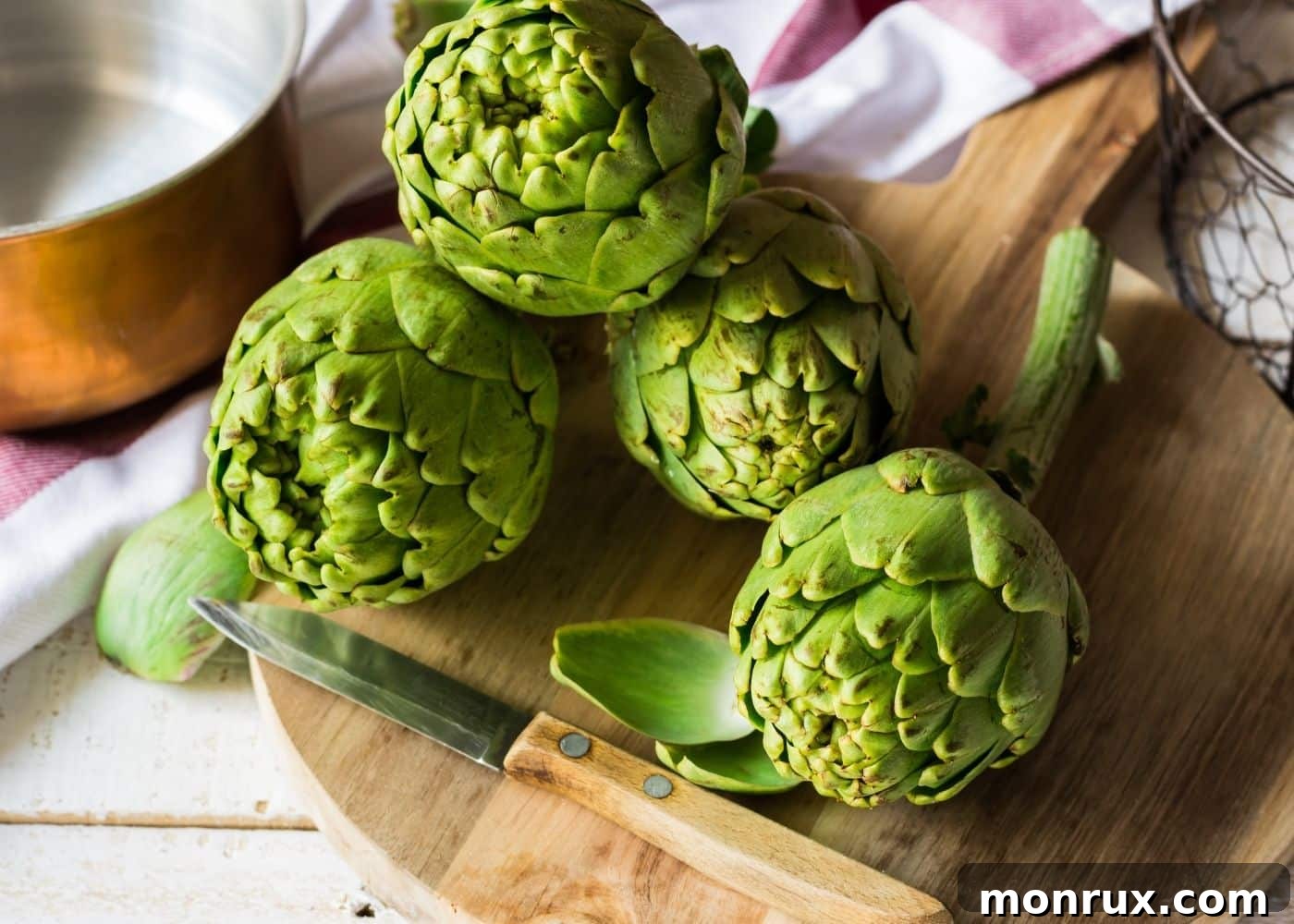
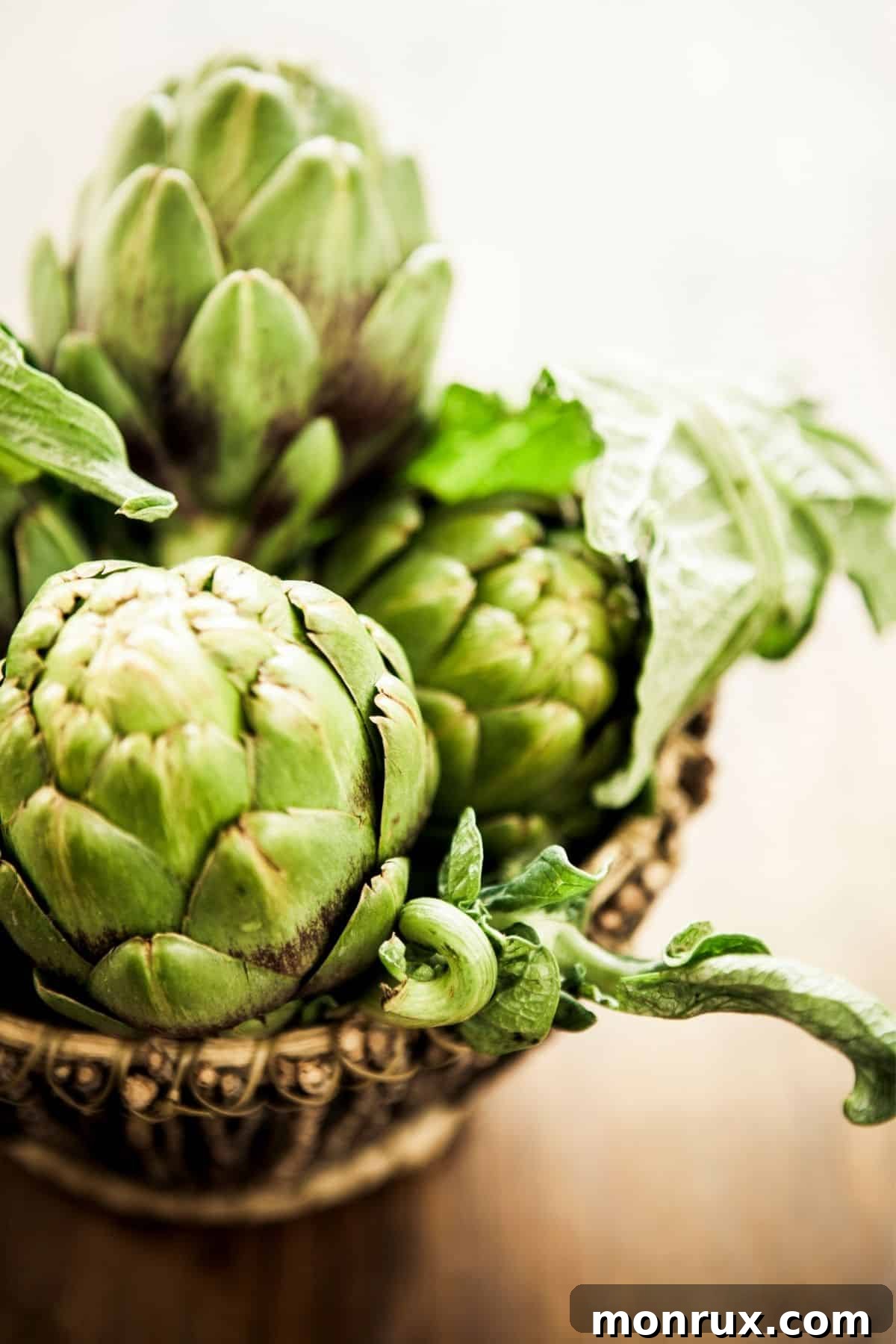
- Artichokes: Known for supporting liver health and digestion, artichokes can assist in the body’s detoxification processes.
- Arugula: This peppery green is rich in antioxidants and can contribute to reduced inflammation.
- Asparagus: A good source of fiber and various vitamins, asparagus is a gentle vegetable for a low-histamine diet.
- Bell Peppers: Especially red, yellow, and orange varieties, bell peppers are excellent sources of Vitamin C, a natural antihistamine, and bioflavonoids like quercetin.
- Bok Choy: A nutrient-dense cruciferous vegetable that is low in histamine and supports detoxification.
- Broccoli/Broccolini: These cruciferous powerhouses are rich in Vitamin C, K, and fiber, contributing to anti-inflammatory effects.
- Brussels Sprouts: Like other cruciferous vegetables, Brussels sprouts offer compounds that aid detoxification and provide immune support.
- Cabbage: A versatile and affordable vegetable, cabbage is low in histamine and can support gut health.
- Collard Greens/Mustard Greens: Dark leafy greens packed with vitamins and antioxidants that help combat inflammation.
- Onion: Contains quercetin, a potent natural antihistamine and anti-inflammatory flavonoid. Red onions, in particular, are rich in this compound.
- Radish: These crisp vegetables are low in histamine and provide a good source of Vitamin C.
- Squash (except pumpkin): Varieties like zucchini, butternut squash, and spaghetti squash are generally well-tolerated and provide essential nutrients.
- Watercress: A nutrient-dense leafy green known for its detoxifying properties and rich antioxidant content.
- Zucchini: A mild, hydrating vegetable that is a staple in many low-histamine diets.
Try to consume a wide variety of these natural antihistamine vegetables regularly. Cooking methods can also enhance their appeal and nutrient availability. Consider using an air fryer for quick and easy preparations, such as Air Fryer Brussels Sprouts, Air Fryer Zucchini Chips, and Air Fryer Broccoli. You might also enjoy recipes like Instant Pot Artichokes for simple and delicious ways to prepare these foods.
For more detailed guidance, learn about getting started with a low histamine diet and its foundational principles.
Antihistamine Fruits: Sweet and Beneficial
While some fruits can be high in histamine or act as liberators, several options are known for their antihistamine properties and are safe for a low-histamine diet. These fruits are rich in Vitamin C and other antioxidants, which are crucial for immune health and managing inflammation.
- Apples: Especially varieties like Granny Smith, apples are a good source of quercetin, particularly in their skin.
- Blackberries: Packed with antioxidants and Vitamin C, blackberries are a delicious and beneficial choice.
- Blueberries: Known as a superfood, blueberries are rich in anthocyanins, powerful antioxidants with anti-inflammatory effects.
- Cherries: Both sweet and tart cherries contain compounds that can help reduce inflammation and are low in histamine.
- Kiwi: An excellent source of Vitamin C, kiwi can help stabilize mast cells and reduce histamine release.
- Mango: This tropical fruit is generally well-tolerated and provides a good amount of Vitamin C and Vitamin A.
- Pomegranate: Rich in antioxidants, pomegranates can help combat oxidative stress and inflammation in the body.
These antihistamine fruits are perfect for eating fresh, adding to your breakfast, or blending into nutritious smoothies. Explore an entire index of healthy smoothie recipes to incorporate more of these beneficial fruits into your diet.
Other Antihistamine Foods and Supplements
Beyond standard fruits and vegetables, several other foods and natural compounds have demonstrated significant antihistamine or anti-inflammatory effects, making them valuable additions to your diet or supplement regimen.
- Aloe Vera: While famously used topically for soothing skin, the inner gel of the aloe vera plant can be taken internally. It possesses natural anti-inflammatory and immune-modulating properties that can be beneficial for the digestive system and overall histamine response. Ensure it’s prepared correctly (peeled to remove aloin) if consuming raw.
- Fresh Fatty Fish (High in Omega-3s): Wild-caught salmon, mackerel, and sardines are excellent sources of omega-3 fatty acids (EPA and DHA). These fatty acids are powerful anti-inflammatory agents that can help balance the immune system and reduce allergic reactions. Always opt for the freshest possible fish, as histamine levels increase with age.
- Spirulina: This blue-green algae is a nutrient powerhouse known for its ability to limit the release of histamine from mast cells. It’s often consumed in powder form, added to smoothies or juices.
- Bee Pollen or Honey: Locally sourced raw honey and bee pollen are sometimes used by individuals with seasonal allergies due to the “immunization” effect of tiny amounts of local pollen. While not a direct antihistamine, some find it helpful for modulating immune responses over time. However, proceed with caution if you have severe pollen allergies.
- Moringa: Often called the “miracle tree,” moringa is rich in vitamins, minerals, and antioxidants. Studies suggest it is capable of inhibiting histamine release and demonstrating significant anti-inflammatory activity. You can incorporate it into your diet with a Moringa Smoothie.
- Stinging Nettle (extract in tea or capsules): Stinging nettle has a long history of traditional use for allergies and inflammation. Research has shown that nettle extract can reduce inflammatory responses by interfering with several processes involved in allergic reactions, including histamine release. It’s commonly consumed as a tea or in capsule form.
These specialized antihistamine foods and supplements often provide concentrated benefits and can be found in various forms, from teas and capsules to being integral ingredients in recipes. Always ensure quality sourcing for supplements and discuss their use with your healthcare provider.
Foods to Limit or Avoid on a Low-Histamine Diet
Understanding which foods can exacerbate histamine symptoms is just as crucial as knowing which ones help. Some foods are inherently high in histamine, while others trigger its release or interfere with its breakdown in the body. Temporarily eliminating these foods and then reintroducing them slowly can help you identify your personal triggers.
Foods That are High in Histamines
High-histamine foods are typically those that have undergone processes like fermentation, aging, or preservation, which naturally increase their histamine content. You may need to strictly avoid these until your symptoms are under control, then consider a careful reintroduction phase.
- Fermented Foods: This category includes kombucha, yogurt, kefir, kimchi, sauerkraut, vinegar, and fermented soy products like tempeh. The microbial action during fermentation produces significant amounts of histamine.
- Preserved Meats: Cured meats, sausages, salami, bacon, and smoked fish contain high levels of histamine due to processing and aging.
- Aged Cheese: The longer a cheese is aged, the higher its histamine content. Examples include cheddar, Gouda, Parmesan, and blue cheeses. Fresh cheeses like ricotta or mozzarella are generally better tolerated.
- Alcohol: All types of alcohol can increase histamine levels, but red wine, beer, and sparkling wines are particularly high. Alcohol can also inhibit DAO enzyme activity, worsening symptoms.
- Avocado: While a healthy fat, avocado can be a histamine liberator for some individuals.
- Spinach: Despite its nutritional value, spinach is relatively high in histamine and may trigger symptoms in sensitive individuals.
- Fish and Shellfish: While fresh fish can be low in histamine, it rapidly accumulates once caught. Therefore, fresh fish and shellfish that aren’t immediately frozen or consumed can be problematic. Frozen fish, if frozen immediately after being caught, is generally lower in histamines.
- Bone Broth: Due to the lengthy cooking time required to extract collagen and minerals, bone broth can develop high levels of histamine.
Foods That Can Trigger the Release of Histamines (Histamine Liberators)
These foods may not contain high levels of histamine themselves but can stimulate the body’s mast cells to release its own stored histamine, leading to allergic-like reactions. This is a common mechanism for symptom provocation in histamine intolerance.
- Cocoa & Chocolate: Dark chocolate, in particular, is a known histamine liberator. White chocolate, which contains less cocoa solids, is often better tolerated.
- Peanuts, Cashews, and Walnuts: These nuts are common histamine liberators. Other nuts like almonds or macadamias might be better options for some.
- Banana: While a good source of potassium, bananas can trigger histamine release in sensitive individuals.
- Tomatoes: Tomatoes are a significant histamine liberator and are also quite acidic, which can irritate some digestive systems.
- Citrus Fruits: Oranges, lemons, limes, and grapefruits can cause the release of histamine.
- Strawberries: A well-known histamine liberator, often causing hives or itching in sensitive individuals.
- Dried Fruits: These often contain sulfites or other preservatives, which not only can trigger histamine release but also be allergenic themselves. Sulfites, in particular, may trigger histamine release.
- Legumes: While healthy, some legumes (like chickpeas, lentils, and beans) can act as histamine liberators for certain people.
- Vinegar: As a fermented product, vinegar (especially balsamic and red wine vinegar) is high in histamine and can also trigger its release.
On the positive side, you can liberally enjoy a wide range of foods suitable for a Low Histamine Diet, including many of the beneficial options listed earlier. For convenient options, explore the Best Low Histamine Snacks.
Foods That Block the Production of DAO (Should Be Avoided)
Diamine oxidase (DAO) is the primary enzyme responsible for breaking down histamine in the digestive tract. Certain foods and beverages can inhibit the activity of this crucial enzyme, leading to an accumulation of histamine and subsequent symptoms.
- Alcohol: In addition to being high in histamine, alcohol is a potent inhibitor of DAO enzyme activity, significantly worsening histamine intolerance symptoms.
- Tea (including Black, Green, and Yerba Mate): While often lauded for their health benefits, traditional teas contain compounds that can block DAO production or activity. Herbal teas, generally, are a safer alternative.
- Energy Drinks: These beverages often contain a combination of caffeine, artificial additives, and other stimulants that can interfere with DAO activity and trigger histamine release.
Minimizing or eliminating these DAO-blocking substances can be a critical step in managing histamine intolerance and improving your body’s ability to process histamine effectively.
Beyond Food: Other Dietary and Lifestyle Tips
Managing histamine intolerance extends beyond just identifying and avoiding certain foods. Lifestyle factors and how you prepare your food also play a significant role in controlling histamine levels in your body. Implementing these additional strategies can greatly enhance your relief and overall health.
Focus on Freshness: As much as possible, prioritize cooking with only fresh ingredients. Histamine content in foods begins to increase immediately after harvesting or preparation. This means avoiding extensive weekly shopping trips that leave food sitting for days; instead, aim to buy ingredients as and when needed. For instance, while previously mentioned as an omega-3 source, even typically low-histamine fish can become problematic if it’s not truly fresh. Freezing items quickly after purchase can also help preserve their low-histamine state.
Choose Organic Produce: Opting for organic produce can be beneficial to avoid exposure to pesticides, herbicides, and other chemical residues that may act as irritants or triggers for histamine-related reactions in sensitive individuals. Supporting organic farming also ensures a cleaner, more natural food supply. Learn more about how to eat more organic foods and integrate them into your routine.
Healthy Cooking and Eating Habits: If you’re new to cooking at home or looking to refine your approach, cultivating healthy habits is foundational. Explore introductory articles on how to eat clean, practical advice on how to eat clean on a budget, and a comprehensive healthy grocery list to guide your journey.
Mind Your Cooking Methods: Research suggests that your cooking techniques can significantly impact the histamine content of your food. A 2017 study highlighted that frying or grilling foods increased their histamine levels, whereas boiling them often had no effect or even reduced them. This implies that gentle cooking methods like boiling, steaming, or poaching might be preferable for those with histamine intolerance, compared to high-heat methods like frying or grilling.
Additionally, ensuring you use safe and non-reactive cookware is important. See my related article on the best cookware material for health to make informed choices for your kitchen.
What is Histamine and Its Role in the Body?
Histamine is a vital biogenic amine, a chemical compound that acts as a crucial messenger (neurotransmitter) throughout your body. Produced by various cells, including mast cells and basophils, histamine plays several essential roles, primarily orchestrating functions related to immunity, digestion, and neurological processes.
Its three main purposes include:
- Immune Response: Histamine is a central component of our immune system’s immediate response to allergens, pathogens, or injuries. When the body detects a perceived threat, mast cells release histamine, triggering inflammation, dilating blood vessels, and increasing their permeability to allow immune cells to reach the affected area. This is why you experience swelling, redness, and itching during an allergic reaction.
- Neurotransmission: In the brain and nervous system, histamine acts as a neurotransmitter, playing a role in regulating sleep-wake cycles, appetite, learning, and memory. It helps carry messages between nerve cells, influencing alertness and cognitive functions.
- Digestive Aid: Histamine stimulates the production of stomach acid (hydrochloric acid), which is crucial for breaking down food, absorbing nutrients, and protecting against ingested pathogens.
The challenge arises when the body accumulates too much histamine in its tissues and bloodstream. This excess can stem from several factors: overexposure to histamine through diet or environmental allergens, an impaired ability to break down histamine efficiently (often due to insufficient DAO enzyme activity), or an excessive release of histamine following infection or chronic stress.
This build-up of histamine beyond what the body can effectively metabolize is known as **histamine intolerance**. Unlike a true allergy, which involves an immediate IgE-mediated immune response, histamine intolerance is a dose-dependent reaction, meaning symptoms appear once a certain threshold of histamine is exceeded.
When histamine levels become excessively high, the very functions it’s meant to support can become problematic. This overload can lead to a wide range of uncomfortable symptoms that mimic seasonal allergies, including itchy eyes, a runny nose, sneezing, skin rashes (like hives or eczema), headaches, digestive upset (bloating, diarrhea), and even anxiety or heart palpitations. It’s a systemic issue affecting various body systems because histamine receptors are widespread.
Understanding these mechanisms is the first step towards taking control of your health. Discover more about how to naturally lower histamine levels through diet and lifestyle adjustments.
In histamine intolerance, the immune system might mistakenly perceive harmless substances, such as specific foods or environmental triggers (like dust or pollen), as dangerous. This prompts an overzealous release of histamine and other inflammatory chemicals into the bloodstream, impacting organs like your nose, eyes, throat, lungs, skin, or digestive system. This can lead to exaggerated responses even to small amounts of histamine, resulting in a cascade of symptoms.
The outcomes are the classic symptoms commonly associated with allergic reactions, hay fever, or allergic rhinitis, such as persistent sneezing, wheezing, the appearance of hives, and a variety of digestive problems. These symptoms can significantly diminish quality of life, making management crucial.
Understanding Antihistamines: Medications vs. Natural Approaches
An antihistamine is fundamentally any substance or action that works to curb or counteract the adverse effects of histamine on the body, thereby bringing bothersome symptoms under control. While the term “antihistamines” most commonly brings to mind pharmaceutical medications, there’s a broader spectrum of approaches to managing histamine.
Indeed, a wide array of over-the-counter and prescription drugs are available that specifically block histamine receptors (H1 or H2 receptors) or prevent its release, offering quick relief from symptoms. These medications are often essential for acute or severe reactions.
However, it is also entirely possible, and often preferable for long-term management, to control the symptoms of histamine intolerance through natural means, primarily via specific dietary choices. This involves understanding the nuances of how different foods interact with histamine in the body.
While all natural antihistamine foods inherently contain very low levels of histamine, their beneficial action extends beyond mere low content. They contribute to histamine management in several key ways:
- Boosting DAO Production: Some foods and nutrients can help stimulate the production and activity of the enzyme diamine oxidase (DAO). DAO is produced by the body, predominantly in the gut, and is the crucial enzyme responsible for breaking down exogenous (from food) histamine in the digestive tract. Eating foods that support DAO production and function can significantly help clear excess histamine more quickly and efficiently.
- Stabilizing Mast Cells: Certain compounds, like quercetin and Vitamin C found in many fruits and vegetables, can help stabilize mast cells, preventing them from releasing excessive amounts of histamine in response to triggers.
- Anti-inflammatory Properties: Many natural antihistamine foods are also rich in anti-inflammatory compounds, which can help calm the systemic inflammation often associated with histamine intolerance.
Conversely, some foods should be avoided or significantly limited in an antihistamine diet because they interfere with this delicate balance. These fall into two main categories: foods that block DAO enzyme activity (as discussed previously, like alcohol and certain teas), and foods known as **histamine liberators**, which actively promote the release of histamine from the body’s own cells.
Understanding these different mechanisms allows for a more holistic and effective approach to managing histamine intolerance, moving beyond symptom suppression to addressing the underlying dietary factors. You might also find relevant information in my article on the best supplements for dry eyes, as dry eyes can sometimes be a symptom of histamine issues.
Frequently Asked Questions About Histamine and Diet
Yes, a Diamine Oxidase (DAO) enzyme supplement is often considered as a potential aid for individuals with histamine intolerance. These supplements provide exogenous DAO, which can help your body metabolize and break down histamine from foods in the digestive tract more efficiently. This can be particularly beneficial if your body naturally produces insufficient DAO. However, it’s crucial to consult with your healthcare provider or a functional medicine practitioner before starting any new supplement regimen. They can help determine if this approach is suitable for your specific situation, rule out other conditions, and advise on appropriate dosages and brands.
The histamine content in dairy products can vary significantly. Generally, fermented dairy products tend to be higher in histamine due to the bacterial action involved in their production. This includes items like kefir, yogurt, aged cheeses (e.g., cheddar, Parmesan), and buttermilk. Fresh dairy products, such as fresh milk, cottage cheese, or ricotta, are typically lower in histamine. However, individual tolerance varies, and some people may find that even low-histamine dairy triggers symptoms if they have a severe intolerance or an underlying dairy sensitivity. Monitoring your body’s response to different types of dairy is key.
Antihistamine medications (both over-the-counter and prescription) are effective at blocking histamine receptors and can certainly provide temporary relief from symptoms like itching, sneezing, or hives. They play a vital role in managing acute allergic reactions and severe symptoms. However, relying solely on medication is often not a long-term solution for histamine intolerance, as it addresses the symptoms rather than the root cause. For sustainable relief, a comprehensive approach usually involves identifying and reducing dietary histamine triggers, supporting DAO enzyme activity, and managing lifestyle factors. You might consider an elimination diet where you temporarily cut out high-histamine foods to see if you experience reduced symptoms, including a significant decrease in itchy skin or skin rashes, before reintroducing foods slowly. Always discuss your medication use and dietary strategies with your healthcare provider.
Explore More Helpful Resources
Continue your journey towards better health and a deeper understanding of histamine management with these valuable resources:
Conclusion: Embracing a Low-Histamine Lifestyle
The symptoms caused by a build-up of histamine in the body can range from merely uncomfortable to significantly disruptive, impacting daily life and overall well-being. While conventional antihistamine medications offer a temporary solution for symptom management, adopting thoughtful adjustments to your diet and lifestyle presents a more holistic and often more effective long-term strategy for regaining control.
By consciously consuming foods that are naturally low in histamine, that possess inherent antihistamine properties, or that support the body’s natural histamine-processing enzymes like DAO, you empower yourself. This dietary approach provides a tangible measure of control over how much histamine is introduced into your system and how efficiently your body can break it down and clear it. These profound benefits transform an antihistamine-friendly diet into more than just a temporary fix; it becomes a sustainable lifestyle solution that can bring significant and lasting relief from chronic symptoms.
Embracing these dietary principles, coupled with awareness of histamine-rich and histamine-liberating foods, allows you to proactively manage your histamine levels, fostering a healthier, more comfortable, and symptom-free existence.
Don’t miss out on exclusive clean eating recipes and valuable health tips! Join my newsletter list today. It’s 100% free, spam-free, and you can unsubscribe anytime.
About the Author: Carrie Forrest holds a master’s degree in public health with a specialization in nutrition and is a certified holistic nutritionist. As a prominent wellness and food blogger, her site welcomes over 5 million annual visitors. Carrie shares an inspiring story of recovery from chronic illness and is deeply passionate about empowering other women to transform their health. Feel free to reach out to her through her contact form for any inquiries or support.
Note: This post is provided for informational purposes only and should not be considered medical advice. Always consult your healthcare provider for personalized recommendations pertinent to your individual health situation.