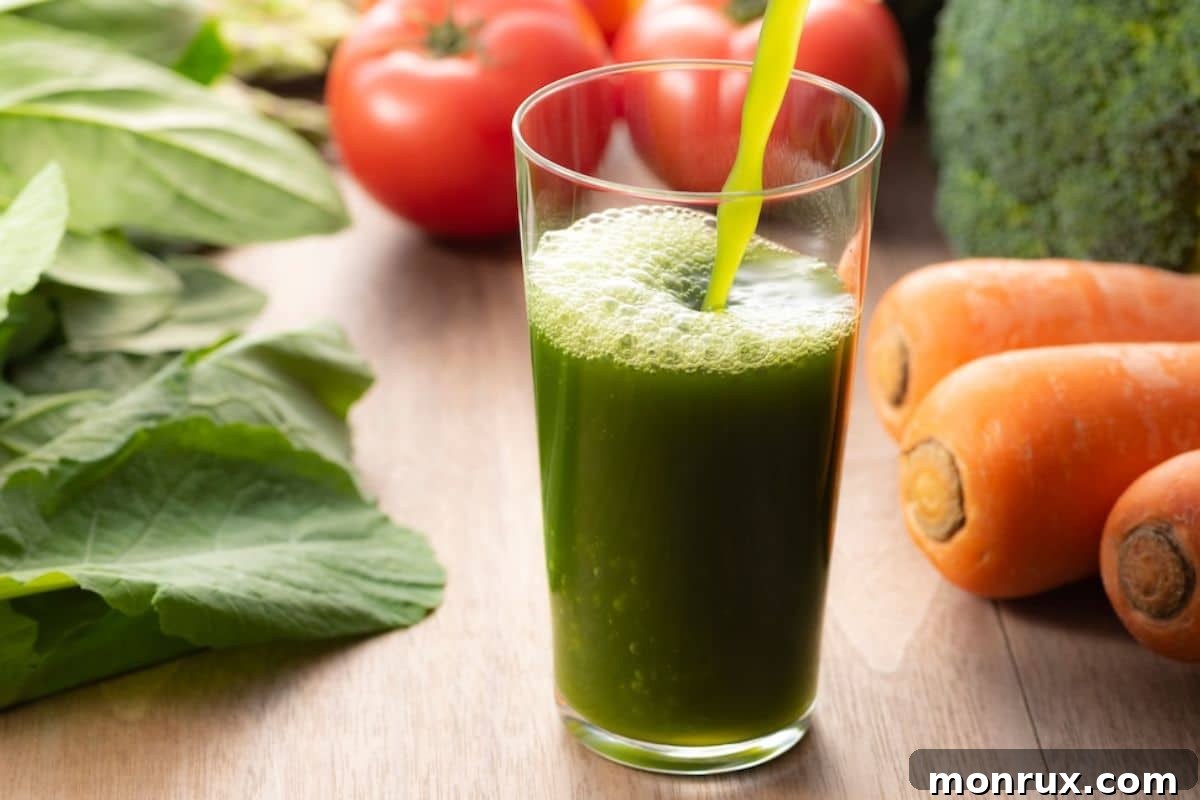
Unlock Optimal Digestion: Essential Juicer Recipes for Thriving Gut Health
Embarking on a journey with vegetable juicing is a fantastic way to significantly boost your daily intake of vital minerals, essential nutrients, and beneficial compounds. This comprehensive guide will explore an array of Juicer Recipes for Gut Health, offering insights into the best ingredients to use, the frequency of consumption, and how these vibrant concoctions can dramatically improve your digestive wellness and overall vitality.
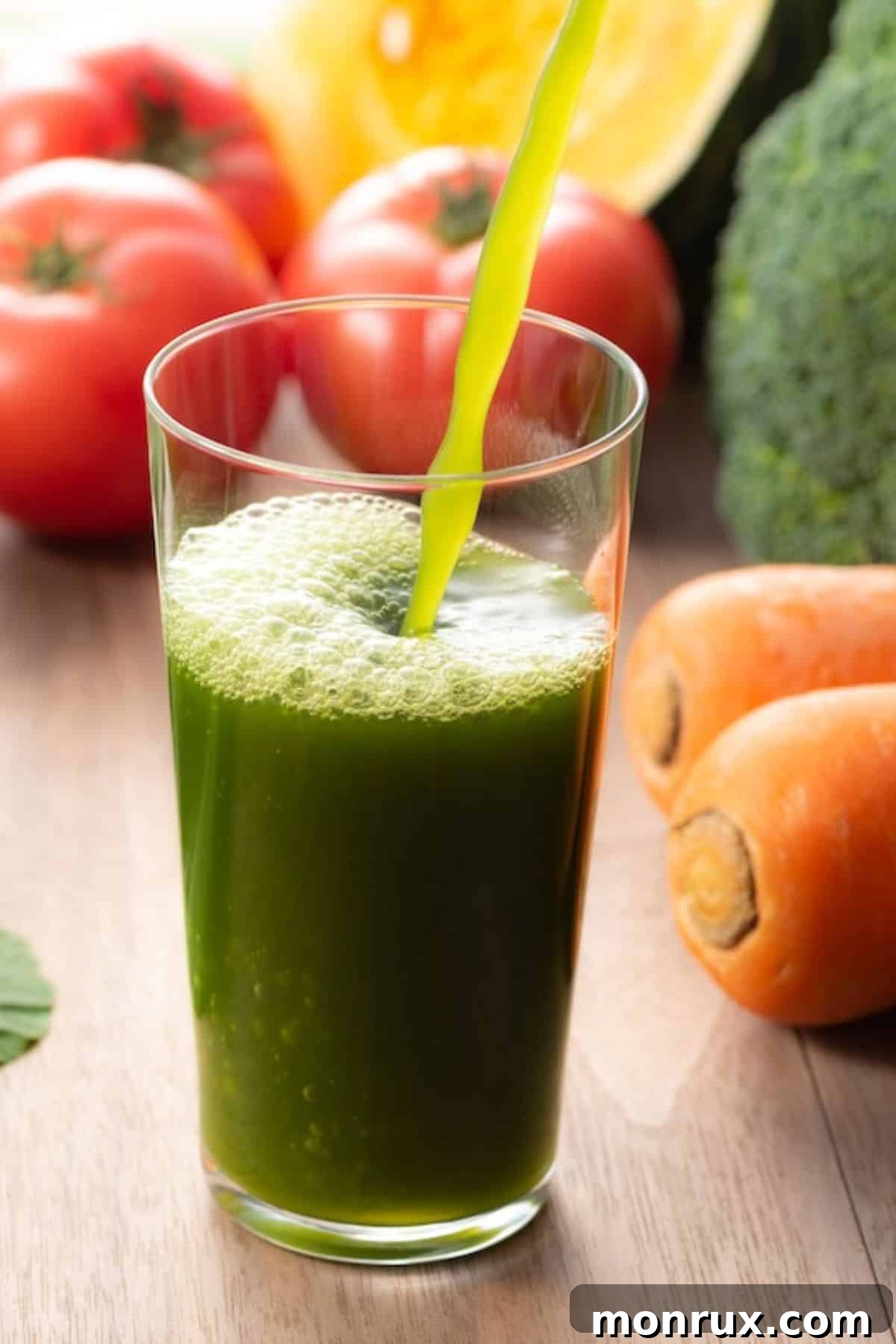
Juices for Gut Health & Digestion Principles
When you focus on juicing for the specific benefits of gut health, maintaining a crucial balance is key. While fruits add delightful sweetness, an excessive amount can lead to a high sugar content, which might inadvertently counteract some of the very digestive benefits you’re seeking. The natural sugars in fruit, especially when concentrated through juicing, can impact blood sugar levels and potentially feed less desirable gut bacteria if consumed in large quantities.
A generally recommended practice is to keep your juices predominantly vegetable-heavy. Utilize fruits sparingly, primarily for natural sweetness and to enhance the overall flavor profile. Excellent low-sugar fruit options that still provide a touch of sweetness include a crisp green apple or a golden beet. These ingredients offer a gentle sweetness without overwhelming the system with fructose, making them perfect additions to your daily glass of gut-friendly juice.
Incorporating vegetable-based juices into your diet offers a direct pathway to delivering concentrated nutrients to your digestive system. These powerful elixirs can help soothe inflammation, nourish beneficial gut bacteria, and support overall digestive function. Below, you’ll find a curated selection of juicer recipes specifically designed with gut health in mind. Start with any of these vibrant recipes to kickstart your journey toward improved digestion and a healthier gut.
Cabbage Juice for Stomach Healing (Juicer or Blender)
Cabbage Juice stands out as a remarkable vegetable juice, especially for addressing various tummy troubles, including the discomfort of ulcers. Rich in L-glutamine and other healing compounds, cabbage has been extensively researched for its ability to help repair the stomach lining and reduce inflammation. This recipe cleverly integrates crisp apple and a hint of fresh ginger, which not only add natural sweetness but also beautifully balance the distinct flavor of cabbage, making it surprisingly palatable. You can easily prepare this powerful juice using either a traditional juicer or a high-speed blender, making it accessible for everyone. Given the compelling research surrounding cabbage juice and its positive impact on gut health, it comes highly recommended as a top choice for anyone looking to support their digestive system.
Vibrant Purple Cabbage Juice: Antioxidant Power (Juicer or Blender)
This Purple Cabbage Juice recipe is a celebration of vibrant flavors and potent health benefits. It delivers a refreshing blend that is sweet, tangy, and subtly spicy, creating a truly invigorating beverage. Beyond its delicious taste, purple cabbage is an excellent source of anthocyanins, powerful antioxidants responsible for its striking color. These compounds are known to combat oxidative stress, support immune function, and contribute to overall cellular health. Packed with essential vitamins and minerals, this juice provides a nutritious boost for your immune system and overall well-being. Discover how simple it is to prepare this antioxidant-rich drink, whether you prefer using a juicer for a smooth consistency or a blender for a thicker, fiber-rich option.
Pineapple Ginger Juice: Digestive and Anti-Inflammatory Support
Pineapple Ginger Juice is a truly refreshing and invigorating beverage that masterfully combines the tropical sweetness of fresh pineapple with the zesty, warming spice of ginger. This vibrant drink isn’t just a delight for your taste buds; it’s also a powerhouse of potential digestive and anti-inflammatory benefits. Pineapple contains bromelain, an enzyme known for its ability to aid protein digestion and reduce inflammation throughout the body, particularly in the gut. Ginger, with its active compounds like gingerol, is a well-regarded natural remedy for nausea, indigestion, and bloating. Together, they create a synergistic effect that promotes a healthy digestive tract and offers significant anti-inflammatory relief. Learn the simple steps to prepare this beneficial juice using either a juicer or a blender, and start feeling the difference.
Hydrating Celery Cucumber Green Juice
This Celery Cucumber Green Juice Recipe is an absolute powerhouse of vitamins and micronutrients, making it an ideal choice whenever you need a deeply hydrating and wonderfully refreshing drink. Both celery and cucumber are renowned for their incredibly high water content, which is crucial for maintaining proper hydration and facilitating healthy bowel movements. Celery also brings its natural anti-inflammatory compounds and electrolytes, supporting overall gut comfort and balance. Cucumber adds silica, which is beneficial for connective tissues. This juice offers a mild, clean taste that is easy to enjoy, perfect for a morning boost or an afternoon pick-me-up. It’s a simple yet effective way to infuse your body with essential elements for digestive health and hydration.
Sweet and Earthy Beet Juice: Liver & Gut Cleansing (Juicer or Blender)
This Sweet Beet Juice recipe presents a delightful and refreshing drink that is incredibly easy to make and, contrary to common misconceptions, boasts a fantastic taste without any overpowering earthy flavor. Beets are celebrated for their significant benefits to liver detoxification and their rich fiber content, which acts as a prebiotic, nourishing the good bacteria in your gut. They also contain nitrates, which can improve blood flow and oxygen delivery throughout the body, including to the digestive organs. You only need a handful of wholesome ingredients to create this healthy beverage, which can be prepared efficiently in either a juicer or a blender. Discover how to transform humble beets into a sweet, vibrant juice that supports your liver and promotes a healthy gut microbiome.
Powerful Green Vegetable Detox Juice
This Green Vegetable Detox Juice recipe is a meticulously crafted blend of nutrient-dense vegetables, including celery, crisp cucumber, fresh parsley, and a variety of leafy greens. Each ingredient is bursting with powerful antioxidants and compounds that support the body’s natural detoxification processes and bolster gut health. Celery and cucumber provide unparalleled hydration and electrolytes, while parsley is known for its diuretic properties and rich vitamin K content. Leafy greens deliver a concentrated dose of vitamins, minerals, and chlorophyll, which can aid in cleansing and alkalizing the body. This hydrating juice is not just delicious; it’s an excellent way to gently cleanse your system and kickstart your day with renewed energy and vitality. It’s truly a fantastic morning ritual to nourish your body from the inside out.
Simple and Refreshing Celery Juice (Juicer or Blender)
Here’s an uncomplicated yet highly effective Celery Lime Juice recipe that promises a nourishing, fresh, and truly delicious experience. This simple beverage provides the renowned benefits of celery juice, which include promoting hydration, reducing inflammation, and supporting a healthy gut lining. The addition of fresh lime juice not only brightens the flavor but also provides a burst of vitamin C and additional digestive enzymes. Whether you choose to prepare it in a juicer for a silky-smooth consistency or a blender for a thicker, more fibrous drink, this recipe is designed for ease. Celery juice is a fantastic, hydrating beverage that can be enjoyed first thing in the morning to optimize digestion, or at any point throughout the day for a refreshing, health-boosting pick-me-up.
Anti-Bloat Green Juice for Relief (Blender or Juicer)
This incredible green Anti-Bloat Juice is specifically formulated using ingredients celebrated for their natural ability to help reduce symptoms of bloating and excess water retention. Key components like cucumber and celery provide powerful hydration and mild diuretic effects, while ginger soothes the digestive tract and reduces gas. Herbs like mint or parsley can further aid in calming an upset stomach and promoting efficient digestion. This delicious and nutrient-dense green drink is designed to bring comfort and lightness to your digestive system. Enjoy the invigorating taste and beneficial effects of this juice, whether you opt for the efficiency of a juicer to extract pure liquid gold or the convenience of a blender for a fuller, fiber-rich beverage.
Tropical Pineapple and Cucumber Juice
This refreshing Pineapple and Cucumber Juice recipe offers a truly delicious and invigorating way to replenish your body with essential nutrients and minerals, including a generous dose of vitamin C and potassium. The natural enzymes in pineapple, such as bromelain, are excellent for supporting protein digestion and reducing inflammation. Meanwhile, cucumber, with its impressive water content, provides superior hydration and contributes electrolytes crucial for cellular function and fluid balance. This juice is not only a nutritional powerhouse but also incredibly hydrating, making it the perfect beverage for quenching your thirst on warm summer days or after a strenuous workout. Discover the simplicity of preparing this tropical delight in either a juicer or a blender, and enjoy its revitalizing benefits.
Balanced Celery Apple Juice for Flavor & Health (Juicer or Blender)
Celery Apple Juice provides an excellent and flavorful way to harness the significant benefits of celery juice, but with a wonderfully enhanced taste profile. Celery is prized for its hydrating properties, anti-inflammatory compounds, and ability to support a healthy gut. The addition of apple, especially green apple, provides a touch of natural sweetness, balances the inherent earthiness of celery, and contributes pectin, a soluble fiber that acts as a prebiotic, nourishing beneficial gut bacteria. This remarkably simple recipe requires just three core ingredients and can be effortlessly prepared using either a juicer for a pure, smooth liquid or a blender for a more textured, fiber-inclusive drink. Don’t hesitate to try this delightful green juice recipe today and experience its refreshing and gut-supportive qualities.
Potent Anti-Inflammatory Juice Recipe with Ginger
This Anti-Inflammatory Juice Recipe is not only exceptionally tasty and refreshing but also a powerful elixir designed to combat inflammation within the body. It is thoughtfully crafted with inflammation-fighting superstars like turmeric, ginger, and pineapple. Turmeric contains curcumin, a compound with potent anti-inflammatory and antioxidant effects, which can significantly benefit gut health and overall systemic inflammation. Ginger provides its well-known soothing properties for the digestive system, while pineapple’s bromelain enzyme further amplifies the anti-inflammatory action. This vibrant green juice can be a perfect addition to your breakfast, providing a nourishing start to your day, or enjoyed between meals as a potent wellness booster. Incorporate this daily to support a healthy inflammatory response and promote inner balance.
Key Gut Health Juice Ingredients & Their Benefits
Several ingredients are highly regarded for their potential to promote robust gut health, making them exceptional choices for creating juices that support better digestion. These natural powerhouses can help soothe inflammation, nourish beneficial gut flora, and ensure your digestive system operates smoothly. Incorporating a variety of these components will maximize the benefits for your gut.
Here are some of the best simple ingredients that can significantly support and enhance your gut health:
- Ginger: A cornerstone of digestive health, ginger is renowned for its potent anti-inflammatory properties. Its active compounds, like gingerol, can effectively ease digestive discomfort, reduce nausea, and stimulate gastric motility, helping food move smoothly through the digestive tract. Beyond its medicinal benefits, fresh ginger imparts a wonderfully spicy and invigorating flavor to any healthy juice recipe, making it a delicious addition.
- Turmeric: This vibrant golden root contains curcumin, a powerful compound celebrated for its profound anti-inflammatory and antioxidant effects. These properties are incredibly beneficial for gut health, helping to calm inflammation in the gut lining and protect against cellular damage. Juicing fresh turmeric root is one of the most effective and direct ways to incorporate this potent spice into your diet, ensuring maximum absorption of its beneficial compounds.
- Green Leafy Vegetables (e.g., Spinach, Kale, Swiss Chard): These leafy greens are exceptionally high in vitamins, minerals, antioxidants, and a good amount of fiber. While juicing removes much of the insoluble fiber, the remaining soluble fiber and rich micronutrient content still plays a vital role in supporting the digestive system. They provide essential nutrients that nourish the gut lining and contribute to a balanced gut microbiome. Their chlorophyll content also offers cleansing properties.
- Beets: These deep red root vegetables are a nutritional powerhouse, rich in both fiber and beneficial compounds like betalains, which have antioxidant and anti-inflammatory properties. Beets can significantly improve digestion by acting as a prebiotic, feeding the beneficial bacteria in your gut. They also contain nitrates that support healthy blood flow. A study on consuming Beet Juice highlights its positive impact on gut health. For a deeper dive, explore my dedicated article on the amazing benefits of Beetroot Juice.
- Carrots: Sweet and versatile, carrots are an excellent source of beta-carotene, which the body converts to vitamin A, crucial for maintaining a healthy gut lining. They also contain soluble fiber that supports regular bowel movements and can act as a prebiotic. Carrots aid in supporting digestion and contribute to a healthy microbiome. Carrot juice, often a favorite for its natural sweetness, is consistently one of the best and most universally enjoyed juice recipes you’ll ever make.
- Apples (in moderation, especially green): While higher in sugar than most vegetables, apples contain pectin, a highly beneficial soluble fiber. Pectin acts as a powerful prebiotic, nourishing the growth of good bacteria in the gut and promoting a healthy gut microbiome. Green apples, in particular, offer a lower sugar content compared to red varieties while still providing excellent flavor and health benefits. Understanding the best apples for juicing can help you make optimal choices.
- Cucumbers: Composed of approximately 95% water, cucumbers are exceptional for hydration, which is a critical factor for healthy digestion and preventing constipation. They also contain enzymes important for digestion and offer a cooling effect that can soothe an irritated digestive tract. Their mild flavor makes them an excellent base for many green juice recipes. For more on their hydration benefits, check out Cleveland Clinic’s insights on cucumbers.
- Celery: A staple in gut-health juicing, celery offers significant hydration and a wealth of electrolytes. It contains unique compounds that are believed to support gastric health, reduce inflammation, and may help repair the gut lining. Many advocates consume homemade celery juice on an empty stomach to maximize its benefits for digestion and detoxification. Its slightly salty, fresh taste forms a great base for many green juices.
- Cabbage: This cruciferous vegetable is packed with a wide array of nutrients, including vitamins C and K, and beneficial sulfur compounds. Cabbage juice has been specifically studied and shown to help reduce peptic ulcers and can play a role in repairing the stomach lining. It’s a powerful and delicious juice for addressing various digestive ailments. My Purple Cabbage Juice recipe provides a vibrant and equally beneficial alternative.
- Mint: More than just a flavor enhancer, mint is widely known for its soothing properties, particularly for the digestive system. It can help relax the muscles of the gastrointestinal tract, easing symptoms like indigestion, gas, and bloating. Adding a few sprigs of fresh mint to your juice can significantly enhance its taste while providing natural relief and promoting overall gut comfort.
- Fennel: With its distinct licorice-like flavor, fennel is an excellent addition for gut health. It contains anethole, which has anti-inflammatory and antispasmodic properties, making it effective at reducing gas and bloating. Fennel is also a good source of fiber and vitamin C, supporting healthy digestion and nutrient absorption.
- Lemon/Lime: Citrus fruits, used in moderation, provide a wonderful zing and are rich in Vitamin C, a powerful antioxidant. They can also stimulate digestive enzymes and help in alkalizing the body. Their acidity helps cleanse the digestive tract and can enhance the absorption of minerals from other ingredients.
How Juicing Can Improve Digestive Wellness
Vegetable juicing is an incredibly efficient way to deliver a concentrated dose of vitamins, minerals, and antioxidants directly to your system. These nutrient powerhouses play a critical role in maintaining a healthy gut by nourishing beneficial bacteria, reducing inflammation, and supporting the integrity of the gut lining. It serves as an accessible and enjoyable method to ensure you receive a wide variety of essential nutrients and stay adequately hydrated—both fundamental pillars for a smoothly functioning digestive system, a robust immune response, and a vibrant, healthy lifestyle.
Potential Benefits of Juicing for Gut Health
- Boosts Concentrated Nutrient Intake: Vegetable juices are exceptionally rich in bioavailable vitamins, minerals, and enzymes. These micronutrients are vital for supporting the health of the entire digestive system, including the cells lining the gut. A higher nutrient intake can directly contribute to maintaining a strong gut barrier, reducing gut permeability, and helping to reduce systemic inflammation, which often originates in the gut.
- Supports Beneficial Gut Bacteria: The diverse array of plant compounds, prebiotics (even in small amounts), and micronutrients found in juiced vegetables can act as nourishment for beneficial gut bacteria. By feeding these good bacteria, juicing helps to promote a balanced and healthy gut microbiome. A thriving microbiome is absolutely essential for efficient digestion, nutrient absorption, and overall health, influencing everything from mood to immunity.
- Improves Hydration Levels: Optimal hydration is unequivocally crucial for digestion. Water is necessary for breaking down food, absorbing nutrients, and ensuring smooth, regular bowel movements. Vegetable juicing significantly contributes to your daily fluid intake, helping to prevent constipation and allowing the digestive system to function with greater efficiency and ease. This is particularly beneficial for those who struggle to drink enough plain water.
- Provides a Rich Source of Antioxidants: The abundance of antioxidants found in fresh vegetables and fruits can play a protective role in the gut. These powerful compounds work by neutralizing harmful free radicals, which can otherwise damage gut cells and contribute to inflammation and chronic diseases. By reducing oxidative stress, antioxidants contribute to a healthier digestive tract, reducing the risk of conditions like irritable bowel syndrome (IBS) and chronic inflammation.
Important Considerations for Juicing for Gut Health
While juicing offers numerous advantages, it’s essential to be aware of certain aspects to ensure it complements a holistic approach to gut health:
- Reduced Fiber Content: One of the primary downsides of juicing is that it removes most of the insoluble fiber from vegetables and fruits. Fiber is absolutely essential for healthy digestion, promoting bowel regularity, adding bulk to stool, and acting as a vital food source (prebiotic) for beneficial gut bacteria. To effectively combat this reduction, it’s advisable to also incorporate gut-supportive smoothies (which retain much more fiber than juice) or, more simply, increase your intake of whole fresh fruits and vegetables in your daily diet. Blending, rather than juicing, is an alternative if you want to retain the full fiber content.
- Potential Sugar Concentration: Juicing primarily fruits can significantly concentrate their natural sugars, leading to a high sugar content in the final beverage. This can negatively affect blood sugar levels, leading to spikes and crashes, and potentially disrupt the delicate balance of the gut microbiome by feeding less beneficial bacteria. To mitigate this issue, always prioritize vegetable-heavy juices and use fruits sparingly, focusing on low-sugar options like berries or green apples for sweetness.
- Nutrient Loss Over Time: The juicing process, and subsequent exposure to air and light, can lead to the gradual loss of some heat-sensitive nutrients, enzymes, and delicate phytochemicals present in the whole vegetable. This means that the health benefits might slightly diminish compared to consuming the whole produce. To help prevent this nutrient degradation, it is strongly recommended to consume your freshly made juice as quickly as possible, ideally within 15-30 minutes after juicing. If you must store it, do so in an airtight container in the refrigerator.
- Food Intolerance Risks: For certain individuals, consuming concentrated amounts of specific vegetables in juice form might trigger or exacerbate digestive issues or highlight previously unknown food intolerances. This is especially true for those with sensitive digestive systems or conditions like IBS. In such cases, it is wise to introduce new juice ingredients gradually. You might also consider straining your juice even after juicing to remove any remaining pulp that could be irritating, or start with a very small amount, like just a few ounces, and slowly work your way up as your system adjusts. Listening to your body is paramount.
Juicing FAQs for Optimal Gut Health
Yes, juicing can significantly contribute to improved gut health. It provides a highly concentrated source of vitamins, minerals, antioxidants, and anti-inflammatory compounds that actively support the digestive system, reduce inflammation, and nourish beneficial gut bacteria. There is growing research supporting the positive impact of juices on a healthier gut microbiome, suggesting that the diverse phytonutrients can foster a more balanced microbial environment.
No, juicing primarily extracts the liquid content from vegetables and fruits, which means most of the insoluble fiber is removed in the pulp. While the juice still offers many nutrients beneficial for gut health, it does not provide the substantial fiber needed for optimal digestive regularity and feeding the gut microbiome. To ensure adequate fiber intake, it’s crucial to include plenty of whole fruits, vegetables, and other fiber-rich foods in your diet in addition to consuming vegetable juices. Incorporating smoothies, which retain the whole fruit/vegetable fiber, can also be an excellent strategy.
Drinking vegetable juice can be a highly healthy addition to your daily diet, but moderation and balance are essential. For general gut health support, one serving (typically 8-12 ounces) of vegetable-heavy juice per day can perfectly complement a diet already rich in whole foods. This approach allows you to reap the benefits of concentrated nutrients without overloading on natural sugars or missing out on the essential fiber provided by whole produce. Consistency is often more important than quantity.
For gut health recipes, a masticating (slow) juicer is often recommended. These juicers operate at a lower speed, minimizing heat and oxidation, which helps preserve more enzymes, vitamins, and delicate phytonutrients that are crucial for gut healing. While centrifugal juicers are faster and more affordable, they can generate more heat and introduce more air, potentially reducing the nutritional value. Ultimately, the “best” juicer is one you will use consistently.
Freshly made juice is best consumed immediately to maximize nutrient intake. However, if you need to store it, transfer the juice into an airtight glass container, filling it to the very top to minimize air exposure. Store it in the refrigerator for up to 24-48 hours. Beyond this time, significant nutrient degradation can occur. Adding a squeeze of lemon or lime juice can also help preserve freshness and deter oxidation slightly.
Common mistakes include: 1) Juicing too many fruits, leading to high sugar content; always prioritize vegetables. 2) Not washing produce thoroughly, which can introduce pesticides or bacteria. 3) Neglecting variety, as a diverse range of plant compounds supports a healthier microbiome. 4) Relying solely on juicing for nutrition, ignoring the need for whole foods and fiber. 5) Not listening to your body; if a certain ingredient causes discomfort, adjust your recipes.
Explore More Juicing Resources!
Final Thoughts on Juicing for Gut Health
In conclusion, incorporating juicing into your lifestyle can be an incredibly beneficial addition to a balanced and health-conscious diet. It offers a nutrient-dense boost that specifically supports gut health through its abundant provision of highly bioavailable vitamins, essential minerals, potent antioxidants, and anti-inflammatory compounds. The diverse array of gut health juice recipes detailed in this article provides an excellent starting point for anyone looking to embark on or enhance their juicing journey, with a clear emphasis on optimizing digestion and promoting overall digestive well-being.
Remember, while juicing is powerful, it works best when integrated into a lifestyle that also includes whole foods, adequate fiber, regular exercise, and stress management. Listen to your body, experiment with different ingredients, and enjoy the vibrant flavors and remarkable health improvements that juicing can bring.
Don’t forget to join my newsletter list to receive exclusive clean eating recipes and valuable tips directly to your inbox. The newsletter is completely free, guarantees no spam, and you can easily unsubscribe at any time.
About the Author: Carrie Forrest holds a master’s degree in public health with a specialty in nutrition and is a certified holistic nutritionist. She is a highly successful wellness and food blogger, attracting over 5 million annual visitors to her insightful site. Carrie shares an inspiring story of recovery from chronic illness and is deeply passionate about empowering other women to transform their health journeys. Feel free to connect with her through her contact form.
Note: This post is provided for informational purposes only and is not intended to serve as medical advice. Please consult your healthcare provider for personalized recommendations pertinent to your individual health situation.