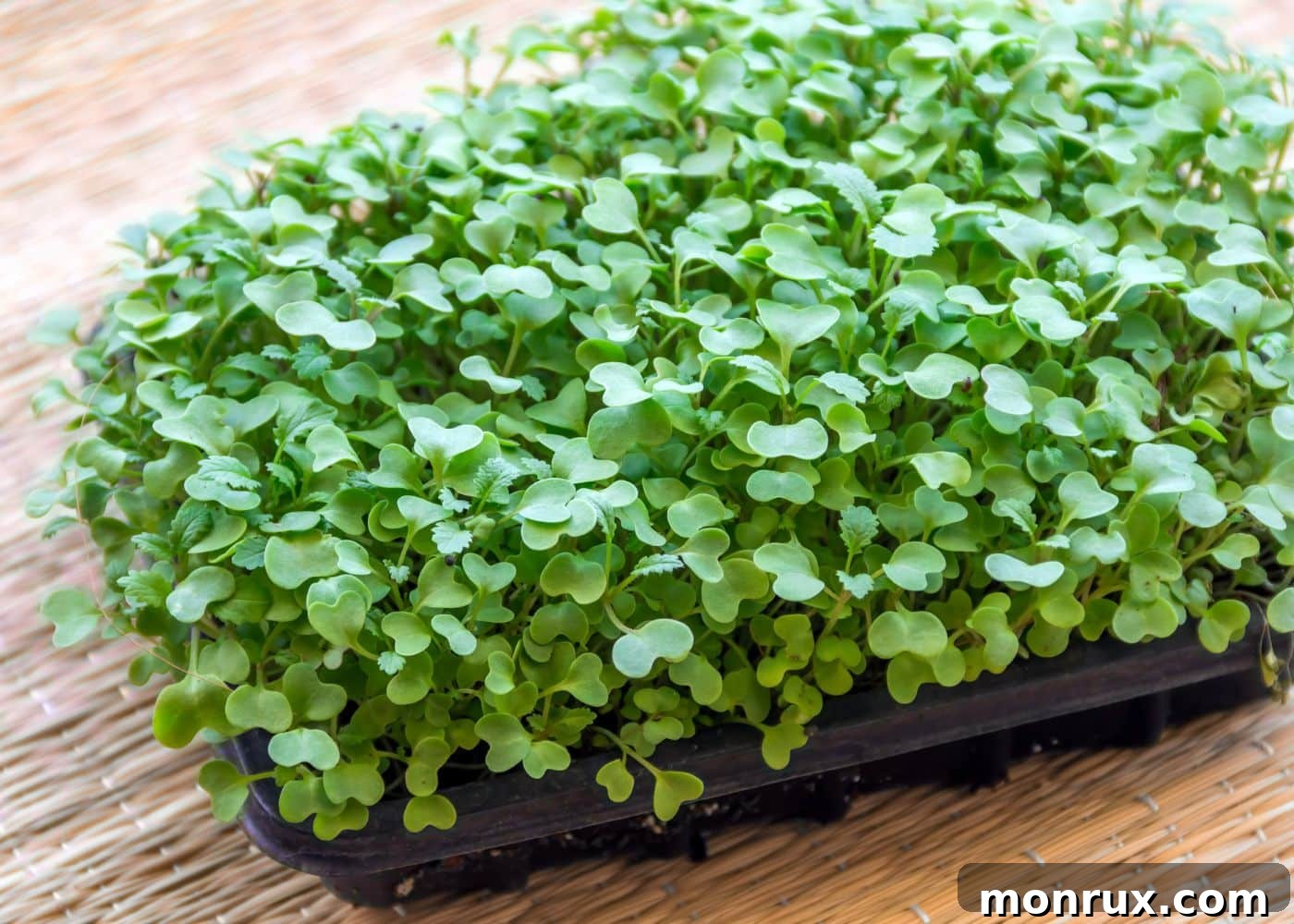
Welcome to the world of Kale Microgreens, a true nutritional powerhouse you can effortlessly cultivate in your own home. These vibrant, miniature greens are celebrated not only for their robust health benefits but also for their delightful, milder flavor compared to their mature counterparts. If you’re looking to elevate your diet with an abundance of vitamins, minerals, and antioxidants, while also enjoying the rewarding experience of growing your own food, then growing kale microgreens is an excellent choice. This comprehensive guide will equip you with all the knowledge needed to successfully grow, harvest, and savor your very own supply of these incredible superfoods.
Kale Microgreens: An In-Depth Overview
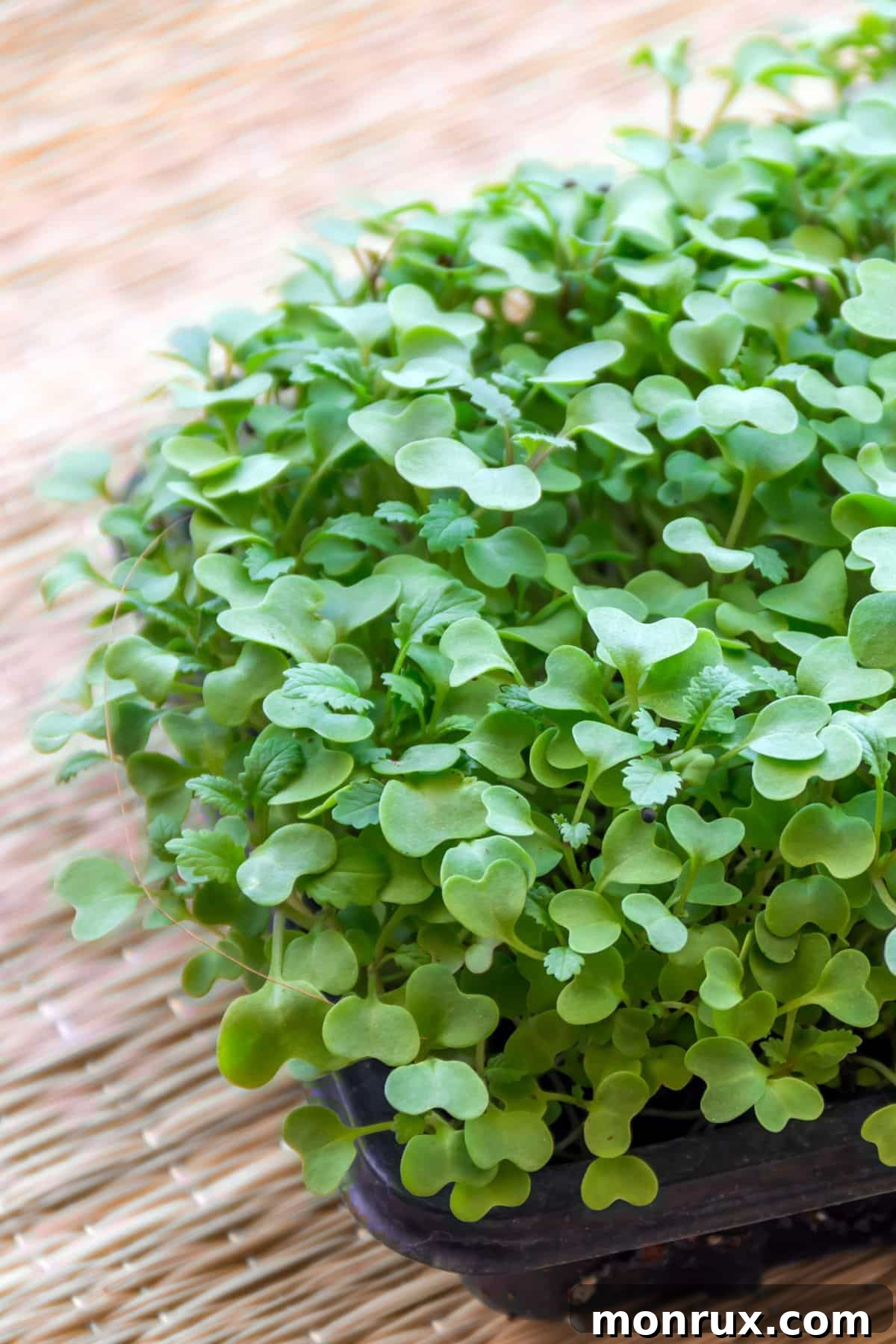
Kale microgreens, often referred to simply as micro kale, are the young, tender seedlings of the kale plant. They are harvested at a very early stage, typically when they are just a few inches tall and have developed their cotyledon (seed) leaves, and sometimes their first set of true leaves. These miniature plants are a concentrated source of nutrients and boast a milder flavor profile than their mature counterparts, making them an excellent addition to a wide array of dishes.
What Exactly Are Kale Microgreens?
In essence, kale microgreens are baby kale plants. They belong to the Brassica family, a group of vegetables also known as cruciferous vegetables, which includes broccoli, cauliflower, cabbage, Brussels sprouts, and bok choy. Unlike sprouts, which are germinated in water and consumed whole (including the seed and root), microgreens are grown in soil or a growing medium and harvested by cutting just above the soil line, allowing only the stem and leaves to be eaten.
Their growth cycle is short, typically lasting from 7 to 21 days from seeding to harvest, depending on the variety. This rapid growth contributes to their intense nutrient density and vibrant flavor. While mature kale can sometimes be tough and bitter, its microgreen form offers a tender texture and a subtly sweet, slightly peppery flavor that is far more approachable, especially for those new to kale.
Nutritional Superiority: Why Microgreens Outshine Mature Kale
Kale has long been lauded as a superfood, a staple in healthy diets worldwide due to its impressive nutrient content. However, kale microgreens take this nutritional value to an entirely new level. Research consistently shows that microgreens can contain significantly higher concentrations of vitamins, minerals, and antioxidants—sometimes 4 to 40 times more—than their fully grown counterparts. This is attributed to their harvest at a peak stage of development when all the plant’s stored energy and nutrients from the seed are concentrated in these initial leaves.
This means you get a powerful nutritional punch in a much smaller serving size. For individuals, especially children, who might find the strong, earthy flavor and fibrous texture of mature kale challenging, micro kale offers a delicious and easy alternative to incorporate these vital nutrients into their meals.
Culinary Versatility and the Advantages of Homegrown Microgreens
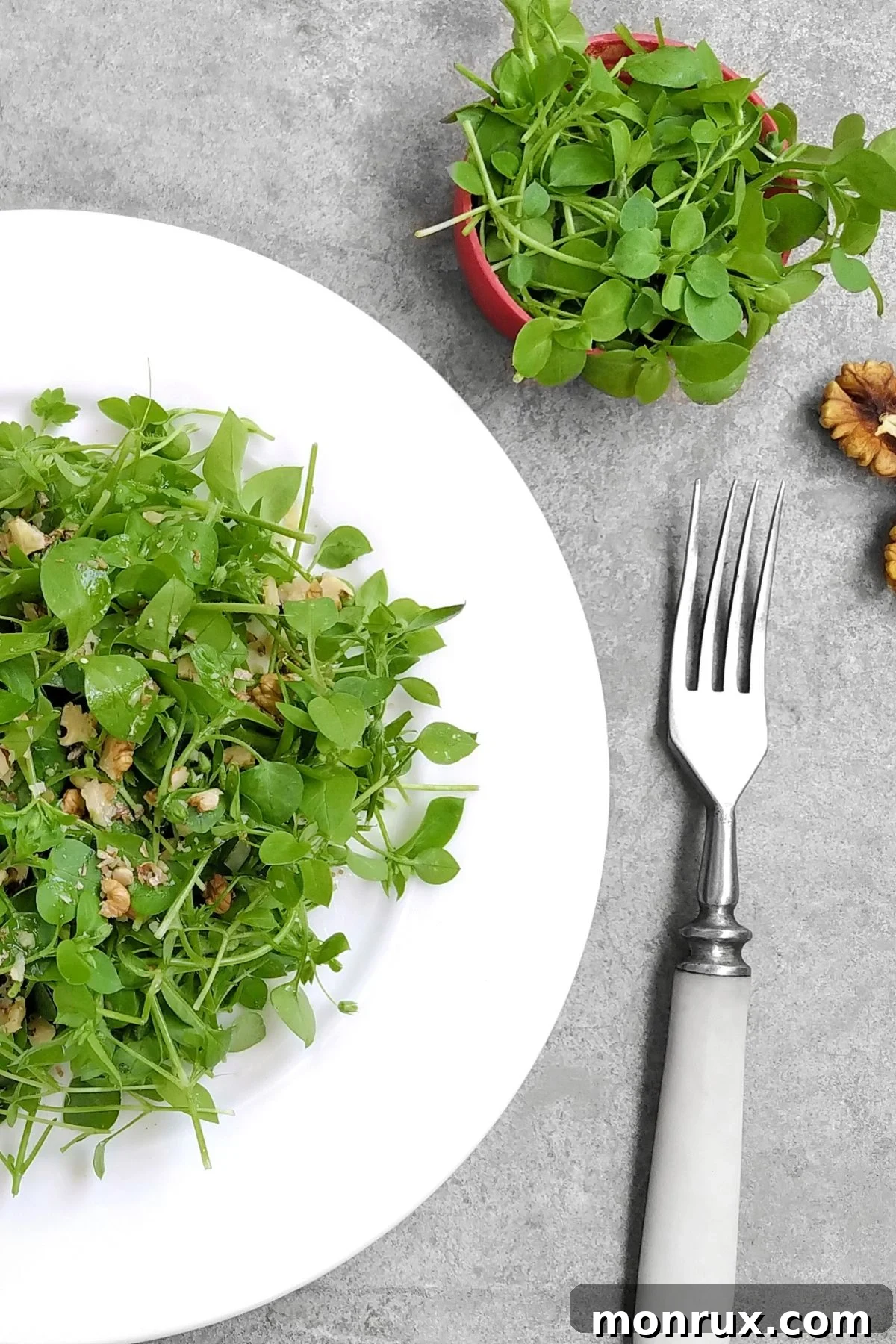
The delicate texture and palatable flavor of kale microgreens make them incredibly versatile in the kitchen. Unlike the tough stems and leaves of mature kale that often require cooking or extensive massaging, microgreens are tender and best enjoyed raw. They add a beautiful pop of color, a refreshing crunch, and a burst of flavor to any dish.
While you might occasionally find kale microgreens in specialty grocery stores, growing them at home is a far more economical and beneficial option. Homegrown microgreens ensure maximum freshness and peak nutritional value, as they can be harvested just moments before consumption. This guide will show you how straightforward and enjoyable it is to cultivate a continuous supply of fresh kale microgreens, typically taking less than 10 days from planting to your first harvest!
Unveiling the Health Benefits of Kale Microgreens
Kale microgreens are indeed a marvel of nature, classified as functional foods due to their exceptional ability to provide significant health advantages beyond basic nutrition. Their concentrated nutrient profile makes them an invaluable addition to any health-conscious diet.
Power-Packed with Essential Vitamins and Minerals
These tiny greens are brimming with an impressive array of essential vitamins and minerals crucial for optimal bodily function. They are an excellent source of:
- Vitamin A: Vital for vision, immune function, and skin health.
- Vitamin C: A powerful antioxidant that supports the immune system, collagen production, and iron absorption.
- Vitamin B6: Important for brain development, nerve function, and metabolism.
- Vitamin K1: Essential for blood clotting and bone health.
- Minerals: Rich in calcium (for strong bones), iron (for oxygen transport), copper (for energy production), magnesium (for muscle and nerve function), and potassium (for blood pressure regulation and fluid balance).
Rich in Antioxidants and Phytonutrients for Disease Protection
Beyond the standard vitamins and minerals, kale microgreens are also a fantastic source of dietary fiber and potent plant compounds known as phenolic compounds and carotenoid antioxidants. These compounds act as powerful antioxidants within the body, combating oxidative stress and inflammation, which are underlying causes of many chronic diseases.
One particularly noteworthy compound found abundantly in kale, both mature and microgreen, is glucosinolate. This sulfur-containing compound is a precursor to isothiocyanates, secondary metabolites known for their incredible detoxifying properties. These metabolites aid the body in eliminating carcinogens and have been extensively studied for their potential protective effects against various cancers.
What truly distinguishes microgreens from their mature counterparts is their superior nutrient concentration. Numerous studies, such as those published in the Journal of Agricultural and Food Chemistry, have highlighted that microgreens can offer anywhere from 4 to 40 times the nutrient levels of mature plants. This exceptional nutrient density is precisely why they are harvested so early—at this stage, the plant has harnessed all its energy and nutrient reserves from the seed into its nascent leaves, resulting in a powerhouse of nutrition.
This concentrated goodness is fantastic news for anyone seeking to boost their nutrient intake, especially those who find it challenging to consume large quantities of vegetables. By incorporating kale microgreens into your diet, you can unlock the full spectrum of kale’s health benefits in smaller, more palatable servings, making healthy eating both easier and more enjoyable.
Your Step-by-Step Guide to Growing Kale Microgreens at Home
It’s natural to assume that cultivating such a nutrient-dense food would require specialized skills or costly equipment. However, the reality is wonderfully simple: growing kale microgreens (or micro kale) at home is incredibly easy, space-efficient, and often requires little more than basic household items. With just seeds, a suitable growing medium, light, and water, you can enjoy your first harvest in as little as 9-10 days.
Essential Supplies You’ll Need
Before you begin your microgreen journey, gather the following essential supplies:
Kale Seeds: Choosing the Right Variety
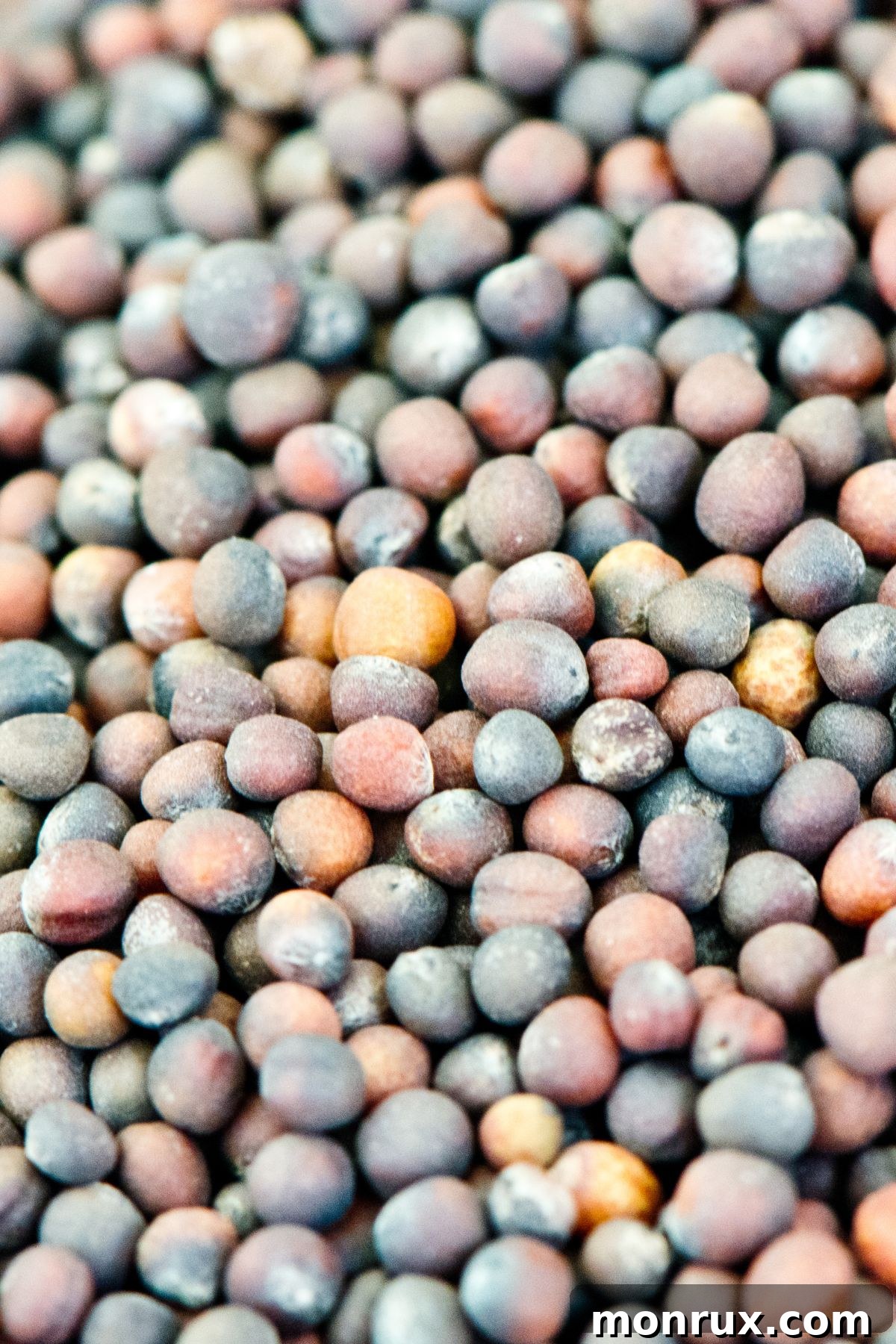
You don’t need fancy, specialized microgreen seeds for kale. Regular kale seeds, the same kind you’d plant in a garden, will work perfectly. The key is to choose high-quality, organic seeds to ensure they are free from pesticides and harmful additives. Look for seeds specifically labeled for sprouting or microgreen use, as these typically have higher germination rates.
There are several excellent kale varieties to consider:
- Dwarf Serbian, Blue Scotch Curled, Lacinato (Dinosaur Kale), and White Russian Kale: These cultivars typically produce dark green leaves and pale stems, offering a classic kale flavor.
- Red Russian Kale: This variety is a popular choice among microgreen growers, despite sometimes being slightly more expensive. Its distinguishing feature is its beautiful pinkish-red stems and finely frilled leaves, which add a stunning aesthetic appeal to salads and garnishes. Red Russian kale also tends to be more tender and possesses a slightly sweeter flavor compared to other varieties, which can sometimes carry a touch of bitterness. Some growers even allow Red Russian kale to mature slightly past the typical microgreen stage to let its true, frilly leaves develop, further enhancing its visual appeal. Consider this heirloom kale seed mix for variety.
Once you gain confidence, experiment with different kale varieties to create unique and nutritious microgreen mixes. Always prioritize organic brands to guarantee purity and safety.
Growing Medium: Soil vs. Alternatives
While various mediums can be used, kale microgreens generally thrive best in soil. A good quality potting soil or seed starting mix is ideal, as its fine-grained, lightweight texture facilitates easy root penetration and establishment. Soil also provides a natural buffer for moisture, making watering less finicky, and many growers report that soil-grown microgreens have a superior flavor.
If you prefer a less messy indoor option, alternatives include:
- Grow Mats: These are pre-formed fibrous mats that hold moisture well.
- Coconut Coir: A sustainable and sterile medium derived from coconut husks, known for its excellent water retention and aeration.
Both grow mats and coconut coir require more diligent watering than soil, as they dry out faster and offer less nutrient buffering. Experiment to find what works best for your setup.
Containers: The Right Trays for Success
For efficient harvesting, shallow trays are essential, ideally 1 to 2 inches deep. If you’re just starting, repurposed fruit containers or pie plates can serve as eco-friendly options. However, for consistent production, investing in dedicated growing trays is recommended.
You will need two types of trays:
- Growing Tray (with drainage holes): This tray will hold your growing medium and seeds. Drainage holes are crucial to prevent waterlogging, which can lead to mold and root rot.
- Bottom Tray (without drainage holes): A second, slightly larger tray placed beneath the growing tray. This is used for bottom watering, a technique that keeps the delicate leaves and stems dry, further minimizing the risk of mold and encouraging stronger root development.
Spray Bottle: Gentle Misting for Delicate Seeds
A fine-mist spray bottle is indispensable for the initial watering of your newly sown seeds. It ensures the seeds are gently moistened without being dislodged or overwatered.

Light Source: Fueling Photosynthesis for Green Growth
Once your kale seeds have germinated, they require ample light to photosynthesize and develop their vibrant green color and full nutritional potential. Natural light from a sunny windowsill, especially from late spring through early fall, can be sufficient in many locations.
However, for optimal growth, consistent results, and to truly bring out the vibrant colors of varieties like Red Russian kale, a dedicated grow light is highly recommended. Grow lights offer better control over light intensity and duration, ensuring your microgreens receive at least 8-12 hours of light per day. Placing the light on the side of the tray can also help with even growth.
How to Sow Your Kale Microgreen Seeds
The seeding process is straightforward, but precision helps ensure a successful harvest:
- Prepare the Growing Medium: Fill your growing tray with your chosen medium (soil, coir, or mat) up to the rim. Gently level the surface with your hand. If using soil, pat it down very lightly; avoid compacting coconut coir too much.
- Initial Moistening: Lightly spray the surface of the medium with water from your spray bottle. Allow the water to absorb, then mist the surface again to ensure thorough dampness.
- Sowing the Seeds: Kale seeds are tiny and generally don’t require presoaking. Spread them evenly over the moist surface. Aim for a dense, single layer. A seed shaker bottle can be helpful for even distribution. For a 10 × 20-inch tray, approximately 1 ounce of seeds is a good target. Use your fingers to gently separate any clumps, as restricted airflow from piled seeds can lead to rot.
How to Germinate the Seeds: The Blackout Period
Germination is a critical phase where moisture and darkness are key:
- Cover and Weigh Down: After misting the sown seeds one last time to prevent them from drying out or shifting, cover the growing tray. The easiest method is to use your second, larger tray as a blackout dome. Place a weight (around 5 pounds) on top of the cover. This achieves two things: it maintains consistent moisture and blocks all light, creating an ideal germination environment. The weight also gently presses the seeds into the soil, promoting stronger root development.
- Warmth and Patience: Place the covered, weighted tray in a warm spot, ideally around 70℉ (21℃), and leave it undisturbed for 2 days.
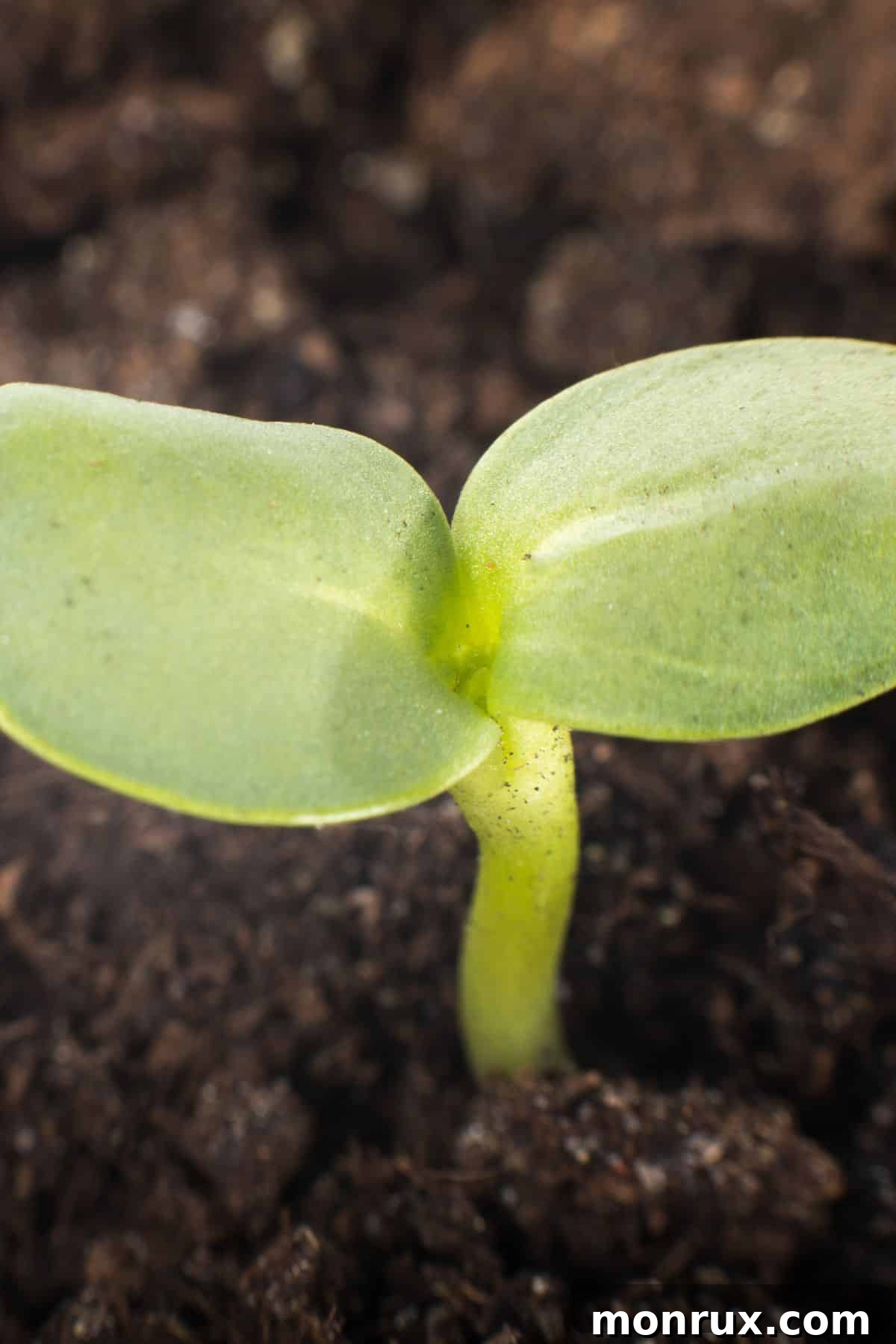
- Check for Sprouting: After 2 days, carefully lift the cover. Most seeds should have sprouted, appearing pale yellow due to the lack of light. This is perfectly normal; they will green up once exposed to light. If many seeds still seem undeveloped, replace the cover and weight, allowing them another one to two days to germinate.
Expose the Kale Microgreens to Light and Watch Them Grow!
Once the majority of your seeds have sprouted, it’s time to introduce them to light and begin the growth phase:
- Remove Cover and Provide Light: Take off the cover and expose your newly germinated microgreens to ample light. While kale microgreens are somewhat forgiving and can grow well on a sunny windowsill, using a grow light will generally yield stronger, more uniformly colored, and more vibrant greens, especially for red-stemmed varieties like Red Russian. Aim for at least 8-12 hours of light per day.
- First Bottom Watering: Place the growing tray on top of the second, larger tray (the one without drainage holes). Water generously into the bottom tray. The soil will absorb water from below through the drainage holes. Once the top surface of the soil appears moist, remove any excess water from the bottom tray to prevent overwatering, which can lead to mold.
- Ongoing Bottom Watering: From this point forward, always water your microgreens from the bottom tray. This method keeps the foliage dry, significantly reducing the risk of mold and encouraging roots to grow downwards in search of water. Check the soil moisture daily and replenish the bottom tray as needed to keep the soil consistently moist, but never waterlogged.
- Distinguishing Root Hairs from Mold: In the early stages, you might notice fuzzy white fibers around the base of the seedlings. These are almost always beneficial root hairs, not mold! Mold typically appears as grey or black patches and often smells musty. Sticking to bottom watering and ensuring good air circulation will largely prevent mold issues.
- Observe Growth and Color Development: Over the next few days, your seedlings will rapidly grow into microgreens. They will initially be pale yellow, gradually turning a rich green as they absorb light through photosynthesis. If they remain pale despite sufficient light, it might indicate insufficient light exposure, which can compromise flavor and nutritional content. Adjust your light source if necessary.
- Maintain Optimal Environment: Keep your growing microgreens in a warm environment, ideally around 70℉ (21℃). Good ventilation (a gentle fan can help) and a humidity level of about 50% are also beneficial for healthy growth and preventing issues like dampening-off. These conditions also help maintain an ideal soil temperature for root development.
Harvesting Your Kale Microgreens: Timing is Everything
Knowing when to harvest ensures you capture your microgreens at their peak flavor and nutritional value:
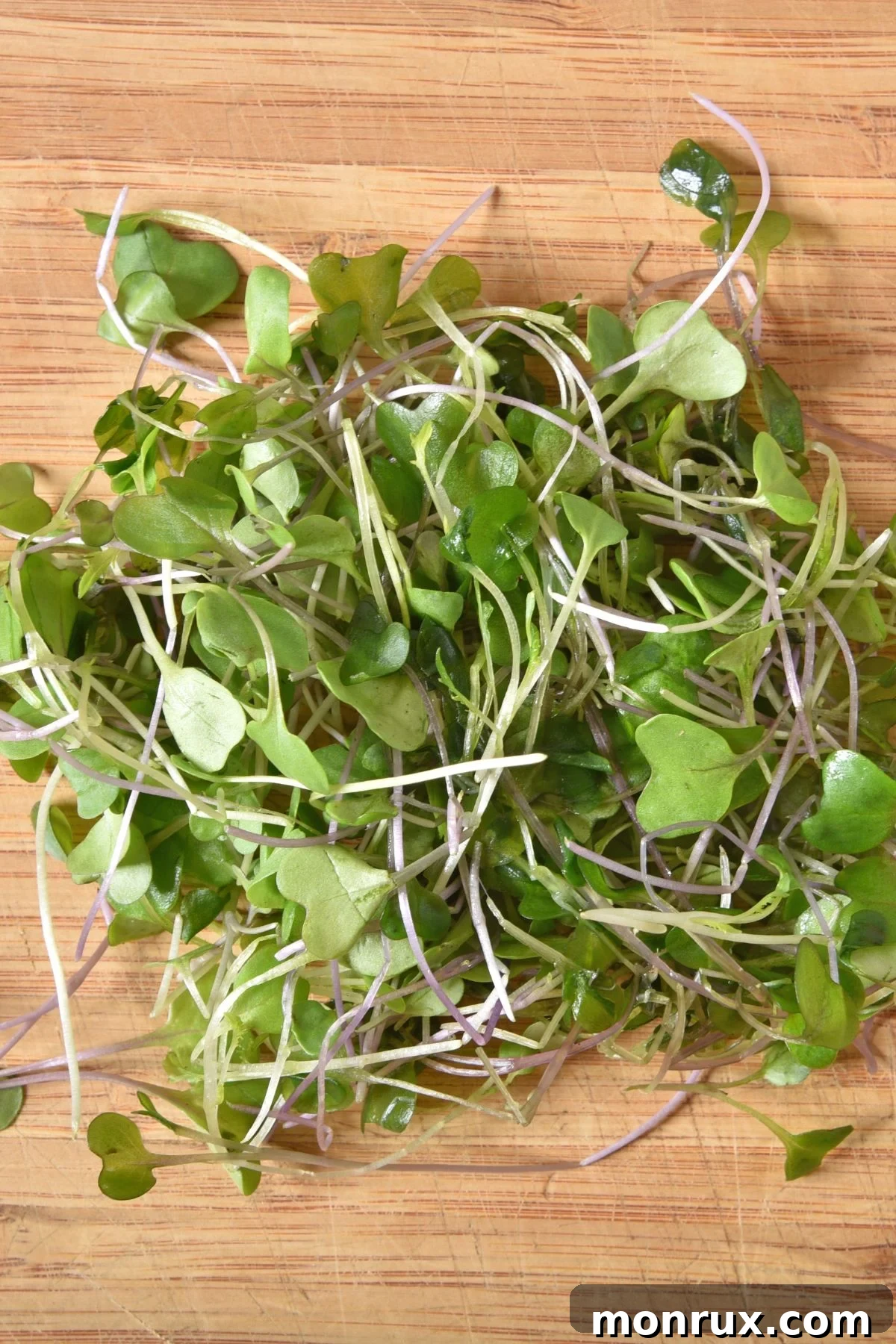
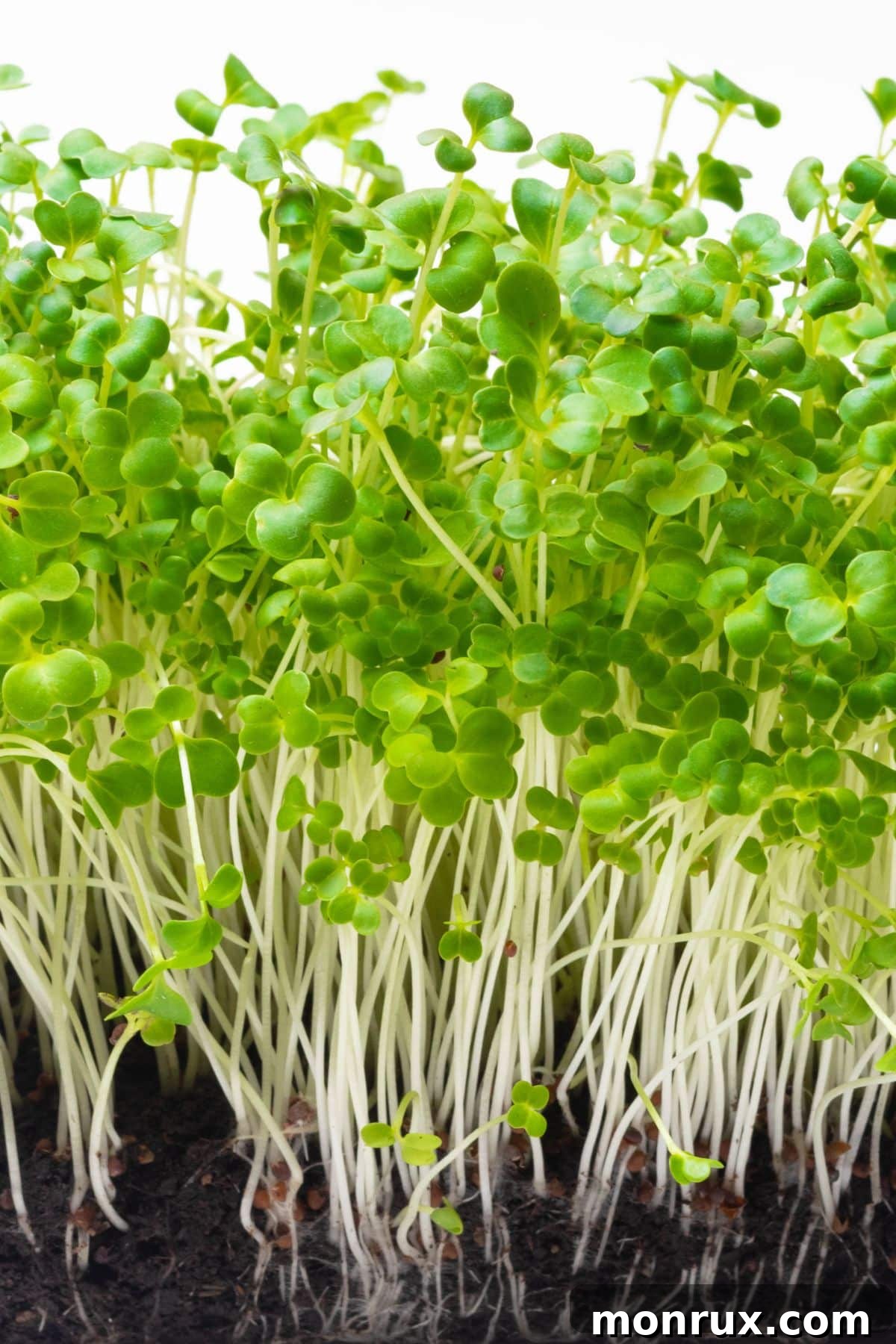
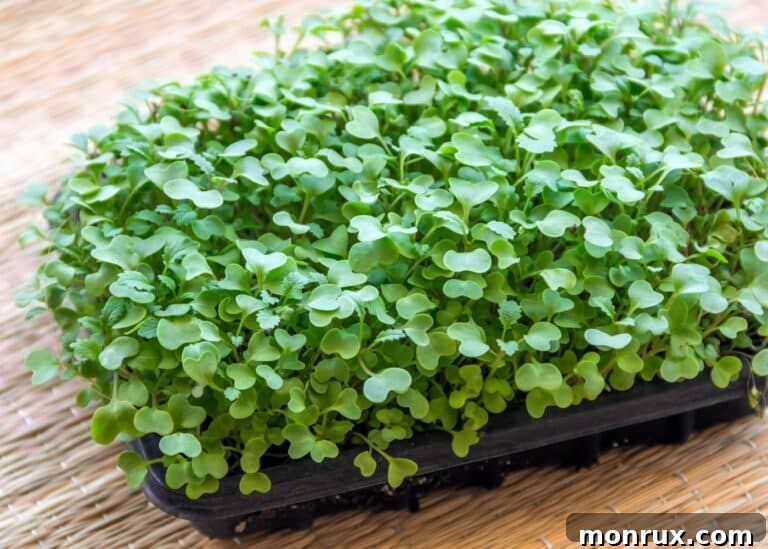
- Optimal Harvest Stage: Kale microgreens are typically ready for harvest when they reach 3 to 4 inches in height and have fully developed their oval-shaped cotyledon (seed) leaves. At this stage, you can expect to yield approximately 5 ounces of greens for every ounce of seed sown.
- True Leaves Option: With kale, you have the flexibility to wait a little longer, until the first set of true leaves (which are usually more frilly and resemble miniature kale leaves) begins to emerge. This decision is a matter of personal preference, as the development of true leaves can slightly alter the flavor profile. It’s recommended to taste your microgreens at both stages to discover your preferred flavor and texture.
- Consider Deeper Trays for Extended Growth: If you plan to consistently grow your kale beyond the initial cotyledon stage to allow true leaves to form, starting with slightly deeper trays (e.g., 3-4 inches) can be beneficial. More soil will retain more moisture, reducing the frequency of watering needed for longer growth cycles.
- Preparation for Harvest: Stop watering your microgreens about 12 hours before you plan to harvest. This helps them dry out, which improves their shelf life after cutting.
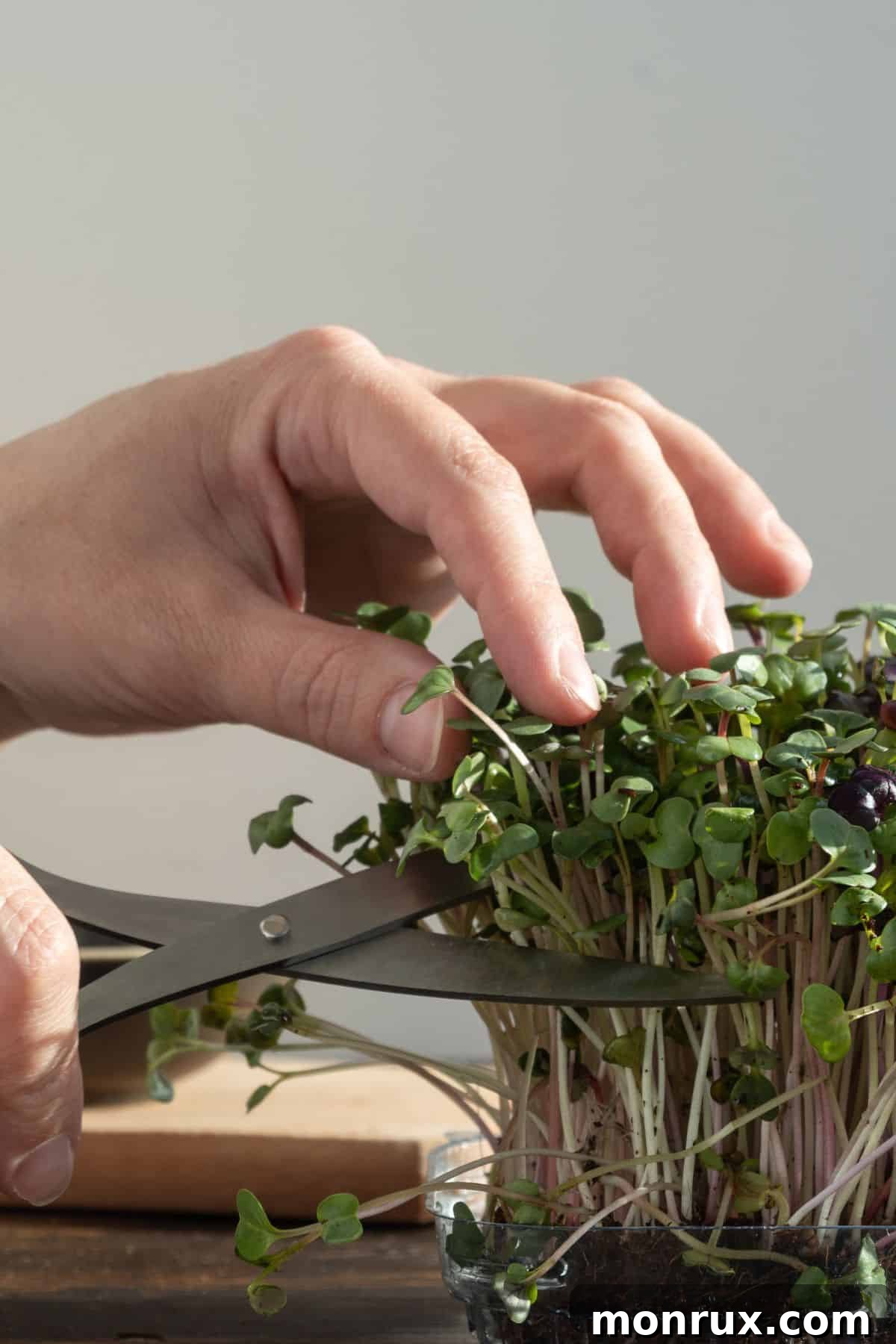
- The Cutting Process: Using a sharp pair of scissors or a clean, sharp knife, carefully snip off the microgreens in bunches, cutting just above the surface of the soil. This ensures you only harvest the tender, edible parts.
- Single Harvest: Kale microgreens, like most microgreens, will not regrow after harvesting. Once cut, the plant’s growth cycle is complete, and you’ll need to sow new seeds for your next batch.
Storing Your Kale Microgreens for Maximum Freshness
Proper storage is key to extending the life of your harvested microgreens:
- Absorb Moisture: Gently wrap the freshly harvested kale microgreens in a piece of paper towel. This helps absorb any residual moisture, which is the primary enemy of freshness.
- Airtight Storage: Place the wrapped microgreens in a sealed plastic bag or an airtight container.
- Refrigerate: Store them in the crisper drawer of your refrigerator. When stored correctly, your kale microgreens should remain fresh and vibrant for up to 5 days.
Kale Microgreen Cultivation Steps at a Glance
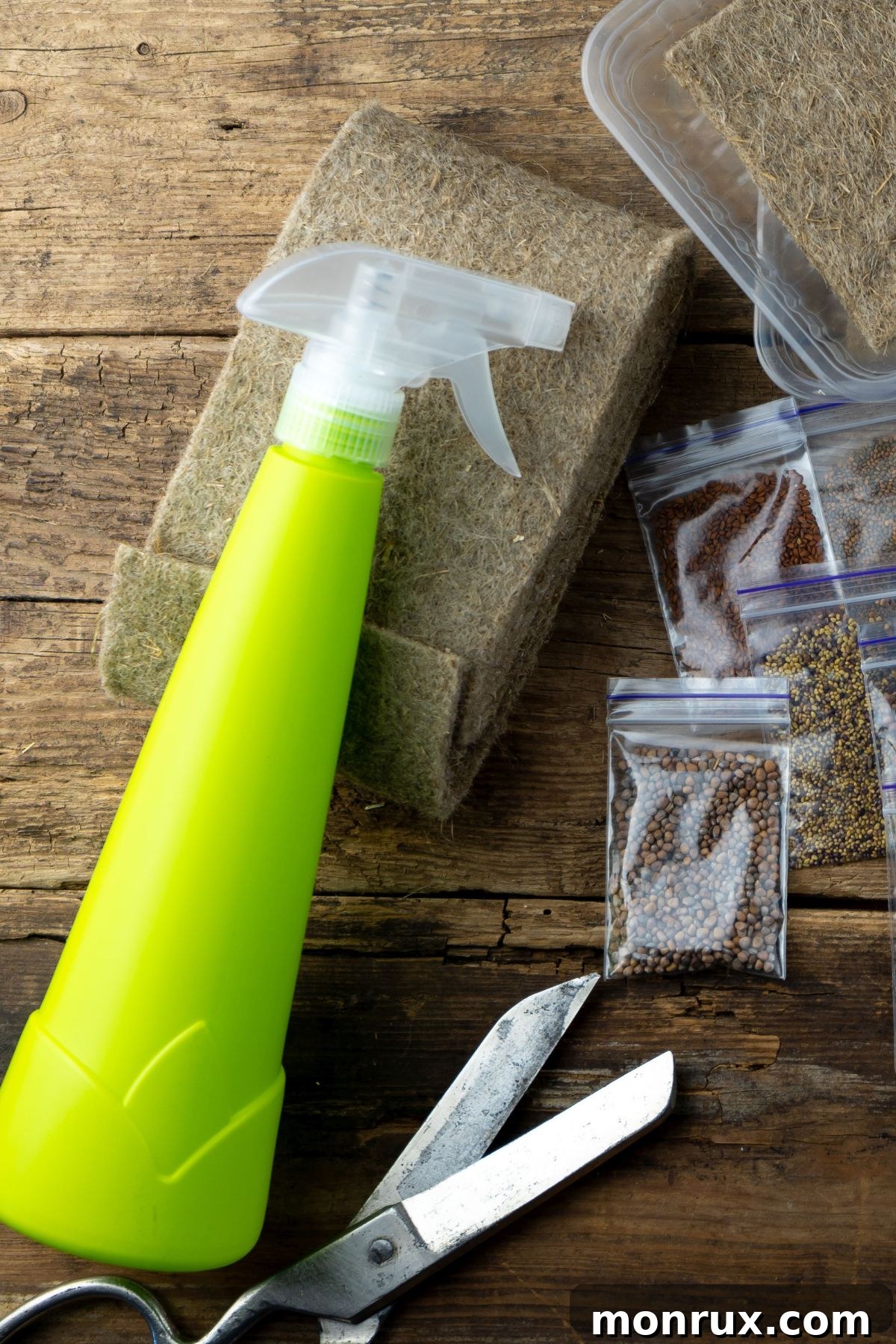
Step One: Prepare the Growing Medium
Fill your shallow growing container with your chosen medium—seed soil, potting soil, a grow mat, paper towels, or coconut coir—up to the rim. Gently pat down the surface to level it, being careful not to compact it too much, especially with coconut coir.
Step Two: Moisten the Medium
Using a fine-mist spray bottle, lightly spray the surface of your growing medium with water. Allow the water to soak in completely, then mist the surface again to ensure it is thoroughly damp.
Step Three: Sow the Seeds
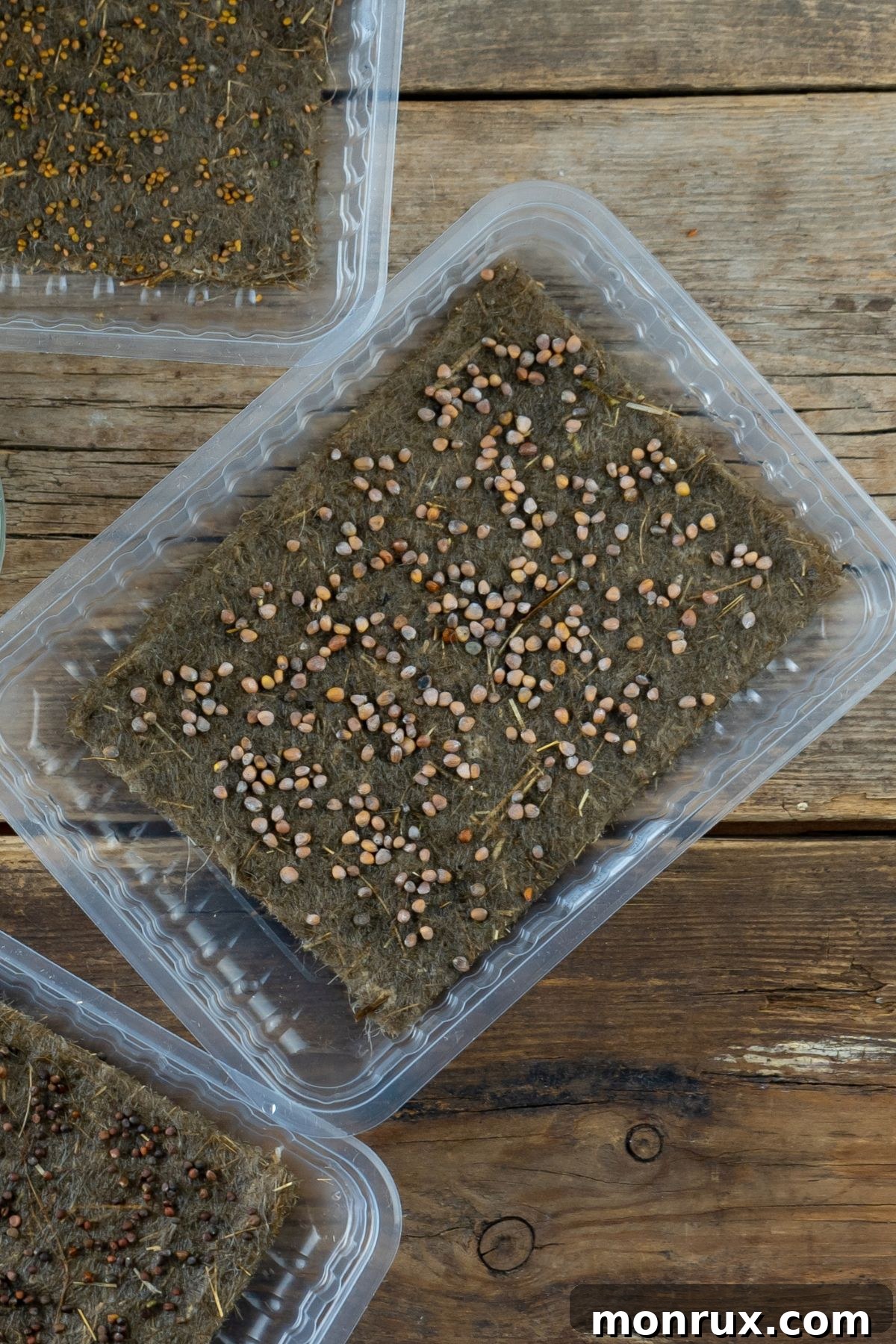
Evenly sprinkle your organic kale seeds over the moist surface. Aim for a dense, single layer, ensuring seeds are not piled on top of each other. A good ratio is about 1 ounce of seeds for a 10 × 20-inch tray.
Step Four: Germination and Blackout
Gently mist the sown seeds with water to settle them. Immediately cover the tray and place a weight of about 5 pounds on top. This creates a blackout environment, essential for germination, and helps push the roots deeper. Leave the tray in a warm spot for 2-4 days, checking periodically until most seeds have sprouted.
Step Five: Introduce Light and Bottom Water
Once germination is complete and sprouts are visible, remove the cover. Expose the microgreens to abundant natural sunlight or place them under a grow lamp for 8-12 hours daily. Begin watering from the bottom using a second tray to keep the foliage dry and prevent mold.
Step Six: Harvest and Enjoy
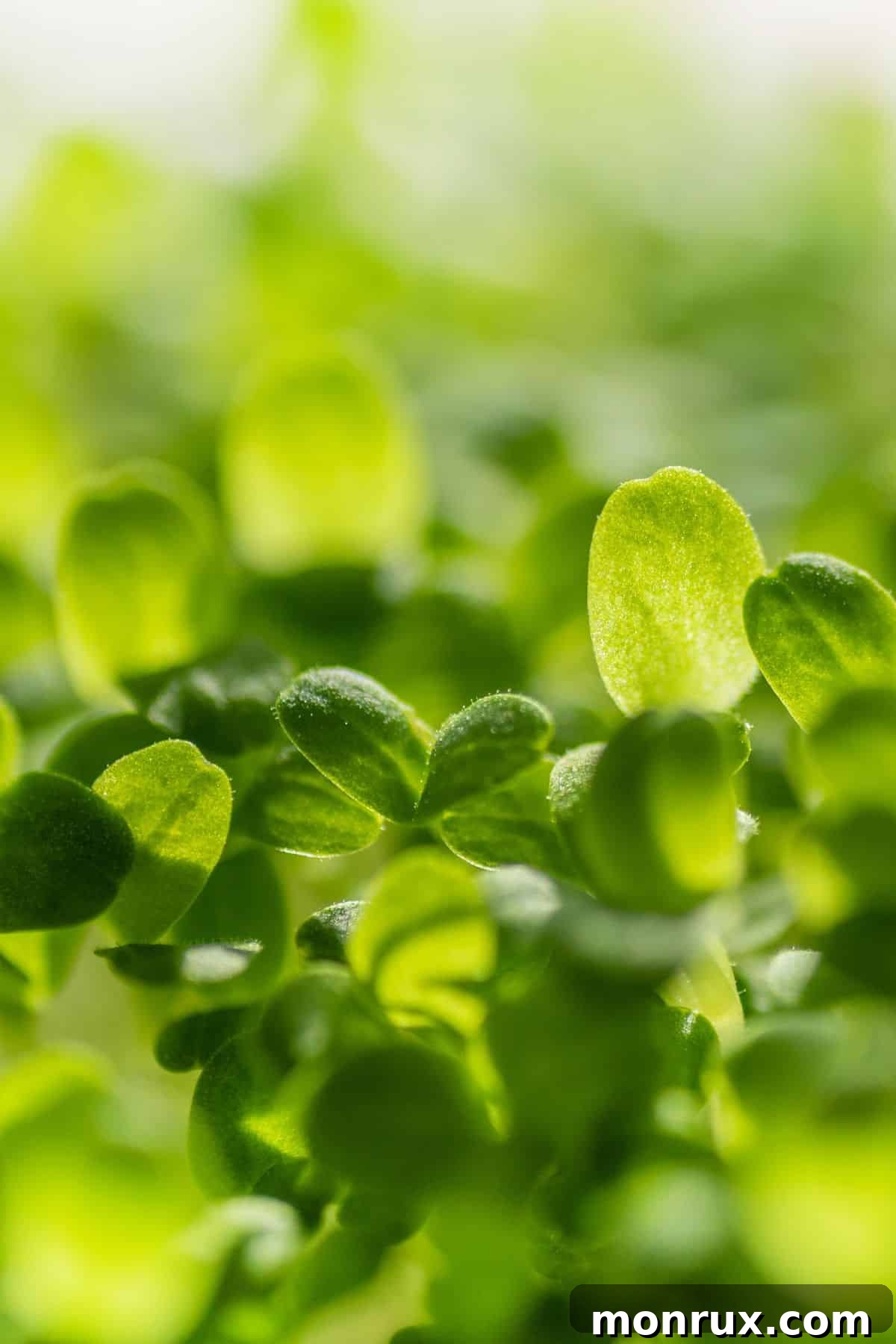
Your kale microgreens will be ready for harvest within 9 to 14 days of planting. Look for them to be 3 to 4 inches tall with fully developed cotyledon leaves. Snip them just above the soil line and enjoy their fresh, nutritious flavor!
Frequently Asked Questions About Growing and Using Microgreens
One of the most appealing aspects of growing microgreens is their rapid growth cycle. Your kale microgreens can be ready to harvest and enjoy in as little as 9 days from the day you sow the seeds, though some varieties or preferences for true leaves might extend this to 14 days.
Kale microgreens, while part of the stronger-tasting microgreen family, offer a milder flavor than mature kale, without the bitterness that often deters some. They also possess a unique, slightly plumper and more substantial texture compared to more delicate microgreens. Their versatility in the kitchen is immense:
- Smoothies and Juices: Blend them into your favorite green smoothies or fresh juices for an instant nutritional boost without altering the flavor significantly.
- Soups and Stews: Stir them into warm soups, stews, or chili just before serving. This adds freshness, texture, and preserves their nutrients, unlike prolonged cooking.
- Salads: The most common use! They make an excellent base or addition to any salad, complementing other leafy greens and vegetables.
- Garnishes: Their vibrant color, especially varieties like Red Russian kale, makes them a beautiful and nutritious garnish for omelets, scrambled eggs, roasted vegetables, or pasta dishes.
- Sandwiches and Wraps: Use them as a fresh, nutrient-dense alternative to lettuce in sandwiches, tacos, wraps, or burgers.
- Toppings: Sprinkle them generously over flatbreads, pizzas (after baking), avocado toast, or grain bowls for added crunch and flavor.
- Dressings and Dips: Blend them into pestos, salad dressings, or creamy dips for an herbaceous, nutritious kick.
No, kale microgreens, like most microgreens, are harvested by cutting just above the soil line. This severs the growing point, preventing the plant from regrowing. To enjoy a continuous supply, you will need to sow new seeds for subsequent batches.
The most common issues include mold, insufficient germination, and leggy (tall, thin) growth. Mold can be prevented by ensuring good air circulation, bottom watering, and avoiding overcrowding. Insufficient germination might be due to old seeds, improper moisture, or temperature. Leggy growth usually indicates a lack of sufficient light once the seeds have germinated.
Expert Tips for Successful Microgreen Cultivation
- Seed Quality Matters: Always opt for organic kale seeds. For the most vibrant colors and a slightly sweeter flavor, choose the Red Russian variety.
- Shallow Trays for Easy Harvest: Use growing containers that are no more than 1 to 2 inches deep. This depth is sufficient for microgreen roots and makes harvesting significantly easier.
- Alternative Growing Mediums: While soil is often preferred for flavor, you can successfully grow kale microgreens using grow mats, coconut coir, or even paper towels as a medium. Just be mindful of their specific watering requirements.
- Bottom Watering is Best: After germination, consistently water your microgreens from the bottom using a second tray. This prevents moisture buildup on the foliage, reducing the risk of mold and promoting stronger roots.
- Ample Light is Crucial: Ensure your growing kale microgreens receive plenty of light. A sunny windowsill is good, but a grow lamp provides more consistent results, aiming for 8-12 hours daily. This ensures proper greening and nutrient development.
- Maintain Optimal Environment: For the best growth, try to keep your growing area at a consistent room temperature of around 70℉ (21℃). Aim for 50% humidity and ensure adequate air circulation to prevent fungal issues.
- Harvest at Peak: Begin harvesting your microgreens when they are 3 to 4 inches tall and have developed their cotyledon leaves. You can wait for true leaves if preferred, but taste test to decide.
- Proper Storage for Longevity: To maximize freshness, wrap harvested microgreens in a paper towel to absorb moisture, then place them in an airtight container or plastic bag in the refrigerator for up to 5 days.
Discover More Microgreen Resources
We sincerely hope you find this guide helpful and inspiring! If you decide to grow your own kale microgreens, please share your experience by leaving a comment and a starred review below.
Stay connected with us for more clean eating recipes and wellness tips by following us on social media: Facebook, Pinterest, Instagram, and YouTube!
Recipe: How to Grow Kale Microgreens (Quick Guide)
5 Stars from 1 review
Kale Microgreens are an incredibly nutrient-dense superfood that is easy and rewarding to grow right in your own kitchen. This quick guide provides a straightforward method to cultivate these health-boosting greens, offering a fresh, mild flavor and a wealth of health benefits. Learn how to grow and enjoy fresh kale microgreens in less than two weeks!
- Total Time: 216 hours 30 minutes (Approx. 9 days for growth)
- Yield: 4 Servings (Approx. 5 oz per ounce of seed)
Ingredients
- 2 tablespoons organic kale seeds (e.g., Red Russian variety)
- Seed starting mix or potting soil (or preferred growing medium)
- Shallow growing tray with drainage holes
- Bottom watering tray (without drainage holes)
- Fine-mist spray bottle
- Weight (approx. 5 lbs)
- Light source (sunny windowsill or grow lamp)
Instructions
- Prepare Tray: Fill the growing container with soil up to the rim. Gently pat down the surface to level it out.
- Moisten Soil: Spray the soil with water using the mist bottle. Allow it to absorb fully, then spray again to ensure it’s thoroughly damp.
- Sow Seeds: Sprinkle the kale seeds evenly over the moist soil surface, aiming for a single, dense layer without piling.
- Germinate: Mist the seeds gently with water. Cover the tray (using the second tray as a lid) and place a 5-pound weight on top. Leave in a warm, dark place for 2 to 4 days until most seeds have sprouted.
- Provide Light: Remove the cover and expose the sprouted seeds to plenty of natural sunlight or a grow lamp for 8-12 hours daily.
- Bottom Water: Place the growing tray into the bottom watering tray. Add water to the bottom tray, allowing the soil to absorb it from below. Maintain consistent moisture, but never let the tray sit in standing water.
- Harvest: Harvest your kale microgreens when they are a rich green color and 3 to 4 inches tall, typically between 9 to 14 days after sowing. Use sharp scissors to snip them just above the soil line.
Notes
- For the brightest color and best flavor, use organic Red Russian kale seeds.
- Ensure your growing container is shallow (1-2 inches deep) for easy harvesting.
- Alternative growing mediums like grow mats or coconut coir can be used instead of soil.
- Always water from the bottom after germination to prevent mold.
- Provide 8-12 hours of natural or artificial light daily for optimal growth and color.
- Maintain a room temperature of around 70℉ (21℃) with good ventilation and about 50% humidity.
- Harvest when greens are 3-4 inches tall with cotyledon leaves; you can wait for true leaves if desired.
- Store unused microgreens in the refrigerator for up to 5 days by wrapping them in a paper towel and placing them in an airtight container.
- Author: Carrie Forrest, MPH in Nutrition
- Prep Time: 30 minutes
- Grow Time: 9-14 days
- Category: Microgreens
- Method: Gardening
- Cuisine: Healthy
- Diet: Vegetarian, Vegan, Gluten-Free
Nutrition Facts (Approximate per 1 tablespoon serving)
- Serving Size: 1 tablespoon
- Calories: 1
- Carbohydrates: 0.1 g
- Fiber: 0.1 g
- Protein: 0.1 g
- (Further nutritional data can vary greatly and is often minimal for microgreens of this serving size.)
To receive exclusive clean eating recipes and tips directly in your inbox, don’t forget to join our newsletter list. It’s 100% free with no spam, and you can unsubscribe at any time.
About the Author: Carrie Forrest holds a master’s degree in public health with a specialization in nutrition and is a certified holistic nutritionist. She is a prominent wellness and food blogger, attracting over 5 million annual visitors to her site. Carrie’s inspiring journey includes a remarkable recovery from chronic illness, driving her passion for empowering other women to transform their health. Feel free to send her a message through her contact form.