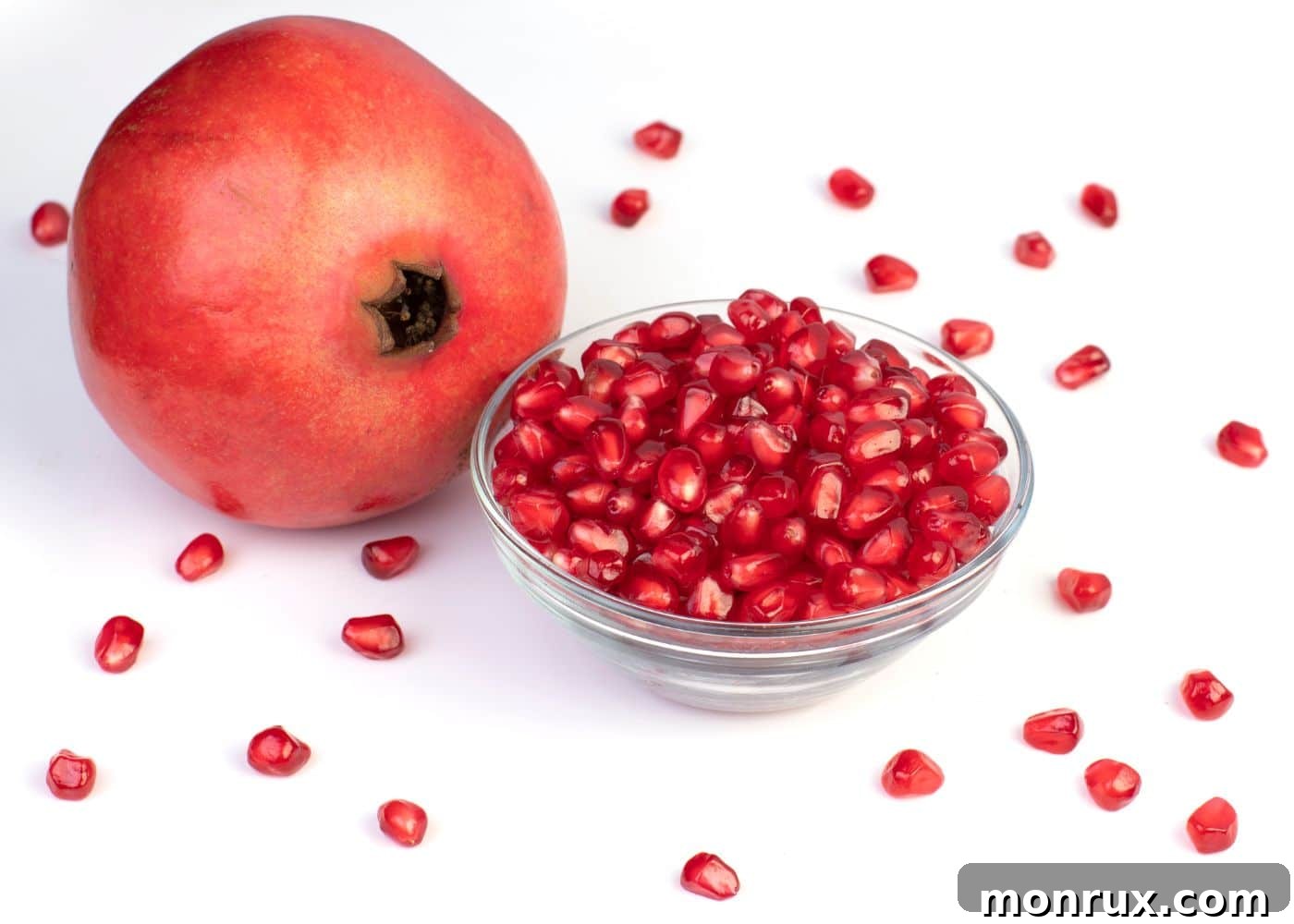
Unlock the vibrant flavor and incredible health benefits of pomegranates year-round by learning the simple art of freezing their jewel-like seeds. This comprehensive guide will show you how to easily open, de-seed, and freeze fresh pomegranate seeds (also known as arils), ensuring you always have a supply on hand for your favorite smoothies, salads, desserts, and drinks. Say goodbye to food waste and hello to a continuous burst of tangy-sweet goodness!
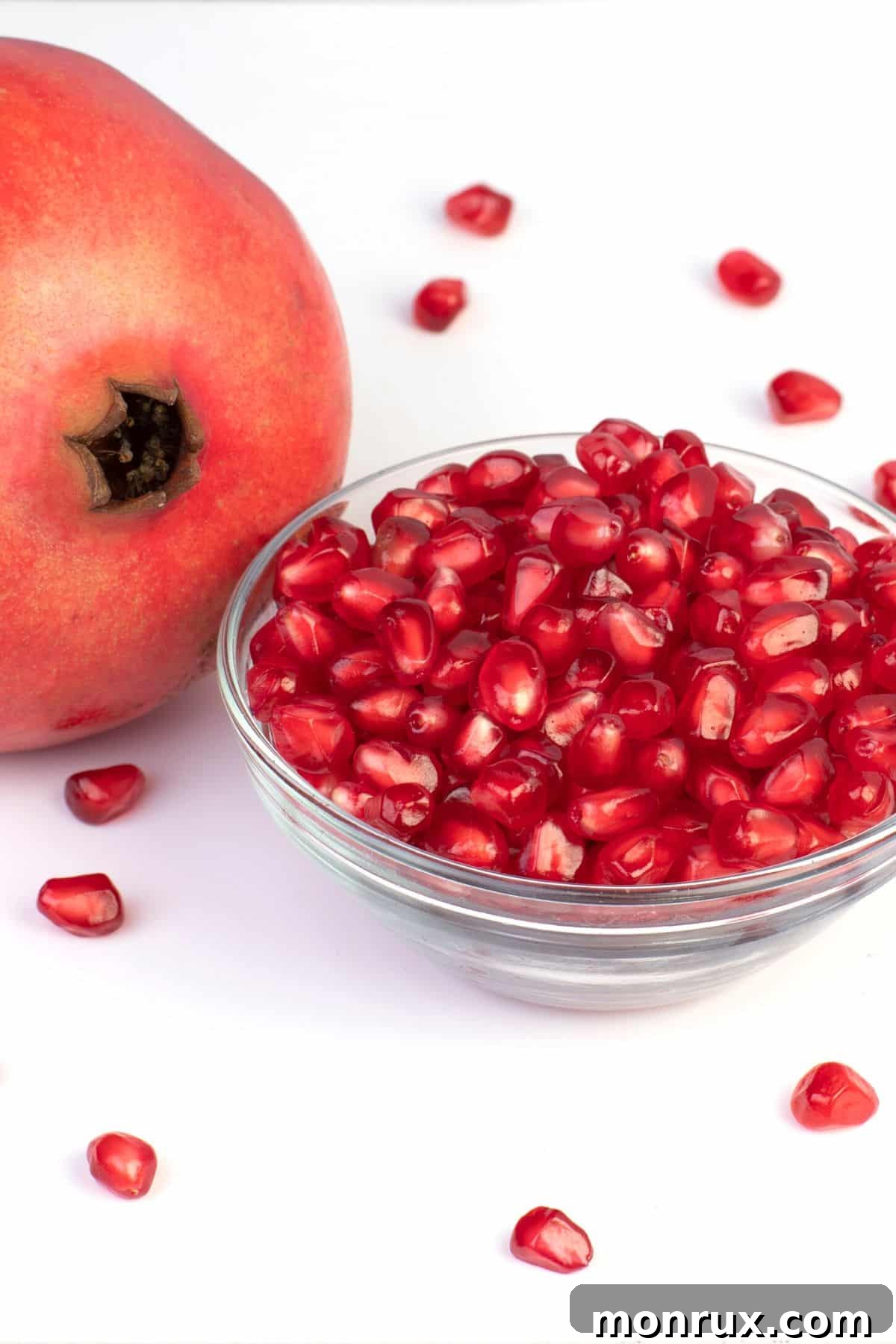
There’s nothing quite as delightful as the tangy pop of flavor from fresh pomegranate seeds. These tiny ruby-red arils offer a unique and exotic taste, originating from the Middle East, that can elevate a wide array of dishes.
From their striking internal red color to their burst of flavor, pomegranates are an ancient and incredibly versatile fruit. Their distinct sweet-tart profile makes them a fantastic addition to both savory and sweet creations. Imagine them scattered over a fresh salad, adding a vibrant crunch and zesty note, or enhancing a refreshing beverage like a virgin sangria mocktail, where they contribute an extra layer of complexity. Of course, frozen pomegranate seeds are also phenomenal in a homemade pomegranate mocktail, offering a cooling element and concentrated flavor.
Beyond drinks and salads, 100% pomegranate juice is a secret ingredient in many recipes, including a favorite for healthy homemade gummy bears, providing natural sweetness and a beautiful hue.
But the appeal of pomegranate seeds isn’t just their delicious taste; it’s also their impressive nutritional profile. These little powerhouses are packed with essential nutrients. They are an excellent source of antioxidants, particularly polyphenols like punicalagins, which are responsible for most of the fruit’s antioxidant power. They also provide a significant amount of dietary fiber, healthy fatty acids, magnesium, and vitamin E. This rich nutrient blend means they can play a vital role in supporting digestive health, helping to naturally balance the body’s estrogen production, and contributing to overall well-being. Furthermore, pomegranates contain compounds that help reduce inflammation and combat oxidative damage, making them truly “brain food” that supports cognitive health and protects cells.
However, despite all these benefits, there’s a common challenge associated with fresh pomegranates.
The not-so-great news is that whole pomegranates can sometimes be a bit pricey. This often means that when you find them on sale in the produce section, it’s a smart move to stock up. The limited seasonal availability also makes them a special treat, which is why preserving them is so valuable.
The excellent news is that once purchased, fresh pomegranates can last for about a month when stored correctly in the refrigerator. And if you still haven’t managed to enjoy all of them by then, their arils (seeds) freeze exceptionally well. Freezing is a fantastic way to extend their shelf life significantly without losing their core qualities.
Very little changes about pomegranate seeds when they’re frozen. While the arils might become a touch softer in texture, their vibrant flavor remains largely intact, and some even find it intensifies slightly. The nutritional benefits are also well-preserved. This makes freezing them an incredibly worthwhile endeavor, and I’m here to guide you through the easiest and most effective method!
For more useful freezing tips, explore my related guide on how to freeze apple cider effectively.
Why Freeze Pomegranate Seeds?
Freezing pomegranate seeds isn’t just about preventing food waste; it’s about extending your access to this incredible fruit and enjoying its benefits whenever you desire. Here are the compelling reasons to make freezing pomegranate seeds a regular practice:
- Convenient & Refreshing Snack: You can literally enjoy frozen pomegranate seeds straight from the freezer! They offer a delightful, icy crunch and a refreshing burst of flavor, much like tiny, tart smoothie bites. They are a healthy and satisfying snack, especially on a warm day.
- Year-Round Availability: Fresh pomegranates have a relatively short growing season, typically from September to February in many regions. By freezing them, you can bypass this seasonal limitation and have a steady supply of these vibrant arils available for the rest of the year, long after the fresh harvest is gone.
- Nutritional Integrity: Rest assured, frozen pomegranate seeds are just as nutritious as their fresh counterparts. The freezing process effectively locks in their vitamins, minerals, and potent antioxidants, so you don’t lose out on any of their health-boosting properties.
- Versatile Culinary Uses: From adding a tangy zing to your morning oatmeal or yogurt parfaits to incorporating them into baked goods like muffins or cookies for a unique texture and flavor, frozen pomegranate seeds are incredibly versatile. They blend seamlessly into smoothies, can be used as a colorful garnish for desserts, or even added to savory dishes like rice or quinoa for an unexpected twist.
- Cost-Effective: When pomegranates are in season and on sale, buying them in bulk and freezing the arils is a smart way to save money. You can take advantage of lower prices and enjoy the fruit for months without worrying about spoilage.
Benefits of Freezing Pomegranate Seeds
Beyond the “why,” understanding the benefits makes the process even more appealing. Freezing is a natural preservation method that helps retain the unique characteristics of pomegranates. It halts the enzymatic processes that lead to spoilage, locking in freshness, flavor, and nutrients. While the texture may soften slightly upon thawing, the vibrant color and distinctive taste remain largely unchanged. This means you can enjoy the same tangy goodness in your winter smoothies as you would in your summer salads, all from your freezer stash.
Essential Equipment for Freezing Pomegranate Seeds
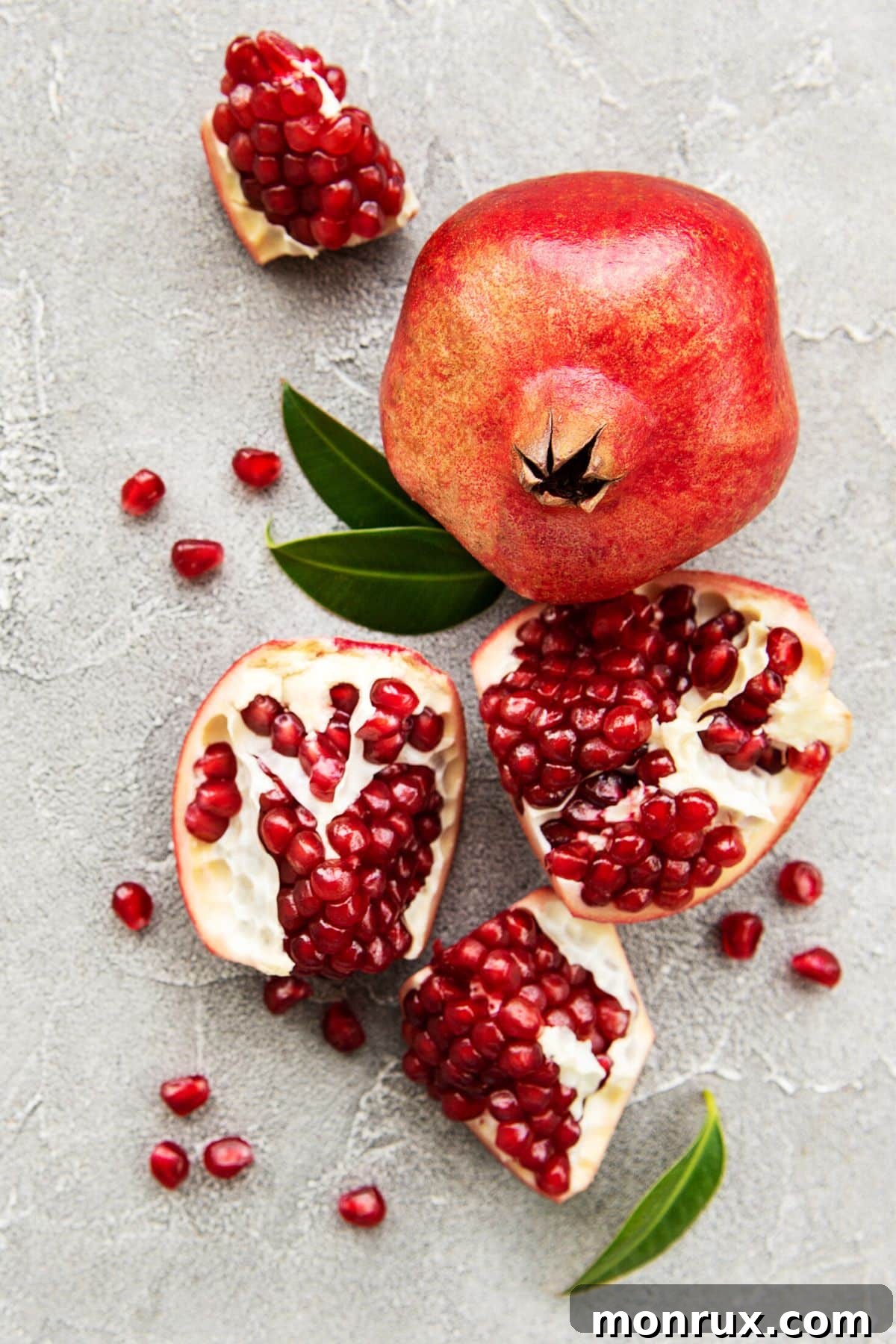
Freezing pomegranate seeds is a surprisingly simple task that doesn’t require any specialized or expensive equipment. With just a few basic kitchen tools, you’ll be well on your way to a year-round supply of these delicious arils. Here’s what you’ll need:
A Sharp Knife
A good quality, sharp knife is indispensable for safely and efficiently preparing pomegranates. You don’t need a specific type of knife; a sturdy chef’s knife or a paring knife will work perfectly. The key is that it must be sharp enough to easily score and cut through the pomegranate’s tough outer skin without slipping, minimizing the risk of injury and making the de-seeding process much smoother.
A Baking Tray
A large baking tray is crucial for the flash-freezing step. This process involves spreading your pomegranate seeds in a single, even layer to prevent them from clumping together. Flash freezing ensures that each aril freezes individually, making them easy to scoop out and use in desired quantities later. If you don’t have a standard large baking sheet, any flat surface with raised edges that can fit into your freezer will suffice. Even an ice cube tray can work for smaller batches, keeping individual portions separate.
Wax Paper or Parchment Paper
To prevent the pomegranate seeds from sticking to your baking tray during flash-freezing, you’ll need to line it with either wax paper or parchment paper. Both work wonderfully to create a non-stick surface. This allows you to easily lift the frozen seeds off the tray once they are solid. In a pinch, aluminum foil can also be used as a lining material.
Freezer-Friendly Bags or Containers
For long-term storage, freezer-friendly bags are ideal. Options like ziplock bags or other types of plastic, resealable freezer bags are excellent because they allow you to press out excess air, which helps prevent freezer burn and save space in your freezer. If you prefer a more rigid storage solution or don’t have bags, any airtight container will also work effectively to protect your frozen pomegranate seeds from odors and moisture.
An Apron
Preparing pomegranates can be a wonderfully messy affair! The rich red juice, while delicious, has a tendency to stain clothing quite easily. To protect your favorite garments, it’s highly advisable to wear an apron or change into an old t-shirt that you don’t mind getting stained. A little preparation here can save you from laundry headaches later.
An Old Kitchen Cloth or Paper Towels
Just as pomegranate juice can stain clothing, it can also leave marks on your kitchen counters or cutting boards. To safeguard your work surfaces, lay down a clean, old kitchen cloth that you’re not concerned about staining. This provides an absorbent barrier. Alternatively, several layers of clean paper towels can serve the same purpose, offering a disposable solution for catching any rogue juice splatters.
Paper Towels for Drying
Before freezing, it’s crucial to ensure your pomegranate seeds are thoroughly dry. Any residual moisture can lead to ice crystals forming, which can degrade the texture of the seeds. Paper towels are the easiest and most efficient way to gently pat the arils dry. If you prefer an eco-friendlier option or don’t have paper towels, you can air dry the seeds on a clean cloth or a wire rack, or use a very clean, absorbent kitchen towel dedicated to this task.
Ingredients: Selecting the Best Pomegranates
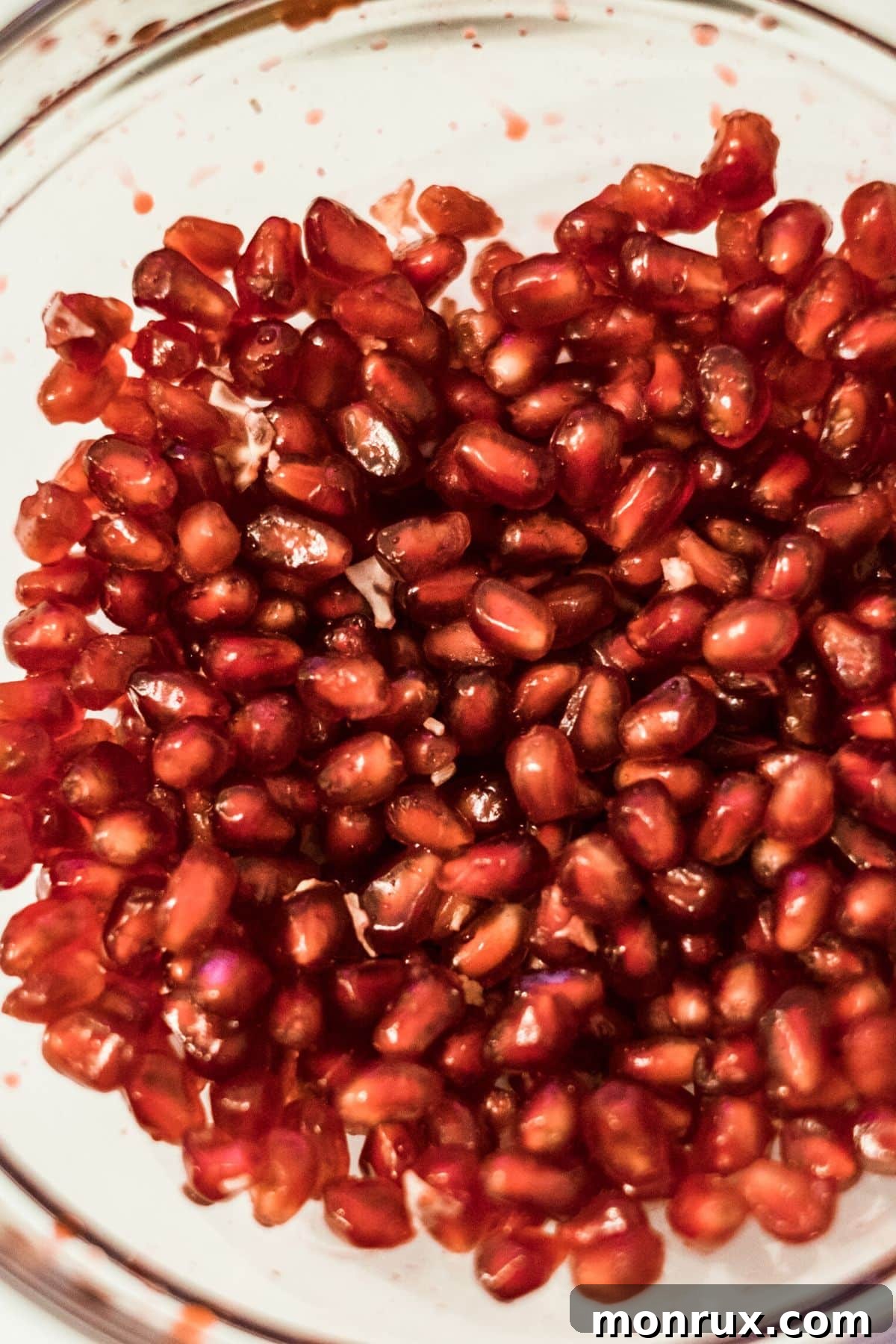
The only ingredient you need for this recipe is fresh pomegranates! The key to delicious frozen pomegranate seeds lies in starting with the best possible fruit. To ensure you lock in that perfect sweet-tart taste at its peak, it’s essential to choose pomegranates that are ripe and ready to eat. Here’s how to select the finest specimens:
Choosing Your Pomegranates
- Weight Matters: When picking a pomegranate, always choose one that feels surprisingly heavy for its size. If the fruit feels denser than it looks, it’s a strong indicator that it contains plump, juicy seeds – which are absolutely perfect for freezing! A light pomegranate usually means dry, less flavorful arils.
- Shape and Texture: Look for pomegranates that aren’t perfectly round. Those with a slightly angular or faceted shape are often riper than their perfectly spherical counterparts. The skin should be smooth and firm to the touch, not hard or squishy. You should be able to gently scratch the skin with your fingernail without it feeling impenetrable. Pomegranates with very hard or tough skins are generally not ripe yet and will yield less juice and flavor.
- Coloration: While color can vary by variety, a deep, rich red color is typically a good sign of ripeness. Avoid fruits with large green patches, as these are usually underripe. Slight blemishes or brown spots are often superficial and don’t affect the quality of the arils inside, but steer clear of any fruit with soft spots or signs of mold.
- Sound Test (Optional): Some people advocate for gently tapping the pomegranate. A dull, metallic sound can indicate juiciness, whereas a hollow sound might suggest dryness.
By carefully selecting ripe pomegranates, you ensure that your frozen stash will be bursting with the best possible flavor, making all your culinary creations even more delicious.
Step-by-Step Guide: How to Freeze Pomegranate Seeds
Before your precious pomegranate seeds can make their way to the freezer, you first need to extract them from the fresh fruit. This process, while potentially a bit messy, is quite straightforward. Follow these steps for an efficient and effective de-seeding and freezing process:
Step One: Preparation and Initial Cut
- Protect Your Workspace: Begin by covering your kitchen counter or cutting board with an old kitchen cloth or several layers of paper towels. This crucial step will protect your surfaces from stubborn pomegranate juice stains.
- Loosen the Seeds: Gently roll the pomegranate around on the countertop with the flat of your hand. Apply moderate pressure as you roll, which helps to loosen the internal membranes and arils, making them easier to remove.
- Remove the Crown: Place the pomegranate on a stable cutting board. Using a sharp knife, carefully cut off the top “crown” of the pomegranate, exposing the white pith and some of the internal structure.
- Score the Fruit: Observe the natural ridges or sections of the pomegranate. Score the fruit along these white membranes, from top to bottom, being careful not to cut too deeply into the arils themselves. Aim to score it into 4-6 sections, much like you would an orange.
- Gently Open: Once scored, gently rip the fruit in half along one of your scores. The goal is to separate the sections without damaging the delicate seeds. If it’s too difficult to tear, you can carefully cut it, but always be mindful of the arils to minimize breakage and juice splatter.
Step Two: Underwater De-Seeding Method
- Prepare Water Bath: Fill a large bowl with cold water. This underwater method is highly recommended as it contains the juice splatter and helps the seeds separate more easily.
- Submerge and Soak: Place the pomegranate halves into the cold water. Allow them to soak for about 2 minutes. During this time, you’ll notice the white bits of membrane, called pith, starting to float to the surface.
- Extract the Arils: While still submerged, turn each pomegranate half over and give it several firm whacks with the back of a wooden spoon or a heavy utensil. The arils should easily dislodge and sink to the bottom of the bowl, while the pith remains floating. You can also use your fingers to gently pry out any stubborn seeds.
- Separate Pith and Seeds: Scoop off all the floating white pith and discarded membranes from the surface of the water. Once the water is clear, carefully drain the water and collect the beautiful, intact pomegranate seeds from the bottom of the bowl.
Step Three: Drying and Flash-Freezing Preparation
- Thoroughly Dry Seeds: Place the clean pomegranate seeds onto several layers of paper towels or a clean, absorbent kitchen cloth. Gently pat them dry. This step is crucial, as any excess moisture will turn into ice crystals in the freezer, which can cause the seeds to stick together and become mushy.
- Prepare Baking Tray: Line a large baking tray or a similar flat, freezer-safe surface with wax paper or parchment paper. This non-stick barrier will ensure the seeds don’t freeze directly onto the tray.
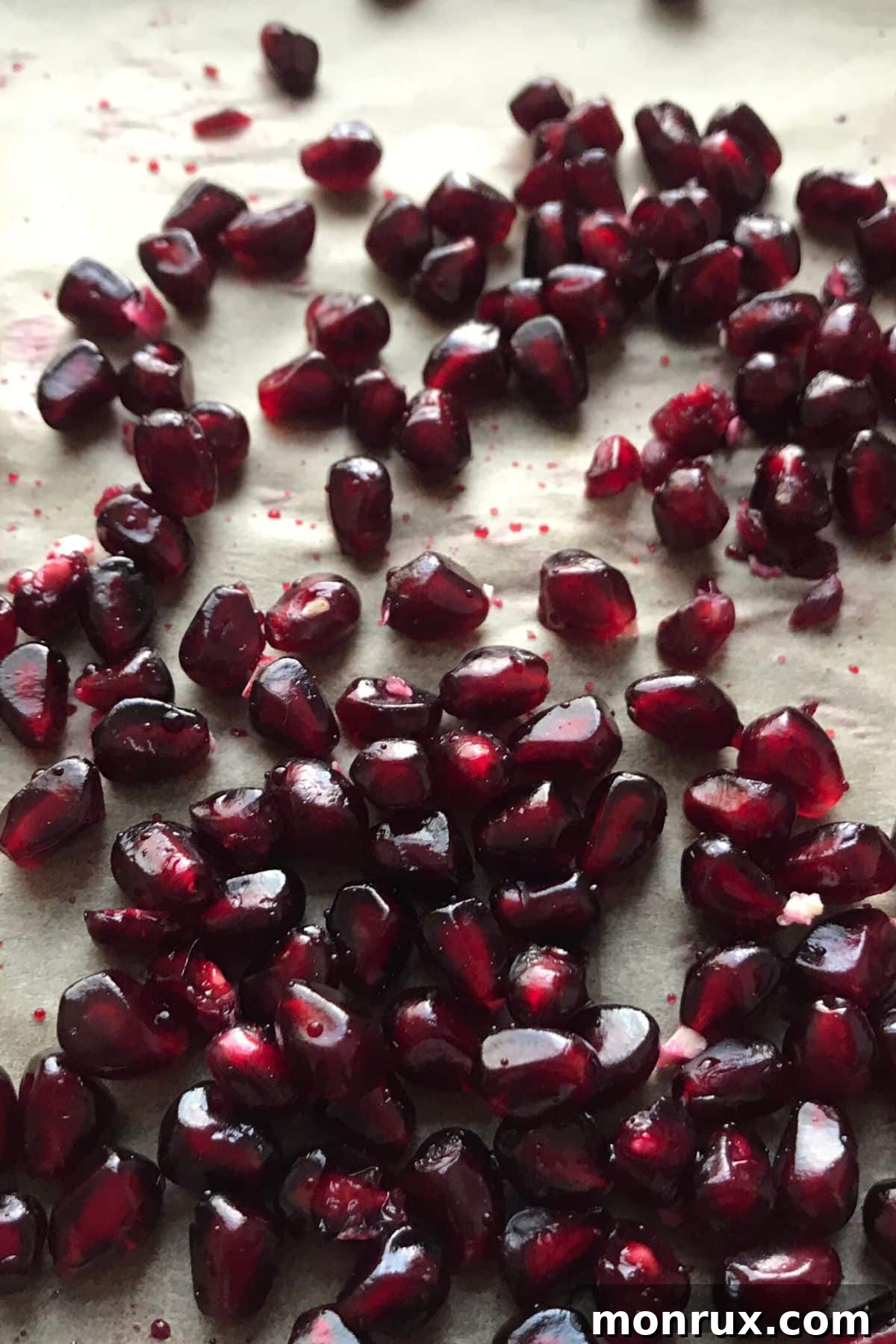
- Single Layer Spread: Evenly spread the thoroughly dried pomegranate seeds in a single layer across the lined baking tray. Make sure the seeds are not touching each other as much as possible. This “flash-freezing” technique is key to preventing them from clumping together, allowing them to freeze individually.
Step Four: Flash Freezing and Storage
- Initial Freeze: Carefully place the baking tray with the spread-out pomegranate seeds into your freezer. Freeze for a minimum of 2 hours, or up to 24 hours, until the seeds are completely solid.
- Transfer to Storage: Once fully frozen, remove the tray from the freezer. The individually frozen seeds should be easy to peel off the parchment paper. Quickly gather the frozen seeds and transfer them into a freezer-friendly bag or an airtight container.
- Remove Air and Seal: If using a freezer bag, press out as much air as possible before sealing it tightly. This helps to prevent freezer burn, which can affect the quality and taste of your seeds over time.
- Label and Store: Don’t forget to label your bag or container with the date. Store the frozen pomegranate seeds in the freezer for up to 4 to 6 months for optimal freshness and flavor. While they may still be safe to eat beyond this period, their quality might start to decline.
Expert Freezing Tips
To get the most out of your frozen pomegranate seeds, keep these expert tips in mind:
- Quick Defrost or Use Frozen: When you’re ready to use your frozen pomegranate seeds, they defrost remarkably quickly at room temperature, typically within 10-15 minutes. For many applications, though, you don’t even need to thaw them! They are perfect used directly from frozen in smoothies, sorbets, juices, or as a cooling element in drinks. Their slight crunch when frozen can add an interesting texture.
- Pomegranate Yield: The number of seeds you’ll get from one pomegranate can vary depending on its size and ripeness. Generally, one medium to large pomegranate will yield approximately 1 ½ to 2 cups of seeds. This is a good guideline for planning how many pomegranates you’ll need if you’re aiming for a specific quantity to freeze.
- Prevent Freezer Burn: The enemy of all frozen foods is freezer burn. To prevent it, ensure your storage bags or containers are as airtight as possible. If using bags, squeeze out all excess air. For containers, make sure the lid forms a tight seal.
- Batch Freezing: If you’ve stocked up on many pomegranates, consider freezing them in batches that correspond to typical serving sizes for your recipes (e.g., ½ cup, 1 cup). This way, you can grab exactly what you need without thawing and refreezing a larger quantity.
Frequently Asked Questions (FAQs)
When properly prepared and stored, frozen pomegranate seeds will maintain their optimal quality for up to 4 to 6 months in the freezer. This extended shelf life provides plenty of time to enjoy them throughout the year, especially when they are out of season. While they may remain safe to eat beyond six months, their texture and flavor might start to degrade.
The culinary possibilities for frozen pomegranate seeds are extensive! They are perfect for cooking and baking, adding a unique tang to muffins, bread, or even savory glazes. They blend beautifully into smoothies and juices, providing a cooling effect and vibrant color. For a sophisticated touch, pair pomegranate with meats like lamb or chicken, or incorporate them into rice or quinoa dishes for an exotic flavor twist. They also make an excellent colorful garnish for cocktails, desserts, yogurt parfaits, or oatmeal. One of my personal favorite ways to enjoy these healthy treats is to eat them directly from the freezer – they’re a wonderfully healthy, tart, and refreshing snack!
Absolutely, you can! When thawed, frozen pomegranate seeds will have a slightly softer, perhaps a little mushier, texture compared to fresh ones. However, this textural difference is usually minor and does not detract from their taste or nutritional value. They will still deliver that signature sweet-tart flavor, making them a delicious and nutritious addition to any fruit salad.
If you follow the proper freezing techniques and consume them within the recommended 4-6 month timeframe, your frozen pomegranate seeds should be perfectly fine. But what if you forgot to label the bag or can’t recall when you froze them? Don’t worry, it’s generally easy to tell if pomegranate seeds have gone bad. Look for tell-tale signs: they will typically develop an “off” or unpleasant odor, and their texture might become slimy or slippery. Any discoloration or visible mold is also a clear indication that they should be discarded.
It depends on your recipe! For smoothies, juices, or as a garnish for cold dishes, you can often use them directly from frozen. They’ll help keep your drink cold or add a delightful icy crunch. For recipes where you want a softer texture, like salads or baked goods, a quick thaw in the refrigerator or at room temperature for 10-15 minutes is recommended.
While you technically *can* freeze a whole pomegranate, it’s generally not recommended for optimal results. The skin becomes very difficult to remove once frozen and thawed, and the internal membranes can make de-seeding incredibly challenging and messy. Freezing the individual arils (seeds) is by far the best method for preserving pomegranates, as it maintains their quality and makes them much easier to use later.
More Helpful Freezer Guides
I truly hope this guide inspires you to freeze pomegranate seeds and enjoy them all year long! If you try this recipe, please leave a comment and a starred review below. Your feedback is greatly appreciated.
And, consider following me on social media so we can stay connected and share more healthy eating tips. You can find me on Facebook, Pinterest, Instagram, and YouTube!
Print Recipe
How to Freeze Pomegranate Seeds
5 from 2 reviews
Learn the easiest way to open, de-seed, and freeze fresh pomegranate seeds (arils) so none go to waste. Enjoy these tangy, nutritious gems later in smoothies, salads, desserts, or drinks!
-
Total Time:
2 hours 20 minutes -
Yield:
1½ – 2 cups (from 1 large pomegranate)
Ingredients
- 4 large fresh pomegranates (yielding approximately 6-8 cups of seeds)
Instructions
- Cover your kitchen counter with an old kitchen cloth or paper towels to protect it from pomegranate juice stains. Gently roll the pomegranate around on the countertop with the flat of your hand to help loosen the seeds inside.
- Using a cutting board and a sharp knife, carefully cut off the top “crown” of the pomegranate.
- Score the fruit along its natural ridges (white membranes), from top to bottom, being careful not to cut too deeply into the arils. Gently rip the fruit in half. If too difficult to tear, carefully cut it, avoiding damage to the seeds.
- Fill a large bowl with cold water. Place the pomegranate halves into the water and let them soak for 2 minutes. You’ll notice white bits of pith floating to the surface.
- While the pomegranate halves are submerged, turn each half over and give it several firm whacks with the back of a wooden spoon. The seeds (arils) will dislodge and sink to the bottom, while the white pith floats. Scoop off all the floating pith and discard it. Remove the clean seeds from the water.
- Next, spread the cleaned pomegranate seeds onto several layers of paper towels or a clean kitchen cloth. Gently pat them thoroughly dry to remove all excess moisture. This is vital for preventing ice crystals and clumping.
- Line a large baking tray or a freezer-safe plate with wax paper or parchment paper. Spread the dried pomegranate seeds in a single, even layer, ensuring they do not touch each other as much as possible.
- Place the tray into your freezer and flash freeze the pomegranate seeds for at least 2 hours, or until completely solid. This step ensures individual, free-flowing seeds.
- Once frozen solid, quickly gather the seeds from the tray and transfer them into a freezer-friendly bag or an airtight container. Press out as much air as possible from the bag before sealing.
- Label the bag or container with the date. Store the frozen pomegranate seeds in the freezer for up to 4 to 6 months for best quality.
Notes
- When you’re ready to use your frozen pomegranate seeds, they can be used directly from frozen in smoothies, sorbets, and juices. For other uses, they will defrost quickly at room temperature.
- One average-sized pomegranate will typically yield between 1 ½ to 2 cups of seeds, depending on its size and juiciness.
-
Author:
Carrie Forrest, MPH in Nutrition -
Prep Time:
20 minutes -
Freezing Time:
2 hours -
Category:
Snack, Ingredient -
Method:
Freezer, Preservation -
Cuisine:
Healthy -
Diet:
Vegetarian, Vegan, Gluten-Free
Nutrition
- Serving Size: 1/12 of recipe (approx. 1/2 cup)
- Calories: 78
- Sugar: 12.8 g
- Sodium: 2.8 mg
- Fat: 1.1 g
- Saturated Fat: 0.1 g
- Carbohydrates: 17.6 g
- Fiber: 3.8 g
- Protein: 1.6 g
- Cholesterol: 0 mg
(Nutritional information is an estimate and may vary.)
Don’t forget to join my exclusive newsletter list to get clean eating recipes, helpful tips, and wellness insights delivered directly to your inbox. It’s 100% free with no spam, and you can unsubscribe at any time.
About the Author: Carrie Forrest holds a master’s degree in public health with a specialization in nutrition and is a certified holistic nutritionist. As a prominent wellness and food blogger, her site welcomes over 5 million annual visitors. Carrie shares an inspiring story of recovery from chronic illness and is deeply passionate about empowering other women to transform their health through wholesome eating. Feel free to reach out to her through her contact form for any questions or collaborations.