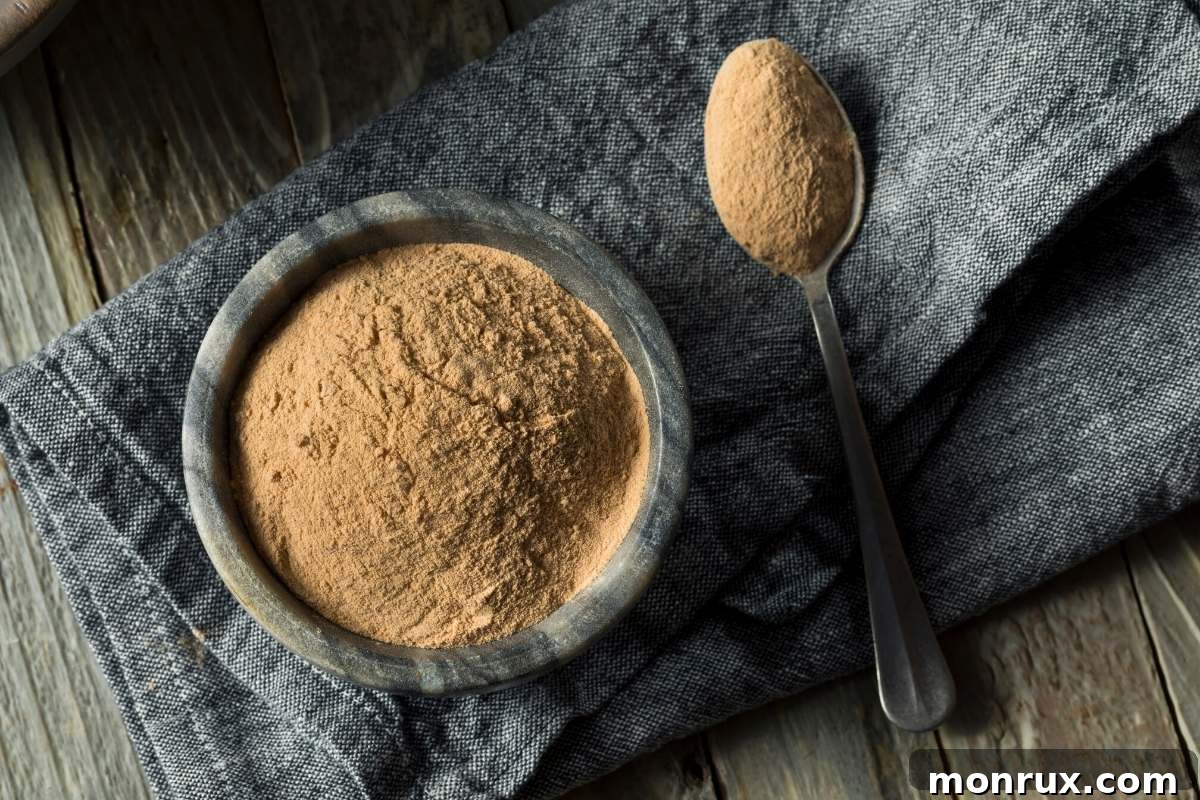
The Ultimate Guide to Homemade Lentil Protein Powder: A Budget-Friendly, Plant-Based Superfood
In today’s health-conscious world, finding high-quality protein sources that align with dietary preferences and budget constraints can be a challenge. Commercial protein powders often come with a hefty price tag, questionable ingredients, and artificial sweeteners. What if you could create your own potent, clean, and incredibly affordable protein powder right in your kitchen? This comprehensive guide reveals the secret to making Homemade Lentil Protein Powder – a game-changer for anyone seeking a natural, plant-based boost for their smoothies, baked goods, and beyond.
Whether you’re vegan, gluten-sensitive, or simply looking for a wholesome way to increase your protein and fiber intake without breaking the bank, this lentil protein powder recipe is an absolute winner. It’s surprisingly easy to make, requires minimal equipment, and offers a fantastic nutritional profile. Get ready to transform humble lentils into a versatile superfood supplement!
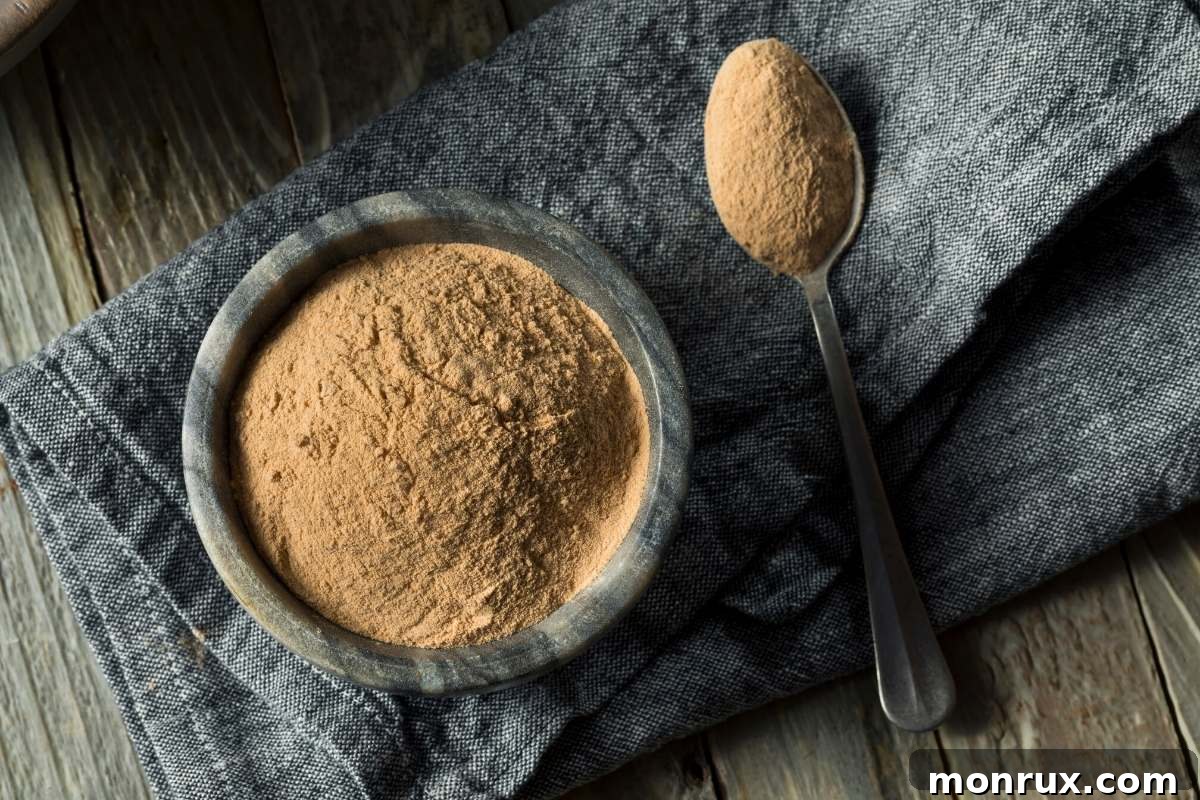
Why Choose Homemade Lentil Protein Powder?
The journey to creating this homemade lentil protein powder began years ago, out of a personal need for clean, unsweetened protein options that didn’t cause digestive upset. Commercial protein powders often contain a myriad of additives, artificial flavors, and sweeteners that can be problematic for sensitive stomachs or those committed to clean eating. This DIY approach empowers you to control exactly what goes into your body, offering unparalleled purity and transparency.
The Nutritional Powerhouse of Lentils
Lentils are truly a superfood, boasting an impressive nutritional profile that makes them an ideal base for a homemade protein powder. Each serving (approximately 2 tablespoons or 30 grams) of this homemade lentil powder delivers a remarkable:
- Approximately 113 calories, making it a calorie-efficient protein source.
- Virtually 0 grams of fat, perfect for those monitoring fat intake.
- Around 20 grams of complex carbohydrates, providing sustained energy.
- A significant 3-4 grams of dietary fiber, promoting digestive health and satiety.
- A robust 8 grams of complete plant-based protein, essential for muscle repair and growth.
Beyond these macros, lentils are rich in essential micronutrients like iron, folate, manganese, and B vitamins, contributing to overall well-being. Their high fiber content also aids in blood sugar regulation, making them an excellent choice for maintaining stable energy levels throughout the day.
Unbeatable Budget-Friendly Benefits
One of the most compelling reasons to make your own lentil protein powder is the incredible cost savings. Lentils are one of the most inexpensive and readily available legumes, especially when purchased in bulk. Compared to store-bought protein powders, which can cost upwards of $15-30 per pound, homemade lentil powder significantly reduces your grocery bill without compromising on nutritional value. This makes it an accessible option for everyone, regardless of budget.
Embrace a Clean, Plant-Based Lifestyle
This recipe is 100% plant-based, naturally vegan, and gluten-free, making it suitable for a wide range of dietary needs and preferences. By making it yourself, you avoid the hidden sugars, artificial ingredients, and potential allergens often found in commercial products. You get a pure, unadulterated protein source that you can trust, empowering your clean eating journey.
Step-by-Step Guide: Crafting Your Own Lentil Protein Powder
Making your own lentil protein powder is a straightforward process that involves a few key stages. Patience during the dehydration phase is crucial for achieving a perfectly fine powder.
Step 1: Selecting and Preparing Your Lentils
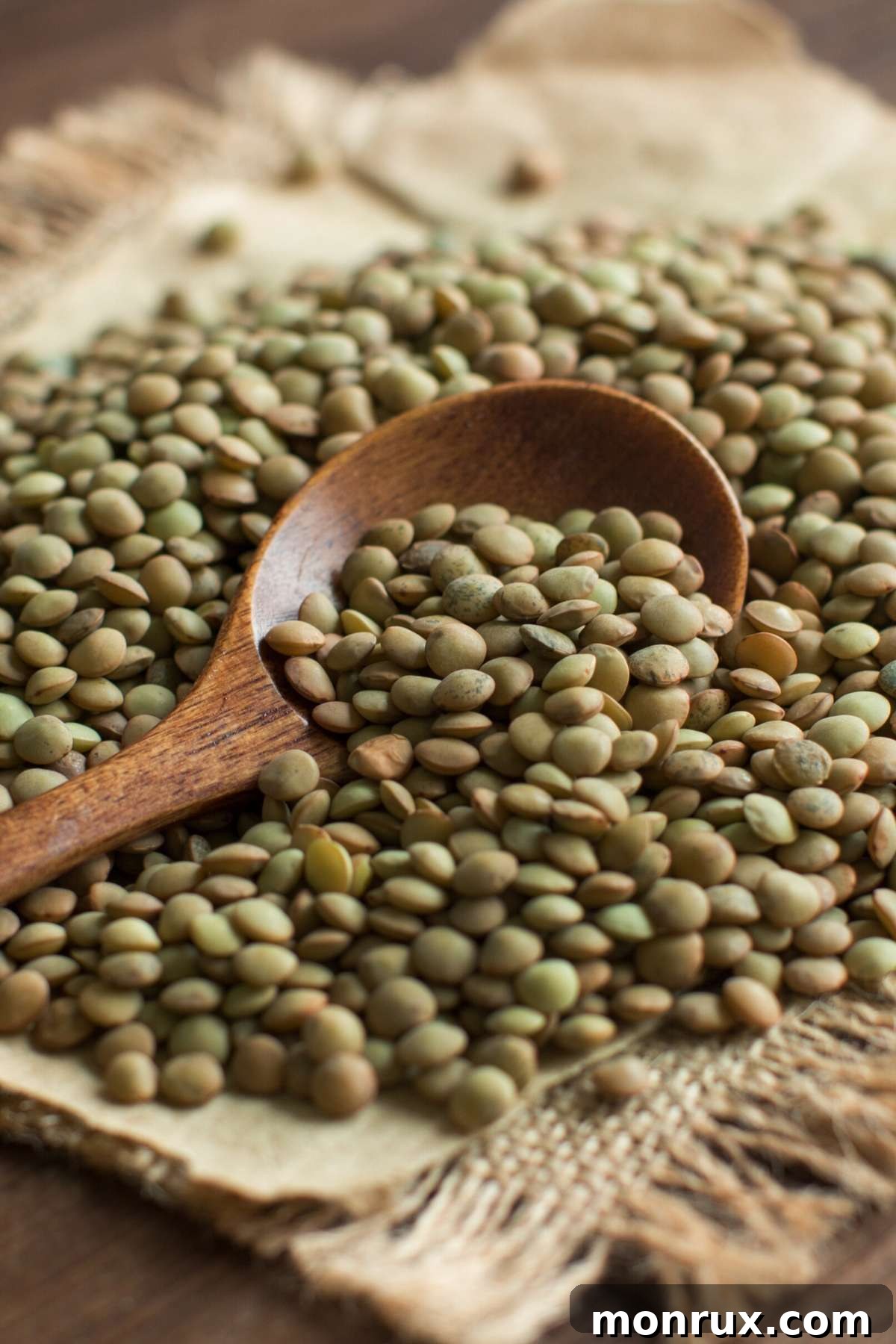
The first crucial step is to choose your lentils. For this recipe, brown or green lentils are ideal due to their texture and mild flavor. They hold their shape well after cooking and dehydrate effectively. Avoid red lentils as they tend to become too mushy. Begin by rinsing two cups of dried lentils thoroughly under cold water to remove any dust or debris. Then, cook them according to package directions or use the precise instructions provided in the recipe card below. Ensure they are tender but not overcooked and mushy.
Step 2: Cooling for Optimal Texture
Once cooked, transfer the warm lentils to a shallow container or spread them out on a baking sheet. Place them in the refrigerator for a minimum of a few hours, or ideally overnight. This cooling process is vital as it helps the lentils firm up and reduces moisture content, which is crucial for efficient dehydration. Properly cooled lentils will dehydrate more evenly and prevent sticking.
Step 3: The Art of Dehydration
This is arguably the most important step for creating a fine powder. You’ll need to completely dry out the cooked lentils. There are two primary methods:
- Using a Dehydrator: Spread the cooled lentils in a single, even layer across your dehydrator trays. Avoid overcrowding, as this will hinder airflow and prolong drying time. Dehydrate them at a low temperature, around 115°F (46°C), for 10-12 hours, or until they are completely brittle and hard. They should snap easily and have no chewiness or moisture when squeezed.
- Using an Oven: If you don’t have a dehydrator, your oven can serve as an alternative. Preheat your oven to its lowest possible setting, usually around 150-200°F (65-93°C). Spread the lentils thinly on baking sheets lined with parchment paper. Prop the oven door open slightly with a wooden spoon to allow moisture to escape. Bake for several hours, typically 6-10 hours, checking frequently and stirring occasionally to ensure even drying. Again, the goal is for the lentils to be completely dry and crisp, with no moisture remaining.
Thorough dehydration is critical to prevent mold growth and ensure the powder grinds finely and has a long shelf life.
Step 4: Grinding to Perfection
Once your lentils are completely dry and cooled to room temperature, it’s time to turn them into a fine powder. Transfer the dried cooked lentils to the base of a high-speed blender or a powerful food processor. Blend on high until they transform into a very fine, smooth powder. This may take a few minutes, and you might need to stop and shake the blender container or scrape down the sides to ensure all particles are uniformly ground. The finer the powder, the better it will integrate into your recipes.
Step 5: Storage and Shelf Life
After blending, transfer your homemade lentil protein powder to an airtight storage container. A glass jar with a tight-fitting lid is ideal. Store it in a cool, dark, and dry place, such as a pantry cupboard. When stored properly, your homemade lentil protein powder can last for several weeks, or even a few months, retaining its freshness and nutritional potency. Always check for any signs of moisture or off-smell before use.
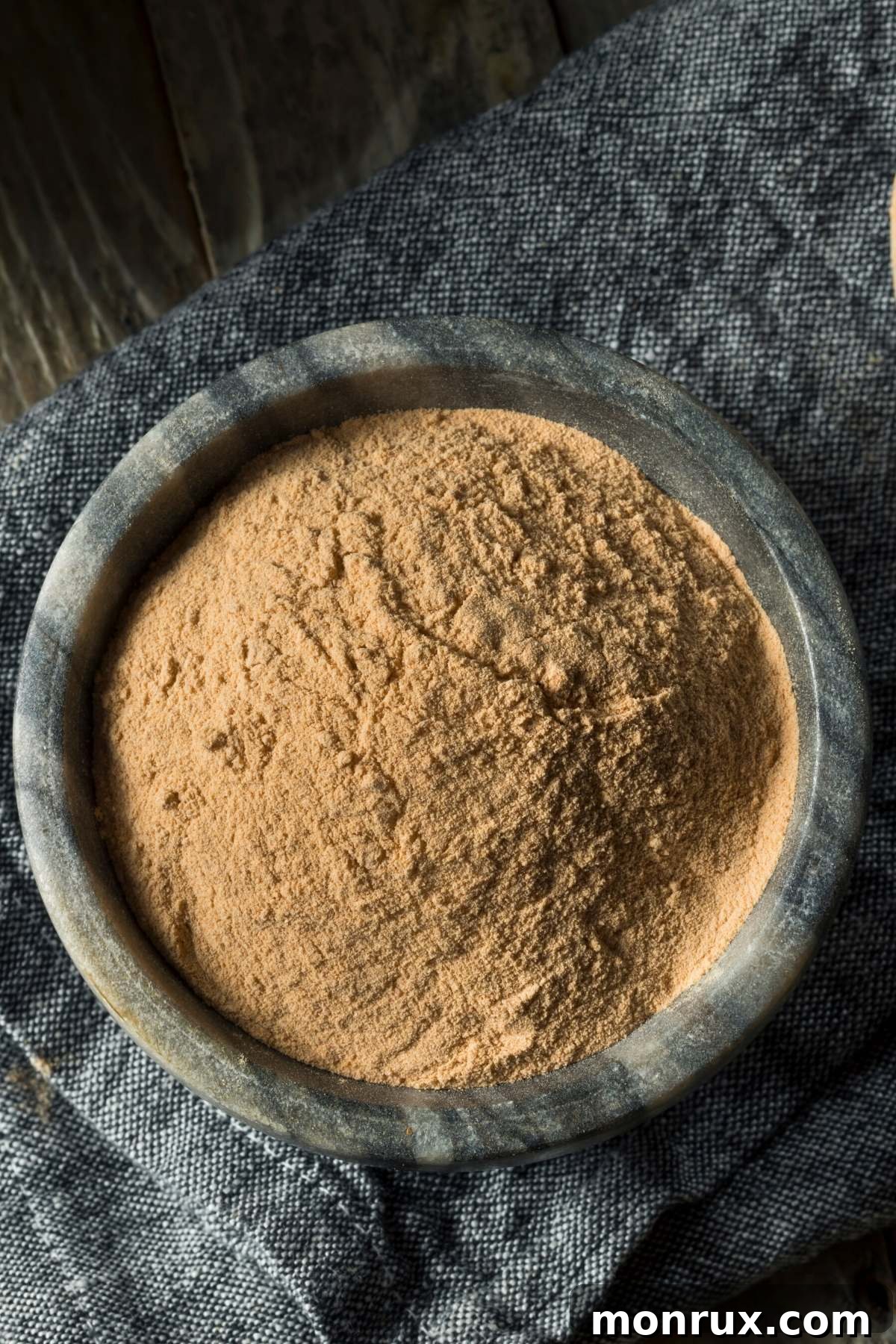
Unlock the Versatility: How to Use Your Lentil Protein Powder
Once you’ve successfully created your homemade lentil protein powder, the possibilities for incorporating it into your diet are endless. It’s a fantastic way to subtly boost the nutritional content of a wide array of dishes.
Boost Your Smoothies
This is perhaps the most popular way to use protein powder. Simply add 1-2 tablespoons of your homemade lentil powder to your favorite smoothie recipes. Its neutral flavor blends seamlessly, adding creaminess and a powerful protein and fiber kick without altering the taste. Try it in a green smoothie with spinach, banana, and almond milk, or a berry smoothie for an antioxidant-rich treat.
Enhance Your Baked Goods
Lentil protein powder can be a secret weapon in your baking. It works wonderfully to increase the protein content of muffins, pancakes, waffles, bread, and even cookies. You can replace a small percentage (around 10-20%) of wheat flour with lentil powder in most recipes. Experiment with different ratios to find what works best for your specific baked goods, as it can affect texture slightly. It adds a subtle earthy depth and density, perfect for hearty, wholesome treats.
Other Creative Uses
- Soups and Stews: Stir a tablespoon or two into puréed soups or thick stews for an invisible nutritional boost.
- Oatmeal and Porridge: Mix it into your morning oatmeal, along with fruits and nuts, for a more satisfying and protein-packed breakfast.
- Energy Balls: Combine with nut butter, oats, dates, and other ingredients to create nutrient-dense, on-the-go snacks.
- Savory Dishes: Lightly dust over roasted vegetables or mix into vegetarian patties for an extra protein punch.
Essential Tools for Your DIY Protein Powder Journey
While the process is straightforward, having the right tools can make it even easier and more efficient:
- Organic green or brown lentils: High-quality lentils are the foundation of your powder.
- Countertop dehydrator: A dedicated dehydrator offers the most consistent and efficient drying process.
- High-speed blender or food processor: Essential for grinding the dried lentils into a fine powder.
We hope you enjoy making this innovative and beneficial recipe! If you do, please leave a comment and a starred review below to share your experience.
Connect with us on social media for more clean eating recipes and wellness tips. You can find us on Facebook, Pinterest, Instagram, and YouTube!
Print Recipe
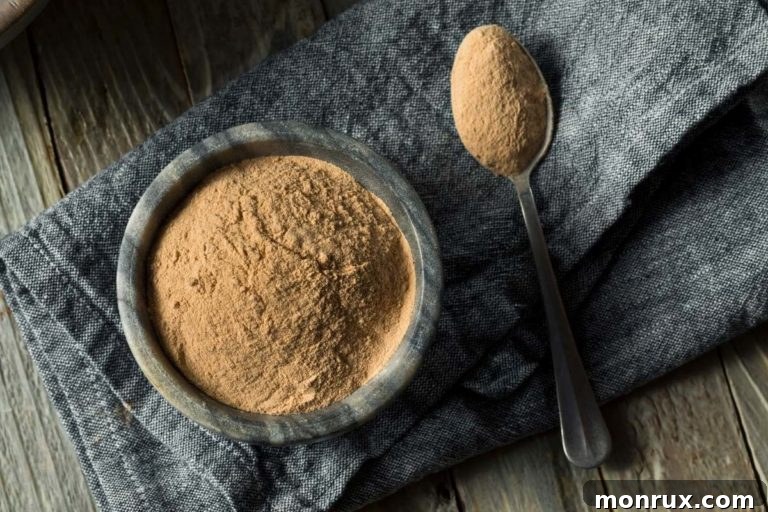
Recipe: How to Make Lentil Protein Powder
⭐
⭐
⭐
⭐
⭐
5 from 2 reviews
Create your own nutrient-dense, homemade lentil protein powder for smoothies, baked goods, and more. This simple, cost-effective recipe is perfect for boosting your plant-based protein intake.
- Total Time: 15 hours
- Yield: Approximately 1 cup of powder (from 2 cups dried lentils)
Ingredients
- 2 cups dried brown or green lentils
- 6 cups water (for cooking)
Instructions
- Rinse the dried lentils thoroughly under cold water and pick through them to remove any small stones or debris.
- Place the cleaned lentils in a large pot and cover with 6 cups of water.
- Bring the water to a boil over high heat. Once simmering, reduce the heat to low, cover the pot, and cook for approximately 20 minutes, or until the lentils are tender but still hold their shape.
- Once cooked, drain the lentils completely and transfer them to a storage container or spread them on a baking sheet. Place them in the refrigerator for at least 2 hours, or ideally overnight, to cool down and firm up.
- Now, divide the cooked and cooled lentils evenly on several dehydrator sheets, ensuring they are in a single layer with enough space for air circulation. Dehydrate them at 115°F (46°C) for 10-12 hours, or until they are completely dry, brittle, and snap easily. (Alternatively, use your oven’s lowest setting, prop the door open slightly, and dry for 6-10 hours, stirring occasionally).
- Once fully dried and cooled, place the lentils into a high-speed blender or a powerful food processor. Process finely until a smooth, fine powder is achieved. You may need to blend in batches and scrape down the sides.
Notes
- This homemade lentil powder can be used to add plant-based protein and fiber to smoothies, baked goods, soups, oatmeal, and more.
- Store the powder in a tightly sealed, airtight container in a cool, dry, dark place for up to several weeks for optimal freshness.
- Author: Carrie Forrest, MBA, MPH in Nutrition
- Prep Time: 15 minutes
- Cook Time: 15 hours
- Category: Side dish, Protein Supplement
- Method: Dehydrator, Blending
- Cuisine: Global, Plant-Based
- Diet: Vegan, Gluten-Free, Plant-Based
Nutrition
- Serving Size: 2 tablespoons
- Calories: 113
- Sugar: 0.6 g
- Sodium: 2.7 mg
- Fat: 0.3 g
- Saturated Fat: 0 g
- Carbohydrates: 20.3 g
- Fiber: 3.4 g
- Protein: 7.9 g
- Cholesterol: 0 mg
*Nutritional values are approximate and may vary based on specific ingredients and preparation methods.
Frequently Asked Questions About Lentil Protein Powder
What type of lentils are best for homemade protein powder?
Brown or green lentils are highly recommended for this recipe. They maintain their structure well after cooking and dehydrate efficiently into a fine powder. Red lentils tend to become too soft and mushy, making them less ideal for dehydration and grinding.
Can I sprout the lentils first?
While this specific recipe focuses on cooked and dehydrated lentils, sprouting lentils before cooking and dehydrating is an excellent enhancement. Sprouting can further improve digestibility and increase certain nutrient bioavailability. If you choose to sprout, ensure they are thoroughly sprouted, then follow the cooking, cooling, and dehydrating steps as described.
How long does homemade lentil protein powder last?
When stored in an airtight container in a cool, dry, dark place, homemade lentil protein powder can last for several weeks to up to 2-3 months. Ensuring the lentils are absolutely dry before grinding is key to extending their shelf life and preventing spoilage.
Does lentil protein powder have a strong taste?
One of the great advantages of lentil protein powder is its relatively neutral, slightly earthy flavor. This makes it incredibly versatile for blending into smoothies and baked goods without overpowering other ingredients. The cooking and dehydrating process helps to mellow out any strong “beany” taste.
Don’t forget to join our newsletter list to get exclusive clean eating recipes and tips delivered straight to your inbox. The newsletter is 100% free with no spam; you can unsubscribe anytime.
About the Author: Carrie Forrest, MBA, MPH in Nutrition, is a certified holistic nutritionist and a leading voice in wellness and food blogging. With over 5 million annual visitors to her site, Carrie shares her incredible story of recovery from chronic illness, inspiring and empowering other women to transform their health through clean eating. Feel free to send her a message through her contact form for any inquiries or collaborations.