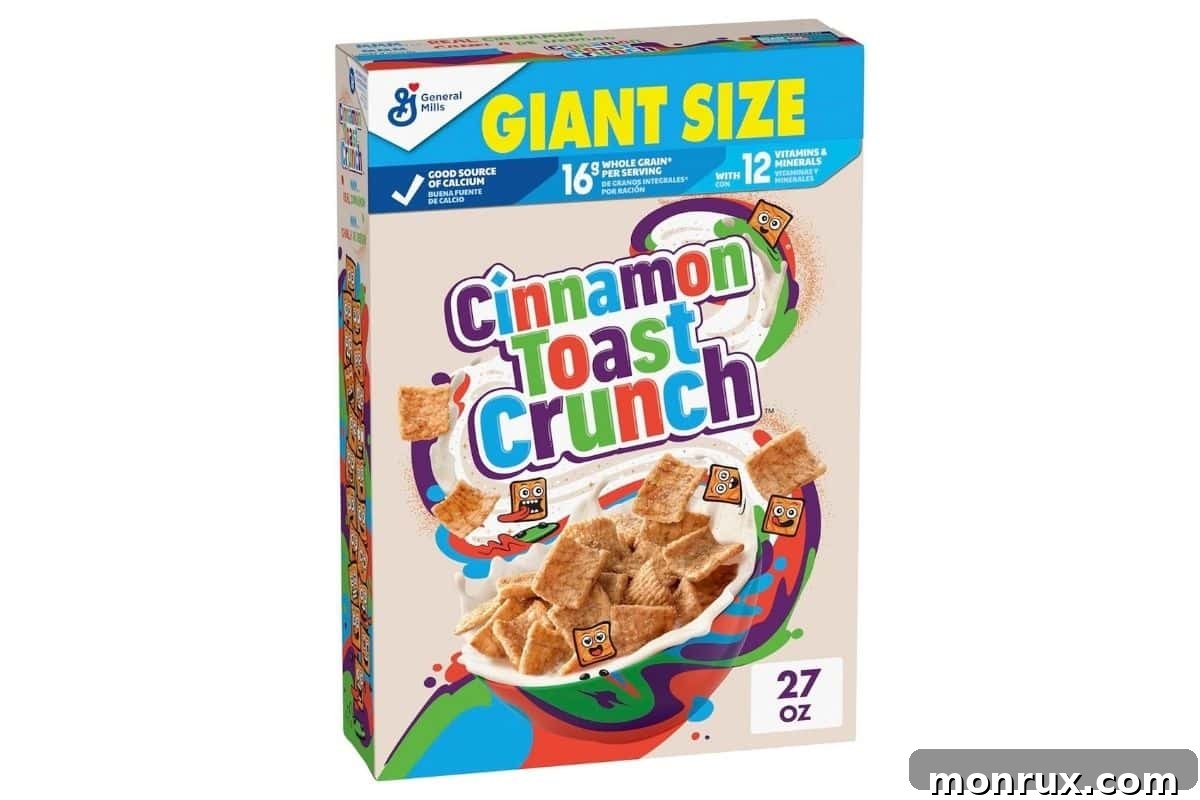
In the quest for a wholesome start to the day, many turn to the convenience of breakfast cereals. Among the most iconic and beloved is Cinnamon Toast Crunch, a sweet, cinnamon-infused staple that has graced breakfast tables for decades. But beyond its appealing taste and satisfying crunch, a critical question emerges for health-conscious consumers: Is Cinnamon Toast Crunch truly healthy? This comprehensive article aims to dissect the nutritional profile of this popular cereal, exploring its ingredients, potential benefits, and significant drawbacks. We’ll uncover why, for the vast majority, this cereal falls short of being a healthy food choice and guide you toward superior, nutrient-dense breakfast alternatives.
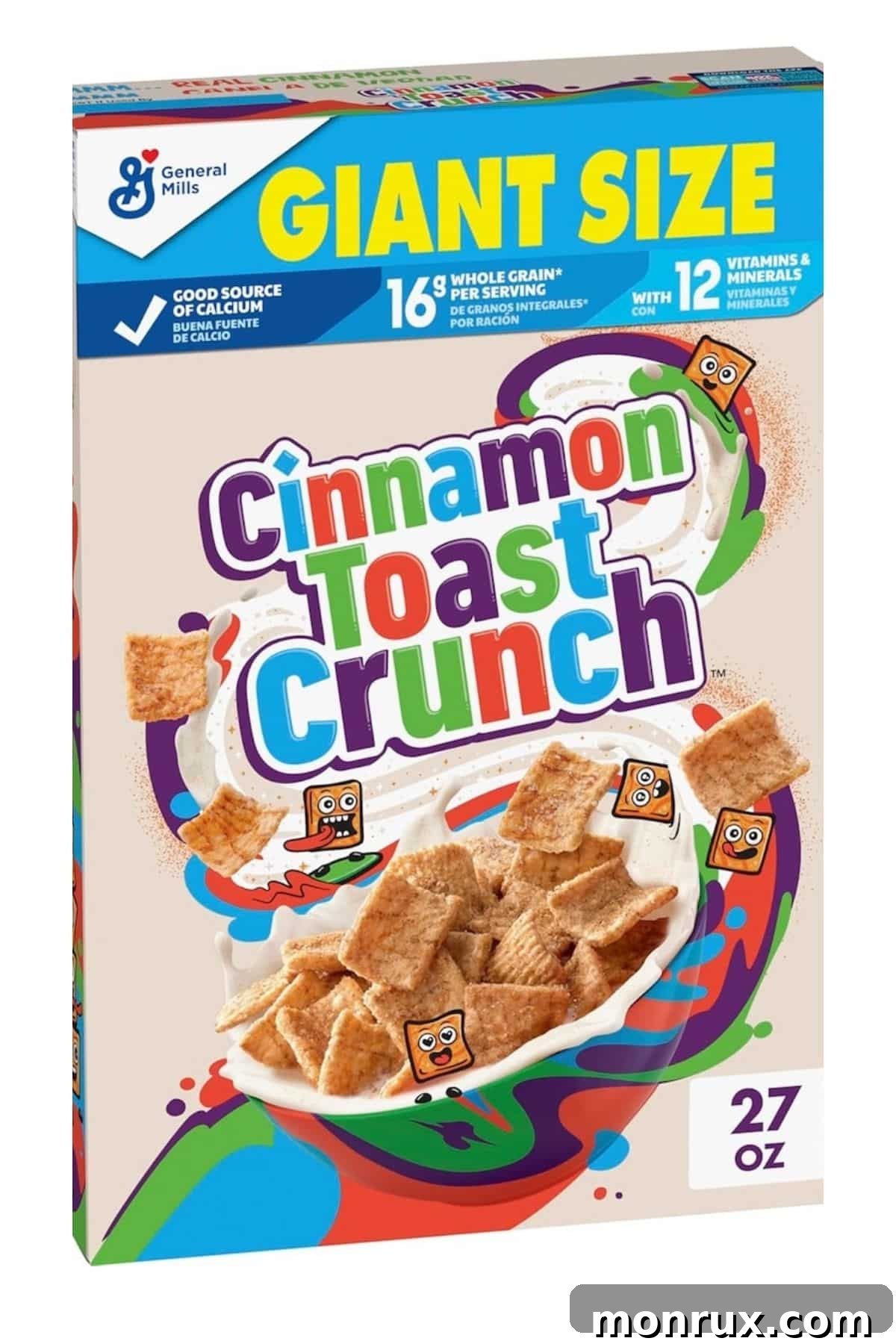
Cinnamon Toast Crunch Overview
Cinnamon Toast Crunch, first introduced in 1984, quickly cemented its place as a beloved breakfast cereal. Manufactured by General Mills, a global food giant, it’s recognized by its distinctive square-shaped pieces made from wheat and rice, generously coated with a blend of cinnamon and sugar. Its primary marketing demographic targets families and children, leveraging its sweet flavor and satisfying crunch to win over consumers.
From a nutritional standpoint, a standard serving of Cinnamon Toast Crunch (approximately 3/4 cup or 27 grams) typically contains around 130 calories. Breaking down its macronutrients, it provides about 3 grams of fat (including 0.5 grams of saturated fat), a significant 24 grams of carbohydrates, and a concerning 10 grams of total sugar. Each serving also contributes a modest 1 gram of dietary fiber and 1 gram of protein.
While the cereal’s appealing taste and texture are undeniable factors in its widespread popularity, its nutritional label raises flags, primarily due to its elevated sugar content compared to many other breakfast options touted as healthier. The presence of significant added sugars is a primary point of concern for health experts, who link excessive sugar intake to a myriad of health issues. Furthermore, the relatively low fiber and protein content means that a bowl of Cinnamon Toast Crunch is unlikely to provide sustained energy, often leading to rapid blood sugar spikes followed by crashes, and potentially increasing the likelihood of hunger and snacking between meals.
General Mills offers Cinnamon Toast Crunch in various sizes and an expanding array of flavors and product extensions. Beyond the original, consumers can find varieties such as Cinnamon Toast Crunch Loaded, Waffle, Tres Leches Toast Crunch, Minis, Rolls, and French Toast Crunch. The brand has also expanded into other product categories, including snack bars, baking mixes, hot drink products, and spreads, all aiming to capitalize on the iconic cinnamon-sugar flavor.
The core ingredients generally include whole grains, sugar, rice flour, various oils, and an assortment of flavorings and additives. Some variations may also contain artificial colors like Red 40, Yellow 5 & 6, and Blue 1, which have their own set of health considerations. While the cereal is fortified with several vitamins and minerals, the overall composition often overshadows these additions.
A typical list of ingredients for Cinnamon Toast Crunch cereals includes:
- Whole Grain Wheat
- Sugar
- Rice Flour
- Canola Oil
- Fructose
- Maltodextrin
- Dextrose
- Salt
- Cinnamon
- Trisodium Phosphate
- Soy Lecithin
- Caramel Color
- BHT (added to preserve freshness)
Additionally, the cereal is often fortified with a range of essential vitamins and minerals, such as:
- Calcium Carbonate
- Vitamin C (Sodium Ascorbate)
- Iron and Zinc (Mineral Nutrients)
- Niacinamide (Vitamin B3)
- Vitamin B6 (Pyridoxine Hydrochloride)
- Vitamin B1 (Thiamin Mononitrate)
- Vitamin A (Palmitate)
- Vitamin B2 (Riboflavin)
- Folic Acid
- Vitamin B12
- Vitamin D3
Deciphering Cinnamon Toast Crunch Ingredients
While “Whole Grain Wheat” proudly sits as the first ingredient, a deeper dive into the subsequent components reveals a less wholesome picture. Many of the ingredients raise significant health concerns, particularly when consumed regularly as part of a daily diet. Let’s examine some of these key ingredients and their potential impacts on your well-being.
The Sugar Problem
Sugar is unequivocally the most significant nutritional concern in Cinnamon Toast Crunch, with approximately 12 grams of added sugar per serving. To put this into perspective, that’s equivalent to about three teaspoons of pure sugar in just one small bowl of cereal. The American Heart Association recommends that men consume no more than 36 grams (9 teaspoons) of added sugar per day, and women no more than 25 grams (6 teaspoons). A single serving of this cereal already consumes a substantial portion of these daily limits.
This added sugar provides virtually no nutritional value beyond empty calories and is a primary driver of numerous health issues. Excessive sugar consumption is a leading contributor to obesity, as it adds calories without providing essential nutrients or satiety, making it easier to overeat. It triggers rapid spikes in blood sugar levels, which can lead to insulin resistance over time, significantly increasing the risk of type 2 diabetes.
Beyond metabolic effects, sugar can profoundly impact energy levels and cognitive function, often resulting in “brain fog,” fatigue, and difficulty concentrating. Its highly addictive nature can also fuel constant food cravings, disrupt appetite regulation, and contribute to a vicious cycle of overeating and weight gain. Moreover, dental health suffers immensely from added sugar, as it promotes the growth of bacteria that cause tooth decay, cavities, and gum disease.
Fructose: A Liver’s Burden
Fructose, another form of sugar, is a common sweetener frequently added to processed foods like Cinnamon Toast Crunch. Its metabolism differs significantly from glucose, which can be utilized by almost all cells in the body for energy. Fructose, on the other hand, is primarily metabolized by the liver.
This unique metabolic pathway can lead to increased fat production (lipogenesis) and elevated triglyceride levels in the liver. Over time, excessive fructose intake, particularly from processed foods, is strongly linked to the development of non-alcoholic fatty liver disease (NAFLD), insulin resistance, and chronically elevated blood sugar. Consistently high consumption of fructose from such sources can escalate the risk of chronic health problems, including obesity, cardiovascular disease, and type 2 diabetes, even more so than glucose alone.
Industrial Seed Oils: Canola and Sunflower
Cinnamon Toast Crunch contains highly processed industrial seed oils, specifically canola and sunflower oil. These oils are ubiquitous in processed foods due to their low cost and versatility. However, their pervasive consumption can contribute to several health concerns.
Both canola and sunflower oils are rich in omega-6 polyunsaturated fatty acids. While omega-6s are essential, the typical Western diet contains an imbalanced ratio of omega-6 to omega-3 fatty acids, heavily favoring omega-6s. This imbalance, particularly from highly processed sources, is linked to systemic inflammation within the body. Chronic inflammation is a root cause of many modern diseases, including arthritis, cardiovascular disease, metabolic syndrome, and inflammatory bowel disorders.
Furthermore, these oils undergo extensive processing (including refining, bleaching, and deodorizing) that can degrade their nutritional quality and create harmful byproducts, such as trans fats (even in small amounts) and oxidation products. Some individuals also experience digestive discomfort, such as bloating, gas, or diarrhea, after consuming these oils, especially if they have pre-existing digestive conditions like irritable bowel syndrome (IBS).
Canola oil, in particular, is often derived from genetically modified organisms (GMOs), which raises concerns for some consumers about potential long-term health effects, despite regulatory bodies generally considering GMOs safe. For those sensitive to these oils or aiming to reduce inflammatory inputs, their presence in daily breakfast items is a definite drawback.
BHT: The Controversial Preservative
Butylated Hydroxytoluene (BHT) is an artificial antioxidant added to many processed foods, including Cinnamon Toast Crunch, to prevent fats from becoming rancid and extend shelf life. While regulatory bodies like the FDA deem it safe in small quantities, its presence has sparked considerable debate and health concerns among consumer advocates and some scientific communities.
Research, primarily in animal studies, suggests that BHT might act as an endocrine disruptor, potentially interfering with hormone function. It has also been associated with developmental and reproductive toxicity risks in animals, though its precise implications for human health are still a subject of ongoing discussion and research. A subset of individuals may also experience allergic reactions to BHT, ranging from skin rashes to more pronounced symptoms.
Moreover, some studies indicate that BHT could contribute to oxidative stress and cellular damage within the body. This oxidative stress is a key factor in the development and progression of various chronic illnesses, including certain types of cancer and cardiovascular disorders. Given these potential risks, many health-conscious consumers actively seek to avoid products containing BHT, opting for foods with more natural preservatives or shorter ingredient lists.
Soy Lecithin: A Highly Processed Emulsifier
Soy lecithin functions as an emulsifier in Cinnamon Toast Crunch, helping to bind ingredients together and improve texture and shelf life. It is extracted from soybeans, typically through a chemical solvent process (often using hexane).
It’s crucial to distinguish between whole soy foods and soy lecithin. Whole soy, in its unprocessed forms like edamame or tofu, is a plant-based protein rich in nutrients and associated with various health benefits. However, the prevalence of genetically modified soybeans in the U.S. and concerns about potential thyroid function alterations in individuals with iodine deficiency make some wary of soy products.
Soy lecithin, conversely, is a highly processed byproduct of soy oil and contains negligible amounts of soy protein. The extensive processing renders it quite different from its whole-food origin, generally making it safe even for most individuals with soy allergies. However, for those concerned about processed ingredients, GMOs, or residual chemical solvents like hexane, soy lecithin remains a point of caution.
Maltodextrin: The Hidden Sugar Spike
Maltodextrin is another highly processed carbohydrate often derived from corn, rice, wheat, or potatoes, commonly used as a thickener, filler, or preservative. While the FDA classifies it as generally safe, its high glycemic index is a significant concern.
Maltodextrin can cause rapid and dramatic spikes in blood sugar levels, often even higher than table sugar, posing substantial risks for individuals managing insulin resistance, pre-diabetes, or full-blown diabetes. These sharp blood sugar fluctuations can also contribute to energy crashes, mood swings, and increased cravings.
Its calorie-dense nature, combined with its ability to rapidly raise blood sugar, means that frequent consumption of maltodextrin can easily contribute to weight gain and obesity. Furthermore, emerging research suggests that maltodextrin may negatively impact gut health by altering the balance of the gut microbiome. For individuals with autoimmune conditions or digestive disorders such as celiac disease or Crohn’s disease, maltodextrin, particularly if sourced from wheat and containing trace amounts of gluten, could potentially exacerbate symptoms.
Nutritional Benefits: A Closer Look
It would be unfair to completely dismiss Cinnamon Toast Crunch without acknowledging any potential positives. The cereal does list “whole grain wheat” as its primary ingredient. Whole grains are known to provide dietary fiber, B vitamins, iron, and magnesium. The fortification process also adds several synthetic vitamins and minerals, including Calcium Carbonate, Vitamin C, Iron, Zinc, various B vitamins, and Vitamins A and D3, aiming to boost its nutrient profile.
However, these benefits are largely overshadowed by the overall composition of the cereal. While fortification ensures some micronutrient intake, the form and quantity of these added nutrients may not be as bioavailable or beneficial as those obtained from whole, unprocessed foods. Essentially, the “good” aspects are often dilute in a sea of “less good” ingredients, making it a poor trade-off for those seeking genuine nutrition.
The Significant Nutritional Downsides
The nutritional drawbacks of Cinnamon Toast Crunch are numerous and compelling. The excessive amount of added sugar, fructose, and maltodextrin contributes to caloric overload without delivering satiety or essential nutrients. This combination creates a recipe for blood sugar dysregulation, increased risk of type 2 diabetes, weight gain, and energy crashes throughout the day.
Beyond sugars, the presence of highly processed industrial seed oils (canola and sunflower) contributes to an unhealthy omega-6 to omega-3 ratio, fostering systemic inflammation. Artificial preservatives like BHT raise concerns about hormone disruption and long-term health risks, while artificial colors can trigger sensitivities in some individuals.
Ultimately, Cinnamon Toast Crunch is a classic example of an ultra-processed food: engineered for taste and shelf life, but largely devoid of the whole food nutrients, fiber, and healthy fats necessary for sustained health. For individuals prioritizing their well-being, avoiding such highly processed cereals is a clear and advised choice. It offers minimal genuine nutritional value and carries a significant burden of potentially detrimental ingredients.
Frequently Asked Questions (FAQs)
Can I make a healthier homemade Cinnamon Toast Crunch?
Absolutely! Crafting a healthier homemade version of Cinnamon Toast Crunch is a fantastic way to enjoy the classic flavor without the downsides. You can start by mixing whole grain flours such as oat flour, whole wheat flour, or almond flour, which provide significantly more fiber and nutrients. Sweeten it naturally with a touch of coconut sugar, maple syrup, or honey, along with plenty of real cinnamon and a pinch of salt.
For healthy fats, opt for melted coconut oil, avocado oil, or ghee instead of highly processed industrial seed oils. Combine these ingredients to form a workable dough. Roll the dough thinly between two sheets of parchment paper, then use a pizza cutter or knife to cut it into small squares. Bake these until they are golden and crispy. For an extra boost of flavor and crunch, you can toss the baked pieces with a light coating of cinnamon and a natural sweetener like coconut sugar after they cool slightly. This homemade approach eliminates refined oils, artificial preservatives, and excessive refined sugars, while boosting fiber, healthy fats, and using real, wholesome ingredients.
What are the dangers of excessive sugar intake?
Excessive sugar intake is a significant contributor to a wide range of health problems. It’s directly linked to increased risks of obesity, type 2 diabetes, and heart disease. Chronic high sugar consumption can also lead to non-alcoholic fatty liver disease, contribute to dental cavities, and negatively impact brain health, potentially leading to cognitive decline and mood disorders. Furthermore, sugar can fuel inflammation throughout the body, exacerbating conditions like arthritis and autoimmune diseases, and can disrupt the delicate balance of the gut microbiome.
Is fortified cereal a good source of vitamins and minerals?
While fortified cereals contain added vitamins and minerals, they are not always the best source. The nutrients are often synthetic and may not be as bioavailable (easily absorbed and utilized by the body) as those found naturally in whole foods. Moreover, the benefits of fortification in ultra-processed cereals like Cinnamon Toast Crunch are often overshadowed by their high sugar content, unhealthy fats, and artificial additives. Relying on such cereals for nutrient intake means consuming many undesirable ingredients alongside the beneficial ones. A diet rich in whole fruits, vegetables, lean proteins, and unrefined grains provides a much superior and balanced source of essential nutrients.
Wholesome Breakfast Alternatives
If you’re ready to ditch the highly processed cereals for healthier options, here are some ideas for starting your day with nourishing and delicious meals:
Final Thoughts on Cinnamon Toast Crunch
In conclusion, while Cinnamon Toast Crunch may evoke fond childhood memories and offer a sweet, convenient start to the day, a thorough examination of its nutritional facts reveals that it is far from a healthy breakfast choice. Its alarmingly high sugar content, coupled with a plethora of highly processed ingredients, unhealthy fats, and artificial additives, poses significant risks to long-term health. These components can contribute to serious health problems, including tooth decay, obesity, insulin resistance, type 2 diabetes, inflammation, and a range of other chronic conditions.
For those committed to fostering a genuinely nutritious diet and supporting overall well-being, it is highly advisable to avoid cereals like Cinnamon Toast Crunch. Instead, prioritize unprocessed, whole-grain options such as plain oatmeal, unsweetened whole-grain cereals, or homemade granola crafted with organic, natural ingredients. Incorporating sources of lean protein and healthy fats into your breakfast, such as eggs, nuts, seeds, or avocado, will provide sustained energy, promote satiety, and deliver a wealth of essential nutrients. Making these conscious, healthier choices for your morning meal can profoundly impact your energy levels, mood, and overall long-term health outcomes.
Don’t forget to join my newsletter list to get exclusive clean eating recipes and tips. The newsletter is 100% free with no spam; unsubscribe anytime.
About the Author: Carrie Forrest has a master’s degree in public health with a specialty in nutrition and is a certified holistic nutritionist. She is a top wellness and food blogger with over 5 million annual visitors to her site. Carrie has an incredible story of recovery from chronic illness and is passionate about helping other women transform their health. Send her a message through her contact form.
Note: this post is for informational purposes only and is not intended as medical advice. Please consult your healthcare provider for recommendations related to your individual situation.