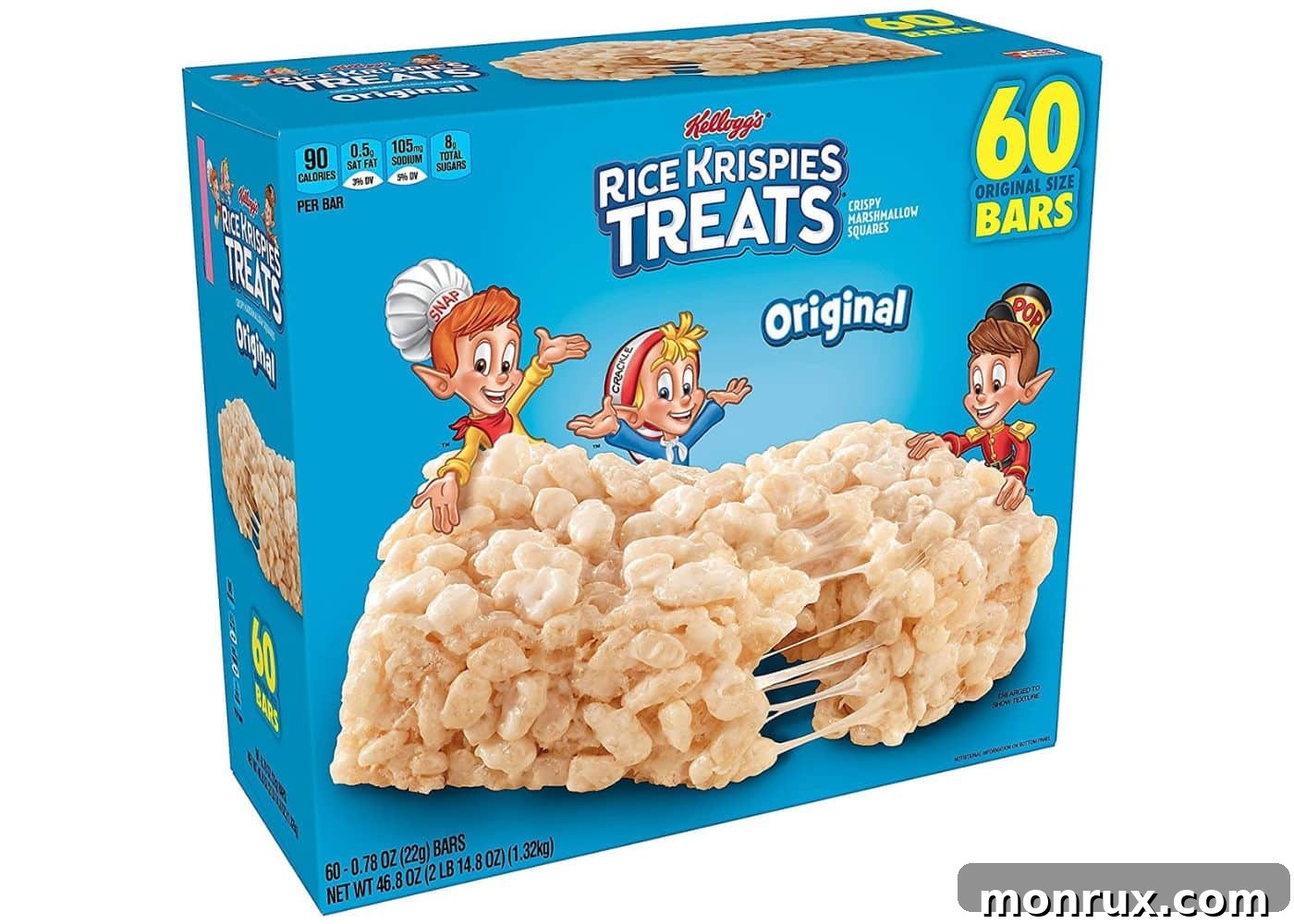
Are you frequently asking, “Are Rice Krispie Treats healthy?” or contemplating their nutritional impact? This comprehensive guide delves into the nutrition pros and cons of Rice Krispie Treats, meticulously examining both the widely available packaged versions and the ingredients typically used in homemade preparations. Understanding the difference is crucial for making informed dietary choices.
Understanding Rice Krispie Treats: Facts & History
Rice Krispie Treats are a beloved confection, synonymous with childhood nostalgia and simple indulgence. These sweet, chewy squares are traditionally made from puffed rice cereal, melted marshmallows, and a touch of butter. While the homemade version has been a staple at potlucks and bake sales for decades, the Kellogg Company introduced a convenient pre-packaged version, making these treats accessible to a broader audience.
The original Rice Krispies cereal, created by Kellogg’s in 1928, quickly became a breakfast favorite due to its distinctive “snap, crackle, pop” sound. The iconic Rice Krispie Treat recipe, however, was developed in 1939 by Mildred Day and Malitta Jensen, employees of Kellogg’s home economics department. Their creation was initially a fundraiser for Camp Fire Girls, but its simplicity and deliciousness led to its widespread adoption. Over the years, Rice Krispie Treats have evolved from a simple homemade dessert into a commercially produced snack, enjoyed by people of all ages as a quick, on-the-go option, a lunchbox staple, or a special party treat. Kellogg’s website highlights their versatility, perfect for everything from school lunches to video gaming sessions.
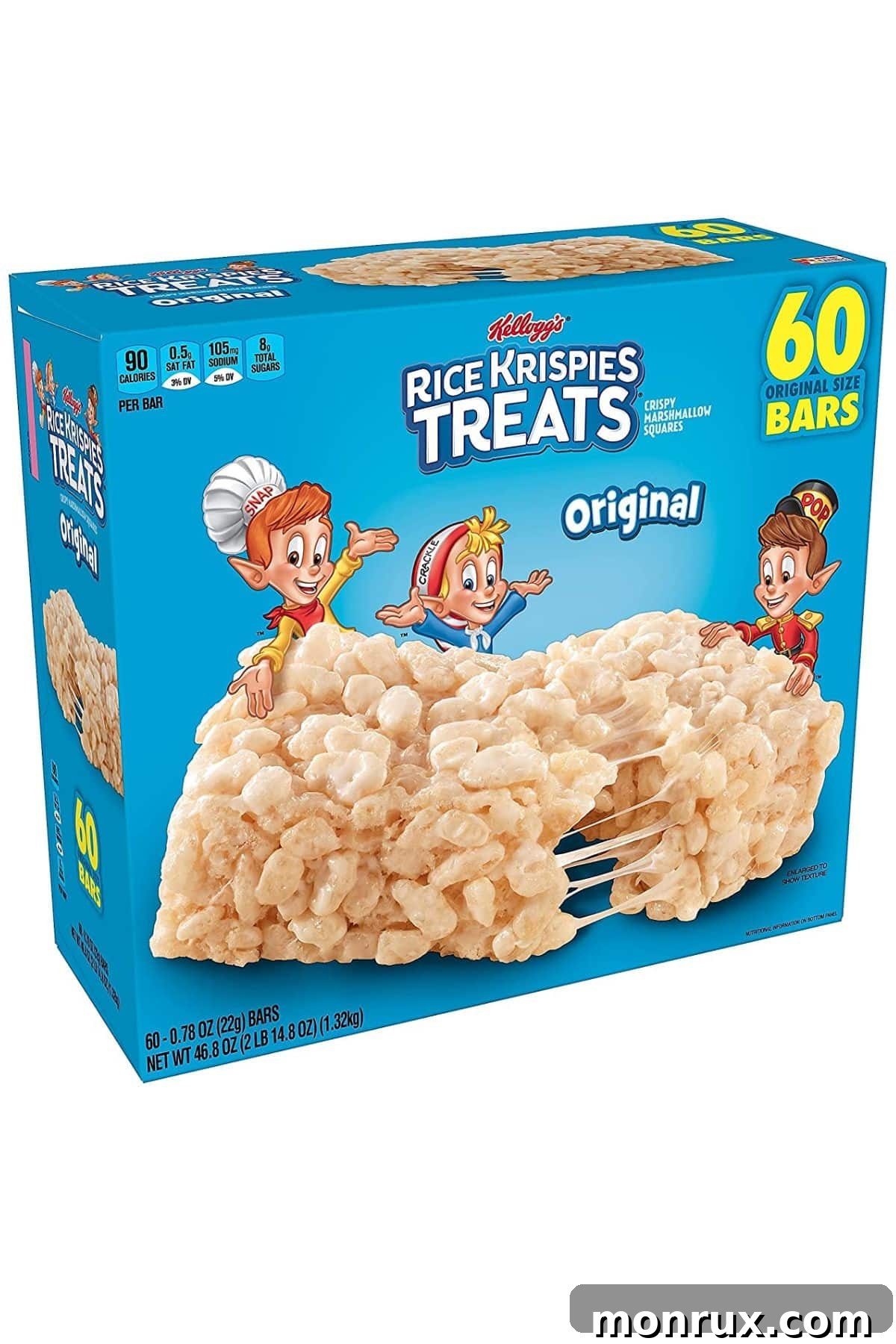
Despite their widespread appeal, the nutritional profile of Rice Krispie Treats, particularly the packaged variety, raises questions for health-conscious consumers. The ingredients list for the commercial version often includes a complex array of components such as rice, various forms of sugar (including corn syrup and fructose), vegetable oil, glycerin, gelatin, milk, soy, and preservatives like BHT. This lengthy list often leads to a “bioengineered food disclosure” on the label, indicating the presence of genetically modified ingredients, a common concern for many consumers.
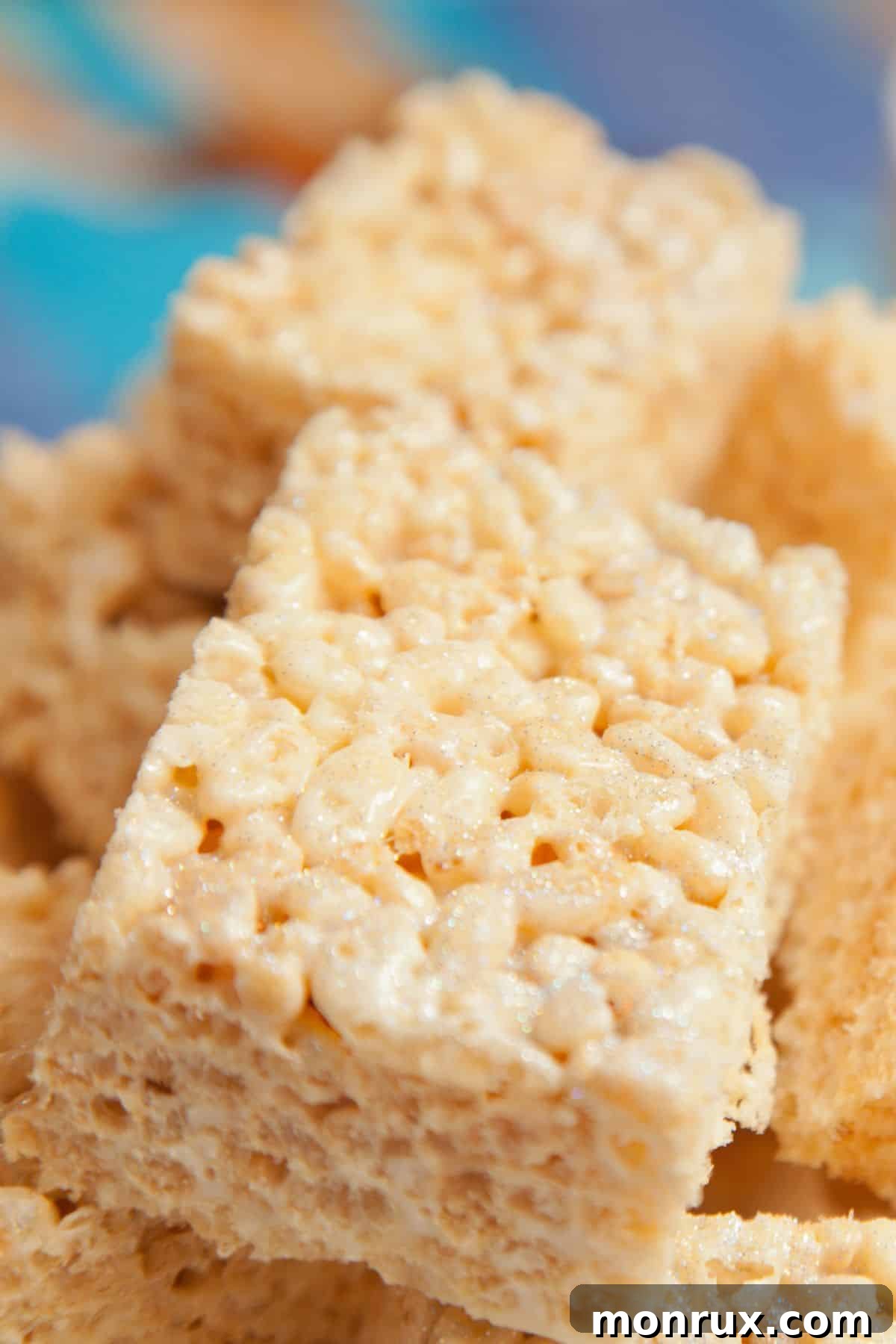
In contrast, the homemade version typically boasts a much shorter and more familiar ingredient list: toasted rice cereal, jet-puffed marshmallows, and butter. The nutritional content of homemade treats largely depends on the specific brands and types of these core ingredients chosen by the home cook. This distinction between packaged and homemade is critical when evaluating whether Rice Krispie Treats align with a healthy diet.
Packaged vs. Homemade Rice Krispie Treat Ingredients: A Deep Dive
To truly understand the health implications of Rice Krispie Treats, we must meticulously examine their constituent ingredients. The differences between the packaged and homemade versions are stark and hold significant sway over their nutritional value.
Packaged Rice Krispie Treats
Pre-made Rice Krispie Treats often come with an extensive ingredient list, many items of which are highly processed and offer little to no nutritional benefit. A single serving can contain a substantial amount of added sugar, frequently exceeding the recommended daily limits. While marketing might suggest these are wholesome, a closer look at key ingredients reveals a different story.
For more insights into common breakfast options, see my related article, “Is Belvita Healthy?”
Corn Syrup
Corn syrup, particularly high-fructose corn syrup (HFCS), is a prevalent ingredient in many packaged treats, including Rice Krispie Treats. It is a highly processed sweetener made from corn starch and has been linked to numerous health concerns. Unlike glucose, which is metabolized by all cells, fructose is primarily processed by the liver. Extensive research indicates that excessive consumption of corn syrup can significantly increase appetite and is more strongly associated with obesity compared to regular sugar. Moreover, studies have shown its potential to contribute to chronic inflammation, insulin resistance, type 2 diabetes, elevated triglycerides, and non-alcoholic fatty liver disease. Given these risks, corn syrup is a primary ingredient to be cautious of, especially for individuals monitoring their blood sugar levels or concerned about cardiovascular health. It is not considered a natural or healthy sweetener; for better options, explore my list of the healthiest natural sugar alternatives.
Gelatin
Gelatin is a naturally occurring protein derived from collagen, typically sourced from the bones, skin, and cartilage of animals. In its pure form, gelatin is lauded for several health benefits, including supporting collagen production for improved skin elasticity, as well as aiding in digestion, promoting better sleep quality, and contributing to bone health due to its lysine content, as highlighted by studies on elasticity and research on bone health. However, the quality of gelatin can vary significantly. While homemade Rice Krispie Treats might use higher-quality gelatin in marshmallows (or marshmallows without gelatin for vegan options), the gelatin found in mass-produced packaged snacks is often sourced from conventionally raised animals, meaning its overall health benefits might be less pronounced or even overshadowed by other unhealthy ingredients in the product. It’s important to note that while gluten-free, gelatin is an animal byproduct, making packaged Rice Krispie Treats unsuitable for vegan diets.
TBHQ and BHA
Tertiary butylhydroquinone (TBHQ) and butylated hydroxyanisole (BHA) are synthetic antioxidants frequently added to processed foods, including packaged Rice Krispie Treats, to prevent fat rancidity and extend shelf life. These chemicals are closely related; BHA can be metabolized into TBHQ within the body. While approved by regulatory bodies like the FDA with strict limitations on their quantities, concerns about their long-term health effects persist. Scientific research suggests that high doses of TBHQ may have carcinogenic effects and can lead to visual disturbances and other health issues. BHA has also been implicated in endocrine disruption, potentially interfering with hormone function. Consumers should be aware of these additives and consider moderating their consumption of products containing them, especially when healthier alternatives are available.
Soy
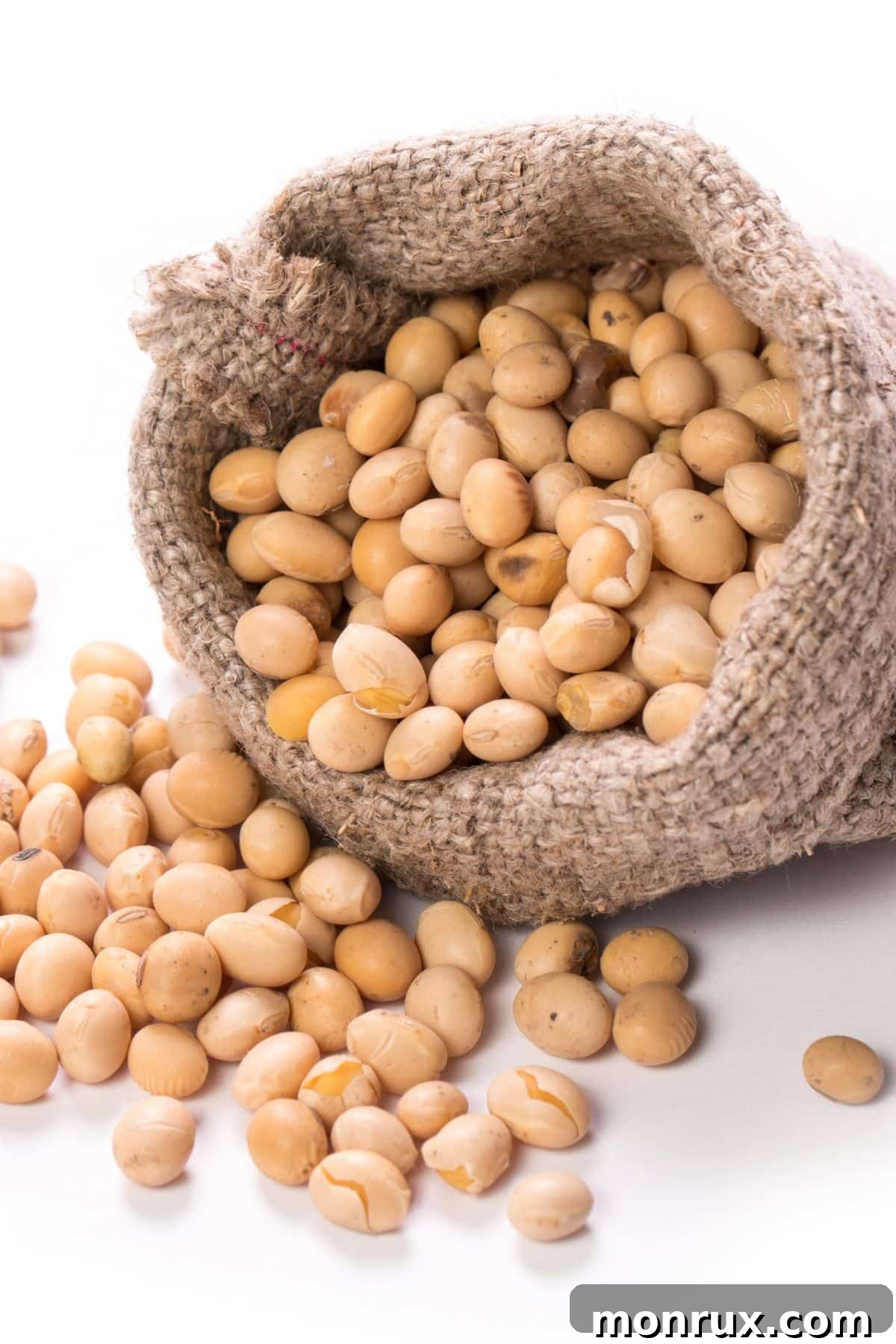
Soy, a legume and plant protein, is a common ingredient in many processed foods, often appearing in forms like soy lecithin or soy oil in packaged Rice Krispie Treats. While whole, fermented soy products can offer health benefits, the soy used in processed snacks is frequently genetically modified (GMO) and highly refined. As indicated by the bioengineered food disclosure, most soy produced in the U.S. falls into this category. Soy is also a recognized common allergen, capable of causing digestive upset and other allergic reactions in sensitive individuals. Research has shown that soy consumption can interfere with thyroid function in individuals with an iodine deficiency, and high intake during pregnancy might pose risks to fetal development. For a deeper understanding of the potential health implications, learn more about the dangers of eating soy protein to make informed dietary choices.
Homemade Rice Krispie Treats
Crafting Rice Krispie Treats at home offers a significant advantage: control over ingredients. This allows for healthier choices, eliminating many of the undesirable additives found in their packaged counterparts. The recipe for original Rice Krispies often uses simple, puffed rice cereal combined with healthier options for the binding agents, leading to a much “cleaner” treat without unnecessary preservatives.
Toasted Rice Cereal
The foundation of any Rice Krispie Treat is the puffed or toasted rice cereal. When choosing a brand for homemade treats, conscious consumers can opt for varieties that are minimally processed, low in added sugars, and made with whole grains. Many crispy rice cereals are naturally free from common allergens like nuts, dairy, soy, and wheat, making them suitable for individuals with food sensitivities. Furthermore, many cereals are fortified with essential nutrients such as B vitamins, iron, and folate, contributing some nutritional value. They are generally low in unhealthy fats and contain zero cholesterol. The key is to carefully read labels and select cereals with the fewest ingredients and the lowest sugar content, ideally opting for organic or whole-grain versions for a more nutrient-dense base.
Marshmallows
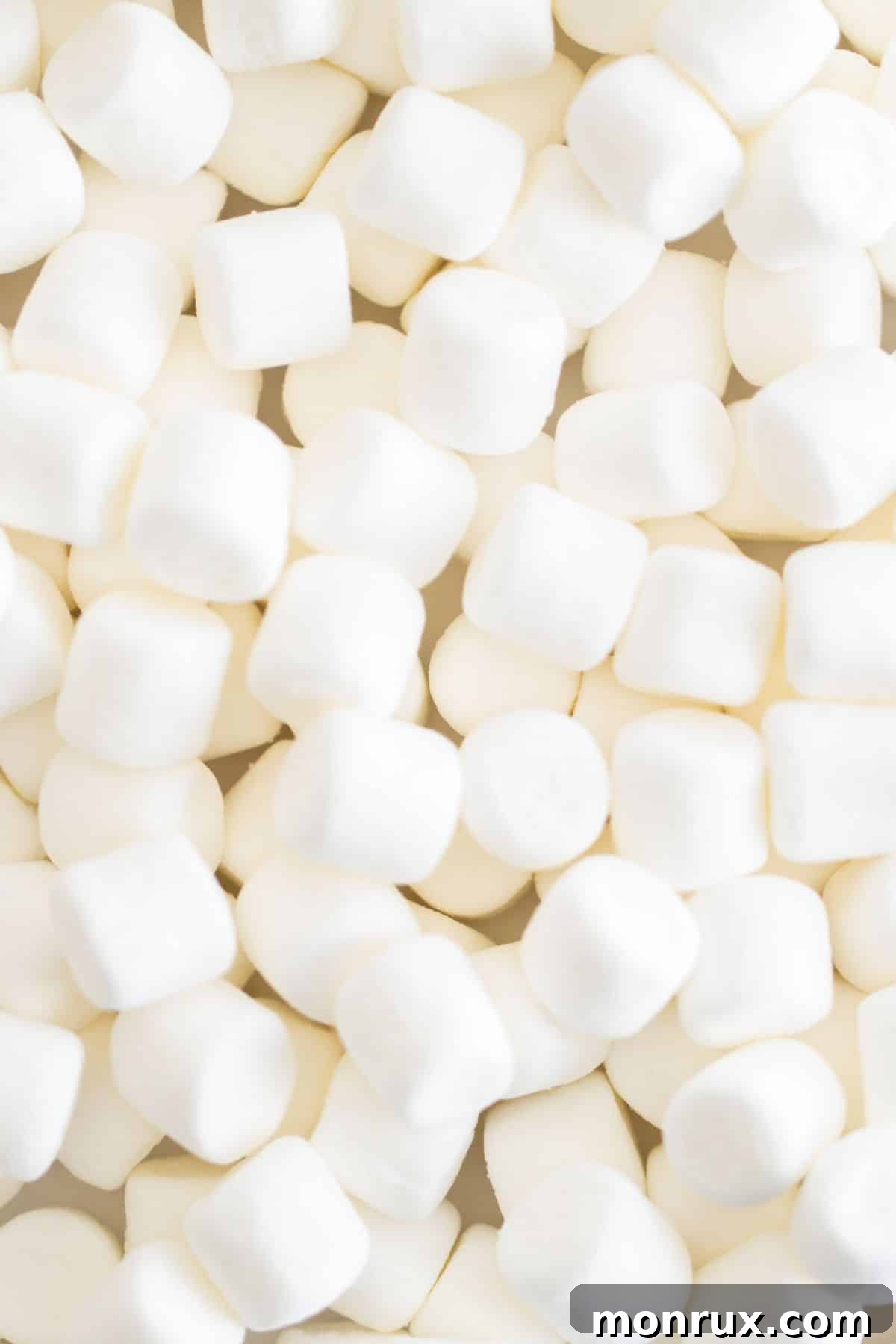
Historically, marshmallows were derived from the marshmallow root plant, which possessed genuine health benefits. Today, however, most commercially available marshmallows are highly processed candies primarily composed of sugar, corn syrup, and gelatin. This makes them a significant source of added sugars in Rice Krispie Treats. For those aiming to make healthier homemade versions, exploring alternatives is key. Low-sugar marshmallows, often sweetened with natural sugar substitutes, or vegan marshmallows made with binders like agar-agar instead of gelatin, are increasingly available. You can also make marshmallows from scratch, allowing for complete control over the sugar content. Understanding the ingredients in your marshmallows is vital for minimizing sugar intake in your homemade treats. Read my related article on whether marshmallows contain dairy or eggs.
Butter
Butter serves as a crucial ingredient in homemade Rice Krispie Treats, contributing to their rich flavor and texture. In moderation, high-quality, grass-fed butter can be a beneficial addition to a healthy diet, provided there are no lactose intolerance or dairy allergies. Grass-fed butter is a good source of conjugated linoleic acid (CLA), which has been linked to various health benefits, as well as calcium and fat-soluble vitamins like A, D, E, and K2. It is considered a healthy fat, similar to ghee (clarified butter). However, butter does contain saturated fat and is an animal product, making it unsuitable for vegan diets. For those following a plant-based lifestyle or seeking alternatives, melted coconut oil or other plant-based butter substitutes can be used, each offering its own unique nutritional profile and flavor.
Nutrition Pros: Are There Any Benefits?
When evaluating the nutritional benefits of Rice Krispie Treats, a clear distinction must be made between the packaged and homemade versions. The packaged variety, unfortunately, offers very little in terms of genuine nutritional value. Beyond the fortified iron, folate, and B vitamins present in the cereal itself, the high content of added sugars, unhealthy fats, and artificial additives means it provides little more than empty calories and can lead to rapid blood sugar spikes and subsequent crashes.
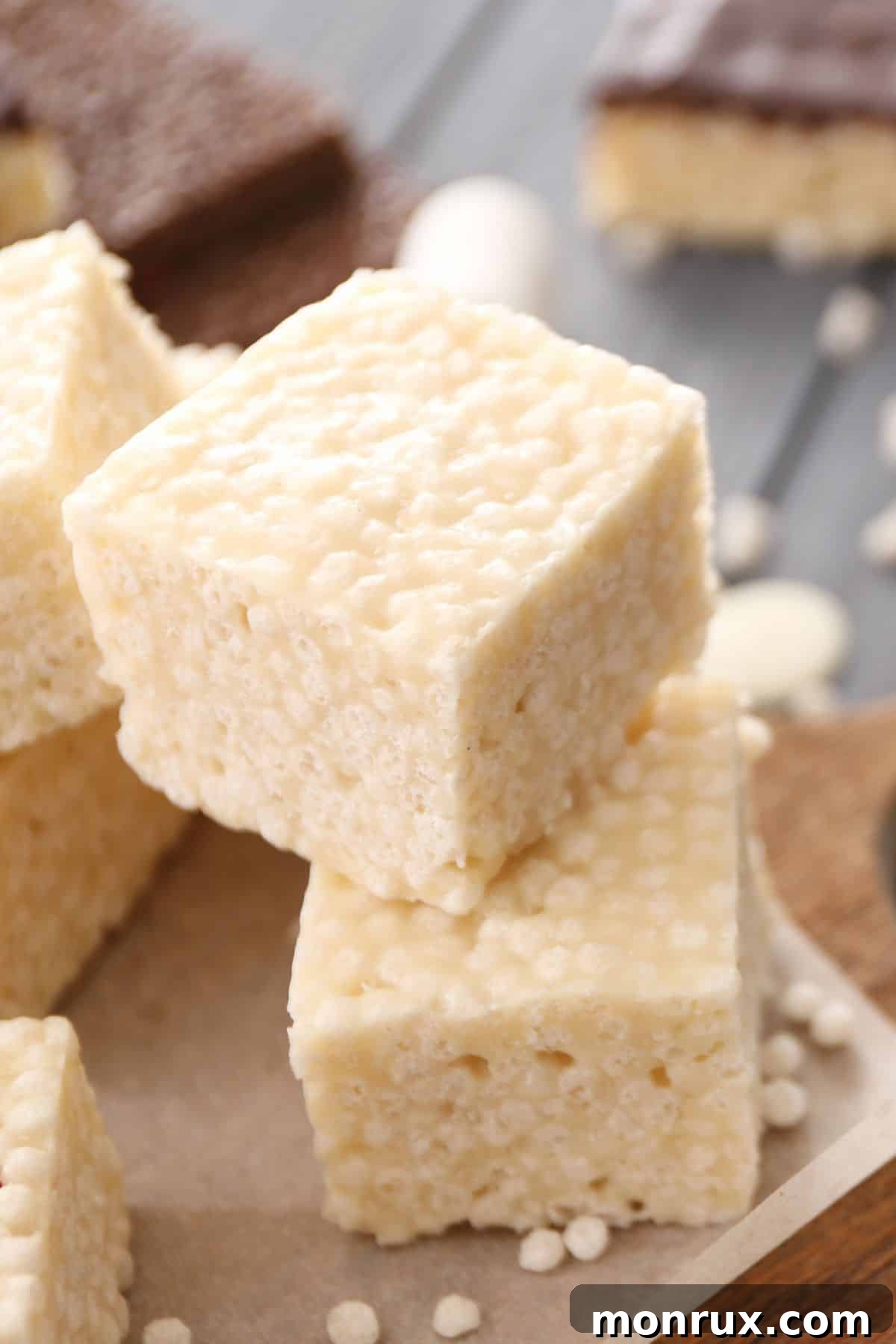
The homemade version, however, presents a more favorable picture. While still a treat and not a health food, it is significantly less unhealthy. It retains the benefits of the fortified B vitamins, iron, and folate from the cereal but eliminates the plethora of artificial flavors, preservatives, and potentially harmful ingredients found in commercial products. By choosing higher-quality ingredients – such as low-sugar or homemade marshmallows, grass-fed butter, and organic, low-sugar rice cereal – the homemade treat becomes a much “cleaner” option. The primary “pros” of Rice Krispie Treats, especially homemade ones, lie in their ability to provide a moment of enjoyable indulgence and satisfaction when consumed in moderation as part of an otherwise balanced diet. They can serve as a simple, comforting treat without the complex chemical cocktail often found in store-bought counterparts.
Nutrition Cons: The Hidden Downsides
The nutritional downsides of Rice Krispie Treats, particularly the packaged variety, are significant and warrant careful consideration. These treats are fundamentally a highly processed food, laden with ingredients that can negatively impact health. The primary concerns include the high sugar content (often from corn syrup and fructose), which contributes to blood sugar dysregulation, increased risk of type 2 diabetes, and weight gain. The presence of unhealthy vegetable oils can promote inflammation throughout the body, while artificial additives like TBHQ and BHA raise concerns about potential carcinogenic effects and endocrine disruption.
Furthermore, packaged Rice Krispie Treats often contain common allergens such as milk and soy, which can cause adverse reactions in sensitive individuals. Their low fiber and protein content means they offer poor satiety, leading to quick energy spikes followed by crashes, and potentially encouraging overconsumption. Essentially, the packaged version offers little beyond empty calories and a sugary taste experience.
While the homemade version allows for greater control and can be made healthier, it still typically features a high sugar content if conventional marshmallows are used. This means even homemade treats, if not carefully adapted with lower-sugar alternatives, should be consumed in strict moderation. The lack of significant protein, fiber, or micronutrients in both versions means they are not ideal choices for consistent snacking and should be considered occasional indulgences rather than regular dietary components.
Rice Krispie Nutrition FAQs
Generally, the packaged version of Rice Krispie Treats is not considered healthy due to its highly processed nature, high sugar content, and inclusion of artificial additives and unhealthy fats. It offers minimal nutritional value. Homemade versions can be a healthier alternative, as you can control the quality and quantity of ingredients, but they should still be enjoyed in moderation as part of a balanced diet. For most individuals, homemade treats, when made with conscious ingredient choices, can be tolerated well as an occasional indulgence.
Absolutely! Making healthier Rice Krispie Treats at home is entirely achievable by focusing on minimally processed, nutrient-dense ingredients. Opt for whole-grain, low-sugar, or organic crispy rice cereal. Replace conventional butter with high-quality grass-fed butter or coconut oil. For marshmallows, seek out brands that use natural sweeteners and fewer additives, or try making them from scratch with reduced sugar. Vegan options can substitute butter with coconut oil and use agar-agar-based marshmallows. Health food stores like Whole Foods often stock these healthier alternatives. The goal is always to reduce overall sugar content and avoid artificial ingredients.
If you’re looking to avoid marshmallows altogether, a popular and healthier alternative is to use a sticky mixture made from nut butter. Almond butter or cashew butter combined with a natural sweetener like maple syrup, brown rice syrup, or honey can create a delicious, binding base for your Rice Krispie Treats. Simply melt the nut butter and sweetener together, then mix with the cereal. This not only adds healthy fats and some protein but also significantly reduces the processed sugar content.
The primary ingredient of Rice Krispies cereal is indeed rice, though it’s not simply whole rice grains. The cereal is created from a paste of rice and sugar, which is then formed into the shape of rice grains, dried, and toasted. This process causes the grains to expand, forming the thin, hollow walls that give the cereal its characteristic crisp texture and satisfying “snap, crackle, pop” sound when milk is added. So, while it contains rice, it’s a processed form designed for its unique texture rather than its whole-grain integrity.
Due to their high sugar content, relatively low protein and fiber, and high caloric density, especially in the packaged form, Rice Krispie Treats are generally not recommended for weight loss diets. They can lead to rapid blood sugar spikes and crashes, which may increase cravings and hinder weight management efforts. If you are watching your weight, it’s best to opt for snacks that are higher in protein and fiber, or to consume homemade Rice Krispie Treats in very small, controlled portions as an occasional treat.
Given their high glycemic index and significant sugar content, both packaged and most homemade Rice Krispie Treats are generally not suitable for individuals with diabetes, as they can cause rapid and substantial increases in blood sugar levels. Diabetics should consult their healthcare provider or a registered dietitian for personalized dietary advice. If an occasional treat is desired, severely modified homemade versions using sugar substitutes, whole-grain cereal, and nut butter as a binder might be considered, but always under professional guidance and strict portion control.
Healthy Snacks to Consider
Conclusion: Making an Informed Choice
In conclusion, while Rice Krispie Treats hold a nostalgic place in many hearts, their health profile, particularly the packaged versions, leaves much to be desired. These convenient snacks are primarily composed of high-glycemic carbohydrates and excessive added sugars, leading to rapid energy spikes followed by undesirable crashes. Beyond the foundational B vitamins, iron, and folate from fortified cereal, they offer negligible nutritional value. The array of artificial ingredients, unhealthy fats, and preservatives in store-bought treats further detracts from their healthfulness.
For those who cherish the comforting taste of Rice Krispie Treats, the clear recommendation is to opt for a healthier, homemade version. By carefully selecting high-quality, minimally processed ingredients such as whole-grain cereal, grass-fed butter or coconut oil, and low-sugar or homemade marshmallows, you can significantly mitigate the nutritional downsides. Even then, these should be enjoyed in moderation, recognizing that they remain a treat rather than a staple health food. Prioritizing a balanced diet rich in whole, unprocessed foods and viewing treats like Rice Krispie squares as occasional indulgences is key to maintaining overall well-being. Make informed choices that support your health goals, allowing for enjoyment without compromising nutritional integrity.
Note: This post is for informational purposes only and is not intended as medical advice. Please consult your healthcare provider for recommendations related to your individual situation.
Don’t forget to join my newsletter list to get exclusive clean eating recipes and tips. The newsletter is 100% free with no spam; unsubscribe anytime.
About the Author: Carrie Forrest has a master’s degree in public health with a specialty in nutrition and is a certified holistic nutritionist. She is a top wellness and food blogger with over 5 million annual visitors to her site. Carrie has an incredible story of recovery from chronic illness and is passionate about helping other women transform their health. Send her a message through her contact form.