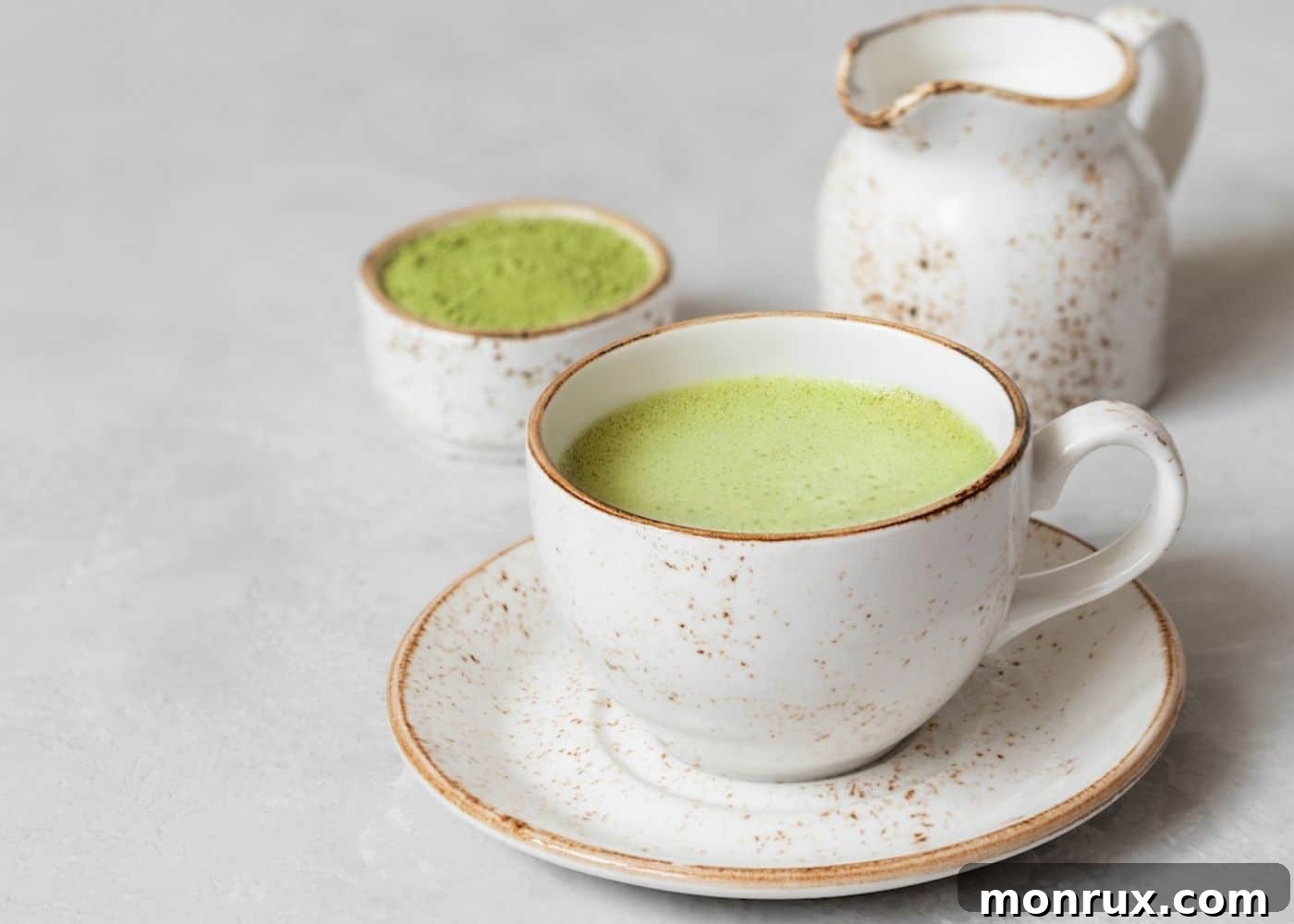
Craving a delightful and energizing beverage that won’t leave you feeling jittery? Look no further than this incredibly creamy Dairy-Free Matcha Latte recipe. Crafted with wholesome ingredients, it offers a serene yet invigorating start to your day or a delightful afternoon pick-me-up. Embrace the vibrant green goodness of matcha and discover a truly satisfying alternative to your usual coffee routine. This homemade version is not only delicious but also significantly more budget-friendly than store-bought options, ensuring you can enjoy its unique benefits every day.
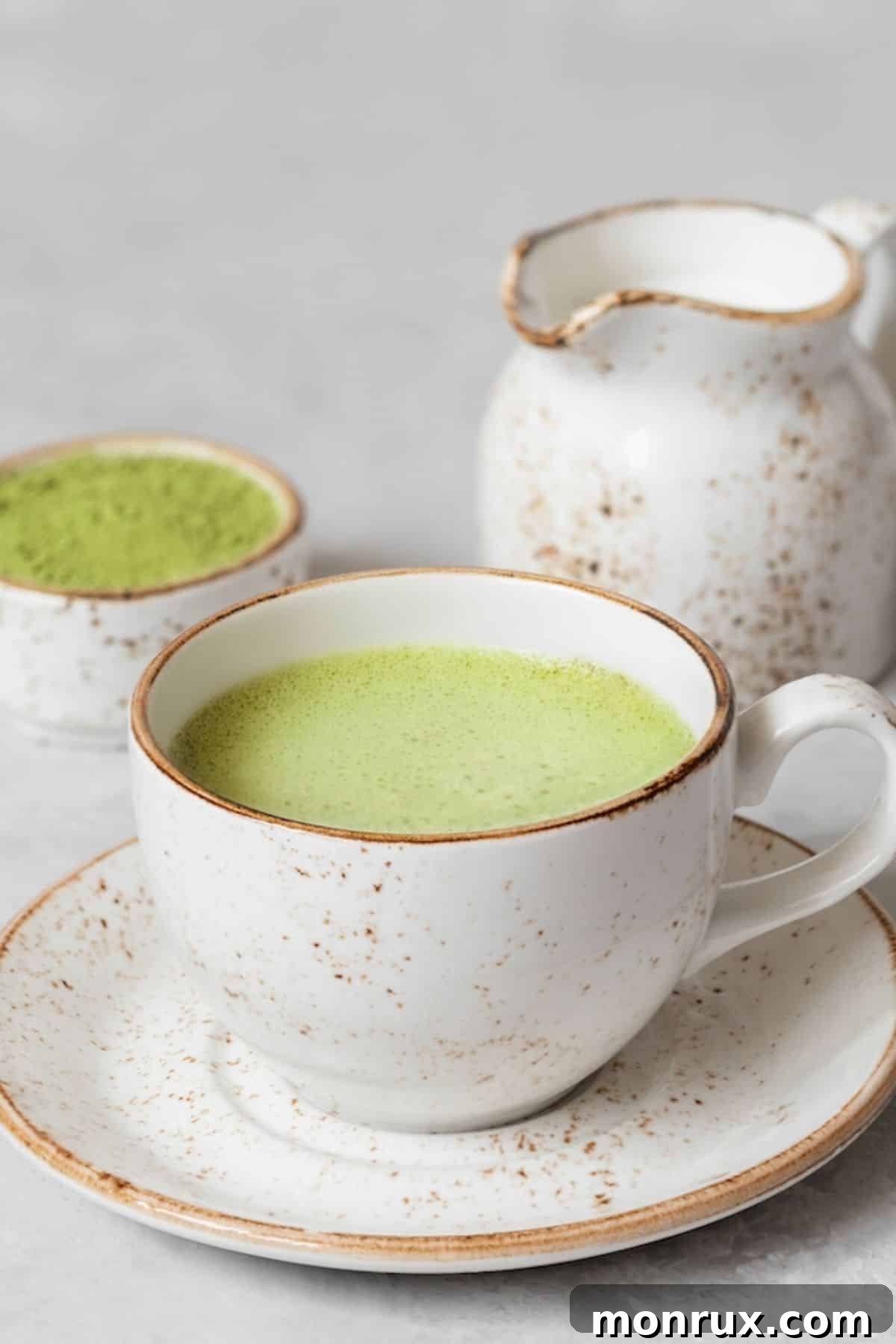
If you’ve ever treated yourself to a matcha latte at a bustling coffee shop, you already know the exquisite pleasure they offer. That unique earthy flavor of matcha powder, expertly combined with warm, frothy milk and a hint of sweetness, creates a truly irresistible experience. As someone who finds dairy products challenging to digest, my personal preference has always been for a dairy-free matcha latte, ensuring I can savor this healthy indulgence without compromise.
However, the convenience of a coffee shop often comes with a hefty price tag, making a daily matcha latte an expensive habit. The good news is that recreating this delightful beverage at home is surprisingly simple, allowing you to enjoy the best flavor and texture, completely dairy-free, at a fraction of the cost. Even devout coffee drinkers often find themselves captivated by the smooth, sustained energy and comforting warmth of a perfectly prepared homemade matcha latte. In this comprehensive guide, we’ll walk you through everything you need to know to master the art of the dairy-free matcha latte, from selecting the finest ingredients to achieving that coveted creamy consistency.
The Allure of Matcha: Why This Recipe is a Must-Try
Matcha isn’t just a trendy green powder; it’s a centuries-old superfood with a rich history and an impressive array of health benefits, making it an excellent addition to your daily routine. Here’s why this recipe stands out:
- Premium Green Tea Power: Matcha is meticulously crafted from special green tea leaves that are shade-grown, hand-picked, carefully dried, and then finely ground into a vibrant powder. Unlike traditional green tea, where leaves are steeped and discarded, with matcha, you consume the entire tea leaf, ensuring you receive 100% of its nutritional goodness.
- L-Theanine for Calm Focus: One of matcha’s most celebrated compounds is L-theanine, a unique amino acid found almost exclusively in tea. L-theanine works synergistically with caffeine to promote a state of alert calmness, enhancing focus and concentration without the nervous jitters often associated with coffee. This makes matcha an ideal beverage for sustained productivity and mental clarity.
- Abundant Antioxidants: Matcha is packed with powerful antioxidants, particularly catechins like EGCG (epigallocatechin gallate). These compounds help protect your cells from damage caused by free radicals, supporting overall health and potentially reducing the risk of chronic diseases. Matcha’s antioxidant levels are significantly higher than those found in regular green tea.
- Cost-Effective Indulgence: While high-quality matcha powder can seem like an investment, this latte recipe uses only about 1/2 teaspoon per serving. This means a single tin of matcha will last a long time, making your homemade lattes far more economical than daily trips to the coffee shop. Enjoy premium taste and health benefits without breaking the bank.
- Supports Wellness Goals: Beyond energy and focus, matcha is often linked to other potential health benefits, including supporting metabolism and contributing to weight management. Dive deeper into the extensive health benefits of matcha to discover how this ancient beverage can positively impact your well-being.
By making your matcha latte at home, you gain complete control over the quality of ingredients and the sweetness level, tailoring it perfectly to your dietary needs and taste preferences. This recipe ensures a truly wholesome and satisfying experience.
Understanding Your Ingredients for the Perfect Latte
Crafting this delicious dairy-free matcha latte requires just a few key ingredients, each playing an important role in achieving its signature creamy and delightful flavor:
1. High-Quality Matcha Powder: The foundation of any great matcha latte is, of course, the matcha itself. Investing in a good quality matcha powder will make a noticeable difference in flavor, color, and texture. Look for bright green powder with a fine, silky texture. Avoid dull or yellowish matcha, which can indicate lower quality or improper storage. You can find excellent options at your local health food store, specialty tea shops, or online. My top recommendations include the Republic of Tea Organic Japanese Matcha Green Tea Full-Leaf Powder or the Jade Leaf Organic Matcha Green Tea Powder. Both offer a smooth, vibrant taste ideal for lattes.
2. Creamy Coconut Butter: This ingredient is the secret to achieving that luscious, dairy-free creaminess and rich texture that makes this latte so irresistible. Coconut butter, sometimes also called coconut manna, is a whole food made by simply blending the meat of a mature coconut until it reaches a smooth, spreadable consistency. It’s naturally sweet and full of healthy fats, providing a wonderful mouthfeel without any dairy. You can easily purchase it online or find it in the health food aisle of many grocery stores. I particularly enjoy this organic coconut butter for its consistent quality.
3. Your Preferred Sweetener: Matcha has a naturally earthy, slightly bitter flavor, which is beautifully balanced by a touch of sweetness. While I personally love coconut sugar for its caramel-like notes and lower glycemic index, you have many options. Feel free to use any liquid sweetener like maple syrup, agave nectar, or even a healthier sugar-free alternative such as erythritol or stevia. Granulated white sugar works just as well if that’s what you have on hand. For a comprehensive guide to various options, check out my list of the best Substitutes for Coconut Palm Sugar.
4. Hot Water (not boiling): The right water temperature is crucial for a smooth, non-bitter matcha. Aim for very hot water, ideally between 175°F and 185°F (80°C to 85°C), but never boiling. Boiling water can scorch the delicate matcha leaves, resulting in an overly bitter taste. If you don’t have a temperature-controlled kettle, simply bring water to a boil and let it cool for a minute or two before using.
Optional Additions: Consider adding a dash of vanilla extract for extra warmth, a pinch of cinnamon or cardamom for a spicy kick, or even a tiny amount of collagen peptides for an added protein boost and enhanced creaminess.
Step-by-Step Guide to Your Creamy Matcha Latte
Creating a luscious, dairy-free matcha latte at home is a simple process that takes just minutes. Follow these easy steps to achieve a perfectly creamy and delicious beverage:
Step One: Combine the Dry Ingredients
Begin by adding your matcha powder, coconut butter, and your chosen sweetener (such as coconut sugar or regular white sugar) into a medium-sized mug. Ensure all ingredients are at room temperature to facilitate easier blending.
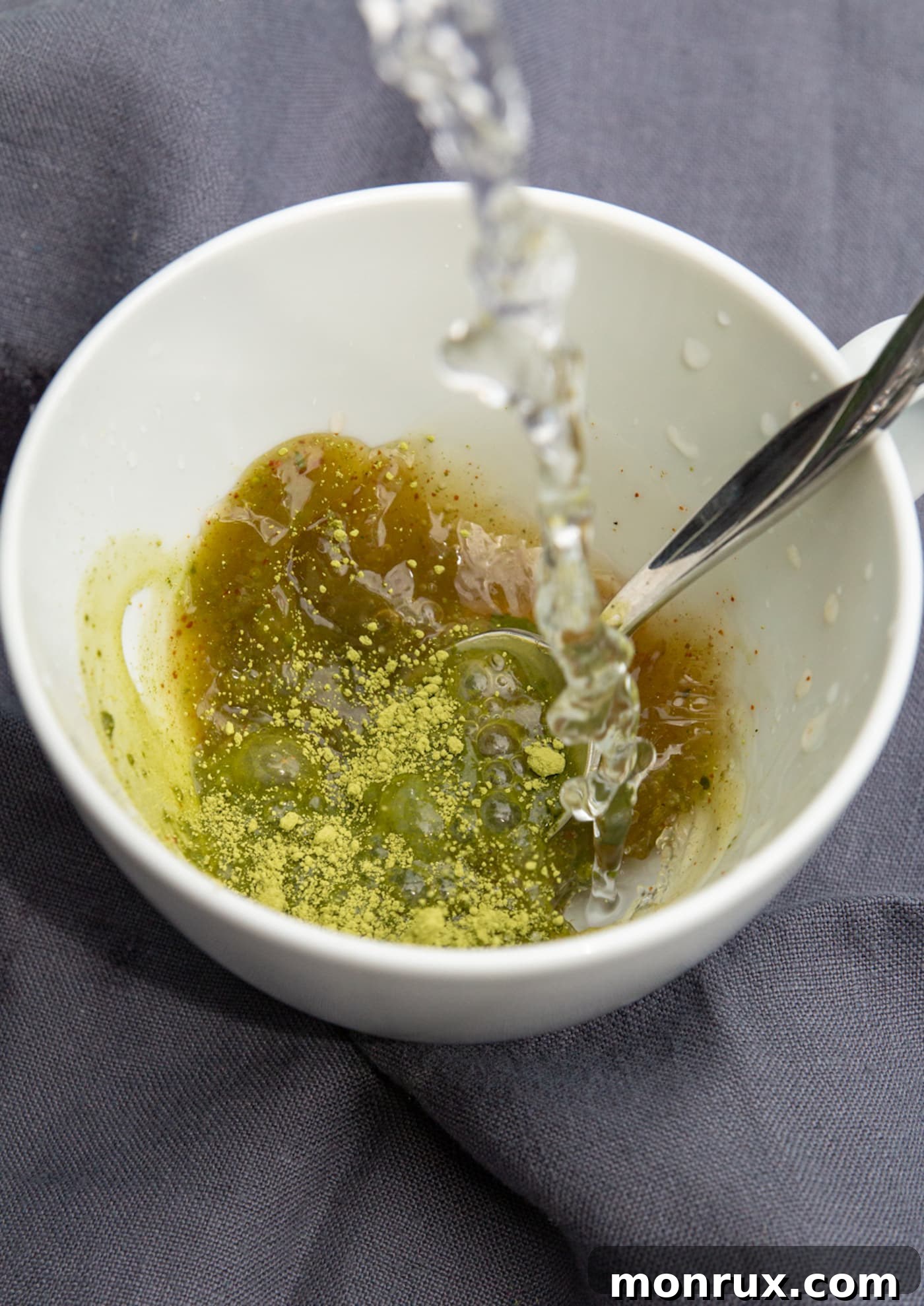
Step Two: Pour Hot Water and Whisk
Carefully pour very hot water (remember, not boiling, ideally between 175°F and 185°F or 80-85°C) over the ingredients in your mug. Immediately begin whisking vigorously. While a traditional bamboo whisk (chasen) is often recommended for ceremonial matcha preparation to create a perfect froth, a regular small kitchen whisk, or even a battery-powered milk frother, will work beautifully for this latte. Whisk for at least 10-15 seconds, or until the matcha powder is fully dissolved, the coconut butter has melted completely, and the mixture is smooth and slightly frothy. The goal is to eliminate any clumps of matcha and thoroughly incorporate the creamy coconut butter.
Step Three: Serve and Enjoy
Once thoroughly whisked, your dairy-free coconut matcha latte is ready to be enjoyed! Savor it hot for a comforting and invigorating drink. For an extra luxurious texture, you can transfer the mixture to a high-speed blender for a quick 10-second blend, which will create an even richer, frothy top. However, this is entirely optional, as a good whisking will often suffice.
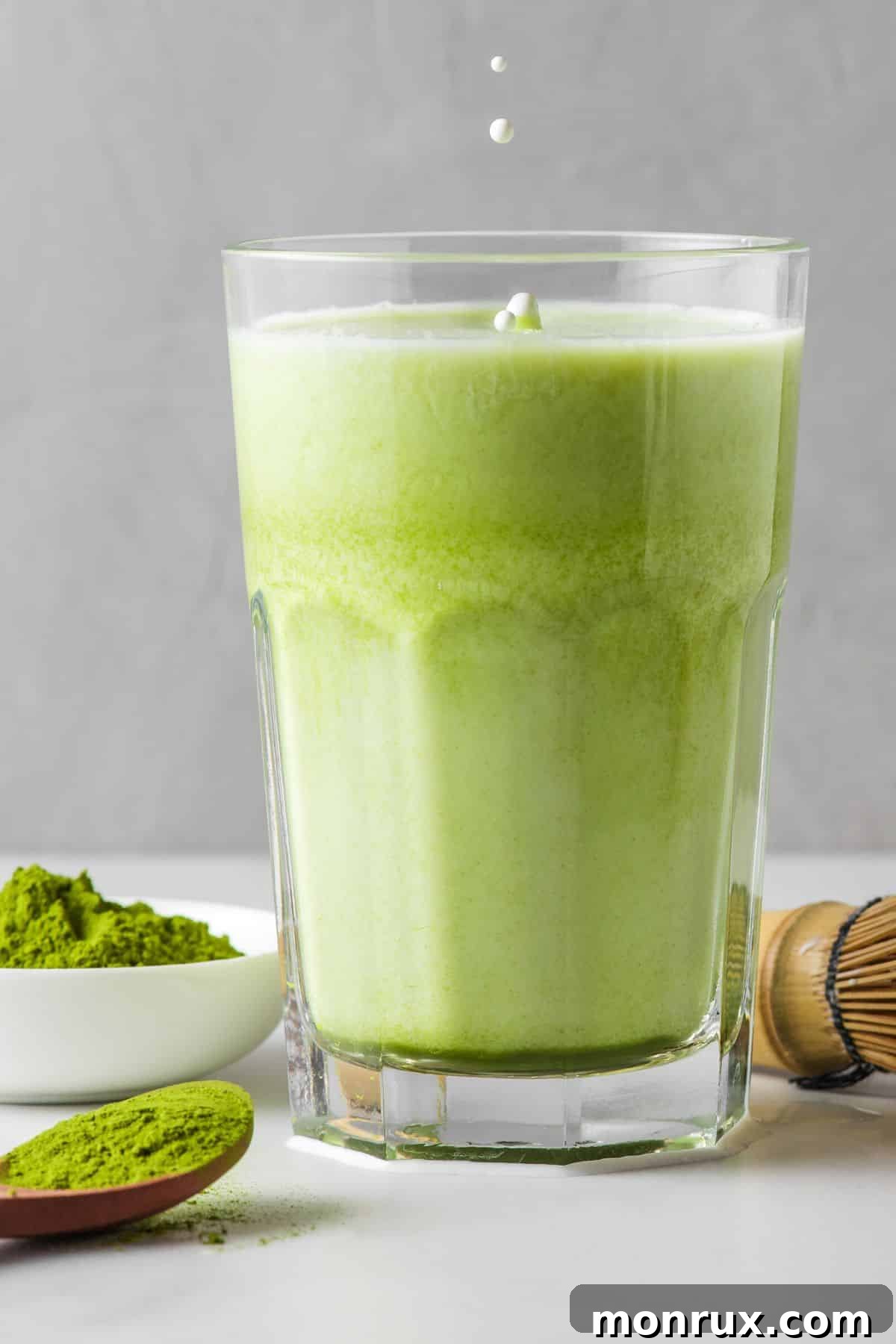
Want an Iced Matcha Latte? Simply prepare your matcha latte as described above, then let it cool for a few minutes. Once slightly cooled, pour the mixture over a glass filled with ice cubes. Stir gently and enjoy a refreshing homemade iced matcha latte!
Matcha vs. Coffee: A Deeper Dive into Your Morning Brew
For many, the morning ritual revolves around a cup of coffee. However, if you’ve experienced adverse effects from coffee, such as digestive upset, heightened anxiety, or the dreaded “coffee jitters,” matcha offers a compelling and gentler alternative. Understanding the key differences between these two popular beverages can help you choose the best option for your body and mind.
1. Caffeine Content and Experience: The most significant distinction lies in their caffeine profiles. A typical cup of coffee can contain anywhere from 100-200 mg of caffeine, leading to a rapid peak in energy followed by a potential crash. In contrast, a 1/2 teaspoon serving of matcha powder contains approximately 35 mg of caffeine. This means matcha generally has about 25% of the caffeine found in coffee.
More importantly, the way caffeine is delivered and metabolized in matcha is different. Matcha’s caffeine is released more slowly due to the presence of L-theanine, which also promotes alpha brain waves, creating a state of focused calm rather than nervous energy. Most people report feeling a sustained, smooth energy boost from matcha, free from the jitters, anxiety, and sharp decline often associated with coffee.
2. Health Benefits Beyond Energy: Both coffee and matcha offer health benefits, but they differ significantly. While coffee contains antioxidants, matcha is particularly rich in powerful catechins, especially EGCG, which are highly regarded for their anti-inflammatory and disease-fighting properties. These antioxidants contribute to cellular health, metabolism support, and detoxification.
3. Impact on Sensitive Systems: If you have a sensitive stomach, suffer from conditions like PCOS, adrenal issues, or autoimmune diseases, or experience regular acid reflux, coffee’s acidity and higher caffeine content can sometimes exacerbate symptoms. Matcha, being less acidic and offering a calmer caffeine delivery, is often better tolerated. For those with extreme caffeine sensitivity, a decaffeinated matcha option is also available, allowing you to enjoy the other health benefits without the stimulating effects.
Ultimately, the choice between matcha and coffee depends on your personal health needs, caffeine sensitivity, and desired energy experience. Many find that incorporating matcha into their routine, either as a full replacement or in rotation with coffee, offers a more balanced and beneficial daily boost.
Expert Tips for an Unforgettable Matcha Experience
- Water Temperature is Key: Never use boiling water with matcha powder. High temperatures can burn the delicate tea leaves, resulting in a bitter, unpleasant taste. Instead, use water that is very hot but not quite boiling, ideally between 175°F and 185°F (80°C to 85°C). If you don’t have a temperature-controlled kettle, simply boil water and let it sit for a minute or two before pouring.
- Whisking for Perfection: Proper whisking is crucial for a smooth, clump-free matcha latte. Use a rapid, zigzag motion (like drawing an “M” or “W” in the mug) with a bamboo whisk or a small electric frother until a fine layer of foam appears on top and all powder is dissolved. Don’t just stir; whisk thoroughly!
- Batch Preparation (with caution): While best enjoyed fresh, you can double or triple this recipe if you’re serving more than one person. However, avoid preparing large batches of matcha ahead of time, as its vibrant flavor and color can diminish quickly.
- Iced Latte Perfection: For a refreshing iced matcha latte, follow the recipe for a hot latte, but allow it to cool slightly before pouring it over a glass full of ice cubes. Stir well and enjoy. You can also blend it with ice for a frosty, slushie-like consistency.
- Adjust Sweetness to Taste: Matcha’s natural flavor profile can be slightly grassy. Adjust the amount of sweetener to your personal preference. Start with the recommended amount and add more if you like a sweeter drink.
- Explore Different Milks: While this recipe focuses on coconut butter for creaminess, you can experiment with different dairy-free milks if you prefer. Oat milk, almond milk, or cashew milk can also create delicious lattes. If using a plant-based milk, ensure it’s warmed and frothed separately before combining with the whisked matcha base for the best results. If using full-fat canned coconut milk, you might be able to omit the coconut butter for creaminess, depending on the desired richness.
- Storage Matters: Keep your matcha powder in an airtight container, away from light, heat, and moisture, to preserve its freshness, vibrant color, and potent antioxidants. Refrigeration can help extend its shelf life once opened.
- On-the-Go Options: If you’re looking for convenience or want to compare, explore store-bought options. See my Starbucks Matcha Drink Guide for popular choices.
Frequently Asked Questions About Matcha Lattes
Matcha typically has significantly less caffeine than coffee. A standard 1/2 teaspoon serving of matcha powder contains approximately 35 mg of caffeine, whereas a cup of coffee can range from 100-200 mg. Crucially, matcha’s caffeine is released more slowly due to L-theanine, providing a sustained, calmer energy boost without the jitters.
Matcha has a distinctive earthy, umami, and slightly grassy flavor. High-quality ceremonial grade matcha should be smooth and only mildly astringent. Bitterness often comes from using lower-quality culinary matcha for drinking, using water that is too hot (boiling), or not whisking properly. Blending it with creamy coconut butter and a touch of sweetener, as in this recipe, perfectly balances its natural notes, transforming it into a delicious latte.
Absolutely! While this recipe uses water and coconut butter for a rich, creamy base, you can certainly substitute the water with your favorite plant-based milk. Oat milk, almond milk, soy milk, or cashew milk all work wonderfully. Just remember to heat the milk gently before adding it to the matcha mixture. If you opt for a full-fat canned coconut milk, you might find that it’s creamy enough to omit the additional coconut butter.
Ceremonial grade matcha is the highest quality, made from the youngest tea leaves, meticulously ground for a smooth texture and vibrant flavor, intended for traditional whisking with water. Culinary grade matcha is made from slightly older leaves, has a stronger, bolder flavor, and is designed to be mixed into recipes like lattes, smoothies, and baked goods, where its flavor can stand up to other ingredients. For lattes, a good quality culinary or a lower ceremonial grade is often ideal.
To maintain its vibrant color, fresh flavor, and potent antioxidants, matcha powder should be stored in an airtight container, away from direct sunlight, heat, and moisture. Many experts recommend refrigerating or freezing matcha once opened, especially if you won’t use it quickly. Always let it come to room temperature before opening to prevent condensation.
More Energizing Beverages You Might Like!
We hope you enjoyed this recipe! If you give it a try, please leave a comment and a starred review below to share your experience. Your feedback is invaluable!
And, don’t forget to connect with us on social media to stay updated with more healthy recipes and wellness tips. Find us on Facebook, Pinterest, Instagram, and YouTube!
Print Recipe
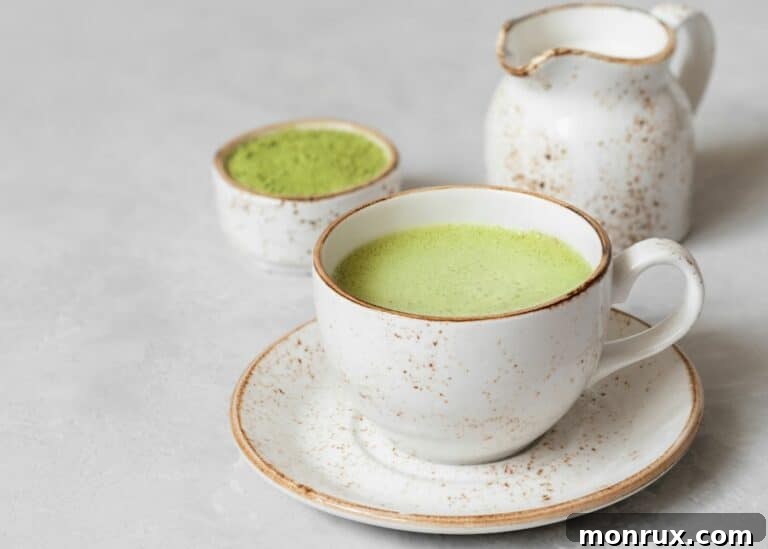
Dairy-Free Matcha Latte Recipe
★
5 Stars
★
4 Stars
★
3 Stars
★
2 Stars
★
1 Star
5 from 10 reviews
This creamy Coconut Matcha Latte recipe is made entirely dairy-free using simple, wholesome ingredients. It’s an excellent addition to your morning routine, providing sustained energy without the jitters or anxiety often associated with coffee. Enjoy its comforting warmth and rich flavor!
-
Total Time:
3 minutes -
Yield:
1 serving
Ingredients
- 1/2 teaspoon high-quality matcha powder
- 2 teaspoons coconut sugar (or preferred sweetener)
- 1 teaspoon coconut butter
- 8 ounces very hot water (approximately 175°F to 185°F / 80°C to 85°C, not boiling)
Instructions
- Combine the matcha powder, coconut sugar, and coconut butter in a medium-sized mug. Ensure the coconut butter is at room temperature for easier blending.
- Pour the very hot (but not boiling) water over the ingredients. Using a small whisk (a bamboo whisk or battery-powered frother works best), vigorously stir for about 10-15 seconds. Ensure the matcha powder is fully dissolved and the coconut butter has completely melted and incorporated into the latte until smooth and slightly frothy.
- Serve immediately and enjoy hot. For an iced version, let it cool for a few minutes before pouring over ice.
Notes
- Always use hot, but not boiling, water with matcha powder to prevent a bitter taste.
- For an iced matcha latte, allow the prepared mixture to cool for a few minutes, then pour it over a glass filled with ice cubes.
- For extra froth, you can quickly blend the prepared latte in a high-speed blender for 10-15 seconds.
- Author: Carrie Forrest, MPH in Nutrition
- Prep Time: 2 minutes
- Cook Time: 1 minute
- Category: Beverage
- Method: Easy
- Cuisine: Healthy
- Diet: Vegan
Nutrition
- Serving Size: 8 ounces
- Calories: 135
- Sugar: 8.1 g
- Sodium: 19.5 mg
- Fat: 5 g
- Saturated Fat: 2.6 g
- Carbohydrates: 8.1 g
- Fiber: 0.7 g
- Protein: 2.3 g
- Cholesterol: 12.5 mg
Don’t forget to join our newsletter list to receive exclusive clean eating recipes, wellness insights, and tips directly to your inbox. It’s 100% free with no spam, and you can unsubscribe anytime.
About the Author: Carrie Forrest holds a master’s degree in public health with a specialization in nutrition and is a certified holistic nutritionist. As a prominent wellness and food blogger, her site welcomes over 5 million annual visitors seeking healthier living. Carrie shares an inspiring personal story of recovery from chronic illness and is deeply passionate about empowering other women to transform their health. Feel free to send her a message through her contact form with any questions or comments.